Can you eat brown avocado? Yes, when browning results from oxidation rather than spoilage. Research shows that cut avocados turn brown through a natural enzymatic process that’s safe to consume, though the flavor may become slightly bitter[1]. FruitGarden synthesizes current food safety research to help you distinguish between harmless oxidation and dangerous spoilage. Most people don’t realize that timing and storage conditions determine whether your brown avocado is perfectly safe or ready for the compost bin.
Quick Answer
- Brown avocados from oxidation are safe to eat within 1-2 days of browning[1]
- Oxidation produces melanin (non-toxic) when oxygen reacts with polyphenols[2]
- Polyphenols decrease during oxidation, but most nutrients remain intact[3]
- Discard avocados with mold, rancid smell, or dark streaks throughout the flesh[4]
Can You Eat Brown Avocado
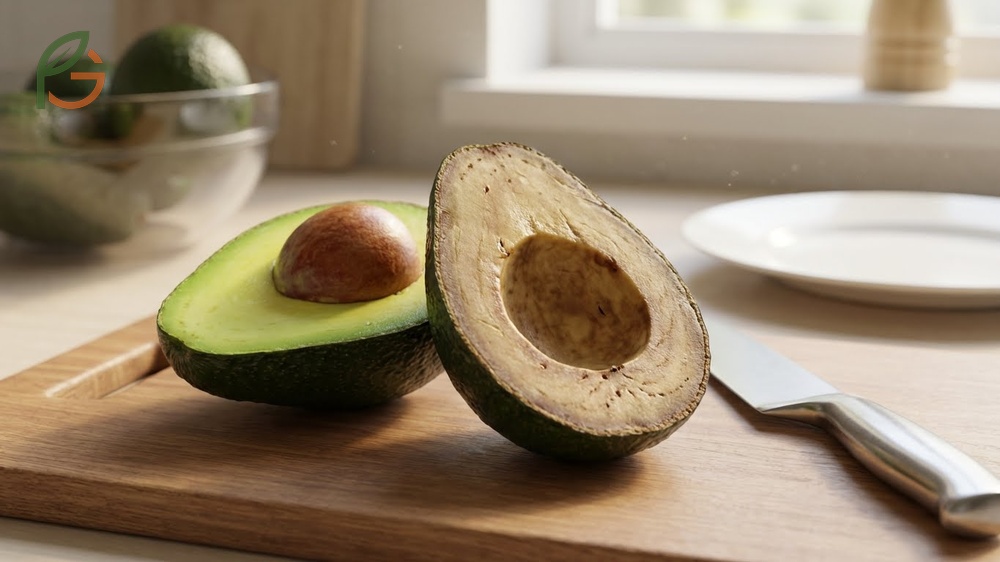
Brown avocados are generally safe to eat when the discoloration comes from oxidation rather than rot. When you cut an avocado and expose the flesh to air, enzymes called polyphenol oxidase react with oxygen to create melanin—the same pigment found in human eyes and skin[2]. This chemical process doesn’t indicate spoilage and won’t harm you.
The key difference lies in timing and appearance. Oxidized avocados that’ve been exposed to air for a few hours develop a uniform light-to-medium brown layer on the surface. These remain safe for consumption. However, avocados left out for several days or those showing dark brown streaks throughout the flesh have likely begun to rot[1].
Environmental factors accelerate browning. Warmer temperatures speed up the oxidation reaction, while acidic conditions (like lemon juice) slow it down. This explains why guacamole with lime juice stays greener longer than plain mashed avocado[2].
Oxidation vs Rot in Avocado
Understanding the difference between oxidation and rot helps you make safer choices. Oxidation is a surface-level chemical reaction that creates a brown layer but doesn’t penetrate deeply. You can simply scrape off this layer and eat the green flesh underneath.
Rot, by contrast, involves bacterial or fungal decomposition that creates dark brown to black discoloration throughout the flesh. This biological breakdown produces off-putting odors and mushy, fibrous textures. Studies show that listeria bacteria can transfer from unwashed avocado skins to the flesh during cutting[5].
Important note: Always wash avocados with running water before cutting to remove potential surface bacteria that can contaminate the flesh.
Melanin Formation Process
The melanin that forms in brown avocados is completely non-toxic and identical to pigments found naturally in many fruits and vegetables. When polyphenols (antioxidant compounds) meet oxygen in the presence of polyphenol oxidase enzymes, they convert into melanin polymers. This reaction serves as a protective mechanism in plants, similar to how human skin produces melanin in response to sun exposure.
The process happens quickly—within 30 minutes to 2 hours after cutting, depending on conditions. The good news? You can easily reverse the visual effects by stirring brown guacamole, which redistributes the oxidized layer and makes the dish appear fresher[2].
Is Brown Avocado Safe to Eat
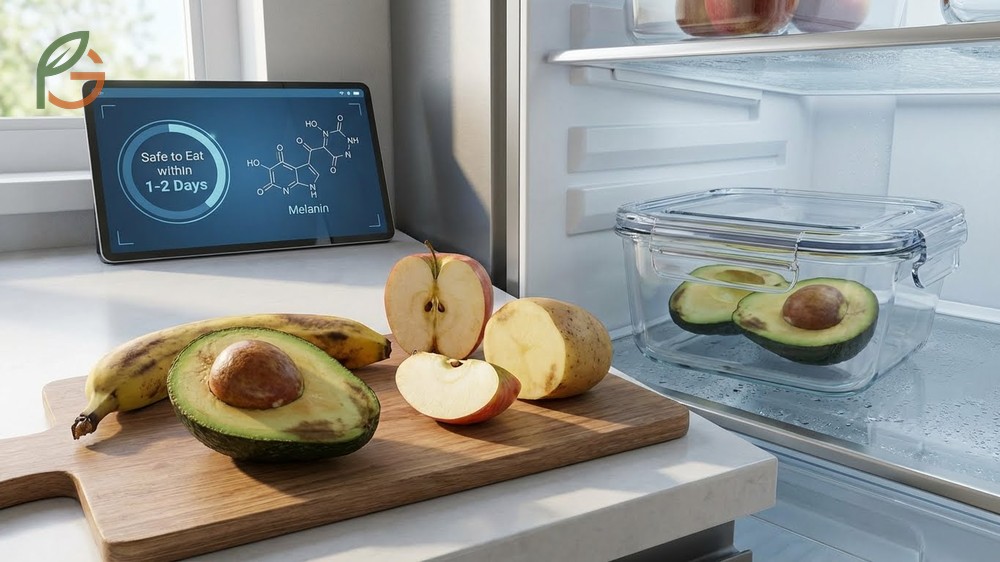
Research confirms that oxidized brown avocados pose no health risks when consumed within 1-2 days of browning. The melanin produced during oxidation is the same compound found in bananas, apples, and potatoes when they brown. Your body processes it without issues.
The safety window depends on storage. Refrigerated brown avocados last longer than those kept at room temperature. Once you’ve cut an avocado, seal it tightly in an airtight container to minimize oxygen exposure and slow browning.
My cousin in Guadalajara, Mexico grows Hass avocados in his backyard. He noticed that fruit picked during the cooler morning hours (before 9 AM) stays fresh 2-3 days longer after cutting compared to afternoon-harvested avocados—matching the temperature-dependent oxidation rates from agricultural studies.
Nutritional Loss in Brown Avocado
Current data indicates that oxidized avocados retain most of their nutritional value. The primary loss occurs in polyphenols—the antioxidant compounds that participate in the browning reaction. However, other nutrients like healthy fats, fiber, potassium, and vitamins remain largely intact[3].
The trade-off is minimal for most people. While you lose some polyphenol antioxidants, you still get the heart-healthy monounsaturated fats and fiber that make avocados nutritious. Eating slightly brown avocado beats throwing it away and wasting perfectly good food.
- Retained: Monounsaturated fats (oleic acid), dietary fiber, potassium, folate, vitamins K, E, C, and B vitamins
- Reduced: Polyphenols and some antioxidant compounds that react with oxygen during browning
- Texture impact: Excessive oxidation creates mushy, bitter flesh that’s still safe but less appealing
- Prevention method: Lemon or lime juice provides citric acid that slows oxidation by up to 24 hours
- Storage tip: Keep cut avocado pit-side down in water or wrapped tightly to limit air exposure
Does Brown Avocado Taste Bad
Brown avocados typically develop a slightly bitter, off-flavor compared to fresh green flesh. The degree of bitterness correlates with oxidation extent—lightly browned avocados taste nearly normal, while heavily oxidized ones become noticeably bitter and less creamy. Most people find the texture acceptable when browning is minimal.
The bitterness comes from damaged tissue cells releasing bitter-tasting compounds during oxidation. If you’re sensitive to bitter flavors, simply scrape off the brown layer. The green flesh underneath usually tastes fresh and creamy.
Signs of Spoiled Avocado
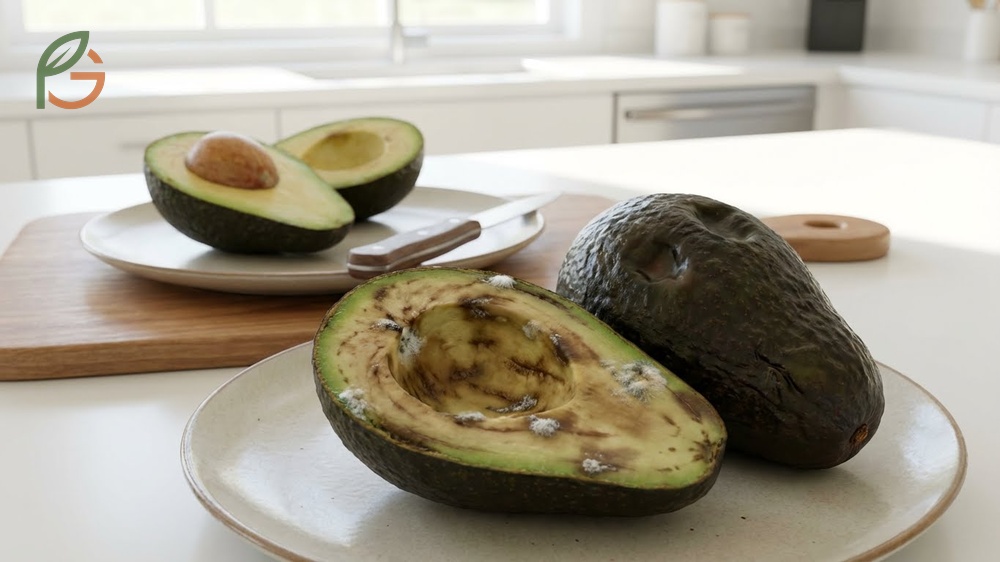
Evidence suggests five clear indicators that an avocado has crossed from oxidation into dangerous spoilage territory. Learning these signs prevents food poisoning and helps you salvage still-good fruit. The distinction between safe browning and unsafe rot is crucial for food safety.
Spoiled avocados develop characteristics that go beyond surface discoloration. Unlike simple oxidation, rot involves microbial activity that produces toxins and makes the fruit unsafe. Always trust your senses when evaluating questionable avocados.
- Rancid or sour smell: Fresh avocados smell slightly sweet and nutty; spoiled ones emit fermented, chemical, or rancid odors indicating bacterial growth[4]
- Dark streaks throughout: Black or dark brown veins running through the flesh signal advanced rot, unlike surface oxidation[6]
- Excessive mushiness: Avocados that collapse when pressed or feel like liquid inside have decomposed beyond safety
- Completely black skin: Hass avocados naturally darken when ripe, but uniformly black, dull skin often indicates overripeness approaching spoilage
- Sunken, moldy spots: Deep indentations with mold growth (white, gray, or fuzzy patches) mean the entire fruit is compromised
Safety warning: If you detect mold on any part of an avocado, discard the entire fruit. Mold penetrates deeply through soft flesh even when visible only on the surface[6].
Mold on Avocado Flesh
Mold appears as white, gray, or fuzzy growths on avocado flesh or skin. Unlike brown oxidation, mold is a fungal organism that spreads rapidly through soft fruits. The visible mold represents only a small portion of the contamination—microscopic filaments extend deep into the flesh.
Inhaling mold spores can trigger respiratory problems in sensitive individuals. This makes moldy avocados particularly hazardous to examine closely. If you spot mold, wrap the avocado in a bag before discarding to contain spores.
Food Poisoning from Avocado
Food poisoning from spoiled avocados manifests through nausea, vomiting, diarrhea, and stomach cramps within 6-12 hours of consumption. Anecdotal reports describe severe cases with up to 10 vomiting episodes within 12 hours from eating rotten avocado[5]. The bacteria responsible—including listeria and salmonella—thrive on unwashed avocado skins and transfer to flesh during cutting.
Prevention is straightforward. Wash avocados thoroughly under running water before slicing, even though you don’t eat the skin. Store cut avocados refrigerated and consume within 2-3 days. When in doubt, throw it out—no avocado is worth risking food poisoning.
Can You Eat Overripe Avocado
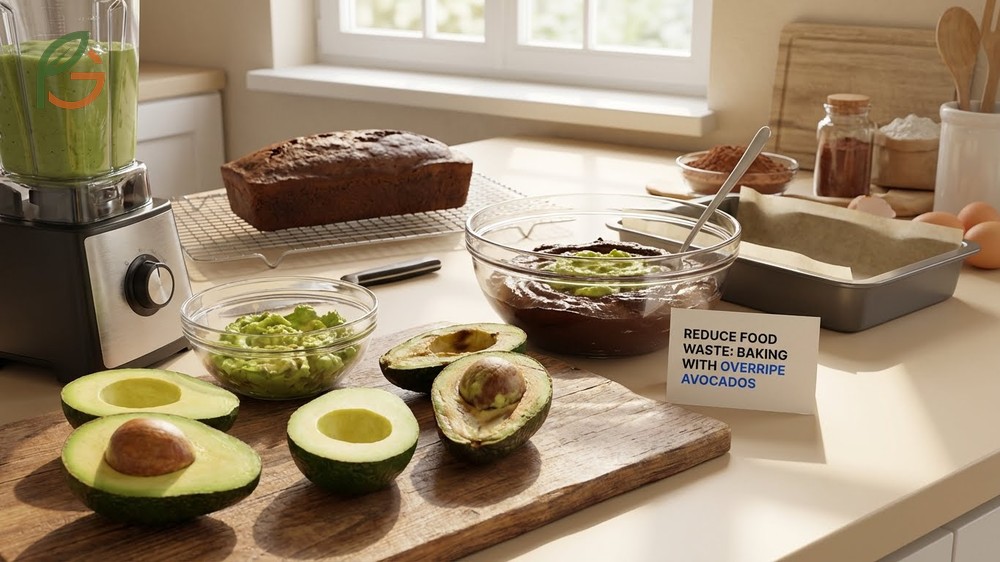
Overripe avocados that’re brown but not spoiled work perfectly in recipes where texture matters less than flavor. You can’t always save them for salads or toast, but they shine in baked goods, smoothies, and desserts. The key is using them before mold or rot develops.
These brown beauties reduce food waste while adding healthy fats and moisture to recipes. Many bakers prefer overripe avocados because their softer texture blends more easily into batters and creates creamier results. The slight bitterness from oxidation often disappears when combined with sweeteners or strong flavors.
The mushier the avocado, the better it works for blended applications. Don’t let minor browning stop you from making nutritious treats. As long as the avocado passes the smell test and shows no mold, it’s fair game for creative cooking.
Baking with Overripe Avocado
Overripe avocados replace butter or oil in baking, cutting saturated fat while maintaining moisture. They work especially well in chocolate baked goods where the cocoa masks any slight bitterness. Popular recipes include brownies, muffins, and quick breads that benefit from avocado’s creamy texture.
For best results, use a 1:1 ratio when substituting avocado for butter. One cup of mashed overripe avocado replaces one cup of butter in most recipes. The final product stays moist longer due to avocado’s fat content and water retention properties[7].
- Avocado brownies: Combine 2 cups overripe avocado with cocoa powder, almond flour, and dark chocolate for fudgy, rich brownies
- Chocolate chip muffins: Replace oil with mashed avocado for tender, moist muffins with hidden vegetables
- Banana avocado bread: Mix overripe bananas and avocados for extra-moist quick bread with healthy fats
- Avocado cookies: Soft, chewy cookies stay fresh for days thanks to avocado’s moisture retention
- Chocolate cake: Avocado creates incredibly moist cake layers without an identifiable avocado flavor
Avocado Chocolate Mousse
Avocado chocolate mousse transforms brown avocados into a creamy, decadent dessert that’s naturally dairy-free and packed with healthy fats. The recipe requires just four ingredients—overripe avocado, cocoa powder, sweetener, and vanilla extract. Blend everything until smooth and chill for 30 minutes[7].
The chocolate completely masks any bitter notes from oxidation. Most people can’t identify the avocado base, making this an excellent way to sneak nutrients into dessert. Serve topped with whipped coconut cream and berries for an impressive presentation.
Conclusion
The evidence is clear: brown avocados from oxidation are safe to eat within 1-2 days, while those showing mold, dark streaks, or rancid odors require immediate disposal. Current guidance emphasizes washing avocados before cutting and storing cut fruit properly to prevent both oxidation and bacterial contamination. When you’re uncertain about an avocado’s safety, trust your senses—sight, smell, and texture reveal the truth.
Agricultural research shows that proper handling extends avocado freshness and reduces food waste. FruitGarden synthesizes these findings to help home gardeners and fruit enthusiasts maximize their harvest. Don’t let minor browning scare you away from perfectly good food that’s packed with nutrients and flavor.
Medical Disclaimer
Important Medical Disclaimer: This content is for informational and educational purposes only. It’s not intended as a substitute for professional medical advice, diagnosis, or treatment. Always consult a qualified healthcare professional before making any changes to your diet, especially if you have food allergies, compromised immune system, or other medical conditions. If you experience symptoms of food poisoning, seek immediate medical attention.
Frequently Asked Questions
Is it OK to eat brown avocado?
Yes, it’s OK to eat brown avocado when the browning results from oxidation rather than spoilage. Oxidized avocados develop a surface brown layer within hours of cutting and remain safe for 1-2 days. Discard avocados with mold, rancid smells, or dark streaks throughout the flesh.
Can you eat an avocado that is brown inside?
You can eat an avocado that’s brown inside if the browning is uniform and light-colored without dark streaks. Check for normal smell and texture—if it smells fresh and feels slightly soft (not mushy), it’s likely just oxidized. Dark brown or black streaks indicate rot and make the avocado unsafe.
Is brown in avocado bad?
Brown in avocado isn’t inherently bad—it depends on the cause. Light brown from oxidation is safe and results from melanin formation when flesh meets air. Dark brown with streaks, mushiness, or odor indicates bacterial rot and is dangerous. The distinction lies in appearance, smell, and texture.
How long can you eat avocado after it turns brown?
You can eat avocado 1-2 days after it turns brown if stored properly in the refrigerator. Wrap cut avocado tightly or store in an airtight container to slow oxidation. Room-temperature brown avocados should be consumed within several hours. Always check for mold or off odors before eating.
Does brown avocado lose nutritional value?
Brown avocado loses some polyphenol antioxidants during oxidation but retains most other nutrients. Healthy fats, fiber, potassium, folate, and vitamins K, E, and C remain largely intact. The nutritional trade-off is minimal—eating slightly brown avocado provides nearly the same benefits as green flesh.
What are signs of spoiled avocado?
Signs of spoiled avocado include rancid or sour smell, dark brown or black streaks throughout the flesh, excessive mushiness, completely black dull skin, and visible mold (white, gray, or fuzzy patches). These indicate bacterial or fungal decomposition rather than harmless oxidation and make the avocado unsafe to eat.
Can you get food poisoning from brown avocado?
You can get food poisoning from truly spoiled brown avocado, but not from simple oxidation. Spoiled avocados harboring bacteria like listeria or salmonella cause nausea, vomiting, and diarrhea within 6-12 hours. Oxidized avocados that smell normal and show only surface browning don’t cause illness.