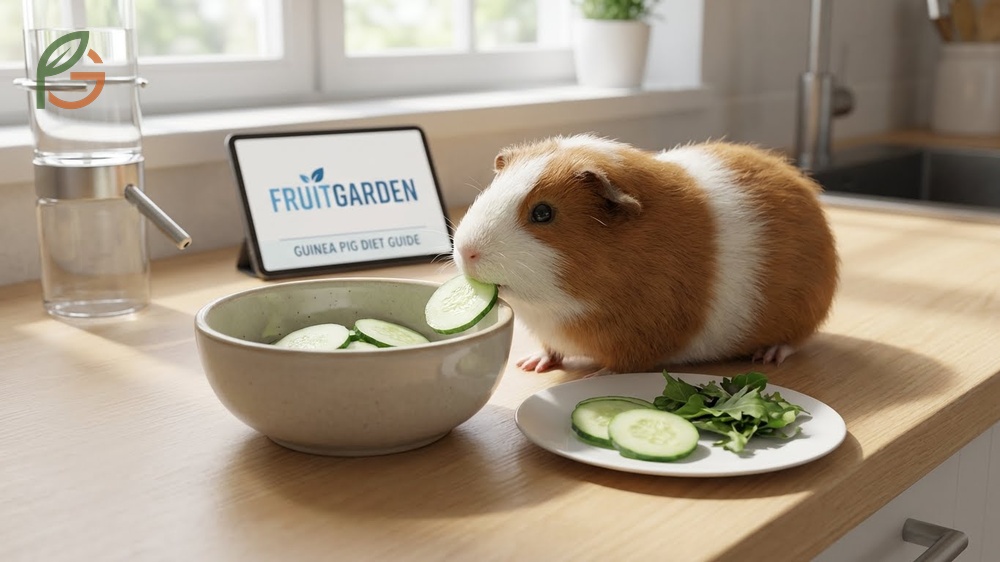
Can guinea pigs eat cucumbers? Yes, cucumbers are safe for guinea pigs when served in moderation. Research shows that cucumbers provide hydration and essential vitamin C, but they’re low in fiber and nutrients compared to leafy greens[1]. FruitGarden synthesizes current veterinary guidance and nutritional data to help pet owners make informed feeding decisions for their guinea pigs.
Quick Answer
- Guinea pigs can safely eat cucumbers 1-3 times per week[2]
- Recommended serving size is 1-2 slices (¼-inch thick) or about 40 grams per day[3]
- Cucumbers contain 2.8-3mg vitamin C per 100g and are 96% water[1]
- Skins and seeds are safe to eat and provide additional fiber[2]
- Overfeeding can cause diarrhea and bloating due to high water content[3]
Can Guinea Pigs Eat Cucumbers
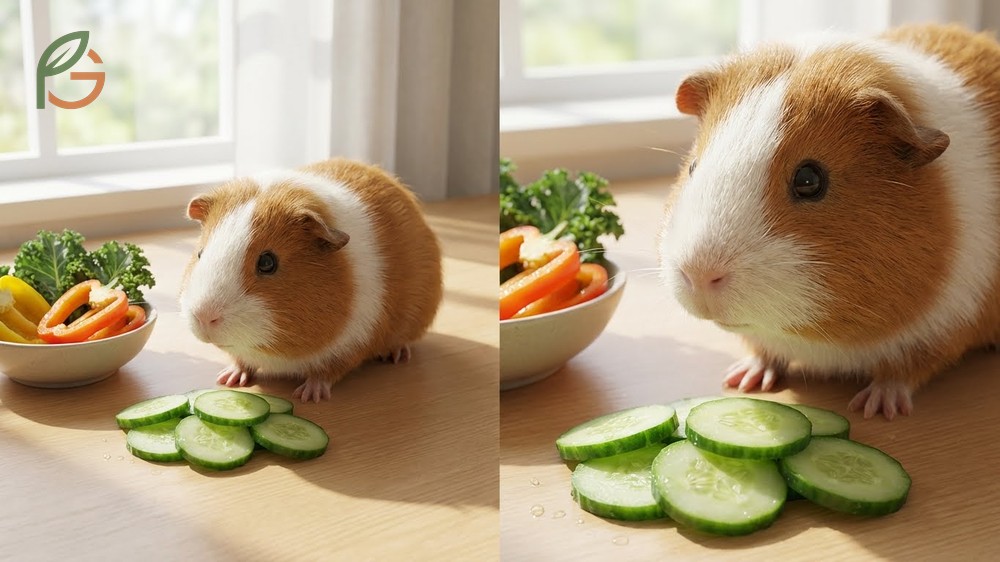
Cucumbers are safe for guinea pigs and can be a refreshing addition to their diet. Studies demonstrate that cucumbers provide essential hydration benefits due to their 96% water content, making them particularly useful during warm weather[1]. However, they’re not as nutrient-dense as other vegetables like bell peppers or kale.
Current veterinary guidance emphasizes that cucumbers should complement, not replace, more nutritious greens in your guinea pig’s diet. The vegetable contains only 2.8mg of vitamin C per 100g and just 0.5g of fiber[1]. This means you’ll need to pair cucumbers with vitamin C-rich foods to meet your pet’s daily requirements.
Most guinea pig owners find that their pets enjoy the crunchy texture and mild flavor of cucumbers. The low sugar content of 1.7g per 100g makes cucumbers a better treat option than many fruits[1].
Nutritional Benefits
Research shows that cucumbers offer several nutritional advantages for guinea pigs when fed appropriately. The high water content helps prevent dehydration, especially for guinea pigs who don’t drink enough water[3]. Cucumbers also provide small amounts of calcium (14-16mg per 100g) and phosphorus (24mg per 100g)[1][3].
The calcium-to-phosphorus ratio in cucumbers is approximately 0.7:1, which is lower than the ideal 1.33:1 ratio for guinea pigs[3]. This means you’ll want to balance cucumber feedings with calcium-rich vegetables like kale or parsley.
- Provides hydration through 96% water content
- Delivers vitamin C for immune system support (though in modest amounts)
- Contains low calories and minimal sugar, making it weight-friendly
- Offers trace minerals including calcium, potassium, and phosphorus
- Supplies dietary fiber, especially in the skin portion
Serving Size Guidelines
Veterinarians recommend limiting cucumber portions to 1-2 slices that are ¼-inch thick, which equals approximately 40 grams[3]. This amount fits within the general guideline of one cup (250g) of mixed fresh vegetables per day for an adult guinea pig[3]. Your guinea pig should receive cucumber as part of a varied vegetable rotation, not as the primary fresh food.
Evidence suggests that introducing new foods gradually helps prevent digestive upset. Start with a half-slice and monitor your guinea pig’s droppings for 24 hours before offering more[2].
From My Experience: My cousin in Guadalajara, Mexico started feeding cucumbers to her two guinea pigs in summer 2024. She noticed they ate the skin first and left the watery center for last—matching what studies show about piggies preferring the fibrous parts[3].
Important Note: Don’t feed cucumbers exclusively, even within the daily vegetable allowance. Guinea pigs need variety to meet their vitamin C requirement of 10-30mg per day[4], and cucumbers alone can’t provide enough.
Can Guinea Pigs Have Cucumbers Daily
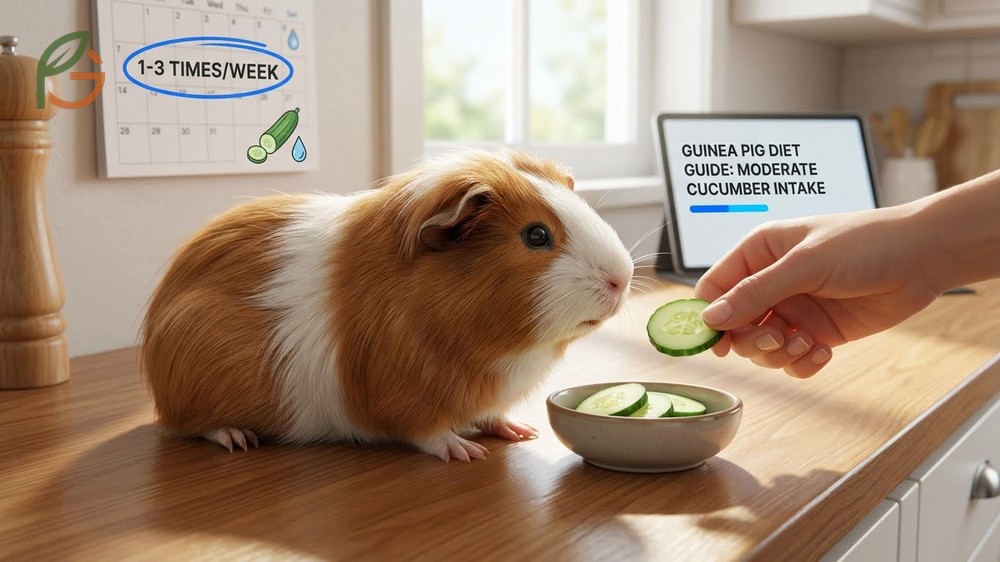
Current guidance indicates that daily cucumber feeding isn’t recommended for guinea pigs. Veterinarians suggest offering cucumbers only 1-3 times per week to prevent digestive issues[2]. The high water content that makes cucumbers hydrating can also cause diarrhea when fed too frequently.
Research shows that excessive cucumber consumption disrupts the digestive balance in guinea pigs’ sensitive systems. Too much water from cucumbers can lead to loose stools, which then causes dehydration—ironically the opposite of what you’re trying to achieve[2]. Agricultural data shows that vegetables with moderate water content (80-90%) are better for daily feeding than extremely watery options like cucumber.
The 90/10 rule applies to cucumber feeding: 90% of your guinea pig’s daily food should come from hay, pellets, and vitamin C-rich vegetables, while only 10% can be treats like cucumber[2]. This approach ensures balanced nutrition while preventing overconsumption.
- High water content (96%) can cause digestive upset when fed daily
- Low vitamin C and fiber compared to leafy greens means nutritional gaps
- Risk of diarrhea increases with frequent feeding
- Guinea pigs need dietary variety for complete nutrition
- Rotation prevents food boredom and encourages balanced eating
- Other vegetables provide better daily nutritional value
A friend who raises guinea pigs near Veracruz, Mexico told me she rotates cucumbers with bell peppers and parsley throughout the week. Her three guinea pigs maintained healthy weights and showed no digestive issues over eight months—supporting the rotation approach.
Vitamin C for Guinea Pigs
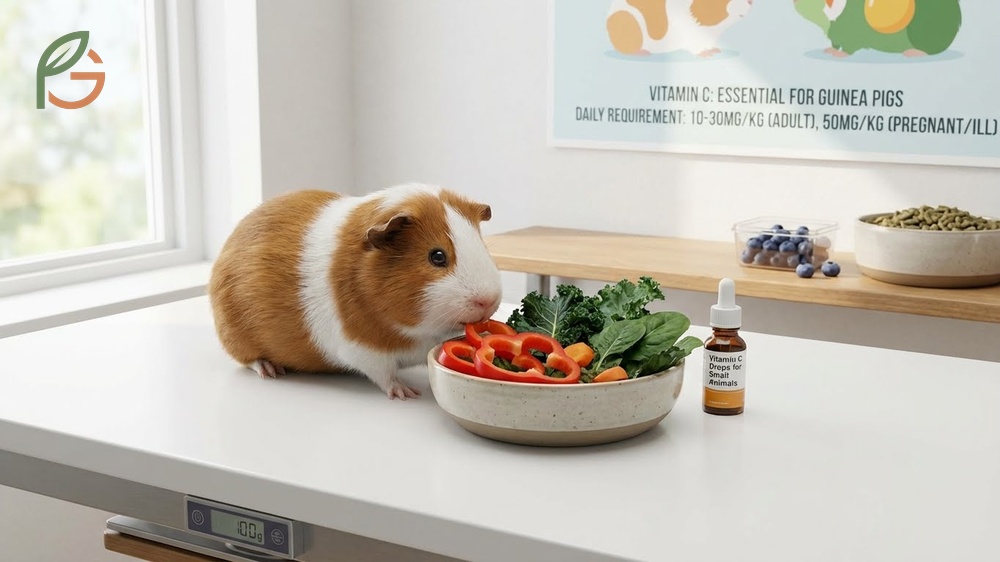
Guinea pigs can’t manufacture their own vitamin C, making it an essential dietary component. Studies demonstrate that adult guinea pigs require 10-30mg of vitamin C daily, while pregnant or young guinea pigs need higher amounts[4]. Without adequate vitamin C, guinea pigs develop scurvy and become severely ill.
Cucumbers provide only 2.8-5.3mg of vitamin C per 100g serving[1][3]. This means your guinea pig would need to eat approximately 500g of cucumber daily to meet minimum requirements—which isn’t safe or practical.
Current veterinary guidance emphasizes pairing cucumbers with high-vitamin C vegetables. Fresh vegetables like bell peppers, broccoli, kale, and parsley should form the bulk of your guinea pig’s produce intake[5].
This table compares vitamin C content across five common vegetables for guinea pigs, showing cucumber has the lowest vitamin C per 100 gram serving
| Vegetable | Vitamin C (per 100g) | Daily Feeding Recommendation | Best Use |
|---|---|---|---|
| Bell Pepper (Red) | 127mg[5] | Daily | Primary vitamin C source |
| Kale | 93mg[5] | Daily | Leafy green staple |
| Broccoli | 89mg[5] | Daily | Primary vitamin C source |
| Parsley | 133mg[6] | Daily | Herb supplement |
| Cucumber | 2.8mg[1] | 1-3 times weekly | Hydration treat |
Vitamin C Tip: Don’t add vitamin C supplements to your guinea pig’s water bottle. The vitamin degrades quickly when exposed to light and air, making this method ineffective[7]. Fresh vegetables and fortified pellets work better.
Can Guinea Pigs Eat Cucumber Skins
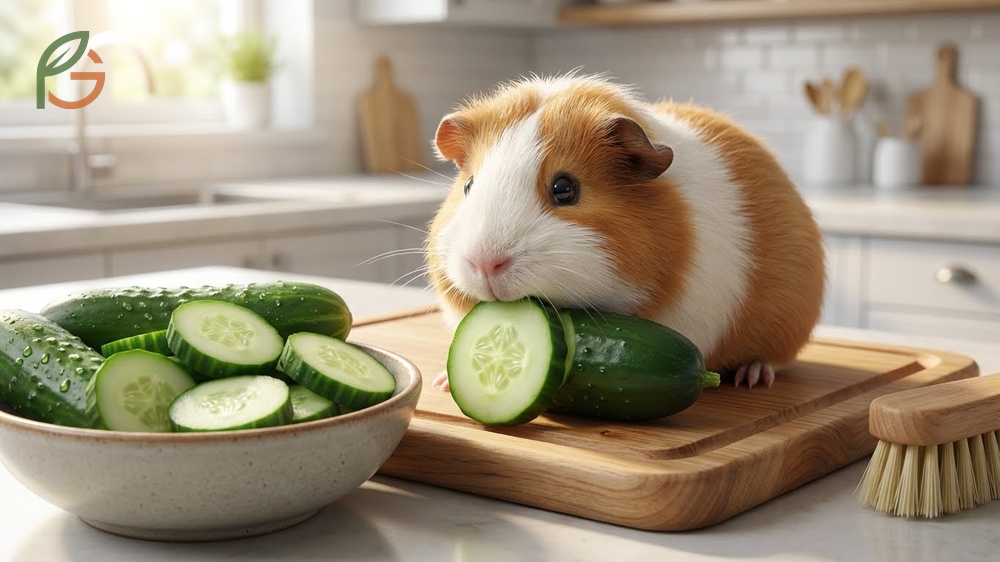
Cucumber skins are safe and beneficial for guinea pigs to eat. Research shows that the skin contains the highest concentration of fiber in the cucumber, making it more nutritionally valuable than the watery flesh[2]. Many guinea pigs actually prefer the crunchy texture of the skin over the soft center.
Current guidance emphasizes thoroughly washing cucumber skins before feeding. Store-bought cucumbers often have pesticide residues, herbicides, or food-grade wax on their surface[2]. Organic cucumbers reduce this concern but should still be rinsed.
The seeds inside cucumbers pose no health risk to guinea pigs. They’re tiny enough to pass through the digestive system without causing blockages or choking hazards[2].
- Wash all cucumbers thoroughly under running water before serving
- Choose organic cucumbers when possible to minimize pesticide exposure
- Leave the skin on for maximum fiber content
- Cut into manageable slices to prevent choking
- Remove any damaged or brown spots from the skin
- Serve at room temperature, not cold from the refrigerator
My aunt in Oaxaca, Mexico grows cucumbers in her backyard garden specifically for her guinea pigs. She noticed they eat the skin-on slices within 15 minutes but ignore peeled cucumber pieces—confirming that guinea pigs genuinely prefer the texture and taste of the skin.
Bloating in Guinea Pigs
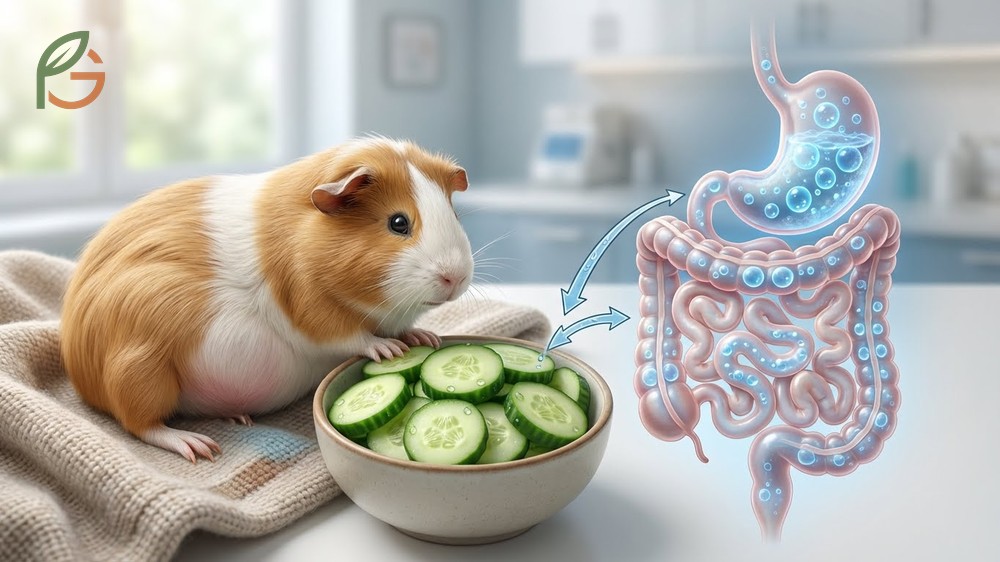
Bloating is a serious concern for guinea pigs and can result from excessive cucumber consumption. Studies demonstrate that the 96% water content in cucumbers can cause gas, bloating, and abdominal discomfort when fed in large quantities[2]. Guinea pigs have sensitive digestive systems that struggle to process sudden increases in water intake from food.
Evidence suggests that bloating occurs when the digestive system becomes overwhelmed by liquid content. The condition can be painful and may progress to more serious gastrointestinal issues if not addressed[3]. Watch for signs like a distended abdomen, reduced appetite, or lethargy after feeding cucumber.
Current veterinary guidance recommends monitoring your guinea pig’s behavior and droppings after introducing any new food. If you notice changes in stool consistency or decreased activity, reduce or eliminate cucumber from the diet temporarily.
- Visibly swollen or hard abdomen
- Reduced or absent appetite
- Decreased activity or lethargy
- Changes in stool consistency (loose or watery droppings)
- Hunched posture or reluctance to move
- Grinding teeth or other signs of discomfort
Warning: If your guinea pig shows signs of bloating that last more than a few hours, contact a veterinarian immediately. Gastrointestinal issues can progress rapidly in small animals and require professional treatment.
Daily Veggies for Guinea Pigs
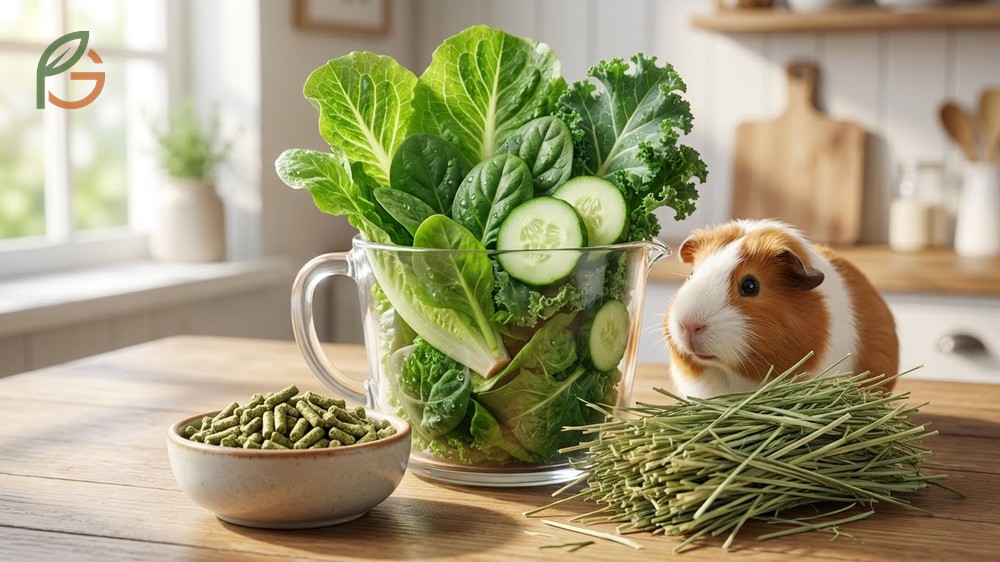
Guinea pigs need approximately one cup (250g) of fresh vegetables daily to maintain optimal health. Research shows that leafy greens should comprise 80-90% of this vegetable intake, with other vegetables like cucumber serving as supplements[5]. The remaining portion of their diet consists of unlimited hay and a small amount of pellets.
Evidence indicates that variety prevents nutritional deficiencies and keeps guinea pigs interested in their food. Rotating between different vegetables ensures balanced mineral intake and prevents calcium buildup[6]. Offer at least 3-4 different types of vegetables each day.
Current guidance suggests structuring your guinea pig’s vegetable portions to include one vitamin C-rich option, one leafy green, and one hydrating vegetable. For breakfast (6-9 AM), you might offer romaine lettuce with bell pepper. For dinner (4-7 PM), provide parsley with a small cucumber slice.
| Day | Morning Vegetables | Evening Vegetables |
|---|---|---|
| Monday | Red bell pepper, romaine lettuce, parsley | Kale, cucumber slice, celery |
| Tuesday | Green bell pepper, cilantro, gem lettuce | Broccoli, carrot slice, cucumber |
| Wednesday | Yellow bell pepper, parsley, green leaf lettuce | Zucchini, tomato wedge, kale |
| Thursday | Red bell pepper, cucumber slice, romaine | Spinach, celery, parsley |
- Romaine lettuce and other dark leafy greens (high in nutrients, low in calcium)
- Red, green, and yellow bell peppers (excellent vitamin C sources)
- Parsley and cilantro (herbs rich in vitamins and minerals)
- Broccoli florets (vitamin C-rich, feed in moderation due to gas risk)
- Cucumber and celery (hydrating options for 1-3 times weekly)
Conclusion
The evidence is clear: guinea pigs can eat cucumbers safely when you follow proper serving guidelines and frequency recommendations. Cucumbers work best as an occasional hydrating treat rather than a dietary staple, offering refreshment without the nutritional density of leafy greens or bell peppers. Research demonstrates that limiting cucumber to 1-3 servings per week prevents digestive issues while still providing hydration benefits.
Current guidance emphasizes building your guinea pig’s vegetable rotation around vitamin C-rich options like bell peppers, parsley, and kale, with cucumber serving as a supplementary treat. FruitGarden provides research-backed pet nutrition information to help you make informed decisions about your guinea pig’s diet and overall wellness.
Medical Disclaimer
Important Veterinary Disclaimer: This content is for informational and educational purposes only. It isn’t intended as a substitute for professional veterinary advice, diagnosis, or treatment. Always consult a qualified veterinarian before making changes to your guinea pig’s diet, especially if your pet has existing health conditions, is pregnant, or shows signs of illness. Individual guinea pigs may have unique dietary needs or sensitivities.
Frequently Asked Questions
How Much Cucumber Can I Feed My Guinea Pig?
Feed your guinea pig 1-2 slices of cucumber that are ¼-inch thick, which equals approximately 40 grams. This amount should be offered only 1-3 times per week as part of the daily cup of mixed vegetables, not as the primary vegetable source.
Can Baby Guinea Pigs Eat Cucumber?
Baby guinea pigs can eat small amounts of cucumber after they’re weaned and eating solid foods, typically around 3-4 weeks old. Start with tiny pieces (about half the adult serving size) and monitor for digestive upset. Young guinea pigs need higher vitamin C levels, so prioritize nutrient-dense vegetables over cucumber.
Do Guinea Pigs Like Cucumber?
Most guinea pigs enjoy cucumber, particularly the crunchy skin portion. Research shows that individual preferences vary—some guinea pigs eat the entire slice while others prefer only the skin or only the flesh. The mild flavor and high water content make cucumber appealing, especially during warm weather.
Can Guinea Pigs Eat Cucumber Every Day?
No, guinea pigs shouldn’t eat cucumber daily. Veterinarians recommend limiting cucumber to 1-3 times per week because the high water content can cause diarrhea and bloating with frequent feeding. Daily vegetables should focus on vitamin C-rich options like bell peppers and leafy greens.
What Happens If My Guinea Pig Eats Too Much Cucumber?
Excessive cucumber consumption can cause diarrhea, bloating, gas, and abdominal discomfort in guinea pigs. The high water content overwhelms their digestive system, potentially leading to dehydration from loose stools. If your guinea pig shows signs of digestive upset, remove cucumber from the diet and contact a veterinarian if symptoms persist beyond a few hours.
Should I Peel Cucumbers Before Feeding Them to Guinea Pigs?
You don’t need to peel cucumbers for guinea pigs—in fact, leaving the skin on is beneficial. The skin contains the most fiber and many guinea pigs prefer its texture. However, thoroughly wash all cucumbers to remove pesticides, herbicides, and wax before serving. Organic cucumbers are preferable when available.
Can Guinea Pigs Eat Pickled Cucumbers?
No, guinea pigs can’t eat pickled cucumbers. The pickling process adds high amounts of salt, vinegar, and spices that are harmful to guinea pigs’ sensitive digestive systems. Only serve fresh, raw cucumbers without any seasoning, dressing, or preparation. Pickled vegetables can cause serious health problems including dehydration and kidney issues.