
Can dogs eat peaches? Yes, dogs can safely eat fresh peaches when you remove the pit, stem, and leaves first. Research shows that peaches provide beneficial fiber and vitamins A and C for dogs, but the pit contains cyanide compounds that are toxic if ingested[1]. FruitGarden synthesizes current veterinary research to help pet owners make informed decisions about safe fruit feeding practices.
Quick Answer
- Fresh peaches are safe for dogs when properly prepared—always remove the pit, stem, and leaves before feeding
- One medium peach contains 58 calories, 2g fiber, and vitamins A and C[2]
- Peach pits contain amygdalin, which releases cyanide and causes choking hazards or intestinal blockages[1]
- Limit peaches to less than 10% of your dog’s daily calories to prevent digestive upset[3]
Can Dogs Eat Peaches

Dogs can safely enjoy fresh peaches as an occasional treat when you prepare them correctly. The sweet, juicy flesh provides valuable nutrients without harmful additives. Most dogs find the natural sweetness appealing, making peaches a great alternative to processed treats.
Veterinary experts confirm that peaches offer legitimate health benefits for dogs when fed in moderation. Dr. Gavin Casper from Hometown Animal Hospital notes that peaches are excellent sources of fiber and vitamin A[1]. The key is removing all potentially dangerous parts before serving.
You’ll want to treat peaches as a supplement to your dog’s balanced diet, not a replacement. Current feeding guidelines recommend keeping fruit treats under 10% of daily caloric intake[3]. This prevents digestive upset while still allowing your pup to enjoy the benefits.
Nutritional Benefits of Fresh Peaches
Fresh peaches deliver impressive nutritional value in a low-calorie package. A medium peach (150g) contains just 58 calories with 14g carbohydrates and 2g fiber[2]. The fiber content supports healthy digestion and regular bowel movements in dogs.
The vitamin profile makes peaches particularly beneficial for canine health. They’re rich in vitamin C, which supports immune function, and vitamin A, which promotes healthy vision and skin[4]. Peaches also contain antioxidants that help combat free radicals and reduce inflammation.
- Low calorie content – At 58 calories per medium fruit, peaches won’t contribute to weight gain when fed appropriately
- High fiber – 2 grams per peach promotes digestive regularity and helps prevent constipation
- Vitamin A – Supports eye health, skin cell repair, and immune system function
- Vitamin C – Acts as an antioxidant and strengthens the immune response against infections
- Zero saturated fat – Makes peaches a heart-healthy treat option compared to many commercial dog snacks
Proper Preparation and Serving Size
Preparing peaches safely takes just a few simple steps. Always wash the fruit thoroughly to remove pesticide residue and dirt. Cut the peach in half, remove the pit completely, and discard the stem and any leaves.
Portion control matters more than you might think. For small dogs under 20 pounds, one or two small slices is plenty. Medium dogs (20-50 pounds) can handle a quarter to half of a medium peach. Large dogs over 50 pounds can safely eat up to one whole medium peach as an occasional treat.
You’ll notice that serving size should match your dog’s overall calorie needs. If you’re introducing peaches for the first time, start with a single small piece and monitor for any digestive changes over 24 hours. This helps you identify potential sensitivities before offering larger amounts.
Important Note: Never feed your dog peach-flavored products like yogurt, ice cream, or canned peaches in syrup. These contain added sugars, artificial sweeteners, and preservatives that can harm your pet’s health.
Are Peaches Safe for Dogs

Peaches are generally safe for dogs when you follow proper preparation guidelines. The flesh itself poses no toxicity risk and provides beneficial nutrients. However, certain parts of the peach and specific preparations can be dangerous.
The safety comes down to what you remove before feeding. Veterinarians emphasize that pits, stems, and leaves must be completely eliminated[1]. The skin is technically safe to eat, though some dogs may have difficulty digesting it.
Sugar content is another consideration for safety. While natural sugars in fresh peaches aren’t toxic, excessive amounts can lead to stomach upset, diarrhea, or weight gain over time. This is why moderation matters even with safe fruits.
Fresh vs. Canned Peaches
Fresh peaches are always the better choice for your dog. They contain no added sugars, syrups, or preservatives that could cause health problems. The natural state preserves all the beneficial nutrients without unnecessary additives.
Canned peaches typically come packed in heavy syrup or light syrup, both of which contain excessive sugar. This added sugar can cause blood glucose spikes, contribute to obesity, and potentially lead to diabetes in dogs. Even “lite” or “reduced sugar” versions often contain more sugar than fresh fruit.
If you absolutely must use canned peaches, look for varieties packed in water with no added ingredients. Check the label carefully to ensure no artificial sweeteners like xylitol are present, as xylitol is extremely toxic to dogs even in small amounts.
White Peaches and Nectarines
White peaches are just as safe as traditional yellow peaches for dogs. They offer similar nutritional profiles with slightly lower acidity. The same preparation rules apply—remove the pit, stem, and leaves before feeding.
Nectarines, which are essentially smooth-skinned peaches, are also safe for dogs[5]. They contain comparable vitamins A and C along with dietary fiber. The pit poses the same cyanide and choking risks as peach pits, so removal is mandatory.
Peach Pit Dangers
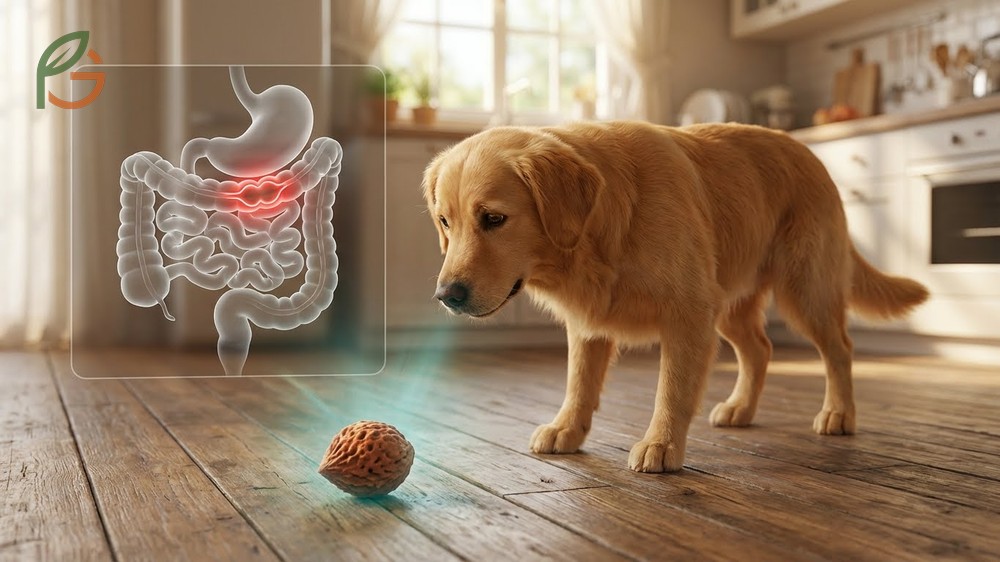
Peach pits present three serious threats to dogs: cyanide poisoning, choking hazards, and intestinal blockages. Understanding these risks helps you respond quickly if your dog accidentally ingests a pit. The hard, slippery nature of pits makes them particularly dangerous.
The size and shape of peach pits make them perfect candidates for getting lodged in a dog’s throat or digestive tract. Small and medium-sized dogs face the highest risk, though even large dogs aren’t immune. Prevention through proper fruit preparation is the most effective strategy.
Most dogs who swallow peach pits experience mechanical problems rather than cyanide poisoning. However, both scenarios require immediate veterinary attention. Don’t wait for symptoms to worsen if you know your dog consumed a pit.
Emergency Warning: If your dog is actively choking, showing severe breathing difficulty, or displaying signs of cyanide poisoning (excessive drooling, dilated pupils, difficulty walking), seek emergency veterinary care immediately. Don’t wait to see if symptoms improve on their own.
Cyanide Poisoning Symptoms
Peach pits contain amygdalin, a compound that breaks down into cyanide when chewed or digested[4]. While a single pit rarely causes full-blown cyanide poisoning, smaller dogs or those who chew the pit are at higher risk. The toxin interferes with oxygen transport in the blood.
Cyanide poisoning symptoms can appear within minutes to a few hours after ingestion. Watch for excessive drooling, bright red gums, dilated pupils, difficulty breathing, and rapid heart rate. Dogs may also show weakness, tremors, or collapse in severe cases.
- Excessive drooling or foaming at the mouth
- Bright red or pale gums indicating oxygen problems
- Dilated pupils that don’t respond to light
- Rapid breathing or difficulty breathing
- Weakness, stumbling, or inability to stand
- Vomiting or signs of nausea
- Seizures or loss of consciousness in severe cases
Choking and Intestinal Blockage
The hard, smooth surface of peach pits makes them ideal choking hazards. They can easily become lodged in a dog’s throat, cutting off the airway. This represents an immediate life-threatening emergency that requires intervention within minutes.
If a dog swallows a pit whole, it can cause a gastrointestinal obstruction. The pit may get stuck in the esophagus, stomach, or intestines. Symptoms of blockage include vomiting, loss of appetite, lethargy, abdominal pain, and inability to pass stool[6].
Intestinal blockages often require surgical intervention to remove the pit. The longer the obstruction remains, the more damage occurs to the digestive tract. Complete blockages prevent food and water from passing through, leading to dehydration and tissue death if untreated.
What to Do If Dog Ate Peach Pit

If you catch your dog eating a peach pit, don’t panic but do act quickly. First, assess whether your dog is showing immediate distress like choking or difficulty breathing. If yes, this is an emergency requiring immediate veterinary care or the pet poison hotline.
For dogs who swallowed the pit but aren’t showing immediate symptoms, contact your veterinarian right away. They’ll ask about your dog’s size, how long ago the pit was consumed, and whether the dog chewed it. This information helps determine the appropriate response.
Monitor your dog closely for the next 24-48 hours even if they seem fine initially. Watch for vomiting, changes in appetite, lethargy, abdominal pain, difficulty defecating, or any symptoms of cyanide poisoning mentioned earlier[6]. Keep the vet’s emergency number handy during this observation period.
- Don’t induce vomiting – Unless specifically instructed by a veterinarian, as the pit can cause damage coming back up
- Call your vet or Pet Poison Hotline – Describe the situation, your dog’s weight, and when ingestion occurred
- Observe for choking signs – Watch for coughing, gagging, pawing at mouth, or difficulty breathing
- Monitor eating and elimination – Track whether your dog is eating normally and having regular bowel movements
- Document symptoms – Write down any changes in behavior, appetite, or physical condition to report to your vet
Don’t try home remedies or wait to see if the pit passes naturally without veterinary guidance. The risks of obstruction and cyanide toxicity are too serious to handle without professional input. Your vet may recommend bringing your dog in for X-rays or monitoring, or they may advise observation at home depending on the circumstances.
Safe Fruits for Dogs

Many fruits offer safe, nutritious alternatives to peaches for your dog. Variety in treats keeps things interesting while providing different nutrient profiles. Understanding which fruits are safe helps you confidently expand your dog’s treat options.
The safest fruits share common characteristics—they’re low in natural sugars, easy to digest, and contain no toxic compounds. Always introduce new fruits gradually, starting with small amounts to check for allergic reactions or digestive sensitivity.
This table compares five safe fruits for dogs, showing their key nutrients, preparation requirements, and serving recommendations
| Fruit | Key Nutrients | Preparation | Serving Size |
|---|---|---|---|
| Apples | Vitamins A & C, fiber | Remove core, seeds, stem | 2-3 slices for medium dogs |
| Blueberries | Antioxidants, fiber, vitamin C | Wash thoroughly, serve whole | 5-10 berries for medium dogs |
| Watermelon | Vitamins A, B6, C, hydration | Remove seeds and rind | 1-2 small cubes for medium dogs |
| Strawberries | Vitamin C, fiber, antioxidants | Remove stems, slice into pieces | 1-2 berries for medium dogs |
| Bananas | Potassium, vitamins B6 & C | Peel and slice | 2-3 slices for medium dogs |
Remember that treats from any source, including fruit, shouldn’t exceed 10% of your dog’s daily caloric intake. If you’re feeding multiple types of fruit or other treats, calculate the combined total to stay within this guideline.
Conclusion
The evidence is clear: can dogs eat peaches safely when you remove pits, stems, and leaves before serving. Fresh peaches deliver valuable fiber, vitamins A and C, and antioxidants that support your dog’s health. The key is proper preparation and portion control to maximize benefits while eliminating risks.
Current veterinary guidance emphasizes treating peaches as occasional treats rather than dietary staples. Keep servings under 10% of daily calories, introduce new foods gradually, and always monitor your dog for any adverse reactions. When prepared correctly, peaches can be a delicious, nutritious addition to your dog’s treat rotation that both you and your pup can feel good about.
Medical Disclaimer
Important Medical Disclaimer: This content is for informational and educational purposes only. It’s not intended as a substitute for professional veterinary advice, diagnosis, or treatment. Always consult a qualified veterinarian before making any changes to your dog’s diet, especially if your pet has existing health conditions, allergies, or is on medication. If you suspect your dog has ingested a peach pit or is experiencing any adverse reactions, contact your veterinarian or the Pet Poison Hotline immediately.
Frequently Asked Questions
Can dogs have peaches every day?
No, dogs shouldn’t have peaches every day. While peaches are safe, they contain natural sugars that can cause weight gain and digestive upset if fed too frequently. Veterinarians recommend treating peaches as an occasional snack, limiting fruit treats to 2-3 times per week at most.
Are peaches toxic to dogs in any way?
The peach flesh itself isn’t toxic to dogs, but the pit, stem, and leaves contain amygdalin, which breaks down into cyanide when ingested. While the flesh is safe, you must remove all potentially toxic parts before feeding. Canned peaches with added sweeteners can also be harmful due to excessive sugar or artificial sweeteners like xylitol.
What happens if my dog ate a peach pit?
If your dog ate a peach pit, contact your veterinarian immediately. The pit can cause choking, intestinal blockage, or cyanide poisoning. Watch for symptoms like vomiting, difficulty breathing, excessive drooling, lethargy, or abdominal pain. Your vet will advise whether your dog needs to be seen for examination or monitoring at home based on size and symptoms.
Can dogs eat peach skin safely?
Yes, dogs can eat peach skin safely as it’s not toxic. However, some dogs may have difficulty digesting the fuzzy skin, which can cause mild stomach upset. If your dog has a sensitive stomach, peel the peach before serving. Always wash the skin thoroughly to remove pesticide residue if you’re leaving it on.
How much peach can I give my dog?
Serving size depends on your dog’s weight. Small dogs under 20 pounds should get 1-2 small slices, medium dogs (20-50 pounds) can have a quarter to half of a medium peach, and large dogs over 50 pounds can safely eat up to one whole medium peach. Always stay within the 10% treat guideline for daily calories.
Can dogs eat canned peaches in water?
Dogs can eat canned peaches only if they’re packed in water with absolutely no added sugars, syrups, or artificial sweeteners. Fresh peaches are always the better choice because canning processes can reduce nutrient content. Check labels carefully to ensure no xylitol or other harmful additives are present before feeding.
What are the symptoms of peach pit poisoning in dogs?
Symptoms of peach pit poisoning include excessive drooling, bright red gums, dilated pupils, rapid breathing, difficulty breathing, weakness, vomiting, and tremors. In severe cases, dogs may experience seizures or collapse. Symptoms can appear within minutes to a few hours after ingestion. Contact your veterinarian or emergency animal hospital immediately if you notice any of these signs.