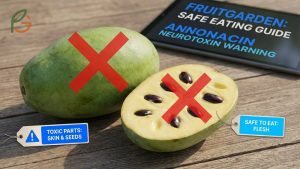
Can dogs eat papaya? Yes, dogs can safely eat papaya when properly prepared—flesh only, no seeds or skin—and served in moderation. Research shows this tropical fruit provides digestive enzymes, vitamins A and C, and fiber that support canine health[1]. FruitGarden provides evidence-based guidance on feeding papaya and other fruits to dogs, cats, rabbits, chickens, and reptiles based on current veterinary standards.
Quick Answer
- Dogs can eat fresh papaya flesh safely—43 calories and 1.7g fiber per 100g serving[2]
- Remove all seeds (contain traces of cyanide) and tough skin before feeding[3]
- Maximum serving: ¼ cup for extra-large dogs (91+ pounds), less for smaller breeds[1]
- Cats, rabbits, chickens, and bearded dragons can also eat papaya with species-specific precautions
Can Dogs Eat Papaya

Papaya is non-toxic to dogs and safe when properly prepared. Studies show the fruit contains beneficial nutrients including 60.9mg vitamin C per 100g—providing 68% of the human daily recommended intake[2]. The soft orange flesh provides vitamins A, C, and E, along with potassium and dietary fiber that support immune function and digestive health in dogs.
Research indicates papaya’s low calorie density makes it suitable as an occasional treat for dogs. At only 43 calories per 100g serving with 10.8g carbohydrates[2], it won’t significantly disrupt a balanced canine diet when given in appropriate portions. The fruit’s natural sweetness appeals to most dogs, making it an effective training reward or dietary supplement.
Veterinary guidance emphasizes proper preparation to prevent choking hazards and digestive upset. The seeds contain compounds that can irritate a dog’s stomach, while the thick skin proves difficult for canines to digest[1]. Always peel the fruit completely and remove all seeds before serving small, bite-sized pieces to your dog.
Papaya Nutrition for Dogs
Current nutritional data shows papaya delivers several key vitamins and minerals beneficial to canine health. The fruit contains vitamin A for vision support, vitamin C for immune function, and vitamin E for cellular health. Papaya provides folate, potassium (182mg per 100g), calcium (20mg per 100g), and magnesium (21mg per 100g)[2].
The fruit’s fiber content aids digestive regularity in dogs. With 1.7g of dietary fiber per 100g serving, papaya helps maintain healthy bowel movements and supports gut microbiome balance. This fiber works alongside the fruit’s high water content (88.4%) to prevent constipation and promote hydration.
Papaya contains papain, a proteolytic enzyme with anti-inflammatory properties. Research suggests this enzyme may benefit dogs with joint pain or arthritis by reducing inflammation, though more veterinary studies are needed to confirm optimal dosing for therapeutic effects[1].
Safe Serving Sizes by Dog Weight
Veterinary guidelines establish portion controls based on a dog’s body weight to prevent overconsumption. Small dogs (2-20 pounds) like Chihuahuas and Yorkshire Terriers should receive no more than 2-3 small pieces of papaya. Medium dogs (21-50 pounds) including Beagles and Cocker Spaniels can safely consume 4-6 small pieces.
Large breeds (51-90 pounds) such as Labrador Retrievers and German Shepherds tolerate up to 7-9 small pieces. Extra-large dogs weighing 91+ pounds—including Newfoundlands and Great Pyrenees—can have up to 10 small pieces or a maximum of ¼ cup per serving[1]. These recommendations assume papaya represents less than 10% of the dog’s daily caloric intake.
Important Note: Consult your veterinarian before introducing papaya to dogs with diabetes, digestive sensitivities, or those on restricted diets. The fruit’s natural sugars (7.82g per 100g) may affect blood glucose levels in diabetic dogs.
Is Papaya Good for Dogs

Evidence indicates papaya offers multiple health advantages for dogs when incorporated appropriately into their diet. The fruit’s vitamin C content supports immune system function and acts as an antioxidant, protecting cells from oxidative damage. Vitamin A promotes healthy skin, coat quality, and vision, while vitamin E contributes to cardiovascular and reproductive health.
The fiber in papaya aids digestive health by regulating bowel movements and supporting beneficial gut bacteria. This proves particularly useful for dogs experiencing mild constipation or irregular digestion. The fruit’s enzyme content may facilitate protein breakdown, potentially improving nutrient absorption in some dogs.
Research shows papaya contains lycopene and other carotenoids with antioxidant properties. These compounds help reduce inflammation and may support long-term health, though they should complement—not replace—a nutritionally complete dog food. Most veterinarians recommend papaya as an occasional treat rather than a dietary staple.
Papaya Enzyme for Dogs Digestion
Papain, the primary enzyme in papaya, breaks down proteins into smaller peptides and amino acids. This proteolytic activity may assist dogs with sensitive stomachs or those struggling to digest protein-rich foods. Some pet owners report improved digestion when adding small amounts of papaya to their dog’s meals, though clinical studies remain limited.
Current guidance suggests the enzyme’s anti-inflammatory effects could benefit dogs with digestive tract irritation. The papain works by reducing protein-related inflammation in the gut lining. However, dogs with existing gastrointestinal conditions should only receive papaya under veterinary supervision to avoid potential complications.
Dehydrated papaya concentrates both sugars and enzymes, making it less suitable for regular canine consumption. The drying process increases sugar density while maintaining enzyme activity, which can cause stomach upset in dogs unaccustomed to concentrated fruit sugars. Fresh papaya provides better nutritional balance for most dogs.
How Much Papaya for Dogs
Nutritionists recommend starting with minimal amounts when introducing papaya to your dog’s diet. Offer one or two small pieces (approximately 5-10g) and observe for 24-48 hours for any adverse reactions including diarrhea, vomiting, or changes in appetite. Gradual introduction allows the digestive system to adapt to the new food.
For ongoing feeding, limit papaya to 2-3 times per week as part of a varied treat rotation. This frequency prevents overconsumption of natural sugars while still providing nutritional benefits. The fruit should constitute no more than 10% of your dog’s total daily caloric intake to maintain balanced nutrition.
Dogs with high activity levels may tolerate slightly larger portions, while sedentary or senior dogs require stricter portion control. Weight management concerns make papaya’s low calorie content advantageous compared to commercial treats, but moderation remains essential. Track your dog’s weight and adjust portions if you notice any changes in body condition.
Is Papaya Safe for Dogs

Papaya flesh presents minimal safety risks when properly prepared and portioned. The fruit is classified as non-toxic to dogs by veterinary toxicology databases. Most dogs tolerate papaya well, with adverse reactions occurring primarily from improper preparation, overconsumption, or individual sensitivities.
Potential risks include gastrointestinal upset in dogs with sensitive stomachs. Symptoms may include loose stools, gas, or mild vomiting, particularly when papaya is introduced too quickly or in excessive amounts. Dogs with known food allergies should be monitored closely during initial papaya exposure, as rare allergic reactions can occur.
Research documents latex-papaya syndrome in humans, where latex allergy increases papaya sensitivity[3]. While less documented in dogs, those with environmental or food allergies warrant extra caution. Watch for skin reactions, excessive itching, or respiratory symptoms after papaya consumption.
Can Dogs Eat Papaya Seeds
Papaya seeds pose multiple hazards to dogs and should always be completely removed. The seeds contain cyanogenic glycosides—compounds that release trace amounts of cyanide during digestion[3]. While the concentration is typically too low to cause severe toxicity, repeated exposure or consumption of large quantities can lead to health complications.
The seeds’ hard texture creates choking risks, especially for small and medium-sized dogs. Their size and shape make them difficult to digest, potentially causing intestinal blockages if swallowed whole. Even large dogs struggle to break down the seeds effectively, leading to possible gastrointestinal irritation.
Studies indicate papaya seed extracts can temporarily affect reproductive function in dogs by reducing sperm concentration and motility. Though effects appear reversible upon discontinuation, the seeds offer no nutritional benefit that justifies these potential risks. Always discard all seeds before offering papaya to your dog.
Safety Warning: If your dog accidentally consumes papaya seeds, monitor for signs of distress including vomiting, diarrhea, lethargy, or difficulty breathing. Contact your veterinarian immediately if symptoms develop or if a large quantity was ingested.
What if Dog Ate Papaya Skin
Papaya skin presents digestive challenges due to its tough, fibrous texture. Most dogs can’t efficiently break down the thick outer layer, which may pass through the digestive system undigested or cause stomach upset. Small pieces of skin typically don’t cause serious harm but can lead to temporary discomfort.
The skin’s fibrous nature can trigger vomiting or diarrhea in dogs with sensitive digestive systems. Large pieces pose greater risks, potentially causing intestinal blockages in smaller breeds. If your dog consumes papaya skin, watch for signs of digestive distress over the next 12-24 hours.
Store-bought papayas often carry pesticide residues concentrated on the outer skin. These chemicals can irritate a dog’s gastrointestinal tract or cause more serious toxicity depending on exposure levels. Thoroughly wash organic papayas before peeling, and never intentionally feed the skin to your pet regardless of growing practices.
Can Cats Eat Papaya
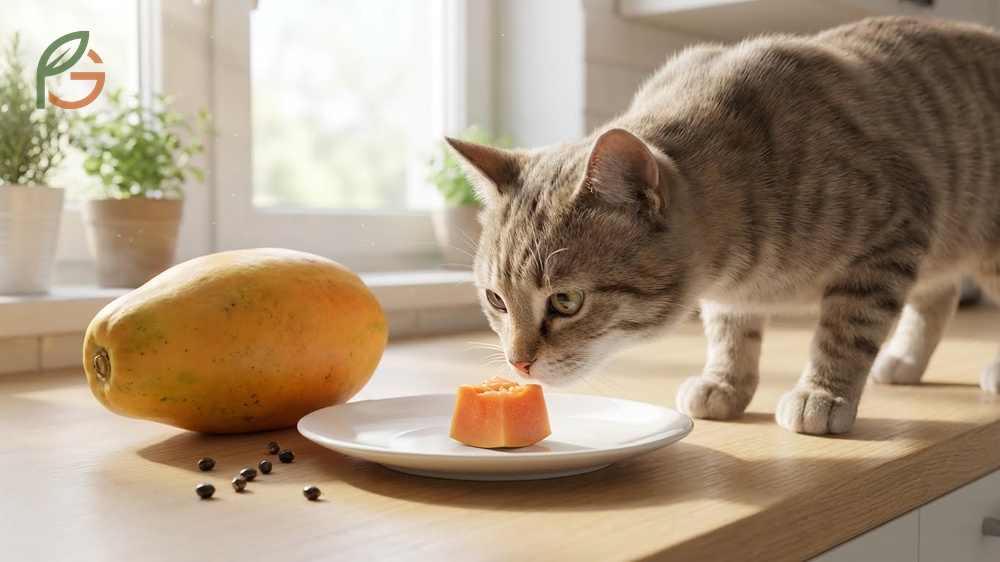
Cats can safely consume small amounts of papaya, though it offers limited nutritional value to obligate carnivores. Feline digestive systems evolved to process meat-based proteins rather than fruits, making papaya more of an occasional novelty than a beneficial dietary component. The fruit is non-toxic to cats when properly prepared[4].
Research shows cats derive minimal benefit from papaya’s vitamins and fiber compared to dogs or omnivorous pets. Their systems require taurine, arachidonic acid, and vitamin A from animal sources—nutrients papaya can’t provide. Too much fruit fiber can upset a cat’s delicate digestive balance, causing diarrhea or stomach discomfort.
Unripe papaya poses specific dangers to cats due to papaya latex containing concentrated papain. This enzyme can severely damage a cat’s esophagus and stomach lining. Only offer fully ripe papaya flesh in tiny portions (no more than a few small pieces) and remove all seeds and skin. Most veterinarians advise against making papaya a regular part of feline diets.
- Limit portions to 1-2 small pieces per week maximum
- Only serve fully ripe papaya flesh—avoid unripe fruit containing papaya latex
- Remove all seeds (choking hazard) and thick skin before offering to cats
- Monitor for digestive upset including diarrhea, vomiting, or reduced appetite
- Avoid dried or dehydrated papaya due to concentrated sugar content
- Consult your veterinarian before introducing papaya to cats with diabetes or digestive conditions
Can Rabbits Eat Papaya
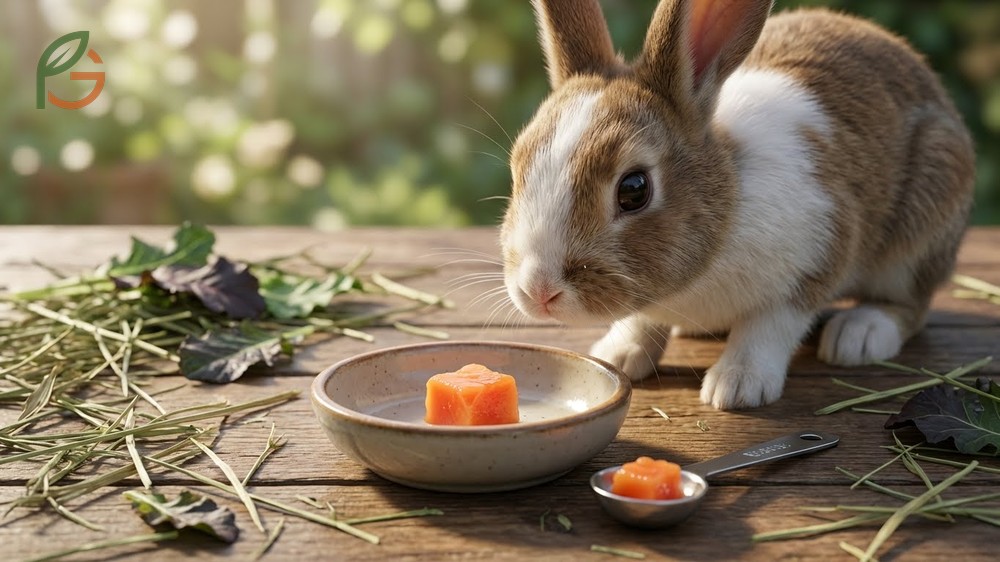
Rabbits can eat papaya in very limited quantities as an occasional treat. The fruit contains too much sugar for regular rabbit consumption—herbivore digestive systems require high-fiber, low-sugar diets based primarily on hay and leafy greens. Papaya’s sugar content can disrupt the delicate balance of gut bacteria in rabbits, leading to digestive complications[5].
Current guidance recommends no more than one teaspoon (approximately 4.7g) of papaya flesh per serving for adult rabbits. This minimal portion prevents sugar overload while allowing rabbits to enjoy the fruit’s natural sweetness. Papaya should constitute less than 5% of a rabbit’s total diet, with treats limited to 2-3 times weekly maximum.
Papaya leaves offer better nutritional value for rabbits than the fruit itself. The leaves contain higher fiber levels and digestive enzymes that may help prevent hairballs in long-haired breeds. If you have access to organic papaya leaves, offer small amounts as part of the leafy greens rotation, ensuring they’re pesticide-free.
- Baby rabbits under 12 weeks should not receive any fruit including papaya
- Remove all seeds completely—they pose choking hazards and are difficult to digest
- Avoid papaya skin due to toughness and potential pesticide contamination
- Never feed dried papaya—concentrated sugars can cause severe digestive upset
- Introduce papaya only after rabbits adapt to eating leafy greens (around 12+ weeks)
- Watch for diarrhea or reduced appetite after first papaya exposure
[6]. The seeds contain protein, amino acids, and compounds with antimicrobial and antiparasitic properties.
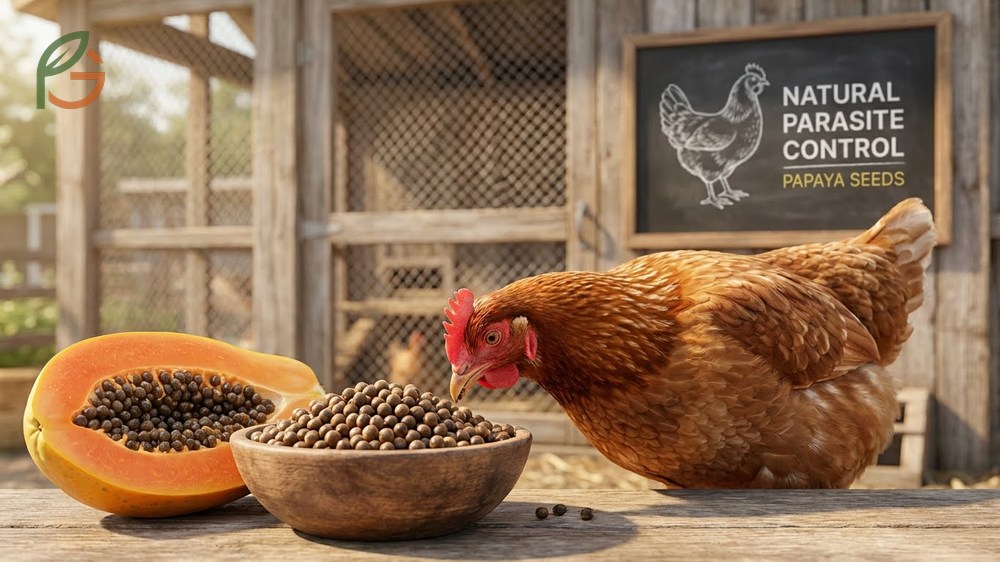
Research indicates papaya seeds effectively control internal parasites in chickens. Seed extracts at dosages of 480-3200mg per kg body weight reduced fecal egg counts of Ascaridia galli roundworms. The seeds contain benzyl isothiocyanate and other active compounds that suppress parasite populations naturally, offering an alternative to chemical dewormers.
Chickens tolerate papaya seeds better than most mammals due to their different digestive anatomy. The gizzard mechanically breaks down the hard seeds, making nutrients bioavailable. Layer hens fed diets supplemented with papaya seed showed improved egg quality including increased yolk height, yolk color intensity, and Haugh unit scores[6].
- Natural antiparasitic effects against roundworms and coccidia
- Improved egg production rates and feed conversion efficiency
- Enhanced egg quality with better yolk color and albumen height
- Immune system support through antimicrobial compounds
- Cost-effective protein and nutrient supplement for backyard flocks
Papaya flesh also provides nutritional value for chickens. The fruit offers vitamins A and C, supporting immune function and overall health. Chickens readily consume papaya as a treat, and the fruit’s high water content aids hydration during hot weather. Both seeds and flesh can be offered to chickens without the safety concerns that apply to dogs and cats.
Can Bearded Dragons Eat Papaya
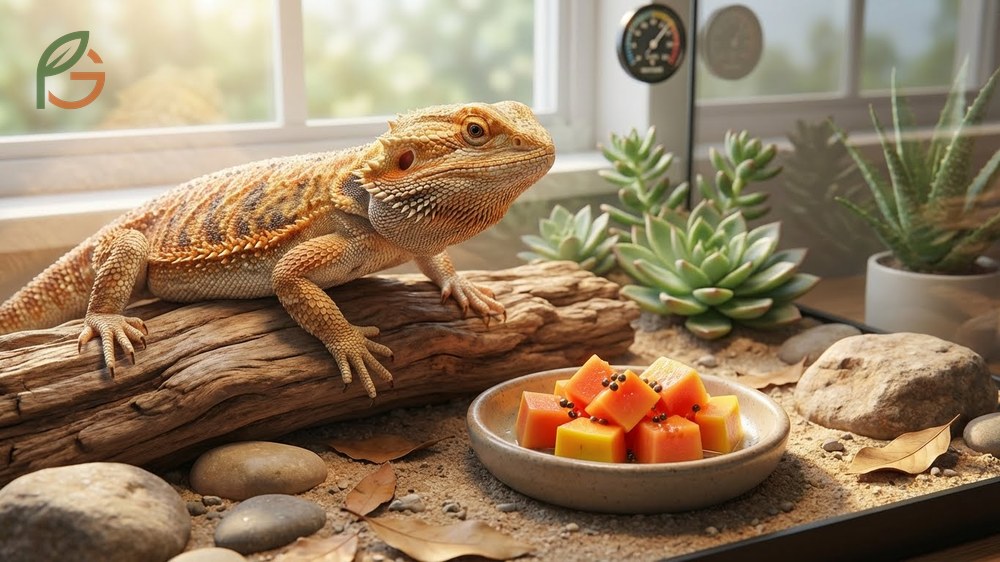
Bearded dragons can eat papaya as an occasional treat, but it shouldn’t become a dietary staple. The fruit’s high sugar content poses obesity risks for these reptiles, making moderation essential. Papaya offers vitamins A, C, and E that support immune function and skin health in bearded dragons, but the nutritional benefits must be balanced against sugar-related concerns[7].
Research indicates fruits should comprise only 10-20% of an adult bearded dragon’s diet, with the majority consisting of insects and leafy greens. Papaya’s sugar content can lead to weight gain and related health problems when overfed. The fruit’s high water content benefits hydration but excessive moisture intake can cause diarrhea in reptiles.
Proper preparation ensures safety when feeding papaya to bearded dragons. Select ripe but not overripe fruit, remove all seeds (choking hazard), and peel away the tough skin. Cut papaya into small, bite-sized pieces appropriate for your dragon’s size—typically no larger than the space between their eyes. Offer papaya as a treat 1-2 times per week maximum.
Reptile Feeding Tip: Mix small amounts of papaya with calcium-rich greens like collard greens or mustard greens to balance the fruit’s phosphorus content. This combination supports bone health while providing dietary variety for your bearded dragon.
- Limit papaya to 10% or less of total weekly diet
- Remove skin completely—too tough for reptiles to digest efficiently
- Discard all seeds to prevent choking and digestive blockages
- Cut into appropriately sized pieces matching the dragon’s mouth width
- Avoid papaya juice—lacks fiber and concentrates sugars
- Monitor weight regularly and reduce fruit portions if obesity develops
Conclusion
The evidence shows that can dogs eat papaya has a clear answer: yes, when properly prepared and portioned. Research demonstrates that papaya provides valuable nutrients for dogs including vitamins, fiber, and digestive enzymes, making it a healthy occasional treat. The same principles apply across species—cats, rabbits, chickens, and bearded dragons can also enjoy papaya with species-appropriate modifications.
Current veterinary guidance emphasizes proper preparation as the key to safe papaya consumption. Always remove seeds and skin, start with small portions, and monitor pets for adverse reactions. FruitGarden encourages pet owners to integrate evidence-based feeding practices, consulting veterinarians before making significant dietary changes, especially for animals with pre-existing health conditions.
Medical Disclaimer
Important Veterinary Disclaimer: This content is for informational and educational purposes only. It is not intended as a substitute for professional veterinary advice, diagnosis, or treatment. Always consult a qualified veterinarian before making any changes to your pet’s diet, medication, or health routine. Individual animals may have unique dietary needs, allergies, or health conditions that affect their ability to safely consume papaya or other foods. If your pet shows signs of illness or adverse reactions after consuming papaya, seek immediate veterinary care.
Frequently Asked Questions
Can Puppies Eat Papaya?
Puppies over 12 weeks can eat very small amounts of papaya after they’ve adapted to solid food. Start with one tiny piece and monitor for digestive upset. Puppies under 12 weeks should only consume puppy-formulated food and mother’s milk. Their developing digestive systems can’t handle the fruit’s fiber and sugar content safely.
Is Dehydrated Papaya Safe for Dogs?
Dehydrated papaya isn’t recommended for dogs due to concentrated sugar content. The drying process removes water while maintaining sugars, creating a product with 3-4 times higher sugar density than fresh fruit. This concentration can cause stomach upset, contribute to obesity, and increase diabetes risk. Fresh papaya provides better nutritional balance for canine consumption.
What Other Fruits Are Safe for Dogs?
Dogs can safely eat apples (seedless), blueberries, strawberries, watermelon (seedless), bananas, and mangoes in moderation. Avoid grapes, raisins, cherries, and citrus fruits which can cause toxicity or digestive issues. Always introduce new fruits gradually and in small portions. Remove all seeds, pits, and tough skins before offering fruit to dogs.
How Do I Know if My Dog Is Allergic to Papaya?
Watch for allergic reaction signs including excessive itching, skin redness, hives, facial swelling, vomiting, or diarrhea within 2-24 hours of papaya consumption. Respiratory symptoms like coughing or difficulty breathing indicate severe reactions requiring immediate veterinary attention. Dogs with known latex allergies may show increased sensitivity to papaya due to cross-reactivity.
Can Diabetic Dogs Eat Papaya?
Diabetic dogs require strict dietary management and should only consume papaya under veterinary supervision. The fruit contains 7.82g of natural sugars per 100g that can affect blood glucose levels. If your veterinarian approves papaya, offer minimal portions and monitor blood sugar closely. Most vets recommend lower-sugar vegetables over fruits for diabetic dogs.
Does Papaya Help With Dog Digestion Issues?
Papaya’s papain enzyme may aid protein digestion and reduce inflammation in some dogs with mild digestive sensitivities. The fruit’s fiber content supports regular bowel movements and can help with occasional constipation. However, dogs with chronic digestive conditions require veterinary diagnosis and treatment rather than dietary supplements alone. Don’t use papaya as a substitute for professional veterinary care.
Can I Give My Dog Papaya Every Day?
Daily papaya feeding isn’t recommended due to sugar content and nutritional imbalance risks. Limit papaya to 2-3 times weekly as part of a varied treat rotation. The fruit should constitute less than 10% of your dog’s daily caloric intake. Overfeeding any single food can create nutritional deficiencies or excesses. Rotate between different safe fruits and vegetables to provide dietary variety.