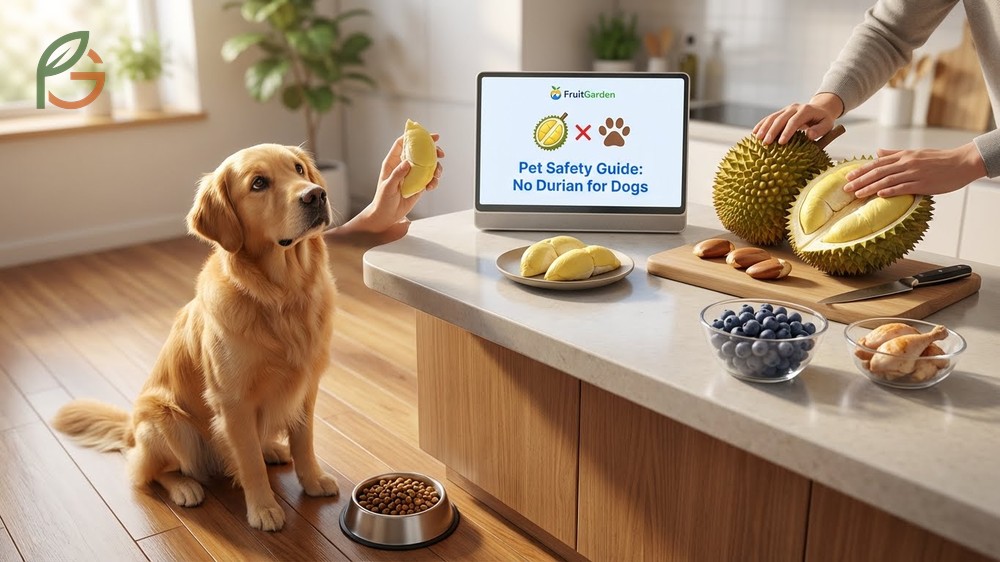
Can dogs eat durian? No, veterinarians don’t recommend feeding durian to dogs. Research shows the fruit’s high sugar and fat content can trigger digestive problems, pancreatitis, and obesity in canines[1]. While durian flesh isn’t technically toxic, the seeds contain cyanide and pose serious choking hazards[2]. FruitGarden synthesizes current veterinary research and pet nutrition data to help you make informed decisions about your dog’s diet.
Quick Answer
- Durian flesh is non-toxic but not recommended due to high sugar (65.9g per cup) and high fat (13g per cup)[3]
- Seeds contain cyanide and can cause intestinal blockages or choking[2]
- High fat content may trigger pancreatitis, a painful pancreatic inflammation[4]
- Safer alternatives include apples, blueberries, strawberries, and watermelon (seeds removed)[5]
Can Dogs Eat Durian

Current veterinary guidance emphasizes that durian isn’t a suitable snack for dogs, even though the flesh itself isn’t poisonous. The fruit’s nutritional profile works against canine digestive systems in several ways. Dogs process foods differently than humans, and what’s nutritious for us can overwhelm their metabolism.
Studies demonstrate that durian contains 357 calories per cup, making it calorie-dense compared to dog-safe fruits like watermelon or strawberries. For instance, a small dog eating just 2-3 tablespoons of durian could consume 10-15% of their daily caloric needs in one sitting. This caloric concentration paired with high sugar levels creates risks that outweigh any potential benefits.
The strong odor that makes durian infamous can also affect dogs negatively. Research shows many dogs find the scent overwhelming, which may cause nausea or discomfort[4]. Some dogs refuse to eat it entirely, while others may experience digestive upset from the unfamiliar compounds.
High Sugar Content Risks
Evidence indicates durian’s sugar content poses significant health risks for dogs. With 65.9 grams of carbohydrates per cup[3], durian delivers more sugar than most fruits veterinarians recommend. Regular consumption can lead to weight gain, obesity, and increased diabetes risk.
Dogs metabolize sugars differently than humans, lacking certain enzymes that help process complex carbohydrates efficiently. When dogs consume high-sugar foods repeatedly, their pancreas struggles to produce adequate insulin. This metabolic stress accumulates over time, potentially causing permanent damage.
- Weight gain leading to joint stress and mobility issues
- Increased risk of diabetes mellitus requiring lifelong insulin therapy
- Dental problems including cavities and gum disease
- Energy crashes causing behavioral changes and lethargy
- Weakened immune system making dogs susceptible to infections
Fat Content Concerns
The fat content in durian presents another serious concern for canine health. With 13 grams of fat per cup[3], durian can overwhelm a dog’s digestive system. High-fat foods are difficult for dogs to process, particularly those with sensitive stomachs or pre-existing pancreatic conditions.
Current data indicates that high-fat consumption can trigger pancreatitis in dogs, a painful inflammation of the pancreas that requires immediate veterinary attention[4]. Breeds prone to obesity—like Beagles, Dachshunds, and Labrador Retrievers—face even greater risks when consuming fatty foods.
Important Warning: If your dog shows signs of abdominal pain, bloating, vomiting, or lethargy after eating durian, contact your veterinarian immediately. These symptoms may indicate pancreatitis, which can become life-threatening without prompt treatment.
Durian Seeds Toxic to Dogs

Durian seeds represent the most dangerous part of the fruit for dogs. Unlike the flesh, which is merely inadvisable, seeds are genuinely toxic and should never be accessible to your pet. The combination of chemical toxicity and physical hazards makes seeds a double threat.
Agricultural data shows durian seeds contain cyanogenic compounds that release cyanide when chewed or digested[2]. Even small amounts of cyanide can disrupt oxygen transport in a dog’s bloodstream, leading to cellular suffocation. The seeds’ large size and hard texture create additional risks that compound the toxicity problem.
Evidence suggests that food-motivated dogs may swallow seeds whole without chewing them thoroughly. This behavior increases both choking risk and the likelihood of intestinal blockage. What often gets overlooked is that even if a seed passes through initially, it can lodge in the intestines days later, requiring emergency surgery.
Cyanide Poisoning Symptoms
Research shows cyanide poisoning manifests quickly in dogs, typically within 15-60 minutes of ingestion. The symptoms progress rapidly and require immediate veterinary intervention. Cyanide prevents cells from using oxygen, essentially causing internal suffocation at the cellular level.
Studies demonstrate that even trace amounts of cyanide can affect small dogs significantly. A seed that might cause mild discomfort in a large breed could prove fatal to a toy breed. Early recognition of symptoms dramatically improves survival rates.
- Rapid, heavy breathing or panting without physical exertion
- Bright red or brick-colored gums instead of healthy pink
- Cardiac arrhythmia or irregular heartbeat patterns
- Dilated pupils that don’t respond to light changes
- Weakness, stumbling, or inability to stand properly
- Excessive drooling or foaming at the mouth
- Seizures or convulsions in severe cases
Emergency Protocol: If you suspect your dog swallowed a durian seed, don’t wait for symptoms to appear. Contact your veterinarian or emergency animal hospital immediately. Time is critical—early intervention can prevent permanent damage or death.
Choking Hazard Risks
The physical characteristics of durian seeds create significant choking dangers for dogs of all sizes. Seeds measure 1-2 inches in length and have a slippery coating that makes them easy to swallow but difficult to expel if lodged in the throat. Current veterinary reports indicate durian seeds cause more choking incidents than most other fruit pits.
Evidence indicates that partial airway obstruction can be just as dangerous as complete blockage. Dogs may breathe with difficulty for hours before owners recognize the problem. This delayed recognition increases the risk of brain damage from oxygen deprivation.
Can Dogs Eat Durian Fruit

If you’re wondering whether durian fruit differs from the general risks, the answer is no—the concerns remain consistent across all forms. Whether fresh, frozen, or processed, durian retains its problematic nutritional profile. Dogs don’t digest durian flesh well regardless of preparation method.
Studies demonstrate that even small portions can cause gastrointestinal upset in sensitive dogs. Symptoms typically include vomiting, diarrhea, abdominal cramping, and excessive gas. These digestive issues stem from compounds in durian that dogs lack enzymes to break down efficiently.
Durian ice cream and durian candy present additional hazards beyond the fruit itself. Ice cream contains dairy products that many dogs can’t digest due to lactose intolerance. Candy often includes artificial sweeteners like xylitol, which is extremely toxic to dogs even in tiny amounts. The combination of durian plus processed ingredients multiplies the risk factors.
Research shows that cooked or baked durian doesn’t eliminate the problems. Heat processing reduces some volatile compounds responsible for the smell, but it concentrates the sugars and doesn’t affect the fat content. In fact, dried or candied durian becomes even more calorie-dense than fresh fruit.
This table compares different durian product forms and their specific risks for dogs, covering four common preparations from fresh to processed
| Durian Form | Primary Risk | Secondary Risk | Safety Rating |
|---|---|---|---|
| Fresh Durian Flesh | High sugar/fat content | Digestive upset | Not recommended |
| Durian Seeds | Cyanide toxicity[2] | Choking hazard | Toxic—Never feed |
| Durian Ice Cream | Lactose intolerance | High sugar/fat | Avoid completely |
| Durian Candy | Artificial sweeteners (xylitol) | Concentrated sugar | Extremely dangerous |
Safe Fruits for Dogs

Instead of risking durian, veterinarians recommend several dog-safe fruits that provide nutrition without the hazards. These alternatives offer vitamins, fiber, and hydration while remaining gentle on canine digestive systems. Current nutritional guidance emphasizes moderation even with safe fruits—treats should never exceed 10% of a dog’s daily caloric intake.
Research shows that water-rich fruits work particularly well for dogs, especially during hot weather when hydration matters most. Fruits like watermelon (with seeds and rind removed) provide cooling refreshment without the fat content that makes durian problematic. The key is choosing low-sugar, low-fat options that dogs can digest easily.
- Apples (seeds and core removed)—provide fiber and vitamin C without excessive calories[5]
- Blueberries—packed with antioxidants and safe in reasonable portions[5]
- Strawberries—offer vitamin C and fiber when fed in moderation[5]
- Watermelon (seedless, no rind)—hydrating and low-calorie summer treat[5]
- Cantaloupe—high water content makes it refreshing without digestive risks[5]
- Bananas (in moderation)—good potassium source but higher in natural sugars[5]
Evidence indicates that preparation matters as much as fruit selection. Always wash fruits thoroughly, remove seeds, pits, and stems, and cut into bite-sized pieces appropriate for your dog’s size. Small dogs need smaller pieces to prevent choking, while large dogs can handle bigger chunks.
Studies demonstrate that introducing new fruits gradually helps identify potential sensitivities before they become serious problems. Start with a small piece and wait 24-48 hours to observe for any digestive upset, itching, or behavioral changes. This cautious approach prevents adverse reactions from escalating.
Signs of Durian Allergy in Dogs
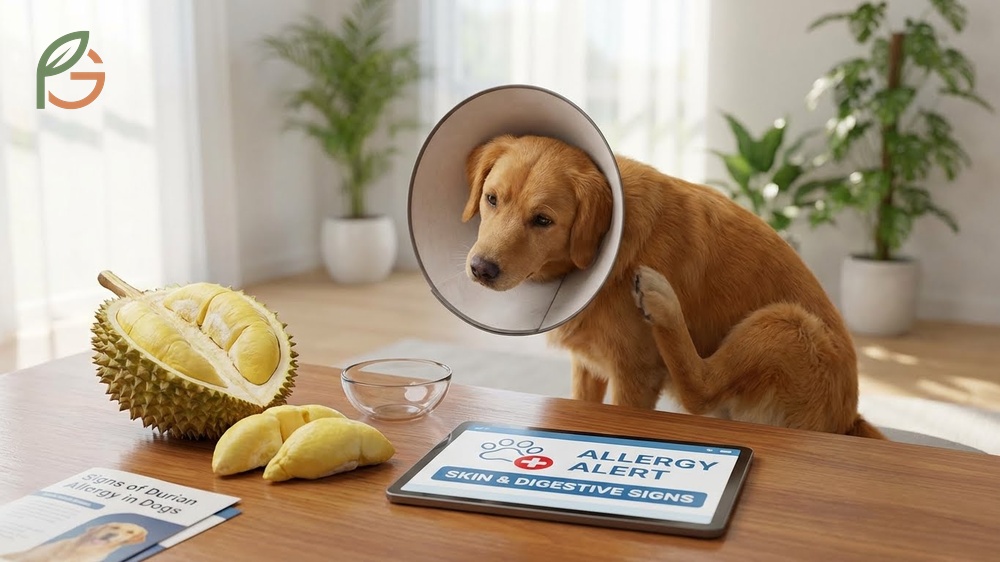
While true food allergies in dogs are less common than sensitivities, durian can trigger allergic reactions in some pets. Research shows that food allergy symptoms typically manifest within hours of consumption, though some reactions develop over days with repeated exposure[6]. The signs can range from mild skin irritation to severe gastrointestinal distress.
Current veterinary data indicates that skin issues represent the most common manifestation of food allergies in dogs. Unlike humans who might experience respiratory symptoms, dogs typically show allergic reactions through their skin and digestive tract. What makes identification challenging is that these symptoms overlap with many other conditions.
Evidence suggests that dogs with existing food sensitivities face higher risks when trying exotic fruits like durian. If your dog already shows signs of allergies to common proteins or grains, introducing unfamiliar foods should happen only under veterinary supervision. Prevention remains easier than managing allergic reactions after they occur.
- Excessive itching, especially around face, paws, and ears[6]
- Red, inflamed skin with hot spots or rashes[6]
- Recurrent ear infections with waxy discharge and unusual odor[6]
- Vomiting or diarrhea occurring within 2-12 hours of eating[6]
- Hair loss, particularly around eyes, muzzle, and paw pads
- Excessive licking or chewing of paws showing brown discoloration
Studies demonstrate that documenting symptoms helps veterinarians diagnose food allergies more accurately. Keep a food diary noting what your dog eats and any reactions that follow. This record becomes invaluable during veterinary consultations, especially when multiple ingredients complicate the picture.
Conclusion
The evidence is clear: can dogs eat durian receives a firm “no” from veterinary professionals. The fruit’s high sugar and fat content, combined with toxic seeds and potential for digestive upset, make it unsuitable for canine consumption. Current veterinary guidance emphasizes choosing safer alternatives like apples, blueberries, and watermelon that provide nutritional benefits without the risks.
When selecting treats for your dog, prioritize foods specifically formulated for canine digestion. FruitGarden continues to monitor emerging veterinary research on exotic fruits and pet nutrition to provide you with evidence-based guidance. If you’re unsure about any food’s safety for your pet, consulting your veterinarian remains the most reliable approach to protecting your dog’s health.
Medical Disclaimer
Important Medical Disclaimer: This content is for informational and educational purposes only. It’s not intended as a substitute for professional veterinary advice, diagnosis, or treatment. Always consult a qualified veterinarian before making any changes to your pet’s diet, especially if your dog has pre-existing health conditions, allergies, or dietary restrictions. In case of emergency or suspected poisoning, contact your veterinarian or animal poison control immediately.
Frequently Asked Questions
Can dogs eat durian ice cream?
No, dogs shouldn’t eat durian ice cream. It combines durian’s high sugar and fat content with dairy products that many dogs can’t digest due to lactose intolerance. This combination often causes vomiting, diarrhea, and stomach upset. Some ice creams also contain xylitol, an artificial sweetener that’s extremely toxic to dogs.
What happens if a dog ate durian seed?
If your dog swallowed a durian seed, contact your veterinarian immediately. Seeds contain cyanide compounds that can cause poisoning, and their size creates choking hazards or intestinal blockages. Watch for symptoms like difficulty breathing, vomiting, weakness, or inability to defecate. Emergency intervention significantly improves outcomes, so don’t wait for symptoms to appear.
How do dogs react to durian smell?
Most dogs find durian’s strong odor overwhelming and unpleasant. Research shows the pungent smell can cause nausea, discomfort, or refusal to eat in many dogs. Some dogs may drool excessively, sneeze, or try to leave the area when exposed to durian’s distinctive scent. Their sensitive noses make the experience more intense than it is for humans.
Can dogs eat durian candy?
Absolutely not. Durian candy is extremely dangerous for dogs because it often contains xylitol, an artificial sweetener that’s highly toxic to canines. Even without xylitol, candy concentrates durian’s sugars to dangerous levels and includes artificial flavors and preservatives that can harm dogs. Keep all durian-flavored sweets away from pets.
What exotic fruits are safe for dogs?
Safe exotic fruits for dogs include mango (flesh only, no pit or skin), papaya (seeds removed), and pineapple (peeled and cored). These fruits offer vitamins and enzymes that can benefit dogs when fed in small amounts. Always introduce new fruits gradually, remove all seeds and pits, and limit portions to prevent digestive upset.
Does durian have nutritional value for dogs?
While durian contains vitamins C, B6, potassium, and fiber, dogs don’t benefit from these nutrients the same way humans do. Dogs synthesize their own vitamin C and have different nutritional requirements than people. The risks from durian’s high sugar and fat content outweigh any potential benefits, making it nutritionally unsuitable for canines.
What should I do if my dog shows signs of durian allergy?
If your dog shows allergy symptoms after eating durian—such as itching, red skin, vomiting, or diarrhea—stop feeding the fruit immediately and contact your veterinarian. Document all symptoms with photos if possible. Your vet may recommend antihistamines for mild reactions or more intensive treatment for severe cases. Don’t attempt to treat food allergies at home without professional guidance.