
Can dogs eat cucumbers? Yes, cucumbers are safe for dogs when prepared properly and served in moderation. Research shows this low-calorie vegetable contains 96% water and provides essential nutrients like vitamin K and potassium without harmful toxins. FruitGarden synthesizes current veterinary guidance to help pet owners make informed feeding decisions that support their dog’s health and wellbeing.
Quick Answer
- Cucumbers contain only 16 calories per 100g[2] with 95.5% water[2], making them ideal for weight management
- Dogs can safely eat cucumber skin and seeds—both are non-toxic[3]
- Portion sizes: 1-2 slices for small dogs (2-20 lbs), 4-5 slices for medium dogs (25-50 lbs)[4]
- Always cut into ¼-inch thick slices to prevent choking hazards[3]
Can Dogs Eat Cucumbers

Dogs can safely eat cucumbers as an occasional treat when prepared correctly. Studies show cucumbers aren’t toxic to canines and contain beneficial nutrients that support overall health[1]. Most dogs enjoy the crunchy texture and refreshing taste, especially during warm weather.
Current veterinary guidance emphasizes moderation when introducing any human food to your dog’s diet. Cucumbers offer a low-risk option compared to high-fat or high-sugar treats. The vegetable’s high water content makes it particularly appealing for dogs who don’t drink enough water throughout the day.
You’ll want to consult your vet before adding cucumber to your dog’s regular diet, especially if they have existing digestive issues. Some dogs tolerate new foods better than others. Start with one or two small slices and monitor your pet’s reaction over 24-48 hours.
Nutritional Benefits of Cucumber for Dogs

Cucumbers pack essential nutrients into a low-calorie package that benefits dogs in multiple ways. Research from USDA data confirms that 100g of raw cucumber contains just 16 calories alongside meaningful amounts of vitamins and minerals. This nutritional profile makes cucumbers an excellent alternative to processed dog treats.
The fiber content in cucumbers helps regulate bowel movements and supports healthy digestion. Evidence suggests that dietary fiber aids nutrient absorption from your dog’s regular food[5]. Dogs who occasionally struggle with constipation may find relief from the soluble fiber cucumbers provide.
Hydration Support
Cucumbers consist of approximately 96% water[1], making them one of the most hydrating vegetables available. This high moisture content helps dogs meet their daily fluid requirements, particularly during hot summer months. Active dogs or those who don’t naturally drink enough water benefit most from this hydrating snack.
The water in cucumbers supports kidney function and helps prevent urinary tract issues. Many pet owners find that offering cucumber slices encourages better hydration habits in reluctant drinkers.
Vitamins and Minerals
Cucumbers contain vitamin K, which plays a crucial role in blood clotting and bone health. According to USDA data, 100g of cucumber provides 24 mcg of vitamin K[2]. This nutrient supports your dog’s skeletal system and cardiovascular function.
Potassium content reaches 170 mg per 100g[2], supporting heart and muscle function. Vitamin C acts as an antioxidant that strengthens immune responses. These micronutrients work together to promote overall wellbeing in dogs of all ages and breeds.
Low Calorie Dog Treats
Dogs who need to lose weight or maintain a healthy body condition can’t go wrong with cucumber treats. The minimal calorie content allows you to reward your pet without contributing to weight gain. Unlike commercial treats that often contain 40-100 calories per serving, cucumber slices deliver nutrition without excess energy.
Veterinary nutritionists recommend replacing high-calorie treats with vegetables like cucumber for overweight dogs. The crunchy texture satisfies your dog’s desire to chew while keeping calorie intake in check. This swap can make a significant difference in weight management programs over time.
Important Note: Treats shouldn’t exceed 10% of your dog’s daily caloric intake. Factor cucumber slices into this limit alongside other snacks and training rewards.
Can Dogs Eat Cucumber Skin
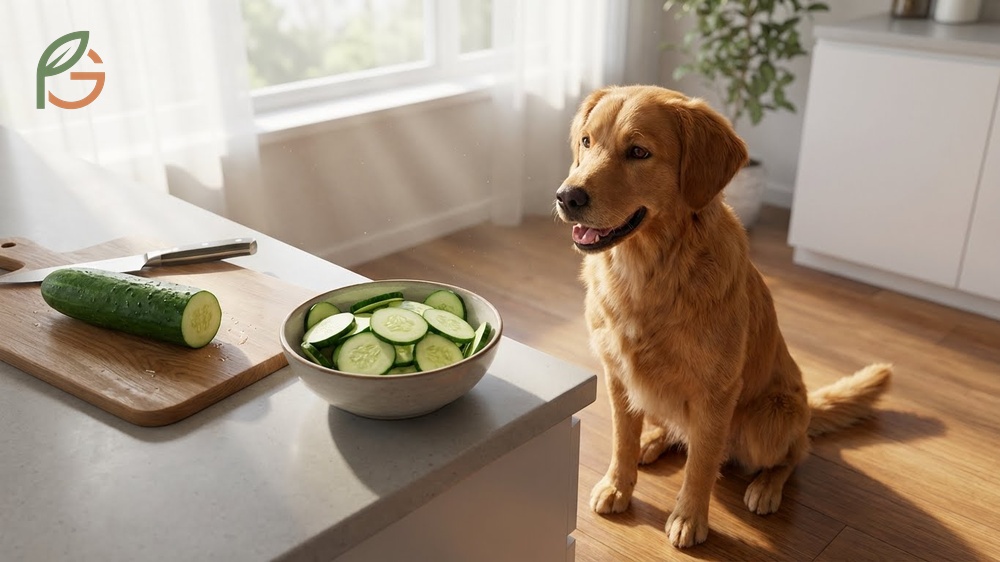
Dogs can safely eat cucumber skin without any toxic risk. Current veterinary evidence confirms the skin contains no harmful compounds and actually provides the densest concentration of nutrients[6]. Most of the vegetable’s fiber content exists in the peel, making it the most nutritious part.
Some dogs digest cucumber skin more easily than others. If your pup has a sensitive stomach or you’re introducing cucumber for the first time, you might want to peel it initially. Watch for any digestive upset like loose stools or gas during the first 24 hours.
Preparing Cucumber Skin Safely
Wash cucumbers thoroughly under running water before feeding them to your dog. This removes dirt, bacteria, and potential pesticide residues from the surface. Organic cucumbers typically have fewer chemical treatments, but proper washing remains essential regardless of source.
Store-bought cucumbers sometimes have a waxy coating applied to extend shelf life. While this coating isn’t toxic, it can be harder for dogs to digest. Peeling waxy cucumbers or buying unwaxed varieties eliminates this concern entirely.
Digestibility Concerns
Large amounts of cucumber skin can challenge some dogs’ digestive systems. The high fiber content that benefits most dogs may cause gas or bloating in sensitive individuals. Start with peeled cucumber if your dog has a history of digestive issues, then gradually introduce the skin over several weeks.
Puppies with developing digestive systems might struggle more than adult dogs. Their enzymes aren’t fully mature, making tough plant material harder to break down. Consider removing the skin for puppies under six months old.
Can Dogs Eat Cucumber Seeds

Cucumber seeds aren’t toxic to dogs and won’t cause poisoning if your pet consumes them[3]. Most dogs can eat whole cucumber slices—seeds included—without any problems. The seeds pass through the digestive system naturally in most cases.
Dogs with sensitive stomachs may experience upset after eating cucumber seeds. The seeds can be tough to digest and may cause mild gas or loose stools. If you notice digestive symptoms after your dog eats cucumber with seeds, scoop them out before the next feeding.
Puppies and small dogs sometimes have more difficulty processing seeds than larger adult dogs. When in doubt, remove the seeds by cutting the cucumber lengthwise and scraping them out with a spoon. This extra step takes seconds but can prevent unnecessary tummy troubles.
Pro Tip: English cucumbers typically have smaller, softer seeds than regular cucumbers. They’re often easier for dogs to digest and require less preparation.
How Much Cucumber Can a Dog Eat

Proper portion sizes depend on your dog’s weight and size category. Veterinary guidance recommends specific serving amounts based on these factors[4]. Following these guidelines prevents digestive upset while allowing your dog to enjoy cucumber’s benefits.
Each slice should measure approximately ¼-inch thick and no wider than 1 inch[3]. This size reduces choking risk and makes the treat easier to chew. You can also cut slices into smaller cubes for tiny dogs or puppies.
This table shows recommended daily cucumber portions based on five dog size categories from extra-small to extra-large, including weight ranges and breed examples for each category
| Dog Size | Weight Range | Daily Cucumber Limit | Example Breeds |
|---|---|---|---|
| Extra-Small | 2-20 lbs | 1-2 slices[4] | Chihuahuas, Yorkies, Pomeranians |
| Small | 21-30 lbs | 2-3 slices[3] | Beagles, Pugs, Shih Tzus |
| Medium | 31-50 lbs | 4-5 slices[4] | Border Collies, Basset Hounds, Bulldogs |
| Large | 51-90 lbs | 6-8 slices[3] | Labrador Retrievers, German Shepherds, Golden Retrievers |
| Extra-Large | 90+ lbs | Small handful[4] | Great Danes, Mastiffs, Saint Bernards |
You don’t need to feed cucumber every single day. Two to three times per week works well for most dogs. This frequency allows variety in your pet’s treat rotation while preventing overconsumption of any single food.
Monitor your dog’s overall treat intake across all sources. If you’re using cucumber during training sessions, reduce other snacks accordingly. The goal is to maintain balanced nutrition while incorporating healthy alternatives to processed treats.
- Always introduce cucumber gradually—start with one slice and observe for 24 hours
- Don’t exceed 10% of daily calories from treats, including cucumber
- Adjust portions down if your dog shows signs of digestive upset
- Cut larger slices in half for dogs with small mouths or missing teeth
- Remove any uneaten cucumber pieces after 30 minutes to prevent spoilage
Choking Hazards for Dogs
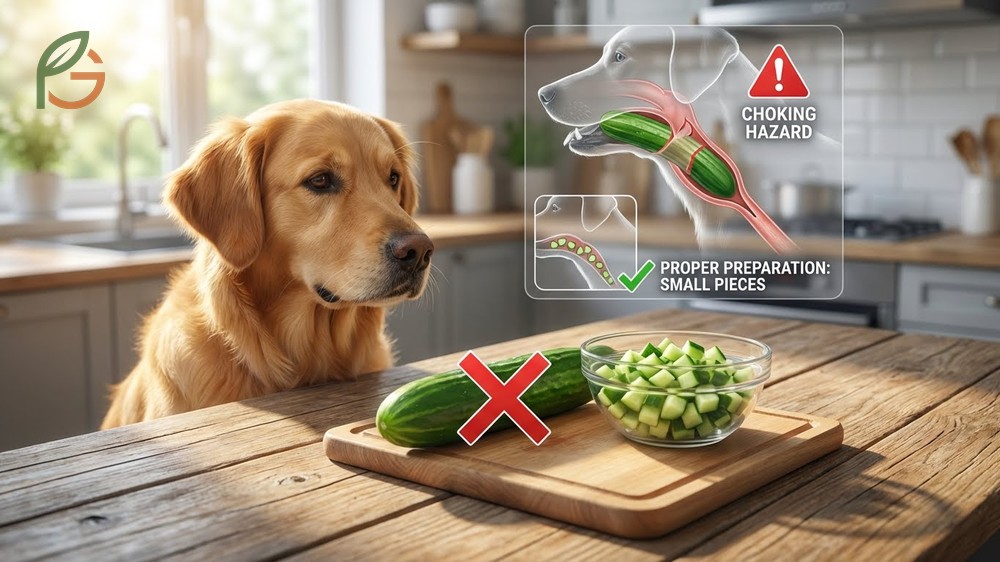
Whole cucumbers or large chunks pose significant choking risks for dogs of all sizes. Veterinary emergency data shows that vegetables cause choking when pieces are too large or dogs eat too quickly. Proper preparation eliminates most of this risk.
Never toss a whole cucumber to your dog like you would a stick or ball. The cylindrical shape can lodge in the throat if your dog tries to swallow it whole. Some dogs have strong prey drives and will attempt to gulp down large food items without adequate chewing.
Cut cucumber into appropriate sizes based on your dog’s breed and chewing ability. Small dogs need smaller pieces than large breeds. Senior dogs with dental issues benefit from thinner, more manageable slices they can gently chew or even gum.
- Slice cucumber into ¼-inch thick rounds—never offer whole cucumbers
- Cut slices into quarters for dogs under 15 pounds
- Supervise your dog while they eat cucumber, especially during first servings
- Remove the tough ends of the cucumber, which are harder to chew
- Keep cucumber pieces smaller than your dog’s windpipe diameter
Dogs who eat too quickly need extra precaution. Consider using puzzle feeders or slow-feed bowls when offering cucumber. This forces your pet to eat more slowly and chew thoroughly, reducing choking risk significantly.
Emergency Warning: If your dog shows signs of choking (pawing at mouth, distressed breathing, blue gums), perform the Heimlich maneuver immediately and contact your veterinarian or emergency clinic.
Vegetables Safe for Dogs List

Cucumbers aren’t the only safe vegetable option for dogs. Current veterinary guidance identifies numerous vegetables that provide nutritional benefits without toxicity concerns[7]. Rotating between different vegetables ensures nutritional variety and prevents boredom.
Each vegetable offers unique benefits, from the beta-carotene in carrots to the fiber in green beans. Some vegetables require cooking while others are safe raw. Understanding these differences helps you create a varied, nutritious treat selection for your pet.
- Carrots (raw or cooked): Excellent for dental health, rich in vitamin A and beta-carotene
- Green beans (plain, cooked or raw): Low-calorie, high-fiber option for weight management
- Sweet potatoes (cooked only): High in fiber and vitamin B6, must be thoroughly cooked
- Bell peppers (all colors, seeds removed): Loaded with vitamin C and antioxidants
- Broccoli (steamed, small amounts): Provides vitamin C but can cause gas in large quantities
- Pumpkin (plain, cooked): Supports digestive health, excellent for both diarrhea and constipation
- Zucchini (raw or cooked): Similar to cucumber, low-calorie and hydrating
- Celery (cut into small pieces): Crunchy texture, contains vitamin K and freshens breath
Avoid toxic vegetables completely—never feed onions, garlic, leeks, chives, or wild mushrooms to dogs. These vegetables from the allium family damage red blood cells and can cause serious health complications[7]. Even small amounts over time create cumulative toxicity.
Grapes and raisins also top the danger list despite technically being fruits. These cause acute kidney failure in dogs through an unknown mechanism. No safe threshold exists, so complete avoidance is essential.
Conclusion
The evidence is clear: dogs can eat cucumbers safely when you follow proper preparation and portioning guidelines. This hydrating, low-calorie vegetable offers nutritional benefits including vitamins K and C, potassium, and beneficial fiber. Current veterinary guidance supports cucumber as a healthy alternative to processed treats for weight management and overall wellness.
FruitGarden emphasizes that success with cucumber treats depends on appropriate portion sizes, proper cutting techniques, and gradual introduction. Always consult your veterinarian before making significant changes to your dog’s diet, especially if your pet has existing health conditions or digestive sensitivities.
Medical Disclaimer
Important Medical Disclaimer: This content is for informational and educational purposes only. It is not intended as a substitute for professional veterinary advice, diagnosis, or treatment. Always consult a qualified veterinarian before making any changes to your dog’s diet, especially if your pet has pre-existing health conditions, allergies, or digestive issues. Individual dogs may react differently to new foods.
Frequently Asked Questions
Can Puppies Eat Cucumbers?
Yes, puppies can eat cucumbers once they’re weaned and eating solid food, typically around 8 weeks old. Start with very small pieces—about half the size you’d offer an adult dog—and remove the skin and seeds initially to aid digestion. Monitor your puppy closely for any signs of upset stomach and introduce cucumber gradually over several days.
Are Cucumbers Good for Dogs?
Cucumbers are good for dogs as a low-calorie, hydrating treat that provides nutritional benefits. They contain essential vitamins and minerals without harmful toxins, making them suitable for most dogs. The high water content supports hydration while the fiber aids digestion, though individual dogs may respond differently based on their digestive sensitivity.
Can Dogs Eat Cucumbers with Skin?
Dogs can eat cucumber skin safely as it contains no toxic compounds. The skin actually holds most of the vegetable’s fiber and nutrients, making it the most beneficial part. However, wash cucumbers thoroughly to remove pesticides and dirt, and peel them if they have a waxy coating or if your dog has digestive sensitivity.
Can Dogs Eat Raw Cucumbers?
Raw cucumbers are the best way to feed this vegetable to dogs. Unlike some vegetables that require cooking, raw cucumber retains all its nutrients, water content, and beneficial enzymes. The crunchy texture of raw cucumber also provides dental benefits and most dogs prefer the fresh, crisp consistency over cooked versions.
How Do I Cut Cucumber for Dogs?
Cut cucumber into ¼-inch thick round slices no wider than 1 inch to prevent choking hazards. For small dogs under 15 pounds, quarter these slices into smaller pieces. Remove the tough ends and wash thoroughly before slicing. You can also cut cucumber into small cubes rather than rounds for easier eating and portion control.
Can Dogs Eat English Cucumbers?
English cucumbers are safe for dogs and often easier to digest than regular cucumbers. They have thinner skin, smaller seeds, and less bitter compounds, making them gentler on sensitive stomachs. The same portion guidelines apply—cut into appropriate sizes and introduce gradually to ensure your dog tolerates them well.
What If My Dog Ate Too Much Cucumber?
If your dog ate too much cucumber, watch for signs of digestive upset including diarrhea, gas, bloating, or vomiting. These symptoms typically resolve within 12-24 hours as the excess passes through their system. Ensure fresh water is available and withhold food for 12 hours if vomiting occurs. Contact your veterinarian if symptoms persist beyond 24 hours or worsen.