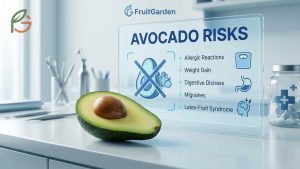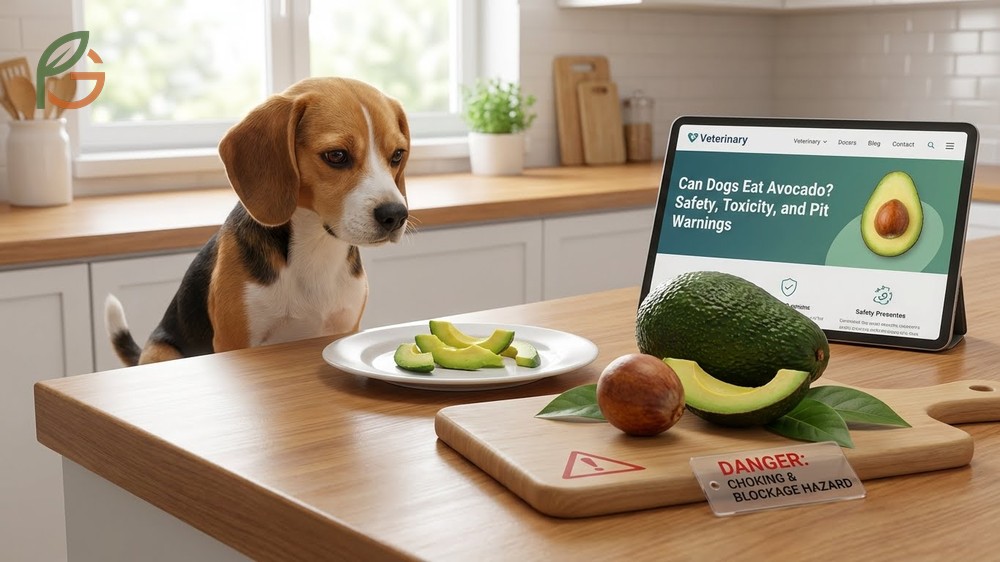
Can dogs eat avocado? Yes, but only in small amounts and with caution. Research shows dogs can tolerate small portions of ripe avocado flesh, but the pit, skin, and leaves pose serious risks including choking hazards and intestinal blockages[1]. FruitGarden synthesizes current veterinary research to help you understand which parts of the avocado plant are dangerous for your pet. Most vets recommend avoiding avocado altogether due to its high fat content, which can trigger pancreatitis even from a single fatty meal[2].
Quick Answer
- Dogs are relatively resistant to persin (the toxin in avocados) compared to birds and livestock[1]
- The avocado pit poses the greatest danger—it can cause choking or intestinal blockages requiring emergency surgery[2]
- High fat content can trigger pancreatitis, even from one high-fat meal[3]
- Only ripe, peeled avocado flesh is considered moderately safe—avoid skin, leaves, bark, and pit entirely[4]
Can Dogs Eat Avocado
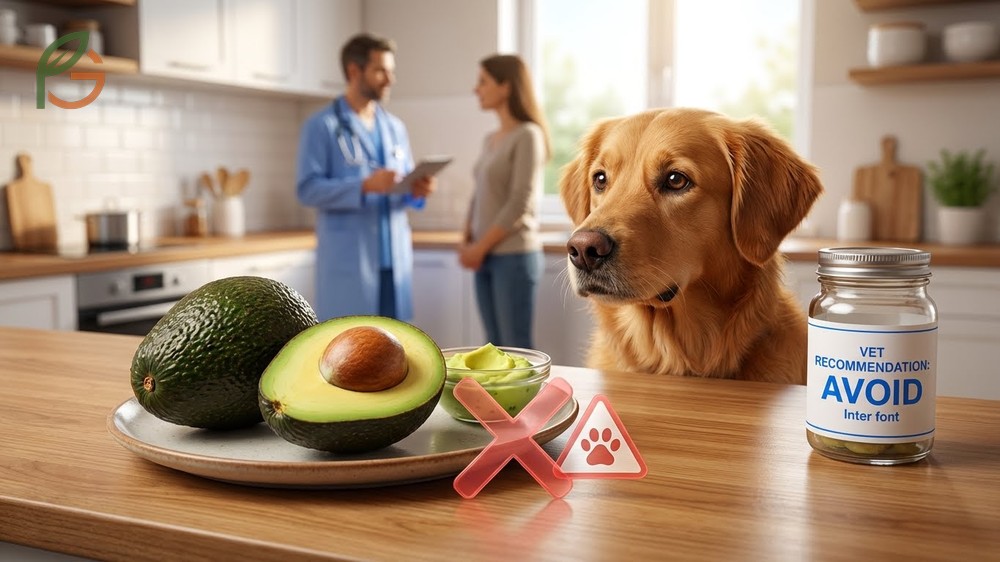
Dogs can technically eat small amounts of ripe avocado flesh, but it’s not recommended by most veterinarians. The avocado plant contains persin, a fungicidal toxin found in the leaves, bark, skin, pit, and flesh[4]. While dogs are more resistant to persin than birds, horses, or livestock, they’re not completely immune.
Evidence suggests that dogs rarely experience severe persin poisoning compared to other species. However, there’s documented evidence of two dogs developing myocardial damage (heart problems) after eating avocado[1]. The exact amount of persin that’s lethal to dogs isn’t known, which makes avocado a risky choice.
What often gets overlooked is that different parts of the avocado contain varying persin concentrations. The flesh has lower levels than the skin, pit, and leaves. If you’re going to offer any avocado at all, stick to tiny portions of peeled, pitted flesh—and only occasionally.
What Is Persin Toxicity
Persin is a natural fungicide the avocado plant produces to protect itself from pests and mold. It’s present throughout the entire plant—from the leaves and bark down to the fruit itself. Studies demonstrate that persin affects different animal species in dramatically different ways.
Birds, horses, and rodents are especially vulnerable to persin poisoning and can die from exposure. Sheep and goats also develop serious symptoms when they consume any part of an avocado plant[4]. Dogs and cats, by contrast, show more resistance.
Important Note: Even though dogs tolerate persin better than other animals, there’s no established safe threshold. Any amount could potentially cause problems, especially in smaller dogs or those with existing health conditions.
Why Dogs Are Less Affected
Current veterinary research indicates dogs have a higher tolerance for persin due to differences in their digestive systems and metabolic processes. Unlike birds whose respiratory systems make them extremely vulnerable, dogs process persin differently. That said, “less affected” doesn’t mean “safe.”
The bigger threats to dogs aren’t persin at all—they’re the physical dangers from the pit and the high fat content. Research shows that gastrointestinal obstruction from swallowing the pit is far more common than persin toxicity in dogs[2].
Is Avocado Bad for Dogs

Yes, avocado is generally bad for dogs—not primarily because of persin, but due to its extremely high fat content. One average avocado contains about 30 grams of fat, which is excessive for a dog’s digestive system. This matters because fatty foods are the leading trigger for pancreatitis in dogs.
Most pet owners don’t realize that timing matters more than they think. Symptoms can take up to 24 hours to appear after eating something fatty[3]. Your dog might seem fine right after stealing avocado from the counter, but problems could develop the next day.
The risk isn’t worth the potential benefit. Unlike humans who benefit from avocado’s healthy fats, dogs get no essential nutrients from avocado that they can’t obtain more safely from dog-specific foods. Veterinarians consistently advise against feeding avocado to dogs precisely because safer alternatives exist.
Pancreatitis Risk From High Fat
Pancreatitis occurs when digestive enzymes activate prematurely inside the pancreas instead of waiting until they reach the small intestine. This causes the pancreas to essentially digest itself, leading to painful inflammation and tissue damage. Even one high-fat meal can trigger this condition[3].
Fatty foods force the pancreas to work overtime producing digestive enzymes. When overwhelmed, the system breaks down. In severe cases, enzyme buildup can cause organ failure, septic shock, and death.
Certain dogs face higher risk than others. Miniature Schnauzers, Cocker Spaniels, and dogs with pre-existing conditions like diabetes or obesity are especially vulnerable to pancreatitis from fatty foods.
Symptoms to Watch For
If your dog eats avocado, monitor closely for the following symptoms. Vomiting and diarrhea are the most common signs, typically appearing within 6-24 hours. Lethargy and loss of appetite often accompany gastrointestinal upset.
More serious symptoms include abdominal pain (your dog may hunch over or refuse to be touched), difficulty breathing, and extreme restlessness. These indicate a potential emergency requiring immediate veterinary care.
- Vomiting or repeated attempts to vomit
- Diarrhea or abnormal stool consistency
- Lethargy, depression, or unusual tiredness
- Loss of appetite or refusal to eat
- Abdominal pain, hunched posture, or sensitivity when touched
- Difficulty breathing or rapid breathing
- Agitation, tremors, or restlessness
Emergency Warning: If your dog swallowed an avocado pit or shows signs of choking, difficulty breathing, or severe abdominal pain, contact your veterinarian or emergency animal hospital immediately. Don’t wait to see if symptoms improve.
Avocado Pit Dangers for Dogs

The avocado pit represents the single greatest danger to dogs who get into avocados. Large, round, and hard, the pit can easily become lodged in the esophagus, stomach, or intestinal tract. This creates a life-threatening foreign body obstruction that often requires emergency surgery[2].
Research shows that foreign body obstruction from avocado pits is significantly more common in dogs than persin poisoning. The pit’s size matters—smaller dogs face higher risk because their gastrointestinal tracts can’t accommodate large objects. Even larger dogs aren’t safe, as the pit can cause partial or complete blockages.
What makes pit ingestion particularly dangerous is that symptoms don’t always appear immediately. Your dog might seem fine for several hours before suddenly showing signs of distress. By that point, the pit may have moved deeper into the digestive system, making removal more complicated.
Choking and Obstruction Hazards
Choking occurs when the pit gets stuck in the throat or esophagus, blocking the airway. Dogs who swallow pits whole are at highest risk. Signs of choking include coughing, gagging, pawing at the mouth, blue-tinged gums, and collapse.
Intestinal obstruction develops when the pit passes through the throat but gets stuck further down. Symptoms include repeated vomiting, inability to keep food or water down, complete loss of appetite, abdominal swelling, and no bowel movements. These signs may not appear for 12-24 hours after ingestion.
- Coughing, gagging, or choking sounds
- Excessive drooling or difficulty swallowing
- Pawing at the mouth or face
- Decreased or absent appetite
- Vomiting, especially if persistent or projectile
- Abdominal pain, bloating, or distension
- Changes in bowel movements or complete absence of stool
- Lethargy or unusual behavior
What to Do If Dog Ate Avocado Pit
Contact your veterinarian immediately if you suspect or know your dog swallowed an avocado pit. Don’t wait for symptoms to develop—early intervention improves outcomes significantly. Your vet may recommend bringing your dog in right away for evaluation and X-rays.
Don’t try to induce vomiting at home unless specifically instructed by a veterinarian. The pit’s size and shape can cause damage on the way back up, potentially creating more problems. Never attempt to reach into your dog’s mouth to remove a pit unless your dog is actively choking and you can see the pit clearly.
At the veterinary clinic, treatment options depend on timing and pit location. If caught early (within 1-2 hours), the vet may induce vomiting in a controlled setting. For pits that have already moved into the stomach or intestines, endoscopic removal or surgery may be necessary.
Safe Alternatives to Avocado
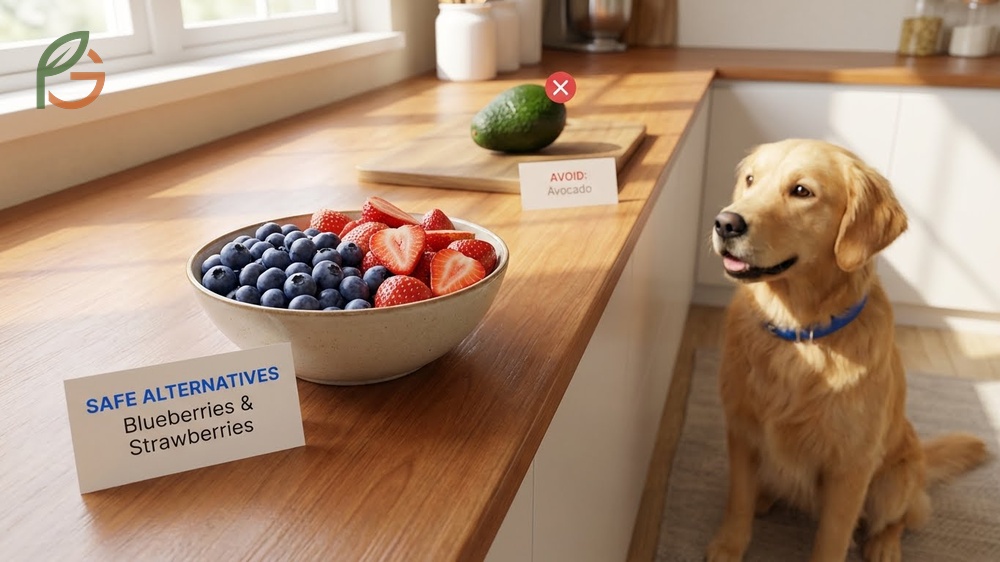
Instead of risking avocado, offer your dog these safer fruit options that provide similar nutrients without the dangers. Many fruits make excellent low-calorie treats that dogs actually enjoy. Current veterinary guidance emphasizes choosing fruits without pits, seeds, or toxic compounds.
Blueberries are an outstanding choice—they’re packed with antioxidants, low in calories, and dogs can eat them whole. Strawberries offer high fiber and water content, though you should remove the stems first. Watermelon (seedless, rind removed) provides hydration and vitamins without significant risks[5].
Apples work well if you remove the core, seeds, and stem—apple seeds contain cyanide. Cantaloupe and mango are safe in moderation after removing rinds and pits. These alternatives give you plenty of options to add variety to your dog’s diet without the risks that come with avocado.
This table compares safe fruit alternatives to avocado, listing their key benefits and important preparation notes for dog consumption
| Fruit | Key Benefits | Preparation Notes |
|---|---|---|
| Blueberries | High antioxidants, low calories[5] | Serve whole or frozen |
| Strawberries | High fiber, water content[5] | Remove stems before serving |
| Apples | Vitamin C, fiber, teeth cleaning | Remove core and seeds (contain cyanide) |
| Watermelon | Hydration, vitamins A, B6, C[5] | Remove rind and seeds |
| Cantaloupe | Low calorie, high nutrients | Remove rind, serve in moderation |
| Mango | Vitamins A, B6, C, E[5] | Remove skin and pit before serving |
- Always introduce new fruits gradually to monitor for digestive upset or allergic reactions
- Keep portions small—treats shouldn’t exceed 10% of your dog’s daily caloric intake
- Wash all fruits thoroughly to remove pesticides and contaminants
- Remove all pits, seeds, stems, and rinds before offering fruit to your dog
- Avoid grapes and raisins entirely—they contain an unidentified toxin that causes kidney failure[5]
- Skip canned or dried fruits—they often contain added sugars and preservatives
Avocado Oil for Dogs: While whole avocado poses risks, refined avocado oil used topically is generally safe for dogs. It can help moisturize dry skin when massaged into affected areas. However, never add avocado oil to your dog’s food without consulting your veterinarian first—the high fat content still poses pancreatitis risk.
Conclusion
The evidence is clear: can dogs eat avocado safely? Technically yes, but the risks far outweigh any potential benefits. While dogs tolerate persin better than other animals, the high fat content, pancreatitis risk, and life-threatening pit obstruction hazards make avocado a poor choice for canine treats.
Current veterinary guidance emphasizes choosing proven safe alternatives like blueberries, strawberries, or apples instead. If your dog accidentally consumes avocado—especially the pit—contact your veterinarian immediately rather than waiting for symptoms. FruitGarden recommends following veterinary best practices: when in doubt, keep avocados away from your pets entirely.
Medical Disclaimer
Important Medical Disclaimer: This content is for informational and educational purposes only. It’s not intended as a substitute for professional veterinary advice, diagnosis, or treatment. Always consult a qualified veterinarian before making any changes to your dog’s diet, especially if your pet has existing health conditions, is taking medications, or shows any signs of illness. If your dog has ingested avocado or is experiencing symptoms, contact your veterinarian or emergency animal hospital immediately.
Frequently Asked Questions
How Much Avocado Will Kill a Dog?
There’s no established lethal dose of avocado for dogs because they’re relatively resistant to persin toxicity compared to other animals. However, any amount poses risks from high fat content and potential pit obstruction. The bigger danger isn’t persin itself—it’s pancreatitis from the fat or choking from the pit. Even a single high-fat meal can trigger life-threatening pancreatitis in susceptible dogs.
Is Avocado Toxic to Dogs?
Avocado contains persin, a fungicidal toxin that’s highly poisonous to birds, horses, and livestock but affects dogs less severely. While dogs rarely experience severe persin poisoning, documented cases exist of myocardial damage in dogs after avocado ingestion. The real toxicity concerns for dogs are the high fat content causing pancreatitis and the physical dangers of the pit causing obstruction.
Are Avocados Poisonous to Dogs?
Avocados aren’t as poisonous to dogs as they are to other species, but they’re still dangerous. The persin in avocado leaves, bark, skin, and pit can cause vomiting and diarrhea in dogs. The flesh contains lower persin levels but extremely high fat that can trigger pancreatitis. Most veterinarians advise against feeding any avocado to dogs because safer treat alternatives exist.
What to Do If My Dog Ate Avocado?
Contact your veterinarian immediately if your dog ate avocado, especially if they swallowed the pit. Monitor closely for symptoms including vomiting, diarrhea, lethargy, abdominal pain, or difficulty breathing. If your dog ate only a small amount of flesh, watch for 24-48 hours for signs of digestive upset or pancreatitis. Never induce vomiting without veterinary guidance—the pit can cause more damage coming back up.
Can Dogs Eat Avocado Skin?
No, dogs should never eat avocado skin. The skin contains higher concentrations of persin than the flesh and poses choking hazards due to its tough, leathery texture. Avocado skin can also cause gastrointestinal blockages or severe digestive upset. Always remove and dispose of avocado skins where your dog can’t access them.
Are Avocados Safe for Dogs?
Avocados aren’t considered safe for dogs by most veterinary professionals. While small amounts of peeled, pitted flesh are unlikely to cause immediate persin toxicity in dogs, the high fat content and obstruction risks make avocado a poor choice. Current veterinary guidance recommends avoiding avocado altogether and choosing safer fruit alternatives like blueberries, apples, or watermelon instead.
Is Avocado Oil Safe for Dogs?
Refined avocado oil is generally safe for topical use on dogs—it can help moisturize dry skin when applied externally. However, don’t add avocado oil to your dog’s food without consulting your veterinarian first. The high fat content in avocado oil still poses pancreatitis risk when ingested. If you do use it topically, apply sparingly to prevent your dog from licking it off.