
Can cranberry juice cause diarrhea? Yes, it can when you drink too much. Research shows that consuming cranberry juice in very large amounts may cause stomach upset and diarrhea, especially in children and people with sensitive digestive systems[1]. Studies indicate that high doses can trigger minor side effects including diarrhea, abdominal discomfort, and nausea[2]. FruitGarden provides evidence-based guidance on safe cranberry consumption to help you enjoy the benefits without digestive issues.
Quick Answer
- Yes, excessive cranberry juice consumption causes diarrhea and stomach upset in many people[1]
- Safe daily limit is 8-10 ounces for most adults[3]
- High doses trigger digestive issues including diarrhea, bloating, and abdominal pain[2]
- People with IBS, acid reflux, or sensitive stomachs face higher risk of side effects
Can Cranberry Juice Cause Diarrhea

Cranberry juice can definitely cause diarrhea when you drink it in large quantities. The National Institutes of Health confirms that consuming cranberry products in very large amounts leads to stomach upset and diarrhea, particularly affecting young children more severely[1]. Clinical studies document that high doses trigger minor gastrointestinal side effects including diarrhea, abdominal discomfort, and nausea[2].
The severity of symptoms depends on how much you consume and your individual tolerance. Most people tolerate moderate amounts without issues, but exceeding recommended daily limits significantly increases your risk. Research shows that drinking more than 8-10 ounces daily raises the likelihood of digestive distress[3].
What makes cranberry juice problematic isn’t just the volume. The natural compounds in cranberries, including high organic acid content and tannins, can irritate your digestive system when consumed excessively. These components explain why some people experience immediate discomfort while others can drink moderate amounts without problems.
Why It Happens
Cranberry juice’s high acid content is the primary culprit behind digestive issues. The juice contains significant levels of citric acid and other organic acids that can overwhelm your stomach’s natural buffering capacity.
Tannins in cranberries produce a laxative effect when you consume large quantities. These plant compounds speed up intestinal transit time, which means food moves through your digestive system faster than normal. This accelerated movement prevents proper water absorption in your colon, resulting in loose stools or diarrhea.
Added sugars in commercial cranberry juice cocktails compound the problem. Many brands contain substantial amounts of sugar to offset cranberry’s natural tartness. Excess sugar can disrupt your gut microbiome and promote inflammation, especially when you drink multiple servings per day.
Who Is Most at Risk
Young children face the highest risk of cranberry-induced diarrhea due to their smaller body size and developing digestive systems[1]. Their bodies can’t process large volumes of acidic juice as efficiently as adults.
People with pre-existing digestive conditions experience more severe reactions. If you have irritable bowel syndrome, acid reflux, or gastritis, cranberry juice’s natural acidity can trigger immediate discomfort and worsen your symptoms.
- Young children under age 12 with smaller digestive capacity
- Adults with IBS or chronic digestive disorders
- People with acid reflux or gastroesophageal reflux disease
- Individuals with gastritis or stomach ulcers
- Anyone with known food sensitivities or allergies to berries
Important Note: If you’re experiencing persistent diarrhea after drinking cranberry juice, stop consumption immediately and consult a healthcare provider. Chronic diarrhea can lead to dehydration and electrolyte imbalances that require medical attention.
Cranberry Juice Side Effects

Beyond diarrhea, cranberry juice produces several other side effects when you consume too much. Evidence shows that overdoing it causes upset stomach, blood sugar spikes, and potential medication interactions[4]. These effects can range from mild discomfort to serious health complications depending on your existing conditions.
The natural compounds in cranberries interact with various bodily processes. While moderate consumption offers health benefits, excessive intake disrupts normal digestive function and metabolic balance. Understanding these effects helps you make informed decisions about your cranberry juice consumption.
Digestive Problems
Stomach cramps and bloating frequently accompany cranberry juice consumption. The juice’s high acidity can irritate your stomach lining, causing sharp pains or persistent discomfort that lasts several hours.
Nausea occurs when your stomach can’t handle the acidic load. This happens more often when you drink cranberry juice on an empty stomach or consume multiple servings in a short time period. Some people also experience acid reflux as the acidic juice backs up into the esophagus.
- Stomach cramps and sharp abdominal pains
- Bloating and gas accumulation
- Nausea and queasiness
- Acid reflux and heartburn
- Loose stools or watery diarrhea
- Increased bowel movement frequency
Blood Sugar Concerns
Sweetened cranberry juice cocktails contain substantial added sugar that can spike your blood glucose levels. Most commercial brands add 20-30 grams of sugar per 8-ounce serving to make the naturally tart juice palatable. This sugar content rivals that of soda and other sweetened beverages.
If you have diabetes or prediabetes, these blood sugar spikes pose serious health risks. Regular consumption of sweetened cranberry juice can contribute to poor glycemic control and increase your risk of diabetic complications. Even people without diabetes should monitor their intake to avoid metabolic issues.
Sugar Warning: Always check the nutrition label before buying cranberry juice. Look for unsweetened or “100% juice” varieties that don’t contain added sugars. These options provide cranberry’s benefits without the blood sugar roller coaster.
How Much Cranberry Juice Is Too Much

Health experts recommend limiting cranberry juice to 8-10 ounces per day for adults[3]. This serving size provides potential health benefits while minimizing the risk of digestive side effects. Anything beyond this amount significantly increases your chances of experiencing diarrhea and stomach upset.
Research on UTI prevention shows that 8-16 ounces daily can be effective, but even at these higher doses, some people develop gastrointestinal discomfort. The key is finding your personal tolerance level and not exceeding it.
If you’re drinking cranberry juice for the first time, start with just 4 ounces and monitor your body’s response. Some people can’t tolerate even moderate amounts due to sensitive stomachs or underlying digestive conditions. Don’t assume you can drink the maximum recommended dose right away.
This table compares daily cranberry juice serving recommendations for different age groups with corresponding safety notes
| Age Group | Recommended Daily Limit | Safety Notes |
|---|---|---|
| Adults (18+ years) | 8-10 oz[3] | One glass per day maximum; monitor for side effects |
| Teenagers (13-17 years) | 6-8 oz | Reduce serving if digestive discomfort occurs |
| Children (6-12 years) | 4-6 oz | Higher risk of diarrhea; dilute with water if needed |
| Young children (under 6) | 2-4 oz | Most susceptible to stomach upset[1] |
| Pregnant/breastfeeding women | Consult doctor | Limited safety data available; medical guidance recommended |
Pay attention to whether you’re drinking pure cranberry juice or cranberry juice cocktail. Pure juice is much more concentrated and acidic, so you’ll need to consume less. Cocktail versions are diluted with water and other juices, making them easier on your stomach but often higher in added sugars.
- Frequent loose stools or diarrhea within hours of drinking
- Persistent stomach cramps or abdominal pain
- Acid reflux or heartburn that worsens after consumption
- Bloating that doesn’t resolve within a few hours
- Nausea or queasiness that interferes with daily activities
Cranberry Juice Interaction With Warfarin
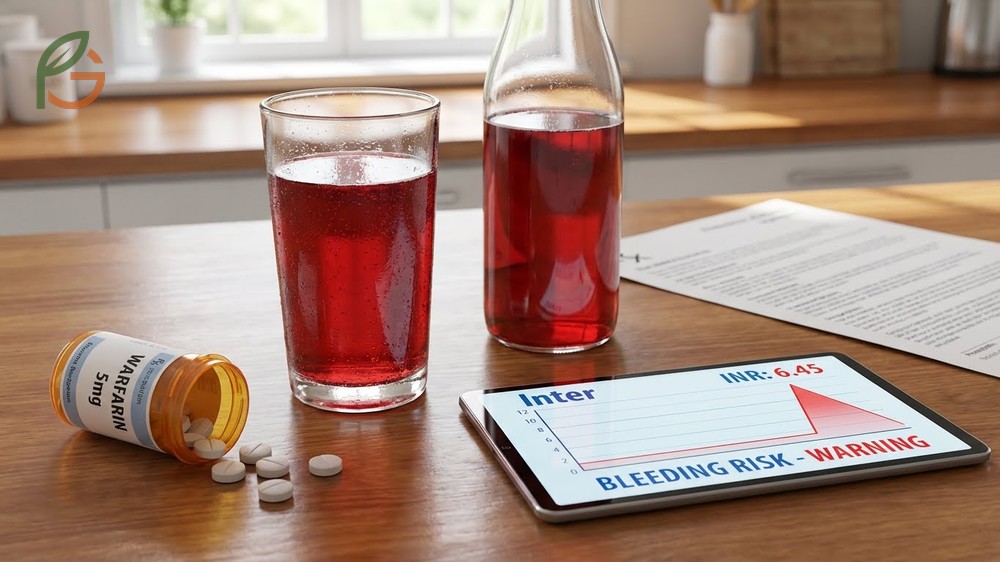
Cranberry juice can dangerously interact with warfarin, a common blood-thinning medication used to prevent blood clots. Case reports document that combining warfarin with cranberry juice leads to elevated INR levels, which measure how quickly your blood clots[5]. Higher INR values increase your bleeding risk.
One documented case involved a 78-year-old man taking warfarin who drank half a gallon of cranberry-apple juice in one week. His INR spiked to 6.45, well above the therapeutic range of 2-3[5]. After stopping the juice, his levels returned to normal.
British regulatory authorities issued warnings about this interaction after reports of excessive bleeding and one death linked to the combination. Even though some studies show that two cups daily don’t cause problems, the inconsistent evidence means you shouldn’t risk it if you’re taking blood thinners.
If you take warfarin or other anticoagulants, avoid drinking large amounts of cranberry juice. Small occasional servings might be safe, but you’ll need to work with your doctor to monitor your INR levels closely. Never start or stop cranberry juice consumption without medical supervision when you’re on blood-thinning medications.
- Warfarin (Coumadin) and other blood thinners
- Proton pump inhibitors like omeprazole
- H2 blockers such as famotidine
- Certain antibiotics and antifungal medications
- Aspirin and other antiplatelet drugs
Kidney Stone Risk Oxalates
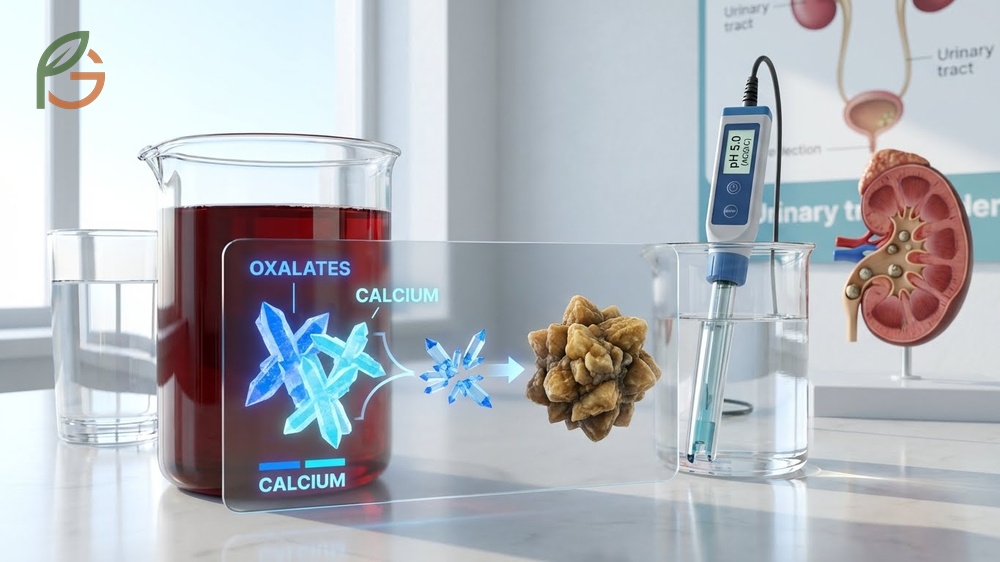
Cranberry juice contains high levels of oxalates, compounds that can increase your risk of developing calcium oxalate kidney stones. When you consume lots of oxalates, they bind with calcium in your urine and form crystals that can grow into stones[6].
Studies show that cranberry juice lowers urinary pH, making your urine more acidic. This increased acidity raises the risk of both calcium oxalate and uric acid stone formation[6]. If you’re already prone to kidney stones, drinking cranberry juice regularly could trigger new stone development.
However, the research presents mixed findings. Some older studies found that cranberry juice actually decreased kidney stone risk factors, while more recent reviews suggest it increases them. The conflicting evidence makes it difficult to provide universal recommendations.
If you’ve had calcium oxalate or uric acid stones before, it’s best to limit or avoid cranberry juice entirely. Talk to your doctor or a nephrologist about safer alternatives for urinary tract health. For people who develop brushite or struvite stones, cranberry juice might actually help since these stones form less readily in acidic environments.
Kidney Stone Warning: People with a history of kidney stones should consult their doctor before drinking cranberry juice regularly. Your stone type matters—what helps one type might worsen another. A 24-hour urine test can help determine if cranberry juice is safe for your specific situation.
Conclusion
The evidence is clear: can cranberry juice cause diarrhea? Yes, it can when you exceed the recommended 8-10 ounces per day. Research consistently shows that large amounts trigger digestive issues including diarrhea, stomach upset, and abdominal pain, especially in children and people with sensitive stomachs. You’ll also need to watch for blood sugar spikes from added sugars, potential medication interactions with blood thinners, and increased kidney stone risk if you’re susceptible.
Current guidance emphasizes moderation as the key to enjoying cranberry juice safely. Stick to one glass daily, choose unsweetened varieties when possible, and monitor your body’s response. FruitGarden recommends consulting your doctor before adding cranberry juice to your routine if you take medications or have existing health conditions.
Medical Disclaimer
Important Medical Disclaimer: This content is for informational and educational purposes only. It’s not intended as a substitute for professional medical advice, diagnosis, or treatment. Always consult a qualified healthcare professional before making any changes to your diet, medication, or health routine, especially if you have digestive disorders, take blood-thinning medications, have a history of kidney stones, or have diabetes. Never disregard professional medical advice or delay seeking it because of information you read here.
Frequently Asked Questions
Does Cranberry Juice Give You Diarrhea Immediately?
It depends on the amount you drink and your individual tolerance. Some people experience diarrhea within 2-4 hours of consuming large quantities, while others may not notice symptoms until they’ve been drinking excessive amounts for several days. Your stomach’s sensitivity and whether you drink it on an empty stomach also affect how quickly symptoms appear.
Is Cranberry Juice Good for Diarrhea?
No, cranberry juice typically isn’t recommended for treating existing diarrhea. The juice’s high acidity and laxative properties can actually worsen diarrhea rather than improve it. If you’re experiencing diarrhea, stick to clear fluids, electrolyte solutions, and bland foods until symptoms resolve. Cranberry juice is better avoided until your digestive system returns to normal.
What Happens if You Drink Cranberry Juice Everyday?
Drinking moderate amounts (8-10 ounces) of cranberry juice daily is generally safe for most people and may help prevent urinary tract infections. However, daily consumption of larger amounts can lead to chronic digestive issues, blood sugar problems if you’re drinking sweetened varieties, increased kidney stone risk, and potential medication interactions. The key is sticking to recommended serving sizes.
Can Cranberry Tablets Cause Diarrhea Too?
Yes, cranberry tablets can cause diarrhea, though it’s less common than with juice. High-dose supplements contain concentrated cranberry extract that may trigger digestive upset in sensitive individuals. However, tablets typically cause fewer side effects than juice because they don’t contain added sugars and you’re consuming smaller volumes. Start with the lowest recommended dose and increase gradually.
Why Does Cranberry Juice Make You Poop?
Cranberry juice contains tannins that have a natural laxative effect on your digestive system. These compounds speed up intestinal transit time, causing food to move through your bowels faster than normal. The juice’s high acidity also stimulates bowel movements by irritating the intestinal lining. This combination explains why many people need to use the bathroom shortly after drinking cranberry juice.
Can You Drink Too Much Sugar-Free Cranberry Juice?
Yes, even sugar-free cranberry juice can cause problems when consumed excessively. While it eliminates blood sugar concerns, you’ll still face the same digestive issues from high acidity, tannins, and oxalate content. Sugar-free varieties often contain artificial sweeteners that can cause their own set of digestive problems. Stick to the same 8-10 ounce daily limit regardless of sugar content.
Does Cranberry Juice Help With Stomach Ache?
Cranberry juice doesn’t typically help with stomach aches and may actually make them worse. The juice’s high acid content can irritate an already upset stomach, especially if you have gastritis, ulcers, or acid reflux. For stomach aches, stick to gentle remedies like ginger tea, chamomile, or plain crackers. Save cranberry juice for when your stomach has fully recovered.