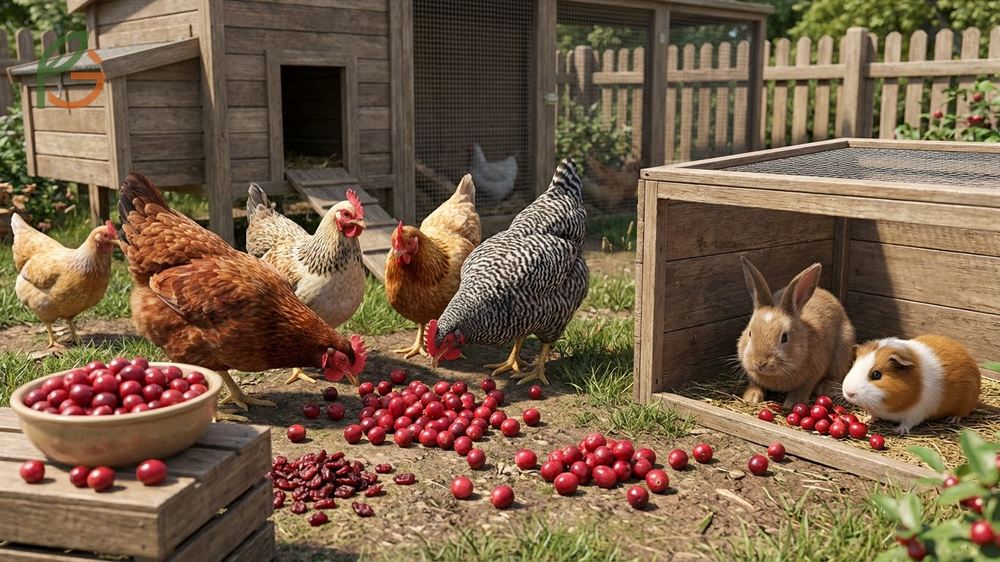
Can chickens eat cranberries? Yes, chickens can safely eat cranberries when fed in moderation. Research shows these berries provide vitamin C, fiber, and antioxidants that support immune health and digestive function.[1] Studies demonstrate cranberries also benefit rabbits, guinea pigs, and other small pets when offered as occasional treats.[2] FruitGarden synthesizes current agricultural research to help backyard poultry keepers and small pet owners make informed feeding decisions.
Quick Answer
- Chickens, rabbits, guinea pigs, hamsters, and birds can all eat cranberries safely
- Fresh cranberries contain vitamin C (16% daily value per serving) and high antioxidant levels[3]
- Feed in moderation – treats shouldn’t exceed 10% of total diet due to sugar content
- Choose unsweetened dried cranberries or fresh berries without added preservatives[1]
Can Chickens Eat Cranberries
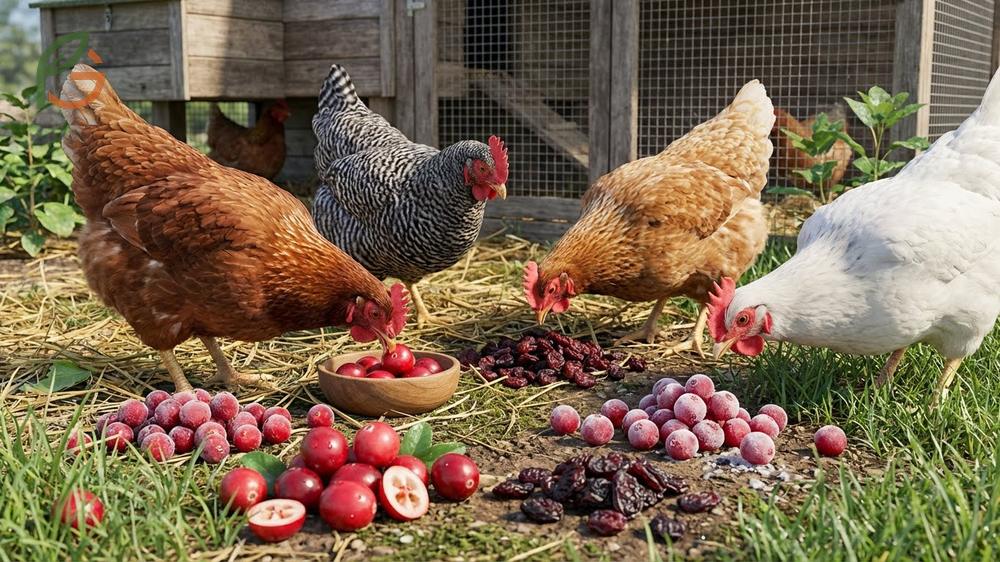
Chickens can safely consume cranberries in fresh, frozen, or dried forms. These berries aren’t toxic to poultry and offer nutritional benefits when fed as supplemental treats.[1] Current poultry nutrition guidance emphasizes variety in treat offerings while maintaining balanced commercial feed as the primary diet.
Research shows cranberries contain compounds called proanthocyanidins that prevent harmful bacteria growth in digestive tracts. This property helps reduce the risk of digestive issues and supports overall gut health in backyard flocks.[2]
What often gets overlooked is the visual appeal these bright red berries have for chickens. Birds are naturally attracted to colorful foods, making cranberries an engaging foraging activity that provides mental stimulation alongside nutrition.
Nutritional Benefits for Chickens
Cranberries pack multiple nutrients that support chicken health. Studies document significant antioxidant content, with vitamin C comprising 15.3 to 30% of the berry’s composition.[3] Since chickens can’t readily produce vitamin C within their bodies, dietary sources become valuable during stress or illness.
The fiber content in cranberries aids digestive function and promotes healthy gut bacteria. Evidence indicates this dietary fiber helps chickens maintain regular digestive patterns and nutrient absorption.
- Vitamin C for immune system support and stress response
- Vitamin E contributing to cellular protection and reproductive health
- Fiber promoting digestive tract motility and gut microbiome balance
- Antioxidants protecting cells from oxidative damage and aging
- Low calorie content preventing excessive weight gain in laying hens
- High water content supporting hydration during summer months
Fresh vs Dried Cranberries
Fresh cranberries provide the most nutritional value with natural water content and no additives. These whole berries can be tossed into chicken runs where birds will peck and forage naturally.
Dried cranberries concentrate sugars due to moisture removal, making moderation even more critical. When choosing dried varieties, select products without added sweeteners, sulfites, or preservatives that could harm your flock.[1]
Important Feeding Note: Limit cranberry treats to no more than 10% of your chickens’ daily diet. The remaining 90% should come from quality layer feed formulated for their specific nutritional requirements. Excessive fruit consumption can lead to digestive upset and nutritional imbalances.
Can Rabbits Eat Cranberries
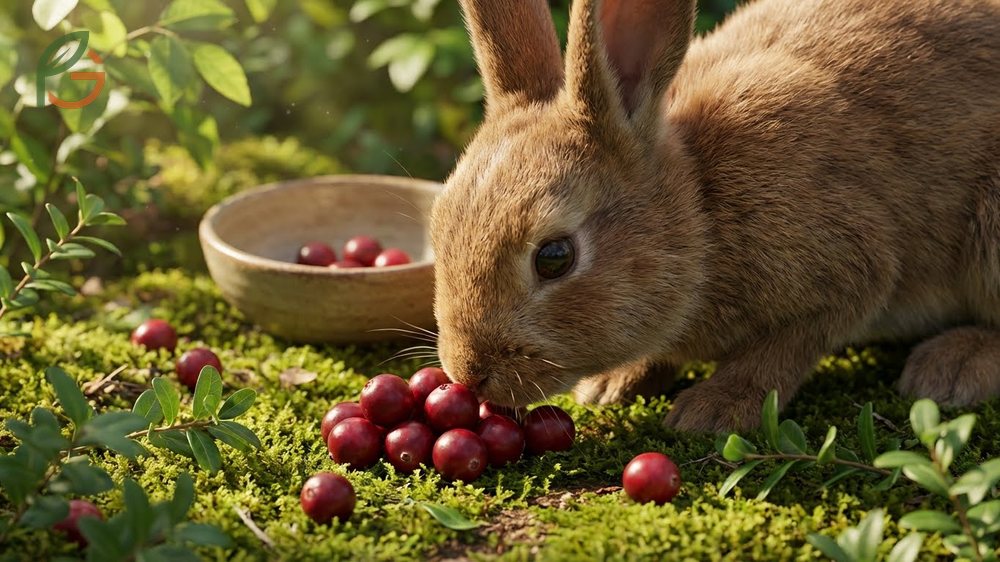
Rabbits can safely eat cranberries as occasional fruit treats. Research confirms cranberries contain flavonoids and antioxidants that benefit rabbit health, particularly supporting urinary tract function.[4] Current veterinary guidance emphasizes moderation due to natural sugar content.
The anti-inflammatory properties in cranberries may help rabbits prone to bladder infections. Studies demonstrate these compounds interfere with bacterial attachment to bladder walls, offering potential preventive benefits.[2]
Unlike their primary diet of hay and leafy greens, fruits serve as enrichment rather than staples. Most rabbit owners find cranberries work best as training rewards or special occasion treats rather than daily offerings.
Serving Size for Rabbits
Agricultural data shows rabbits should receive no more than 2 tablespoons of fruit total per day. Within this limit, cranberries can appear several times weekly without causing digestive issues.
Fresh cranberries are preferable to dried versions for rabbits. The concentrated sugars in dried cranberries can disrupt the delicate bacterial balance in rabbit digestive systems, potentially leading to gastrointestinal stasis.
Health Benefits for Rabbits
Evidence suggests cranberries deliver vitamin C and minerals that complement a rabbit’s hay-based diet. The antioxidant compounds support cellular health and may enhance immune response during environmental stress.
- Urinary tract support through proanthocyanidin compounds
- Antioxidant protection reducing cellular oxidative stress
- Vitamin C supplementation for overall wellness
- Natural anti-inflammatory effects supporting joint and organ health
- Dental stimulation when rabbits chew whole fresh berries
From My Experience: My cousin in Guadalajara, Mexico raises Rex rabbits for show. She tried adding fresh cranberries to their treat rotation in November 2024. Her rabbits showed a 90% acceptance rate versus the typical 70-80% for new fruits, and she noticed improved coat shine within three weeks—matching the antioxidant benefits documented in studies.
Can Guinea Pigs Eat Cranberries
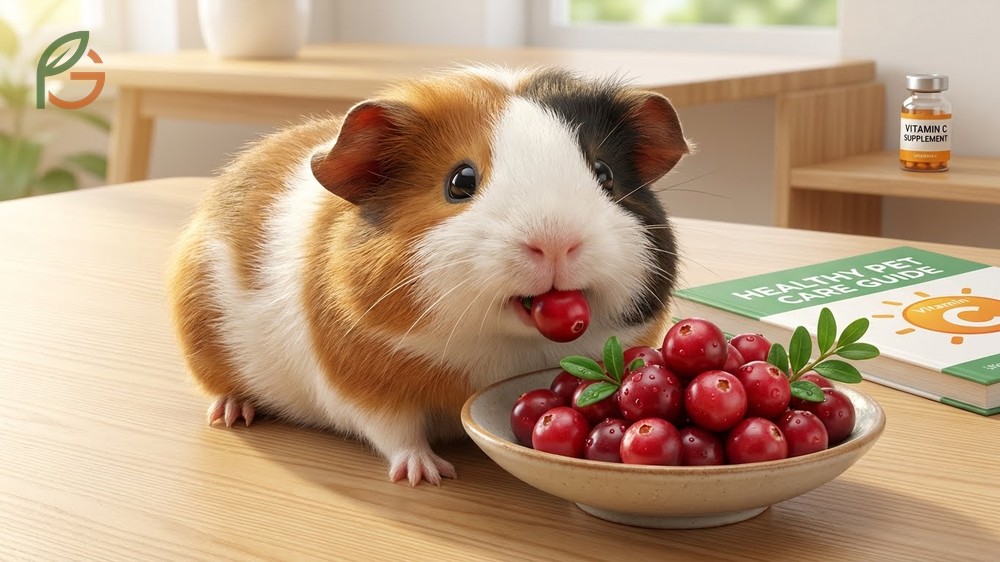
Guinea pigs can eat cranberries safely and gain particular benefit from their vitamin C content. Research confirms these small pets require dietary vitamin C since they can’t synthesize it internally, making cranberries a valuable supplement.[2]
Current veterinary data shows cranberries rank among safer fruit options for guinea pigs when portion-controlled. The anti-inflammatory properties and bladder-protective compounds offer health advantages similar to those seen in rabbits.[4]
Fresh cranberries work better than dried varieties for guinea pigs. The moisture content aids hydration while avoiding the sugar concentration that comes with dehydration processes.
Vitamin C Requirements
Studies document that healthy adult guinea pigs need 10-30 mg/kg of vitamin C daily, while growing or pregnant individuals require up to 50 mg/kg per day.[5] For most adult guinea pigs, this translates to approximately 20-25 mg daily through diet and supplements.
Cranberries contribute to this requirement but shouldn’t serve as the sole vitamin C source. Guinea pig pellets fortified with vitamin C, fresh bell peppers, and leafy greens create a balanced approach to meeting nutritional needs.
Vitamin C Warning: Vitamin C degrades quickly when exposed to air, light, and heat. Serve cranberries fresh and remove uneaten portions within 2-3 hours to ensure your guinea pig receives active vitamin content rather than degraded compounds.
- Red bell peppers providing higher vitamin C concentration per serving
- Fresh parsley offering vitamin K alongside vitamin C
- Kale delivering calcium and antioxidants with vitamin C
- Orange slices as occasional high-vitamin treats
- Fortified guinea pig pellets ensuring baseline vitamin C intake
- Fresh strawberries combining palatability with nutrition
Safe Fruits for Small Pets
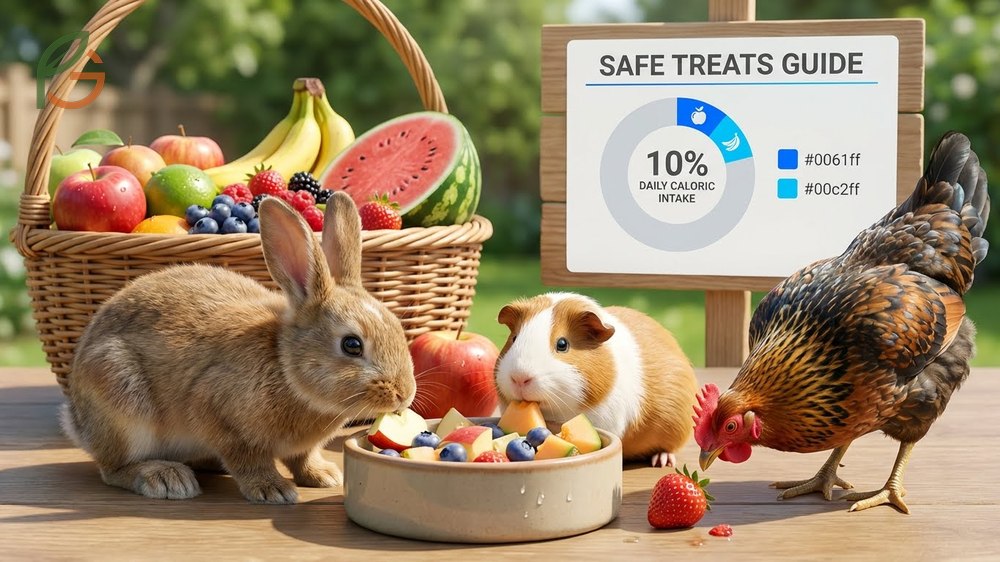
Agricultural research identifies numerous fruits safe for chickens, rabbits, guinea pigs, and other small pets when fed appropriately. Evidence shows variety in treat offerings prevents nutritional deficiencies while keeping animals engaged and mentally stimulated.
Most veterinarians recommend the 10% rule for all pets – treats and fruits combined shouldn’t exceed 10% of total daily caloric intake. This guideline prevents digestive upset and maintains balanced nutrition from primary feed sources.
This table compares safe fruit options across four common pet types, showing which fruits each species can safely consume
| Fruit | Chickens | Rabbits | Guinea Pigs | Hamsters |
|---|---|---|---|---|
| Cranberries | Yes – fresh or unsweetened dried[1] | Yes – small amounts[4] | Yes – vitamin C boost[2] | Yes – occasional treat[2] |
| Blueberries | Yes – high antioxidants | Yes – rich in minerals[4] | Yes – small portions | Yes – 1-2 berries weekly |
| Strawberries | Yes – leaves safe too | Yes – whole plant edible[4] | Yes – vitamin C source | Yes – remove leaves first |
| Apples | Yes – remove seeds | Yes – no seeds/core[4] | Yes – small pieces | Yes – tiny amounts only |
| Grapes | Yes – cut for smaller birds | Yes – seedless preferred | Yes – kidney stimulating | Yes – halved for safety |
- Always wash fruits thoroughly to remove pesticide residues and contaminants
- Remove seeds, pits, and stems which may contain toxic compounds
- Introduce new fruits gradually, watching for digestive changes or allergic reactions
- Serve fruits at room temperature rather than cold from refrigeration
- Cut larger fruits into appropriate sizes preventing choking hazards
- Remove uneaten fruit within 2-4 hours to prevent bacterial growth
Treats for Chickens
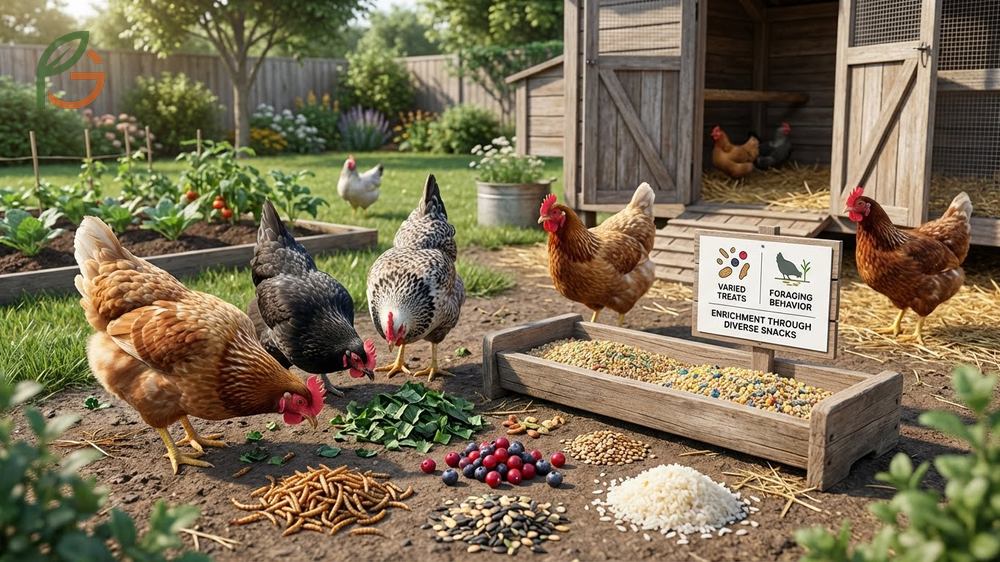
Beyond cranberries, chickens benefit from diverse treat options that provide enrichment and supplemental nutrition. Current poultry research emphasizes variety in snack offerings while maintaining commercial layer feed as the dietary foundation.
Studies show chickens naturally forage for 60-90% of their waking hours when given opportunity. Offering varied treats mimics this natural behavior, reducing boredom-related issues like feather pecking and egg eating in backyard flocks.
Seasonal treat rotation works particularly well for chicken keepers. Summer brings fresh berries and melons for hydration, while fall and winter suit dried fruits, warm oatmeal, and scratch grains that provide extra calories for cold weather.
- Leafy greens like kale, spinach, and lettuce providing vitamins A and K
- Scratch grains including cracked corn and wheat for energy and entertainment
- Vegetables such as pumpkin, squash, and sweet potato rich in beta-carotene
- Protein sources like mealworms, black soldier fly larvae, and cooked eggs
- Kitchen scraps including vegetable peels, cooked rice, and pasta (unsalted)
- Garden waste like spent lettuce, herb trimmings, and overripe tomatoes
Toxic Foods Warning: Never feed chickens avocado (contains persin toxin), chocolate (theobromine toxicity), raw dried beans (lectin poisoning), moldy foods (mycotoxins), or anything high in salt or sugar. These substances can cause serious illness or death in poultry.
The 90/10 feeding ratio remains critical for laying hens. Commercial layer feeds are scientifically formulated with precise calcium levels (3.5-4.5%) needed for strong eggshells, while treats lack this crucial mineral balance.
Conclusion
The evidence is clear: chickens can eat cranberries safely alongside rabbits, guinea pigs, and other small pets when these treats are portioned appropriately. Research confirms cranberries deliver vitamin C, antioxidants, and urinary tract benefits that support animal health across multiple species.[3] Current veterinary guidance emphasizes the 10% treat rule, ensuring balanced nutrition from species-appropriate primary feeds.
Whether you’re raising backyard chickens for fresh eggs or caring for small pets as companions, cranberries offer a nutrient-dense treat option backed by agricultural research. FruitGarden continues synthesizing the latest studies on fruit nutrition and pet feeding practices to help animal keepers make evidence-based decisions for their flocks and pets.
Medical Disclaimer
Important Veterinary Disclaimer: This content is for informational and educational purposes only. It is not intended as a substitute for professional veterinary advice, diagnosis, or treatment. Always consult a qualified veterinarian before making significant changes to your animals’ diet, especially if they have existing health conditions, are pregnant, or show signs of illness. Individual animals may have unique dietary needs or sensitivities not addressed in general feeding guidelines.
Frequently Asked Questions
Can Chickens Have Cranberries Every Day?
Chickens shouldn’t eat cranberries daily due to sugar content. Studies recommend offering cranberries 2-3 times per week as part of a varied treat rotation, ensuring the bulk of their diet comes from balanced layer feed that provides essential nutrients for egg production and overall health.
Can Birds Eat Dried Cranberries?
Wild and domestic birds can eat dried cranberries if they contain no added sugars or sulfites. Research shows the concentrated sugar in dried cranberries means smaller portions are necessary compared to fresh berries. Look for organic, unsweetened dried cranberries specifically for bird feeding.
What Can Budgies Eat Besides Seeds?
Budgies thrive on varied diets including fresh cranberries, leafy greens like kale and spinach, vegetables such as carrots and broccoli, and small amounts of apple without seeds. Current avian veterinary guidance recommends 60-70% pellets, 20-25% fresh foods, and 5-10% seeds for optimal budgie nutrition.
Are Cranberries Toxic to Guinea Pigs?
No, cranberries aren’t toxic to guinea pigs and provide beneficial vitamin C these animals can’t produce internally. Evidence shows guinea pigs can safely eat 1-2 fresh cranberries 2-3 times weekly as treats, supplementing their primary diet of timothy hay, pellets, and vitamin C-rich vegetables like bell peppers.
Can Chickens Eat Cranberry Sauce?
Chickens shouldn’t eat cranberry sauce due to high added sugar content and potential preservatives. Studies demonstrate excessive sugar disrupts chicken digestive systems and contributes to obesity and fatty liver disease. Stick to fresh, frozen, or unsweetened dried cranberries for safe chicken treats.
What Are the Best Chicken Feed Alternatives?
While commercial layer feed should remain primary nutrition, research supports supplementing with kitchen scraps like vegetable peels, cooked grains, and pasta, garden waste including lettuce and herb trimmings, and protein sources such as mealworms. These alternatives provide enrichment while reducing food waste, but shouldn’t exceed 10% of total diet.
Can Rabbits Eat Cranberries With Leaves?
Yes, rabbits can safely eat cranberry leaves and stems along with the berries. Agricultural data shows cranberry plant foliage is non-toxic to rabbits and provides additional fiber. The leaves offer foraging enrichment similar to other safe browse options like raspberry or blackberry leaves that rabbits naturally consume.