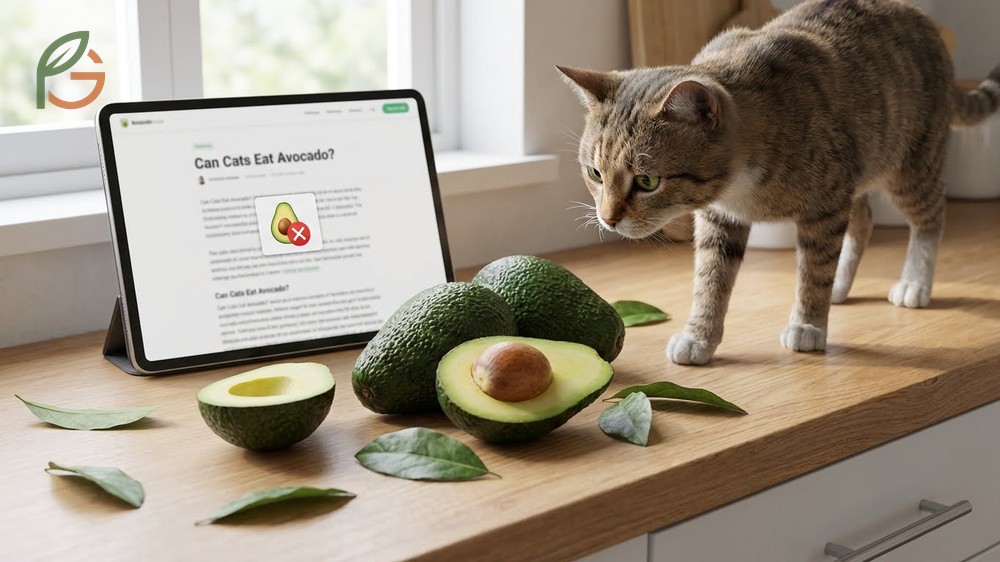
Can cats eat avocado? No, it’s not recommended. While the flesh has low persin levels, the pit, skin, and leaves contain this fungicidal toxin that can cause vomiting, diarrhea, and gastrointestinal upset in cats[1]. Research shows cats are less sensitive to persin than birds or horses, but accidental ingestion still poses risks—especially if your cat swallows the pit, which can cause life-threatening intestinal blockages[2]. FruitGarden combines veterinary research with practical pet safety guidance to help you make informed decisions about what your cat eats.
Quick Answer
- Avocado isn’t safe for cats—persin toxin causes digestive problems[1]
- Pit and skin are most dangerous—never let your cat access these parts[3]
- Watch for vomiting, diarrhea, and lethargy within 6-12 hours of ingestion[4]
- Safe alternatives include blueberries, bananas, and cantaloupe in small amounts[5]
Can Cats Eat Avocado
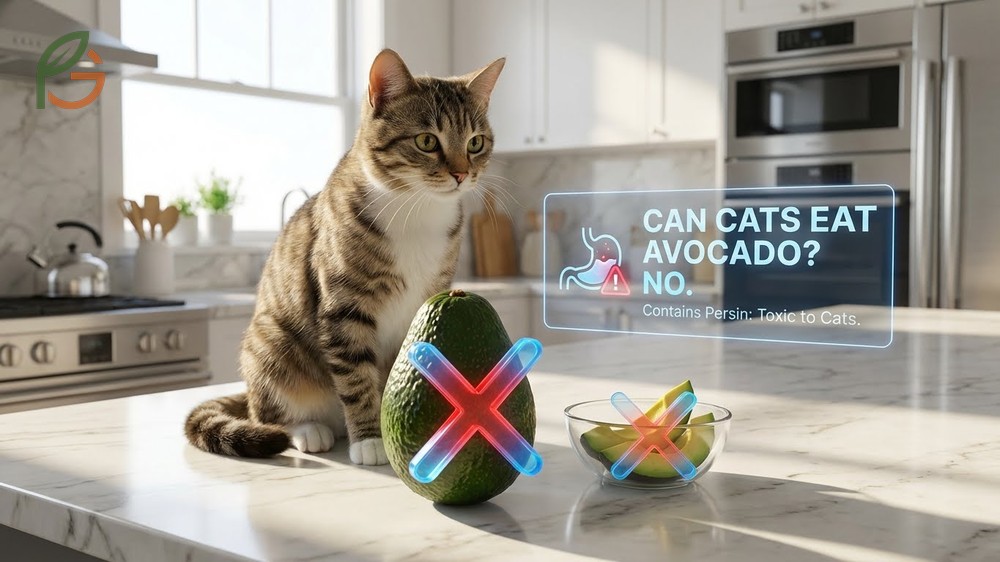
The short answer is no—avocados aren’t a safe choice for your feline friend. Every part of the avocado plant contains persin, a natural fungicidal toxin that’s harmless to humans but problematic for cats[1]. While cats don’t react as severely as birds or livestock, they can still experience gastrointestinal distress, vomiting, and diarrhea when they eat any amount of avocado.
Studies show that cats and dogs are much less sensitive to persin than other animals, but that doesn’t mean avocado is safe[2]. The bigger danger comes from the pit—if your cat swallows it, you’re looking at a potential intestinal blockage that requires emergency surgery. Even small pieces of avocado can trigger pancreatitis due to the fruit’s high fat content.
Most veterinarians agree that there’s no nutritional benefit worth the risk. Cats are obligate carnivores, meaning they get everything they need from animal protein. What often gets overlooked is that avocado’s creamy texture can attract curious cats, so you’ll want to keep guacamole, avocado toast, and fresh avocados securely stored away from your pet.
Why Persin Matters
Persin works as a natural defense mechanism for the avocado plant against fungi and pests. In cats, this compound irritates the gastrointestinal tract, causing inflammation and fluid accumulation in severe cases[6]. Research indicates that birds and ruminants can develop respiratory distress and cardiac complications from persin, but cats typically experience milder symptoms.
Current veterinary data shows the concentration of persin varies by avocado variety and ripeness. Guatemalan avocados contain higher persin levels than Hass or Mexican varieties, though all types pose some risk to pets. The toxin remains stable during cooking, so baked goods or cooked dishes with avocado aren’t any safer than raw fruit.
Important Note: If you’re growing an avocado tree at home, keep your cat away from fallen leaves and bark—these contain the highest persin concentrations and can cause more severe reactions than the flesh alone.
Which Parts Are Most Dangerous
The pit, skin, and leaves contain the most concentrated persin levels and present the greatest hazard to cats[3]. Even the flesh has enough persin to cause problems, though it’s less potent than other parts. The pit poses a dual threat—both the toxin and the choking or obstruction risk if swallowed whole or in chunks.
Veterinary emergency data reveals that cats who chew on avocado leaves or bark often show symptoms faster—within 2-4 hours compared to 6-12 hours for flesh ingestion. You’ll need to secure your compost bins and trash cans where avocado scraps might be accessible to curious cats.
Is Avocado Toxic to Cats
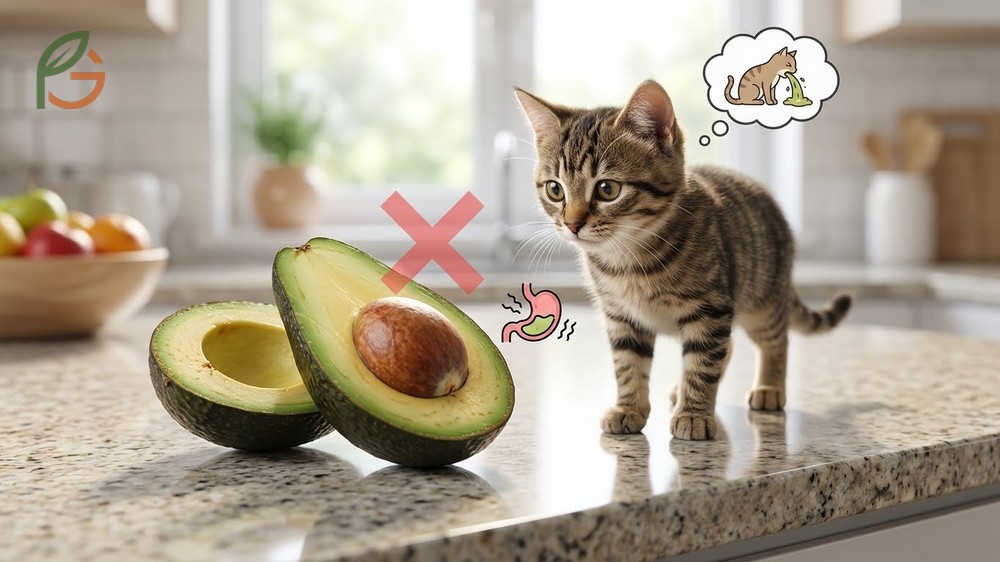
Yes, avocado is toxic to cats, though the severity depends on the amount eaten and which part of the plant they consumed. The ASPCA lists avocado as a toxic food for cats because of persin content throughout the entire plant[1]. Current evidence shows that while cats won’t typically die from eating a small amount of avocado flesh, they can develop gastrointestinal irritation, abdominal discomfort, and vomiting.
The toxicity level isn’t as high as it is for birds or horses, but that’s not a reason to relax your guard. Research across multiple veterinary sources confirms there’s no confirmed safe amount of avocado for cats. Even a tablespoon of flesh can trigger digestive upset in sensitive individuals.
What makes avocado particularly concerning is the combination of persin toxicity and high fat content—roughly 15 grams of fat per 100 grams of fruit. This can overwhelm your cat’s pancreas and lead to pancreatitis, an extremely painful inflammatory condition that requires immediate veterinary care[2].
Comparing Sensitivity Across Species
Different animals react to persin in dramatically different ways. Birds are highly sensitive and can die from eating even small amounts of avocado—respiratory distress and heart failure occur within hours[6]. Horses, cattle, goats, and sheep can develop similar severe reactions, including fluid accumulation around the heart and sudden death.
Dogs and cats sit at the lower end of the sensitivity spectrum, but they’re not immune. The key difference is that while birds might die from persin exposure, cats typically experience gastrointestinal symptoms that resolve with supportive care. That doesn’t mean you should test your cat’s tolerance—any toxin exposure is unnecessary risk.
This table compares persin toxicity levels and typical symptoms across five common pet and livestock species
| Species | Sensitivity Level | Common Symptoms | Risk of Death |
|---|---|---|---|
| Birds | Very High | Respiratory distress, heart failure[6] | High |
| Horses/Cattle | High | Cardiac complications, fluid buildup[6] | Moderate to High |
| Rabbits | Moderate | Vomiting, diarrhea, lethargy | Low to Moderate |
| Cats | Low to Moderate | GI upset, vomiting, diarrhea[1] | Low |
| Dogs | Low | Mild GI distress, pancreatitis risk[2] | Very Low |
High Fat Content Risks
Beyond persin, avocado’s fat content creates additional problems for cats. A single medium avocado contains approximately 240 calories and 22 grams of fat—far too much for a typical 10-pound cat whose daily caloric needs are only 200-250 calories. Just a few bites can throw off your cat’s nutritional balance for the entire day.
Evidence suggests that high-fat foods can trigger acute pancreatitis in cats, especially those who aren’t used to fatty treats[4]. Symptoms include severe abdominal pain, hunched posture, loss of appetite, and repeated vomiting. This condition requires hospitalization with IV fluids and pain management—it’s not something that resolves on its own.
Warning: Guacamole poses extra danger because it often contains onions, garlic, and salt—all toxic to cats. Never let your cat lick your guacamole bowl or snack on avocado-based dips.
Symptoms of Avocado Poisoning in Cats
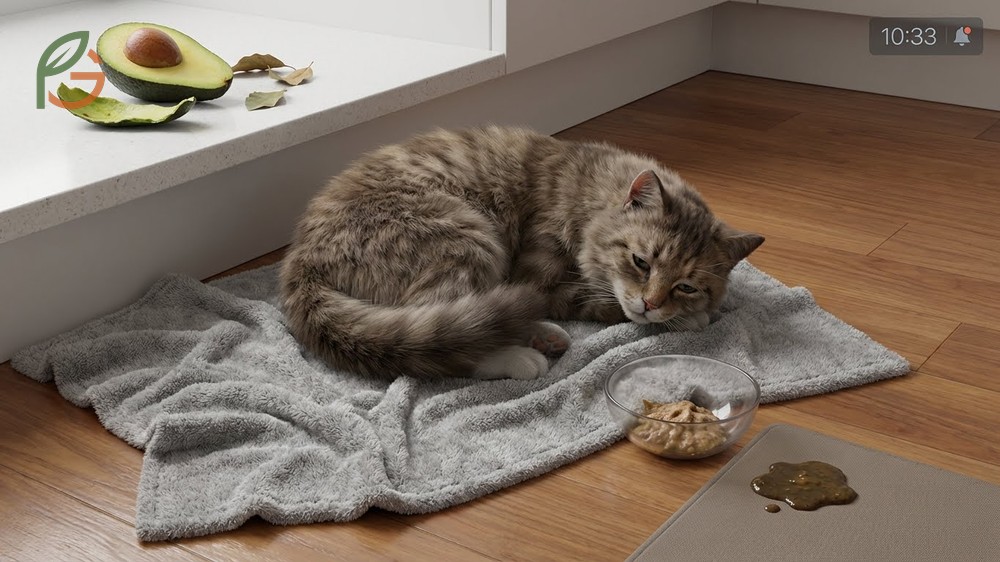
If your cat eats avocado, you’ll typically notice symptoms within 6-12 hours, though reactions can occur as quickly as 2 hours with large amounts or high-persin parts like leaves[4]. The most common signs include vomiting, diarrhea, and lethargy. Your cat might also show abdominal discomfort—you’ll see them hunching, avoiding touch around the belly area, or meowing more than usual.
Severe cases can involve more alarming symptoms like difficulty breathing, rapid heart rate, or complete loss of appetite lasting more than 24 hours. Current veterinary guidance emphasizes that cardiac effects are rare in cats compared to birds, but they can occur if your cat consumes large quantities of avocado or if they’re particularly sensitive.
Watch for behavioral changes too—cats with persin toxicity often become withdrawn, hide more than normal, or stop grooming themselves. These subtle signs can indicate your cat isn’t feeling well even before obvious symptoms like vomiting appear.
- Vomiting—often occurs multiple times within a few hours of ingestion
- Diarrhea—can be watery or contain mucus, lasting 12-48 hours
- Lethargy—your cat seems unusually tired and uninterested in activities
- Abdominal pain—hunched posture, reluctance to be touched, vocal distress
- Loss of appetite—refusing food for more than 12-24 hours
- Weakness—difficulty jumping or moving normally
- Low body temperature—feeling cooler than usual to the touch
If your cat swallowed part of the pit, obstruction symptoms can develop over 24-72 hours. These include repeated vomiting, inability to keep water down, constipation, abdominal swelling, and extreme distress. Intestinal blockages are life-threatening emergencies that require immediate surgical intervention.
Emergency Signs: Contact your vet immediately if your cat shows rapid breathing, collapses, becomes non-responsive, or has repeated violent vomiting. These indicate a serious reaction requiring emergency care.
Cat Ate Avocado What to Do
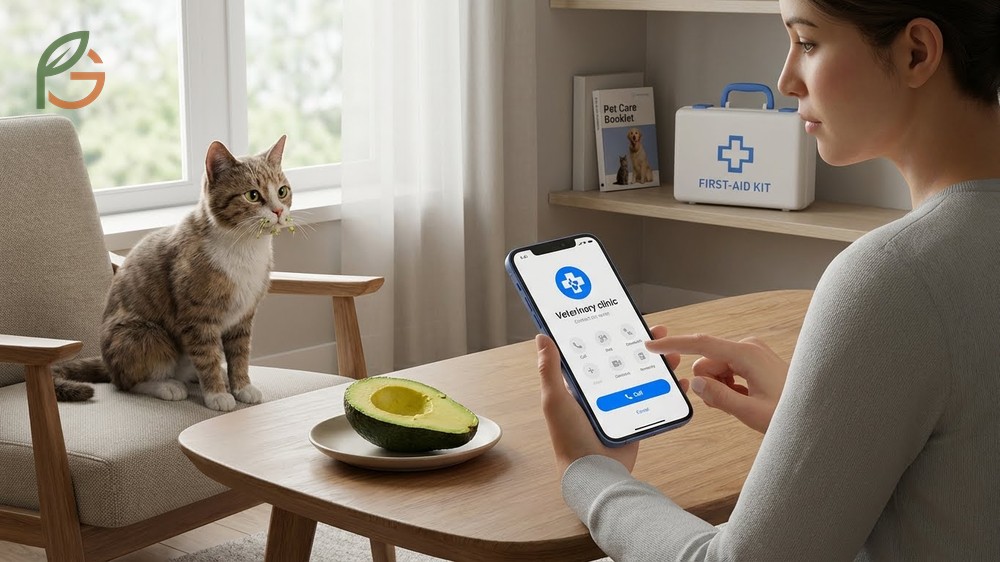
First, don’t panic—stay calm so you can assess the situation clearly. Remove any remaining avocado from your cat’s reach and try to determine how much they ate and which parts (flesh, skin, pit, or leaves). This information will help your veterinarian provide appropriate guidance.
Call your vet or the Pet Poison Helpline immediately, even if your cat seems fine. Many toxins don’t cause visible symptoms for hours, and early intervention improves outcomes[2]. The helpline operates 24/7 and can assess whether your cat needs emergency care or can be monitored at home.
Monitor your cat closely for the next 24 hours. Keep them comfortable and ensure they have access to fresh water—dehydration can worsen symptoms. Don’t try to induce vomiting at home unless explicitly instructed by a veterinarian, as this can cause additional complications.
- Remove remaining avocado immediately and secure it away from your cat
- Estimate the amount consumed and identify which parts (flesh, pit, skin)
- Call your veterinarian or Pet Poison Helpline (24/7 service available)
- Provide your cat with fresh water but don’t force them to drink
- Monitor for symptoms—vomiting, diarrhea, lethargy, abdominal pain
- Don’t induce vomiting unless your vet specifically tells you to
- Keep your cat calm and restrict activity until symptoms resolve
If your vet recommends an office visit, they’ll likely perform blood work, urinalysis, and possibly X-rays or ultrasound to check for pit obstruction. Treatment typically involves supportive care—IV fluids for dehydration, anti-nausea medication, and monitoring until symptoms pass. Most cats recover fully within 24-48 hours with appropriate treatment.
For cats who swallowed the pit, emergency surgery might be necessary to remove the obstruction. This procedure has good success rates when performed promptly, but it’s expensive and requires several days of hospitalization. Prevention is always better—keep avocados stored securely and dispose of scraps in sealed containers your cat can’t access.
Can Cats Eat Avocado Oil
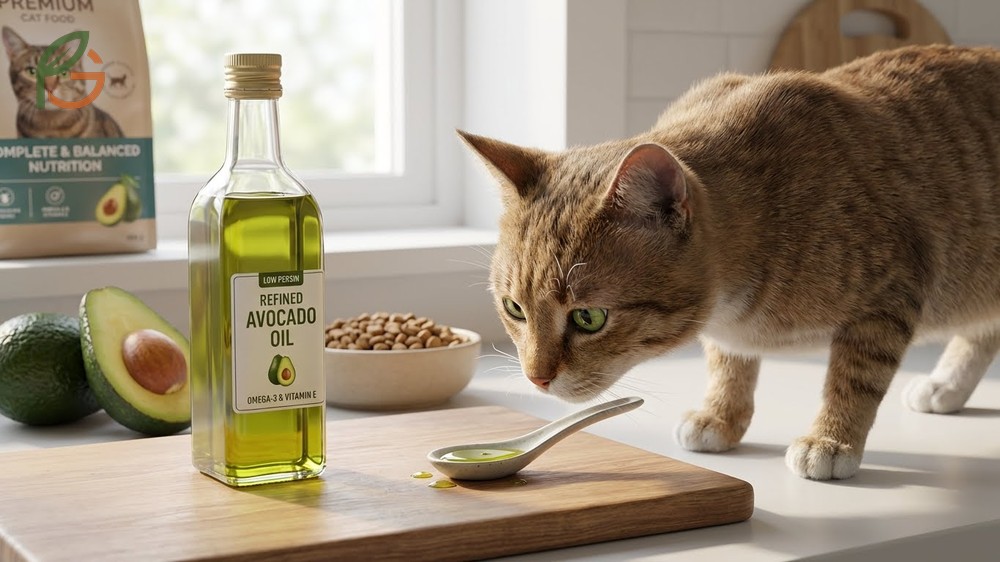
Avocado oil is generally safer than the fruit itself because it contains little to no persin—the refining process removes most of the toxin. Small amounts are unlikely to harm your cat, though there’s no nutritional reason to include it in their diet. Cats don’t need plant-based fats when they’re eating a complete, balanced cat food.
Research indicates that some pet food manufacturers use avocado oil or meal in their formulas for the omega-3 fatty acids and vitamin E content. These commercial products use carefully processed avocado derivatives that meet safety standards. However, that doesn’t mean you should drizzle avocado oil on your cat’s food at home.
The main concern with avocado oil is the same as with any high-fat food—too much can cause digestive upset or contribute to pancreatitis. A few drops won’t hurt if your cat accidentally licks some off your salad, but don’t make it a regular addition to their meals.
Some cat owners use avocado oil topically for dry skin or coat conditioning. This application is generally safe since cats can’t ingest large amounts through grooming, though it’s not necessary—specialized pet grooming products work better. If you do apply it, use only a tiny amount and watch for any skin irritation or allergic reactions.
Important Tip: Even though avocado oil is safer than the fruit, moderation matters. Don’t add it to your cat’s diet without consulting your veterinarian first—they can recommend better, cat-appropriate fat sources if needed.
Fruits Safe for Cats
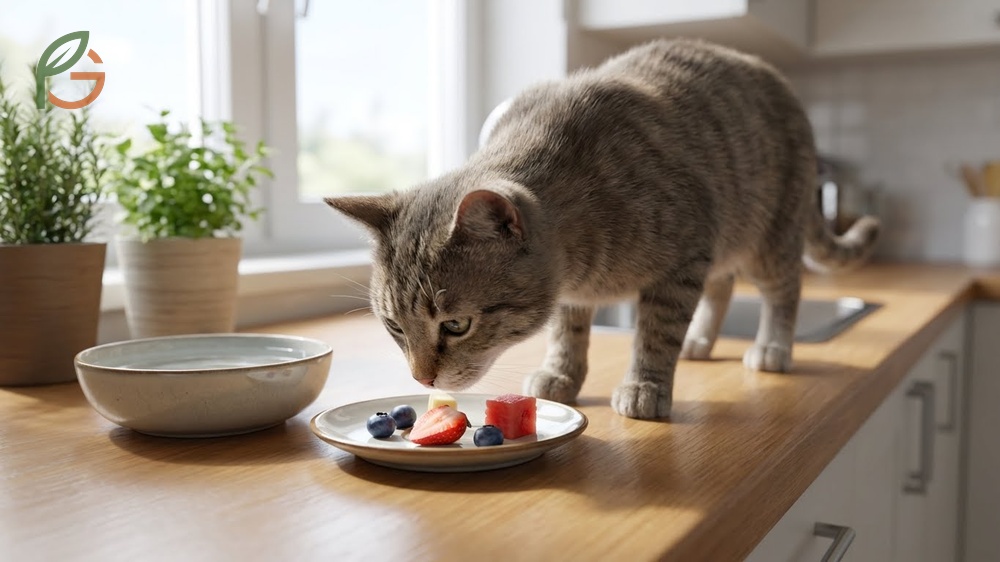
While cats don’t need fruit in their diet, some safe options make occasional low-calorie treats. Research shows blueberries, bananas, and cantaloupe are among the safest choices for cats when offered in small quantities[5]. Always introduce new foods gradually—start with a tiny piece and watch for any digestive upset over the next 24 hours.
Blueberries pack antioxidants and fiber without much sugar, making them a smart treat option. Most cats don’t show much interest in them because they’re not meat, but some enjoy the texture. Bananas offer potassium and vitamin B6, though they’re higher in sugar so limit portions to a few small slices once or twice a week.
Cantaloupe and honeydew melon are refreshing options that many cats actually like—the texture and mild flavor appeal to some felines. Cut them into small cubes and remove all seeds and rind. Strawberries work well too, providing vitamin C and fiber, but again, moderation is key because of natural sugars.
- Blueberries—2-3 berries, high in antioxidants, low sugar content
- Bananas—1-2 small slices, good potassium source but high in sugar
- Cantaloupe—a few small cubes, hydrating and generally well-liked
- Strawberries—1-2 small pieces, vitamin C boost, remove leaves first
- Watermelon—small seedless pieces, excellent hydration, very low calorie
- Apples—tiny pieces without seeds/core (seeds contain cyanide compounds)
- Pineapple—very small amounts, high in vitamins but also very sweet
Never feed your cat grapes, raisins, citrus fruits, or cherries—these are toxic and can cause kidney failure or severe digestive problems[5]. Unripe tomatoes (green parts) are also dangerous due to solanine content. Always remove seeds, pits, and rinds before offering any fruit to your cat.
Remember that treats—including fruits—shouldn’t exceed 10% of your cat’s daily caloric intake. For a typical 10-pound cat eating 200-250 calories per day, that’s only 20-25 calories from treats. A few blueberries or a small banana slice fits easily within this limit.
Conclusion
The evidence is clear: can cats eat avocado? No, they shouldn’t. While cats are less sensitive to persin than birds or livestock, avocado still poses unnecessary risks—from gastrointestinal upset and pancreatitis to life-threatening intestinal blockages if they swallow the pit. Current veterinary guidance emphasizes prevention over treatment, so keep avocados, guacamole, and all plant parts securely away from your feline friend.
If your cat does eat avocado, don’t wait for symptoms—contact your veterinarian immediately for guidance. Most cats recover fully with prompt supportive care, but early intervention makes all the difference. Stick to cat-appropriate treats and consult your vet before introducing any human foods into your pet’s diet. FruitGarden synthesizes veterinary research and pet safety data to help you make the best choices for your cat’s health and wellbeing.
Medical Disclaimer
Important Medical Disclaimer: This content is for informational and educational purposes only. It’s not intended as a substitute for professional veterinary advice, diagnosis, or treatment. Always consult a qualified veterinarian before making any changes to your cat’s diet, medication, or health routine, especially if your cat has pre-existing medical conditions or shows signs of illness. If you suspect your cat has ingested avocado or any toxic substance, contact your veterinarian or the Pet Poison Helpline immediately.
Frequently Asked Questions
Can Cats Have Avocado in Any Amount?
No, there’s no established safe amount of avocado for cats. While a small lick of the flesh might not cause severe symptoms, any amount carries risk of gastrointestinal upset. The pit, skin, and leaves are most dangerous due to higher persin concentrations, but even the flesh can cause vomiting and diarrhea in sensitive cats.
Is Avocado Good for Cats or Should Cats Eat Avocado?
No, avocado isn’t good for cats and they shouldn’t eat it. Cats are obligate carnivores who get all necessary nutrients from animal protein—they don’t need plant-based fats or the vitamins found in avocados. The persin toxin and high fat content outweigh any potential nutritional benefits, making avocado an unnecessary risk with no health advantages for felines.
Are Avocados Bad for Cats or Poisonous to Cats?
Yes, avocados are both bad for and mildly poisonous to cats due to persin content. While they’re less toxic to cats than to birds or horses, avocados can still cause vomiting, diarrhea, abdominal pain, and pancreatitis. The pit poses additional choking and obstruction hazards that can be life-threatening without emergency surgery.
Can Cats Eat Guacamole?
Absolutely not—guacamole is even more dangerous than plain avocado for cats. Most recipes contain onions, garlic, and salt, all of which are toxic to cats. Onions and garlic can cause hemolytic anemia (destruction of red blood cells), while excessive salt leads to sodium ion poisoning. Keep all guacamole and avocado-based dips completely away from your cat.
Can Avocado Kill Cats?
Death from avocado is extremely rare in cats—they’re much less sensitive to persin than birds or livestock. However, life-threatening complications can occur if a cat swallows the pit, causing intestinal obstruction, or develops severe pancreatitis from the high fat content. These conditions require emergency veterinary intervention and can be fatal without prompt treatment.
What Vegetables Are Safe for Cats?
Safe vegetables for cats include cooked carrots, steamed broccoli, cooked peas, and plain pumpkin (not pie filling)—all in small amounts. These provide fiber and some vitamins, though cats don’t require vegetables in their diet. Always cook vegetables to aid digestion and cut them into tiny pieces to prevent choking. Avoid onions, garlic, leeks, chives, and raw potatoes, which are all toxic to cats.
What Other Foods Are Toxic to Cats Besides Avocado?
Common toxic foods include grapes and raisins (kidney failure), onions and garlic (anemia), chocolate (theobromine poisoning), xylitol (severe hypoglycemia), alcohol, caffeine, raw yeast dough, macadamia nuts, and citrus fruits. Uncooked bones can splinter and cause injuries, while raw fish contains thiaminase that destroys vitamin B1. Always research before sharing human food with your cat.