
Can avocado allergies can trigger anaphylaxis—a life-threatening reaction that requires immediate emergency treatment with epinephrine[1]. Research shows approximately 1.7% of patients with oral allergy syndrome progress to anaphylactic shock, while nearly 9% experience systemic symptoms beyond the mouth[2]. FruitGarden provides evidence-based guidance for fruit growers and consumers to recognize avocado allergy risks and protect their health.
Quick Answer
- Anaphylaxis from avocado allergies can be fatal but occurs in less than 2% of cases[2]
- Up to 50% of people with latex allergies develop avocado sensitivity due to cross-reactive proteins[3]
- Symptoms appear within 30 minutes of consumption and range from mild itching to severe breathing difficulty[1]
- Immediate epinephrine injection is essential for treating severe reactions—don’t rely on antihistamines alone[4]
Can Avocado Allergy Kill You
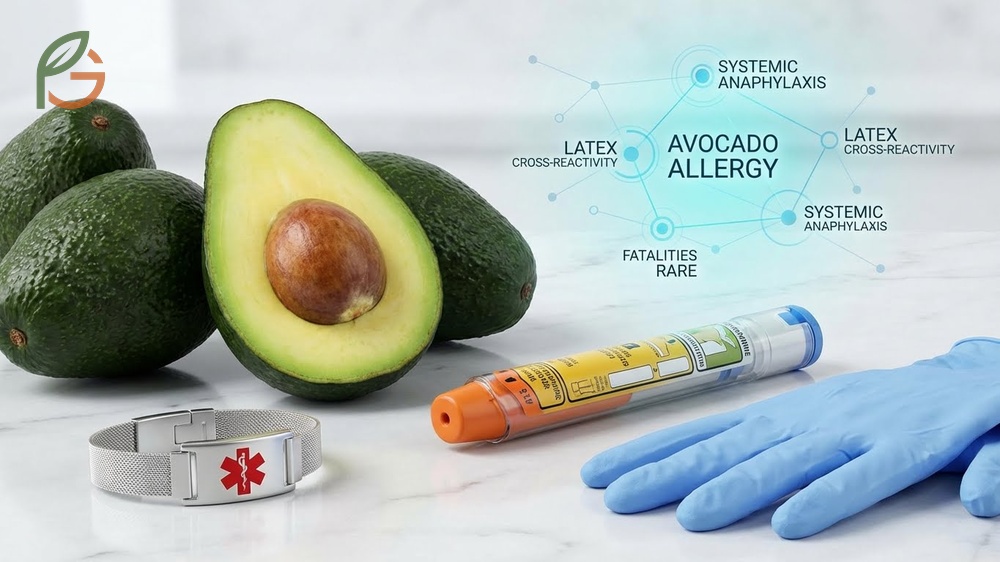
Avocado allergies can indeed be fatal, though deaths remain extremely rare in documented medical literature. Studies demonstrate that while most reactions cause mild oral symptoms, approximately 41% of patients in clinical studies experienced systemic anaphylaxis requiring emergency intervention[1]. The severity depends on individual immune response, avocado quantity consumed, and whether you’ve been previously sensitized to latex or related proteins.
Research shows the risk increases dramatically for healthcare workers exposed to latex products. Nurses with latex sensitivity are nearly 10 times more likely to develop severe avocado allergies compared to the general population[5]. Most fatal reactions occur when individuals don’t recognize early warning signs or delay epinephrine administration.
What Is Anaphylaxis
Anaphylaxis represents a rapid, multi-system allergic reaction that can shut down vital organs within minutes. Current data indicates this life-threatening response affects between 0.05% to 2% of the general population[1]. When your immune system overreacts to avocado proteins, it floods your bloodstream with histamines and other chemicals that cause blood pressure to plummet, airways to constrict, and throat tissues to swell.
The reaction typically begins within 30 minutes of exposure but can occur faster with repeat exposures. Evidence suggests symptoms progress through distinct stages: initial tingling sensations, followed by skin reactions like hives, then respiratory distress including wheezing and throat tightness. Without immediate treatment, cardiovascular collapse can occur within 10-15 minutes of symptom onset.
Emergency Warning Signs: Call 911 immediately if you experience throat swelling, difficulty breathing, rapid pulse, dizziness, or sudden drop in blood pressure after eating avocado. These symptoms indicate anaphylaxis requiring urgent epinephrine injection—antihistamines won’t work fast enough[4].
Fatality Risk Factors
Several factors amplify your risk of fatal avocado reactions. Studies show patients with pre-existing asthma face significantly higher mortality rates during anaphylactic episodes[2]. Delayed epinephrine administration—waiting more than 5 minutes after symptom onset—increases the likelihood of cardiovascular complications.
Other high-risk factors include consuming avocado on an empty stomach, which speeds protein absorption, and exercising within 2 hours of eating avocado-containing foods. Research indicates combining avocado with alcohol or taking certain medications like ACE inhibitors or beta-blockers can intensify allergic responses and mask early symptoms.
Avocado and Latex Allergy

The connection between latex and avocado allergies stems from remarkably similar protein structures that confuse your immune system. Scientific investigations reveal up to 50% of individuals with latex allergies react to avocados due to cross-reactive proteins called class I chitinases[3]. This means your body mistakes avocado proteins for latex allergens, triggering identical immune responses.
Skin prick tests demonstrate this cross-reactivity affects 64% of latex-allergic patients when tested with fresh avocado[3]. The severity varies by avocado variety—Hass avocados trigger stronger reactions than other cultivars. Evidence suggests this association works bidirectionally: people can develop latex sensitivity after repeated avocado exposures, though this occurs less frequently than the reverse pattern.
Latex-Fruit Syndrome Explained
Latex-fruit syndrome occurs when your immune system recognizes similar protein patterns across botanically unrelated plants. Studies document this phenomenon affects 30% to 80% of people with latex allergies, depending on exposure levels and genetic factors[6]. The condition primarily targets healthcare workers, rubber industry employees, and individuals requiring frequent medical procedures involving latex gloves.
Research shows the syndrome develops through repeated sensitization rather than single exposures. Most patients first notice mild oral symptoms with avocados, which progress to systemic reactions over months or years. The timing suggests your immune system gradually builds up antibodies against shared protein sequences found in both latex rubber and tropical fruits.
Cross-Reactive Proteins
The primary culprit behind latex-avocado cross-reactivity is a protein called Hev b 6.02, a class I chitinase found in both Hevea brasiliensis rubber trees and Persea americana avocado plants[5]. These proteins serve defensive functions in plants, protecting against fungal infections and pests. Your immune system can’t distinguish between the latex and avocado versions because they share identical amino acid sequences.
Additional cross-reactive proteins include Prs a 1, the major avocado allergen, and several heat-stable enzymes that survive cooking temperatures. This explains why some patients react to both raw and cooked avocado products. Immunoblot analyses reveal at least 7 distinct protein bands show cross-reactivity between natural rubber latex and avocado extracts[3].
- Occupational latex exposure exceeding 8 hours weekly in healthcare or manufacturing settings
- History of multiple surgeries or medical procedures requiring latex glove contact
- Spina bifida or congenital urological conditions requiring frequent catheterization
- Pre-existing allergies to birch pollen, mugwort, or ragweed that prime immune responses
- Genetic markers associated with heightened IgE antibody production to plant proteins
- Childhood eczema or atopic dermatitis creating compromised skin barrier function
Banana and Avocado Allergy

Patients allergic to avocados frequently react to bananas due to overlapping allergen profiles. Clinical data reveals 47% of avocado-allergic individuals also test positive for banana sensitivity[6]. Both fruits contain chitinases and profilins—proteins that trigger virtually identical immune responses in sensitized individuals.
Research shows the banana-avocado connection strengthens when latex allergy is present, creating a three-way cross-reactivity pattern. Studies indicate patients react more severely to Cavendish banana varieties compared to plantains or cooking bananas. The allergy tends to worsen as bananas ripen because enzymatic activity increases protein concentrations in the fruit flesh.
Evidence suggests consuming both fruits together amplifies reaction severity compared to eating them separately. Most allergists recommend avoiding both if you’ve experienced reactions to either one. Testing typically involves skin prick tests with fresh fruit extracts, though oral food challenges provide the most definitive diagnosis when symptoms remain unclear.
Important Testing Note: If you’re allergic to avocados, request comprehensive testing for the entire latex-fruit syndrome panel before trying other tropical fruits. Cross-reactions can develop suddenly even if you’ve safely eaten bananas, kiwis, or chestnuts in the past[6].
- Oral itching or tingling that occurs with both avocado and banana consumption
- Swelling of lips, tongue, or throat within 5-30 minutes of eating either fruit
- Hives or eczema flares appearing on skin contact with fruit flesh or peel
- Gastrointestinal symptoms including cramping, nausea, or diarrhea after meals containing either fruit
- Respiratory symptoms like nasal congestion, sneezing, or wheezing triggered by both fruits
- Previous diagnosis of latex allergy combined with any fruit-related symptoms
Avocado Allergy Symptoms
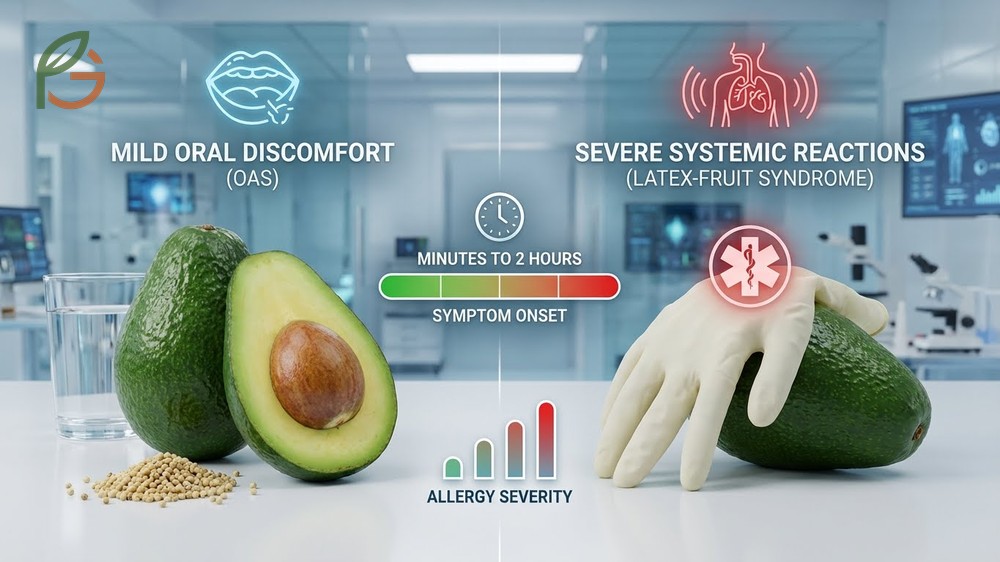
Avocado allergy symptoms manifest along a spectrum from mild oral discomfort to life-threatening systemic reactions. Research documents two distinct reaction patterns: oral allergy syndrome (OAS) linked to birch pollen cross-reactivity, and latex-fruit syndrome causing more severe systemic symptoms[5]. Symptoms typically appear within minutes to 2 hours of exposure, with faster onset indicating higher allergy severity.
Current data shows approximately 60% of avocado-allergic patients experience only mild oral symptoms, while 35% develop skin reactions, and 5% progress to respiratory distress or anaphylaxis[1]. The severity often correlates with how much avocado you consume and whether you have concurrent latex or pollen allergies.
This table categorizes avocado allergy symptoms by severity level, listing specific symptoms and their typical onset times for mild, moderate, and severe reactions
| Severity | Symptoms | Onset Time | Treatment Required |
|---|---|---|---|
| Mild (OAS) | Itchy mouth, tingling lips, scratchy throat, mild tongue swelling | 2-10 minutes[5] | Usually self-limiting; antihistamines optional |
| Moderate | Hives, eczema flares, facial swelling, stomach cramps, nausea, vomiting | 10-60 minutes[5] | Oral antihistamines; medical evaluation recommended |
| Severe (Anaphylaxis) | Throat tightness, difficulty breathing, wheezing, rapid pulse, dizziness, blood pressure drop | 5-30 minutes[1] | Immediate epinephrine injection; call 911 emergency services |
Evidence indicates symptom severity can change over time even if you’ve safely eaten avocados before. Studies show some patients experience progressively worsening reactions with repeated exposures as their immune system produces more IgE antibodies. Contact reactions can also occur when handling avocados during cultivation or food preparation, causing localized dermatitis on hands and forearms.
Treating Avocado Allergy
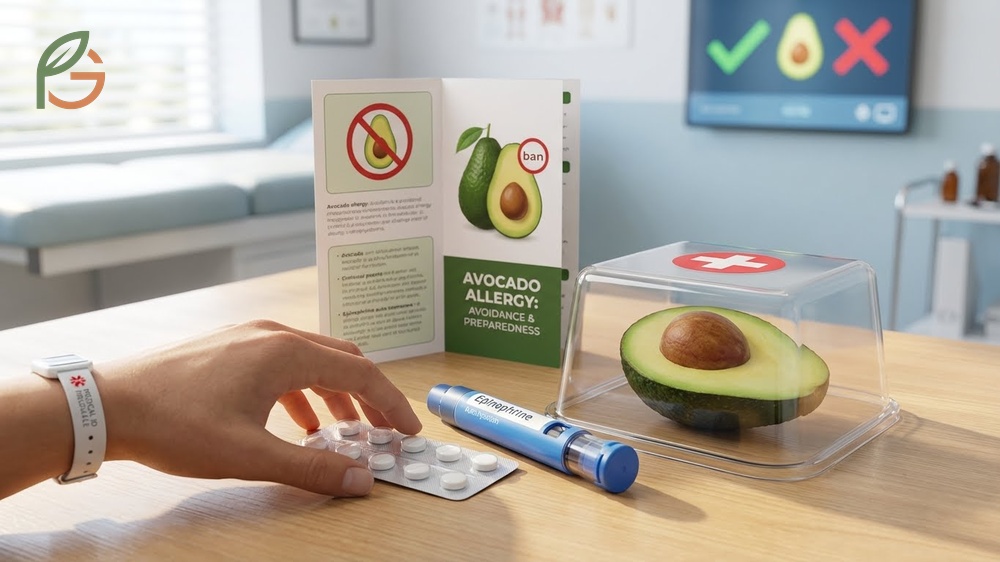
Treatment for avocado allergies focuses on symptom management rather than cure, since no immunotherapy currently exists for food-specific desensitization to avocados. Current medical guidance emphasizes strict avoidance as the primary prevention strategy[4]. For mild oral allergy syndrome symptoms, antihistamines like cetirizine or loratadine provide relief within 30-60 minutes of administration.
Research shows severe reactions require immediate epinephrine auto-injector use (EpiPen or Auvi-Q) at first signs of throat swelling or breathing difficulty. Studies demonstrate epinephrine effectiveness drops significantly when administration is delayed beyond 5 minutes from symptom onset[4]. Patients experiencing anaphylaxis often require secondary treatment with corticosteroids and observation for 4-8 hours due to biphasic reaction risks.
- Oral antihistamines (diphenhydramine, cetirizine, or loratadine) for mild itching and hives—take within 15 minutes of symptom onset
- Epinephrine auto-injector (0.3mg for adults, 0.15mg for children) for any throat swelling, breathing difficulty, or blood pressure changes
- Hydrocortisone cream (1% over-the-counter) for skin contact reactions on hands or face after handling avocados
- Emergency room evaluation required after epinephrine use to monitor for delayed secondary reactions
- Prescription H2-blockers (famotidine or ranitidine) combined with H1-antihistamines for moderate gastrointestinal symptoms
- Allergy action plan development with immunologist specifying trigger thresholds and medication protocols
Evidence suggests washing avocados thoroughly before cutting may reduce reactions caused by pesticide residues rather than fruit proteins. Cortisone cream applications help relieve contact dermatitis symptoms on skin exposed to avocado flesh or oils. Most patients require lifelong avoidance since outgrowing avocado allergies occurs in less than 10% of diagnosed cases.
Foods to Avoid with Latex Allergy

People with latex allergies must vigilantly avoid a broad category of cross-reactive foods to prevent allergic reactions. Research identifies three risk tiers: high cross-reactivity foods (avocado, banana, kiwi, chestnut), moderate reactivity items (apple, tomato, melon, papaya, carrot, potato, celery), and low or undetermined reactivity foods (over 30 varieties)[6]. The cross-reactivity mechanism stems from structurally similar defense proteins plants produce against environmental threats.
Current data indicates that while not everyone with latex allergy reacts to these foods, the risk increases with exposure frequency and latex sensitization severity. Studies show approximately 35% of latex-allergic individuals develop symptoms with at least one cross-reactive fruit or vegetable[6]. Most reactions occur with fresh, raw foods since cooking often denatures the problematic proteins.
This table organizes latex cross-reactive foods by risk level and food category, helping latex-allergic individuals identify which foods to avoid or consume cautiously
| Risk Level | Fruits | Vegetables | Other Foods |
|---|---|---|---|
| High Risk (50% reactivity)[3] | Avocado, banana, kiwi, papaya | None at highest tier | Chestnut |
| Moderate Risk (10-30% reactivity)[6] | Apple, melon (all types), fig, peach, pear | Tomato, potato, carrot, celery | Hazelnut, walnut |
| Low/Variable Risk | Apricot, cherry, grape, mango, nectarine, passion fruit, pineapple, strawberry | Buckwheat, cucumber, eggplant, pepper varieties, pumpkin, turnip, zucchini | Chickpea, coconut, peanut, soybean, sunflower seed, wheat, rye |
Evidence suggests the reaction threshold varies significantly between individuals—some tolerate small amounts of cooked tomatoes but react violently to raw kiwi. Reading ingredient labels becomes critical since avocado oil, banana flour, and chestnut puree appear in unexpected processed foods. Most allergists recommend introducing any new cross-reactive food in clinical settings first if you’ve experienced previous latex-food reactions.
- Eliminate all high-risk foods (avocado, banana, kiwi, chestnut) completely if you’ve had any previous reaction
- Cook moderate-risk vegetables thoroughly since heat denatures many cross-reactive proteins
- Check restaurant menu ingredients specifically for avocado oil, banana additives, and chestnut flour in baked goods
- Wear gloves when handling fresh avocados during gardening or fruit preparation to prevent contact reactions
- Request allergen-free meal preparation in restaurants to avoid cross-contamination from shared cutting boards
- Carry emergency epinephrine if you’ve reacted to any latex cross-reactive food regardless of severity
Avocado Intolerance vs. Allergy
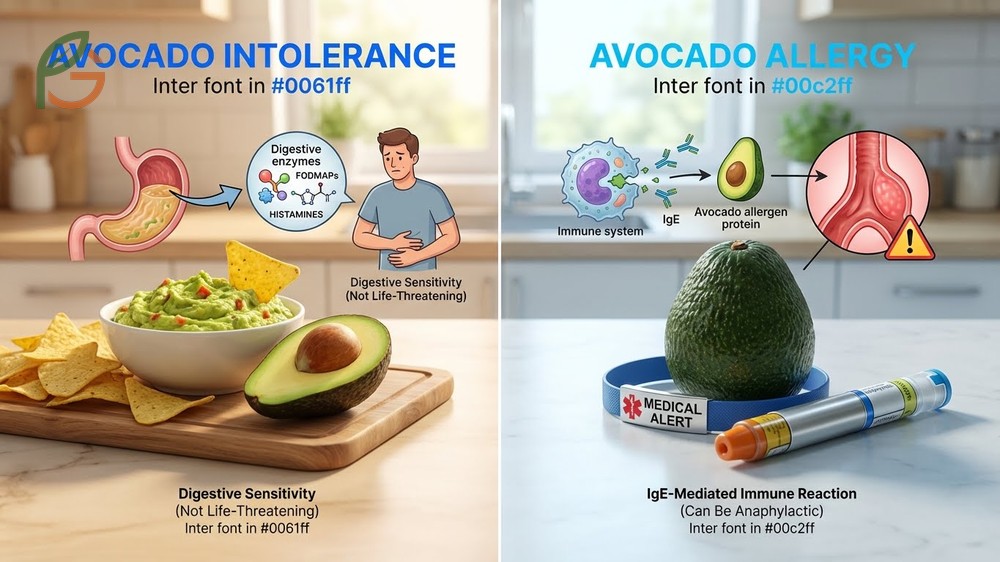
Avocado intolerance and allergy represent fundamentally different physiological responses despite producing overlapping symptoms. Research clarifies that true allergies involve IgE-mediated immune reactions capable of causing anaphylaxis, while intolerances reflect digestive enzyme deficiencies or sensitivity to specific compounds like histamines or FODMAPs[4]. Intolerances never trigger life-threatening reactions regardless of quantity consumed.
Current data shows avocado intolerance occurs far more frequently than true allergy, though exact prevalence remains difficult to measure. Studies indicate intolerance symptoms—bloating, gas, stomach cramps, diarrhea—develop gradually over 2-12 hours after eating avocados, while allergic reactions manifest within minutes[4]. Many people with intolerance can tolerate small amounts or specific avocado preparations without symptoms.
Evidence suggests distinguishing between these conditions requires proper medical testing rather than self-diagnosis. Skin prick tests and specific IgE blood tests identify true allergies, while elimination diets and food journals help diagnose intolerances. The high histamine content in overripe avocados often triggers intolerance symptoms in people who tolerate perfectly ripe fruit.
Conclusion
The evidence is clear: while can avocado allergy kill you poses a legitimate concern, fatalities remain rare with proper emergency preparedness and avoidance strategies. Research demonstrates that understanding your specific risk factors—especially latex sensitivity affecting up to 50% of cases—enables informed decisions about avocado consumption and appropriate medical precautions[3]. Carrying epinephrine auto-injectors and recognizing early symptoms saves lives when reactions progress beyond mild oral discomfort.
Current medical guidance emphasizes comprehensive allergy testing before consuming avocados if you have latex allergies, work in healthcare settings, or experience any fruit-related symptoms. FruitGarden compiles research-based information to help fruit enthusiasts and home growers make evidence-informed health decisions while enjoying the fruits they cultivate.
Medical Disclaimer
Important Medical Disclaimer: This content is for informational and educational purposes only. It is not intended as a substitute for professional medical advice, diagnosis, or treatment. Always consult a qualified healthcare professional or board-certified allergist before making any changes to your diet, medication, or health routine, especially if you have known allergies, latex sensitivity, asthma, or other medical conditions. Never disregard professional medical advice or delay seeking treatment because of information you read here. If you experience symptoms of anaphylaxis—including difficulty breathing, throat swelling, or rapid pulse—call 911 immediately and use your prescribed epinephrine auto-injector if available.
Frequently Asked Questions
What are the first signs of avocado allergy?
The first signs typically include tingling or itching in your mouth, lips, and throat within 2-10 minutes of eating avocado. You might also notice mild swelling of your tongue or lips. These oral allergy syndrome symptoms often resolve on their own within 30 minutes but can progress to more serious reactions.
Can you suddenly develop an avocado allergy?
Yes, you can develop avocado allergies at any age even if you’ve eaten them safely for years. Research shows repeated exposure to latex products or gradual sensitization to cross-reactive proteins can trigger new allergies in adults. Healthcare workers and people with increasing pollen allergies face the highest risk of sudden onset.
How long do avocado allergy symptoms last?
Mild oral allergy syndrome symptoms typically resolve within 30-60 minutes without treatment. Moderate reactions with hives or stomach symptoms can persist 2-4 hours even with antihistamines. Severe anaphylactic reactions require immediate medical treatment and monitoring for 4-8 hours due to potential biphasic reactions.
Is avocado allergy genetic or hereditary?
Avocado allergies show genetic predisposition but aren’t directly inherited like eye color. Studies indicate children with one allergic parent have 30-40% higher allergy risk, increasing to 60-80% with two allergic parents. However, environmental factors like latex exposure and pollen sensitization play equally important roles in development.
Can cooking avocado reduce allergic reactions?
Cooking doesn’t reliably reduce avocado allergy reactions because the primary allergens (Prs a 1 and chitinases) remain heat-stable at normal cooking temperatures. Research shows some people with mild oral allergy syndrome tolerate cooked avocado better, but those with latex-fruit syndrome typically react to both raw and cooked forms.
What should I do if I accidentally eat avocado?
If you have mild known allergies, take an oral antihistamine immediately and monitor symptoms closely for 2 hours. For previous severe reactions or if you develop throat tightness, difficulty breathing, or dizziness, use your epinephrine auto-injector right away and call 911. Don’t wait to see if symptoms worsen—early epinephrine administration prevents life-threatening complications.
Are Hass avocados more allergenic than other varieties?
Research indicates Hass avocados may trigger slightly stronger reactions in some patients compared to varieties like Fuerte or Reed, though all cultivars contain similar allergen proteins. Studies show 82% of avocado-allergic patients react to Hass variety versus 73% to other types. The difference relates to protein concentration rather than unique allergens.