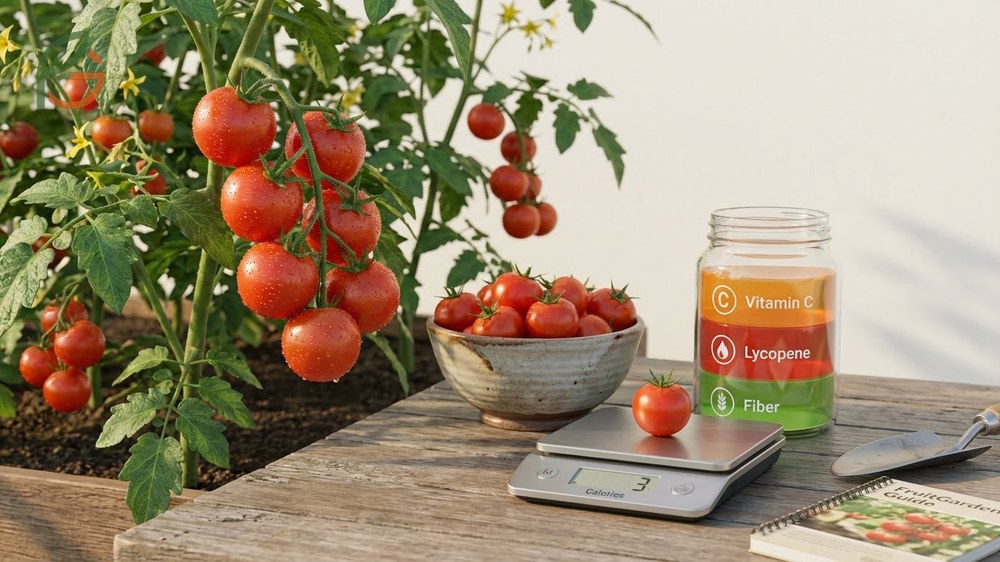
Calories in cherry tomatoes are remarkably low—just 3 calories per tomato and 18 calories per 100g[1]. Research shows cherry tomatoes pack exceptional nutritional value despite their tiny size, delivering vitamin C, lycopene, and fiber while keeping carbs minimal. FruitGarden synthesizes current agricultural and nutrition research to help you make informed decisions about adding these nutrient-dense gems to your garden and diet.
Quick Answer
- One cherry tomato contains just 3 calories[1], making them ideal for weight management
- A 100g serving provides 18 calories and 3.9g carbohydrates[1] with 1-2g fiber
- Cherry tomatoes deliver 26% daily vitamin C[2] and 4,374 mcg lycopene[2] per cup
- With a glycemic index of 15[1], they’re diabetes-friendly and won’t spike blood sugar
Calories in Cherry Tomatoes
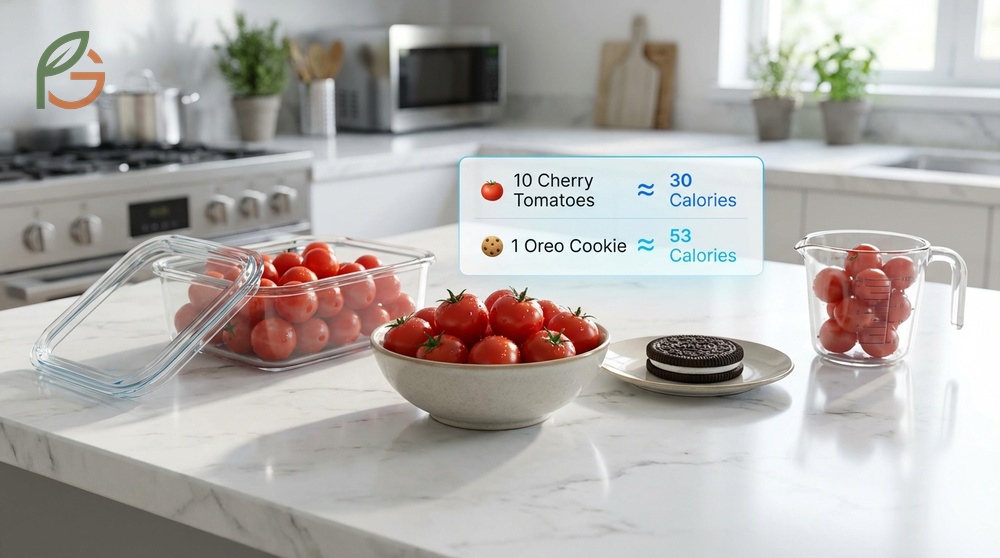
Cherry tomatoes rank among the lowest-calorie fresh produce available. A single cherry tomato weighing approximately 17g contains just 3 calories[1]. This calorie density makes them perfect for unlimited snacking without derailing your daily intake goals.
Current data indicates cherry tomatoes contain 18 calories per 100g serving[1], which translates to roughly 94.9% water content. Most people don’t realize that this high water concentration contributes to satiety while keeping energy intake minimal. You’d need to eat nearly 56 cherry tomatoes to reach 100 calories—an impractical amount even for devoted tomato lovers.
Studies demonstrate that cherry tomatoes provide significant satiety thanks to their dietary fiber content reaching up to 2.1g per 100g[3]. The fiber absorbs water and expands in your digestive tract, slowing gastric emptying and suppressing appetite effectively. This mechanism explains why cherry tomatoes feel filling despite contributing minimal calories.
Calories by Serving Size
Understanding portion sizes helps you track intake accurately. A standard 1-cup serving of cherry tomatoes (approximately 170g or 10 tomatoes) delivers 31 calories[4]. This amount fits perfectly into meal prep containers or side salads.
When planning recipes or garden harvests, you’ll find cherry tomatoes remarkably forgiving for calorie budgets. A full pint container typically holds 200-250g, providing 36-45 calories total. This means you can add generous portions to pasta dishes, grain bowls, or breakfast scrambles without worrying about excess energy intake.
This table compares calories and weight across four common serving sizes of cherry tomatoes from single pieces to full cups
| Serving Size | Weight | Calories | Common Uses |
|---|---|---|---|
| 1 cherry tomato | 17g | 3 cal[1] | Snacking, garnish |
| 10 cherry tomatoes | 170g | 31 cal[4] | Salads, side dishes |
| 1 cup (whole) | 170g | 31 cal[4] | Meal prep, bowls |
| 100g | 100g | 18 cal[1] | Recipe measurements |
Calorie Comparison by Color
Cherry tomatoes come in multiple colors—red, yellow, orange, and even purple. The calorie content remains consistent across varieties at 18-20 calories per 100g. What changes between colors is the specific antioxidant profile, not the energy value.
Yellow and orange cherry tomatoes contain slightly different carotenoid compositions but deliver the same caloric load as red varieties. You can choose based on flavor preference (yellow tomatoes taste sweeter) or garden aesthetics without affecting your calorie calculations. Red cherry tomatoes dominate commercially because they contain the highest lycopene levels[5], but all colors provide exceptional nutritional value per calorie.
Important Note: Dried or oil-packed cherry tomatoes contain 5-10 times more calories per serving due to water loss and added fats. Always check labels when buying processed versions, as a quarter-cup of oil-packed tomatoes can exceed 100 calories versus the 8 calories you’d get from fresh equivalents.
Cherry Tomato Nutrition Facts
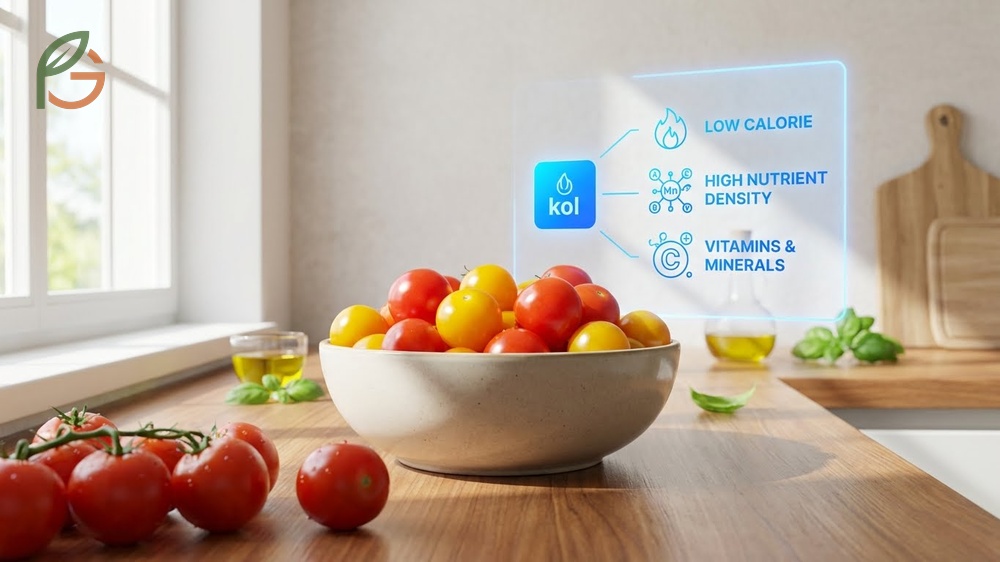
Beyond their minimal calorie count, cherry tomatoes deliver a concentrated nutrient package. A 1-cup serving (170g) provides substantial vitamins and minerals while contributing less than 2% of a standard 2,000-calorie daily intake. This nutrient density makes them valuable for anyone prioritizing nutrition quality over quantity.
Evidence suggests cherry tomatoes offer superior micronutrient concentrations compared to their water content. Their vitamin C levels reach 33mg per 100g[3]—comparable to citrus fruits and about 2.4 times higher than regular slicing tomatoes. You’ll get 26% of your daily vitamin C requirement[2] from just 10 cherry tomatoes.
What often gets overlooked is how the skin-to-flesh ratio affects nutrition. Cherry tomatoes have proportionally more skin per gram than large tomatoes, which concentrates beneficial compounds like fiber and antioxidants in the outer layers. Research across agricultural datasets shows this structural advantage delivers measurably higher lycopene content in cherry varieties versus beefsteak types.
Macronutrient Breakdown
Cherry tomatoes contain 75% carbohydrates, 17% protein, and 9% fat by caloric distribution[2]. This translates to approximately 3.9g carbohydrates, 1.2g protein, and 0.2g fat per 100g serving[1]. The protein content comes entirely from plant-based amino acids.
The carbohydrate fraction splits between 2g glucose, 2g fructose, and minimal starch[2]. These natural fruit sugars provide quick energy without causing dramatic blood sugar spikes, thanks to the accompanying fiber and water volume. Most people find cherry tomatoes satisfy sweet cravings while delivering actual nutrition—unlike processed snacks with similar sugar content.
- Total carbohydrates: 3.9g per 100g, with 2g fiber reducing net carbs to 1.9g
- Natural sugars: 4g per cup, split evenly between glucose and fructose for balanced absorption
- Protein content: 1.3g per cup, providing all essential amino acids in small amounts
- Fat content: 0.3g per cup, primarily polyunsaturated fatty acids with minimal saturated fat
- Sodium: Just 9mg per cup—less than 0.5% of daily limits, making them heart-friendly
Vitamin and Mineral Content
Cherry tomatoes excel in specific micronutrients that support immune function, vision, and cellular health. A single cup delivers 86% of your daily vitamin A requirement[4], primarily from beta-carotene that your body converts as needed. This makes them particularly valuable for eye health and skin maintenance.
The potassium content reaches 403mg per cup[2], representing 9% of daily needs. This electrolyte mineral helps regulate blood pressure and supports proper muscle function—especially important for active individuals who lose potassium through sweat. Unlike bananas (commonly recommended for potassium), cherry tomatoes provide this mineral with zero fat and minimal sugar.
- Vitamin C: 23mg per cup (26% DV), supporting immune function and collagen production
- Vitamin A: 1,416 IU per cup (86% DV), crucial for vision and immune response
- Vitamin K: 13mcg per cup (11% DV), essential for blood clotting and bone health
- Folate: 26mcg per cup (6% DV), important for cell division and DNA synthesis
- Lycopene: 4,374mcg per cup, a powerful antioxidant unique to red produce
- Iron: 0.5mg per cup (6% DV), supporting oxygen transport in blood
Carbs in Cherry Tomatoes
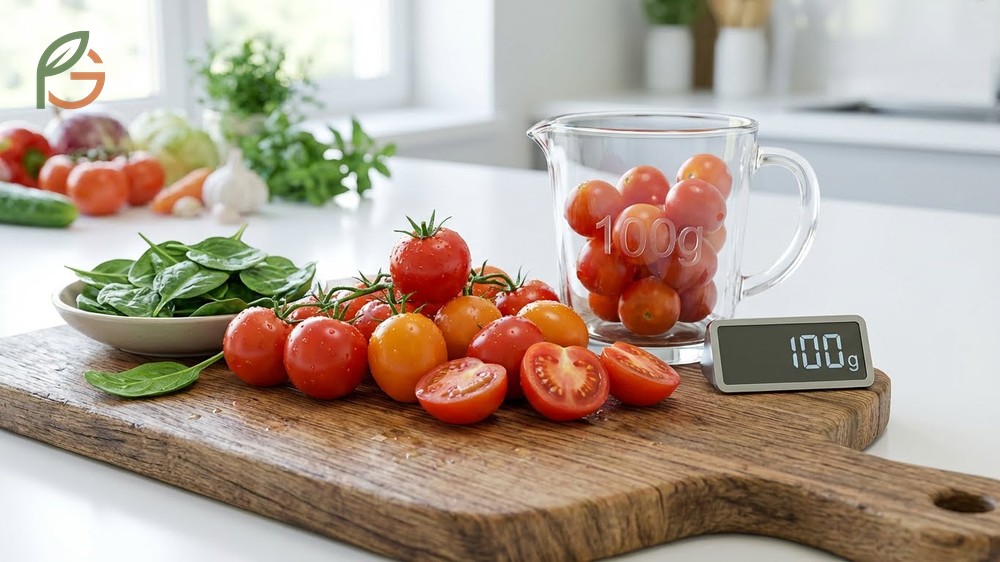
Cherry tomatoes contain approximately 3.9g total carbohydrates per 100g[1], with 1-2g coming from dietary fiber. This net carb count of 1.9-2.9g per 100g places them firmly in the low-carb category. For comparison, this matches the carb density of leafy greens like spinach or lettuce.
The fiber content deserves special attention—it provides 7% of your daily requirement[4] per cup while occupying minimal stomach space. Studies demonstrate that fiber absorbing water creates physical fullness that persists for hours[3]. This property explains why snacking on cherry tomatoes between meals reduces subsequent food intake more effectively than crackers or pretzels with similar calories.
Most people following keto or low-carb plans can include cherry tomatoes in moderation. The net carb count of 1.9g per 100g[1] fits within daily limits when you account for their volume. A practical serving of 5-10 cherry tomatoes adds just 3-6g net carbs—acceptable for most low-carb dietary approaches. The key lies in portion awareness rather than complete avoidance.
For diabetes management, cherry tomatoes offer clear advantages. The American Diabetes Association recognizes them as non-starchy vegetables with a glycemic index of approximately 15[1]—significantly lower than most fruits. Their fiber content helps moderate blood sugar response, making them a smart choice for maintaining stable glucose levels. Unlike high-GI snacks that cause rapid spikes and crashes, cherry tomatoes provide sustained energy without dramatic insulin demands.
Carb Counting Tip: When tracking macros, always weigh cherry tomatoes raw before cooking. Roasting or sautéing concentrates sugars through water loss, which doesn’t change total carbs but can affect perceived sweetness and portion sizes. A cup of roasted cherry tomatoes weighs less than fresh equivalents while containing the same carbohydrate content.
Benefits of Cherry Tomatoes
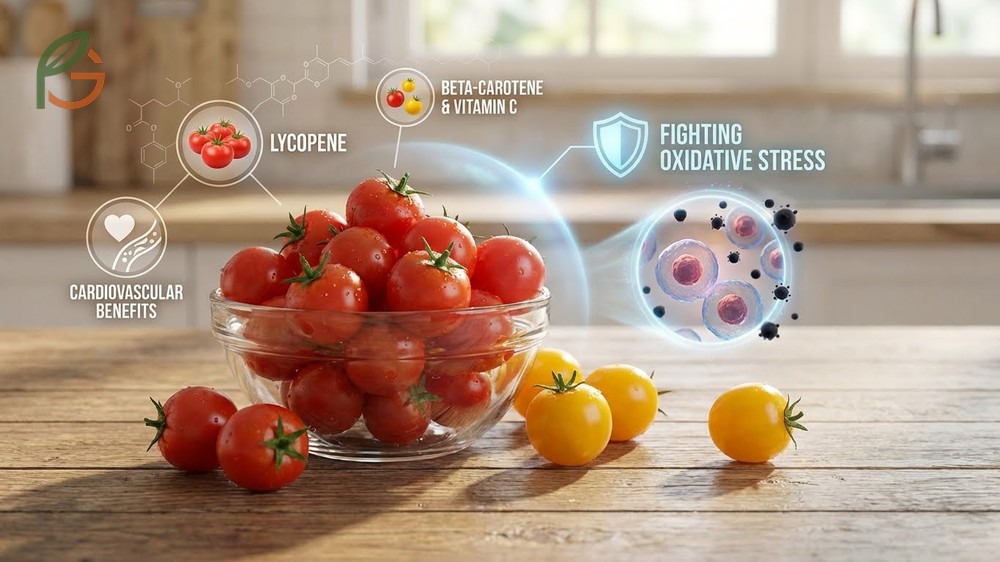
Research shows cherry tomatoes deliver multiple health advantages beyond basic nutrition. Their high antioxidant content—particularly lycopene, beta-carotene, and vitamin C—works synergistically to combat oxidative stress in cells. Red cherry tomato cultivars contain significantly higher lycopene levels than yellow varieties[5], with some cultivars reaching 12,600mcg per serving.
The cardiovascular benefits come from lycopene’s ability to reduce LDL cholesterol oxidation and support healthy blood pressure. Studies demonstrate that regular tomato consumption correlates with reduced heart disease risk, though you shouldn’t rely on cherry tomatoes alone for heart protection. The potassium content of 403mg per cup[2] contributes to blood pressure regulation by balancing sodium’s effects.
For weight management, cherry tomatoes offer unique advantages. Their combination of low calorie density (18 cal/100g) and high water content (94.9%) creates exceptional satiety per calorie consumed[3]. This means you can eat them freely without exceeding daily calorie targets—a rare quality among satisfying snack foods.
Current data indicates cherry tomatoes contain higher total phenolic content (48.20-73.40 mg GAE/100g) compared to regular tomatoes (20.32-42.60 mg GAE/100g)[5]. These plant compounds demonstrate anti-inflammatory properties and may support cellular health through multiple mechanisms. The practical impact means cherry tomatoes deliver more antioxidant power per gram than their larger cousins.
- Heart health: Lycopene reduces LDL oxidation while potassium helps maintain healthy blood pressure levels
- Weight control: Low calorie density and high fiber create lasting fullness without energy excess
- Blood sugar stability: Glycemic index of 15 prevents spikes, making them diabetes-appropriate
- Immune support: Vitamin C (26% DV per cup) strengthens immune response and collagen production
- Vision protection: Vitamin A (86% DV per cup) and lutein support eye health and prevent age-related decline
- Skin health: Vitamin C and lycopene protect against UV damage and support collagen synthesis
- Digestive health: Fiber promotes regular bowel movements and supports beneficial gut bacteria
Cherry Tomatoes vs Regular Tomatoes
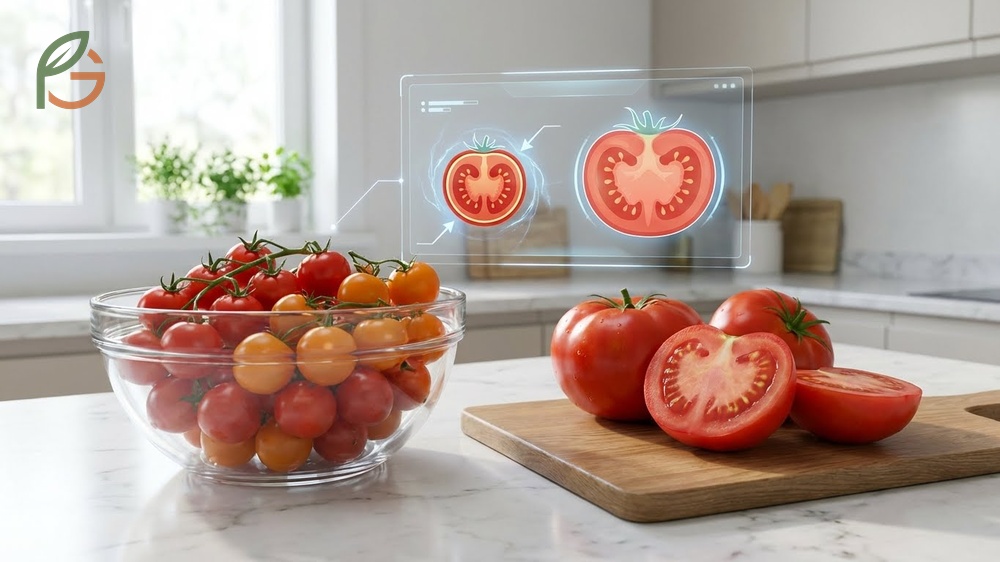
Cherry tomatoes and regular slicing tomatoes share the same species but differ significantly in nutrient density. Cherry varieties pack more antioxidants per gram due to their higher skin-to-flesh ratio. Research demonstrates this structural difference results in measurably higher lycopene content in cherry tomatoes compared to beefsteak varieties[5].
The calorie comparison shows minimal difference—cherry tomatoes contain 18 calories per 100g versus 19-22 calories for regular tomatoes. However, cherry tomatoes deliver 2.4 times more vitamin C per gram[3] and higher concentrations of phenolic compounds. This means you get more nutritional benefit for essentially the same energy cost.
For garden planning, cherry tomato plants produce 60-80% more fruit per square foot than standard varieties. They ripen faster (55-65 days versus 70-85 days), tolerate heat better, and resist cracking. Most people find cherry tomatoes sweeter and more snackable than large slicers, which encourages higher fresh consumption. When you’re more likely to eat produce raw, you retain heat-sensitive nutrients like vitamin C that cooking partially destroys.
| Nutrient (per 100g) | Cherry Tomatoes | Regular Tomatoes | Difference |
|---|---|---|---|
| Calories | 18 kcal[1] | 19-22 kcal | Slightly lower |
| Vitamin C | 33 mg[3] | 13-14 mg | 2.4x higher |
| Lycopene | Higher concentration[5] | Lower concentration | Cherry wins |
| Phenolic Content | 48-73 mg GAE[5] | 20-43 mg GAE[5] | 1.8-2.4x higher |
The sweetness difference comes from sugar concentration—cherry tomatoes taste sweeter despite having similar total carbohydrate content because water loss during ripening concentrates sugars. You’ll notice cherry tomatoes often reach 8-10 Brix (sugar content measure) while slicers average 4-6 Brix. This natural sweetness makes them preferable for kids and picky eaters who might reject tangier regular tomatoes.
Conclusion
The evidence is clear: calories in cherry tomatoes remain exceptionally low at just 3 per tomato and 18 per 100g, while their nutritional density rivals superfoods costing far more. Research demonstrates they deliver 26% daily vitamin C, 86% vitamin A, and powerful lycopene concentrations without adding meaningful calories to your diet. Current guidance emphasizes increasing vegetable intake for chronic disease prevention, and cherry tomatoes make this recommendation effortless through their convenience, flavor, and year-round availability.
Whether you’re managing weight, blood sugar, or heart health, cherry tomatoes offer science-backed benefits with zero downside. FruitGarden aggregates agricultural research to help you select high-yielding varieties that maximize both garden space and nutritional return, transforming backyard growing into a practical health strategy.
Medical Disclaimer
Important Medical Disclaimer: This content is for informational and educational purposes only. It is not intended as a substitute for professional medical advice, diagnosis, or treatment. Always consult a qualified healthcare professional or registered dietitian before making any changes to your diet, especially if you have diabetes, heart disease, kidney conditions, or other medical issues. Individual nutritional needs vary based on age, activity level, medications, and health status. The nutrition data presented reflects general averages and may vary by growing conditions and specific cultivars.
Frequently Asked Questions
How Many Calories in 10 Cherry Tomatoes?
Ten cherry tomatoes contain approximately 31 calories total. This serving size (roughly 170g or 1 cup) also provides 6g carbohydrates, 2g fiber, and 26% of your daily vitamin C needs. The portion fits easily into meal prep containers and adds substantial volume to meals without significantly impacting calorie counts.
Are Cherry Tomatoes Good for Weight Loss?
Yes, cherry tomatoes support weight loss effectively. Their combination of low calorie density (18 cal/100g) and high fiber content (up to 2.1g per 100g) creates lasting fullness while contributing minimal energy. Research shows their fiber absorbs water and slows gastric emptying, which suppresses appetite and reduces subsequent food intake more than calorie-matched processed snacks.
Do Cherry Tomatoes Have More Sugar Than Regular Tomatoes?
Cherry tomatoes don’t contain significantly more total sugar—both types have 3-5g per 100g. However, cherry varieties taste sweeter because water loss during ripening concentrates sugars, often reaching 8-10 Brix versus 4-6 Brix for slicing tomatoes. This perceived sweetness comes from concentration, not higher absolute sugar content.
How Many Carbs Are in Cherry Tomatoes?
Cherry tomatoes contain 3.9g total carbohydrates per 100g serving, with 1-2g coming from dietary fiber. This creates a net carb count of 1.9-2.9g per 100g—low enough for most keto and low-carb eating plans. A practical serving of 10 cherry tomatoes adds just 6g total carbs or approximately 4-5g net carbs after subtracting fiber.
Are Yellow Cherry Tomatoes as Nutritious as Red Ones?
Yellow cherry tomatoes provide equivalent calories and vitamins but contain different carotenoid profiles. Red varieties deliver significantly more lycopene (the compound giving red color), while yellow types offer more beta-carotene. Both colors provide excellent nutrition—choose red for maximum lycopene or yellow for sweeter flavor without sacrificing overall nutritional value.
Can Diabetics Eat Cherry Tomatoes Freely?
Yes, in moderation. Cherry tomatoes have a glycemic index of approximately 15—well below the 55 threshold for low-GI foods. The American Diabetes Association classifies them as non-starchy vegetables that won’t spike blood sugar when consumed in typical portions. Their fiber content (2g per cup) helps moderate glucose response, making them a smart choice for blood sugar management.
How Much Lycopene Is in Cherry Tomatoes?
Cherry tomatoes contain 4,374-12,600 mcg lycopene per cup, depending on cultivar and ripeness. Red cherry varieties like ‘DOTORI RED TY’ and ‘KT RED TY’ show the highest concentrations. Lycopene absorption improves when tomatoes are cooked with healthy fats (like olive oil), though raw cherry tomatoes still provide meaningful amounts of this heart-protective antioxidant.