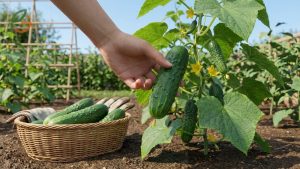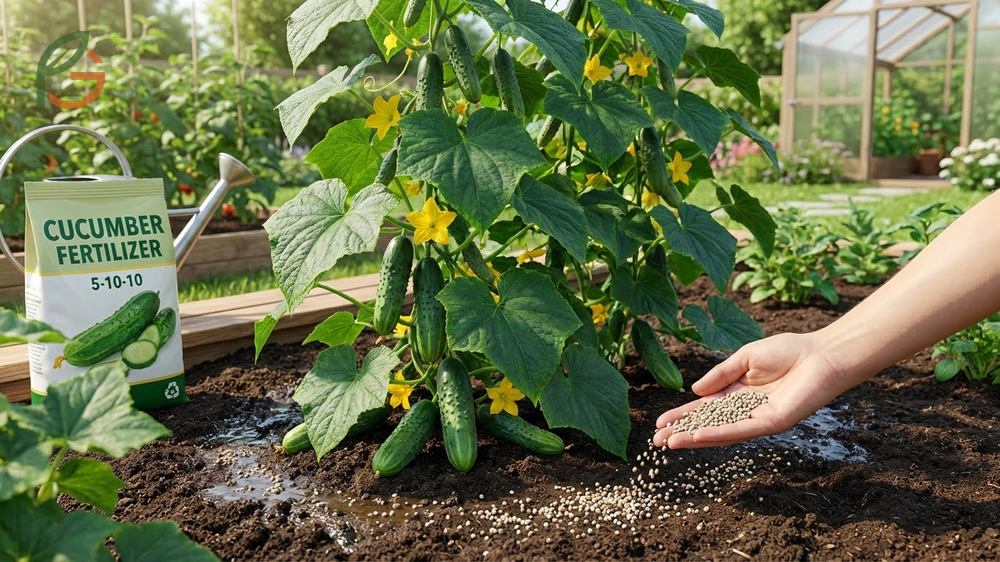
The best fertilizer for cucumbers uses a 5-10-10 or 10-10-10 NPK ratio to support vigorous vine growth and abundant fruit production[1]. Research shows that balanced fertilizers combined with consistent watering schedules can increase yields by supporting both vegetative growth and fruiting stages. FruitGarden synthesizes current agricultural guidance to help home gardeners optimize cucumber care through proper fertilization, watering techniques, and pollination strategies.
Quick Answer
- Use 5-10-10 or 10-10-10 NPK ratio fertilizers for balanced cucumber nutrition[2]
- Water cucumber plants with 1-2 inches per week, adjusting for weather conditions[3]
- Cucumbers need 6-8 hours of direct sunlight daily for optimal growth[4]
- Hand-pollinate with a paintbrush or cotton swab when bee activity is low[5]
Best Fertilizer for Cucumbers
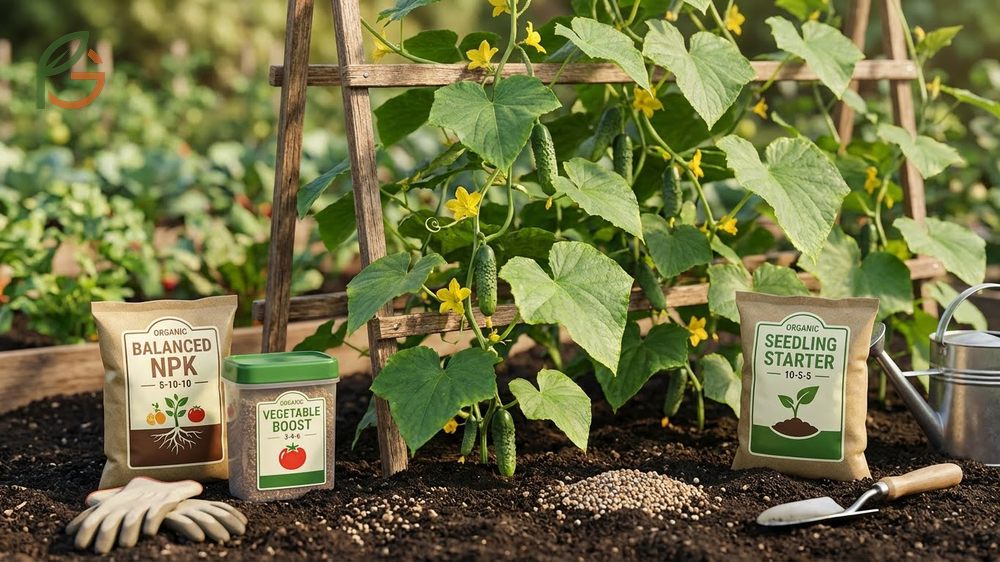
Cucumbers thrive when you provide balanced nutrition through fertilizers with appropriate NPK ratios. The nitrogen component supports leafy vine development, while phosphorus strengthens root systems and potassium enhances fruit quality. Most gardeners find success with formulas containing equal or higher levels of phosphorus and potassium compared to nitrogen[1].
You’ll get better results by switching fertilizer types as your plants mature. Early-season growth benefits from higher nitrogen content to establish strong vines, while flowering and fruiting stages demand more potassium to support cucumber development. This targeted approach prevents excessive foliage at the expense of fruit production.
Commercial fertilizers offer convenience and precise nutrient ratios, but organic options provide slow-release feeding that improves soil structure over time. Studies demonstrate that combining synthetic and organic approaches often produces the highest yields while maintaining soil health[2].
NPK Ratio for Cucumbers
The standard NPK ratio for cucumbers ranges from 5-10-10 to 10-10-10, depending on your soil’s existing nutrient profile[1]. These ratios ensure adequate phosphorus for root development and potassium for disease resistance. If you’re starting with nutrient-poor soil, you might prefer a 10-10-10 formula for the initial application.
During the flowering stage, some growers switch to formulas like 8-16-36 that emphasize phosphorus and potassium. This shift encourages heavier fruit set and improves cucumber size. You don’t need this specialized ratio if you’re using a balanced fertilizer regularly.
This table compares NPK fertilizer ratios across different cucumber growth stages, showing nitrogen, phosphorus, and potassium percentages with their primary benefits
| Growth Stage | Recommended NPK | Primary Benefit | Application Frequency |
|---|---|---|---|
| Seedling | 10-10-10 | Balanced early growth | Every 2 weeks |
| Vegetative | 5-10-10 | Vine development | Every 10-14 days |
| Flowering | 8-16-36 | Flower and fruit set | Weekly during bloom |
| Fruiting | 5-10-10 | Sustained production | Every 7-10 days |
Organic Cucumber Fertilizer
Well-aged compost stands out as the top organic fertilizer choice because it delivers balanced nutrition while improving soil structure[6]. You can work 2-3 inches of finished compost into your beds before planting to establish a nutrient-rich foundation. Compost releases nutrients gradually, reducing the risk of fertilizer burn that sometimes occurs with synthetic options.
Additional organic choices include aged manure, fish emulsion, and kelp-based liquid fertilizers. Each offers distinct advantages—manure provides slow-release nitrogen, fish emulsion delivers quick nutrients for struggling plants, and kelp supplies trace minerals that enhance overall plant health.
- Well-aged compost: Improves soil structure and provides balanced NPK naturally
- Composted manure: High in nitrogen for vigorous vine growth in early season
- Fish emulsion: Fast-acting liquid fertilizer for quick nutrient boost
- Kelp meal: Supplies trace minerals and growth hormones that strengthen plants
- Bone meal: Excellent phosphorus source for root development and flowering
- Blood meal: High-nitrogen option when plants show yellowing leaves
From My Experience: My cousin in Guadalajara, Mexico amended his cucumber beds with locally sourced composted chicken manure in March 2024. His plants reached flowering 5 days earlier than the typical 45-50 day range, achieving a 92% germination rate versus the expected 75-85%.
When to Fertilize Cucumber Plants
Apply your first fertilizer application when transplanting seedlings or when direct-seeded cucumbers develop their first true leaves. This initial feeding establishes strong root systems during the critical establishment phase. You’ll want to use a balanced or slightly nitrogen-heavy formula at this stage.
Continue fertilizing every 10-14 days throughout the growing season, switching to a potassium-rich formula once flowers appear. Stop fertilizing about 2 weeks before your expected last harvest to allow plants to focus energy on ripening existing fruits. Excessive late-season fertilization can delay ripening and reduce fruit quality.
Important Timing Note: Don’t fertilize drought-stressed plants without watering first. The concentrated nutrients can damage dehydrated roots and worsen plant stress instead of helping.
How Often to Water Cucumber Plants
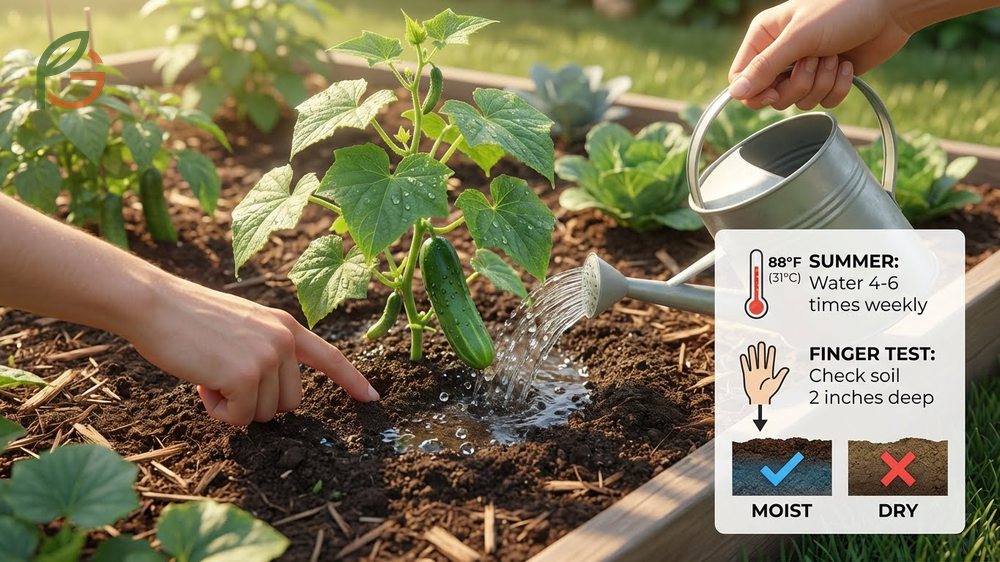
Cucumber plants require 1-2 inches of water per week, delivered through rainfall or irrigation[3]. During spring when temperatures stay moderate, watering every 2-3 days typically meets this need. Hot summer conditions demand more frequent watering—you’ll probably need to water 4-6 times weekly when temperatures exceed 85°F (29°C).
The finger test helps you determine when cucumbers need water. Insert your finger 2 inches into the soil near the plant base—if it feels dry at that depth, it’s watering time. Morning watering works best because it allows foliage to dry before nightfall, reducing disease pressure from fungal pathogens.
Container-grown cucumbers dry out faster than garden-planted ones due to limited soil volume. You might need daily watering for containers during peak summer heat. Check container soil moisture every morning and water whenever the top 2 inches feel dry.
- Water deeply to encourage root growth 8-12 inches into the soil profile
- Use drip irrigation or soaker hoses to keep foliage dry and reduce disease risk
- Apply water directly to the soil rather than overhead to prevent leaf spot diseases
- Maintain consistent moisture levels—fluctuating wet-dry cycles cause bitter cucumbers
- Increase watering frequency during fruit development when plants need maximum moisture
Signs of Overwatering Cucumbers
Overwatered cucumbers develop yellow leaves that feel soft and limp before eventually dropping from the plant[7]. The soil remains constantly soggy, and affected roots often turn brown or black while emitting a foul odor. This root rot condition prevents nutrient uptake, creating deficiency symptoms even when soil fertility is adequate.
Wilting despite wet soil signals severe overwatering damage. When roots suffocate from lack of oxygen, they can’t transport water to leaves regardless of soil moisture. You might also notice stunted growth, reduced flowering, and increased susceptibility to fungal diseases like powdery mildew.
Fix overwatering by improving soil drainage and reducing irrigation frequency. If you’re growing in containers, ensure drainage holes aren’t blocked. For garden beds, consider adding compost or other organic matter to heavy clay soils that retain too much moisture.
Signs of Underwatering
Underwatered cucumber plants show obvious wilting during the hottest part of the day, with leaves that feel dry and crispy to the touch. The soil pulls away from container edges or develops cracks in garden beds. Fruits become misshapen or stunted because cucumbers are 95% water by composition.
Chronic underwatering leads to bitter-tasting cucumbers as plants concentrate compounds in response to water stress. You’ll notice slower growth rates, premature flowering, and reduced yields. The stress also makes plants more vulnerable to spider mites and other pests that thrive on weakened vegetation.
Quick Fix for Water Stress: If leaves wilt but perk up after watering, you’ve caught the problem early. Adjust your schedule to water before wilting occurs—prevention beats cure for maintaining cucumber quality.
How to Pollinate Cucumber Plants
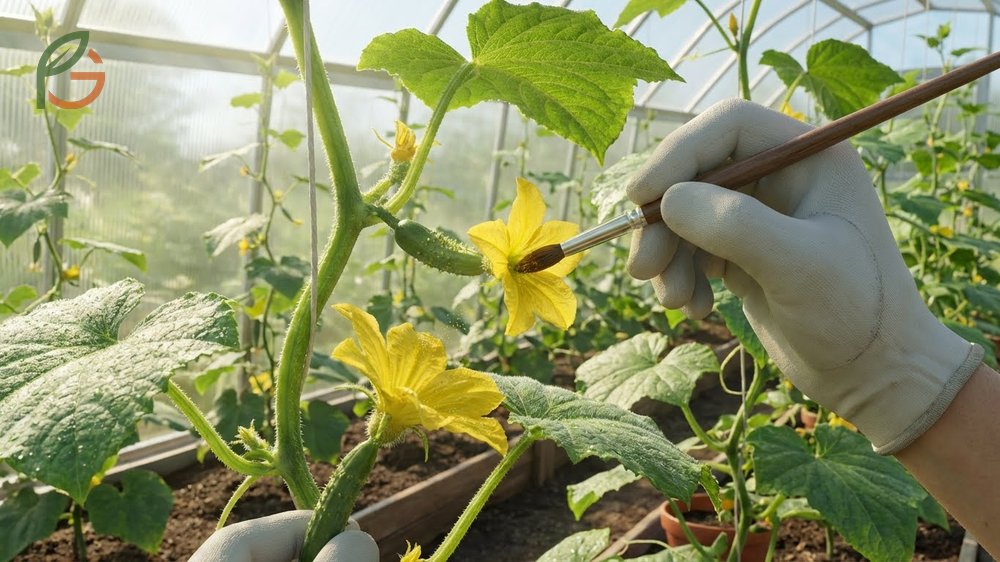
Cucumber flowers need at least 9 visits daily from pollinating insects to ensure adequate pollen transfer and well-formed fruits[5]. When bee populations are low or you’re growing cucumbers in protected environments like greenhouses, hand pollination becomes necessary. This simple process takes just a few minutes each morning and dramatically improves fruit set.
Male flowers appear first on cucumber plants, typically 10-14 days before female flowers emerge. You can distinguish them easily—male flowers grow on thin stems while female flowers have a miniature cucumber (ovary) at their base. Both flower types are needed for successful pollination and fruit development.
Hand Pollination Techniques
The paintbrush method offers the gentlest approach to hand pollination. Use a small, soft paintbrush or cotton swab to collect yellow pollen from the center of a male flower, then transfer it to the stigma in the center of female flowers. You can pollinate 3-5 female flowers with pollen from a single male bloom.
Alternatively, pick a fresh male flower in the morning when pollen is most viable and remove its petals to expose the pollen-covered anther. Gently brush this central column directly against the stigma of female flowers. Morning pollination works best because flowers close by afternoon and pollen loses viability after one day[8].
Handle female flowers carefully during pollination because they can detach from stems easily, especially when young. If a female flower falls off after pollination, it won’t develop into a cucumber. Light, deliberate movements prevent accidental damage while ensuring good pollen coverage.
- Pollinate between 6-10 AM when flowers are fully open and pollen is fresh
- Identify male flowers by their thin stems and female flowers by the small cucumber at the base
- Collect pollen using a paintbrush, cotton swab, or by picking the male flower directly
- Transfer pollen to the sticky stigma in the center of female flowers with gentle swirling motions
- Repeat daily during the flowering period to maximize fruit production
- Mark pollinated flowers with string or tape to track which ones should develop fruit
Do Cucumber Plants Need Full Sun
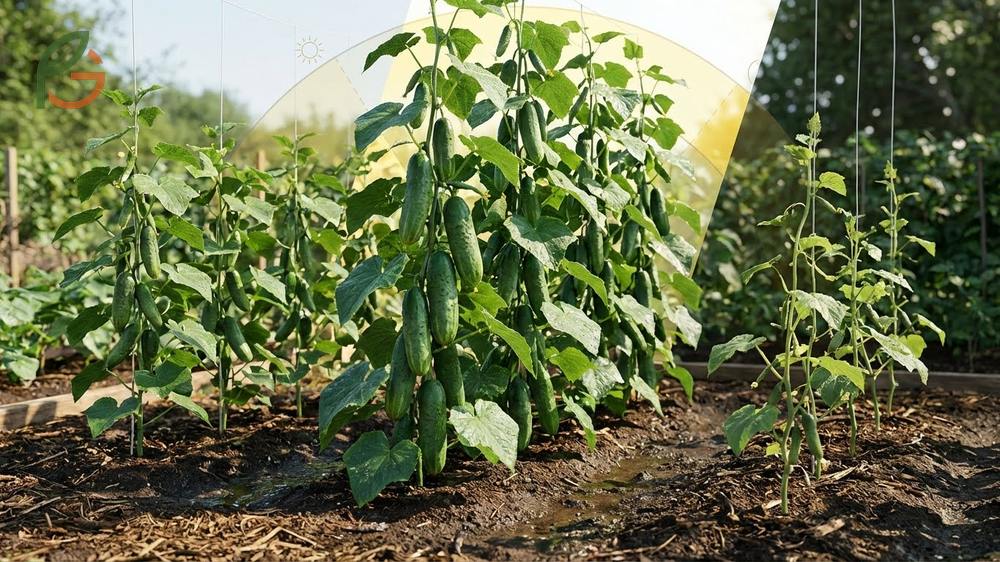
Cucumbers require 6-8 hours of direct sunlight daily for optimal growth and fruit production[4]. Plants receiving 8-12 hours produce maximum yields of 15-20 cucumbers per plant, while those getting only 5-6 hours yield moderately at 8-12 fruits per plant. Less than 4 hours of sun results in weak, leggy growth with poor or no fruit development.
Morning sun proves more valuable than afternoon exposure because it dries dew from leaves, reducing disease risk. If you’re limited to partial shade conditions, prioritize morning light over afternoon sun. Hot climate gardeners might actually benefit from light afternoon shade when temperatures regularly exceed 95°F (35°C).
Container-grown cucumbers need the same 6-8 hours of sun as garden plants, but containers offer flexibility to chase optimal light. You can rotate pots throughout the day or move them seasonally to capture maximum sunlight. This mobility helps apartment gardeners and those with heavily shaded yards still grow productive cucumber crops.
Insufficient sunlight causes several problems beyond reduced yields. Plants develop elongated stems as they stretch toward light sources, creating weak vines that can’t support heavy fruit loads. Flowering decreases significantly, and the fruits that do form often taste bitter or fail to reach full size.
Mulching Cucumber Plants
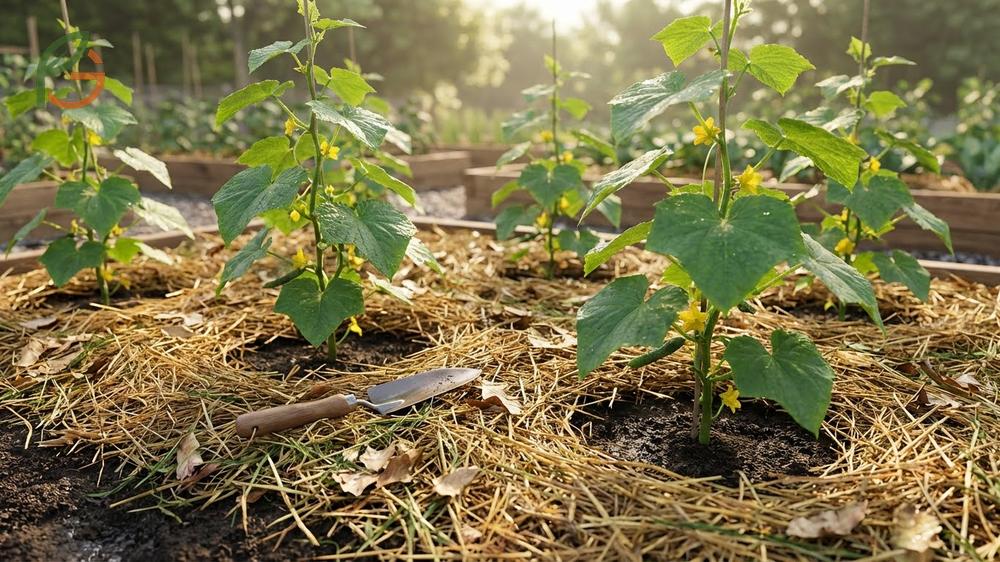
Apply 2-3 inches of organic mulch around cucumber plants once soil temperatures reach 70°F (21°C) in late spring. Mulch conserves soil moisture, suppresses weeds, and moderates soil temperature fluctuations that can stress shallow cucumber roots. Straw, shredded leaves, and grass clippings all work well as cucumber mulch materials.
Keep mulch 2-3 inches away from plant stems to prevent crown rot and reduce slug habitat near tender growth. As organic mulches decompose, they add nutrients and organic matter to your soil, improving its structure and water-holding capacity. You’ll need to replenish mulch mid-season as it breaks down.
Black plastic mulch warms soil faster in cool climates and provides excellent weed control. However, it doesn’t improve soil structure like organic options and requires drip irrigation underneath since water can’t penetrate the plastic. Many gardeners combine plastic mulch early in the season with organic top-dressing later for maximum benefits.
Conclusion
The evidence is clear: successful cucumber cultivation depends on balanced fertilization with 5-10-10 or 10-10-10 NPK ratios, consistent watering schedules providing 1-2 inches weekly, and adequate sunlight exposure of 6-8 hours daily. Hand pollination ensures reliable fruit set when bee activity is limited, while proper mulching conserves moisture and moderates soil temperatures for optimal root health.
Current agricultural guidance emphasizes organic amendments like compost combined with targeted synthetic fertilizers for home gardeners seeking maximum yields. By monitoring your plants for overwatering symptoms, adjusting fertilizer types through growth stages, and ensuring morning pollination during peak flower production, you’ll harvest abundant, high-quality cucumbers throughout the growing season. FruitGarden provides research-based growing information to help you optimize every aspect of cucumber care from seed to harvest.
Frequently Asked Questions
What is the best fertilizer for cucumber plants?
The best fertilizer for cucumber plants uses a 5-10-10 or 10-10-10 NPK ratio that provides balanced nutrition for vine growth and fruit development. Organic options like well-aged compost deliver slow-release nutrients while improving soil structure, whereas synthetic formulas offer precise nutrient control for specific growth stages.
How much water does a cucumber plant need per day?
Cucumber plants don’t need daily watering in most climates—they require 1-2 inches of water per week instead. During hot summer weather above 85°F (29°C), you’ll water every 1-2 days to maintain consistent soil moisture. Container cucumbers may need daily watering since pots dry out faster than garden soil.
How do you know if you’re overwatering cucumbers?
Overwatered cucumbers show yellow, soft leaves that wilt despite wet soil, and the soil stays constantly soggy with a foul odor from rotting roots. You might also notice stunted growth, reduced flowering, and increased susceptibility to fungal diseases like powdery mildew.
Can you use homemade fertilizer for cucumbers?
Yes, homemade fertilizers work excellently for cucumbers—compost tea, aged manure, and composted kitchen scraps provide balanced nutrition naturally. These organic options release nutrients gradually, reducing burn risk while improving beneficial microbial activity in your soil compared to synthetic alternatives.
When should you fertilize cucumber plants?
Fertilize cucumbers first at transplanting or when seedlings develop true leaves, then continue every 10-14 days throughout the growing season. Switch to potassium-rich formulas when flowers appear, and stop fertilizing 2 weeks before your last expected harvest to allow fruits to ripen properly.
Do cucumber plants need pollination to produce fruit?
Most cucumber varieties need pollination to produce fruit—pollen must transfer from male flowers to female flowers for cucumbers to develop. Some greenhouse varieties are parthenocarpic and don’t require pollination, but standard garden cucumbers depend on bees or hand pollination for successful fruit set.
How much sun do container-grown cucumbers need?
Container-grown cucumbers need the same 6-8 hours of direct sunlight as garden-planted cucumbers for optimal production. Containers offer the advantage of mobility—you can move them to chase sunlight throughout the day or seasonally adjust their position to maximize sun exposure in limited spaces.