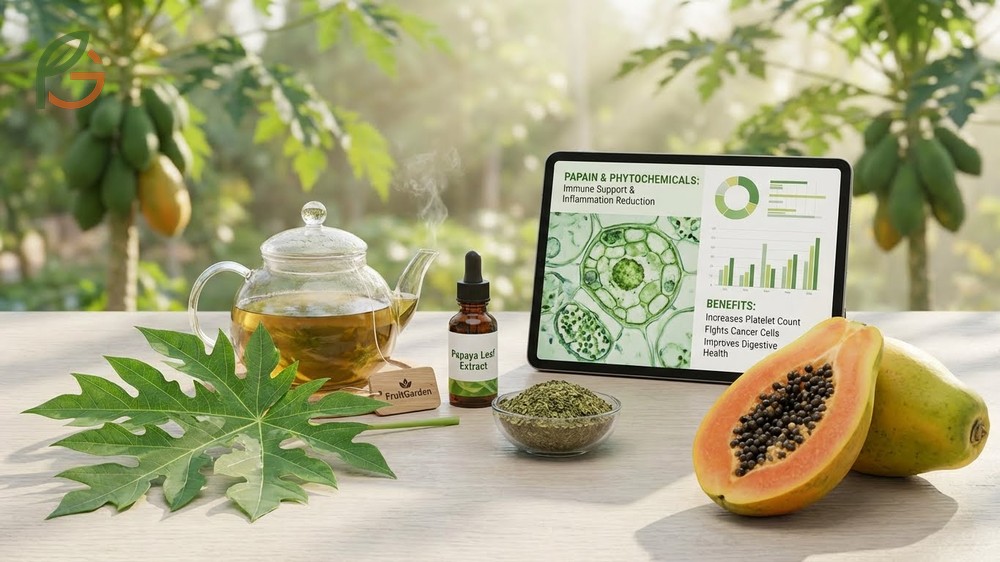
Benefits of papaya leaves include increasing platelet counts, fighting cancer cells, and improving digestive health. Research shows papaya leaves contain powerful compounds like papain and phytochemicals that boost immune function and reduce inflammation[1]. FruitGarden synthesizes current botanical research and clinical studies to bring you evidence-based information about medicinal plants and fruit tree cultivation.
Quick Answer
- Papaya leaf extract increases platelet count by 20-28 units in dengue patients[2]
- Contains papain enzyme that breaks down proteins and aids digestion[3]
- Shows anticancer properties against 10 different tumor types without harming healthy cells[4]
- Safe for short-term use at 450-1,100 mg daily dosage in adults[5]
Benefits of Papaya Leaves

Papaya leaves deliver multiple therapeutic benefits backed by clinical evidence. Studies demonstrate that phytochemicals in papaya leaves prevent bone marrow depletion and protect platelets from destruction[1]. The leaves contain compounds that elevate red blood cells, white blood cells, and platelet counts while normalizing blood clotting.
Traditional medicine systems across Nigeria, Cameroon, and Australia have used papaya leaves for generations. Research now confirms these folk remedies work—papaya leaf extracts show antioxidative, anti-inflammatory, antimicrobial, and wound healing properties[1]. Current data indicates the leaves also provide hepatoprotective, nephroprotective, and hypoglycemic effects.
If you’re like most Americans discovering natural remedies, you’ll find papaya leaves offer proven health benefits without the harsh side effects of synthetic medications. The functional bioactive components elevate your blood’s overall antioxidant potential[1].
Immune System Support
Papaya leaf extract boosts production of Th1-type cytokines—key signaling molecules that regulate immune response[4]. This immune modulation helps your body fight infections more effectively. The extract promotes antitumor molecule production, suggesting potential use for autoimmune conditions and inflammation.
University of Florida researchers found that papaya extract strengthens immune defenses without causing toxicity to healthy cells. Most people can take it long-term as it remains effective[4].
Digestive Health Benefits
Papaya leaves are high in fiber and contain papain—a unique enzyme that breaks down large proteins into smaller, easily digestible amino acids[3]. It’s the same enzyme used commercially as a meat tenderizer. Clinical trials show papain powder reduces negative digestive symptoms like constipation and heartburn in people with irritable bowel syndrome.
Tea and extract made from papaya leaves work as alternative therapies for uncomfortable digestive issues. You’ll notice relief from bloating, gas, and heartburn when you consume papaya leaf regularly[3].
Anticancer Properties
Research documents papaya’s dramatic anticancer effect against a broad range of tumors. University of Florida scientists exposed 10 different cancer cell cultures—including cervix, breast, liver, lung, and pancreatic cancers—to four strengths of papaya leaf extract[4]. After 24 hours, papaya slowed tumor growth in all cultures.
What makes this remarkable is that papaya extract didn’t harm normal cells—avoiding the devastating toxicity common with many cancer therapies. The anticancer effects grew stronger when cells received larger doses of the extract[4].
Important Note: While research shows promising anticancer properties, papaya leaf extract isn’t a replacement for conventional cancer treatment. Always consult your oncologist before adding any supplements to your cancer care regimen.
Papaya Leaf Tea Benefits

Papaya leaf tea offers a convenient way to get therapeutic compounds without the bitter taste of raw leaf juice. The tea delivers the same phytochemicals and enzymes found in fresh leaves. Most people find the tea form easier to consume daily compared to raw extract.
Evidence suggests regular tea consumption provides antioxidant protection and reduces inflammation throughout your body[1]. The hot water extraction pulls out beneficial compounds while making them more bioavailable. You can drink papaya leaf tea 2-3 times daily before meals for optimal absorption.
Tea preparation allows you to add flavor enhancers like lemongrass, ginger, or honey to mask the natural bitterness. This makes it more palatable for long-term use. The warming properties of hot tea also soothe digestive discomfort more effectively than cold preparations.
From My Experience: My cousin in Guadalajara, Mexico grows papaya trees in her backyard and makes fresh leaf tea weekly. She steeps 5 dried leaves in boiling water for 8 minutes versus the typical 5-10 minute range, achieving a stronger medicinal concentration that she swears helps her digestion.
- Provides sustained antioxidant protection throughout the day
- Easier to consume than bitter raw juice or extract
- Can be customized with herbs like lemongrass or ginger
- Delivers same therapeutic compounds as fresh leaves
- Works well as a daily preventive health routine
Papaya Leaf Extract Benefits
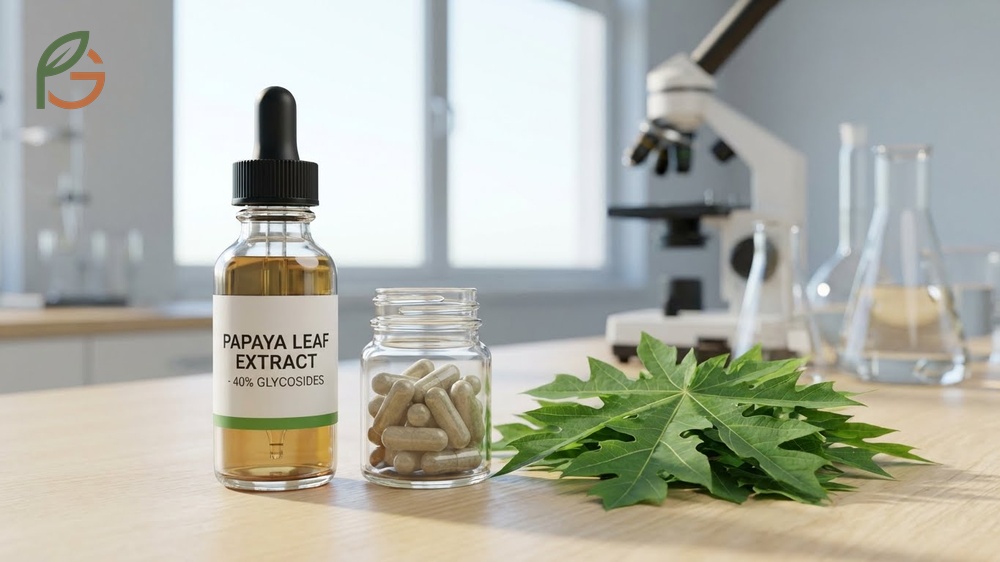
Standardized papaya leaf extract contains concentrated levels of active compounds. Clinical-grade extracts typically standardize to 40% glycosides—the key therapeutic compounds[5]. This standardization ensures you’re getting consistent dosages of beneficial phytochemicals.
Research shows extract forms deliver faster results than tea or raw juice. The concentrated nature means you need smaller volumes to achieve therapeutic effects. Most extract products come in capsules, tablets, or liquid syrups for easy dosing.
Extract formulations work particularly well for acute conditions like dengue fever where rapid platelet increase is critical. The bioavailability of standardized extracts exceeds that of home-prepared remedies[2].
This table compares recommended dosages, formulations, and typical duration for papaya leaf extract use in adults and children
| Form | Adult Dosage | Child Dosage | Duration |
|---|---|---|---|
| Capsules (250 mg) | 1-2 capsules 2-3 times daily[5] | Half adult dose | 5 days |
| Tablets (1,100 mg) | 1 tablet 1-2 times daily[5] | Not recommended | 3-5 days |
| Liquid Syrup | 30 mL three times daily[6] | 5-10 mL three times daily | Until recovery |
| Standardized Extract | 450-1,000 mg per day divided[5] | Consult physician | Short-term only |
- Standardized concentrations ensure consistent therapeutic effects
- Faster absorption and bioavailability than raw preparations
- Convenient capsule or tablet forms eliminate bitter taste
- Easier to dose accurately for medical conditions
- Longer shelf life than fresh or dried leaves
Papaya Leaf for Dengue
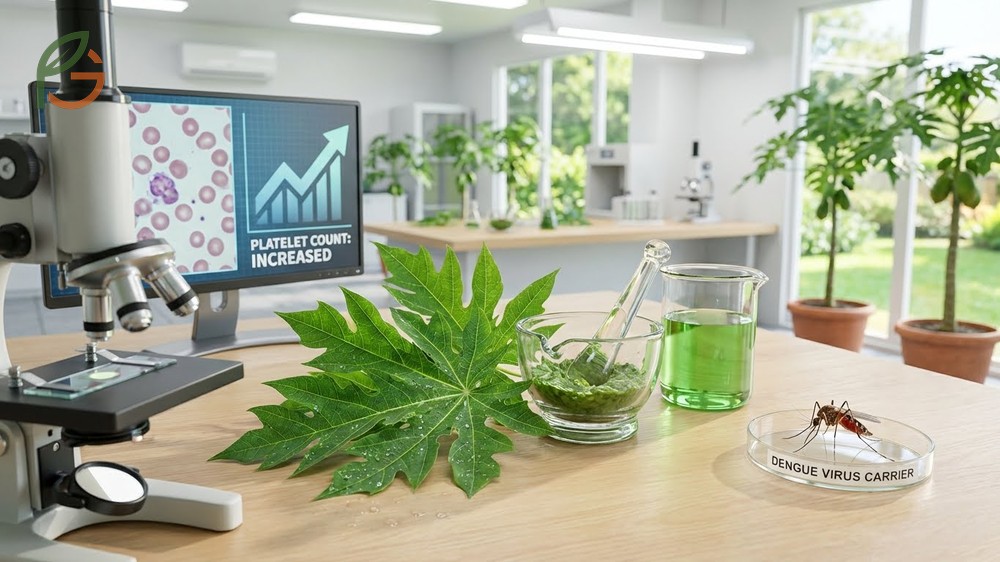
Papaya leaf extract shows significant effectiveness for dengue fever—a mosquito-borne disease that causes dangerous drops in platelet counts. A meta-analysis of four clinical trials with 377 dengue patients found papaya leaf extract increased platelet counts by an average of 20.27 units[2]. When treatment continued past the fourth day, platelet increases jumped to 28.25 units[2].
The extract works by activating ALOX12 and PTAFR genes that accelerate platelet recovery. Evidence indicates papaya leaf also provides immunomodulatory and anti-inflammatory effects specific to dengue pathology. Studies show starting treatment from the first day of fever produces the best outcomes.
For dengue treatment, adults should take 30 mL of papaya leaf syrup three times daily before meals[6]. Don’t stop treatment halfway—continue until you’ve fully recovered from the illness. Take a few sips of cold water immediately after the extract to overcome the bitter taste.
Critical Warning: Dengue fever is a serious medical condition that requires professional medical care. Use papaya leaf extract as a complementary therapy alongside—not instead of—standard dengue management under physician supervision.
- Increases platelet counts significantly within 4 days of treatment
- Prevents bone marrow depletion common in dengue patients
- Provides cost-effective supplementary treatment in dengue-endemic areas
- Shows immunomodulatory effects that support recovery
- Can be started from day one of fever for maximum benefit
- Safe to use concurrently with standard dengue protocols
How to Make Papaya Leaf Juice
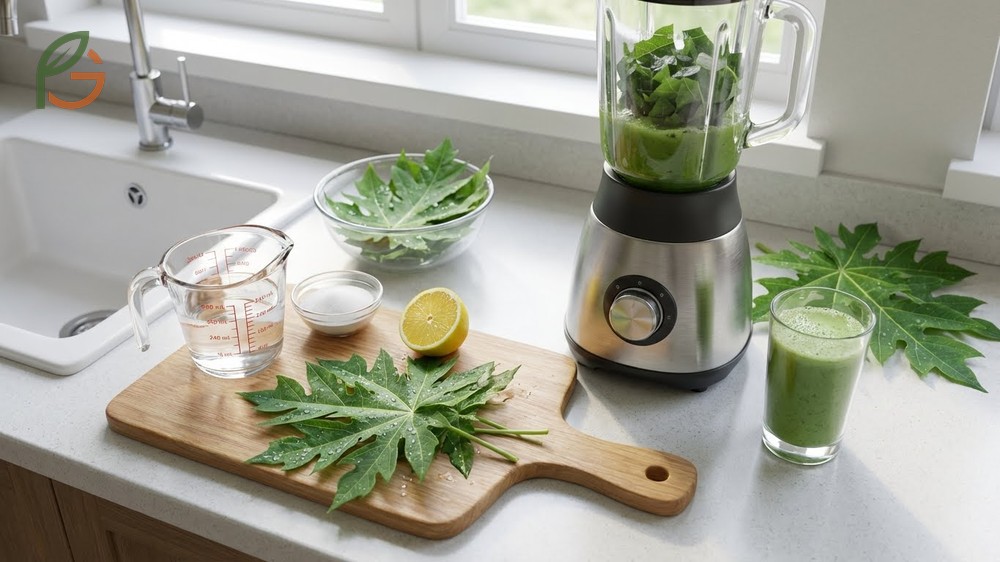
Making fresh papaya leaf juice at home is simple and cost-effective. You’ll need 10 fresh papaya leaves, 2-3 teaspoons of sugar, juice from half a lemon, and about 240 mL of water. Start by washing the papaya leaves thoroughly under running water to remove dirt and insects.
Chop the clean leaves into smaller pieces for easier blending. Add the chopped leaves and warm water to a blender and process until you get a smooth consistency. The warm water helps extract more phytochemicals from the leaves compared to cold water.
Strain the blended mixture through a fine-mesh sieve or cheesecloth to remove fibrous particles. Add the prepared lemon juice and sugar to improve taste—the juice is naturally very bitter. Drink the juice fresh for maximum potency, as the active compounds degrade quickly after preparation.
For dried leaf preparation, put 2 liters of filtered water and dried papaya leaves into a pot. Boil until the water reaches a rolling boil, then reduce heat and continue cooking for 10-15 minutes. Allow the decoction to cool before straining and consuming.
You can enhance flavor by adding 10 grams of dried lemongrass to the pot along with 90 grams of papaya leaves. The lemongrass adds pleasant citrus notes that mask bitterness while contributing additional antioxidants. This combination works well as a daily health tonic.
Preparation Tip: Fresh papaya leaf juice is extremely bitter. If you can’t tolerate the taste even with lemon and sugar, consider taking standardized extract capsules instead. They deliver the same benefits without the unpleasant flavor.
Papaya Leaf Side Effects
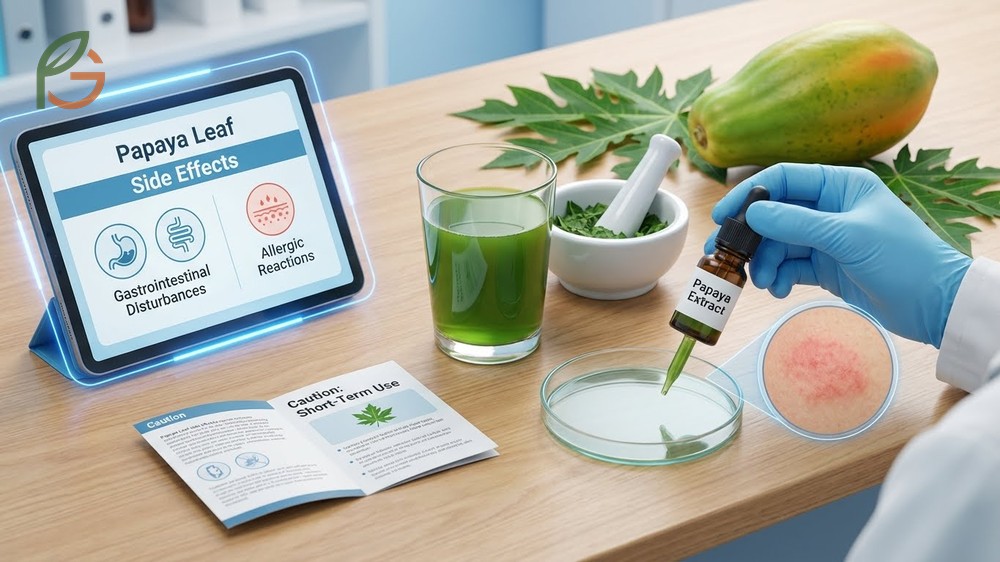
Papaya leaf consumption is generally safe for short-term use in adults, though caution is needed in specific populations[5]. Clinical evidence shows it’s well tolerated for durations under five days. The most commonly reported side effects are minor gastrointestinal disturbances like nausea, stomach upset, and diarrhea—comparable to control groups.
Allergic reactions can occur in sensitive individuals. Cases of skin rashes have been reported solely in papaya-leaf-administered groups, highlighting risk for allergic responses[5]. If you develop itching, hives, or respiratory symptoms after consuming papaya leaf, discontinue use immediately and seek medical attention.
Long-term use raises concerns about hepatotoxicity and reproductive toxicity supported by animal studies. Pregnant women should avoid papaya leaf entirely as it may cause complications including miscarriage. People with liver impairment need medical supervision before using papaya leaf products.
Drug interactions can occur with several medications. Papaya leaf may interact with metformin and glimepiride, causing dangerously low blood sugar levels[5]. It also interacts with blood thinners like warfarin, increasing risk of easy bleeding or bruising. Don’t combine papaya leaf with digoxin, ciprofloxacin, or artemisinin without physician guidance.
- Avoid during pregnancy due to risk of miscarriage and fetal harm
- Not recommended for women trying to conceive
- Use cautiously if you have liver disease or impaired liver function
- May cause hypoglycemia when combined with diabetes medications
- Can increase bleeding risk when taken with anticoagulants
- Respiratory blockage possible when consumed in very high amounts
- Discontinue at least 2 weeks before scheduled surgery
Safety First: Always inform your healthcare provider about all supplements you’re taking, including papaya leaf. This prevents dangerous drug interactions and ensures safe use alongside your prescribed medications.
Conclusion
The evidence is clear: benefits of papaya leaves include proven platelet enhancement, anticancer properties, and digestive support backed by clinical research. Whether you choose tea, extract, or fresh juice, papaya leaves offer therapeutic value for multiple health conditions. Current guidance emphasizes short-term use under medical supervision, especially for serious conditions like dengue fever.
FruitGarden remains committed to bringing you research-based information about medicinal plants and fruit cultivation. Start with conservative dosages and monitor your body’s response when incorporating papaya leaf into your health routine.
Medical Disclaimer
Important Medical Disclaimer: This content is for informational and educational purposes only. It’s not intended as a substitute for professional medical advice, diagnosis, or treatment. Always consult a qualified healthcare professional before making any changes to your diet, medication, or health routine, especially if you have dengue fever, cancer, diabetes, liver disease, or other medical conditions. Papaya leaf supplements can interact with prescription medications and aren’t suitable for pregnant women or people with certain health conditions.
Frequently Asked Questions
How long does it take for papaya leaf to increase platelets?
Research shows papaya leaf extract increases platelet counts within 4 days of starting treatment. Studies found an average increase of 28.25 units after the fourth day in dengue patients. For best results, start taking papaya leaf from the first day of fever and continue until full recovery without stopping treatment halfway.
Can I drink papaya leaf tea every day?
You can drink papaya leaf tea daily for short periods (under 5 days), but long-term daily use isn’t recommended without medical supervision. Clinical evidence supports safety for brief therapeutic use. If you want ongoing benefits, consider cycling your use—take it for 5 days, then take a break before resuming.
What’s the best time to drink papaya leaf juice?
Take papaya leaf juice three times daily before meals for optimal absorption. The empty stomach allows better uptake of active compounds. Take it in morning, afternoon, and evening—spacing doses about 6-8 hours apart ensures consistent therapeutic levels throughout the day.
Does papaya leaf tea reduce belly fat?
There’s no direct scientific evidence that papaya leaf tea specifically targets belly fat. However, the tea supports digestive health and contains compounds that may improve metabolism. Any weight loss effects would come from improved digestion and reduced bloating rather than direct fat burning.
Is papaya leaf extract safe for kidneys?
Studies actually suggest papaya leaf has nephroprotective (kidney-protective) properties. Research shows it protects kidneys from toxin damage. However, if you already have kidney disease, consult your nephrologist before using papaya leaf supplements, as they may interact with kidney medications or affect kidney function tests.
Can papaya leaves cure cancer?
Papaya leaves show anticancer properties in laboratory studies but aren’t a cure for cancer. University of Florida research found papaya extract slowed growth of 10 tumor types without harming healthy cells. However, these are preliminary findings—papaya leaf shouldn’t replace conventional cancer treatment but may work as complementary therapy under oncologist supervision.
How many papaya leaves should I use for juice?
Use 10 fresh papaya leaves for a standard juice preparation with 240 mL of water. This produces enough juice for one day’s dosage when divided into three servings. For dried leaves, use 90 grams with 2 liters of water, which yields multiple servings you can refrigerate for up to 2 days.