Benefits of elderberry syrup include reducing flu duration by 2-4 days and easing cold symptoms, according to multiple peer-reviewed studies[1]. Research shows black elderberry extract works by inhibiting viral replication and supporting immune function without overstimulating the immune system[2]. FruitGarden synthesizes current research on elderberry cultivation and its immune-supporting properties to help gardeners grow and use this valuable medicinal berry.
Quick Answer
- Reduces flu symptoms by 2-4 days compared to placebo[3]
- Decreases cold duration and severity with 45-fold increase in immune molecule production[2]
- Safe for adults at 1 tablespoon daily and children over 1 year at 1 teaspoon daily[4]
- Stores for 2 weeks refrigerated or 6-8 months frozen when prepared properly[5]
Benefits of Elderberry Syrup
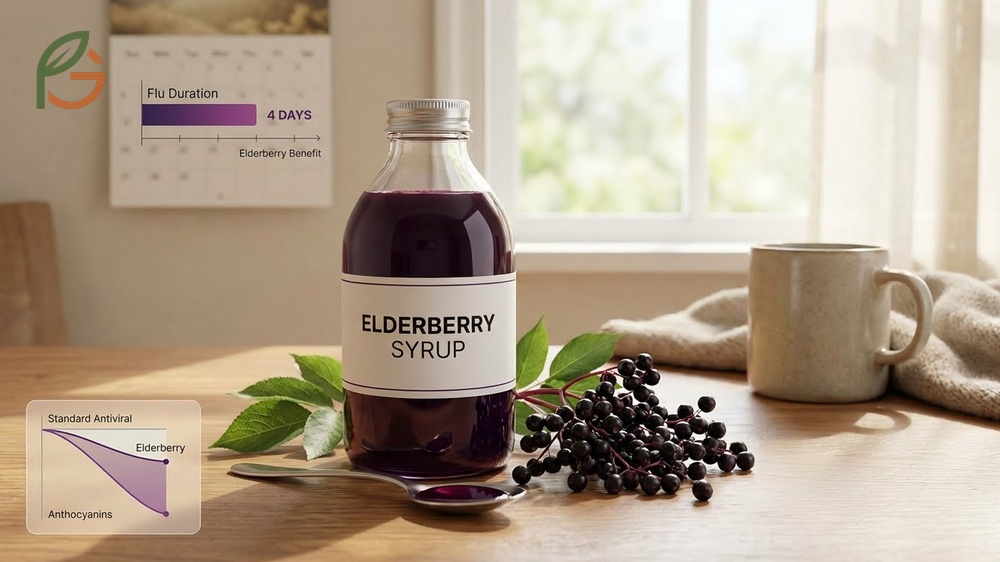
Studies demonstrate that elderberry syrup shortens flu duration by approximately 4 days when taken within 48 hours of symptom onset[3]. This improvement is double the 1-day benefit provided by standard antiviral medications like oseltamivir. The National Center for Complementary and Integrative Health confirms that preliminary research supports elderberry’s effectiveness for upper respiratory infections[4].
Black elderberry extract contains high concentrations of anthocyanins, particularly cyanidin-3-glucoside and cyanidin-3-sambubioside. These compounds block viral neuraminidase, preventing viruses from entering healthy cells[2]. The extract works against influenza A, influenza B, and other respiratory viruses.
Research involving 312 economy class air travelers showed elderberry supplementation reduced cold episodes and decreased physical symptoms during travel. The treatment group experienced shorter cold duration compared to placebo, with mean duration reduced by 2.13 days[1].
Antiviral Properties
Elderberry extracts inhibit viral hemagglutinin, which viruses use to attach to host cell receptors. Studies show the extract binds directly to virus particles and prevents attachment to erythrocyte glycol-conjugate receptors[2]. This blocking action occurs before viral replication begins.
Laboratory tests reveal elderberry extract blocks viral sialidase enzymes that influenza viruses need to spread. The extract demonstrated dose-dependent inhibition of viral replication across multiple strains. Hemagglutinin antibody titers for influenza B increased significantly in elderberry groups versus placebo groups during clinical trials[2].
- Influenza A virus strains
- Influenza B Panama and other subtypes
- Respiratory syncytial virus (RSV)
- Herpes simplex-1 virus
- Human immunodeficiency virus (HIV) in laboratory settings
Immune System Support
Elderberry polysaccharides enhance T cell immune responses by activating dendritic cells. Blood-derived monocytes incubated with elderberry extract show significantly increased production of IL-1β, TNF-α, IL-6, and IL-8[2]. These cytokines coordinate immune responses without causing overstimulation.
Current evidence shows no association between elderberry supplementation and excessive immune activation. Systematic reviews found elderberry doesn’t overstimulate immune function, making it safer than some immune boosters[1]. The immune-modulatory effects occur through controlled cytokine production and phagocyte activation.
Important Note: Elderberry syrup doesn’t prevent viral infections but reduces symptom severity and duration when taken at the first sign of illness. Start supplementation within 24-48 hours of symptom onset for best results.
Does Elderberry Help with Colds
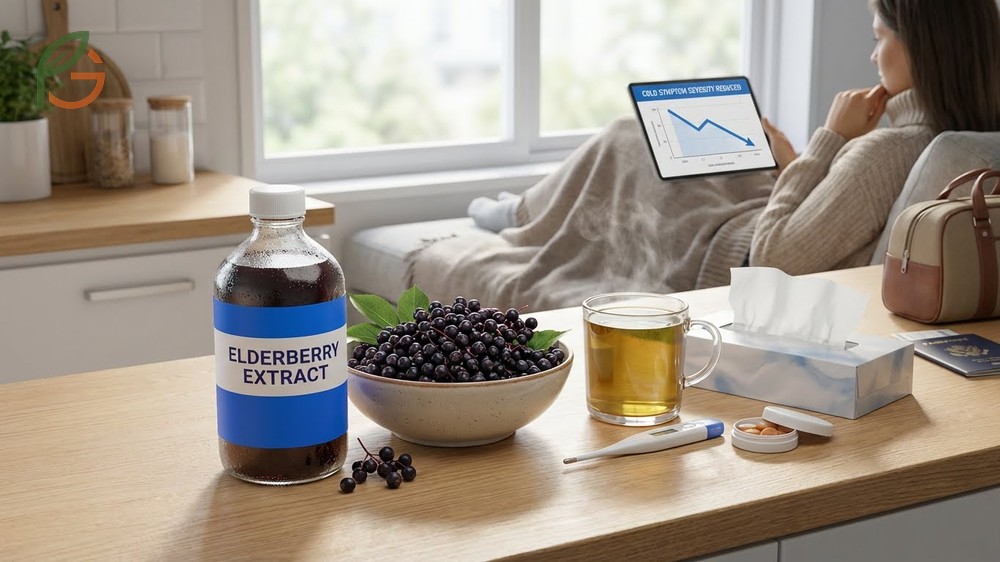
Yes, elderberry helps with colds by reducing symptom severity and shortening illness duration. Among 29 participants who developed colds during air travel, those taking elderberry experienced mean symptom severity scores 13.69 points lower than placebo groups[1]. The improvement was statistically significant with p-values under 0.05.
Cold sufferers report relief from headache, fever, myalgia, malaise, fatigue, and rhinitis when using elderberry extract. Most participants experience symptom improvement within 2-3 days of starting treatment. The effectiveness varies based on when you start taking elderberry relative to symptom onset.
Research shows elderberry works best when you take it at the very first signs of a cold. The extract’s antiviral action prevents virus particles from invading more cells. Early intervention limits viral replication before it spreads throughout respiratory tissues[2].
Clinical Evidence
Multiple placebo-controlled trials show consistent benefits across different populations. A study of 60 patients with flu-like symptoms found elderberry extract shortened illness duration with p-values below 0.001[3]. Participants received 4 teaspoons of elderberry syrup daily for 3 days without adverse effects.
The compliance rate in clinical studies exceeds 85%, showing participants can stick with elderberry protocols. Baseline cold prevalence showed no significant differences between groups before treatment. Post-treatment analysis revealed elderberry groups maintained better physical health scores during illness compared to control groups[2].
- Nasal congestion and rhinitis severity
- Fever duration and intensity
- Body aches and myalgia
- Headache frequency
- Overall fatigue and malaise
- Sore throat discomfort
Flu Season Effectiveness
Elderberry sales in the United States doubled from 2017 to 2018, reaching over $100 million during a high-severity flu season. This increase coincided with widespread influenza B Panama outbreaks from January to March 2018[3]. The market response reflects growing consumer awareness of elderberry’s benefits.
Studies conducted during actual flu outbreaks demonstrate real-world effectiveness beyond laboratory settings. Elderberry extract reduced symptom clusters in emergency room patients presenting with influenza. The treatment group showed faster recovery rates than those receiving standard care alone[3].
Timing Matters: Take elderberry syrup within 24 hours of noticing flu symptoms for maximum benefit. The standard dose is 1 tablespoon for adults every 2-3 hours during active illness, reducing to once daily for prevention.
Elderberry Syrup Ingredients
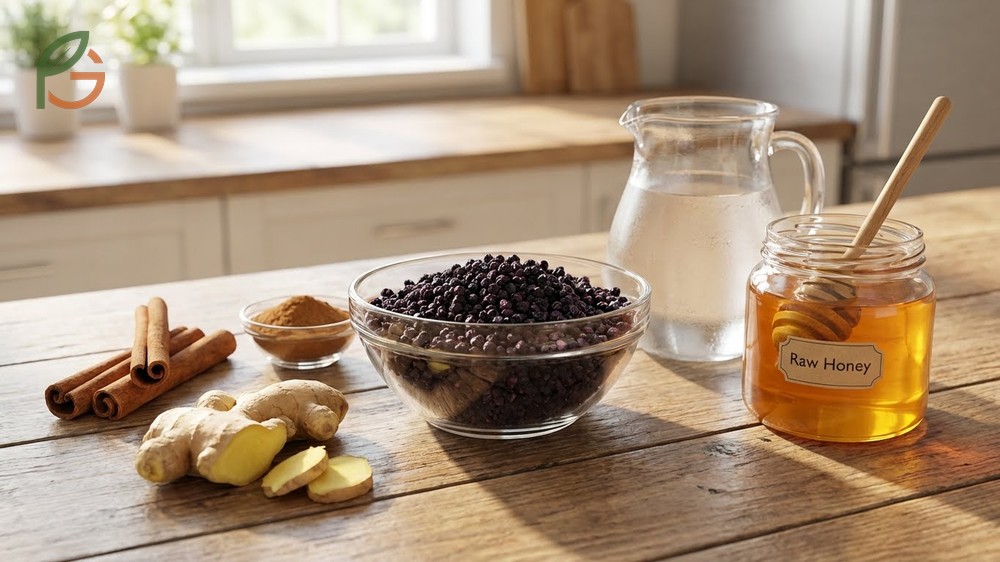
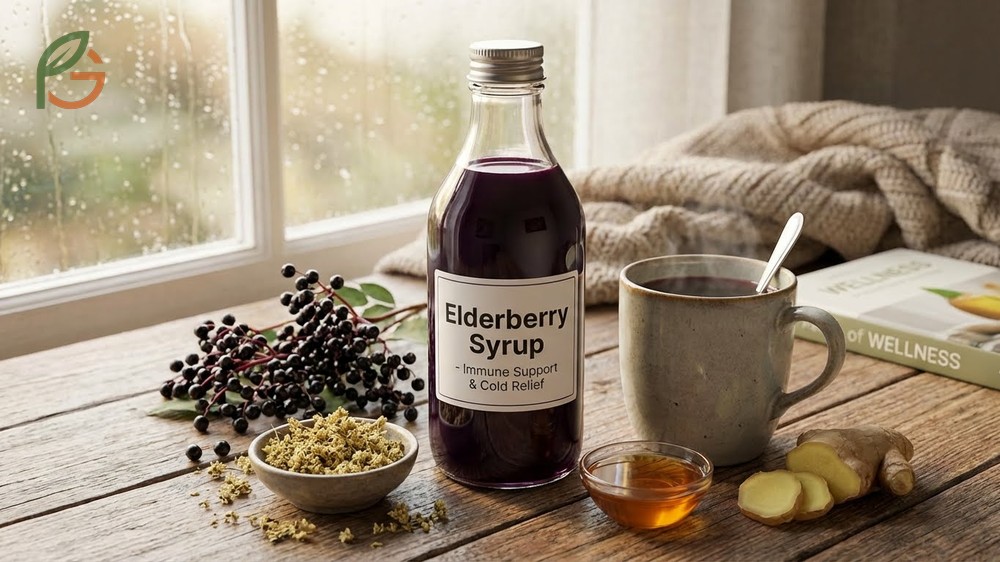
Traditional elderberry syrup contains five core ingredients: dried elderberries, water, raw honey, cinnamon, and fresh ginger. University extension services recommend 1 cup dried elderberries or 2 cups fresh berries per batch[5]. This ratio produces approximately 2-2.5 quarts of syrup.
Raw honey acts as both sweetener and preservative while adding antimicrobial properties. You’ll need 1/2 cup honey minimum, though some recipes call for up to 1 cup depending on taste preference. Never give honey-based elderberry syrup to children under 1 year old due to botulism risk[5].
Spices enhance the syrup’s medicinal properties and improve flavor. Research-based recipes include 1 cinnamon stick, 1/4 teaspoon ground clove, and 2 teaspoons fresh peeled ginger per batch. Some formulations add star anise or lemon juice for additional vitamin C content[5].
This table shows the standard ingredient quantities for making elderberry syrup at home, including dried berries, water, honey, and spices with their respective measurements
| Ingredient | Amount | Purpose |
|---|---|---|
| Dried elderberries | 1 cup (or 2 cups fresh) | Active antiviral compounds |
| Water | 4 cups | Extraction base |
| Raw honey | 1/2 to 1 cup | Preservative and sweetener |
| Cinnamon stick | 1 stick | Anti-inflammatory properties |
| Fresh ginger | 2 teaspoons (peeled, chopped) | Digestive support |
| Ground clove | 1/4 teaspoon | Antimicrobial action |
You can’t safely can elderberry syrup using water bath methods because elderberries have pH levels at or above 4.6. Recent research from university food safety labs shows elderberry varieties lack sufficient acidity for safe canning[5]. Refrigeration or freezing are the only recommended preservation methods until more research develops safe canning protocols.
- Apple cider vinegar (1 tablespoon) for additional acidity
- Star anise for enhanced antiviral compounds
- Organic lemon juice (1/4 cup per quart) as preservative
- Fresh turmeric root for anti-inflammatory benefits
- Black peppercorns to enhance turmeric absorption
Elderberry Syrup Dosage
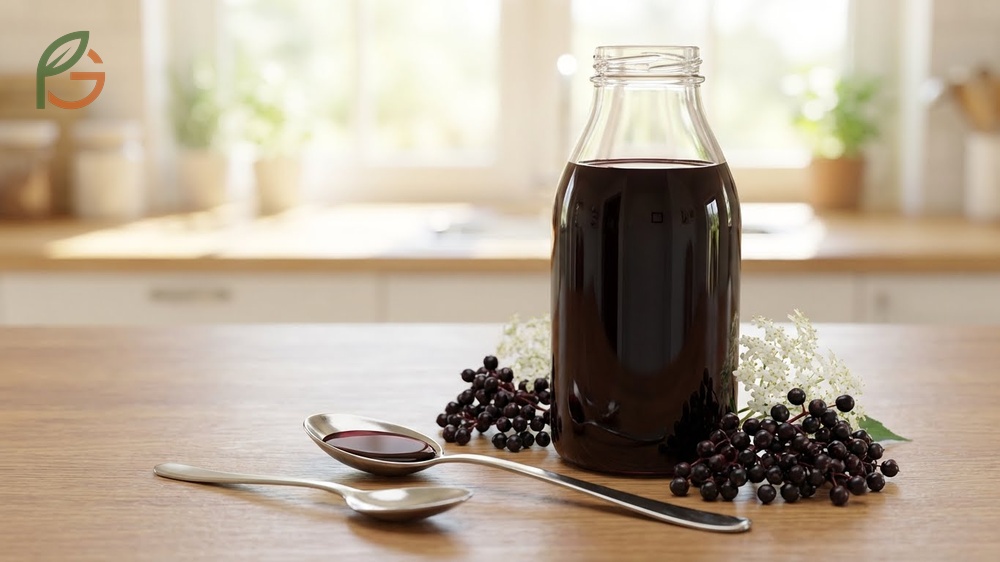
Adults should take 1 tablespoon (15 ml) of elderberry syrup once daily for immune support during cold and flu season. When you’re actively sick, increase the dose to 1 tablespoon every 2-3 hours until symptoms improve[4]. Don’t exceed 4-6 tablespoons total per day during acute illness.
Children ages 2-12 need smaller doses adjusted to body weight. Standard recommendations are 1 teaspoon (5 ml) daily for prevention and up to 1 teaspoon 2-3 times daily during illness. Toddlers ages 1-2 should receive only 1/2 teaspoon once or twice daily with healthcare provider guidance[4].
Commercial elderberry lozenges typically contain 12 mg of elderberry extract per 4-gram lozenge. Manufacturers recommend taking 1 lozenge as needed, up to 4 times per day. Liquid syrups vary in concentration, so always check the product label for specific elderberry content per serving.
| Age Group | Daily Prevention Dose | Active Illness Dose |
|---|---|---|
| Adults | 1 tablespoon (15 ml) once | 1 tablespoon every 2-3 hours |
| Children 7-12 years | 1 teaspoon (5 ml) once | 1 teaspoon 2-3 times daily |
| Children 3-6 years | 1/2 teaspoon (2.5 ml) once | 1/2 teaspoon 2 times daily |
| Toddlers 1-2 years | 1/2 teaspoon once | 1/2 teaspoon 1-2 times daily |
Clinical trials used 15 ml (1 tablespoon) doses containing approximately 3.8 grams of elderberry extract. These studies showed effectiveness without serious adverse effects across diverse populations[1]. Most participants tolerated the treatment well with compliance rates above 85%.
- Start elderberry within 24 hours of first symptoms for best results
- Take with food to minimize potential stomach upset
- Don’t combine with immunosuppressant medications without doctor approval
- Reduce to prevention dose after 3-5 days of active treatment
- Store opened bottles in the refrigerator between doses
Safety Warning: Never give honey-based elderberry products to infants under 12 months old. Raw elderberries are toxic and must be cooked before consumption. Pregnant and breastfeeding women should consult healthcare providers before using elderberry supplements.
Elderberry Syrup Shelf Life
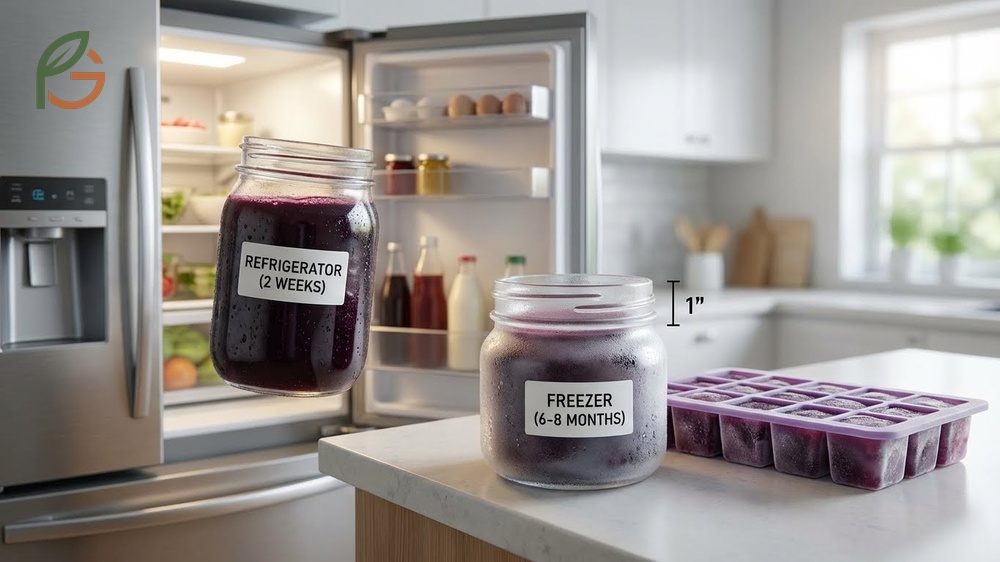
Homemade elderberry syrup lasts 2 weeks in the refrigerator when stored properly in glass jars. University of Maine Extension recommends making small batches and keeping syrup in the main refrigerator compartment, not in the door where temperatures fluctuate[5]. Don’t store syrup at room temperature.
Freezing extends shelf life to 6-8 months without losing medicinal potency. Pour syrup into freezer-safe glass jars leaving 1 inch headspace for expansion, or use ice cube trays for pre-portioned servings. Frozen elderberry cubes make convenient single doses you can thaw as needed[5].
Commercial elderberry syrups contain preservatives that extend unopened shelf life to 18-24 months. Once you open the bottle, refrigerate it and use within 90 days. Check product labels for specific expiration dates and storage instructions since formulations vary between manufacturers.
Signs of spoilage include mold growth, off odors, fermentation bubbles, or separation that doesn’t remix. Toss any syrup showing these signs and make a fresh batch. Label jars with preparation dates so you’ll know when to discard old syrup[5].
- Use sterilized glass jars, not plastic containers
- Keep refrigerated syrup at 35-40°F (2-4°C) consistently
- Write the “made on” and “use by” dates on jar labels
- Don’t contaminate syrup by drinking directly from the bottle
- Add lemon juice or apple cider vinegar to extend refrigerator life slightly
- Thaw frozen syrup in the refrigerator overnight, not at room temperature
Water bath canning isn’t safe for elderberry syrup because the pH exceeds 4.6, creating botulism risk. Research from multiple university extension services confirms elderberries lack sufficient natural acidity for safe home canning[5]. Stick with refrigeration or freezing until scientists develop tested canning procedures.
Conclusion
The evidence is clear: benefits of elderberry syrup include cutting flu duration by 2-4 days and reducing cold symptom severity through proven antiviral mechanisms. Research from multiple peer-reviewed studies shows elderberry extract works by blocking viral attachment and supporting balanced immune responses without overstimulation. Current guidance emphasizes starting elderberry supplementation within 24 hours of symptom onset for maximum effectiveness.
FruitGarden helps readers understand elderberry cultivation, harvest timing, and syrup preparation methods based on university extension research and clinical trials. You can grow black elderberry bushes in USDA zones 4-9, harvest berries in late summer, and create your own immune-supporting syrup using evidence-based recipes that ensure safety and potency.
Medical Disclaimer
Important Medical Disclaimer: This content is for informational and educational purposes only. It’s not intended as a substitute for professional medical advice, diagnosis, or treatment. Always consult a qualified healthcare professional before making any changes to your health routine, especially if you have chronic conditions, take medications, are pregnant, or are breastfeeding. Elderberry may interact with immunosuppressants, diabetes medications, and diuretics. Raw elderberries are toxic and must be cooked before consumption.
Frequently Asked Questions
What is elderberry syrup good for?
Elderberry syrup is good for reducing flu duration by 2-4 days and easing cold symptoms like fever, congestion, and body aches. Research shows it works by blocking viral replication and supporting immune function without overstimulating the immune system, making it effective for upper respiratory infections.
Does elderberry help with flu symptoms?
Yes, elderberry helps with flu symptoms when taken within 24-48 hours of onset. Clinical trials show patients taking elderberry extract experience symptom relief within 2 days compared to 6 days for placebo groups, with significant reductions in fever, headache, myalgia, and respiratory congestion.
How long is elderberry syrup good for?
Homemade elderberry syrup is good for 2 weeks when refrigerated in glass jars or 6-8 months when frozen. Commercial syrups last 90 days after opening if kept refrigerated. You can’t safely can elderberry syrup because its pH exceeds 4.6, creating botulism risk.
Is elderberry good for colds?
Yes, elderberry is good for colds, reducing symptom severity by an average of 13.69 points on standardized scales and shortening cold duration by 2 days. The antiviral compounds in elderberry extract prevent virus particles from invading healthy cells when taken at the first sign of cold symptoms.
What’s the best elderberry syrup dosage for kids?
The best elderberry syrup dosage for kids is 1 teaspoon daily for children ages 2-12 during prevention, increasing to 1 teaspoon 2-3 times daily during active illness. Toddlers ages 1-2 need only 1/2 teaspoon once or twice daily. Never give honey-based elderberry syrup to infants under 1 year old.
Can I take elderberry daily?
Yes, you can take elderberry daily at 1 tablespoon for adults or 1 teaspoon for children throughout cold and flu season. Studies show no serious adverse effects from daily elderberry supplementation for prevention, and it doesn’t overstimulate the immune system like some supplements.
What are black elderberry syrup benefits compared to other forms?
Black elderberry syrup benefits include higher anthocyanin concentration and better bioavailability compared to gummies or capsules. Liquid syrup allows faster absorption through mucous membranes, with studies showing symptom relief within 24-48 hours. Syrup also lets you adjust doses more precisely than pre-measured gummies.