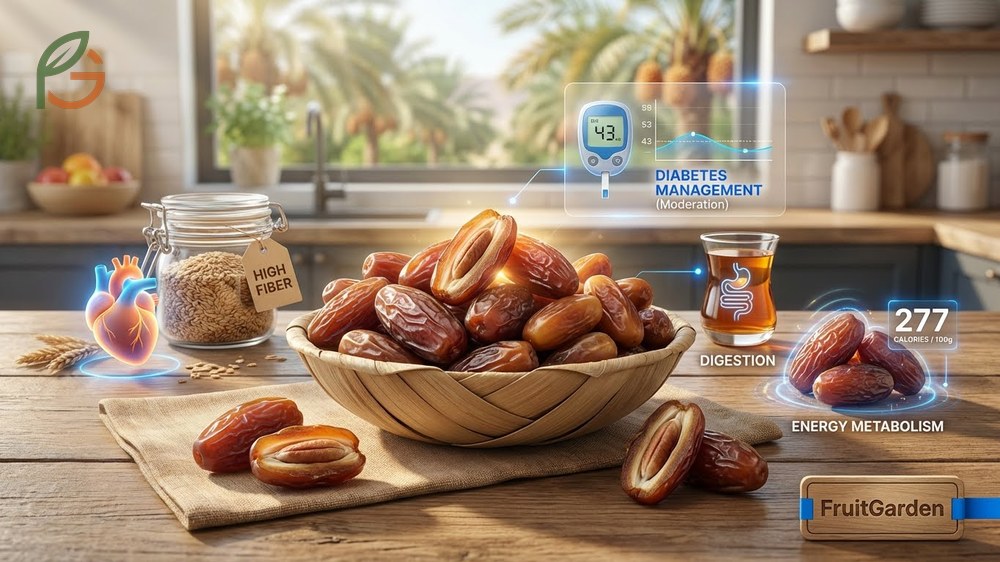
Benefits of dates fruit include exceptional nutritional density with 277 calories per 100g[1], high fiber content at 7-8 grams[2], and rich mineral profiles supporting heart health, digestion, and energy metabolism. Research demonstrates that dates maintain low to moderate glycemic indices between 43-53[3], making them suitable for diabetes management when consumed in moderation. FruitGarden synthesizes current nutritional research and agricultural data to help you understand how dates fit into healthy eating patterns for American gardeners and fruit enthusiasts.
Quick Answer
- Dates pack 277 calories[1] and 7-8g fiber[2] per 100g serving
- Glycemic index ranges 43-53[3], safe for diabetics in controlled portions
- Rich in 656mg potassium[1] supporting heart health and blood pressure regulation
- Clinical trials show dates consumed during late pregnancy reduce labor duration by approximately 8.5 hours
Benefits of Dates Fruit
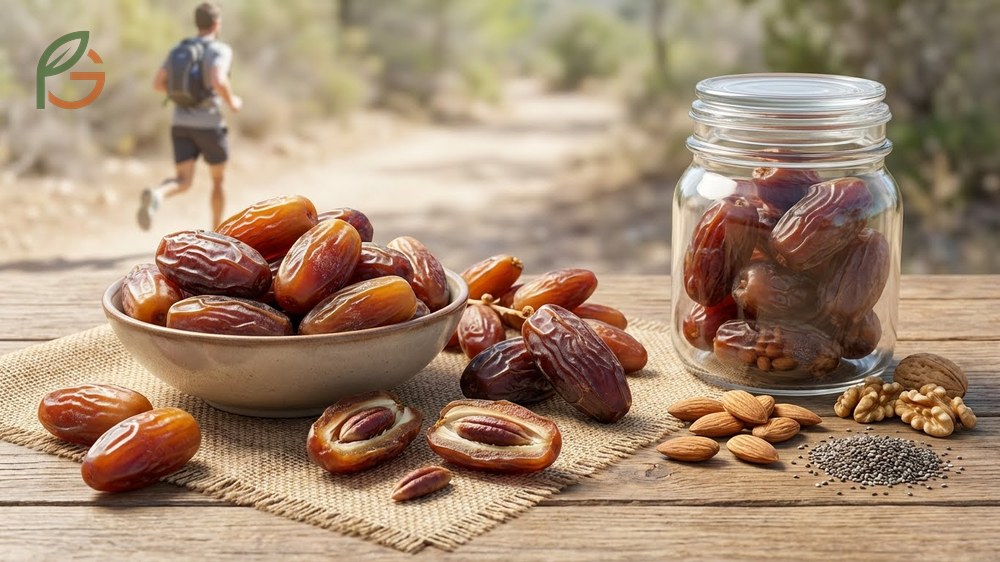
Dates deliver concentrated nutrition through natural sugars, dietary fiber, and essential minerals that support multiple body systems. Studies demonstrate that 100 grams of dates provide over 15% of the recommended daily allowance for selenium, copper, potassium, and magnesium[2]. This nutrient density makes dates particularly valuable for active individuals and those seeking whole-food energy sources.
Current research indicates that dates contain bioactive compounds including flavonoids, phenolic acids, and carotenoids that contribute antioxidant properties. These compounds help neutralize free radicals and may reduce oxidative stress linked to chronic disease development. The combination of fiber, minerals, and phytonutrients positions dates as a functional food rather than simple sweetener.
Most people don’t realize that dates offer therapeutic benefits beyond basic nutrition. Evidence suggests regular consumption supports cardiovascular function, digestive regularity, bone health, and reproductive wellness. What often gets overlooked is that ripeness stage affects both nutrient concentration and glycemic response.
Cardiovascular Protection
The potassium content in dates—656mg per 100g[1]—helps regulate blood pressure by counteracting sodium effects and supporting healthy vascular function. Research shows adequate potassium intake reduces stroke risk and improves overall cardiovascular outcomes. This matters because most Americans consume insufficient potassium while exceeding sodium recommendations.
Magnesium in dates relaxes blood vessel walls, improving blood flow and reducing arterial stiffness. Studies link magnesium deficiency to increased cardiovascular disease risk, making dates a practical supplementary source. The fiber in dates also binds dietary cholesterol, potentially lowering LDL levels when consumed as part of balanced eating patterns.
Digestive System Support
Dates contain both soluble and insoluble fiber, with 84-94% being insoluble and 6-16% soluble. Insoluble fiber increases stool bulk and stimulates intestinal motility, preventing constipation through mechanical action. Soluble fiber feeds beneficial gut bacteria and supports microbiome diversity.
The natural sugars and potassium in dates create a mild laxative effect that benefits individuals with irregular bowel movements. A 100-gram serving provides 7-8 grams of dietary fiber[2]—roughly one-third to one-quarter of daily requirements for women and men respectively. This combination addresses constipation more gently than pharmaceutical interventions.
Natural Energy Source
Dates provide rapid energy through glucose, fructose, and sucrose that absorb at different rates. This staggered absorption prevents the sharp blood sugar spikes associated with refined sugars. Athletes and physically active individuals benefit from this sustained energy release during prolonged exertion.
The high caloric density—277 calories per 100g[1]—makes dates effective for healthy weight gain when needed. A single Medjool date contains approximately 20-30 calories, allowing precise caloric control. Unlike processed energy foods, dates deliver calories alongside fiber, vitamins, and minerals that support metabolic function.
Nutritional Value of Date Fruit
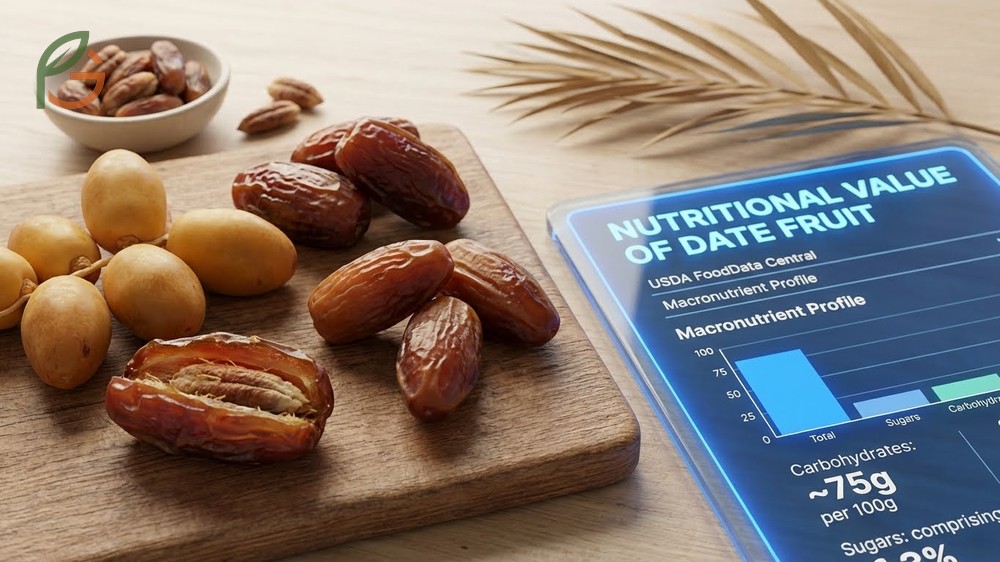
Understanding dates’ complete nutritional profile helps you make informed dietary decisions. The USDA FoodData Central provides standardized nutrient values that enable accurate meal planning and nutritional analysis[1]. These values vary slightly between cultivars like Medjool, Deglet Noor, and Barhi, but core nutritional characteristics remain consistent.
Macronutrient Profile
Dates contain approximately 75 grams of carbohydrates per 100 grams, with sugars comprising the majority of this content. The natural sugar composition includes roughly 40% fructose and 60% glucose, creating balanced sweetness without artificial additives. Protein content remains low at 2-2.5 grams per 100g, while fat content is minimal at 0.2-0.39 grams.
The fiber content—8 grams per 100g in some varieties[2]—qualifies dates as a high-fiber food. This fiber moderates sugar absorption and promotes satiety. Net carbohydrates (total carbs minus fiber) equal approximately 67 grams per 100g, important information for carb-conscious eating plans.
This table compares calories, fiber, potassium, and iron content per 100 grams across different date varieties including Medjool and Deglet Noor with USDA reference values
| Nutrient | Medjool Dates | Deglet Noor Dates | Daily Value % |
|---|---|---|---|
| Calories | 277 kcal[1] | 282 kcal[1] | 14% |
| Fiber | 6.7-7g[2] | 8g[2] | 28-32% |
| Potassium | 656 mg[1] | 656 mg[1] | 19% |
| Iron | 0.9 mg[1] | 1.0 mg[1] | 11-13% |
| Magnesium | 43-54 mg[1] | 43 mg[1] | 10-13% |
Mineral Content
Dates excel as sources of essential minerals often lacking in modern diets. The iron content—approximately 1mg per 100g[1]—contributes to meeting daily iron quotas, particularly valuable for individuals at risk of deficiency. Copper, selenium, and manganese appear in smaller quantities but still provide meaningful percentages of daily requirements.
Calcium content reaches 39-64mg per 100g depending on variety, supporting bone health when combined with magnesium and phosphorus also present in dates. The mineral synergy enhances absorption and utilization compared to isolated supplements. Dates contain negligible sodium—only 2mg per 100g—making them suitable for low-sodium eating patterns.
- Vitamin B6 (0.17-0.2mg per 100g) supporting neurotransmitter production and protein metabolism
- Folate (19μg per 100g) essential for cell division and DNA synthesis
- Vitamin K (2.7μg per 100g) contributing to blood clotting and bone metabolism
- Flavonoids including quercetin and apigenin with anti-inflammatory properties
- Carotenoids such as lutein and zeaxanthin protecting eye health and cellular integrity
- Phenolic acids including caffeic acid and ferulic acid demonstrating antioxidant activity
Important Note: Nutrient values vary based on growing conditions, harvest timing, and storage methods. Fresh dates contain higher moisture content than dried dates, concentrating nutrients and calories in dried varieties. For most accurate tracking, weigh dates rather than counting individual fruits due to size variation.
Dates Fruit and Diabetes
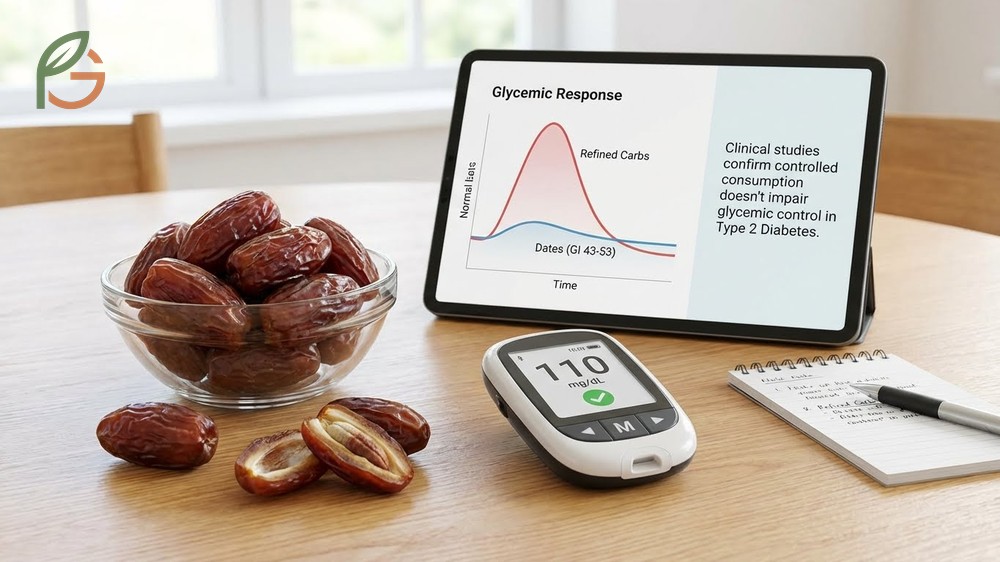
Research challenges common assumptions about dates and blood sugar management. Clinical studies reveal that dates maintain low to moderate glycemic indices between 43-53 for most varieties[3], contradicting beliefs that dried fruits spike glucose levels. The fiber content and specific sugar composition create more favorable glycemic responses than refined carbohydrates.
Studies with type 2 diabetes patients demonstrate that controlled date consumption doesn’t impair glycemic control. One clinical trial found similar glycemic indices between healthy subjects (46-53) and diabetic subjects (44-53) across five date varieties[3]. The glycemic load ranges from 8.5 to 24 depending on portion size and variety, with semi-ripe dates (Rutab) showing glycemic index of 47.2 and fully ripe commercial dates as low as 35.5[5].
Portion control remains critical—100 grams of dates contain approximately 75 grams of carbohydrates. Evidence suggests that two to three dates per day integrate safely into diabetes management plans[6]. Pairing dates with protein sources or healthy fats further moderates glucose absorption and improves metabolic response.
- Limit intake to 2-3 dates (approximately 50g) per day to control carbohydrate load
- Pair dates with nuts, seeds, or nut butter to slow sugar absorption and enhance satiety
- Choose semi-ripe or fully-ripe commercial varieties with lower glycemic indices when available
- Monitor individual blood glucose responses since glycemic impact varies by person
- Count dates toward total daily carbohydrate allowance rather than treating as “free” foods
- Consume dates earlier in the day when insulin sensitivity tends to be higher
- Avoid eating dates on an empty stomach if prone to reactive hypoglycemia
Diabetes Management Caution: While research supports moderate date consumption for most people with type 2 diabetes, individual responses vary significantly. Always monitor your blood glucose before and 2 hours after consuming dates to understand your personal tolerance. Consult your healthcare provider or certified diabetes educator before making dietary changes.
Dates Fruit During Pregnancy

Clinical evidence demonstrates that dates consumed during late pregnancy significantly impact labor outcomes. Research from multiple controlled trials shows that pregnant women who ate dates daily in the final 4 weeks of pregnancy experienced shorter labor duration—approximately 8.5 hours compared to 15 hours in control groups[4]. The latent phase of first-stage labor particularly benefited from date consumption.
Studies indicate that dates affect oxytocin receptors, making uterine muscles respond more effectively to natural oxytocin. This mechanism translates to reduced need for synthetic oxytocin (Pitocin) administration and prostaglandin use during labor[7]. Women who consumed dates also showed greater cervical dilation at hospital admission compared to non-consumers.
The nutritional profile supports pregnancy needs—iron prevents anemia, folate supports fetal development, and potassium maintains electrolyte balance. Research protocols typically used 60-80 grams of dates daily (approximately 6 dates) starting at 36 weeks gestation. Current guidance emphasizes that dates offer benefits for women without contraindications like gestational diabetes requiring strict glucose control.
Beyond labor facilitation, dates address common pregnancy concerns. The fiber content combats constipation frequently experienced in third trimester. Natural sugars provide quick energy during physically demanding labor process. Potassium helps prevent leg cramps and supports cardiovascular function under pregnancy’s increased circulatory demands.
Fiber Content in Dates

Dates rank among the highest-fiber fruits available, delivering 7-8 grams per 100-gram serving[2]—equivalent to a cup of cooked whole wheat pasta. This fiber density makes dates particularly effective for digestive health and blood sugar moderation. The combination of soluble and insoluble fiber creates complementary effects throughout the gastrointestinal tract.
Insoluble fiber (84-94% of total fiber) adds bulk to stool and accelerates intestinal transit time. This mechanical action prevents constipation more effectively than many commercial fiber supplements. Soluble fiber (6-16% of total) dissolves in water to form gel-like substance that slows digestion, moderates glucose absorption, and feeds beneficial gut bacteria.
For adults requiring 25-38 grams of daily fiber, a half-cup of chopped dates (approximately 73 grams) provides about 6 grams—roughly 24% of minimum daily needs. Most Americans consume only 16 grams of fiber daily, creating widespread deficiency. Strategic date consumption helps bridge this gap without requiring major dietary overhaul.
The fiber in dates works synergistically with natural sugars to prevent rapid glucose spikes despite high carbohydrate content. This explains why dates maintain moderate glycemic indices despite containing 63 grams of sugar per 100 grams. The fiber also promotes satiety, reducing overall caloric intake when dates replace less nutritious snacks.
Dates for Heart Health

The cardiovascular benefits of dates stem from multiple bioactive components working in concert. Potassium—656mg per 100g[1]—helps maintain regular heart rhythm and controls blood pressure by counteracting sodium’s vasoconstricting effects. Research links adequate potassium intake to reduced stroke risk and lower cardiovascular mortality.
Magnesium content (43-54mg per 100g) relaxes arterial walls, improving blood flow and reducing peripheral resistance. This mineral also prevents calcium buildup in arteries that contributes to atherosclerosis. Many Americans fall short of magnesium requirements, making dates a practical supplementary source that doesn’t require pills or powders.
Fiber in dates binds dietary cholesterol in the intestines, reducing absorption and promoting excretion. This mechanism helps lower LDL cholesterol levels when dates replace refined carbohydrates in eating patterns. The antioxidants—particularly flavonoids and phenolic acids—protect LDL particles from oxidation, a critical step in atherosclerotic plaque formation.
- Potassium maintains electrical conductivity in heart muscle and regulates cardiac rhythm
- Magnesium prevents coronary artery spasm and supports healthy blood vessel dilation
- Fiber reduces cholesterol absorption and feeds gut bacteria that produce heart-protective metabolites
- Antioxidants neutralize oxidative stress that damages arterial endothelial cells
- Low sodium content (2mg per 100g) supports blood pressure management in salt-sensitive individuals
- Natural sugars provide energy without requiring insulin spikes that stress cardiovascular system
Heart Health Context: Dates support cardiovascular wellness as part of overall healthy eating patterns, not as isolated interventions. Combine dates with vegetables, whole grains, lean proteins, and healthy fats while maintaining appropriate caloric intake. Regular physical activity, stress management, and adequate sleep remain essential for heart disease prevention.
Conclusion
The evidence is clear: benefits of dates fruit extend beyond simple sweetness to encompass measurable health advantages backed by clinical research. With 277 calories, 7-8 grams of fiber, and 656mg of potassium per 100g[1][2], dates deliver concentrated nutrition that supports cardiovascular function, digestive health, pregnancy outcomes, and blood sugar management when consumed appropriately.
Current nutritional guidance emphasizes whole foods over processed alternatives, positioning dates as valuable additions to American diets. Whether you’re growing date palms in your garden or purchasing quality fruit from trusted sources, understanding these nutritional facts helps you maximize health benefits. FruitGarden remains committed to providing evidence-based information that helps fruit enthusiasts make informed decisions about cultivation and consumption.
Medical Disclaimer
Important Medical Disclaimer: This content is for informational and educational purposes only. It is not intended as a substitute for professional medical advice, diagnosis, or treatment. Always consult a qualified healthcare professional before making any changes to your diet, medication, or health routine, especially if you have diabetes, are pregnant, have cardiovascular conditions, or take medications that interact with dietary potassium. Individual nutritional needs vary based on age, sex, activity level, and medical conditions. The glycemic responses and health outcomes described represent population averages and may not reflect your personal experience.
Frequently Asked Questions
What Are Dates Fruits Good For?
Dates excel at providing natural energy, supporting digestive regularity through high fiber content (7-8g per 100g), and delivering essential minerals like potassium and magnesium for heart health. Research shows they help manage blood sugar when consumed in moderation, facilitate shorter labor duration in pregnancy, and provide antioxidants that protect against oxidative stress and inflammation.
How Many Calories Are in One Date Fruit?
A single Medjool date contains approximately 20-30 calories, while smaller Deglet Noor dates provide about 20 calories each. Since dates average 12.5 grams per fruit and contain 277-282 calories per 100g, one medium date delivers roughly 35 calories. The exact calorie content varies based on size, variety, and moisture content.
Are Dates Good for Diabetics?
Clinical research demonstrates that dates maintain low to moderate glycemic indices (43-53 for most varieties) and don’t impair blood sugar control when consumed in portions of 2-3 dates daily. Studies show similar glycemic responses in diabetic and non-diabetic subjects. However, portion control remains essential since 100g of dates contains 75g of carbohydrates that must fit within individual carbohydrate budgets.
What Is the Best Time to Eat Dates for Weight Gain?
For healthy weight gain, consume dates between meals or immediately post-workout when your body efficiently stores nutrients. The 277 calories per 100g and natural sugars provide energy-dense nutrition that supports muscle recovery and caloric surplus. Combine 3-4 dates with nuts or nut butter for balanced macronutrients—the added protein and fats enhance nutrient absorption and provide sustained energy rather than quick sugar spikes.
Can You Eat Dates on an Empty Stomach?
Most people tolerate dates on empty stomachs without issues, gaining quick energy from natural sugars. However, individuals prone to reactive hypoglycemia or those with diabetes should pair dates with protein or fat to moderate glucose absorption. The fiber content helps prevent dramatic blood sugar spikes even when consumed alone, but adding almonds or Greek yogurt creates more balanced nutritional impact for sustained energy.
How Much Fiber Is in Dates Compared to Other Fruits?
Dates contain 7-8 grams of fiber per 100g—3.3 times more than oranges and comparable to whole wheat pasta. This ranks dates among the highest-fiber fruits available. A half-cup serving (approximately 73g) provides about 6 grams of fiber, representing 24% of minimum daily requirements. The combination of soluble and insoluble fiber makes dates particularly effective for digestive health and blood sugar moderation.
What Are Chinese Date Fruit Benefits?
Chinese dates (jujubes or Ziziphus jujuba) differ from common dates but offer similar benefits including high vitamin C content, stress-reducing properties, and sleep-promoting compounds. While nutritionally distinct from Phoenix dactylifera dates, jujubes provide antioxidants, support immune function, and contain bioactive compounds used in traditional Chinese medicine. Both fruit types deliver fiber, natural sugars, and minerals, though specific nutrient profiles vary between species.