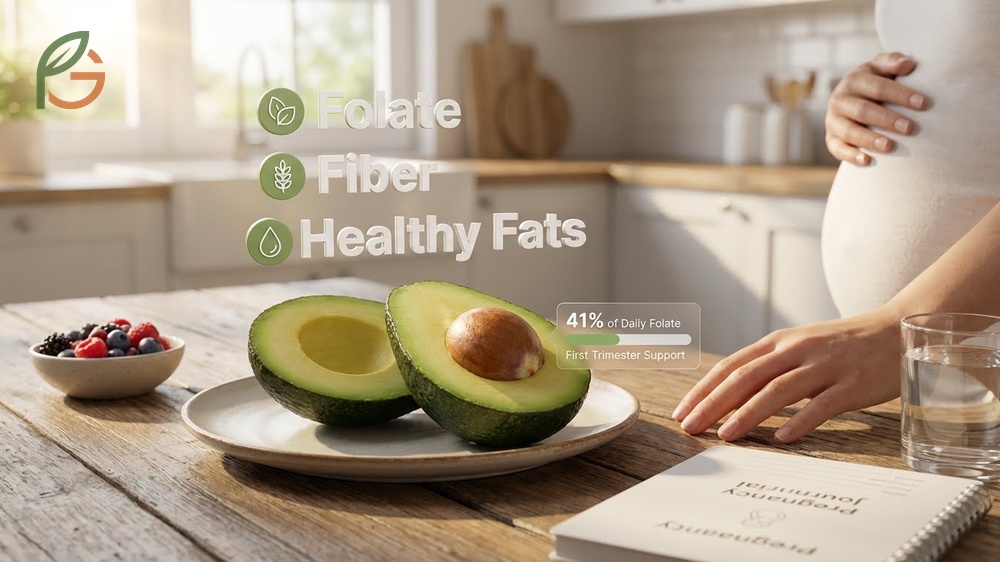
Avocado pregnancy first trimester consumption is safe and highly beneficial for expectant mothers. Research shows that avocados provide essential nutrients like folate, fiber, and healthy fats that support fetal development during this critical period[1]. Studies demonstrate that half an avocado delivers approximately 162 mcg of folate[2]—about 41% of the daily folate requirement for pregnant women. FruitGarden synthesizes current nutritional research to help expecting mothers understand how nutrient-dense foods like avocados support healthy pregnancy outcomes.
Quick Answer
- Avocados provide 162 mcg folate[2] per half fruit (41% daily value) for neural tube defect prevention
- One serving contains 7g fiber[3] (25% of the 28g daily recommendation) to reduce gestational diabetes risk
- Rich in monounsaturated fats and 458mg potassium that support maternal cardiovascular health
- Recent studies link avocado consumption during pregnancy with lower infant food allergy rates at 12 months[5]
Avocado Pregnancy First Trimester

Research demonstrates that avocados are safe throughout all pregnancy trimesters and offer exceptional nutritional value during the critical first 12 weeks. The first trimester requires no additional caloric intake beyond normal dietary needs, but nutrient quality becomes paramount for proper fetal development.
Current data indicates that maternal folate intake during the periconceptional period and early pregnancy significantly reduces neural tube defect risks by up to 70%[1]. Avocados stand out among fruits because they provide bioavailable folate in combination with healthy fats that enhance nutrient absorption.
Studies show that pregnant women often struggle to meet fiber recommendations, consuming only 15-20g daily versus the recommended 28g[3]. Incorporating just half an avocado daily contributes 25% of this requirement while providing satiety without excessive calories.
Folic Acid in Avocado
Evidence suggests that natural food folate, though slightly less bioavailable than synthetic folic acid supplements, offers complementary benefits when consumed together. Folate absorption from plant foods reaches approximately 50-60% compared to 85% from supplements[6].
A medium avocado provides 121-162 mcg of dietary folate equivalents (DFE), representing 30-41% of the 400 mcg baseline requirement[2]. Pregnant women need 600 mcg total daily, typically achieved through a combination of folate-rich foods and prenatal supplements.
- Prevents neural tube defects like spina bifida and anencephaly during weeks 3-4 of gestation
- Supports rapid cell division and DNA synthesis in developing embryonic tissues
- Helps maintain normal homocysteine levels, reducing cardiovascular strain on maternal circulation
- Contributes to red blood cell formation as maternal blood volume increases by 40-50%
- Works synergistically with vitamin B12 for proper neurological development
Fiber Content Benefits
Agricultural data shows that adding fiber-rich foods like avocado to pregnancy diets correlates with significant risk reductions for gestational diabetes and preeclampsia. Research across multiple populations demonstrates that fiber intake in the highest quintile reduces gestational diabetes risk by 33% compared to the lowest quintile[7].
The soluble and insoluble fiber in avocados promotes healthy bowel function, addressing the constipation that affects up to 40% of pregnant women. This fiber also slows glucose absorption, preventing the blood sugar spikes that contribute to insulin resistance.
Important Note: Most pregnant women don’t consume adequate fiber, averaging only 15-20g daily versus the 28g recommendation. Gradual increases prevent digestive discomfort—add one-quarter to one-half avocado daily rather than full servings immediately.
Is Avocado Good for Pregnancy
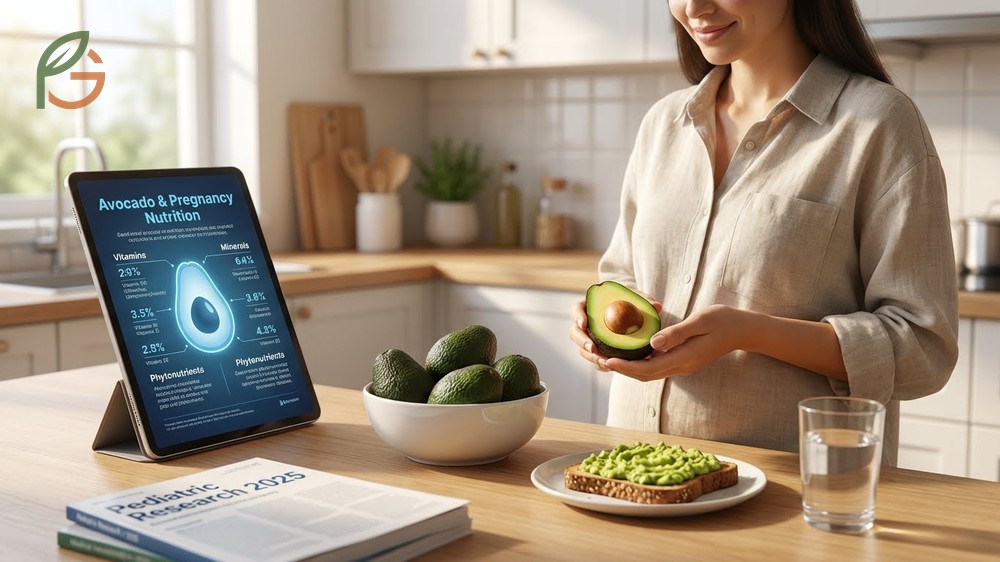
Current guidance emphasizes nutrient density over caloric quantity during pregnancy, particularly in the first trimester when no additional calories are needed. Avocados deliver concentrated nutrition—a half-fruit serving provides only 120 calories while offering substantial amounts of 20 different vitamins, minerals, and phytonutrients[1].
Recent 2025 research published in Pediatric Research found that avocado consumption during pregnancy was associated with lower odds of infant food allergies at 12 months, even when accounting for maternal age, BMI, and other dietary factors[5]. This protective effect may stem from the combination of anti-inflammatory fats and antioxidants that modulate maternal immune responses.
The monounsaturated fatty acid (MUFA) profile of avocados—primarily oleic acid—supports maternal cardiovascular adaptation to pregnancy. These healthy fats don’t contribute to excessive weight gain when consumed as part of a balanced Mediterranean-style diet pattern, which reduces gestational diabetes risk by 24%[7].
Healthy Fats for Baby Brain Development
Evidence indicates that the fetal brain accumulates 70% of its total lipid content during the third trimester, but the foundation for neural architecture begins in the first trimester. The monounsaturated fats and fat-soluble nutrients in avocados support this early developmental stage.
Avocados contain lutein and zeaxanthin, carotenoid antioxidants that preferentially accumulate in the developing brain and retina. Maternal dietary intake directly influences breast milk carotenoid levels, and adequate maternal consumption ensures optimal transfer to the developing fetus[1].
- Lutein supports neural tissue development and visual processing centers in the fetal brain
- Vitamin E (1.3-1.7 mg per serving) protects developing neurons from oxidative damage during rapid cell division
- Monounsaturated fats facilitate absorption of fat-soluble vitamins A, D, E, and K
- Potassium (458-610 mg per serving) maintains optimal nerve signal transmission
- Magnesium (40 mg per serving) participates in over 300 enzymatic reactions supporting brain metabolism
Vitamin and Mineral Content
Research shows that pregnant women commonly fall short on several key micronutrients, including vitamins C and E, which avocados provide in meaningful amounts. Half an avocado delivers approximately 13% of the daily vitamin E requirement and contributes to vitamin C intake[6].
The potassium content of avocados—higher per serving than bananas—helps counter the blood pressure elevating effects of sodium. This becomes particularly important as plasma volume expands by 40-50% during pregnancy, increasing cardiovascular demands.
This table compares essential nutrient amounts in one half avocado versus daily pregnancy requirements, showing percentage contributions for folate, fiber, potassium, vitamin E, and magnesium
| Nutrient | Amount per Serving | Pregnancy Daily Requirement | Percentage Met |
|---|---|---|---|
| Folate | 97-162 mcg[2] | 600 mcg | 16-27% |
| Dietary Fiber | 7g[3] | 28g | 25% |
| Potassium | 458-610 mg[4] | 2,900 mg | 16-21% |
| Vitamin E | 1.3-1.7 mg[6] | 15 mg | 9-11% |
| Magnesium | 40 mg[4] | 350-360 mg | 11-12% |
Avocado Fruit in Pregnancy
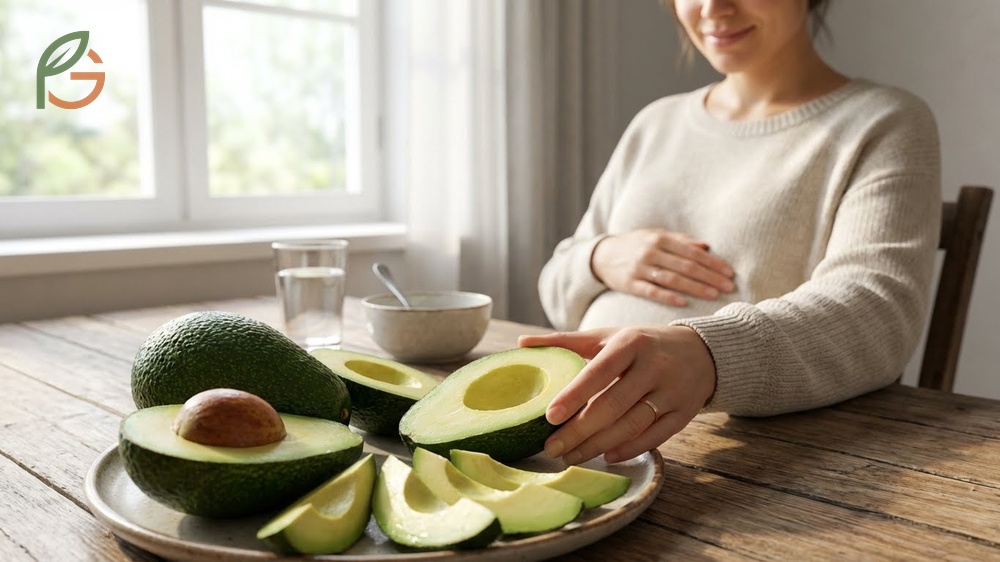
Studies demonstrate that the mild flavor and creamy texture of avocados make them particularly suitable for first trimester consumption when food aversions and nausea affect 50-90% of pregnant women. Unlike strongly flavored or acidic fruits, avocados tend to be well-tolerated even during morning sickness episodes.
The combination of healthy fats and fiber provides sustained satiety, helping stabilize blood sugar between meals. This steady energy release prevents the hypoglycemic dips that can worsen nausea and fatigue during early pregnancy.
What often gets overlooked is that avocado’s nutrient density allows pregnant women to meet nutritional goals with smaller food volumes—an advantage when appetite is suppressed or when eating triggers nausea. A few spoonfuls of mashed avocado deliver more folate, fiber, and healthy fats than larger servings of less nutrient-dense fruits.
Nausea Relief Foods
Current guidance emphasizes cold or room-temperature bland foods during periods of pregnancy nausea. Avocado fits this profile perfectly—it’s naturally mild, requires no cooking, and doesn’t produce strong odors that trigger nausea.
The healthy fats in avocados slow gastric emptying, which helps maintain stable blood sugar levels. Research shows that blood sugar fluctuations can worsen nausea symptoms, making avocado’s stabilizing effect particularly valuable during the first trimester.
- Plain sliced avocado eaten cold directly from the refrigerator minimizes odor triggers
- Mashed avocado with a pinch of salt provides electrolytes without overwhelming flavors
- Avocado combined with bland crackers or toast offers carbohydrates to settle the stomach
- Frozen avocado chunks blended into smoothies create a mild, nutrient-dense beverage
- Small, frequent portions (2-3 tablespoons) prevent overfilling the stomach while maintaining nutrition
Gestational Diabetes Prevention
Evidence across multiple populations indicates that dietary patterns emphasizing whole fruits, vegetables, and healthy fats significantly reduce gestational diabetes incidence. The Western-style diet high in refined grains and processed meats increases gestational diabetes risk by 63%, while Mediterranean-style eating patterns reduce risk by 24%[7].
Avocados contribute to gestational diabetes prevention through multiple mechanisms. The monounsaturated fats improve insulin sensitivity, while fiber slows carbohydrate absorption and prevents glucose spikes. The combination creates a favorable metabolic environment that counters the natural insulin resistance of pregnancy.
Research demonstrates that fiber intake in the highest quintile reduces gestational diabetes risk by 33% compared to the lowest intake levels[7]. Half an avocado’s 7g contribution represents a meaningful step toward the protective 28g daily target.
Blood Sugar Management Tip: Pair avocado with protein sources like eggs, Greek yogurt, or nuts to further stabilize blood glucose. This combination provides all three macronutrients—fats, protein, and carbohydrates—creating the most gradual insulin response.
Healthy Snacks for First Trimester

Most pregnant women don’t need additional calories during the first trimester, but strategic snacking helps maintain stable blood sugar and prevents the nausea associated with an empty stomach. Evidence suggests that small, frequent meals every 2-3 hours work better than three large meals for managing first trimester symptoms.
Avocado-based snacks offer particular advantages because they combine multiple beneficial nutrients in portable, easy-to-prepare forms. The healthy fats provide satiety that lasts 3-4 hours, reducing the need for frequent eating while ensuring adequate nutrition.
Research shows that nutrient-dense snacking patterns during pregnancy correlate with better maternal weight gain trajectories and improved infant birth weights. The key is choosing whole foods like avocados rather than processed snacks high in refined sugars and unhealthy fats.
Avocado Smoothie for Pregnancy
Smoothies provide an effective delivery method for nutrients when solid foods are unappealing or difficult to consume. The creamy texture of avocado creates satisfying smoothies without added dairy or thickeners, making them suitable for women with lactose sensitivity.
Blending avocado with other nutrient-rich ingredients creates a complete meal replacement that delivers folate, calcium, protein, and healthy fats in one glass. The cold temperature and smooth consistency often appeal to pregnant women experiencing nausea or food aversions.
For optimal nutrition and blood sugar stability, combine half an avocado with protein sources (Greek yogurt or protein powder), calcium-rich liquids (milk or fortified alternatives), and additional fruits like berries that provide vitamin C to enhance iron absorption from prenatal supplements.
Other Nutrient-Rich Combinations
Strategic pairing of avocado with complementary foods maximizes nutrient absorption and creates balanced snacks that support pregnancy health. The healthy fats in avocado enhance absorption of fat-soluble vitamins A, D, E, and K from accompanying foods.
Current nutritional guidance emphasizes variety and nutrient density, encouraging pregnant women to combine different food groups at each eating occasion. These combinations provide sustained energy while meeting increased micronutrient demands.
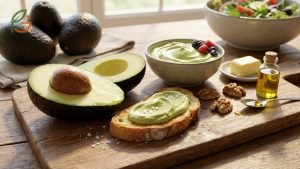
- Avocado toast on whole grain bread with scrambled eggs provides folate, protein, fiber, and B vitamins for all-day energy
- Sliced avocado with cherry tomatoes and mozzarella cheese delivers calcium, lycopene, and healthy fats in a Mediterranean-style snack
- Mashed avocado with canned salmon on crackers combines omega-3 fatty acids, calcium from salmon bones, and heart-healthy fats
- Avocado and hummus vegetable platter offers plant-based protein, fiber, and diverse phytonutrients from colorful vegetables
- Avocado smoothie bowl topped with nuts, seeds, and berries provides omega-3s, antioxidants, and textural variety
- Half avocado stuffed with quinoa and black beans creates a complete protein with all essential amino acids plus fiber
Food Safety Reminder: Wash avocado skins thoroughly before cutting, as bacteria on the exterior can transfer to the flesh during slicing. Store cut avocado in the refrigerator and consume within 1-2 days for optimal freshness and safety.
Conclusion
The evidence is clear: avocado pregnancy first trimester consumption offers significant nutritional benefits with established safety across all pregnancy stages. Research demonstrates that this nutrient-dense fruit provides essential folate, fiber, healthy fats, and antioxidants that support optimal fetal development while helping prevent gestational complications like diabetes and preeclampsia.
Current nutritional guidance emphasizes whole-food sources of nutrients over isolated supplements whenever possible, and avocados exemplify this approach by delivering multiple beneficial compounds in their natural matrix. Whether eaten plain, blended into smoothies, or combined with complementary protein sources, avocados represent an evidence-based choice for expectant mothers seeking to optimize first trimester nutrition. FruitGarden encourages pregnant women to discuss dietary changes with their healthcare providers to ensure personalized nutrition plans that support both maternal and fetal health throughout pregnancy.
Medical Disclaimer
Important Medical Disclaimer: This content is for informational and educational purposes only. It is not intended as a substitute for professional medical advice, diagnosis, or treatment. Always consult a qualified healthcare professional before making any changes to your diet, medication, or health routine, especially during pregnancy. Individual nutritional needs vary based on pre-existing conditions, pregnancy complications, and other health factors that require personalized medical guidance.
Frequently Asked Questions
Can I Eat Avocado Every Day During First Trimester?
Yes, eating avocado daily during the first trimester is safe and beneficial when consumed as part of a varied diet. Research supports daily consumption of half to one whole avocado to meet folate, fiber, and healthy fat requirements without excessive caloric intake. Most women can safely incorporate avocado into their daily routine, though those with specific dietary restrictions or pregnancy complications should consult their healthcare provider.
How Much Folate Does Avocado Provide for Pregnancy?
A medium avocado provides 121-162 mcg of dietary folate equivalents, representing approximately 20-27% of the 600 mcg daily requirement for pregnant women. While avocado is an excellent food source of folate, it should complement—not replace—prenatal supplements containing folic acid, as the combination of food folate and supplemental folic acid provides optimal neural tube defect prevention.
Does Avocado Help With Morning Sickness?
Avocado may help manage morning sickness due to its mild flavor, bland profile, and blood sugar-stabilizing properties. The healthy fats slow gastric emptying and prevent the glucose fluctuations that can worsen nausea. Many pregnant women find cold or room-temperature avocado easier to tolerate than strongly flavored or acidic foods, though individual responses vary based on specific triggers and nausea severity.
Will Eating Avocado Prevent Gestational Diabetes?
While no single food prevents gestational diabetes, research shows that dietary patterns emphasizing whole fruits, vegetables, and healthy fats like those in avocados reduce risk by up to 24% compared to Western-style diets. Avocado’s fiber and monounsaturated fats improve insulin sensitivity and slow glucose absorption, contributing to the overall dietary pattern that supports metabolic health during pregnancy.
What Is the Best Way to Eat Avocado During Pregnancy?
The best preparation methods preserve avocado’s nutrients while minimizing food safety risks. Wash the skin thoroughly before cutting, consume fresh rather than oxidized brown flesh, and pair with protein sources like eggs or Greek yogurt for balanced nutrition. Popular options include avocado toast, smoothies, salads, or plain sliced avocado—choose methods that align with your taste preferences and morning sickness tolerance.
Can Avocado Cause Weight Gain During Pregnancy?
Avocado doesn’t cause excessive weight gain when consumed in appropriate portions as part of a balanced diet. Half an avocado contains approximately 120 calories—a reasonable amount for a nutrient-dense snack or meal component. Research shows that Mediterranean-style diets including avocado support healthy pregnancy weight trajectories when total caloric intake remains appropriate for gestational stage and individual needs.
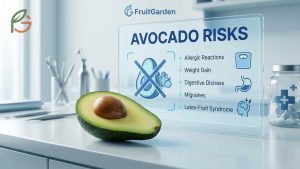
Are There Any Risks to Eating Avocado While Pregnant?
Avocado is generally safe during pregnancy with minimal risks for most women. The primary safety concern involves proper washing to prevent bacterial contamination from the skin transferring to the flesh during cutting. Women with avocado allergies or latex-fruit syndrome should avoid consumption. Those taking blood thinners should discuss avocado’s vitamin K content with their healthcare provider, though moderate consumption typically doesn’t interfere with medication.