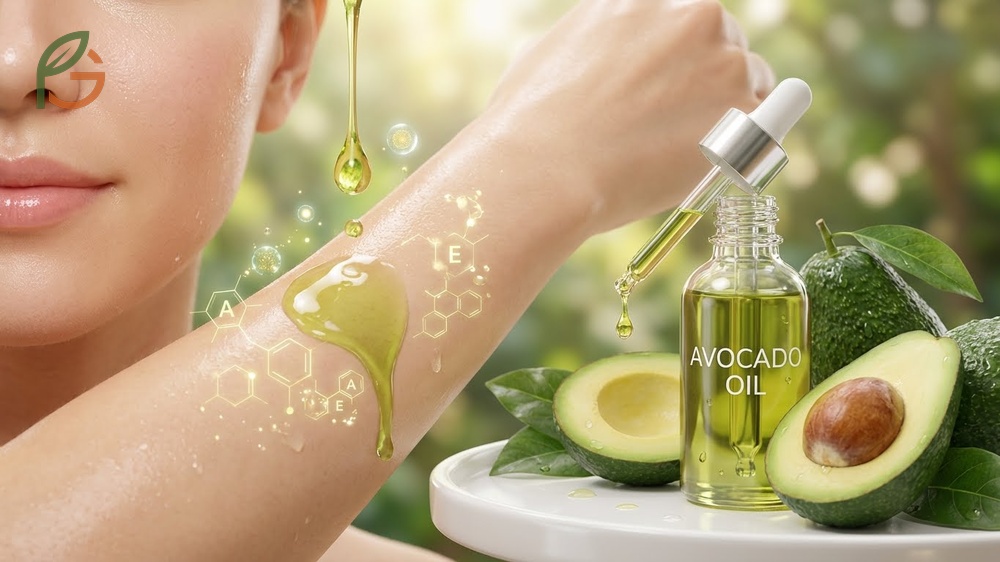
Avocado oil for skin delivers deep hydration, boosts collagen production, and penetrates the moisture barrier more effectively than olive or almond oil. Research shows it contains 62% lipids[1] and vitamins A, D, and E that protect against UV damage while improving elasticity. FruitGarden synthesizes current dermatological research to help you understand how avocado-derived compounds transform dry, sensitive skin.
Quick Answer
- Increases soluble collagen content in skin by significant amounts[2] when applied topically
- Enhances forehead skin firmness and elasticity[3] after 8 weeks of consistent use
- Has a comedogenic rating of 2-3, making it safe for most skin types but requires caution for acne-prone skin
- Penetrates deeper than other plant oils due to its oleic acid content, making it ideal for treating dry or chapped skin
Avocado Oil for Skin
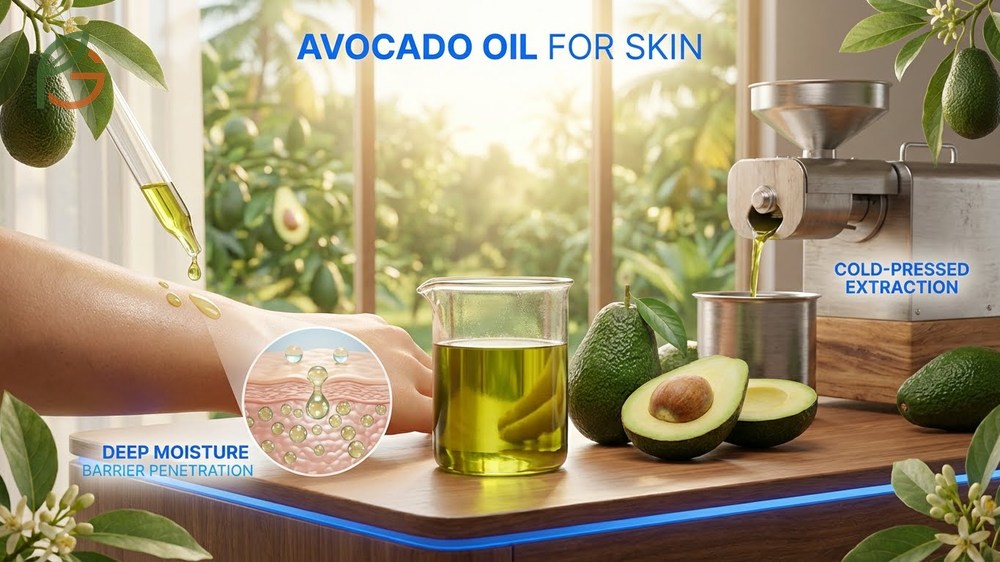
Avocado oil comes from the pulp of Persea americana fruit, grown primarily in tropical and subtropical regions. Cold-pressed extraction preserves its fatty acids, vitamins, and antioxidants that support skin health. Studies demonstrate this oil penetrates the skin’s natural moisture barrier more effectively than popular alternatives like olive or almond oil[1].
The oil contains approximately 62% lipids, including monounsaturated and polyunsaturated fatty acids[1]. This high lipid content makes it particularly effective for those with dry, chapped, or flaky skin conditions. Unlike lighter oils that sit on the surface, avocado oil’s molecular structure allows deeper penetration into skin layers.
Research shows growing rats fed diets containing 10% unrefined avocado oil experienced significant increases in soluble collagen content in their skin[2]. While total collagen content remained unchanged, the increase in soluble collagen suggests improved skin flexibility and repair capacity. Current data indicates these effects translate to human skin when applied topically.
What Makes Avocado Oil Effective
Oleic acid comprises the primary fatty acid in avocado oil, enabling deep penetration into skin layers. This monounsaturated fat reinforces the skin’s natural barrier and reduces transepidermal water loss. Most people find it absorbs within 2-3 minutes without leaving a greasy residue when used sparingly.
Beta carotene, lecithin, and vitamins A, D, and E work together to moisturize while protecting against UV damage[4]. These compounds also increase collagen metabolism, which explains why consistent use improves skin firmness over time. The vitamin E content provides antioxidant protection, though it’s lower compared to olive oil.
Nutrient Composition
Cold-pressed avocado oil retains more antioxidants and vitamin E than oils processed with heat. Research comparing extraction methods found that hot air drying produced oil with higher antioxidant activities and vitamin E content versus vacuum-processed alternatives[5]. This matters because vitamin E neutralizes free radicals that cause premature aging.
The oil also contains phytosterols, particularly beta-sitosterol, which help soothe inflammation. Carotenoids like lutein and zeaxanthin add another layer of antioxidant defense against environmental stressors. These compounds explain why avocado oil works for both protective and reparative skin care.
Important Note: Always choose organic, unrefined, cold-pressed avocado oil to retain maximum nutrients. Heavily refined oils lose beneficial compounds during processing and won’t deliver the same skin benefits.
Avocado Oil Benefits for Skin
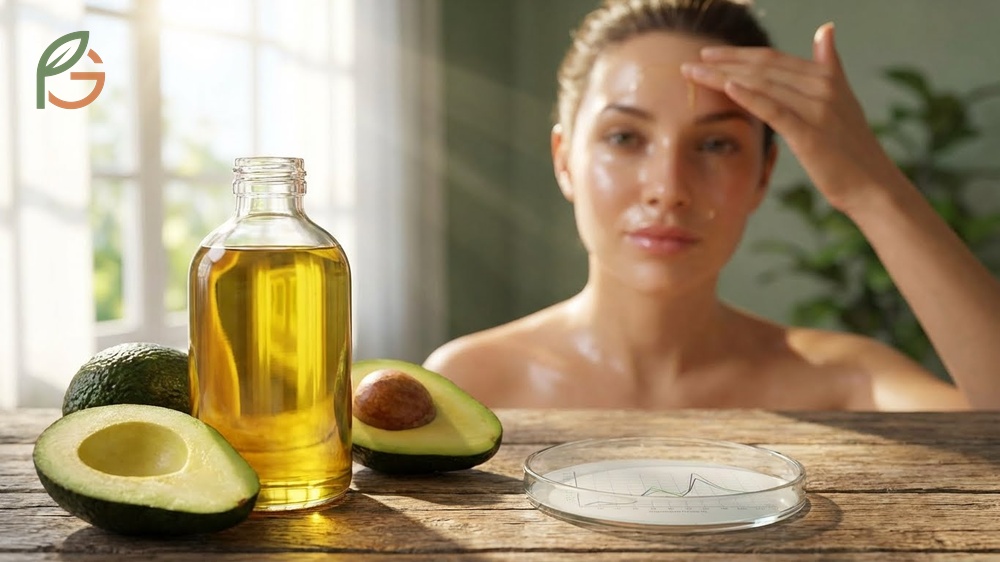
Clinical studies reveal multiple ways avocado oil improves skin health beyond basic moisturization. A pilot study tracking women over 8 weeks found that avocado consumption increased elasticity and firmness at the forehead compared to baseline measurements[3]. The avocado group showed significant increases in forehead skin firmness when compared to the control group.
Research demonstrates avocado oil’s effects work through multiple mechanisms. The omega-3 and omega-6 fatty acids enhance collagen production, improving scar texture over time. Lecithin supports cellular repair, making the oil particularly effective for wound healing and reducing the appearance of existing scars.
Deep Moisturization
Evidence indicates avocado oil reduces transepidermal water loss more effectively than many commercial moisturizers. A Korean study measuring moisture levels on heels and elbows found subjects who applied avocado oil mist twice daily for 7 days showed measurable improvements in skin hydration[6]. The control group using mist without avocado oil didn’t experience the same benefits.
This works because the oil’s fatty acid profile mimics the skin’s natural lipid barrier. When you apply it to dry patches around the nose, cheeks, or forehead, it fills gaps in the barrier rather than just sitting on top. Most users notice softer skin within the first week of consistent use.
Collagen Production
The connection between avocado oil and collagen extends beyond topical application. Studies show the unsaponifiable compounds in avocado oil directly influence collagen metabolism in skin tissue[2]. These compounds include phytosterols and fatty alcohols that stimulate collagen synthesis while maintaining skin structure.
Regular massage of avocado oil into fine lines and wrinkles supports elasticity improvements over 4-8 weeks. The vitamin A content accelerates cell turnover, while vitamin E protects newly formed collagen from oxidative damage. This combination explains why avocado oil appears in many anti-aging formulations.
Anti-Inflammatory Effects
Phytosterols in avocado oil, especially beta-sitosterol, reduce inflammatory responses in skin tissue. Research published in dermatology journals indicates these bioactive compounds help soothe conditions like eczema, psoriasis, and minor irritation. The anti-inflammatory properties work by modulating immune responses at the cellular level.
Chlorophyll content adds additional soothing effects, making the oil useful after sun exposure or chemical treatments. While it doesn’t replace sunscreen, the polyhydroxylated fatty alcohols provide modest UV defense. Most dermatologists recommend applying a thin layer to irritated skin or dry patches twice daily for optimal results.
- Reduces redness associated with eczema and dermatitis through phytosterol action
- Calms inflamed acne when combined with tea tree oil due to antimicrobial properties
- Soothes post-procedure skin after chemical peels or laser treatments
- Minimizes irritation from harsh weather conditions like wind or cold
- Supports healing of minor burns and abrasions by reducing inflammatory cell infiltration
Skin Type Consideration: If you have very oily or acne-prone skin, start with a patch test. Avocado oil has a comedogenic rating of 2-3, meaning it may cause breakouts in some individuals when used in high concentrations.
Avocado Oil Uses for Skin
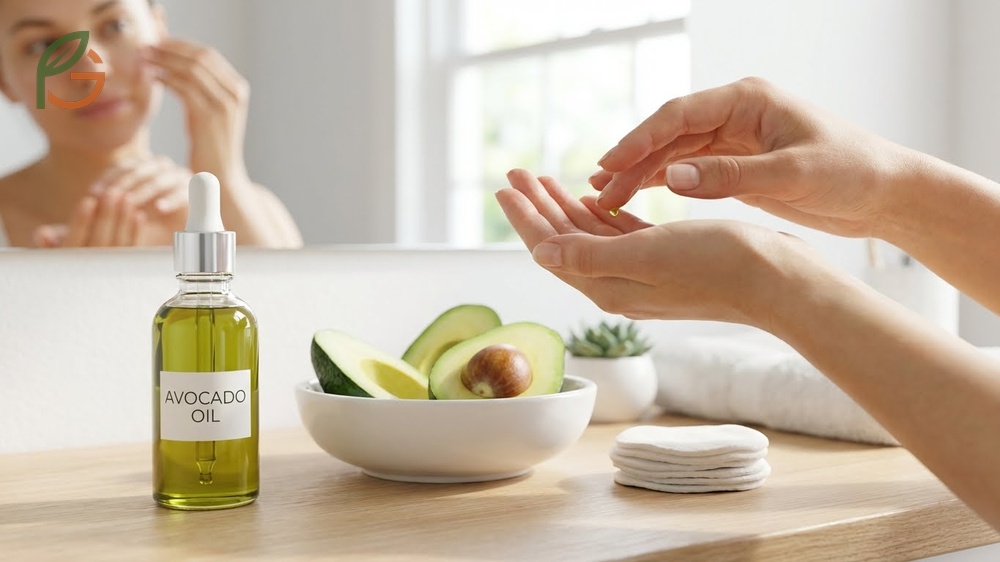
You can incorporate avocado oil into multiple skincare routines depending on your specific needs. For facial moisturizing, apply 2-3 drops onto clean skin after serum application. Warm the oil between your fingertips first—this makes application easier and helps absorption. Gently press into your face using upward, circular motions rather than rubbing.
As a makeup remover, saturate a cotton pad with avocado oil and massage over your face to dissolve makeup. This method works particularly well for waterproof mascara and long-wear foundation. Rinse with lukewarm water afterward, then follow with your regular cleanser if needed.
For lip care, apply a small amount directly to chapped lips or mix with sugar to create an exfoliating scrub. The vitamin E content helps heal cracked lips faster than petroleum-based products. Many users keep a small bottle of avocado oil in their bathroom specifically for this purpose.
Body Applications
Rough patches on elbows, knees, and heels respond particularly well to avocado oil treatment. Massage 3-4 drops onto these areas daily, focusing on callused or dry spots. Evidence from moisture measurement studies shows visible improvements within one week of consistent twice-daily application[6].
Create a body scrub by mixing half a cup of coarse sugar with 2 tablespoons of avocado oil. Add a few drops of peppermint essential oil for a refreshing scent and additional antimicrobial benefits. Massage onto damp skin in circular motions before showering, then rinse thoroughly.
Targeted Treatments
For wound healing and scar reduction, apply avocado oil directly to affected areas twice daily. The lecithin content fosters cellular repair, while omega fatty acids support collagen formation. Most people notice scars becoming less visible after 6-8 weeks of continuous use.
Environmental protection benefits come from layering a few drops under your sunscreen. This doesn’t replace SPF protection but provides extra antioxidant defense against UV-induced free radical damage. The beta carotene and vitamin E work synergistically to minimize oxidative stress from sun exposure.
- Apply to stretch marks during pregnancy to improve skin elasticity and reduce appearance
- Use on surgical scars once wounds have closed to accelerate healing and minimize scarring
- Massage into age spots or hyperpigmentation areas to support cell turnover
- Treat razor burn or ingrown hairs by applying immediately after shaving
- Soothe sunburn by mixing with aloe vera gel for enhanced cooling and repair
- Strengthen brittle nails by massaging into cuticles and nail beds nightly
How to Use Avocado Oil on Face
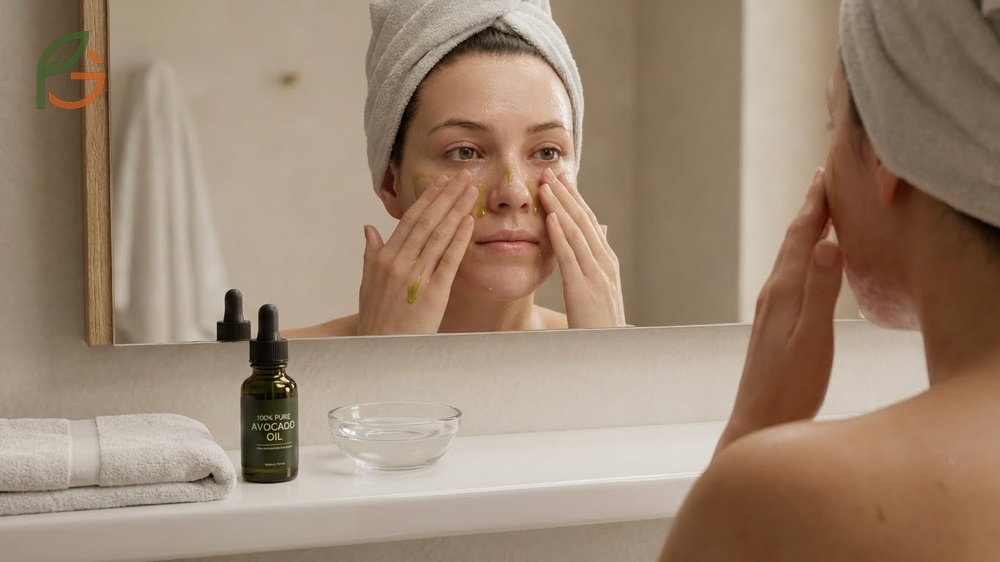
Start with thoroughly cleansed skin to ensure maximum absorption. Pat your face dry, leaving it slightly damp—this helps lock in moisture when you apply the oil. Warm 2-3 drops between your fingertips for about 10 seconds before application. The warmth helps the oil spread more evenly and absorb faster.
Press the oil into your skin using upward, circular motions rather than dragging or pulling. Focus on dry or irritated areas like the sides of your nose, around your mouth, or on your forehead. Allow 2-3 minutes for full absorption before applying any additional products.
For nighttime use, apply avocado oil as the last step in your routine. The oil creates a protective seal that prevents moisture loss while you sleep. Wash your face the following morning with a gentle cleanser to remove any residue.
If you’re addressing signs of aging, layer avocado oil with products containing retinol or peptides. Apply the active ingredient first, wait 2-3 minutes, then seal with avocado oil. This method enhances penetration of anti-aging compounds while preventing irritation from stronger ingredients.
Create a DIY face mask by blending 1 tablespoon of avocado oil with 1 teaspoon of honey and half a mashed avocado. Apply this mixture to clean skin for 15 minutes, then rinse with warm water. Use this treatment once weekly for enhanced hydration and nutrient delivery.
Patch Test Required: Before using avocado oil on your face, test it on a small area like your inner wrist or behind your ear. Wait 24 hours to check for allergic reactions or irritation, especially if you have sensitive skin or known avocado allergies.
For acne-prone skin, combine a small amount of avocado oil with tea tree oil to reduce bacteria and inflammation. Use this blend sparingly—apply only to affected areas rather than your entire face. The antimicrobial properties of tea tree oil balance avocado oil’s slightly higher comedogenic rating.
- Use only 2-3 drops for your entire face to avoid over-application and greasiness
- Apply after water-based serums but before heavier creams in your skincare routine
- Mix one drop with your regular moisturizer if you find pure oil too heavy
- Store your avocado oil in a cool, dark place to prevent oxidation and rancidity
- Choose cold-pressed, organic varieties labeled “extra virgin” for maximum nutrient retention
Avocado Oil vs Coconut Oil for Skin
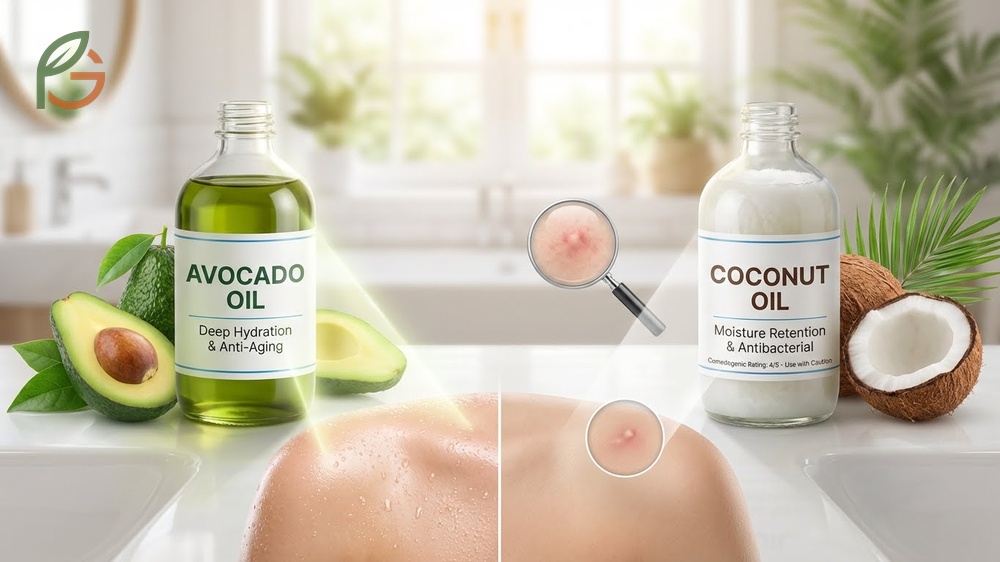
These two popular plant oils differ significantly in their effects on skin. Avocado oil excels at deep hydration and anti-aging applications due to its higher content of antioxidants and vitamins. Coconut oil provides effective moisture retention and antibacterial properties but can disrupt skin balance in some users.
The comedogenic rating difference matters most for acne-prone individuals. Coconut oil scores 4 out of 5 on the comedogenic scale, meaning it’s highly likely to clog pores and trigger breakouts. Avocado oil rates 2-3, making it safer for most skin types when used appropriately.
Absorption patterns vary considerably between these oils. Avocado oil penetrates deeply into skin layers due to its oleic acid structure. Coconut oil tends to sit on the skin’s surface, creating a protective barrier but potentially trapping bacteria and sebum underneath.
This table compares avocado oil and coconut oil across comedogenic rating, primary benefits, best applications, and skin type suitability for skincare use
| Property | Avocado Oil | Coconut Oil |
|---|---|---|
| Comedogenic Rating | 2-3 (low to moderate risk) | 4 (high risk of clogging pores) |
| Primary Benefits | Deep hydration, anti-aging, collagen support | Surface moisture retention, antibacterial properties |
| Absorption | Penetrates deep into skin layers | Sits on skin surface as protective barrier |
| Best For | Dry, sensitive, mature skin; anti-aging treatments | Very dry patches, body moisturizing, wound protection |
| Avoid If | Severely oily or highly acne-prone skin | Oily, acne-prone, or combination facial skin |
For anti-aging purposes, avocado oil delivers superior results. Its vitamins A, D, and E work together to reduce wrinkle appearance and improve elasticity. While coconut oil also has anti-aging properties, research shows it’s less potent compared to avocado oil’s comprehensive nutrient profile.
Your skin type determines which oil works better for you. If you have very dry or sensitive skin, avocado oil makes the better choice due to its deep penetration and soothing properties. Choose coconut oil when you need a protective barrier for extremely dry body areas or when treating minor wounds requiring antimicrobial protection.
- Choose avocado oil for facial moisturizing if you’re over 30 or concerned about wrinkles
- Use coconut oil for body moisturizing after showers when you need long-lasting surface protection
- Pick avocado oil for under-eye treatments due to its gentler, less pore-clogging formula
- Apply coconut oil to cracked heels or extremely rough patches that need intensive barrier repair
- Select avocado oil when mixing with active ingredients like retinol or vitamin C serums
Conclusion
The evidence is clear: avocado oil for skin delivers measurable benefits through multiple mechanisms—from boosting collagen production to reducing inflammation and improving moisture retention. Clinical studies confirm its 62% lipid content and vitamin-rich profile make it superior to many commercial moisturizers for dry, mature, or sensitive skin types.
Current guidance emphasizes choosing cold-pressed, organic avocado oil for maximum nutrient retention. Apply 2-3 drops to clean skin daily, focusing on areas needing extra hydration or repair. FruitGarden recommends patch testing before full facial application and adjusting usage based on your skin’s response over the first 2-3 weeks.
Medical Disclaimer
Important Medical Disclaimer: This content is for informational and educational purposes only. It is not intended as a substitute for professional medical advice, diagnosis, or treatment. Always consult a qualified dermatologist or healthcare professional before making any changes to your skincare routine, especially if you have existing skin conditions, allergies, or sensitivities. Discontinue use and seek medical attention if you experience adverse reactions.
Frequently Asked Questions
Is Avocado Oil Good for Your Skin Daily?
Yes, daily use is safe for most skin types when applied in small amounts. Research shows consistent application over 8 weeks improves firmness and elasticity without causing adverse effects[3]. Start with 2-3 drops once daily, then increase to twice daily if your skin tolerates it well.
What Is Avocado Oil Good For on Face?
Avocado oil works best for deep moisturization, reducing fine lines, and soothing irritated facial skin. Its oleic acid content penetrates the moisture barrier more effectively than lighter oils, delivering vitamins A, D, and E to deeper skin layers[4]. Most users notice improved texture within 2-3 weeks of nightly application.
Does Avocado Oil Clog Pores?
Avocado oil has a comedogenic rating of 2-3, indicating low to moderate risk of clogging pores. It’s generally safe for normal and dry skin types but may cause breakouts in highly acne-prone individuals when used in concentrated amounts. Dilute with lighter oils or use sparingly if you’re concerned about pore-clogging.
Can I Use Avocado Oil With Other Skincare Products?
Yes, avocado oil works well when layered with other products. Apply water-based serums first, then add avocado oil to seal in moisture and enhance ingredient penetration. It pairs particularly well with retinol, vitamin C, and peptides for enhanced anti-aging effects. Avoid mixing with heavy creams that might block absorption.
How Long Does Avocado Oil Take to Work on Skin?
Most people notice immediate hydration effects within 2-3 minutes of application. For deeper benefits like improved firmness and collagen support, research indicates 4-8 weeks of consistent daily use produces measurable results[3]. Scar reduction and wrinkle improvements typically require 6-12 weeks of twice-daily application.
Should I Use Cold-Pressed or Refined Avocado Oil?
Always choose cold-pressed, unrefined avocado oil for skincare. Cold pressing preserves heat-sensitive vitamins and antioxidants that provide skin benefits[5]. Refined oils lose beneficial compounds during processing and deliver fewer therapeutic effects. Look for labels stating “extra virgin” or “cold-pressed” when purchasing.
Can Avocado Oil Replace My Regular Moisturizer?
For dry or mature skin types, avocado oil can work as a standalone moisturizer when used correctly. Apply 2-3 drops to damp skin after cleansing for best results. However, combination or oily skin types benefit more from using it as a supplement to lighter moisturizers rather than a complete replacement. Listen to your skin’s needs and adjust accordingly.