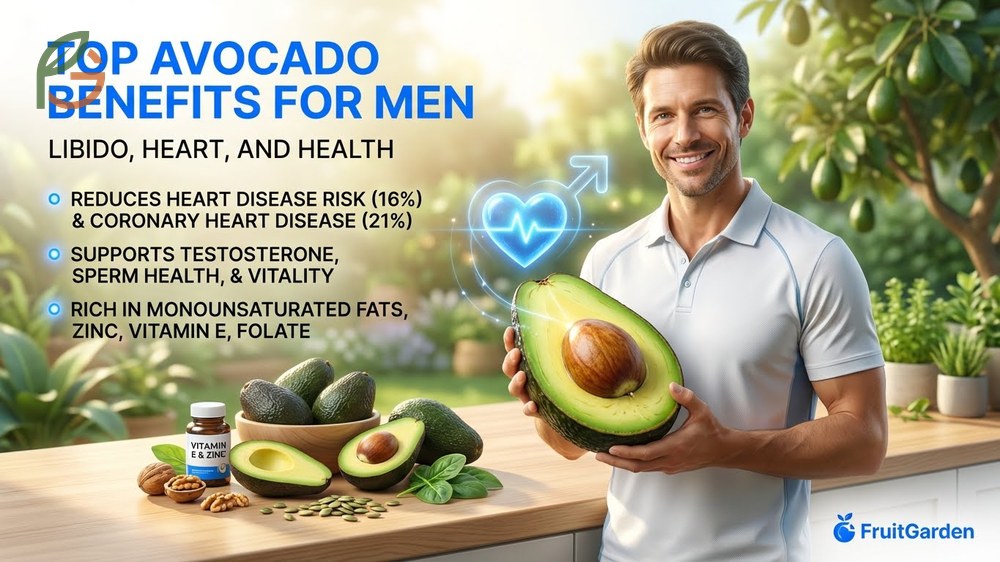
Avocado benefits for men extend far beyond basic nutrition. Research shows that eating two servings weekly reduces cardiovascular disease risk by 16% and coronary heart disease by 21%[1]. This nutrient-dense fruit delivers monounsaturated fats, zinc, vitamin E, and folate—all critical for testosterone production, sperm health, and male vitality. FruitGarden synthesizes current nutritional research and evidence-based guidance to help men maximize avocado’s powerful health advantages.
Quick Answer
- One whole avocado provides 240 calories, 15g monounsaturated fat[2], and 10g fiber[2]
- Men eating 2 servings per week show 21% lower coronary heart disease risk[1]
- Contains zinc and vitamin B6 essential for testosterone synthesis[3] and male hormone balance
- Vitamin E and folate support sperm quality and motility[4], protecting reproductive cells from oxidative damage
Avocado Benefits for Men
Studies demonstrate that avocados deliver comprehensive health advantages specifically beneficial to men’s physiology. The fruit’s unique nutritional profile—combining monounsaturated fats with essential micronutrients—supports cardiovascular function, hormonal balance, and reproductive health simultaneously.
Data from the Nurses’ Health Study and Health Professionals Follow-Up Study, which tracked over 100,000 adults, reveals significant cardiovascular protection for regular avocado consumers[1]. Men who consumed at least two servings weekly experienced measurable reductions in heart disease incidence compared to those eating avocados less frequently.
Half an avocado provides 60mg of folate, 1.3mg of vitamin E, and 0.3mg of zinc[5]. These nutrients work synergistically to support cellular health, immune function, and reproductive processes critical to male vitality.
Heart Health Protection
Cardiovascular benefits represent one of avocado’s most scientifically validated advantages for men. The predominant fat—oleic acid, a monounsaturated fatty acid—actively reduces LDL cholesterol levels while maintaining or increasing HDL cholesterol[6].
Research indicates replacing saturated fat sources like margarine, cheese, and processed meats with avocado amplifies cardiovascular protection. Men who made this dietary substitution showed greater risk reduction than those who simply added avocados without replacing less healthy fats[6].
The potassium content—345mg per half avocado[5]—supports healthy blood pressure regulation. Combined with virtually zero sodium, avocados create an ideal nutritional environment for cardiovascular function.
- Monounsaturated fats reduce harmful LDL cholesterol oxidation
- Potassium balances sodium levels and supports blood pressure control
- Fiber improves cholesterol metabolism and arterial health
- Phytosterols block dietary cholesterol absorption in the intestines
- Anti-inflammatory compounds protect arterial wall integrity
Hormonal Support Mechanisms
Avocados contain specific nutrients that directly influence male hormone production and regulation. Zinc plays a crucial role in testosterone synthesis, while vitamin B6 regulates steroid hormone pathways and neurotransmitter function[3].
The monounsaturated fats provide building blocks for steroid hormone production, including testosterone. Current evidence suggests these healthy fats improve hormone absorption and utilization throughout the body’s endocrine system.
Important Note: While avocados support hormonal health through nutrient provision, they work best as part of a balanced diet that includes diverse protein sources, vegetables, and whole grains. No single food can compensate for poor overall dietary patterns.
Avocado Benefits for Men Testosterone
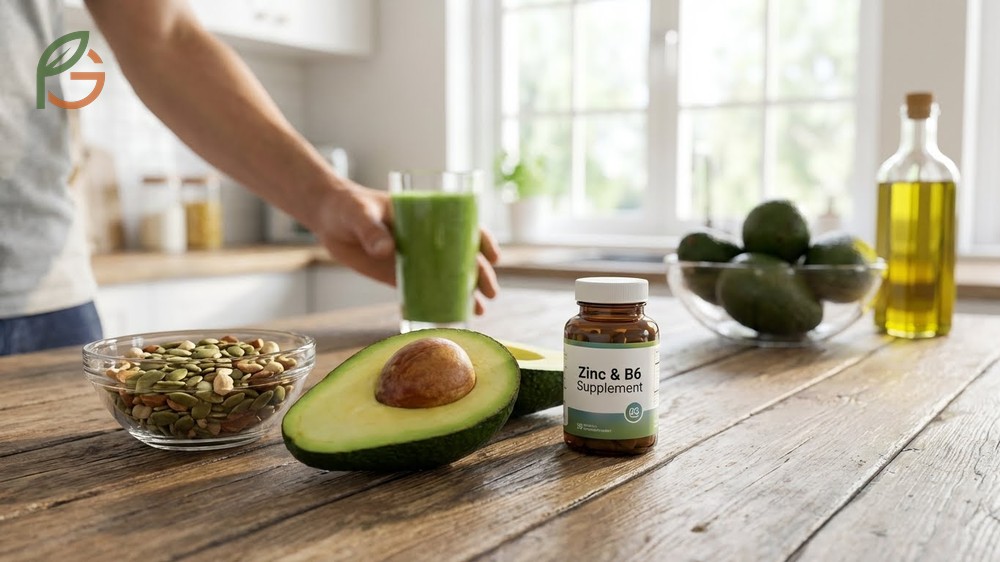
Evidence indicates that avocado consumption supports healthy testosterone levels through multiple nutritional pathways. The combination of zinc, vitamin B6, and monounsaturated fats creates an optimal environment for androgen production and hormonal balance.
Testosterone—the primary male sex hormone—depends on adequate zinc availability for synthesis. Research shows that zinc deficiency correlates with reduced testosterone production and compromised reproductive function in men.
Zinc and Testosterone Production
Zinc functions as a critical cofactor in the enzymatic pathways that convert cholesterol into testosterone. Current data demonstrates that men with higher zinc intake maintain more stable testosterone levels throughout aging[3].
While avocados don’t contain exceptionally high zinc levels compared to shellfish or red meat, they provide this mineral alongside complementary nutrients that enhance absorption and utilization. The fat content facilitates zinc transport across intestinal membranes.
Healthy Fats for Hormone Synthesis
Steroid hormones, including testosterone, originate from cholesterol molecules. The monounsaturated fats in avocados support this biochemical process by providing substrate for hormone precursors and maintaining cell membrane fluidity.
Studies on fat intake patterns reveal that men consuming adequate amounts of monounsaturated fats maintain better hormonal profiles than those following extremely low-fat diets. The 15g of monounsaturated fat per whole avocado[2] contributes meaningfully to this requirement.
- Zinc activates enzymes required for testosterone biosynthesis
- Vitamin B6 regulates steroid hormone receptor sensitivity
- Monounsaturated fats provide cholesterol precursors for androgen production
- Magnesium supports enzymatic reactions in hormone pathways
- Antioxidants protect testicular cells from oxidative damage
Research Context: While avocados support healthy testosterone levels through nutrient provision, they don’t dramatically increase testosterone beyond normal ranges. Men with clinically low testosterone should consult healthcare providers rather than relying solely on dietary interventions.
Avocado Benefits for Men Sperm
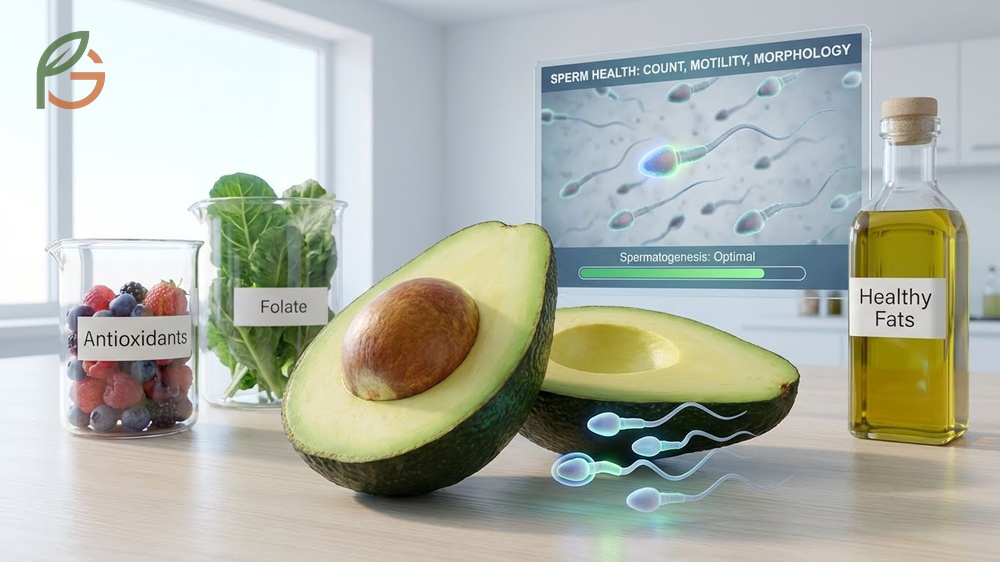
Current research demonstrates that avocado nutrients directly influence sperm health parameters including count, motility, and morphology. The combination of antioxidants, folate, and healthy fats creates conditions favorable for optimal spermatogenesis.
Evidence shows that dietary patterns incorporating higher intakes of fruits, vegetables, and unsaturated fats correlate with improved fertility outcomes[4]. Avocados exemplify this nutritional profile by delivering concentrated amounts of fertility-supporting compounds.
Sperm cells face constant oxidative stress during maturation and transport. The antioxidant network in avocados—particularly vitamin E, vitamin C, and carotenoids—provides critical protection against reactive oxygen species that damage sperm DNA and membranes.
Antioxidant Protection for Sperm
Vitamin E concentration in avocados offers specific benefits for sperm cell integrity. Studies demonstrate that this fat-soluble antioxidant protects sperm membranes from lipid peroxidation, a process that compromises motility and viability[3].
The 1.3mg of vitamin E per half avocado[5] contributes to meeting daily requirements. When combined with vitamin C and other antioxidants present in a balanced diet, this creates comprehensive oxidative defense for reproductive cells.
Folate and Sperm Development
Folate plays a fundamental role in DNA synthesis and cellular division—processes central to sperm production. Research indicates that adequate folate intake correlates with higher sperm counts and better morphology[7].
The 60mg of folate per half avocado[5] represents 15% of the daily recommended intake. This nutrient supports proper chromosome separation during sperm cell division, reducing the risk of genetic abnormalities.
- Vitamin E shields sperm membranes from oxidative damage
- Folate ensures accurate DNA replication during spermatogenesis
- Zinc maintains sperm count and testosterone production
- Monounsaturated fats support sperm membrane fluidity and function
- Antioxidants preserve sperm motility during maturation and transport
- Omega fatty acids improve sperm morphology and viability
Avocado Benefits for Men Skin
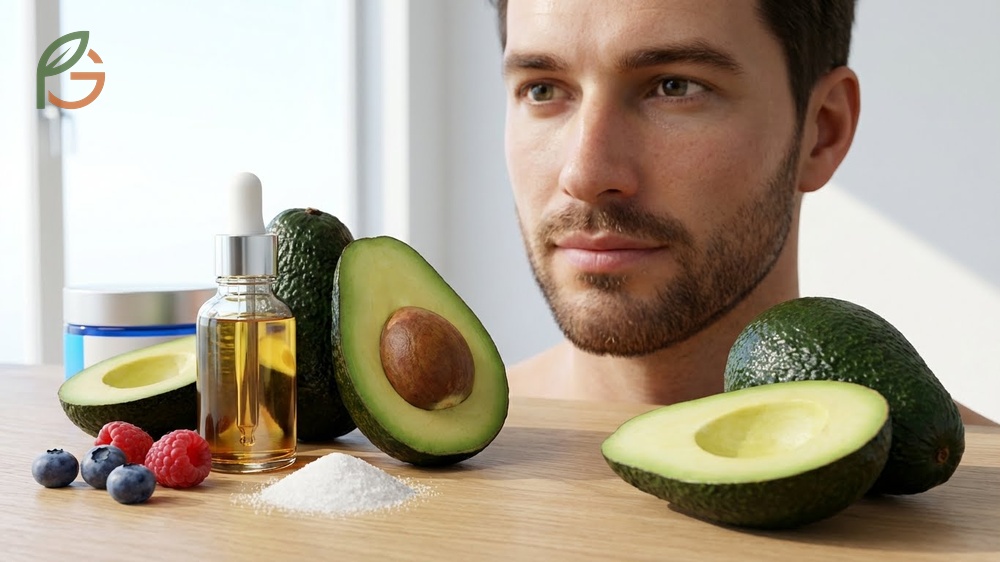
The same nutrients that support internal health also benefit skin appearance and function. Vitamin E, vitamin C, and monounsaturated fats contribute to skin barrier integrity, collagen synthesis, and protection against environmental stressors.
Men’s skin typically produces more sebum and shows different aging patterns than women’s skin. The fatty acids in avocados help balance natural oil production without clogging pores, while antioxidants combat oxidative stress from sun exposure and pollution.
Research shows that dietary intake of healthy fats improves skin hydration and elasticity more effectively than topical applications alone. The vitamin E content provides photoprotection by neutralizing free radicals generated by UV radiation.
- Monounsaturated fats maintain skin lipid barrier function
- Vitamin E protects against UV-induced oxidative damage
- Vitamin C supports collagen synthesis for skin firmness
- Carotenoids provide additional photoprotective compounds
- Healthy fats improve absorption of fat-soluble skin vitamins
Practical Application: For optimal skin benefits, consume avocados regularly rather than sporadically. Consistent nutrient delivery supports ongoing cellular repair and maintenance processes better than intermittent high doses.
Avocado Prostate Health
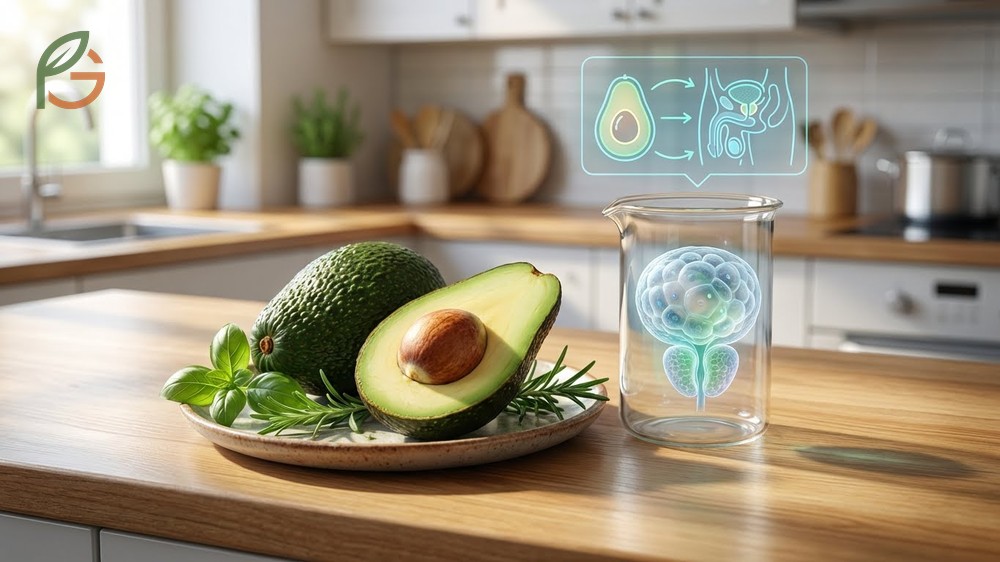
Emerging research suggests that avocado consumption may benefit prostate health through anti-inflammatory mechanisms and cellular protection. The monounsaturated fats and phytosterols influence inflammatory pathways that affect prostate tissue.
Chronic inflammation contributes to prostate enlargement and discomfort in aging men. The oleic acid in avocados demonstrates anti-inflammatory properties that may help modulate immune responses in prostate tissue[3].
Phytosterols—plant compounds structurally similar to cholesterol—may influence prostate cell growth patterns. While more research is needed, current data indicates that diets rich in phytosterols correlate with better prostate health outcomes in population studies.
- Anti-inflammatory fats reduce chronic inflammation in prostate tissue
- Phytosterols may modulate prostate cell growth patterns
- Antioxidants protect prostate cells from oxidative stress
- Vitamin E supports healthy cellular function in reproductive organs
- Fiber aids hormone metabolism through improved gut health
Avocado Libido Boost
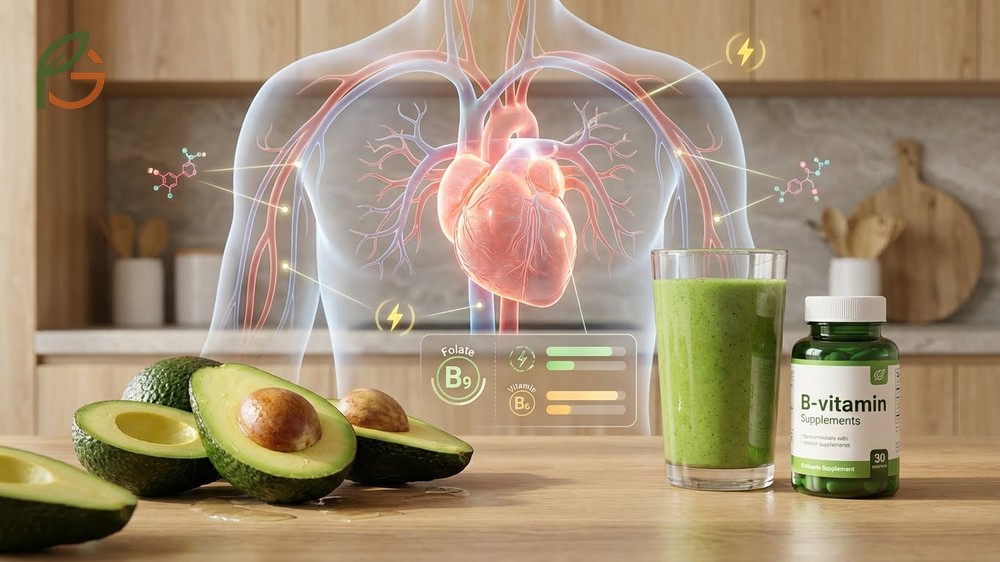
The connection between avocados and libido stems from their comprehensive nutritional support for cardiovascular health, hormone production, and energy metabolism. Sexual function depends on adequate blood flow, balanced hormones, and sustained energy—all influenced by diet.
B vitamins in avocados help regulate energy production at the cellular level. Deficiencies in B vitamins correlate with fatigue and reduced sexual performance[8]. The combination of B6, folate, and pantothenic acid supports neurotransmitter function and metabolic processes crucial for vitality.
Cardiovascular health directly impacts erectile function, as adequate blood flow requires healthy arteries and optimal blood pressure. The heart-protective effects of avocado consumption—particularly improved cholesterol profiles and reduced inflammation—support the vascular mechanisms underlying sexual response.
Folate intake shows specific associations with erectile function in some studies. Research indicates that men with mild to moderate erectile dysfunction experienced improvements with folic acid supplementation[8], suggesting that folate-rich foods like avocados may offer similar benefits.
- Improved cardiovascular health enhances blood flow to reproductive organs
- B vitamins support energy metabolism and reduce fatigue
- Zinc and healthy fats maintain testosterone production
- Folate may improve vascular function related to erectile response
- Antioxidants protect endothelial cells lining blood vessels
- Magnesium supports muscle relaxation and stress reduction
Conclusion
The evidence is clear: avocado benefits for men span cardiovascular protection, hormonal support, reproductive health, and overall vitality. Men who incorporate two servings weekly gain measurable advantages including 21% lower coronary heart disease risk[1], improved nutrient status for testosterone production, and enhanced sperm quality through antioxidant protection.
Current nutritional guidance emphasizes whole food sources of healthy fats, and avocados exemplify this approach. Their unique combination of monounsaturated fats, fiber, vitamins, and minerals delivers synergistic benefits that isolated supplements can’t replicate. FruitGarden encourages men to make avocados a regular part of balanced dietary patterns that support long-term health, recognizing that consistent intake matters more than occasional consumption.
Medical Disclaimer
Important Medical Disclaimer: This content is for informational and educational purposes only. It’s not intended as a substitute for professional medical advice, diagnosis, or treatment. Always consult a qualified healthcare professional before making any changes to your diet, supplement regimen, or health routine, especially if you have cardiovascular disease, diabetes, hormonal disorders, fertility concerns, or other medical conditions. Individual nutritional needs vary based on age, health status, and medications. Don’t disregard professional medical advice or delay seeking it because of information presented here.
Frequently Asked Questions
How many avocados should men eat per week for health benefits?
Research indicates that eating at least two servings per week—equivalent to one whole avocado or two-thirds of an avocado twice weekly—provides measurable cardiovascular benefits. This intake pattern correlated with 16% lower cardiovascular disease risk and 21% lower coronary heart disease risk in large-scale studies. Men can consume avocados more frequently as part of a balanced diet, adjusting portions to meet individual calorie and macronutrient needs.
Can avocados increase testosterone levels naturally?
Avocados support healthy testosterone production through zinc, vitamin B6, and monounsaturated fats that serve as building blocks for steroid hormones. However, they don’t dramatically elevate testosterone beyond normal physiological ranges. Men with clinically low testosterone (hypogonadism) require medical evaluation and treatment. Avocados work best as part of an overall healthy lifestyle that includes adequate sleep, exercise, stress management, and balanced nutrition.
What’s the best time to eat avocados for maximum benefits?
No specific time optimizes avocado benefits—consistency matters more than timing. Many men find that including avocados at breakfast or lunch provides sustained energy through monounsaturated fats and fiber, which slow digestion and stabilize blood sugar. The fat content enhances absorption of fat-soluble vitamins (A, D, E, K) from other foods eaten at the same meal. Choose timing based on personal preference and daily meal patterns that you can maintain long-term.
Do avocados help with male fertility and sperm count?
Evidence suggests that avocados support male fertility through nutrients essential for sperm production and quality. Vitamin E protects sperm from oxidative damage, folate supports DNA synthesis during spermatogenesis, and zinc maintains healthy sperm count. Studies show that dietary patterns higher in fruits, vegetables, and unsaturated fats correlate with improved sperm motility and morphology. Avocados provide these nutrients in a whole food form that enhances absorption and utilization.
Are avocados good for heart health in men?
Yes, avocados demonstrate significant cardiovascular benefits for men. The predominant monounsaturated fat—oleic acid—reduces LDL cholesterol while maintaining or increasing HDL cholesterol. Research tracking over 100,000 adults found that men eating two servings weekly experienced 21% lower coronary heart disease risk. The potassium content supports healthy blood pressure, while fiber improves cholesterol metabolism. Replacing saturated fat sources with avocados amplifies these cardiovascular advantages.
Can eating avocados improve libido and sexual function?
Avocados support sexual function indirectly through multiple mechanisms. They improve cardiovascular health—essential for erectile function—by enhancing blood flow and arterial health. B vitamins reduce fatigue and support energy metabolism. Zinc and healthy fats maintain testosterone production. Some research indicates folate may benefit men with mild erectile dysfunction. While avocados won’t work like pharmaceutical interventions, they contribute to the overall physiological conditions that support healthy sexual function.
What nutrients in avocados benefit men’s health most?
The most impactful nutrients include monounsaturated fats (15g per whole avocado) for heart and hormone health, fiber (10g) for cholesterol management and gut health, folate (120mg per whole avocado) for DNA synthesis and sperm development, vitamin E for antioxidant protection, zinc for testosterone production, and potassium (690mg per whole avocado) for blood pressure regulation. These nutrients work synergistically—the fats enhance absorption of fat-soluble vitamins while fiber supports beneficial gut bacteria that influence hormone metabolism.