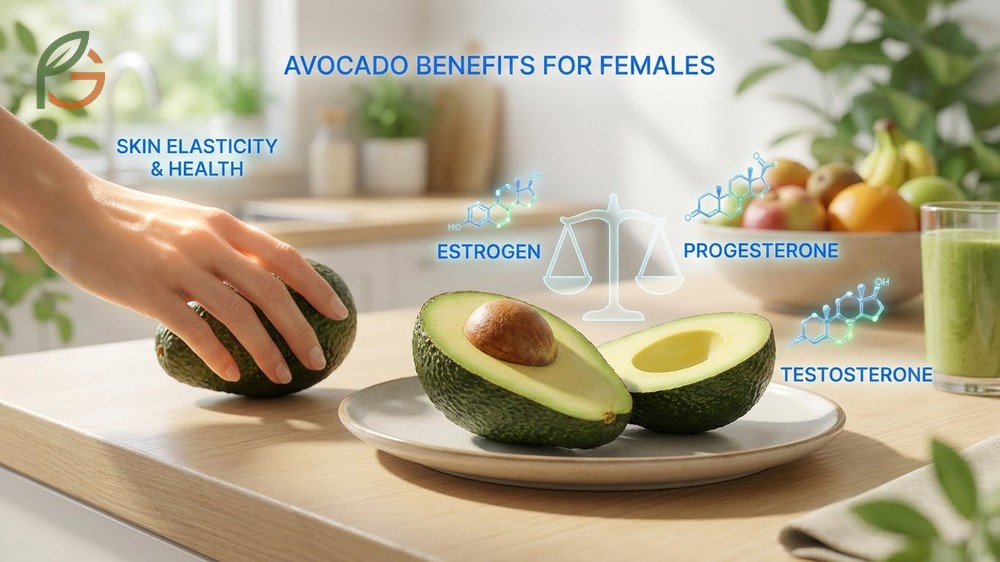
Avocado benefits for females extend from hormonal balance to enhanced skin health. Research demonstrates that this nutrient-dense fruit supports reproductive hormone regulation, increases skin elasticity, and provides essential nutrients for women’s unique health needs.[1][2] Women face distinct hormonal fluctuations throughout their lives, and current evidence shows avocados deliver building blocks for estrogen, progesterone, and testosterone production. FruitGarden synthesizes the latest nutritional research to help you understand how incorporating this fruit supports your wellness goals.
Quick Answer
- One whole avocado provides 27% of daily folate needs[3], critical for female reproductive health
- Daily consumption for 8 weeks increased facial skin elasticity and firmness in healthy women[2]
- Monounsaturated fats support stable insulin levels, helping balance metabolic hormones that fluctuate monthly
- Delivers 28% of daily vitamin E[3], protecting skin cells from oxidative damage
Avocado Benefits for Females
Studies demonstrate that avocados influence digestive and reproductive hormones in ways that benefit women’s health throughout different life stages.[1] The fruit’s monounsaturated fats act as building blocks for sex hormones including estrogen, progesterone, and testosterone. Research shows these healthy fats promote stable insulin levels, preventing blood sugar crashes that disrupt hormonal balance.
Women experience unique nutritional demands that change during menstrual cycles, pregnancy, and menopause. A whole avocado contains 322 calories, 30 grams of fat, and 14 grams of fiber[3], creating sustained satiety without spiking blood sugar. This macronutrient balance supports metabolic hormones that govern energy, mood, and reproductive function.
Current evidence indicates that avocado’s anti-inflammatory compounds reduce oxidative stress affecting female reproductive tissues. Plant-based antioxidant fats work differently than animal fats, helping protect against metabolic diseases women face at higher rates as they age.
Nutrient Profile for Women’s Health
One medium avocado delivers a concentrated dose of nutrients women need in greater amounts. Beyond healthy fats, you’re getting vitamins and minerals that support immune function, bone health, and cellular repair. The nutrient density means you don’t need to eat large quantities to meet daily requirements.
Vitamin C content reaches 22% of daily value per whole avocado[3], supporting collagen production for skin elasticity. Vitamin E works alongside vitamin C to protect skin cell membranes from environmental damage and UV exposure.
- Folate: Critical for DNA synthesis and cell division, especially important for women of reproductive age
- Potassium: Helps regulate blood pressure, reducing risk of pregnancy complications like preeclampsia
- Magnesium: Supports over 300 enzymatic reactions, including hormone synthesis and energy production
- Vitamin B6: Aids neurotransmitter production, potentially easing PMS symptoms
- Lutein: Fat-soluble antioxidant that protects eye health and may benefit infant brain development through breast milk
Hormonal Effects
Research on female reproductive hormones reveals complex interactions with avocado compounds. Studies using ethanolic avocado extracts showed increased estradiol and luteinizing hormone levels in female guinea pigs, suggesting the fruit protects uterine tissue from oxidative stress.[4] While concentrated extracts differ from eating whole avocados, this indicates bioactive constituents influence hormonal pathways.
The monounsaturated fats in avocados provide raw materials your body uses to manufacture steroid hormones. Unlike processed foods that spike insulin, avocados promote stable blood sugar through their fiber and healthy fat content. This stability prevents the cortisol surges that disrupt estrogen and progesterone balance.
Women trying to conceive should note that some research suggests high doses of avocado extracts may affect fertility markers differently than dietary consumption. Current guidance emphasizes moderation and recommends consulting healthcare providers about individual nutritional needs.
Important Note: Avocado extracts used in research differ significantly from eating whole avocados as food. The concentrated compounds in supplements may have different effects than the whole fruit consumed in normal dietary amounts.
Avocado Benefits for Women
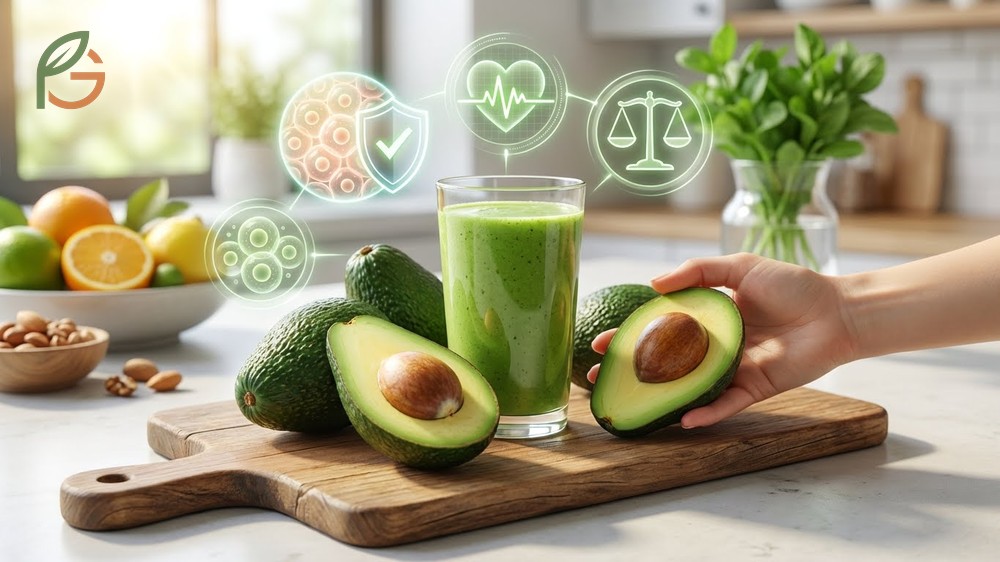
Women’s health extends beyond reproductive function to encompass skin integrity, cardiovascular wellness, and metabolic balance. Avocados address multiple systems simultaneously through their unique nutrient composition. The combination of vitamins C and E creates synergistic antioxidant protection that single nutrients can’t match.
Most people don’t realize that skin aging starts at the cellular level long before visible wrinkles appear. Oxidative damage from sun exposure, pollution, and natural aging processes breaks down collagen and elastin fibers that keep skin firm. The antioxidants and healthy fats in avocados work internally to counteract these effects.
Skin Health and Anti-Aging
A randomized controlled trial involving 39 women aged 27-73 years demonstrated measurable improvements in facial skin after 8 weeks of daily avocado consumption.[2] Researchers measured elasticity and firmness using a cutometer on the forehead and under-eye areas. Participants who ate one avocado daily showed significantly increased firmness markers compared to the control group.
The study didn’t find changes in hydration, pigmentation, or UV resistance during the 8-week period. However, the improvements in elasticity and firmness suggest that avocado’s monounsaturated fatty acids and carotenoids support structural proteins in skin tissue.
Vitamin E functions as a powerful antioxidant protecting cell membranes throughout your body, including skin cells. At 28% of daily value per whole avocado[3], you’re getting meaningful protection against oxidative damage. This vitamin works best when consumed with healthy fats, making avocados an ideal delivery system.
- Monounsaturated fats strengthen the skin barrier, reducing transepidermal water loss
- Vitamin C stimulates collagen synthesis, maintaining skin structure and elasticity
- Vitamin E neutralizes free radicals from UV exposure and environmental pollutants
- Omega-3 fatty acids reduce inflammation that accelerates skin aging
- Carotenoids like lutein and zeaxanthin protect against oxidative stress
- B vitamins support cellular turnover and repair processes
Reproductive Wellness
Female reproductive health depends on adequate nutrient intake to support ovulation, menstrual cycle regulation, and potential pregnancy. Folate plays an essential role in DNA synthesis and cell division, making it critical for women of childbearing age. Studies show that folate from food sources helps regulate menstrual cycles and ovulation while reducing miscarriage risk in women carrying the MTHFR gene variant.
Research indicates that Mediterranean dietary patterns including avocados correlate with a 70% lower risk of ovulatory disorders.[5] This dramatic reduction likely results from the combination of healthy fats, antioxidants, and anti-inflammatory compounds that support hormonal balance.
Timing Matters: Women planning pregnancy should start optimizing folate intake at least 3 months before conception, as this nutrient is critical during the earliest stages of fetal development when many women don’t yet know they’re pregnant.
Pregnancy and Breastfeeding Support

Pregnancy dramatically increases nutritional demands, with requirements for certain vitamins and minerals doubling or tripling. Avocados provide concentrated sources of nutrients needed in higher amounts during gestation and lactation. The fiber content helps prevent gestational diabetes and preeclampsia by stabilizing blood sugar and blood pressure.
Pregnant women need approximately 600 micrograms of folate daily, nearly double the standard recommendation. Unfortunately, many women worldwide fall short of this target, increasing risks of neural tube defects and other complications. Just half an avocado delivers 14% of daily folate needs during pregnancy.[3]
Folic Acid Benefits
Folate from food sources works differently than synthetic folic acid supplements, though both forms support fetal development. The natural folate in avocados gets absorbed and metabolized through pathways your body evolved to handle. Research shows that adequate folate intake reduces risks of spina bifida, anencephaly, and other serious neural tube defects by 50-70%.
Beyond neural tube protection, folate supports placental development and reduces risks of preterm birth, low birth weight, and cardiac defects in babies. Women with MTHFR gene variants benefit particularly from natural folate sources because their bodies struggle to convert synthetic folic acid into usable forms.
One whole avocado provides approximately 27% of the 600 micrograms pregnant women need daily[3], making it a practical food choice. Combining avocados with leafy greens, legumes, and fortified grains helps you meet requirements without relying solely on supplements.
- Reduces preeclampsia risk through potassium’s blood pressure regulation effects
- Prevents gestational diabetes via stable blood sugar from fiber and healthy fats
- Supports fetal brain and eye development through lutein and healthy fatty acids
- Eases pregnancy constipation with 14 grams of fiber per whole fruit
- Provides sustained energy without blood sugar crashes that trigger nausea
Lactation Nutrition
Breastfeeding mothers need extra calories and nutrients to support milk production and infant growth. Current research examines whether maternal avocado consumption enhances breast milk nutrient profiles, particularly choline and lutein levels that benefit infant brain development.[6] Lutein is fat-soluble, meaning babies absorb it better from breast milk when mothers consume fat-rich foods like avocados.
Studies on maternal diet patterns show that long-chain polyunsaturated fatty acids in breast milk correlate with improved infant growth metrics and better postpartum recovery for mothers. The monounsaturated fats in avocados provide stable energy for breastfeeding women while potentially enhancing milk’s nutritional quality.
Antioxidant content in breast milk varies based on maternal diet, with mothers consuming more fruits and vegetables showing higher levels of protective compounds. Adding avocados during lactation may increase beta carotene, lutein, and zeaxanthin in milk, supporting your baby’s developing immune and visual systems.
PCOS and Hormonal Balance
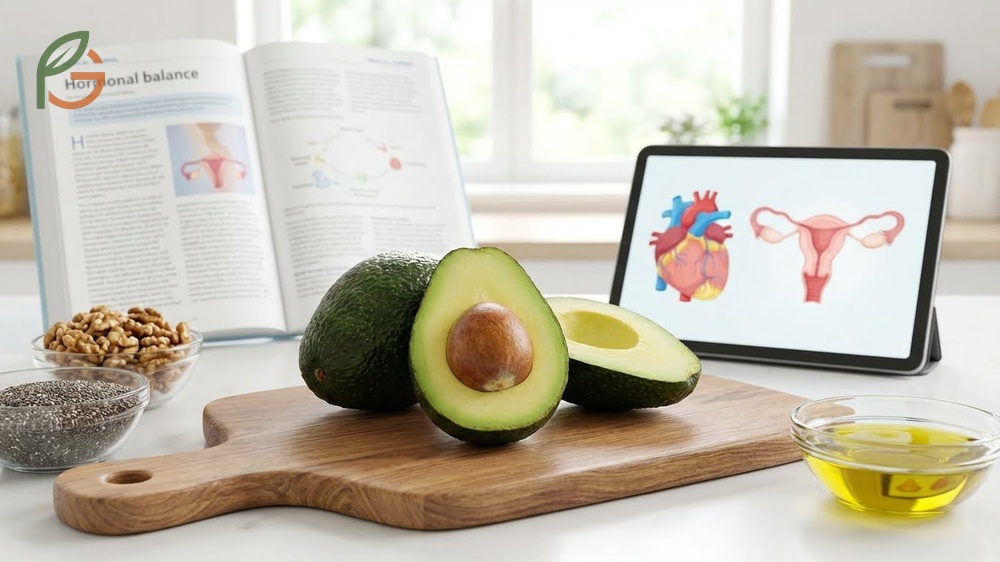
Polycystic ovary syndrome affects up to 10% of women of reproductive age, causing insulin resistance, hormonal imbalances, and increased inflammation. Women with PCOS face higher risks of metabolic syndrome, type 2 diabetes, cardiovascular disease, and certain cancers. Dietary interventions focusing on anti-inflammatory, plant-based fats show promise for managing PCOS symptoms.[7]
Avocados qualify as a PCOS superfood because they address multiple aspects of the syndrome simultaneously. The low carbohydrate content prevents blood sugar spikes that worsen insulin resistance. Monounsaturated fats improve insulin sensitivity, helping cells respond better to insulin signals. This effect reduces the hyperinsulinemia that drives androgen excess and menstrual irregularities in PCOS.
Plant-based antioxidant-rich fats work differently than animal fats in managing PCOS-related inflammation. The omega-3 fatty acids and vitamin E in avocados reduce inflammatory markers that contribute to ovarian dysfunction. Research indicates that shifting from animal fats to plant fats like those in avocados helps protect against metabolic complications women with PCOS develop.
This table compares how avocado nutrients address different PCOS symptoms including insulin resistance, inflammation, and hormone imbalance
| Nutrient | Amount per Whole Avocado | PCOS Benefit |
|---|---|---|
| Monounsaturated Fats | 20g | Improves insulin sensitivity and reduces inflammation |
| Fiber | 14g[3] | Slows glucose absorption, preventing insulin spikes |
| Vitamin E | 28% DV[3] | Reduces oxidative stress affecting ovarian function |
| Magnesium | 58mg | Supports glucose metabolism and hormone synthesis |
| Net Carbs | 3g (after fiber) | Low carb profile helps manage insulin levels |
- Replace high-carb breakfast foods with avocado toast on sprouted grain bread to stabilize morning blood sugar
- Add half an avocado to smoothies for sustained energy without glucose spikes
- Use mashed avocado instead of mayonnaise in salads to increase anti-inflammatory fats
- Pair avocado with lean protein at meals to maximize satiety and insulin sensitivity
- Include avocado in low-glycemic meal plans designed for PCOS management
Personalized Approach: PCOS presents differently in each woman, so dietary changes should complement medical treatment rather than replace it. Track how avocados affect your specific symptoms and adjust intake based on your body’s response.
How to Incorporate Avocados
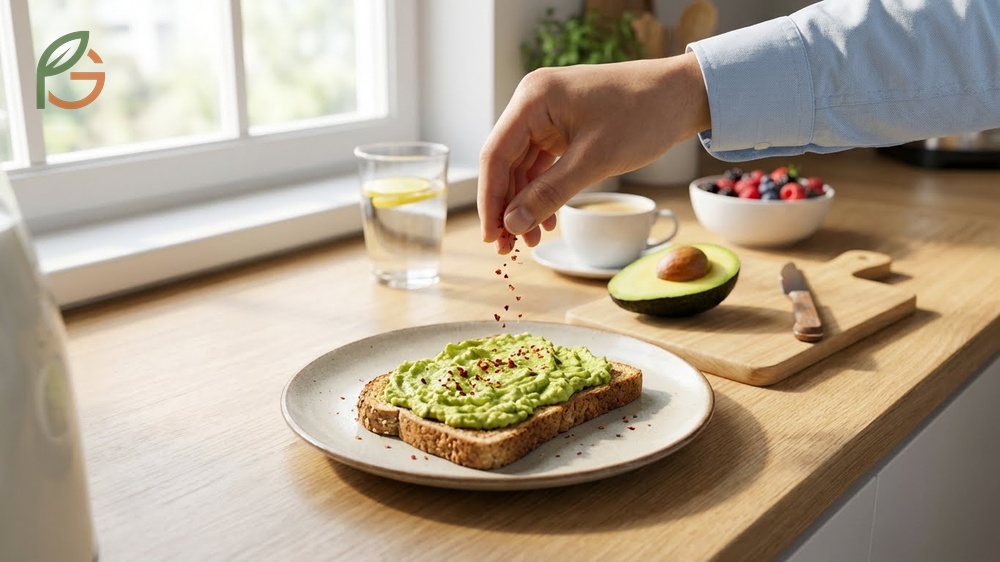
Making avocados a regular part of your diet doesn’t require complicated recipes or extensive meal prep. The key is finding simple, sustainable ways to add this nutrient-dense fruit to meals you already enjoy. Most women find success when they establish a consistent routine rather than trying to eat large amounts sporadically.
For breakfast, spreading half an avocado on whole grain toast provides sustained energy that carries you through mid-morning without cravings. The fiber and fat combination slows digestion, preventing the blood sugar crash that happens after carb-heavy breakfasts. Add a poached egg for complete protein and additional nutrients supporting hormone production.
Lunch options include adding sliced avocado to salads, sandwiches, or grain bowls. The healthy fats help you absorb fat-soluble vitamins from vegetables like carrots, tomatoes, and leafy greens. Research shows that salads eaten with avocado increase carotenoid absorption by 2.6 to 15 times compared to salads without fat.
Smoothies offer another practical avenue for daily avocado consumption. Blending half an avocado with berries, spinach, and protein powder creates a creamy texture without dairy while delivering nutrients that support skin health and hormonal balance. The neutral flavor of avocado won’t overpower fruit and vegetable tastes.
For snacks, try slicing avocado and sprinkling it with sea salt and lime juice, or mash it into guacamole with tomatoes, onions, and cilantro. Keep ripe avocados in the refrigerator to slow ripening and extend their usability by several days.
- Press gently near the stem—ripe avocados yield to gentle pressure without feeling mushy
- Ripen hard avocados at room temperature for 3-5 days, checking daily for readiness
- Refrigerate ripe avocados to maintain quality for up to 5 additional days
- Freeze mashed avocado in ice cube trays for adding to smoothies later
- Brush cut avocado surfaces with lemon or lime juice to prevent browning
- Store leftover halves with the pit still attached and wrap tightly in plastic wrap
Conclusion
The evidence is clear: avocado benefits for females span from hormonal regulation to enhanced skin elasticity, making this fruit valuable for women’s health at every life stage. Research demonstrates measurable improvements in skin firmness, substantial folate content for reproductive wellness, and anti-inflammatory compounds that support PCOS management. The unique combination of monounsaturated fats, vitamins, and minerals addresses multiple body systems simultaneously.
Current guidance emphasizes incorporating whole food sources of nutrients rather than relying solely on supplements. FruitGarden encourages women to view avocados as part of a balanced dietary pattern rich in fruits, vegetables, whole grains, and lean proteins that together support optimal health outcomes.
Medical Disclaimer
Important Medical Disclaimer: This content is for informational and educational purposes only. It’s not intended as a substitute for professional medical advice, diagnosis, or treatment. Always consult a qualified healthcare professional before making any changes to your diet, medication, or health routine, especially if you have hormonal disorders, PCOS, are pregnant, breastfeeding, or have other medical conditions. Individual nutritional needs vary, and what works for one woman may not be appropriate for another.
Frequently Asked Questions
Can Avocados Help Balance Female Hormones?
Research shows that avocados provide monounsaturated fats your body uses as building blocks for estrogen, progesterone, and testosterone production. The low-carb, high-fiber profile promotes stable insulin levels, preventing blood sugar crashes that disrupt hormonal balance. Studies indicate that avocado compounds may influence reproductive hormone levels, though more research on dietary consumption versus concentrated extracts is needed.
How Much Avocado Should Women Eat Daily for Skin Benefits?
A clinical trial demonstrated that eating one whole avocado daily for 8 weeks significantly increased facial skin elasticity and firmness in women. Half an avocado (about 100 grams) provides substantial nutrients supporting skin health, including vitamins C and E that protect against oxidative damage. Most women can start with half an avocado daily and adjust based on their caloric needs and overall diet.
Are Avocados Safe During Pregnancy and Breastfeeding?
Yes, avocados are safe and beneficial during pregnancy and breastfeeding when consumed as food. One avocado provides 27% of daily folate needs critical for preventing neural tube defects. The fiber helps prevent gestational diabetes and preeclampsia, while healthy fats may enhance breast milk quality. Always wash avocados thoroughly before cutting, and consult your healthcare provider about your specific nutritional needs.
Do Avocados Help With PCOS Symptoms?
Avocados can support PCOS management through multiple mechanisms. The low carbohydrate content and high fiber help stabilize insulin levels, addressing the insulin resistance central to PCOS. Monounsaturated fats reduce inflammation and improve insulin sensitivity, while antioxidants protect against oxidative stress affecting ovarian function. However, dietary changes should complement medical treatment rather than replace it.
What Vitamins in Avocados Benefit Women’s Health Most?
Folate stands out as the most critical vitamin for women, especially those of reproductive age, providing 27% of daily needs per whole avocado. Vitamin E offers powerful antioxidant protection at 28% of daily value, defending skin and reproductive tissues from oxidative damage. Vitamin C supports collagen synthesis for skin elasticity, while B vitamins aid hormone production and energy metabolism.
Can Eating Avocados Improve Hair Growth in Women?
While no direct studies prove avocados stimulate hair growth, they contain nutrients that support healthy hair. The monounsaturated fats nourish hair follicles, while vitamin E improves scalp circulation and protects against oxidative stress. B vitamins support cellular turnover, and biotin aids keratin production. Hair health reflects overall nutritional status, so avocados contribute as part of a balanced diet rich in diverse nutrients.
When Is the Best Time to Eat Avocado for Hormonal Balance?
Eating avocado at breakfast helps stabilize blood sugar throughout the day, preventing insulin spikes that disrupt hormonal balance. The combination of healthy fats and fiber provides sustained energy for 4-5 hours, reducing mid-morning cravings. Including avocado with meals containing fat-soluble vitamins maximizes nutrient absorption. Consistency matters more than timing—aim to include avocado in your diet 4-7 times weekly for cumulative benefits.