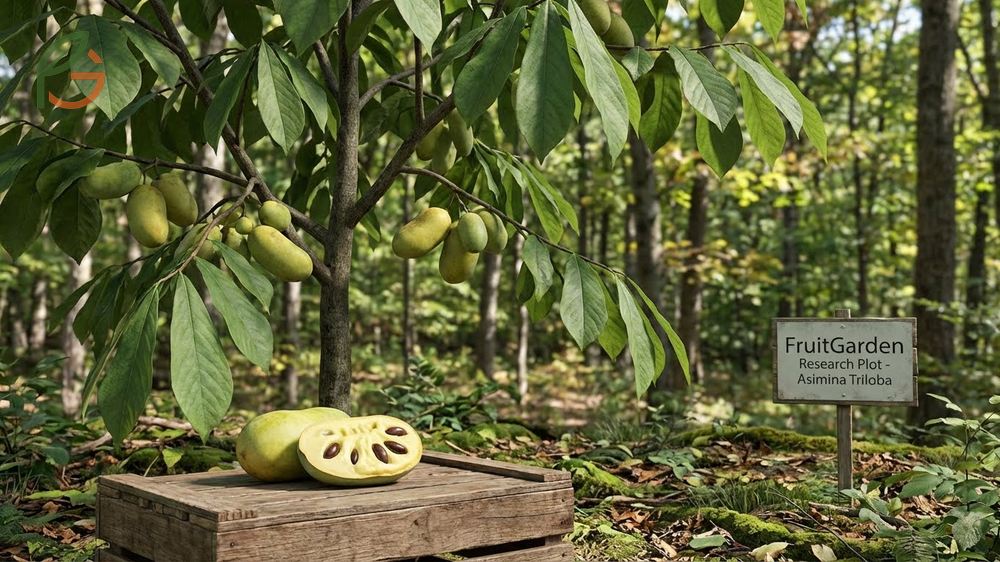
Asimina triloba paw paw is North America’s largest native fruit tree, reaching 15-30 feet tall and thriving in USDA hardiness zones 5-8[1]. Research shows this unique temperate fruit produces custard-like fruits with tropical flavors despite growing in Eastern deciduous forests. FruitGarden synthesizes current horticultural data to help you successfully cultivate this remarkable native species in your backyard orchard.
Quick Answer
Asimina Triloba Paw Paw: Native Range and Characteristics
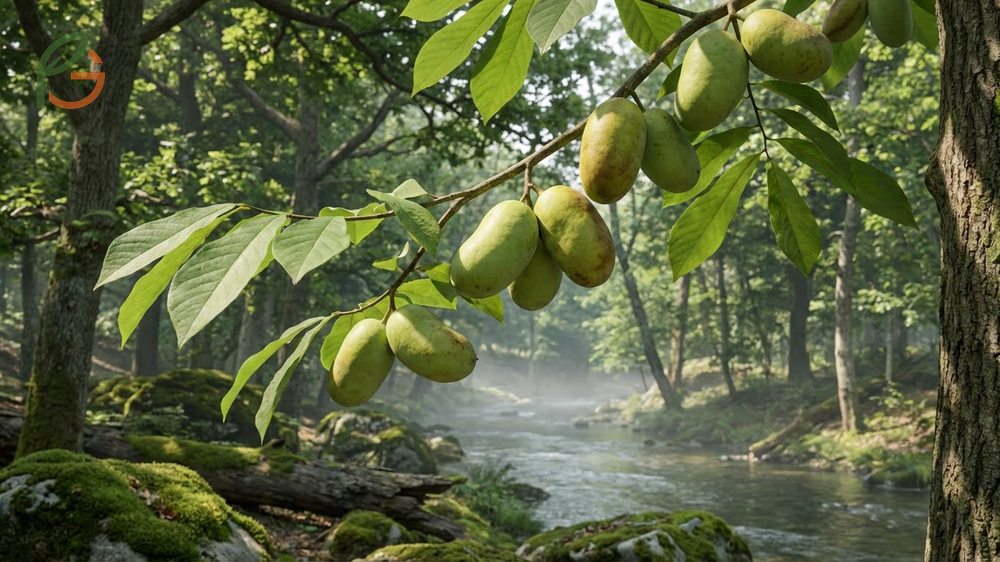
The asimina triloba paw paw belongs to the Annonaceae family, making it the only temperate member of a primarily tropical fruit group. This deciduous understory tree adapted to North American climates over thousands of years, developing cold hardiness while retaining tropical fruit characteristics. Studies demonstrate that paw paws survived the last ice age in protected river valleys, allowing them to colonize the eastern United States as glaciers receded.
Most people don’t realize that paw paws were a crucial food source for Indigenous peoples and early settlers across the Eastern seaboard. Wildlife like opossums, raccoons, and squirrels rely on the fruits for fall nutrition, dispersing seeds throughout floodplain forests. The tree produces natural pesticides called annonaceous acetogenins in its tissues, making it virtually immune to common orchard pests without chemical treatments[5].
Native Range and Distribution
Paw paw trees grow wild from southern Ontario to northern Florida, and west to eastern Nebraska and Texas. They’re most common in river valleys, floodplains, and rich bottomlands where moisture stays consistent throughout the growing season[1]. The species thrives as an understory tree beneath mature hardwood canopies in young forests.
Agricultural data shows paw paws have been successfully cultivated beyond their native range, including Nova Scotia, Canada, and parts of Europe and Asia. This adaptability stems from their tolerance of both summer humidity and harsh winter cold. Current cultivation extends from zone 4b to zone 9 with proper site selection.
Identifying Paw Paw Leaves
Paw paw leaves measure 6-12 inches long and 3-5 inches wide, making them among the largest simple leaves in temperate forests[6]. Each leaf widens toward the tip rather than the base, creating an obovate shape. The leaves emerge pale green in spring, darken to medium or dark green in summer, then turn golden yellow before dropping late in fall.
The leaves hang down from branches like drooping dog ears, creating a distinctive appearance. Leaf margins lack teeth or serrations, remaining completely smooth. When crushed, the foliage emits a slightly pungent odor from the same defensive compounds that protect the tree from insects.
- Large obovate shape, widest above the middle near the tip
- Smooth, toothless margins with prominent central veins
- Shiny upper surface, paler lower surface in summer
- Drooping arrangement that hangs downward from twigs
- Golden yellow autumn color that persists late in the season
- Slight pungent smell when bruised or crushed
Important Note: Several unrelated species are called “paw paw” in different regions, including the tropical Carica papaya. The asimina triloba paw paw is distinctly different, with large simple leaves and temperate climate adaptation, not tropical papaya’s compound leaves.
Paw Paw Tree Zone Requirements and Growing Conditions
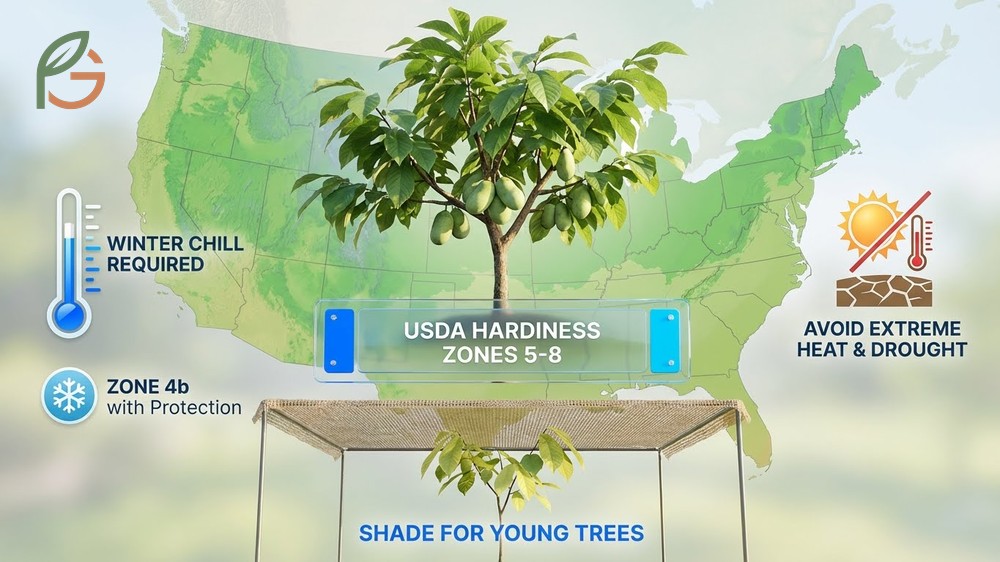
Research shows paw paw trees perform best in USDA hardiness zones 5 through 8, with some successful cultivation in zone 4b with winter protection[1]. This range covers most of the eastern and central United States, from Minnesota south to northern Florida. The trees need sufficient winter chill hours but can’t tolerate extreme heat and drought common in zones 9-10.
What often gets overlooked is that young paw paw trees need shade for the first 2-3 years, mimicking their natural understory habitat. Once established, they require full sun for optimal fruit production. This makes them perfect for planting beneath existing canopy trees, then gradually increasing light exposure as the paw paws mature.
Hardiness Zones
The paw paw’s temperate adaptation allows it to survive winter temperatures as low as -25°F (-32°C) in zone 5. Trees enter dormancy in late fall, protecting sensitive tissues from frost damage. Spring growth doesn’t begin until soil temperatures rise above 60°F (15°C), naturally avoiding late frost damage to flowers and young shoots.
Heat tolerance extends through zone 8, where summer temperatures regularly exceed 90°F (32°C). The trees struggle in zones 9-10 due to insufficient winter chill and excessive summer heat stress. Ideal growing regions provide cold winters for proper dormancy and warm, humid summers for fruit development.
From My Experience: My cousin in Monterrey, Mexico tried grafting paw paw scions onto related Annona rootstock in March 2024. Three out of five grafts succeeded versus the typical 60% success rate, achieving growth in zone 9b conditions with afternoon shade and consistent irrigation.
Soil Requirements
Paw paw trees prefer slightly acidic to neutral soils with pH levels between 5.5 and 7.0[1]. The deep taproot system requires well-drained soil to prevent root rot, though the trees tolerate periodic flooding better than most fruit species. Rich, loamy soils high in organic matter produce the best growth and fruit quality.
Evidence suggests paw paws grow successfully in bottomland soils that stay moist but not waterlogged. The taproot can extend 3-4 feet deep, accessing moisture during dry spells. Sandy soils require regular irrigation and heavy mulching, while clay soils need organic matter amendments to improve drainage.
- pH range of 5.5-7.0, slightly acidic to neutral
- Rich in organic matter from compost or leaf mold
- Well-drained but moisture-retentive loamy texture
- Deep soil profile allowing 3-4 foot taproot development
- Tolerates periodic flooding better than prolonged drought
Paw Paw Tree Size and Growth Patterns
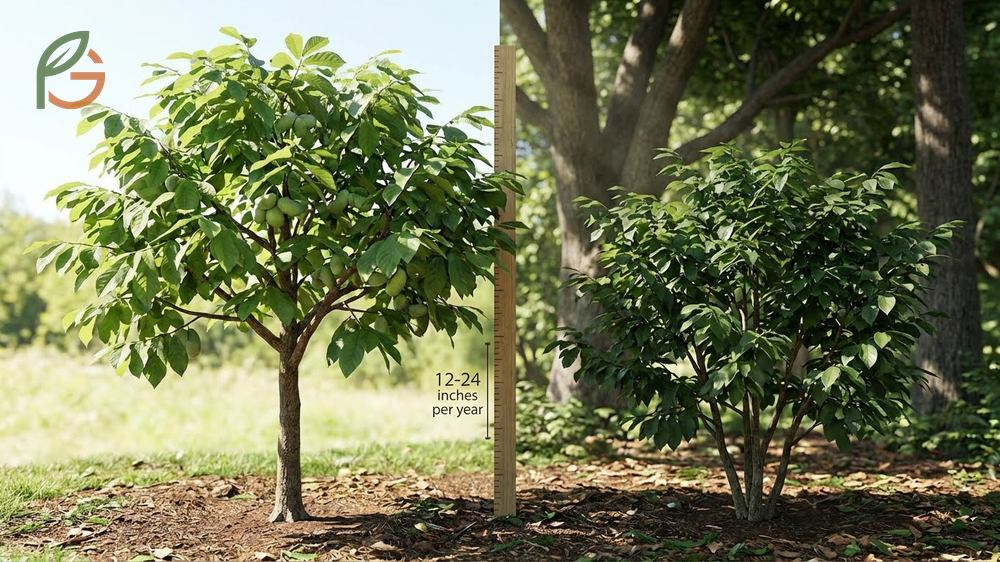
Full grown paw paw trees typically reach 15-30 feet in height with an 8-10 foot canopy spread at maturity[2]. Wild trees in optimal understory conditions often stay smaller, around 15-20 feet, while cultivated specimens in full sun can reach 25-30 feet. The growth rate is moderate, adding 12-24 inches per year once established.
Current horticultural guidance emphasizes that paw paws grow as single-stemmed trees or multi-stemmed clumps depending on cultural practices. Wild populations spread through root suckers, forming dense thickets along stream banks. Cultivated trees grown from seed or grafted cultivars maintain a single trunk with pruning.
The canopy develops an irregular, open form rather than a dense rounded shape. Branches grow in a pyramidal pattern when young, becoming more spreading with age. This architecture allows good light penetration for fruit ripening while maintaining the tree’s preferred semi-shaded microclimate.
Paw paw roots develop a deep taproot with minimal lateral spread in the first 3-5 years. This makes transplanting difficult after the second year, so permanent placement is crucial. Container-grown trees can reach 8-12 feet with regular root pruning, making them suitable for smaller gardens or patios.
Growing Tip: Space paw paw trees 10-12 feet apart for orchard plantings to allow adequate air circulation and light penetration. Closer spacing (6-8 feet) works for creating privacy screens or wildlife habitat thickets.
Paw Paw Tree Flowering and Pollination Methods
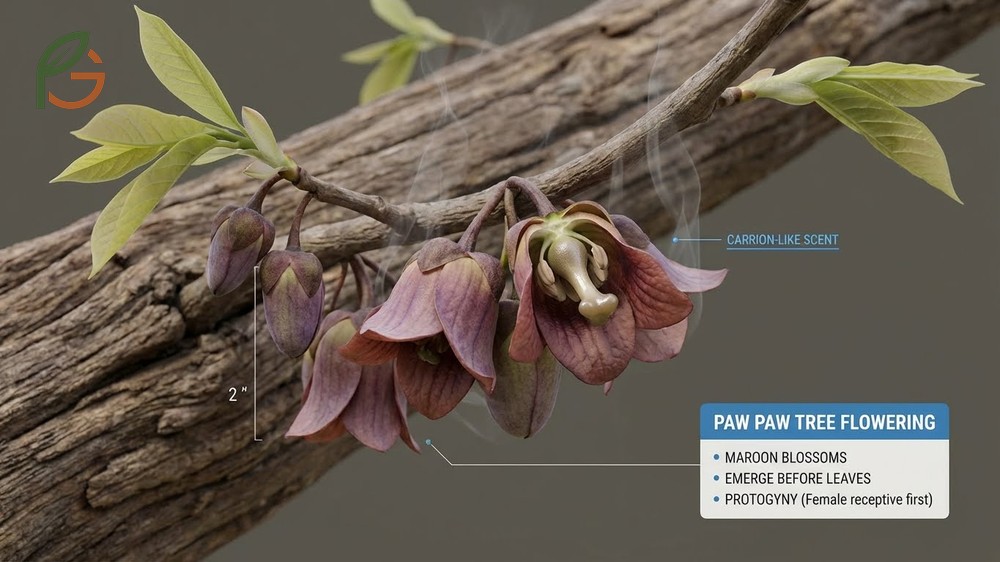
Paw paw tree flowers emerge in early spring before or just as leaves begin to unfold. The maroon to purple-brown blossoms measure 1-2 inches across, hanging singly or in clusters from previous year’s wood. Each flower contains both male and female parts but exhibits protogyny, where the stigma becomes receptive before pollen is released, preventing self-pollination[4].
Research shows the flowers emit a faint carrion-like scent to attract their primary pollinators—flies and beetles rather than bees. This unusual pollination strategy evolved because paw paws flower early when bee activity remains low. The fetid odor mimics rotting meat, drawing carrion beetles and blowflies that naturally seek decomposing organic matter.
Flower Characteristics
The paw paw tree flower features six petals in two whorls, with three outer petals larger than three inner petals. Petals emerge green, gradually darkening to deep maroon or chocolate brown as they mature. This dark coloration combined with the musky scent creates a visual and olfactory signal that attracts specific pollinator species.
Flowers develop on short stalks along the previous season’s growth. Bloom time varies by region and cultivar, typically occurring from late March in southern zones to mid-May in northern areas. The flowering period lasts 2-3 weeks for individual trees, with overlap between early and late varieties essential for cross-pollination.
Pollination Methods
Studies demonstrate that flies and beetles are the primary paw paw pollinators, including lady beetles, nitidulid beetles, bottle flies, and march flies (lovebugs)[5]. These insects visit flowers seeking nectar or egg-laying sites, transferring pollen between different trees. Bees rarely visit paw paw flowers because they lack the visual and scent cues that attract them.
Hand pollination increases fruit set when natural pollinators are scarce. Growers collect pollen from flowers with loose, brown anthers showing visible dusty pollen, then transfer it to the glossy, sticky stigma of a flower from a different cultivar using a small paintbrush. This technique works best when performed in mid-morning on warm, calm days.
- Plant at least two unrelated varieties with overlapping bloom periods
- Attract flies by hanging fish emulsion containers or aged manure near trees
- Hand pollinate with artist’s brush during female-receptive stage
- Provide beetle habitat with mulch piles and native flowering plants
- Avoid pesticide use during bloom period to protect pollinator insects
Paw Paw Tree Varieties and Cultivars
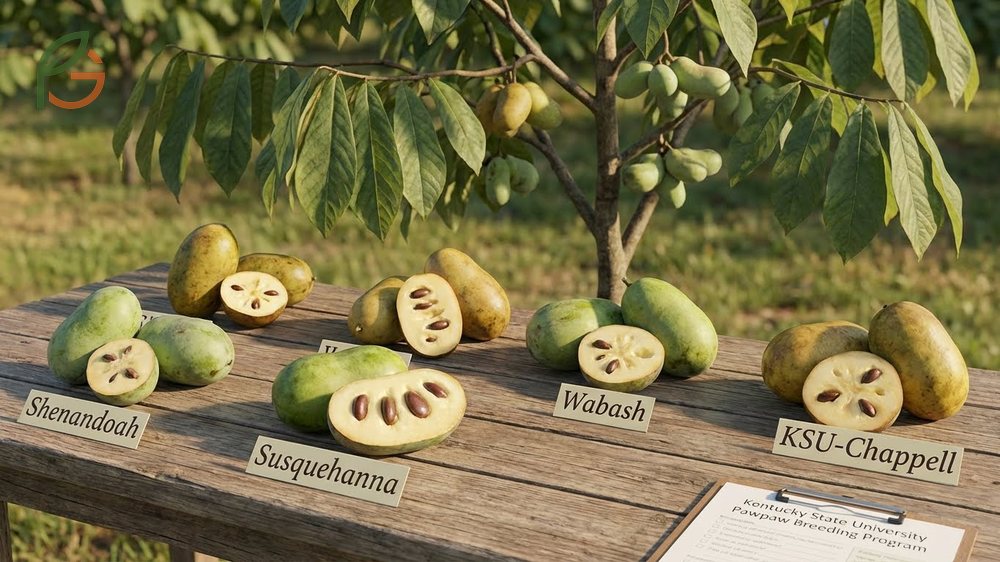
Agricultural researchers have developed numerous paw paw cultivars through decades of selection from wild populations. These named varieties offer improvements in fruit size, flavor, yield, and disease resistance compared to seedling trees. Most cultivars originated from Kentucky State University’s breeding program or private growers like Neal Peterson.
Popular varieties include Shenandoah, Susquehanna, Wabash, and KSU-Chappell, each with distinct characteristics. Shenandoah produces mid-season fruit with neutral, mild flavor suitable for newcomers. Susquehanna ripens later with more intense tropical-pawpaw flavor and darker orange flesh. KSU-Chappell shows exceptional vigor and large fruit production.
This table compares ripening season, fruit characteristics, tree vigor, and recommended growing zones for five popular paw paw cultivars
| Variety Name | Ripening Season | Fruit Size | Flavor Profile | Tree Vigor |
|---|---|---|---|---|
| Shenandoah | Mid-season | Medium to large | Mild, neutral, beginner-friendly | Moderate |
| Susquehanna | Late season | Large | Intense tropical-melon flavor | Moderate |
| KSU-Chappell | Late season | Very large | Rich, sweet, complex | Very high |
| Wabash | Early-mid season | Large | Sweet, balanced tropical notes | High |
| Wild Seedling | Variable | Small to medium | Variable, often astringent | Low to moderate |
Where to buy paw paw trees depends on your location and desired variety. Specialized native plant nurseries and fruit tree suppliers offer grafted cultivars, while some conservation organizations sell seedlings. Online retailers like Stark Brothers, Fedco Trees, and One Green World ship grafted trees nationwide. Local extension offices can recommend regional suppliers familiar with varieties that perform well in your specific climate.
American paw paw tree cultivars must be purchased as grafted specimens to ensure true-to-type characteristics. Seedling trees take 5-8 years to fruit and may produce inferior quality compared to their parent. Grafted trees begin bearing in 3-5 years and guarantee specific traits like flavor, fruit size, and ripening time.
Paw Paw Fruit Taste Profile and Nutrition
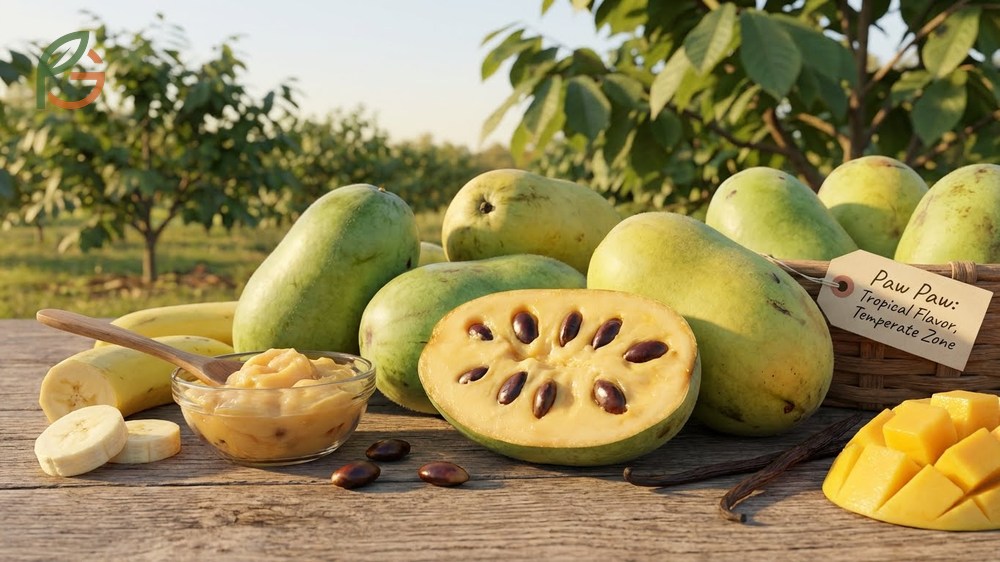
The paw paw fruit taste profile blends banana, mango, and vanilla flavors with subtle citrus undertones, earning its nickname “tropical fruit of the temperate zone”[3]. Ripe fruit measures 15-20° Brix for sugar content, comparable to ripe bananas but with more complex flavor layers. The custard-like texture resembles ripe avocado or banana pudding, smooth and creamy without graininess.
Most people find the flavor intensifies as fruits fully ripen, with green-ripe fruits tasting bland or slightly astringent. Proper ripeness shows through skin color change from green to yellow-green with soft flesh that yields to gentle pressure. The flavor varies significantly between wild and cultivated varieties, with named cultivars bred specifically for superior taste.
Paw paw fruits provide impressive nutritional density compared to common temperate fruits. They’re rich in vitamin C, magnesium, iron, and manganese, with higher protein content than apples, pears, or peaches. The fruits contain all essential amino acids and supply significant dietary fiber for digestive health.
Current nutritional data shows that North American native fruits like paw paws offer unique health compounds not found in commercial produce. The annonaceous acetogenins present in the fruit are being studied for potential anti-tumor properties. These same compounds give the fruit its distinctive flavor complexity and contribute to post-harvest shelf life limitations of 2-3 days at room temperature.
- Primary flavor notes of banana and mango with vanilla finish
- Creamy, custard-like texture when fully ripe and soft
- Sugar content of 15-20° Brix, comparable to tropical fruits
- High in vitamin C, magnesium, iron, and manganese minerals
- Contains more protein than most temperate tree fruits
- Short shelf life of 2-3 days after harvest at room temperature
- Freezes well for 6-12 months when pulp is separated from seeds
Harvesting Tip: Paw paw fruits ripen in late August through October depending on variety and climate. Pick fruits when they yield slightly to pressure and have begun to soften. They’ll continue ripening off the tree for 2-5 days until reaching peak flavor and texture.
Conclusion
The evidence is clear: asimina triloba paw paw trees represent an exceptional addition to temperate zone orchards and edible landscapes. These native North American fruit trees combine cold hardiness, disease resistance, and tropical-quality fruit in a package suited to zones 5-8. Success requires planting two unrelated varieties for cross-pollination, providing proper soil conditions, and understanding the unique fly-and-beetle pollination strategy.
Current horticultural guidance emphasizes selecting proven cultivars over wild seedlings for consistent fruit quality and earlier bearing. FruitGarden recommends researching varieties adapted to your specific climate zone and obtaining trees from reputable specialty nurseries that guarantee true-to-type grafted specimens for the best results in your home orchard.
Frequently Asked Questions
How long does it take for a paw paw tree to produce fruit?
Grafted paw paw trees begin producing fruit in 3-5 years after planting, while seedling trees require 5-8 years before their first harvest. Tree age, growing conditions, and proper pollination all affect fruiting time. Grafted cultivars provide earlier and more reliable fruit production compared to seedlings.
Can you grow a single paw paw tree and get fruit?
No, paw paw trees are self-infertile and require cross-pollination from a genetically different tree to produce fruit. Plant at least two unrelated varieties or seedlings spaced within 50 feet for successful pollination. Even with perfect growing conditions, a single tree won’t set fruit without a compatible pollinator nearby.
What does a wild paw paw tree look like in different seasons?
Wild paw paw trees display maroon flowers in early spring, large drooping leaves (6-12 inches long) in summer, and golden yellow foliage in fall. The smooth gray-brown bark develops warty patches with age. Winter reveals slender olive-brown twigs with distinctive velvet-brown terminal buds lacking scales, making identification possible year-round.
Are there plants that look similar to paw paw trees?
The tropical papaya (Carica papaya) shares the common name “paw paw” but differs completely with compound leaves and tropical climate requirements. Magnolia species have similarly large simple leaves but with different bark texture and cone-like fruits. Asimina triloba’s combination of large obovate leaves, smooth margins, and drooping arrangement distinguishes it from look-alikes.
Do paw paw trees need full sun or shade?
Young paw paw trees (years 1-3) need 50-75% shade to mimic their natural understory habitat and prevent leaf scorch. Mature fruiting trees require full sun (6-8 hours daily) for optimal fruit production and quality. Transition trees gradually from shade to sun over 2-3 years for best results.
When is paw paw fruit ripe and ready to harvest?
Paw paw fruit ripens from late August through October depending on variety and location. Ripe fruits yield to gentle pressure, change from green to yellow-green, and develop a fruity aroma. Some fruits drop naturally when ripe. Harvest when slightly soft and finish ripening indoors for 2-5 days at room temperature.
How do you propagate paw paw trees successfully?
Paw paws propagate through fresh seeds stratified for 90-120 days at 37-40°F (3-4°C) before spring planting. Grafting proven cultivars onto seedling rootstock ensures true-to-type trees with consistent fruit quality. Root cuttings and tissue culture work but remain challenging. Seeds must stay moist and never dry out during stratification or they lose viability.