Are peaches good for you? Yes, they’re an excellent choice for most people. Research shows that one medium peach delivers 15% of your daily vitamin C[1], 6% vitamin A[2], and 2 grams of fiber[1] for just 60 calories. These fuzzy stone fruits support digestion, immune function, and heart health. FruitGarden brings you evidence-based insights into peach nutrition to help you grow and enjoy these summer favorites.
Quick Answer
Are Peaches Good for You
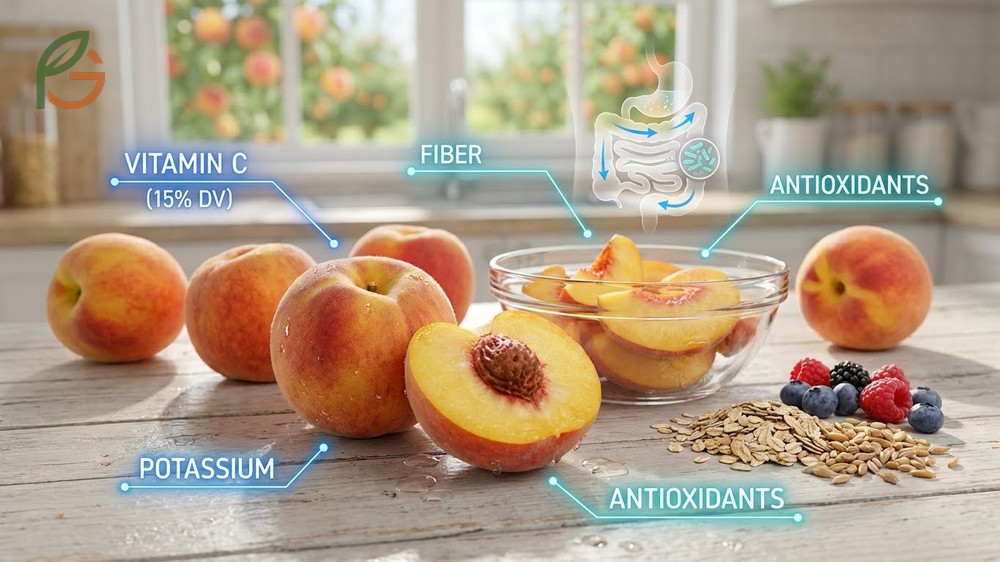
Peaches pack serious nutritional value into a sweet, juicy package. One medium peach (147 grams) contains just 60 calories while delivering 15% of your daily vitamin C requirement[1]. They’re also rich in fiber, potassium, and antioxidants that support overall health.
Studies demonstrate that regular peach consumption can improve digestive function and immune response. The combination of soluble and insoluble fiber helps regulate bowel movements and feeds beneficial gut bacteria. Most gardeners who grow their own peach trees find that freshly picked fruit retains more nutrients than store-bought varieties.
Current nutritional guidance emphasizes eating a variety of colorful fruits, and peaches fit perfectly into this recommendation. Their low calorie count makes them ideal for weight management, while their natural sweetness satisfies cravings without added sugar. You’ll get the most benefits when you eat them fresh rather than canned in syrup.
Why Peaches Deserve Space in Your Garden
Growing peaches at home gives you access to peak nutrition and flavor. Tree-ripened peaches contain higher levels of vitamin C and antioxidants than those picked early for shipping. Research shows that nutrient content starts declining within hours of harvest, making homegrown fruit superior.
A single mature peach tree can produce 50-150 pounds of fruit annually. That’s enough fresh peaches to eat daily during summer and preserve for winter use. You’ll also avoid pesticide residues commonly found on commercial peaches.
- Fresh peaches retain maximum vitamin C content (up to 15% daily value per fruit)[2]
- You control pesticide use and organic growing methods
- Harvest fruit at peak ripeness for best flavor and nutrition
- Reduce grocery costs with abundant summer harvests
- Choose disease-resistant varieties suited to your climate
- Enjoy dozens of cultivars not available in stores
How Peaches Compare to Other Stone Fruits
Peaches stand out among stone fruits for their balanced nutrition profile. They contain slightly more vitamin A than nectarines and comparable fiber to apricots. All stone fruits share similar antioxidant compounds, but peaches offer them in an easy-to-eat, versatile form.
The fuzzy skin on peaches contains additional nutrients and fiber. Don’t peel them—just wash thoroughly before eating. Compared to plums, peaches have fewer calories but similar vitamin C levels.
Nutritional Value of Peaches
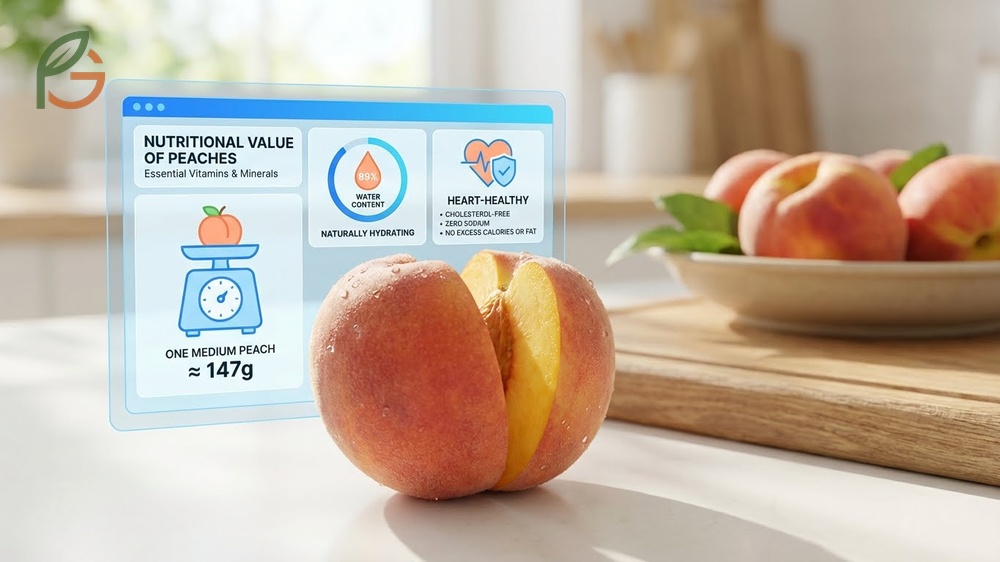
Understanding what’s inside a peach helps you appreciate its health value. One medium peach weighs about 147 grams and provides a concentrated source of essential vitamins and minerals. The fruit’s 89% water content[4] makes it naturally hydrating, especially during hot summer months.
Current USDA data shows that peaches deliver nutrition without excess calories or fat. They’re naturally cholesterol-free and contain zero sodium, making them heart-healthy[5]. The fruit’s natural sugars come packaged with fiber, which slows digestion and prevents blood sugar spikes.
What makes peaches special is their combination of vitamins A and C in meaningful amounts. You won’t find many fruits that offer both these antioxidants so abundantly. The yellow-orange flesh signals high carotenoid content, which your body converts to vitamin A.
Macronutrients in Peaches
Peaches are primarily a carbohydrate food with minimal protein and virtually no fat. The 15 grams of carbs in one medium peach include 13 grams of natural sugar and 2 grams of dietary fiber[1]. This fiber-to-sugar ratio helps moderate how quickly the fruit affects blood glucose.
The 1 gram of protein per peach won’t meet your daily needs, but that’s not why you eat them. Their strength lies in vitamins, minerals, and phytonutrients. At just 60 calories per serving, peaches fit easily into any eating plan.
Important Note: Peach skin contains most of the fiber and many antioxidants. Eating unpeeled peaches provides up to 50% more fiber than peeled fruit. Always wash organic or homegrown peaches thoroughly before eating.
Vitamins and Minerals Breakdown
One medium peach delivers 6% of your daily vitamin A and 15% of vitamin C[2]. It also provides 2% or more of vitamins E and K, niacin, folate, and several minerals. Potassium stands out at 285 milligrams per medium fruit[6], supporting healthy blood pressure.
Trace minerals like iron, choline, magnesium, phosphorus, manganese, zinc, and copper appear in small but meaningful amounts. These work synergistically with vitamins to support various body functions. You’d need to eat several peaches daily to meet full daily requirements, but every bit counts toward your total intake.
This table compares key nutrients in one medium raw peach including calories, carbohydrates, fiber, protein, fat, vitamins A and C, and potassium with their percent daily values
| Nutrient | Amount | % Daily Value |
|---|---|---|
| Calories | 60 | 3% |
| Total Carbohydrates | 15g | 5% |
| Dietary Fiber | 2g | 7% |
| Sugars | 13g | — |
| Protein | 1g | 2% |
| Fat | 0.5g | 1% |
| Vitamin A | 489 IU | 6% |
| Vitamin C | 9.9mg | 15% |
| Potassium | 285mg | 6% |
Health Benefits of Peaches
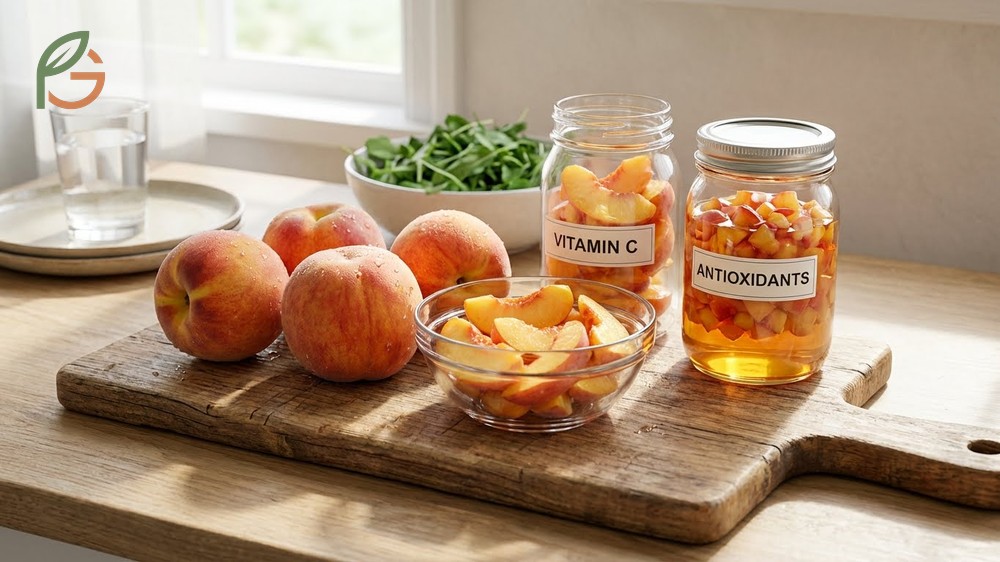
Research shows that eating peaches regularly can improve several aspects of your health. The combination of fiber, vitamins, minerals, and antioxidants works together to support body systems. Most benefits come from eating fresh, whole peaches rather than processed or canned versions.
Studies demonstrate that the antioxidants in peaches—particularly vitamin C, vitamin A, and polyphenols—help protect cells from damage. These compounds reduce inflammation throughout the body. What’s remarkable is how many different health benefits you get from such a low-calorie food.
Current evidence indicates that stone fruits like peaches contribute to reduced disease risk when part of a balanced diet. You don’t need large quantities to see benefits—one to two peaches daily provides meaningful nutrition. The key is consistency rather than quantity.
Peaches Support Digestive Health
Peaches contain both soluble and insoluble fiber, which work differently in your digestive system. Soluble fiber forms a gel-like substance that slows digestion and feeds beneficial gut bacteria. Insoluble fiber adds bulk to stool and promotes regular bowel movements.
Research indicates that the 2 grams of fiber per peach can help prevent constipation and maintain digestive regularity. The fruit’s high water content (89%) further supports healthy digestion. Most people notice improved regularity when they include peaches in their daily diet during summer months.
- Provide both soluble and insoluble fiber for complete digestive support
- Help prevent constipation through natural laxative effects
- Feed beneficial gut bacteria that support immune function
- Reduce bloating and discomfort from irregular digestion
- Support healthy gut lining with antioxidant protection
Antioxidants in Peaches Protect Cells
Peaches deliver multiple types of antioxidants that protect your cells from oxidative stress. Vitamin C (15% DV per fruit) helps your immune system fight infections and repairs damaged tissue[2]. Vitamin A (6% DV) maintains healthy vision and skin while supporting immune function.
The yellow-orange pigments in peaches come from carotenoids and flavonoids—plant compounds with powerful antioxidant properties. Studies suggest these may help reduce inflammation and lower disease risk. Eating the skin maximizes your antioxidant intake since many compounds concentrate there.
Potassium Benefits for Heart Health
One medium peach contains 285 milligrams of potassium, about 6% of your daily needs[6]. This essential mineral helps regulate blood pressure by balancing out sodium’s effects. Research shows that adequate potassium intake reduces your risk of stroke and kidney stones.
Your body needs about 4,700 milligrams of potassium daily, and it’s far better to get it from food than supplements. Peaches contribute meaningfully to this goal when eaten regularly. The combination of potassium, fiber, and zero sodium makes peaches naturally heart-healthy.
Heart Health Tip: Pairing peaches with other potassium-rich foods like bananas, leafy greens, and beans helps you reach the 4,700mg daily target. Just two medium peaches provide about 12% of your daily potassium needs.
Are Peaches Good for Diabetics
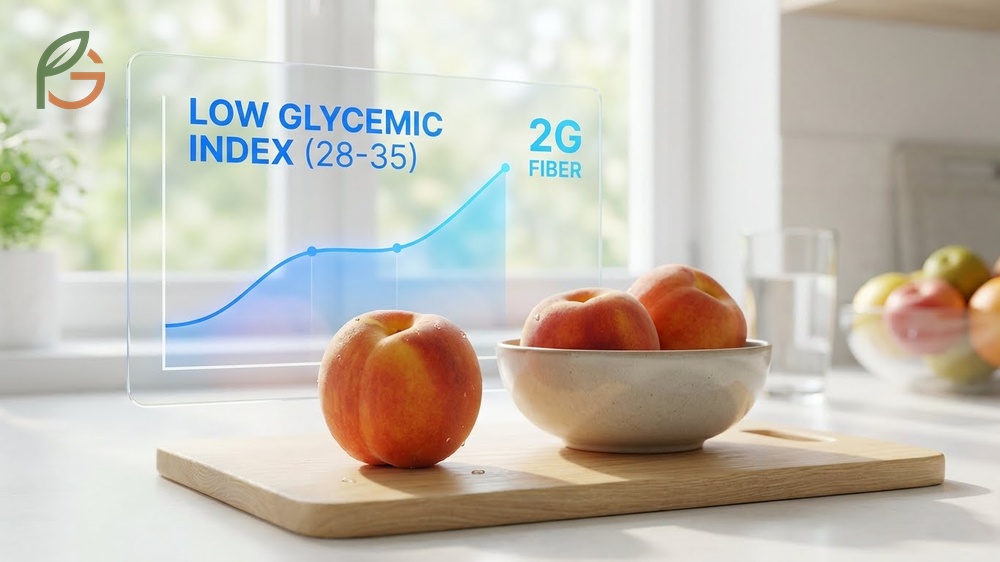
Peaches can fit into a diabetic meal plan when eaten in moderation. Their glycemic index ranges from 28 to 35, which is considered low[3]. This means they cause a slower, more gradual rise in blood sugar compared to high-glycemic foods. The 2 grams of fiber per peach helps slow sugar absorption even further.
Research shows that eating whole fruit is better for blood sugar control than drinking fruit juice. The fiber in peaches remains intact when you eat them fresh, which moderates how quickly glucose enters your bloodstream. Most diabetes experts recommend limiting portion size to one medium peach per serving.
What matters most is what you eat with your peach. Pairing it with protein or healthy fat—like a handful of nuts or Greek yogurt—further stabilizes blood sugar. You’ll get better results eating peaches as part of a balanced meal rather than alone as a snack.
Fresh peaches work better than canned versions for diabetes management. Canned peaches in syrup contain added sugars that spike blood glucose rapidly. If you must use canned, choose those packed in water or juice with no added sugar.
- Stick to one medium peach (147g) per serving to control carbohydrate intake
- Choose less-ripe peaches with firmer flesh for lower sugar content
- Pair peaches with protein sources like nuts, cheese, or yogurt
- Avoid canned peaches in syrup—choose fresh or water-packed varieties
- Monitor your blood sugar response to determine your ideal portion size
- Eat peaches as part of meals rather than isolated snacks
Peaches During Pregnancy

Peaches are safe and nutritious during pregnancy when washed properly. They provide folate, which helps protect the developing fetus from neural tube defects[4]. One peach delivers 12% of daily potassium requirements, helping reduce leg cramps and swelling common in pregnancy. The vitamin C content supports immune function and aids iron absorption.
Research indicates that the fiber in peaches helps prevent pregnancy-related constipation, which affects up to 40% of expectant mothers. The high water content (89%) contributes to daily hydration needs, which increase during pregnancy. Most obstetricians recommend eating 2-4 servings of fruit daily, and peaches count toward this goal.
Pregnant women should wash peaches thoroughly to remove any pesticide residues or bacteria. Organic peaches or those grown at home eliminate pesticide concerns entirely. The magnesium in peaches may help prevent premature uterine contractions, though you’d need to eat several daily for significant effect.
Pregnancy Safety: Always wash fresh peaches under running water before eating. If you’re concerned about listeria or other bacteria, avoid pre-cut fruit from stores. Whole peaches you wash at home are safest during pregnancy.
Peach Benefits and Side Effects
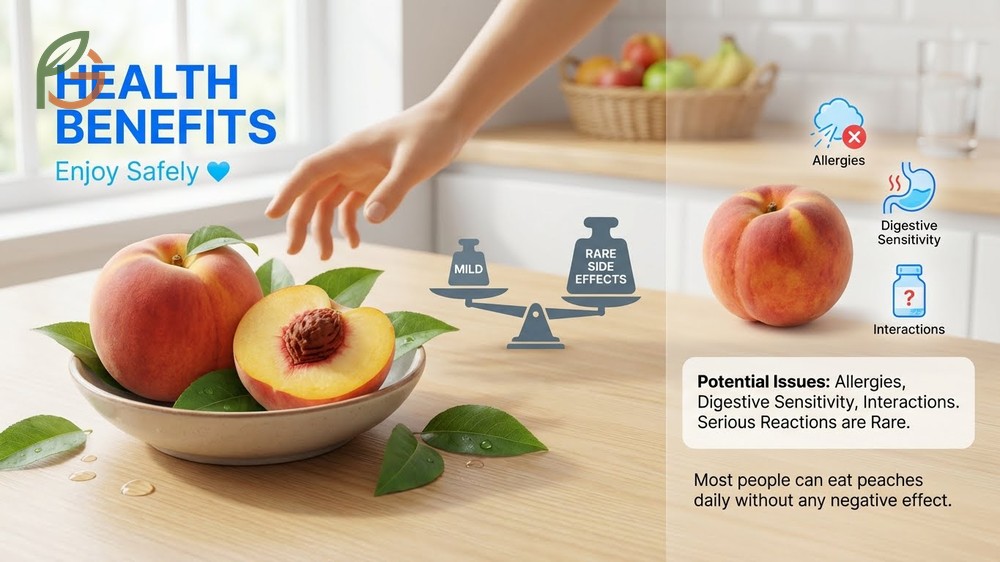
While peaches offer numerous health benefits, some people experience side effects. Most adverse reactions are mild and affect only a small percentage of the population. Understanding potential issues helps you enjoy peaches safely.
The most common problems relate to allergies, digestive sensitivity, and interactions with certain health conditions. Current evidence shows that serious reactions are rare. Most people can eat peaches daily without any negative effects.
Potential Peach Allergy Symptoms
Stone fruit allergies affect some individuals, causing reactions ranging from mild to severe. Peach allergy symptoms typically appear within minutes to an hour after eating the fruit. The most common form is oral allergy syndrome, which causes itching and swelling in the mouth and throat.
Research indicates that people with birch pollen allergies often react to peaches due to similar proteins in both[7]. Cooking or peeling peaches sometimes reduces allergic reactions since heat breaks down the allergenic proteins. If you experience any symptoms, stop eating peaches and consult an allergist.
- Itching or tingling in the mouth, lips, or throat (oral allergy syndrome)
- Swelling of the face, lips, tongue, or throat
- Hives or skin rash on contact areas
- Difficulty breathing or wheezing in severe cases
- Nausea or digestive discomfort
Are Peaches Good for Acid Reflux
Peaches generally don’t trigger acid reflux for most people. They have relatively low acid content (pH 3.8-4.2) compared to citrus fruits, making them safe for many with GERD[8]. The natural sugars and low acidity make peaches unlikely to cause heartburn. Most gastroenterologists consider them a safe fruit choice for reflux sufferers.
However, individual responses vary—some people find that any fruit worsens their symptoms. If you’re prone to reflux, try eating peaches earlier in the day rather than before bed. Avoid eating large quantities at once, which can overload your stomach and trigger symptoms.
Studies suggest that eating peaches with other low-acid foods reduces reflux risk. The fruit’s fiber helps move food through your digestive system efficiently. If peaches worsen your symptoms, switch to cooked or canned versions, which may be easier to tolerate.
Gout Warning: Peaches contain moderate levels of purines, compounds that break down into uric acid. If you have gout or high uric acid levels, limit peaches to occasional consumption rather than eating them daily in large amounts.
Conclusion
The evidence is clear: peaches are good for you and deserve a place in your diet and garden. With just 60 calories, one medium peach delivers 15% of your vitamin C needs, 6% of vitamin A, and valuable fiber for digestive health[1][2]. Their low glycemic index makes them suitable for most people, including those managing diabetes when eaten in moderation.
Current agricultural guidance emphasizes growing your own fruit whenever possible. FruitGarden helps home gardeners select disease-resistant peach varieties and master cultivation techniques for maximum harvests. Whether you eat them fresh, blend them into smoothies, or bake them into desserts, peaches offer versatile nutrition that supports overall health.
Medical Disclaimer
Important Medical Disclaimer: This content is for informational and educational purposes only. It is not intended as a substitute for professional medical advice, diagnosis, or treatment. Always consult a qualified healthcare professional before making any changes to your diet, medication, or health routine, especially if you have diabetes, allergies, GERD, or other medical conditions. Individual nutritional needs vary based on age, health status, and medications.
Frequently Asked Questions
Do Peaches Have Vitamin C?
Yes, peaches are an excellent source of vitamin C. One medium peach provides 15% of your daily vitamin C requirement (about 9.9mg)[1]. This water-soluble vitamin supports immune function, helps your body absorb iron, and promotes healthy skin by supporting collagen production.
Are Peaches Good for Constipation?
Yes, peaches can help relieve constipation naturally. The 2 grams of fiber per peach includes both soluble fiber (which softens stool) and insoluble fiber (which adds bulk and promotes movement)[1]. Combined with their 89% water content, peaches support regular bowel movements. Eating 1-2 peaches daily can improve digestive regularity within a few days.
Are Peaches Good for Your Stomach?
Peaches are generally gentle on the stomach and support digestive health. Their fiber feeds beneficial gut bacteria while promoting regular digestion. The fruit’s low acidity (pH 3.8-4.2) makes it less likely to irritate the stomach lining compared to citrus fruits. However, if you have existing digestive issues like IBS or severe acid reflux, start with small portions to test your tolerance.
What Are Peaches Good For?
Peaches support multiple aspects of health including immune function (vitamin C), vision and skin health (vitamin A), digestive regularity (fiber), and heart health (potassium). They provide antioxidants that protect cells from damage and reduce inflammation. At just 60 calories per fruit, they’re excellent for weight management while delivering essential nutrients. Their versatility makes them easy to include in meals, snacks, smoothies, and desserts.
How Many Peaches Can I Eat Per Day?
Most people can safely eat 1-2 medium peaches daily as part of a balanced diet. This provides 30% of your vitamin C needs and about 4 grams of fiber without excessive sugar or calories. If you have diabetes, stick to one peach per serving and pair it with protein to manage blood sugar. Those with gout should limit consumption to occasional treats due to moderate purine content.
Should I Peel Peaches Before Eating?
No, you don’t need to peel peaches—the skin contains most of the fiber and many antioxidants. Eating unpeeled peaches provides up to 50% more fiber than peeled fruit. Simply wash them thoroughly under running water to remove any dirt or pesticide residues. If you grow your own organic peaches, the skin is especially nutritious and safe to eat. Only peel if you have a texture aversion or confirmed peach skin allergy.
Are Canned Peaches as Healthy as Fresh?
Fresh peaches are healthier than canned versions, especially those in syrup. Fresh fruit retains maximum vitamin C and antioxidants without added sugars. If you must use canned, choose peaches packed in water or 100% juice with no added sugar. The canning process reduces some nutrients but retains fiber. For diabetics and those watching weight, fresh or frozen peaches are always better choices than canned in syrup.