Are dried apricots good for you? Yes, they’re nutrient-dense powerhouses that deliver substantial fiber, iron, and vitamin A when consumed in moderation. Research shows that one cup of dried apricots provides 9g fiber, 3.5mg iron, and 234μg vitamin A—supporting digestive health, red blood cell production, and eye function[1]. FruitGarden synthesizes current nutritional research to help you make informed decisions about incorporating dried apricots into your garden harvest and daily diet.
Quick Answer
- Dried apricots contain 313 calories and 9g fiber per cup, promoting digestive regularity[1]
- They deliver 3.5mg iron per cup—nearly 7 times more than fresh apricots—helping prevent anemia[2]
- The glycemic index is 30-40, classifying them as low-GI despite high natural sugar content[3]
- Recommended serving: 30-40g (3-4 apricots) daily to balance benefits with calorie intake
Are Dried Apricots Good for You
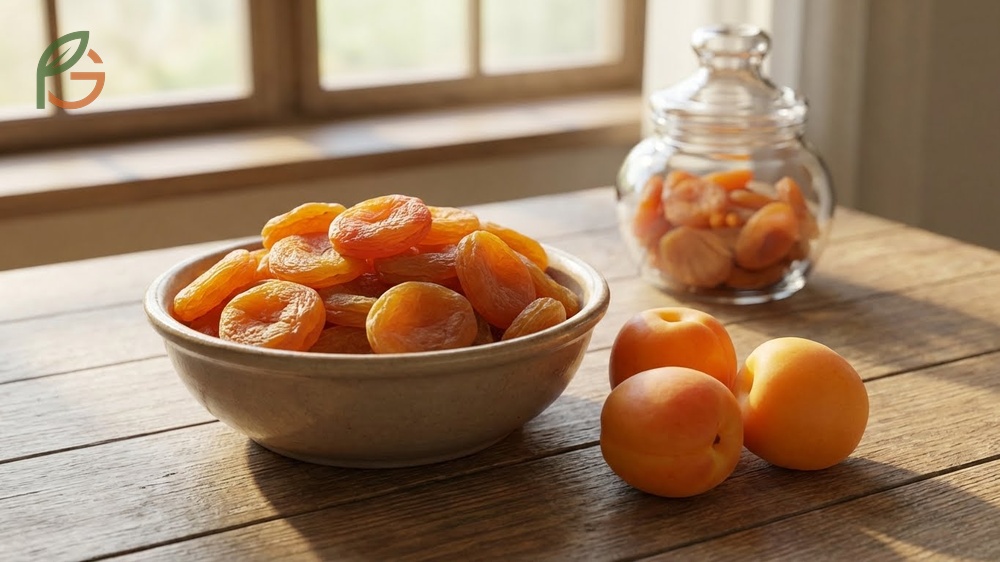
Dried apricots concentrate the nutrients of fresh fruit through water removal, creating a portable snack with exceptional nutritional density. Studies demonstrate that the drying process preserves most vitamins and minerals while significantly increasing their concentration per serving. One cup of dried apricots delivers 313 calories alongside substantial amounts of fiber, potassium, and vitamin A[1].
Research across nutritional databases confirms that dried apricots retain their health-promoting properties despite processing. The fruit’s natural sugars become more concentrated, providing quick energy for physical activities like hiking or gardening. Current data indicates that moderate consumption—around 30-40g daily—offers benefits without excessive calorie intake.
Most people find dried apricots particularly valuable during seasons when fresh produce is scarce. The extended shelf life makes them practical for home gardeners who want to preserve their apricot harvest. Evidence suggests that both sulfured and unsulfured varieties provide similar nutritional benefits, though processing methods affect preservative content.
Nutrient Density Comparison
Dried apricots contain approximately seven times more iron than their fresh counterparts, making them superior for addressing iron deficiency[2]. Fresh apricots provide more vitamin C due to heat-sensitive nutrient loss during drying. The concentration process multiplies calories from 17 per fresh apricot to approximately 67 calories per eight dried halves.
Agricultural data shows that weight-for-weight, dried apricots deliver 3-4 times more fiber than fresh fruit. This makes them particularly effective for digestive health. The potassium content remains stable through processing, with one cup providing 1,511mg—32% of the daily value[1].
Key Vitamins and Minerals
Vitamin A content in dried apricots reaches 234μg per cup, providing 26% of the daily requirement[1]. This nutrient supports immune function, skin health, and vision maintenance. Beta-carotene, the orange pigment responsible for the fruit’s color, converts to active vitamin A in your body.
Iron levels reach 3.5mg per cup in dried apricots, contributing 43% of the daily value. The combination of iron with 1mg vitamin C per 100g enhances absorption rates, making dried apricots particularly effective for combating anemia. Copper content at 0.4mg per cup provides 50% of daily needs, supporting red blood cell formation and immune health.
Important Note: Vitamin E content reaches 6mg per cup (38% daily value), providing antioxidant protection. However, vitamin C levels drop to just 1mg per 100g during drying—only 1% of the daily value compared to 10mg in fresh apricots.
Dried Apricots Nutrition Facts
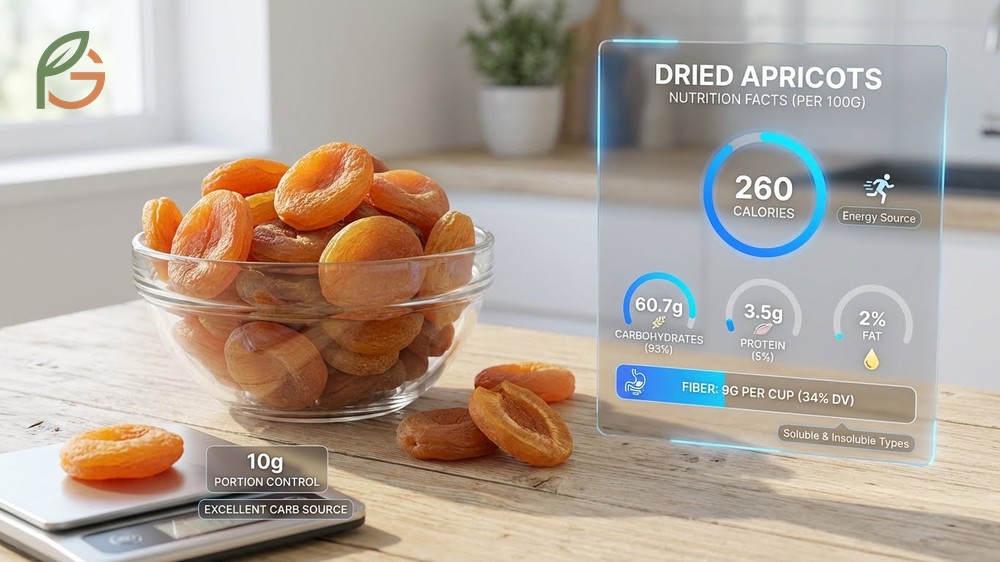
Current nutritional databases reveal that 100g of dried apricots contains 260 calories, 60.7g carbohydrates, and 3.5g protein[3]. The macronutrient profile breaks down to 93% carbohydrates, 5% protein, and 2% fat. This composition makes dried apricots an excellent carbohydrate source for endurance activities but requires portion control for weight management.
The fiber content of 9g per cup represents 34% of the daily value, combining both soluble and insoluble types. Soluble fiber helps regulate blood sugar and cholesterol levels. Insoluble fiber adds bulk to stool, promoting regular bowel movements and preventing constipation.
Sugar content reaches 69g per cup, predominantly composed of glucose (43g), fructose (16g), and sucrose (10g). Despite this high sugar level, the glycemic index remains between 30-40, classifying dried apricots as a low-GI food. The fiber content slows glucose absorption, preventing rapid blood sugar spikes.
Macronutrient Breakdown
This table compares calories, carbohydrates, protein, and fat content across different serving sizes of dried apricots from one-quarter cup to one full cup
| Serving Size | Calories | Carbohydrates | Protein | Fat |
|---|---|---|---|---|
| 1/4 cup (30g) | 78 cal | 18.2g | 1.1g | 0.3g |
| 8 halves (28g) | 67 cal[4] | 15.7g | 1g | 0.3g |
| 1/2 cup (65g) | 157 cal | 40.5g | 2g | 0.5g |
| 1 cup (130g) | 313 cal[1] | 81g | 4g | 1g |
Calories in Dried Apricots
The recommended serving of 30-40g (roughly 3-4 apricots) provides 78-100 calories. This portion size balances nutritional benefits with calorie control, fitting well into most dietary plans. For weight management, limiting intake to 1-2 servings daily prevents excessive sugar and calorie consumption while still delivering essential nutrients.
Calorie density increases approximately 5-6 times during the drying process compared to fresh fruit. This concentration makes dried apricots an efficient energy source for athletes and outdoor enthusiasts. However, it’s easy to overconsume calories because the reduced volume doesn’t trigger the same satiety signals as fresh fruit.
Health Benefits of Dried Apricots

Clinical trials demonstrate that dried fruit consumption, including apricots, significantly improves health markers across multiple systems. A four-week study found that 90g daily intake of mixed dried fruits (prunes, apricots, and raisins) increased stool weight by 21.2g per day and improved quality of life scores[5]. The combination of fiber, antioxidants, and minerals produces benefits that extend beyond basic nutrition.
Research shows that the antioxidant compounds in dried apricots—including vitamins A and E, beta-carotene, and polyphenols—protect cells from oxidative damage. These compounds support immune function, reduce inflammation, and may lower the risk of chronic diseases. The concentrated nutrient profile delivers therapeutic levels of key vitamins in smaller serving sizes compared to fresh fruit.
Agricultural studies emphasize that dried apricots maintain their bioactive compounds through proper storage. When kept in airtight containers away from heat and light, they retain nutritional value for months. This makes them practical for home gardeners wanting to preserve summer harvests for year-round consumption.
Digestive Health and Constipation Relief
The 9g fiber per cup in dried apricots includes both soluble and insoluble types that work synergistically to promote digestive health. Soluble fiber forms a gel-like substance that feeds beneficial gut bacteria and regulates bowel movements. Insoluble fiber adds bulk to stool and speeds transit time through the digestive tract.
Clinical evidence confirms that dried apricots effectively relieve constipation symptoms. The 2025 dried fruit study showed significant increases in both complete bowel movements (1.3 vs. 0.5 in placebo) and complete spontaneous bowel movements (0.8 vs. 0.2)[5]. Participants reported improved quality of life with reduced negative effects from constipation.
Most people experience digestive benefits within 3-5 days of regular dried apricot consumption. Starting with 3-4 apricots daily and gradually increasing intake allows your digestive system to adjust. Pairing them with adequate water intake (8-10 glasses daily) maximizes the fiber’s effectiveness and prevents potential bloating.
Digestive Tip: If you’re new to high-fiber foods, start with 2-3 dried apricots daily and increase gradually over 1-2 weeks. Sudden fiber increases can cause gas and bloating in sensitive individuals.
Eye Health and Vision Support
Beta-carotene content in dried apricots provides exceptional support for vision health. Your body converts this orange pigment into active vitamin A, which is crucial for maintaining the light-sensitive cells in your retinas. Studies demonstrate that vitamin A and beta-carotene help prevent night blindness and age-related macular degeneration.
The vitamin E (6mg per cup) and lutein content work as direct antioxidants within eye tissues. They protect against oxidative stress that damages retinal cells over time. Current guidance emphasizes that regular consumption of carotenoid-rich foods like dried apricots supports long-term eye health, particularly for aging adults.
Iron Absorption for Anemia Prevention
Dried apricots provide 3.5mg iron per cup, meeting 43% of the daily requirement[1]. The non-heme iron in plant foods requires vitamin C for optimal absorption. While drying reduces vitamin C content, pairing dried apricots with citrus fruits, bell peppers, or tomatoes enhances iron uptake by 2-3 times.
Evidence indicates that 100g dried apricots delivers approximately 6mg iron, meeting 35% of daily needs. This makes them particularly valuable for women of childbearing age, vegetarians, and individuals with iron-deficiency anemia. The combination of iron, copper (0.4mg per cup), and B vitamins supports red blood cell production and oxygen transport throughout your body.
- Bone health support: Boron content contributes to calcium metabolism and bone mineral density maintenance
- Blood pressure regulation: Potassium (1,511mg per cup) helps balance sodium levels and supports healthy blood pressure
- Immune system boost: Vitamin A and antioxidants enhance white blood cell function and antibody production
- Skin health: Beta-carotene and vitamin E protect skin cells from UV damage and support collagen synthesis
- Heart health: Fiber and potassium work together to reduce cholesterol levels and support cardiovascular function
Dried Apricots for Weight Loss

Dried apricots can support weight management when consumed strategically, but they’re not a magic solution. The 9g fiber per cup promotes satiety and reduces overall calorie intake by keeping you full longer. Research shows that fiber-rich foods increase meal satisfaction and decrease snacking frequency between meals.
The challenge lies in their calorie density—313 calories per cup makes portion control critical. Most successful approaches limit intake to 3-4 apricots (30-40g, approximately 78-100 calories) as a pre-planned snack. Pairing this amount with 15-20g protein (like Greek yogurt or almonds) extends satiety for 3-4 hours and prevents blood sugar crashes.
Timing matters more than most people realize. Consuming dried apricots 30-60 minutes before exercise provides quick-burning carbohydrates that fuel physical activity without causing digestive discomfort. Post-workout consumption (within 30 minutes) replenishes glycogen stores while the fiber slows sugar absorption. Avoid eating them late at night when decreased activity levels limit calorie burning.
What often gets overlooked is that dried apricots work best as part of a calorie-controlled diet, not as an isolated weight loss food. Replacing processed snacks (chips, cookies) with measured portions creates a net calorie reduction while boosting nutrient intake. The glycemic index of 30-40 prevents the insulin spikes that promote fat storage, making them superior to many conventional snack foods.
- Pre-portioned snacks: Measure 3-4 apricots into small containers to prevent mindless overeating
- Morning boost: Add chopped dried apricots to oatmeal or yogurt for sustained breakfast energy
- Smoothie additions: Blend 2-3 apricots with leafy greens and protein powder for a balanced meal replacement
- Salad toppers: Slice dried apricots thinly over mixed greens with nuts for a fiber-rich lunch
- Trail mix component: Combine 3 apricots with 10-12 almonds for a portable 150-calorie snack
Side Effects of Dried Apricots
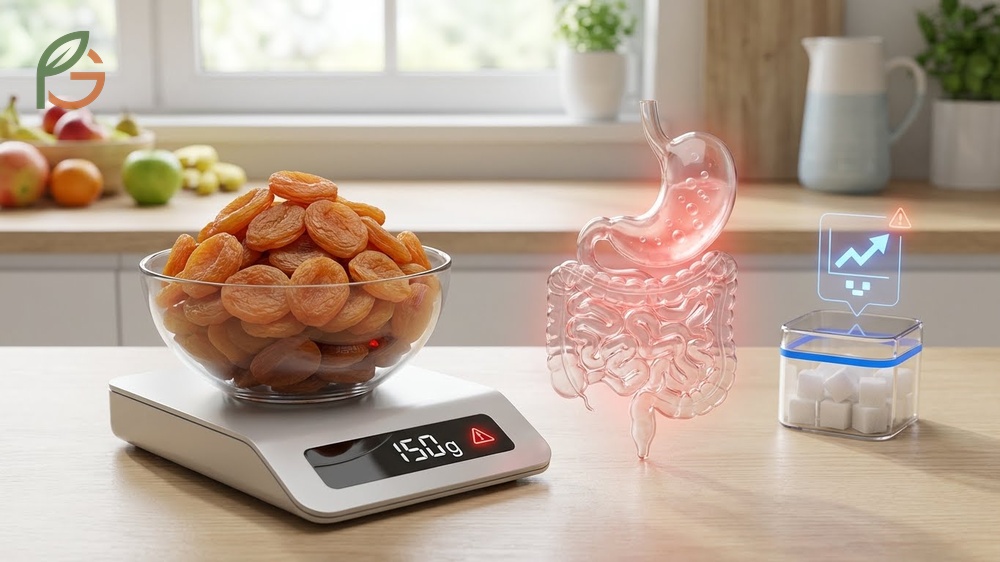
While dried apricots offer substantial benefits, overconsumption can trigger unwanted effects. Excessive intake—more than 100g (approximately 10-12 apricots) daily—commonly causes digestive discomfort including bloating, gas, and diarrhea. The high fiber content overwhelms the digestive system when introduced too rapidly, particularly in individuals unaccustomed to fiber-rich diets.
The concentrated sugar content poses risks for blood glucose management. Despite the low glycemic index, consuming large portions delivers significant amounts of natural sugars that can spike blood glucose levels in diabetics or insulin-resistant individuals. Current guidance recommends limiting intake to 30-40g daily for people monitoring blood sugar.
Sulfite sensitivity affects approximately 5-10% of asthmatic individuals. Commercial dried apricots often contain 2,000-3,000mg sulfur dioxide per kilogram as a preservative. Studies show this can trigger respiratory symptoms, skin reactions, and gastrointestinal distress in sensitive populations. Choosing organic, unsulfured varieties eliminates this concern.
Sulfur Dioxide Concerns
Laboratory analyses reveal that conventional dried apricots contain an average of 2,885mg/kg sulfur dioxide. A standard 50g serving delivers approximately 144mg sulfites—nearly 20 times the WHO’s Acceptable Daily Intake for a two-year-old child (0.7mg per kg bodyweight)[6]. Excessive sulfite exposure is linked to asthma exacerbation, coughing, and allergic reactions in susceptible individuals.
Research demonstrates that high-concentration sulfur dioxide (3,500 ppm) in dried apricots may impair male fertility through oxidative stress and spermatogenic cell damage. While this level exceeds typical commercial processing standards, it highlights the importance of choosing low-sulfite or unsulfured products when consuming dried apricots regularly.
Organic and naturally sun-dried apricots avoid synthetic sulfite preservatives entirely. They appear brown rather than bright orange, but nutritional profiles remain equivalent. The darker color results from natural oxidation during sun-drying rather than chemical treatment, offering a safer option for sulfite-sensitive individuals.
Sugar Content and Blood Glucose
The 69g sugar per cup in dried apricots requires careful consideration for diabetics and individuals following low-carb diets. While the glycemic index of 30-40 indicates slow glucose release, portion size dramatically affects blood sugar response. Consuming more than 30-40g at once can overwhelm the body’s glucose management systems.
The glycemic load—which accounts for both GI and portion size—reaches 21.2 for a 100g serving, classifying dried apricots as a high-GL food. This means that while sugars absorb slowly, the total amount of glucose entering the bloodstream remains substantial. Pairing dried apricots with protein or healthy fats (almonds, cheese, nut butter) reduces the glycemic load by slowing digestion further.
Blood Sugar Warning: If you have diabetes or prediabetes, limit dried apricot intake to 2-3 pieces (20-30g) and always consume them with protein. Monitor blood glucose 1-2 hours after eating to understand your personal response.
- Digestive upset: Rapid fiber increase causes bloating, gas, cramping, and loose stools
- Weight gain: Calorie-dense nature contributes to excess calorie intake when portions aren’t controlled
- Blood sugar spikes: Large portions overwhelm glucose regulation despite low glycemic index
- Sulfite reactions: Conventional varieties trigger asthma, skin rashes, and respiratory symptoms in sensitive individuals
- Medication interactions: High potassium content may interfere with certain blood pressure and heart medications
Best Time to Eat Dried Apricots
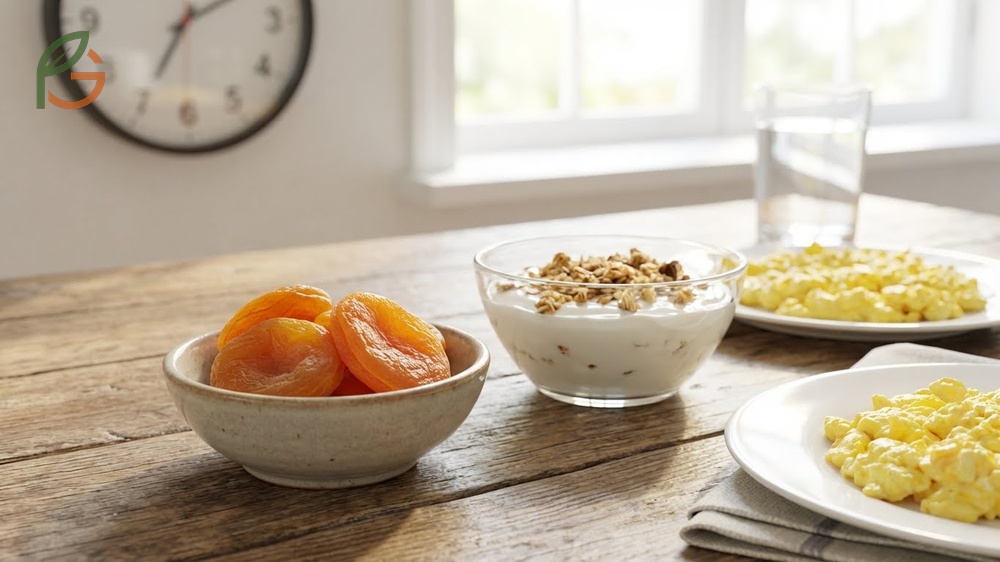
Morning consumption (6-9 AM) delivers optimal benefits for most people. Eating 3-4 dried apricots with breakfast provides sustained energy for 4-5 hours while kickstarting digestive function. Pairing them with protein-rich foods like Greek yogurt or scrambled eggs balances blood sugar and extends satiety through mid-morning.
Pre-workout timing (30-60 minutes before exercise) maximizes the quick-burning carbohydrates without causing digestive discomfort during activity. The natural sugars provide immediate energy while fiber ensures steady glucose release throughout your workout. This timing works particularly well for endurance activities like hiking, cycling, or long gardening sessions.
Mid-afternoon (2-4 PM) represents another strategic window when energy levels typically dip. Consuming 2-3 dried apricots with 10-12 nuts creates a balanced snack that prevents the 3 PM crash without interfering with dinner appetite. This combination delivers approximately 150-180 calories with protein, fiber, and healthy fats that sustain focus and energy.
Avoid eating dried apricots within 2-3 hours of bedtime. The natural sugars and calorie content don’t align with decreased nighttime activity levels. Additionally, high-fiber foods consumed late can cause digestive discomfort that interferes with sleep quality. If evening snacking is necessary, choose fresh fruit with lower calorie density instead.
For constipation relief specifically, consuming 4-6 dried apricots in the morning with a large glass of water (12-16 oz) produces the best results. The combination of fiber and hydration stimulates bowel movements within 6-12 hours. Consistency matters more than timing—daily consumption at the same time trains your digestive system for regular function.
Conclusion
The evidence is clear: dried apricots are good for you when consumed in appropriate portions as part of a balanced diet. They deliver concentrated nutrition—including 9g fiber, 3.5mg iron, and 234μg vitamin A per cup—that supports digestive health, eye function, and anemia prevention. The key lies in respecting the 30-40g daily serving guideline to balance benefits with calorie and sugar intake.
Current nutritional guidance emphasizes choosing organic, unsulfured varieties when possible to avoid sulfite exposure while maximizing nutrient retention. Whether you’re growing apricots in your home garden or purchasing dried fruit, understanding proper portioning and timing transforms this ancient preserved food into a modern health asset. FruitGarden continues to synthesize emerging research on fruit nutrition to help gardeners and health-conscious consumers make informed dietary choices.
Medical Disclaimer
Important Medical Disclaimer: This content is for informational and educational purposes only. It is not intended as a substitute for professional medical advice, diagnosis, or treatment. Always consult a qualified healthcare professional or registered dietitian before making any changes to your diet, supplement regimen, or health routine, especially if you have diabetes, kidney disease, sulfite allergies, or other medical conditions. Individual nutritional needs vary based on age, health status, medications, and activity level.
Frequently Asked Questions
How Many Dried Apricots Should You Eat Per Day?
The recommended daily intake is 30-40g, which equals approximately 3-4 dried apricots or about 1/4 cup. This portion provides 78-100 calories along with beneficial fiber, iron, and vitamin A without excessive sugar or calorie intake. Consuming 1-2 servings daily fits well into most dietary plans while delivering measurable health benefits.
Do Dried Apricots Make You Poop?
Yes, dried apricots effectively promote bowel movements due to their high fiber content. Studies show that 90g daily intake increases stool weight by an average of 21.2g per day and significantly improves bowel movement frequency. The combination of soluble and insoluble fiber adds bulk to stool while feeding beneficial gut bacteria, typically producing results within 6-12 hours when consumed with adequate water.
Are Dried Apricots Safe During Pregnancy?
Dried apricots are generally safe and beneficial during pregnancy when consumed in moderation. They provide iron to prevent anemia, fiber to relieve pregnancy-related constipation, and folate for fetal development. However, pregnant women should choose unsulfured varieties to avoid sulfite exposure and limit intake to 30-40g daily to control sugar consumption. Always consult your obstetrician or prenatal nutritionist about incorporating dried fruits into your pregnancy diet.
What’s the Difference Between Organic and Sulfured Dried Apricots?
Organic dried apricots are sun-dried naturally without synthetic preservatives, resulting in a brown color and slightly chewier texture. Sulfured apricots are treated with sulfur dioxide to preserve bright orange color and extend shelf life, but contain 2,000-3,000mg/kg sulfites that can trigger reactions in sensitive individuals. Nutritionally, both varieties provide similar vitamins and minerals, though organic options avoid chemical preservative exposure.
Can Dried Apricots Help With Weight Loss?
Dried apricots can support weight loss when portion-controlled and used to replace higher-calorie processed snacks. The 9g fiber per cup promotes satiety and reduces overall calorie intake. However, their calorie density (313 calories per cup) requires careful measuring—limit intake to 3-4 apricots (30-40g) as a planned snack, paired with protein for best results. They work as part of a comprehensive calorie-controlled diet rather than as an isolated weight loss food.
What Is the Glycemic Index of Dried Apricots?
Dried apricots have a glycemic index of 30-40, classifying them as a low-GI food despite their high natural sugar content. The fiber content slows glucose absorption, preventing rapid blood sugar spikes. However, the glycemic load reaches 21.2 for a 100g serving, meaning portion size significantly affects blood glucose response. People with diabetes should limit intake to 20-30g and pair with protein to minimize blood sugar impact.
How Much Iron Do Dried Apricots Contain?
Dried apricots contain 3.5mg iron per cup (130g), providing 43% of the daily value. This represents approximately seven times more iron than fresh apricots due to the concentration effect of water removal. The non-heme iron in dried apricots absorbs best when consumed with vitamin C-rich foods like citrus fruits, bell peppers, or tomatoes, which can increase absorption rates by 2-3 times.