
Are dates keto friendly? No, dates don’t fit into a strict ketogenic diet. Research shows that dates contain approximately 75g of carbohydrates per 100g serving[1], with a single medium date delivering around 14g of net carbs[2]—nearly the entire daily carb allowance for most keto followers. FruitGarden provides evidence-based guidance to help you navigate fruit choices while maintaining ketosis and achieving your health goals.
Quick Answer
- Dates contain 75g total carbs per 100g[1] and 14g net carbs per medium date[2]
- Standard keto diets limit carbs to 20-50g daily[3]—one date consumes most of this allowance
- Dates have 85% of carbs as simple sugars[1], which can kick you out of ketosis
- Better alternatives: stevia, monk fruit, erythritol for sweetness; berries like raspberries (7g net carbs per cup[4]) for whole fruit
Are Dates Keto Friendly
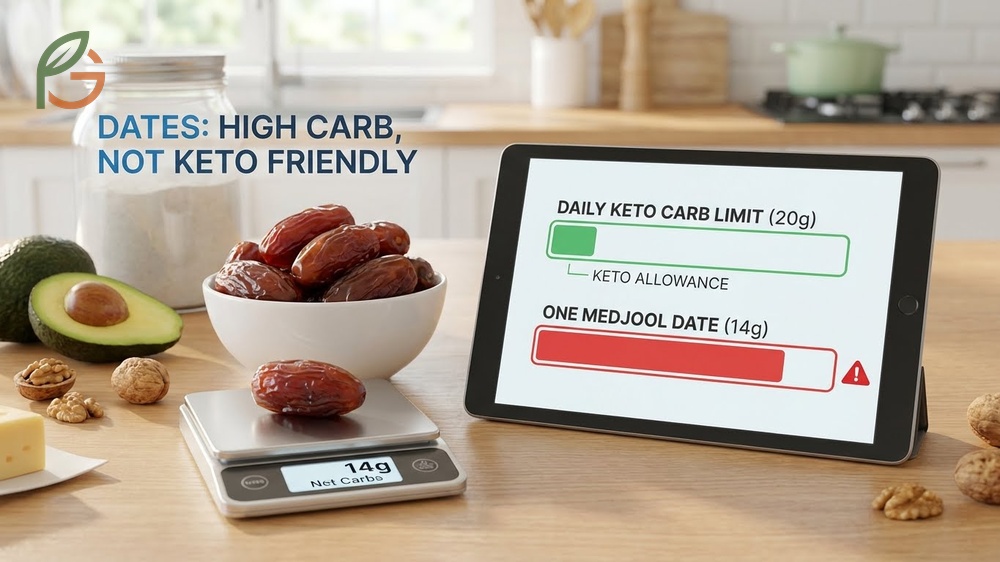
Dates aren’t compatible with strict ketogenic diets. Studies demonstrate that dates pack approximately 75 grams of total carbohydrates per 100-gram serving[1], which vastly exceeds the daily carb limits required to maintain ketosis. Most people following a ketogenic diet consume between 20 to 50 grams of net carbohydrates daily to achieve nutritional ketosis[3].
A single medium Medjool date contains roughly 14 grams of net carbs[2], representing 70% of a strict 20-gram daily limit or 28% of a more liberal 50-gram allowance. This high concentration means eating just two dates could push you over your daily carb budget. The carbohydrate density of dates makes them impractical for anyone trying to maintain ketosis and burn fat efficiently.
Current data indicates that even smaller date varieties contain 5-8 grams of net carbs per fruit. What often gets overlooked is that dates don’t provide the volume or satiety needed to justify their carb cost on keto. Unlike low-carb vegetables that you can eat in larger portions, dates deliver concentrated sugar in small packages, offering minimal nutritional benefit relative to their impact on blood glucose and ketone production.
Date Carb Content
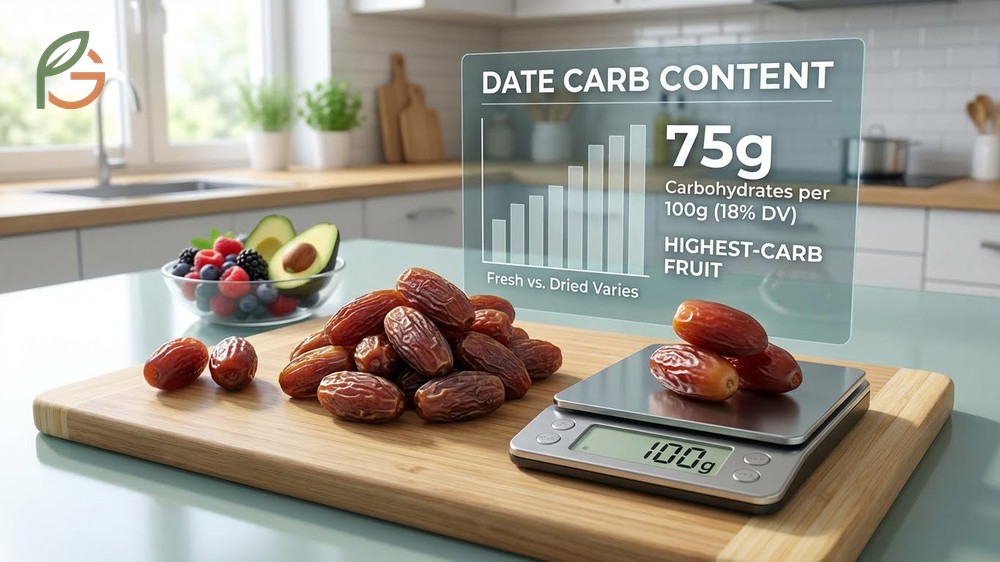
Evidence suggests that dates rank among the highest-carb fruits available. According to USDA National Nutrient Database analysis, 100 grams of dates provides approximately 75 grams of carbohydrates, accounting for 18% of the daily carbohydrate value[1]. This concentration far surpasses other fruits commonly restricted on keto diets.
The carbohydrate profile varies slightly between fresh and dried dates. Fresh dates contain 47.8-58.8 grams of carbohydrates per 100 grams, while dried dates deliver 66.1-88.6 grams per 100 grams[1]. Most dates sold in US stores are semi-dried, falling somewhere in this range with consistent carb density that makes portion control critical.
Net Carbs in Dates
Research shows that net carbs—total carbohydrates minus fiber—determine a food’s true impact on ketosis. Medjool dates contain approximately 14 grams of net carbs per medium fruit[2]. A 100-gram serving provides roughly 68 grams of net carbs when accounting for the 6-8 grams of dietary fiber[1].
The fiber in dates doesn’t offset their massive sugar load enough to make them keto-friendly. While fiber slows glucose absorption slightly, 6-8 grams of fiber can’t compensate for 75 grams of total carbs. Your body still processes the majority as digestible carbohydrates that raise blood sugar and suppress ketone production.
Important Note: Don’t confuse “natural” sugar with keto-friendly. Dates contain natural sugars, but your body processes them identically to refined sugar, triggering insulin response and potentially ending ketosis.
Sugar Content in Dates
Agricultural data shows that approximately 85% of total carbohydrates in dates exist as simple sugars[1]. Fresh dates contain 38.8-50.2 grams of total sugars per 100 grams, while dried dates pack 44.4-79.8 grams[1]. This sugar consists primarily of glucose and fructose in nearly equal proportions.
A single Medjool date delivers approximately 32 grams of sugar[5]—equivalent to roughly 8 teaspoons of table sugar. This concentrated sweetness makes dates popular for desserts but catastrophic for ketosis. The glucose component raises blood sugar rapidly, while fructose must be processed by your liver, potentially interfering with ketone production.
Dates Ketosis Impact

Current research demonstrates that consuming more than 50 grams of net carbs daily prevents most people from entering or maintaining nutritional ketosis[6]. Nutritional ketosis occurs when blood ketone levels reach 0.5 to 3.0 millimoles per liter[3]. Even a single date’s 14-gram carb load can disrupt this delicate metabolic state.
Studies indicate that individual carbohydrate tolerance varies based on factors including age, physical activity, gender, metabolism, and adaptation time on a ketogenic diet[6]. However, dates’ extreme carb density creates problems regardless of personal tolerance. The rapid glucose spike from date consumption triggers insulin release, which directly antagonizes ketone production and fat burning.
How Dates Affect Ketosis
Evidence indicates that high-glycemic foods like dates cause rapid blood sugar elevation. While dates have a moderate glycemic index of approximately 55.3[5], their glycemic load remains problematically high due to massive carbohydrate content per serving. This glycemic load—the product of glycemic index and total carbs—better predicts real-world blood sugar impact.
The glucose from dates floods your bloodstream within 30-60 minutes of consumption. Your pancreas responds by secreting insulin to clear this glucose from your blood. Insulin suppresses hormone-sensitive lipase, the enzyme that breaks down stored body fat, effectively halting ketosis and fat burning for several hours.
Date Sugar Carbs
Date sugar—made from dried, ground dates—doesn’t offer a keto-friendly alternative. Research shows that 2 teaspoons of date sugar contain 5 grams of total carbohydrates, with 4 grams coming from sugar and minimal fiber[7]. This 1:1 carb ratio mirrors regular dates because date sugar is simply pulverized whole dates.
Date sugar retains the full carbohydrate load of dates without any meaningful processing that reduces its impact. Unlike some sugar alcohols or alternative sweeteners that provide sweetness with minimal digestible carbs, date sugar delivers all the glucose and fructose of whole dates. Most people don’t realize that “healthier” sugar alternatives like date sugar still kick you out of ketosis just as effectively as white sugar.
Warning: Marketing terms like “natural sweetener,” “unrefined sugar,” or “paleo-friendly” don’t mean keto-compatible. Date sugar contains identical carbs to dates and will end ketosis.
Keto Fruit Alternatives
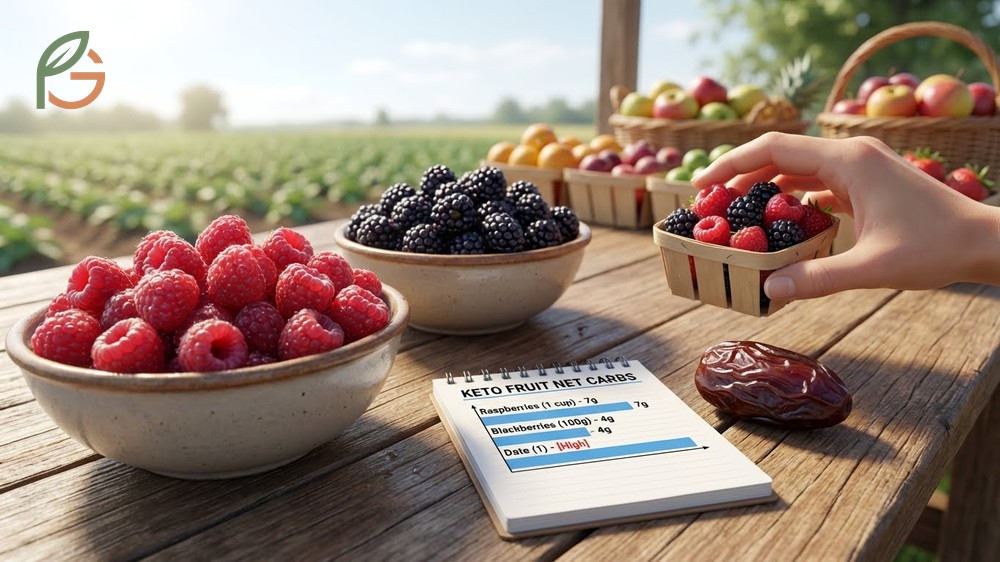
If you’re craving fruit on keto, several low-carb options deliver nutrients and fiber without derailing ketosis. Agricultural data shows clear winners for keto fruit choices.
This table compares net carbohydrate content per serving across seven keto-friendly fruits, showing dramatically lower carb counts than dates
| Fruit | Serving Size | Net Carbs | Key Benefits |
|---|---|---|---|
| Dates | 1 medium (24g) | 14g[2] | Not keto-friendly |
| Avocados | 1 whole (150g) | 2g[8] | Healthy fats, potassium |
| Raspberries | 1 cup (123g) | 7g[4] | Fiber, antioxidants |
| Blackberries | 100g | 4g[8] | Vitamins A, C, K |
| Strawberries | 1 cup sliced | 8g | Vitamin C, manganese |
| Watermelon | 1 cup diced (152g) | 11g[4] | Hydration, lycopene |
| Lemons | 1 medium | 4g[8] | Vitamin C, flavoring |
Berries deliver the best combination of sweetness, nutrients, and low carbs for keto followers. Raspberries contain only 7 grams of net carbs per cup[4]—half the carbs of a single date while providing vastly more volume and fiber. Blackberries offer even better ratios at 4 grams per 100-gram serving[8].
Avocados stand out as the ultimate keto fruit, packing healthy monounsaturated fats with only 2 grams of net carbs per whole fruit[8]. Unlike dates, avocados provide satiety through fat and fiber rather than sugar spikes. You can eat an entire avocado for fewer carbs than half a date, making them invaluable for keto meal planning.
- Measure berries carefully—eyeballing portions often leads to carb creep that stalls ketosis
- Pair fruit with fat sources like heavy cream or nut butter to slow glucose absorption
- Save fruit for post-workout when your muscles can absorb glucose without spiking insulin as dramatically
- Track your ketone levels when adding fruit to identify your personal tolerance threshold
- Choose frozen unsweetened berries to control portions and reduce cost compared to fresh
Natural Keto Sweeteners
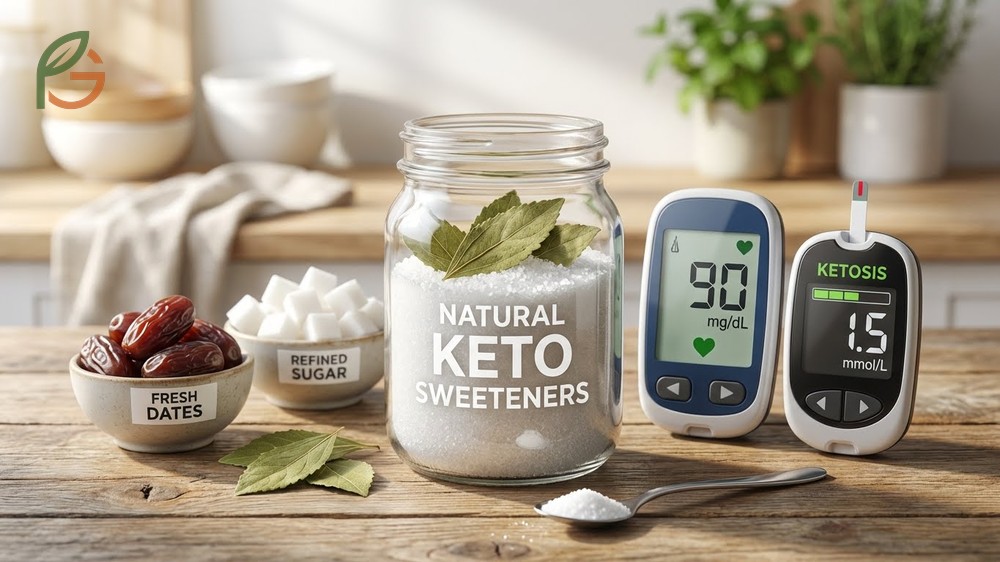
Research shows several natural sweeteners provide date-like sweetness without the carbohydrate load. These alternatives allow you to satisfy sweet cravings while maintaining ketosis and stable blood sugar.
Stevia extract contains zero calories and zero carbohydrates while delivering sweetness 200-300 times more intense than sugar[9]. Unlike dates, stevia doesn’t raise blood glucose or trigger insulin release. The compound stevioside provides the sweet taste without any impact on ketone production, making it ideal for coffee, tea, and baking.
Monk fruit sweetener offers another zero-calorie, zero-carbohydrate option that’s 100-250 times sweeter than table sugar[10]. Each teaspoon contains only 0.5 grams of carbohydrates[10]—negligible compared to dates’ 14-gram load per fruit. The FDA recognizes monk fruit as safe, and it works well in both hot and cold applications.
- Erythritol: Sugar alcohol with 0.2 calories per gram, doesn’t spike blood sugar, causes less digestive distress than other sugar alcohols
- Allulose: Rare sugar that tastes like table sugar, contains 90% fewer calories, doesn’t affect blood glucose or insulin in studies
- Xylitol: Contains 40% fewer calories than sugar with low glycemic index, but can cause digestive issues in large amounts
- Stevia-erythritol blends: Combine stevia’s intense sweetness with erythritol’s bulk for better baking results
- Yacon syrup: Contains fructooligosaccharides that don’t digest fully, though it still has some carbs (best in moderation)
Current guidance emphasizes using these sweeteners strategically rather than recreating a high-sugar diet with substitutes. While keto sweeteners won’t kick you out of ketosis like dates, excessive sweet taste—even from zero-carb sources—can maintain sugar cravings and make long-term keto adherence harder. Most successful keto followers reduce overall sweetness preference over time rather than constantly seeking sugar replacements.
Practical Tip: When replacing dates in recipes, combine monk fruit or stevia with a small amount of blackstrap molasses (1 teaspoon per recipe) to mimic dates’ caramel notes without the carb overload.
Conclusion
The evidence is clear: dates aren’t keto friendly due to their extreme carbohydrate density of 75 grams per 100 grams and 14 grams of net carbs per medium fruit. Their high sugar content—85% of total carbs[1]—rapidly elevates blood glucose and insulin, ending ketosis for most people. Even one date consumes most or all of the standard 20-50 gram daily carb allowance required to maintain nutritional ketosis.
Research-based alternatives exist for both whole fruit cravings and sweetness needs. Berries like raspberries (7g net carbs per cup) and blackberries (4g per 100g) deliver nutrients and fiber at a fraction of dates’ carb cost[4][8]. Natural keto sweeteners like stevia, monk fruit, and erythritol provide concentrated sweetness without impacting ketone levels. FruitGarden helps you make informed choices about fruit selection and cultivation to support your dietary goals while growing the plants that work best for your lifestyle.
Medical Disclaimer
Important Medical Disclaimer: This content is for informational and educational purposes only. It’s not intended as a substitute for professional medical advice, diagnosis, or treatment. Always consult a qualified healthcare professional or registered dietitian before making any changes to your diet, medication, or health routine, especially if you have diabetes, metabolic disorders, or other medical conditions. The ketogenic diet isn’t appropriate for everyone and may require medical supervision.
Frequently Asked Questions
Can You Eat Dates on a Keto Diet?
You can’t realistically eat dates on a strict keto diet. A single medium date contains approximately 14 grams of net carbohydrates, consuming 70% of a standard 20-gram daily carb limit or 28% of a more liberal 50-gram allowance. The concentrated sugar content kicks most people out of ketosis within hours of consumption.
How Many Carbs Are in One Medjool Date?
One medium Medjool date contains roughly 14 grams of net carbs and 32 grams of total sugar. This carbohydrate load comes primarily from simple sugars (glucose and fructose) that rapidly elevate blood glucose levels. The minimal fiber content (about 1.6 grams per date) doesn’t offset this substantial sugar load enough to make dates keto-compatible.
What Fruits Can Replace Dates on Keto?
Berries make the best date replacements on keto diets. Raspberries contain only 7 grams of net carbs per cup, while blackberries deliver 4 grams per 100-gram serving—dramatically less than dates’ 14 grams per fruit. Avocados offer the lowest carb option at 2 grams per whole fruit while providing healthy fats. These alternatives provide volume, nutrients, and satisfaction without derailing ketosis.
Are Date-Based Sweeteners Keto Friendly?
Date-based sweeteners like date sugar or date syrup aren’t keto friendly. These products contain the same carbohydrate density as whole dates—approximately 5 grams of carbs per 2 teaspoons—because they’re simply processed dates. Despite marketing as “natural” or “unrefined,” date sweeteners spike blood sugar and end ketosis just like regular sugar. Stevia, monk fruit, and erythritol provide truly keto-compatible sweetness.
What Happens If You Eat Dates While on Keto?
Eating dates while on keto typically ends ketosis within 1-3 hours. The 14 grams of rapidly-absorbed carbs per date spike blood glucose, triggering insulin release that suppresses fat burning and ketone production. Your blood ketone levels drop below the 0.5 millimoles per liter threshold for nutritional ketosis, shifting your metabolism back to glucose burning. It may take 1-3 days of strict carb restriction to re-enter ketosis.
Which Sweetener Tastes Most Like Dates?
Monk fruit sweetener most closely mimics dates’ caramel-like sweetness without the carbs. For recipes requiring dates’ texture and complexity, combine monk fruit or stevia with a tiny amount (1 teaspoon per recipe) of blackstrap molasses to add depth. Alternatively, blend erythritol with vanilla extract and a pinch of salt to approximate dates’ rich flavor profile while keeping net carbs near zero.
Do Dates Have Any Place in a Cyclical Keto Diet?
Dates might fit into cyclical ketogenic diets during planned carb-refeed days. Athletes following targeted keto protocols sometimes consume 25-50 grams of fast-acting carbs around intense workouts, and 2-3 dates could serve this purpose. However, most keto practitioners achieve better results with lower-glycemic carb sources like sweet potatoes or rice during refeeds, saving dates for rare occasions when you’ve consciously decided to break ketosis.