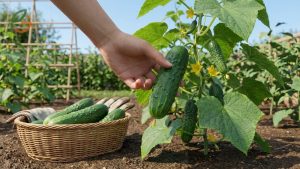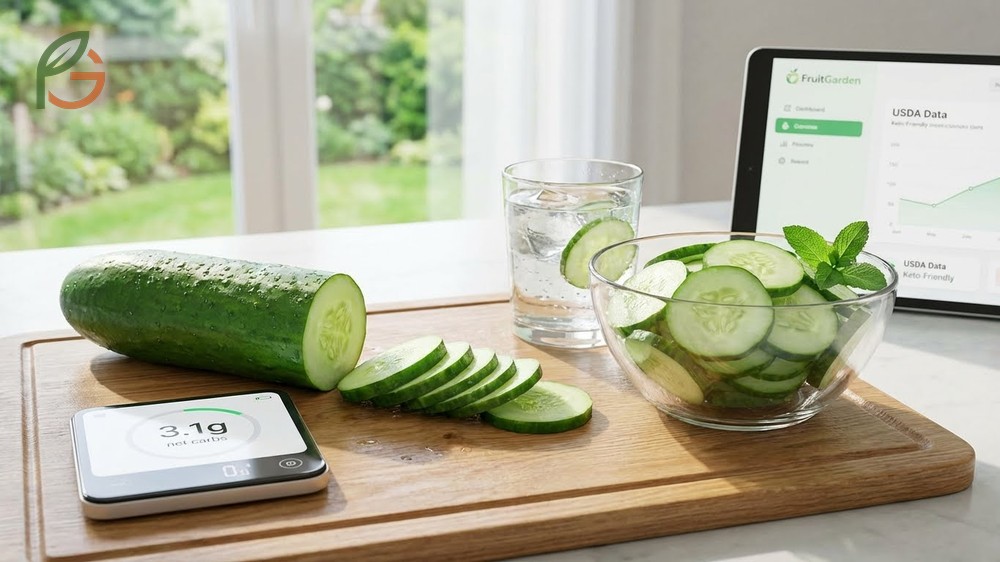
Are cucumbers keto friendly? Yes, cucumbers are excellent for keto diets. Research shows they contain only 3.1g net carbs per 100g[1], making them one of the lowest-carb vegetables you can eat. Their 96% water content keeps you hydrated while their crisp texture adds volume to meals without breaking ketosis. FruitGarden synthesizes current nutritional research and USDA data to help you make informed decisions about keto-friendly produce for your garden and table.
Quick Answer
Are Cucumbers Keto Friendly
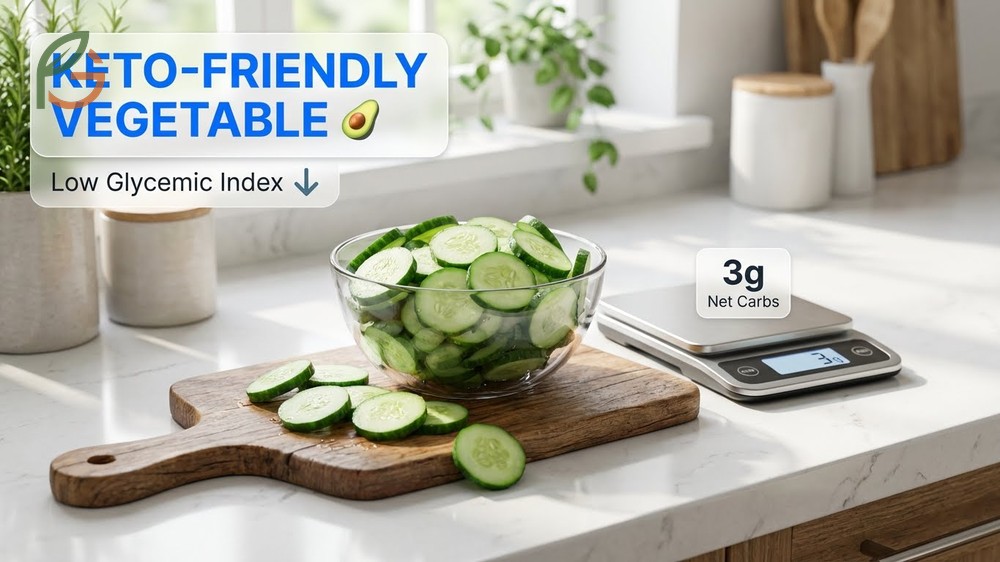
Cucumbers rank among the most keto-friendly vegetables available. Studies show their extremely low net carb content of 3.1g per 100g[1] fits easily within the standard ketogenic diet limit of 20-50g total carbs per day. Most people following strict keto can consume 300-400g of cucumbers daily without disrupting ketosis.
The vegetable’s high water content works in your favor on keto. Research indicates cucumbers are composed of approximately 95-96% water, which helps prevent keto flu symptoms like headaches and fatigue. This hydration benefit becomes crucial during the initial adaptation phase when your body sheds water weight.
Unlike starchy vegetables such as potatoes or corn, cucumbers won’t spike your blood sugar. Current nutritional data confirms they contain minimal sugar content—just 1.7-2.0g per 100g[3]. This low glycemic impact makes them ideal for maintaining stable ketone production throughout the day.
What often gets overlooked is cucumber’s role in adding volume to meals. You can eat large portions that provide satisfying crunch and fullness for fewer than 20 calories per 100g. This volume-to-calorie ratio helps with appetite control, a common challenge when transitioning to ketogenic eating patterns.
Cucumber Carb Content
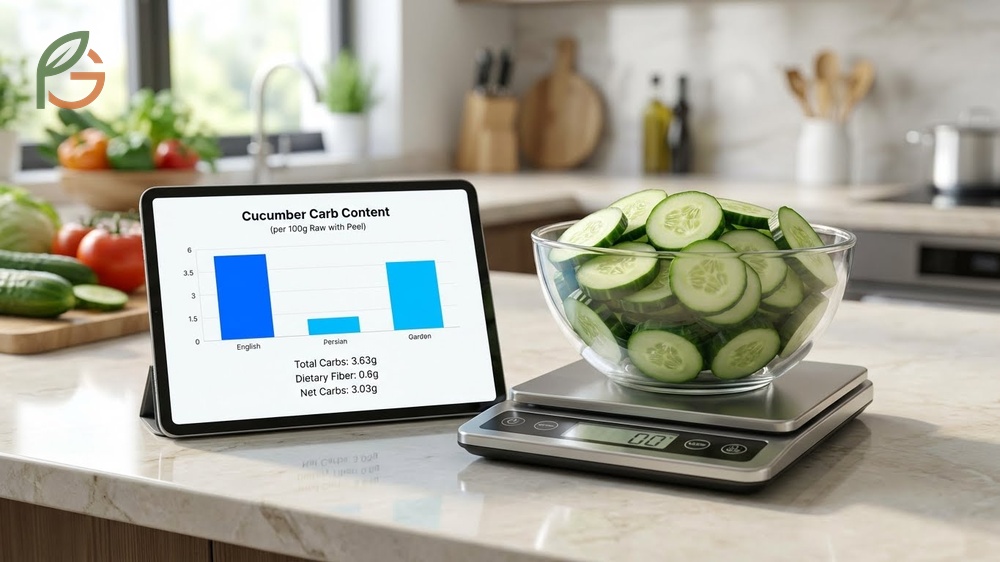
Agricultural data from USDA FoodData Central reveals cucumbers contain 3.63g total carbohydrates per 100g[1] when consumed raw with the peel intact. This total includes both digestible carbs and dietary fiber. The fiber content ranges from 0.5-0.6g per 100g[2], which you subtract to calculate net carbs for keto purposes.
The carbohydrate profile remains remarkably consistent across different cucumber varieties. English cucumbers, Persian cucumbers, and standard garden cucumbers all deliver similar macronutrient values. Evidence suggests peeling removes minimal nutrients, so you can eat them either way without significantly affecting carb counts.
Net Carbs Breakdown
Net carbs represent the carbohydrates your body actually digests and converts to glucose. You calculate this by subtracting fiber from total carbs. For cucumbers, the math is straightforward: 3.63g total carbs minus 0.5g fiber equals approximately 3.1g net carbs[1].
This calculation matters because fiber doesn’t raise blood sugar or interfere with ketosis. Current guidance emphasizes tracking net carbs rather than total carbs on keto diets. The fiber in cucumbers, though modest, still supports digestive health and adds to daily fiber intake without carb penalties.
Important Note: Always use raw cucumber data for accuracy. Pickled cucumbers contain added sugars and vinegar that increase carb counts to 2-5g per serving depending on the brine recipe.
Serving Size Variations
Different serving sizes change your total carb intake proportionally. One cup of sliced cucumber weighs approximately 104-120g and contains 1.9-2.0g net carbs[2]. A whole large cucumber weighing 280-300g provides around 9-10g total carbs with 8-9g net carbs after subtracting fiber.
Most keto dieters find half a large cucumber (140g) hits the sweet spot. This portion delivers about 4g net carbs while providing substantial volume and hydration. You can pair this with high-fat dips like guacamole or cream cheese to balance your macros effectively.
Net Carbs Cucumbers
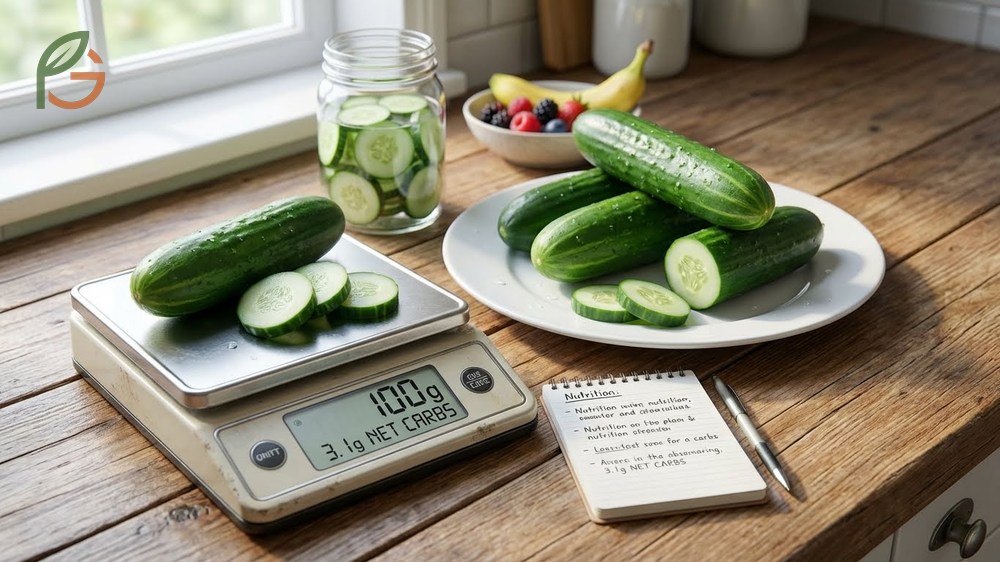
Understanding net carbs helps you maximize vegetable intake on keto. Research across multiple nutritional databases confirms cucumbers as one of the lowest net carb options available. Their 3.1g net carbs per 100g[1] means you’d need to eat over 600g to reach even 20g of net carbs—the lower threshold for strict keto.
The reason cucumbers work so well for keto comes down to their botanical classification. Unlike fruits that store energy as sugars, cucumbers are picked immature before significant starch or sugar accumulation occurs. This timing keeps carbohydrate content minimal compared to fully mature vegetables or fruits.
Calculating Net Carbs
Net carb calculation follows a simple formula: Total Carbohydrates – Dietary Fiber = Net Carbs. For a standard 100g cucumber serving, you start with 3.63g total carbs and subtract 0.5g fiber, leaving 3.13g net carbs[1]. This principle applies to all whole food vegetables on keto.
Some food labels in the United States already list net carbs separately, but cucumbers rarely come with nutrition labels since they’re sold whole. You’ll need to reference USDA databases or use nutrition tracking apps that pull from official sources. The numbers remain consistent year-round since cucumbers don’t undergo seasonal composition changes like some fruits.
Comparison with Other Vegetables
Comparing cucumbers to other common keto vegetables reveals their competitive advantage. The table below shows net carb values per 100g serving for popular low-carb choices.
This table compares net carbohydrate content across seven common keto-friendly vegetables per 100 gram serving to help identify the lowest carb options
| Vegetable | Net Carbs (g) | Total Carbs (g) | Fiber (g) |
|---|---|---|---|
| Cucumber | 3.1[1] | 3.6 | 0.5 |
| Zucchini | 3.0[5] | 3.1 | 1.0 |
| Cauliflower | 3.0[5] | 5.0 | 2.0 |
| Spinach | 1.4 | 3.6 | 2.2 |
| Broccoli | 4.0[5] | 6.6 | 2.6 |
| Bell Pepper | 4.0[5] | 6.0 | 2.0 |
| Tomato | 3.0[5] | 3.9 | 0.9 |
Cucumbers tie with zucchini and cauliflower as among the lowest net carb vegetables. Only leafy greens like spinach score lower. This makes cucumbers a reliable choice when you need bulk and crunch without spending your limited carb budget.
Keto Vegetable List
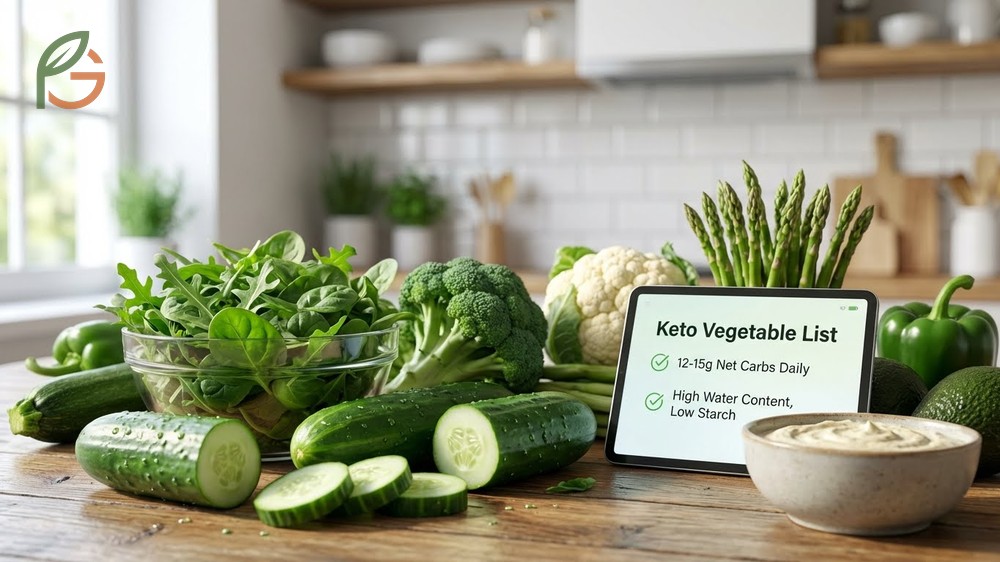
Building a comprehensive keto vegetable rotation ensures you get variety while staying in ketosis. Current dietary guidance emphasizes consuming 12-15g net carbs from vegetables daily during the strict induction phase[5]. This allowance lets you eat multiple servings of low-carb options like cucumbers alongside other nutrient-dense choices.
The best keto vegetables share common characteristics: high water content, low starch, and harvested before maturity. Cucumbers exemplify these traits perfectly. They grow quickly in warm weather and are picked while still firm and crisp, before seeds fully develop and sugars concentrate.
Most keto practitioners organize vegetables into three categories based on net carbs per 100g serving. Cucumbers fall into the “freely eat” category with under 5g net carbs. The middle tier (5-10g) requires portion awareness, while high-carb vegetables above 10g need careful measurement or avoidance.
- Leafy greens: Spinach (1.4g), lettuce (1.5g), arugula (2g), kale (3g) provide vitamins with minimal carbs
- Cruciferous vegetables: Cauliflower (3g), broccoli (4g), Brussels sprouts (5g) offer fiber and cancer-fighting compounds
- Summer squash family: Zucchini (3g), yellow squash (3g) serve as pasta alternatives and add volume
- Above-ground vegetables: Cucumber (3.1g), celery (1.4g), radishes (2g) deliver crunch with near-zero net carbs
- Peppers and tomatoes: Bell peppers (4g), cherry tomatoes (3g) add color and vitamin C without carb penalties
- Asparagus and green beans: Both clock in around 4-5g net carbs with spring harvest advantages
- Mushrooms: Most varieties contain 2-3g net carbs while providing umami flavor and B vitamins
Vegetables to Limit: Avoid starchy options like potatoes (15g), sweet potatoes (17g), corn (19g), peas (9g), and root vegetables like carrots (7g) and beets (7g) during strict keto phases.
Rotation prevents taste fatigue and ensures diverse micronutrient intake. Try eating cucumbers three to four times weekly while cycling through other low-carb vegetables on remaining days. This approach maintains ketosis while supporting overall health through varied plant compounds and minerals.
Cucumber Serving Keto
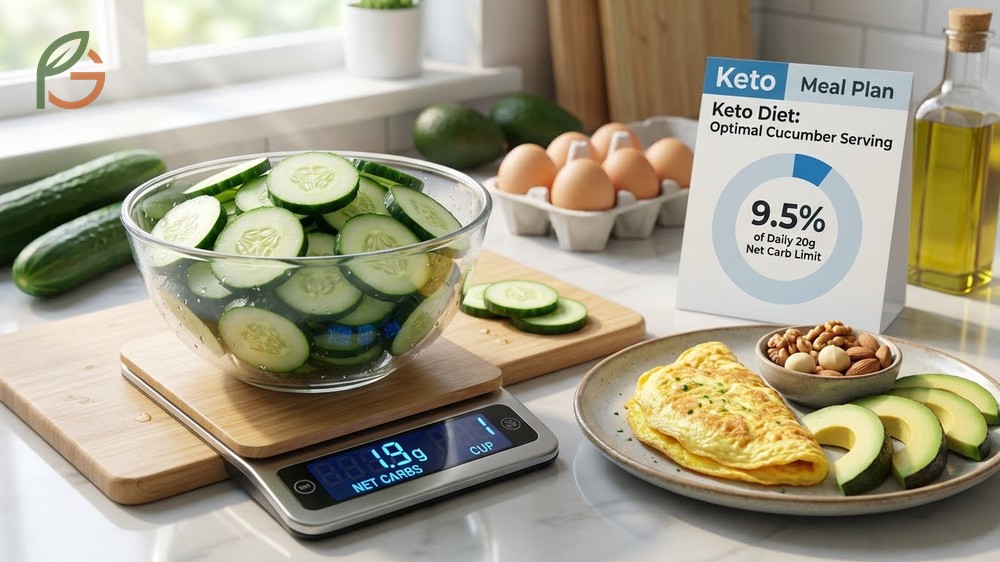
Determining optimal cucumber serving sizes depends on your daily carb limit and meal structure. For strict keto dieters targeting 20g net carbs daily, one cup of sliced cucumber at 1.9g net carbs[2] represents just 9.5% of your total carb allowance. This leaves ample room for other vegetables, nuts, and trace carbs from proteins.
Timing your cucumber consumption strategically maximizes their benefits. Many keto practitioners eat them with breakfast alongside eggs and avocado, providing morning hydration and fiber. The crunch factor also helps with the psychological transition from carb-heavy breakfast foods like toast or cereal.
Pairing cucumbers with high-fat foods balances your macros effectively. Dipping cucumber slices in guacamole, ranch dressing, or cream cheese spreads adds 10-15g of healthy fats per serving. This combination keeps you satiated for 4-5 hours between meals, reducing snacking urges that often derail keto progress.
- Breakfast side: Half cup sliced (0.95g net carbs) pairs with omelets or keto smoothies
- Lunch salad base: One cup sliced (1.9g net carbs) topped with protein and oil-based dressing
- Afternoon snack: Half large cucumber (4g net carbs) with 2 tablespoons cream cheese dip
- Dinner accompaniment: Cucumber slices unlimited as side vegetable, dressed with vinegar and olive oil
- Pre-workout hydration: Quarter cucumber (1g net carbs) eaten 30 minutes before exercise
Meal prep enthusiasts can slice cucumbers for the week on Sunday. Store them in airtight containers with paper towels to absorb excess moisture. Pre-cut cucumbers stay crisp for 3-4 days, making it easier to grab proper portions without overestimating serving sizes.
Low Carb Cucumber Snacks
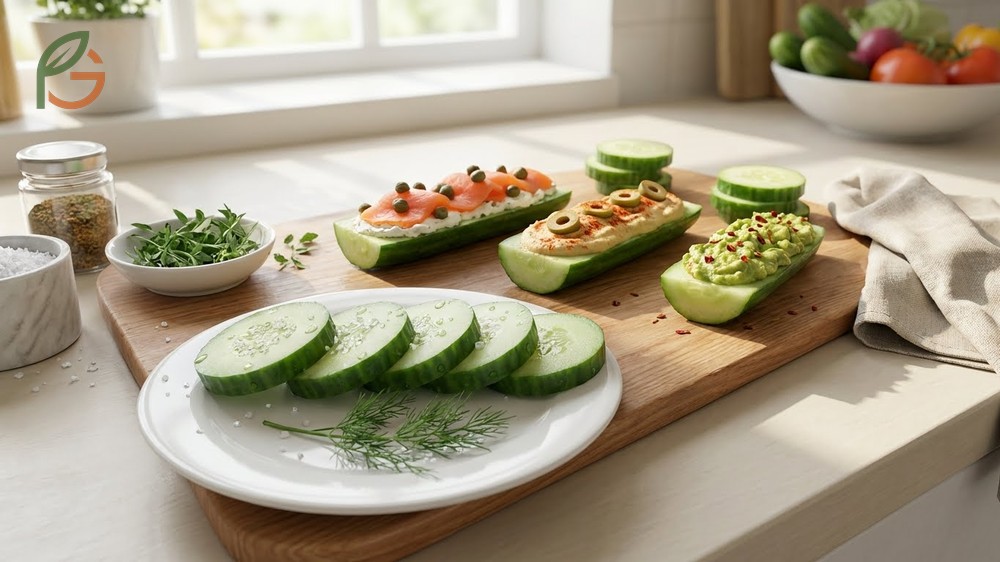
Cucumbers transform into satisfying keto snacks with minimal preparation. Their neutral flavor profile works as a vehicle for bolder ingredients like herbs, spices, and creamy spreads. Research on satiety shows crunchy foods require more chewing, which signals fullness to your brain faster than soft foods with equal calories.
The key to great cucumber snacks lies in moisture management. Salting cucumber slices 10 minutes before adding toppings draws out water, preventing soggy results. Pat them dry with paper towels before assembly. This extra step keeps your snacks crisp for up to 2 hours at room temperature.
Cold cucumber snacks work particularly well during summer months or after workouts. Their high water content provides hydration while electrolytes from added salt help prevent the mineral depletion common in ketogenic diets. You’re essentially creating a whole-food sports drink with satisfying texture.
Cucumber Boat Recipes
Cucumber boats involve halving cucumbers lengthwise and scooping out seeds to create edible bowls. This technique works best with English cucumbers due to their length and fewer seeds. Fill the hollowed cucumbers with protein-rich mixtures for complete keto meals under 5g net carbs per serving.
The classic egg salad filling combines chopped hard-boiled eggs with mayonnaise, mustard, and fresh herbs. Three large cucumbers yield six boats that each hold about one egg’s worth of salad. Total net carbs stay around 2-3g per boat depending on mustard brands and portion sizes.
- Tuna salad boats: Mix canned tuna with mayo, celery, and dill (2g net carbs per boat)
- Chicken Caesar boats: Shredded rotisserie chicken with Caesar dressing and Parmesan (3g net carbs)
- Smoked salmon cream cheese: Whipped cream cheese layered with smoked salmon and capers (1.5g net carbs)
- Avocado lime boats: Mashed avocado mixed with lime juice and cilantro (4g net carbs including avocado)
- Buffalo chicken boats: Shredded chicken tossed in buffalo sauce with blue cheese crumbles (2.5g net carbs)
Everything Bagel Cucumber Bites
These viral keto snacks sandwich seasoned cream cheese between cucumber rounds, then roll the edges in everything bagel seasoning. The result mimics the satisfaction of bagels with cream cheese but delivers only 0.5g net carbs per bite compared to 45g for an actual bagel.
To make them, soften 8 ounces of cream cheese and blend with lemon juice, fresh dill, salt, and white pepper. Slice one English cucumber into quarter-inch rounds—you’ll get approximately 40 slices. Spread cream cheese on one slice, top with another, then press edges into everything bagel seasoning for coating.
These bites stay fresh refrigerated for up to 3 days in sealed containers. The seasoning softens slightly over time but maintains crunch better than exposed cucumber slices alone. Each batch makes about 20 sandwich bites, perfect for meal prep or entertaining keto guests.
- Mediterranean version: Use garlic herb cream cheese and roll in za’atar spice blend
- Spicy jalapeño: Mix cream cheese with diced pickled jalapeños and roll in tajín seasoning
- Ranch cucumber bites: Blend cream cheese with ranch powder and roll in dried chives
- Italian herb bites: Season cream cheese with Italian herbs and roll in crushed pork rinds for extra crunch
- Smoked paprika bites: Add smoked paprika to cream cheese and coat edges with sesame seeds
Conclusion
The evidence is clear: cucumbers are among the most keto-friendly vegetables you can include in your low-carb lifestyle. With just 3.1g net carbs per 100g[1] and exceptional hydration properties, they support ketosis while adding volume and crunch to your meals without guilt.
Current nutritional guidance emphasizes eating a variety of low-carb vegetables to meet micronutrient needs while maintaining ketosis. Cucumbers fit seamlessly into this framework whether eaten raw, pickled (sugar-free versions), or transformed into creative snacks. FruitGarden recommends growing your own cucumbers in summer for the freshest, most nutrient-dense option—homegrown vegetables picked at peak ripeness offer superior flavor and texture compared to store-bought alternatives transported long distances.
Medical Disclaimer
Important Medical Disclaimer: This content is for informational and educational purposes only. It is not intended as a substitute for professional medical advice, diagnosis, or treatment. Always consult a qualified healthcare professional or registered dietitian before starting any ketogenic diet or making significant changes to your eating patterns, especially if you have diabetes, kidney disease, heart conditions, or other medical concerns. Individual carbohydrate tolerance varies, and what works for one person may not be appropriate for another.
Frequently Asked Questions
How many cucumbers can I eat per day on keto?
You can safely eat 2-3 medium cucumbers daily on keto without exceeding carb limits. This amounts to roughly 300-400g, providing about 9-12g net carbs—well within the 20-50g daily range for ketosis. Listen to your body and adjust portions based on your individual carb tolerance and other foods consumed that day.
Are pickled cucumbers keto friendly?
Sugar-free pickled cucumbers are keto friendly, but many commercial brands add sugar to their brine. Check labels carefully—avoid varieties listing sugar, corn syrup, or dextrose in the first five ingredients. Homemade pickles using vinegar, salt, and spices contain the same low carbs as fresh cucumbers. Dill pickles typically have 2-3g net carbs per large pickle.
Do cucumbers help with keto flu symptoms?
Yes, cucumbers help alleviate keto flu symptoms through their high water and electrolyte content. The 96% water composition aids hydration, while naturally occurring potassium and sodium help replace minerals lost during the initial transition to ketosis. Eating cucumbers with added salt provides even better electrolyte balance for reducing headaches and fatigue.
Should I peel cucumbers before eating them on keto?
No need to peel cucumbers for keto purposes. The peel contains minimal additional carbs while providing extra fiber and nutrients. Waxed store-bought cucumbers benefit from washing or peeling to remove coating, but organic or homegrown cucumbers can be eaten unpeeled. The fiber in peels actually lowers net carbs slightly by increasing the total fiber content.
What’s the best time to eat cucumbers on a keto diet?
Cucumbers work well at any meal, but many keto dieters prefer them at breakfast or as afternoon snacks. Morning consumption provides hydration after overnight fasting, while afternoon servings help bridge the gap between lunch and dinner without breaking ketosis. Pre-workout cucumber snacks offer light energy and hydration without causing digestive discomfort during exercise.
Can I drink cucumber water on keto?
Yes, cucumber water is excellent for keto. Infusing water with cucumber slices adds minimal carbs—typically less than 0.5g per liter—while providing subtle flavor and encouraging hydration. Add mint, lemon, or lime for variety without significantly increasing carb counts. Avoid commercial cucumber waters that list added sugars or fruit juices in the ingredients.
Are English cucumbers better for keto than regular cucumbers?
English and regular cucumbers have nearly identical carb counts, both around 3.1g net carbs per 100g. English cucumbers offer advantages in texture—they’re less seedy and bitter—but not in macronutrient composition. Choose based on recipe needs and personal preference rather than carb differences. Persian cucumbers work equally well with similar nutritional profiles.