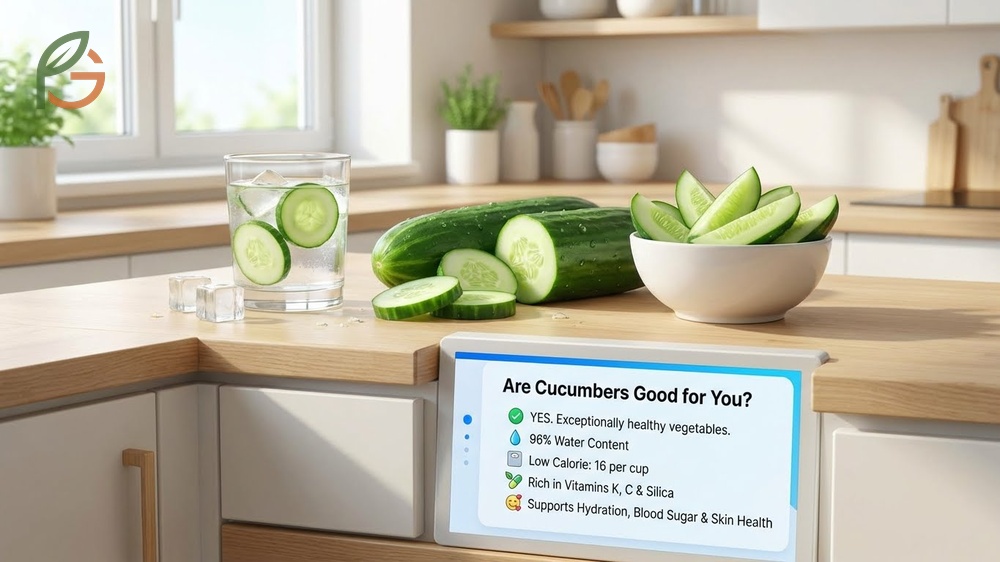
Are cucumbers good for you? Yes, cucumbers are exceptionally healthy vegetables that provide 96% water content[1], essential vitamins, minerals, and powerful antioxidants while containing only 16 calories per cup[2]. Research shows cucumbers support hydration, blood sugar regulation, and skin health through compounds like vitamin K, vitamin C, and silica. FruitGarden synthesizes current nutritional research to help you understand why this humble vegetable deserves a place in your daily diet.
Quick Answer
- Cucumbers contain 96% water[1], making them one of the most hydrating vegetables available
- One cup provides only 16 calories[2] and 10% of daily vitamin K[3] needs
- Studies demonstrate cucumbers help control blood glucose and reduce diabetes complications[4]
- Rich in antioxidants including vitamin C, beta-carotene, and flavonoids that protect cells from oxidative damage[3]
Are Cucumbers Good for You
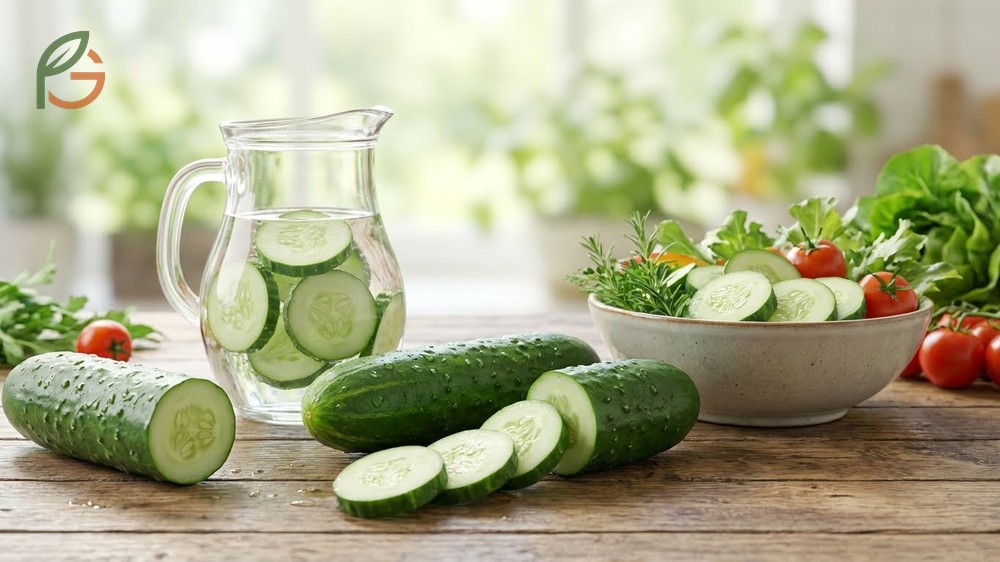
Cucumbers rank among the healthiest vegetables you can eat. Research shows their unique nutritional profile supports multiple body systems simultaneously. Studies demonstrate that increased fruit and vegetable intake, particularly water-rich options like cucumbers, correlates with improved hydration status in both children and adults[1].
The vegetable’s impressive nutrient-to-calorie ratio makes it ideal for health-conscious eating. You get essential vitamins, minerals, and beneficial plant compounds without adding significant calories to your diet. Current nutritional guidance emphasizes vegetables like cucumbers that deliver maximum nutrients with minimal energy density.
Evidence suggests cucumbers provide protective effects against chronic diseases through their antioxidant and anti-inflammatory compounds. These include flavonoids, tannins, and cucurbitacins that neutralize harmful free radicals[3]. Most people don’t realize the peel and seeds contain the highest concentration of these beneficial nutrients.
Exceptional Water Content
Cucumbers consist of approximately 96% water[1], placing them among the most hydrating foods available. This high water content makes them especially effective at helping you meet daily fluid needs. The remaining 4% contains carbohydrates, fiber, and trace amounts of protein.
Agricultural data shows this exceptional moisture level results from the cucumber’s cellular structure. The vegetable’s ability to retain water while maintaining crisp texture makes it both refreshing and nutritious. Unlike sugary drinks, cucumber water provides hydration without added calories or artificial ingredients.
Low Calorie Nutrient Density
One cup of raw cucumber with peel contains just 16 calories[2]. This remarkably low calorie count allows unlimited consumption without weight concerns. The vegetable provides volume and crunch that satisfies hunger while supporting calorie deficit goals.
Studies demonstrate that low-energy-dense foods like cucumbers increase satiety more effectively than calorie-dense options. Research shows people who eat more water-rich vegetables naturally consume fewer calories throughout the day. This makes cucumbers an ideal choice for weight management without restrictive dieting.
Important Note: Always eat cucumbers with the peel intact when possible. The skin contains the majority of fiber, vitamins, and beneficial plant compounds. Choose organic varieties to avoid pesticide residue on the peel.
Nutritional Value of Cucumbers

The nutritional value of cucumbers extends beyond their water content. According to USDA data, one cup of sliced cucumber provides a balanced mix of essential nutrients. While not exceptionally high in any single nutrient, cucumbers contribute meaningful amounts of several vitamins and minerals when consumed regularly.
Current research highlights cucumber’s role as a nutrient-delivery vehicle. The vegetable’s high water content aids nutrient absorption in your digestive system. This makes the vitamins and minerals more bioavailable compared to drier food sources.
This table compares essential nutrients in one cup of raw cucumber including vitamins, minerals, and macronutrients with their daily value percentages
| Nutrient | Amount | % Daily Value |
|---|---|---|
| Calories | 16[2] | ~1% |
| Water | 96%[1] | — |
| Protein | 0.7g | 1% |
| Carbohydrates | 3.6g | 1% |
| Fiber | 0.5g | 2% |
| Vitamin K | 8.5 mcg[3] | 10% |
| Vitamin C | 3 mg[3] | 5% |
| Potassium | 152 mg | 3% |
| Magnesium | 14 mg | 3% |
Vitamins in Cucumbers
Cucumbers provide notable amounts of vitamin K, delivering approximately 10% of the recommended daily intake[3] per cup. Vitamin K plays a crucial role in blood clotting and bone metabolism. Research shows adequate vitamin K intake supports cardiovascular health and reduces fracture risk in older adults.
The vegetable also contains vitamin C, an antioxidant vitamin that supports immune function and collagen synthesis. Studies demonstrate vitamin C promotes skin health by protecting against oxidative stress and enhancing wound healing. Small amounts of B vitamins including B5 (pantothenic acid) and B7 (biotin) contribute to energy metabolism and cellular function.
- Vitamin K: Essential for blood clotting and bone health, provides 10% daily value per cup
- Vitamin C: Powerful antioxidant supporting immune system and collagen production
- Vitamin B5 (Pantothenic Acid): Supports energy metabolism and hormone synthesis
- Vitamin B7 (Biotin): Promotes healthy hair, skin, and nails through keratin production
- Beta-Carotene: Converts to vitamin A in the body, supporting eye and skin health
Cucumber Mineral Content
The mineral content of cucumbers includes potassium, magnesium, and trace amounts of silica. Potassium supports cardiovascular function by helping regulate blood pressure and fluid balance. Evidence suggests adequate potassium intake correlates with reduced stroke risk and improved heart health markers.
Magnesium contributes to over 300 enzymatic reactions in your body. This mineral supports muscle function, nerve transmission, and energy production. Research shows magnesium aids muscle contraction and recovery, making cucumber water particularly beneficial for athletes and active individuals.
Silica, a trace mineral found primarily in cucumber peels, plays a key role in collagen formation[5]. This compound helps skin retain firmness and elasticity. Studies demonstrate silica-rich foods support connective tissue health and may reduce the appearance of fine lines.
Health Benefits of Cucumbers
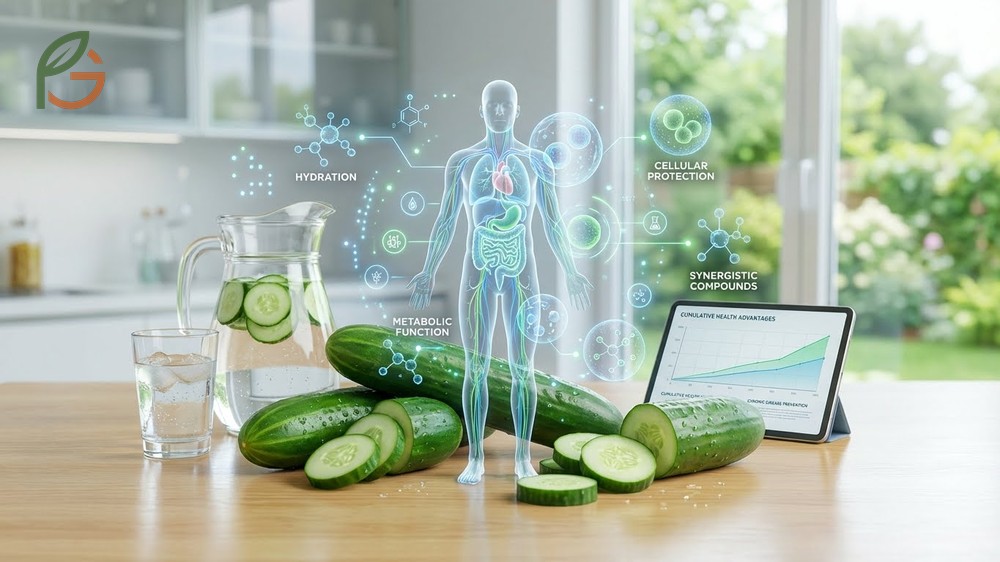
The health benefits of cucumbers extend across multiple body systems. Research demonstrates these vegetables provide measurable improvements in hydration, metabolic function, and cellular protection. Current evidence supports cucumber consumption for preventing chronic diseases and supporting overall wellness.
Studies show regular cucumber intake delivers cumulative health advantages. Unlike isolated supplements, whole cucumbers provide synergistic compounds that work together. This whole-food approach ensures you get the full spectrum of beneficial nutrients and phytochemicals.
Hydration Benefits
Cucumbers are especially effective at promoting hydration due to their 96% water content[1]. Research involving 442 children found that increased fruit and vegetable intake was associated with improved hydration status[1]. The vegetable helps you meet daily fluid needs through food rather than drinks alone.
Proper hydration affects every bodily function. Studies demonstrate adequate fluid intake improves cognitive performance, physical endurance, and metabolic efficiency. Cucumbers provide hydration plus electrolytes like potassium and magnesium that plain water lacks.
Evidence suggests cucumber water delays muscle cramp onset during exercise compared to plain water. The combination of fluids and electrolytes supports muscle contraction and recovery. This makes cucumbers particularly valuable for athletes or anyone engaging in physical activity in warm conditions.
Antioxidants in Cucumber
Cucumbers contain several powerful antioxidants including vitamin C, beta-carotene, flavonoids, and cucurbitacins[3]. These compounds neutralize harmful free radicals that cause oxidative stress and cellular damage. Research shows antioxidants reduce inflammation and lower the risk of chronic diseases including heart disease and diabetes.
The flavonoid fisetin found in cucumbers demonstrates neuroprotective properties. Studies suggest this compound supports brain health by reducing inflammation in neural tissue. Current research explores fisetin’s potential role in preventing age-related cognitive decline.
Cucurbitacins, the compounds that give cucumbers their slightly bitter taste, exhibit anti-cancer properties in laboratory studies. While human trials remain limited, preliminary evidence indicates these phytochemicals may inhibit cancer cell growth. Most research focuses on concentrated extracts rather than whole cucumber consumption.
Skin Health Benefits
Cucumbers support skin health through multiple mechanisms. The silica content promotes collagen production, helping skin retain firmness and elasticity[5]. Research shows silica works synergistically with vitamin C to enhance the body’s natural collagen synthesis.
Vitamin C in cucumbers serves dual roles for skin. This antioxidant protects against UV-induced oxidative damage while promoting collagen formation. Studies demonstrate adequate vitamin C intake improves skin texture and reduces visible signs of aging.
The high water content hydrates skin from the inside out. Evidence suggests proper hydration improves skin elasticity and reduces the appearance of fine lines. Unlike topical applications, eating cucumbers provides systemic hydration that benefits all skin layers.
Skin Care Tip: While topical cucumber applications offer temporary cooling effects, eating cucumbers provides more substantial skin benefits. The nutrients must be absorbed through your digestive system to reach skin cells effectively.
Digestive Health
The fiber in cucumbers supports digestive health by adding bulk to stool and promoting regular bowel movements. Cucumbers contain both soluble and insoluble fiber, each offering unique benefits[6]. Soluble fiber forms a gel-like substance that slows digestion, while insoluble fiber adds bulk and speeds transit time through the intestines.
Research shows adequate fiber intake reduces constipation risk and supports healthy gut bacteria. The fiber feeds beneficial microorganisms in your colon, promoting a balanced microbiome. Studies demonstrate fiber-rich diets correlate with reduced inflammatory bowel disease risk.
The high water content works synergistically with fiber for optimal digestive function. Evidence suggests water softens stool and prevents dehydration-related constipation. This combination makes cucumbers particularly effective for maintaining regular digestion without harsh laxatives.
Blood Sugar Regulation
Cucumbers demonstrate significant potential for blood sugar regulation. Research published in the National Institutes of Health found that cucumber extracts protect against diabetes complications and reduce oxidative stress markers[4]. The study concluded cucumbers are ideal candidates for glycemic control in diabetic patients.
The vegetable’s very low glycemic index means it causes little to no blood sugar spike after eating. Studies show cucumbers contain minimal carbohydrates and abundant water, preventing rapid glucose elevation. This makes them safe choices for people monitoring blood sugar levels.
Evidence suggests the compound kaempferol in cucumbers contributes to anti-diabetic activity. This dietary flavonoid helps improve insulin sensitivity and glucose metabolism. Research demonstrates kaempferol reduces fasting blood sugar levels when consumed regularly through plant foods.
The soluble fiber in cucumbers slows sugar absorption in the bloodstream. Studies show this delayed absorption helps maintain steady blood glucose levels throughout the day. People with diabetes or prediabetes benefit from this stabilizing effect on blood sugar.
- Low glycemic index: Causes minimal blood sugar elevation due to low carbohydrate content
- Kaempferol flavonoid: Improves insulin sensitivity and glucose metabolism
- Soluble fiber: Slows sugar absorption, preventing rapid glucose spikes
- Antioxidant protection: Reduces oxidative stress that contributes to diabetes complications
- High water content: Dilutes sugar concentration and supports hydration crucial for metabolic function
Cucumbers as Low Calorie Snacks

Cucumbers excel as low-calorie snacks for weight management. With only 16 calories per cup[2], you can eat unlimited quantities without impacting calorie goals. Research shows low-energy-dense foods increase satiety more effectively than calorie-dense alternatives, helping reduce overall daily intake.
Studies demonstrate people who include more water-rich vegetables like cucumbers in their diets naturally consume fewer calories. The fiber and water create volume in your stomach, triggering fullness signals to your brain. This natural appetite control prevents overeating without restrictive dieting or hunger.
Evidence suggests strategic snacking on cucumbers between meals stabilizes blood sugar and prevents energy crashes. Unlike processed snacks that cause rapid glucose spikes followed by crashes, cucumbers provide steady energy. This makes them ideal for maintaining focus and preventing afternoon fatigue.
The crunchy texture satisfies the psychological need to chew. Research shows the act of chewing increases satiety hormones and promotes mindful eating. Cucumbers provide this sensory satisfaction without added sugars, unhealthy fats, or artificial ingredients found in conventional snacks.
- Cucumber slices with hummus: Adds protein and healthy fats while keeping calories under 150 per serving
- Cucumber spears with Greek yogurt dip: Provides probiotics and protein for sustained energy
- Cucumber and tomato salad: Combines two low-calorie vegetables with complementary nutrients
- Cucumber water infusion: Adds flavor to plain water without calories or artificial sweeteners
- Chilled cucumber soup: Perfect refreshing snack for hot weather, easily prepared in minutes
- Cucumber sushi rolls: Replace rice with cucumber for extremely low-carb, low-calorie option
- Pickled cucumbers: Quick fermentation adds probiotics while maintaining low calorie count
Weight Loss Strategy: Replace one high-calorie snack daily with cucumbers to reduce intake by 100-200 calories. Over one month, this simple substitution can lead to 1-2 pounds of weight loss without other dietary changes.
Conclusion
The evidence is clear: cucumbers are good for you and deserve regular inclusion in a healthy diet. These versatile vegetables deliver exceptional hydration, essential nutrients, and proven health benefits while contributing minimal calories. Research demonstrates cucumbers support blood sugar regulation, skin health, digestive function, and overall wellness through their unique combination of water, vitamins, minerals, and antioxidants.
Current nutritional guidance emphasizes whole foods like cucumbers that provide maximum nutritional value with minimal processing. Whether you’re managing weight, supporting athletic performance, or simply seeking better health, cucumbers offer science-backed advantages that few other vegetables match. FruitGarden encourages you to explore the full potential of this remarkable vegetable in your daily meals and snacks.
Medical Disclaimer
Important Medical Disclaimer: This content is for informational and educational purposes only. It’s not intended as a substitute for professional medical advice, diagnosis, or treatment. Always consult a qualified healthcare professional or registered dietitian before making any changes to your diet, medication, or health routine, especially if you have diabetes, kidney disease, blood clotting disorders, or other medical conditions. Individual nutritional needs vary based on age, health status, and activity level.
Frequently Asked Questions
Do Cucumbers Have Any Nutritional Value?
Yes, cucumbers provide significant nutritional value despite their high water content. They deliver 10% of daily vitamin K needs, vitamin C, potassium, magnesium, and silica per cup. Research shows cucumbers contain beneficial antioxidants including flavonoids, beta-carotene, and cucurbitacins that protect cells from oxidative damage and inflammation.
How Much Protein Is in a Cucumber?
One cup of raw cucumber contains approximately 0.7 grams of protein. While not a significant protein source, cucumbers aren’t meant to provide protein but rather hydration, vitamins, and minerals. Pair cucumbers with protein-rich foods like hummus, Greek yogurt, or cottage cheese for balanced snacks that satisfy nutritional needs.
Is Cucumber Good for Health and Weight Loss?
Yes, cucumber is excellent for health and weight loss. Studies show their low calorie density (16 calories per cup) and high water content (96%) promote satiety without adding significant energy. Research demonstrates people who eat more water-rich vegetables like cucumbers naturally consume fewer calories daily, supporting weight management without restrictive dieting.
What Is the Percentage of Water in a Cucumber?
Cucumbers contain approximately 96% water by weight, making them one of the most hydrating vegetables available. Research published in nutrition studies confirms this exceptional water content makes cucumbers especially effective at promoting hydration and helping you meet daily fluid needs through food rather than drinks alone.
Do Cucumbers Have Vitamin C?
Yes, cucumbers contain vitamin C, providing about 5% of the recommended daily intake per cup. This antioxidant vitamin supports immune function, collagen synthesis, and skin health. While not the richest vitamin C source, cucumbers contribute to daily needs when eaten regularly as part of a varied diet rich in fruits and vegetables.
Are Cucumbers High in Vitamin K?
Cucumbers provide a moderate amount of vitamin K, delivering approximately 10% of the recommended daily intake per cup. This makes them a valuable dietary source of this essential nutrient for blood clotting and bone health. People taking blood-thinning medications should consult healthcare providers about vitamin K intake consistency.
What Are the Benefits of Eating Cucumber Daily?
Daily cucumber consumption supports hydration, provides consistent antioxidant protection, aids digestive regularity through fiber, helps regulate blood sugar levels, and promotes skin health through silica and vitamin C. Research shows regular intake reduces inflammation markers and supports cardiovascular health through potassium content. The cumulative effect of daily consumption provides greater benefits than occasional eating.