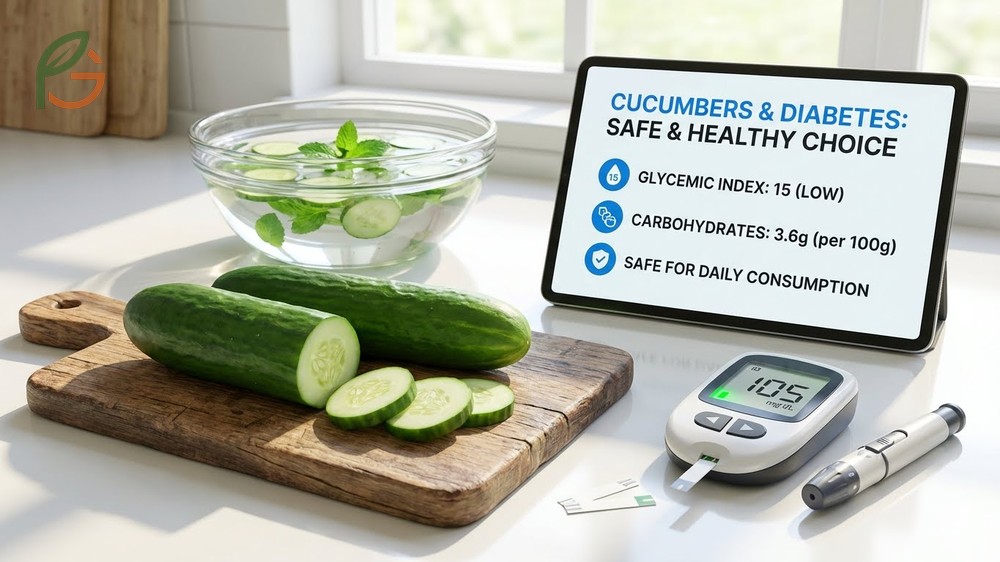
Are cucumbers good for diabetics? Yes, cucumbers are excellent for people with diabetes. Research shows they have a glycemic index of just 15 and contain only 3.6g of carbohydrates per 100g, making them one of the safest vegetables for blood sugar control[1]. The American Diabetes Association classifies cucumbers as non-starchy vegetables that you can eat freely without worrying about blood sugar spikes[1]. FruitGarden synthesizes current nutrition research and agricultural data to help you make informed dietary choices for diabetes management.
Quick Answer
- Cucumbers have a glycemic index of 15[1] and a glycemic load of 0.4[2], both classified as very low
- They contain only 3.6g carbohydrates per 100g[1] and 15 calories[2]
- Cucumbers are 95% water and provide 0.5g fiber per 100g[3], supporting hydration and digestion
- Studies show cucumber extracts may help lower fasting blood sugar and improve insulin sensitivity in diabetic subjects[4]
Are Cucumbers Good for Diabetics
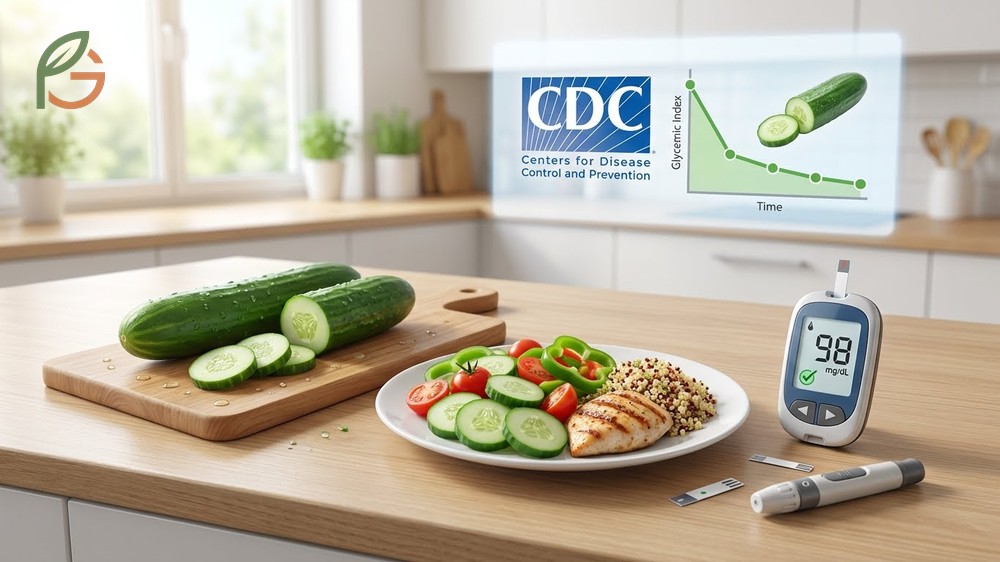
Cucumbers are among the safest vegetables for people managing diabetes. Current data shows they cause almost no blood sugar elevation due to their minimal carbohydrate content and extremely low glycemic response[1]. The Centers for Disease Control and Prevention (CDC) lists cucumbers as a non-starchy vegetable recommended for diabetes prevention and management, suggesting you can fill half your plate with these vegetables[5].
Evidence from multiple animal studies demonstrates cucumbers may actively help lower blood glucose levels. A 2012 study found that cucumber’s phytonutrients are linked to blood sugar-lowering effects in diabetic rats[1]. Research published in the Journal of Kurdistan University of Medical Sciences showed that cucumber juice consumption significantly reduced fasting blood sugar and HbA1c levels in women with type 2 diabetes[4].
The compounds in cucumbers called cucurbitacins have been studied for their potential to regulate insulin release from pancreatic cells. Studies indicate that high-dose cucumber juice (400 mL) has better blood sugar-lowering ability because it contains higher amounts of flavonoids and alkaloids[4]. What often gets overlooked is that these benefits extend beyond just avoiding blood sugar spikes—cucumbers may actively contribute to better glycemic control.
Cucumber Glycemic Index and Load
The glycemic index measures how quickly foods raise blood sugar levels on a scale from 0 to 100. Cucumbers score just 15 on this scale, putting them in the lowest possible category[1]. Any food with a GI below 55 is considered low, so cucumbers are exceptionally safe for blood sugar management.
Glycemic load provides an even more practical measure by accounting for serving size. Cucumbers have a glycemic load of just 0.4, which is virtually zero[2]. This means you can eat large amounts of cucumber without measurably affecting your blood glucose levels, making them ideal for volume eating when you’re hungry.
Low Carb, High Water Content
Cucumbers contain approximately 95% water, which explains their minimal impact on blood sugar[3]. This high water content supports proper hydration, which is crucial for diabetics since dehydration can lead to elevated blood glucose levels. Proper hydration also aids kidney function, reducing the risk of blood sugar fluctuations.
The total carbohydrate content in cucumbers is remarkably low at just 3.6 grams per 100-gram serving[1]. Of these carbs, approximately 0.5 grams come from dietary fiber, which slows digestion and helps prevent blood sugar spikes[3]. This fiber-to-carb ratio makes cucumbers particularly beneficial for maintaining steady glucose levels throughout the day.
Important Note: While cucumbers are extremely low in carbs, people on strict ketogenic diets should still track their intake. Most diabetics following standard low-carb diets can eat cucumbers freely without counting them toward daily carb limits.
Can Diabetics Eat Cucumbers
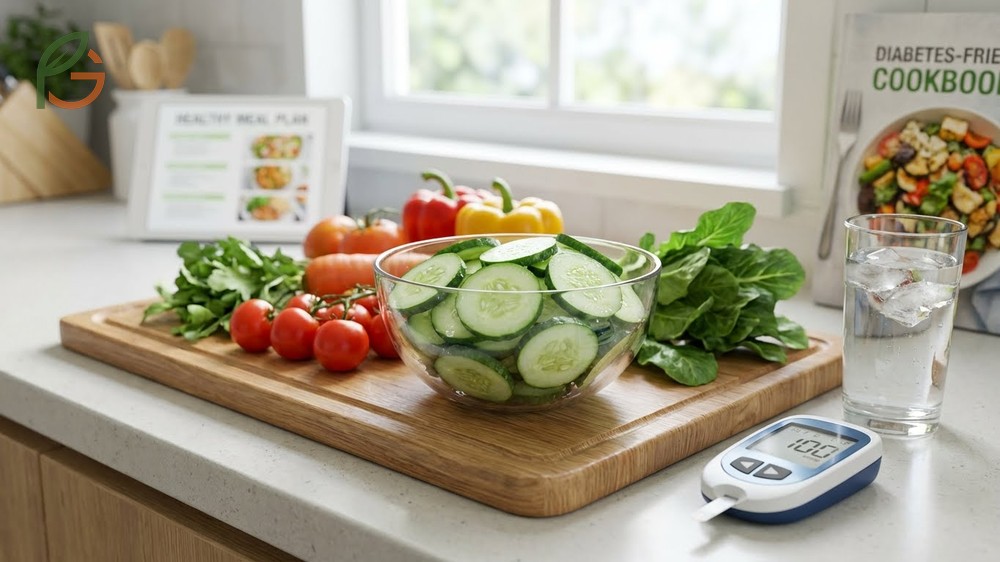
People with diabetes can safely eat cucumbers without restrictions in most cases. The American Diabetes Association considers cucumber a non-starchy vegetable, describing this food group as one “where you can satisfy your appetite” without worrying about portion control[1]. Research from Newcastle University suggested that low-calorie diets based on non-starchy vegetables like cucumbers might prove effective in reversing type 2 diabetes[1].
Both type 1 and type 2 diabetics benefit from including cucumbers in their diet. For type 1 diabetics managing insulin doses, cucumbers require minimal or no insulin coverage due to their negligible carb content. Type 2 diabetics following weight loss plans find cucumbers especially helpful because they provide volume and crunch with almost no calories—just 15 per 100 grams[2].
Women with gestational diabetes can also safely incorporate cucumbers into their meal plans. The low glycemic load and high water content make cucumbers an ideal snack during pregnancy when managing blood sugar becomes particularly important. However, pregnant women should wash cucumbers thoroughly to reduce any risk of foodborne illness.
Portion Sizes for Diabetics
Unlike most foods, cucumbers don’t require strict portion control for blood sugar management. A medium cucumber (about 8.25 inches or 301g) contains just 11 grams of carbohydrates and 45 calories total[6]. This means you can eat one or two whole cucumbers in a day without significantly impacting your blood glucose levels.
Most people find that eating cucumbers in their whole form provides better satiety than juicing them. When you juice cucumbers, you remove much of the fiber, which plays a key role in slowing sugar absorption. Eating whole cucumbers also takes longer, giving your body more time to signal fullness and helping prevent overeating other foods.
Best Ways to Eat Cucumbers
Raw cucumbers provide the maximum nutritional benefit for diabetics. Eating them with the peel intact preserves the fiber content and additional nutrients concentrated in the skin. Slicing cucumbers and adding them to salads, sandwiches, or eating them as crunchy snacks are all excellent options that don’t alter their blood sugar benefits.
Pairing cucumbers with protein or healthy fats creates even better blood sugar control. Try cucumber slices with hummus, cottage cheese, or Greek yogurt for a balanced snack that provides lasting energy. The protein and fat slow digestion further, creating an even more stable glucose response throughout the day.
- Slice cucumbers into rounds and eat them plain as a crunchy low-calorie snack
- Make cucumber salad with vinegar dressing (vinegar may help improve insulin sensitivity)
- Add cucumber to Greek yogurt with dill for a savory tzatziki-style dip
- Create cucumber “boats” filled with tuna salad or egg salad for a protein-rich meal
- Blend cucumbers into smoothies with spinach and berries for added fiber
- Pickle cucumbers in vinegar with minimal sugar for a tangy condiment
- Use cucumber slices as a bread replacement for low-carb sandwiches
Cucumber Glycemic Load
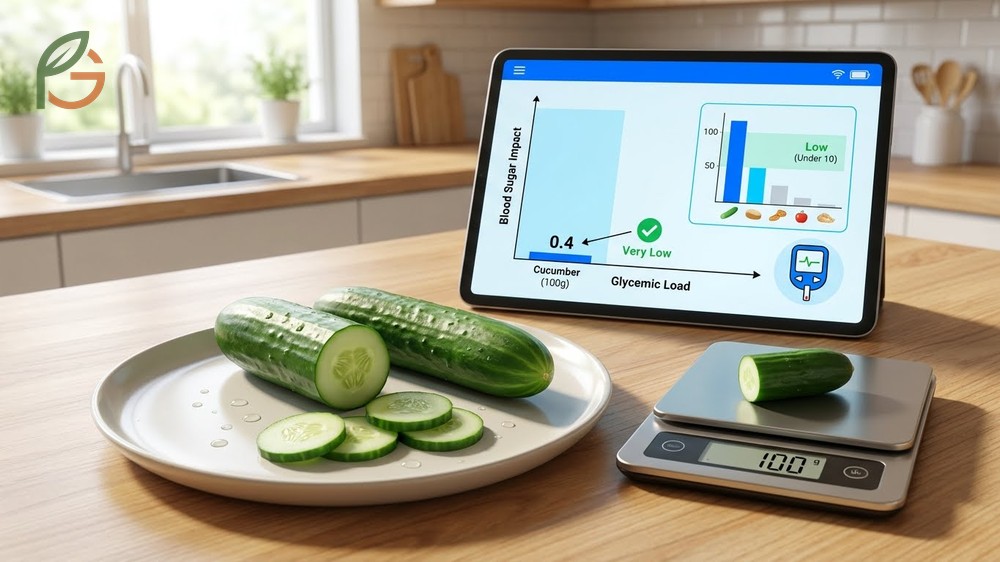
Glycemic load represents a more practical measure than glycemic index alone because it accounts for typical serving sizes. While glycemic index measures how quickly carbohydrates in food convert to glucose, glycemic load multiplies this by the actual amount of carbohydrates you’re consuming. Cucumbers have a glycemic load of approximately 0.4 per 100-gram serving, which classifies them as having virtually no impact on blood sugar[2].
Foods with a glycemic load under 10 are considered low, 11-19 medium, and 20 or above high. At 0.4, cucumbers sit far below even the low threshold, meaning they’re one of the safest foods for maintaining stable blood glucose. This makes them particularly valuable for diabetics who need to eat frequently to maintain energy without triggering blood sugar spikes.
Understanding glycemic load helps you make smarter meal planning decisions. For instance, you could eat 500 grams of cucumber (about 1.5 medium cucumbers) and still have a glycemic load of only 2, which is negligible. Compare this to eating just 60 grams of white rice, which has a glycemic load of approximately 15—demonstrating why volume eating with cucumbers works so well for diabetes management.
This table compares glycemic index, glycemic load, and carbohydrate content across cucumber and four other common foods to illustrate cucumber’s superior profile for diabetics
| Food (100g) | Glycemic Index | Glycemic Load | Total Carbs (g) |
|---|---|---|---|
| Cucumber | 15[1] | 0.4[2] | 3.6[1] |
| Grapefruit | 25 | 3.0 | 11.0 |
| Apple | 38 | 5.0 | 14.0 |
| Banana | 52 | 12.0 | 23.0 |
| Watermelon | 72 | 5.0 | 7.0 |
Best Vegetables for Type 2 Diabetes
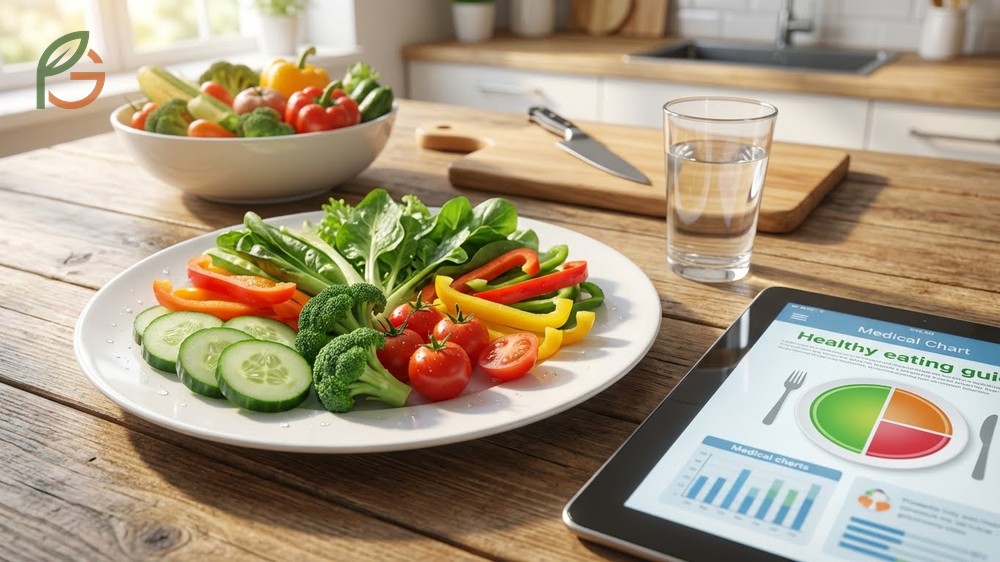
Research demonstrates that vegetable intake plays a crucial role in diabetes management and prevention. A meta-analysis published in BMJ Nutrition, Prevention & Health found that high fruit and vegetable intake was associated with a 7% reduction in type 2 diabetes risk[7]. Non-starchy vegetables like cucumbers provide the greatest benefits because they deliver nutrients and fiber without significantly raising blood sugar.
The CDC recommends filling half your plate with colorful non-starchy vegetables at every meal. This strategy naturally crowds out higher-carb foods while providing volume and satisfaction[5]. Most diabetics find this approach easier to maintain than strictly counting carbohydrates or calories, making it more sustainable long-term.
- Cucumbers: GI of 15, extremely low carbs, high water content for hydration
- Broccoli: Contains glucoraphanin compounds that may improve insulin sensitivity
- Leafy greens (spinach, kale, lettuce): Nearly zero glycemic impact with high nutrient density
- Bell peppers: Low carbs with high vitamin C content to support immune function
- Tomatoes: Low GI with lycopene antioxidants (pair well with cucumbers in salads)
- Asparagus: Contains chromium, which may enhance insulin’s effectiveness
- Cauliflower: Versatile low-carb vegetable that can replace higher-carb foods like rice
- Zucchini: Similar profile to cucumbers with slightly higher fiber content
Vegetable Selection Tip: Focus on non-starchy vegetables like cucumbers and avoid starchy vegetables like potatoes, corn, and peas when you’re trying to control blood sugar. Starchy vegetables can raise blood glucose significantly due to their higher carbohydrate content.
Diabetic Meal Planning With Cucumber
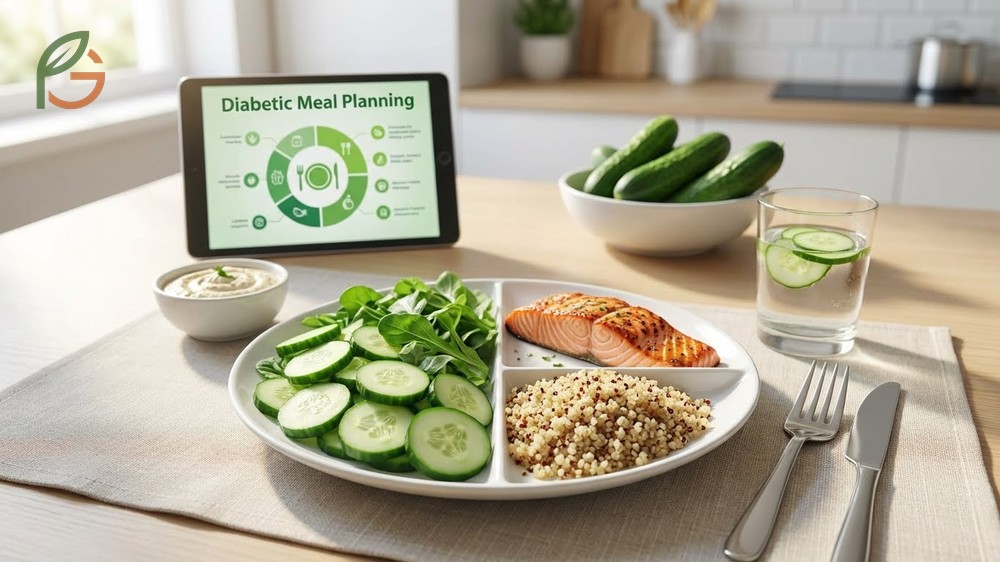
Incorporating cucumbers into your daily meal plan provides flexibility and variety without complicating blood sugar management. The CDC’s diabetes prevention program recommends using the plate method: fill half your plate with non-starchy vegetables like cucumbers, one quarter with lean protein, and one quarter with grains or starchy foods[5]. This visual approach eliminates the need for precise measuring while ensuring balanced nutrition.
Cucumbers work particularly well as a “bridge” food between meals. Since they don’t spike blood sugar, you can eat them freely when you’re hungry but it’s not yet time for your next meal. This prevents the blood sugar dips that often lead to overeating at the next meal and helps maintain more stable glucose levels throughout the day.
Planning meals with cucumbers as a base ingredient helps reduce overall calorie and carbohydrate intake naturally. For example, using cucumber slices instead of crackers with your protein-based dips saves approximately 15-20 grams of carbohydrates per serving. Over time, these small substitutions add up to significant improvements in blood sugar control and weight management.
Snack Ideas for Diabetics
Smart snacking prevents blood sugar crashes between meals while keeping glucose levels stable. Cucumbers excel as a snack base because their high water content and crunch provide satisfaction without calories or carbs. Most people find that pairing cucumbers with a protein or fat source creates a more filling snack that sustains energy for 2-3 hours.
Timing your cucumber snacks strategically can help prevent blood sugar swings. Eating cucumbers mid-morning or mid-afternoon—the times when many diabetics experience energy dips—helps maintain stable glucose without adding significant carbohydrates to your daily total. The fiber in cucumbers, though modest, still contributes to feeling full and satisfied between meals.
- Cucumber slices with 2 tablespoons hummus (adds protein and healthy fats)
- Cucumber rounds topped with cottage cheese and everything bagel seasoning
- Cucumber sticks with guacamole (avocado’s healthy fats slow digestion further)
- Cucumber “sandwiches” with turkey and cheese between thick slices
- Cucumber spears wrapped in smoked salmon for omega-3 fatty acids
- Cucumber boats filled with tuna salad made with Greek yogurt instead of mayo
- Chilled cucumber soup blended with Greek yogurt, dill, and garlic
Benefits of Eating Cucumber at Night
Eating cucumbers in the evening offers specific advantages for diabetics managing overnight blood sugar levels. The high water content helps maintain hydration through the night, which is important since dehydration during sleep can cause morning blood glucose readings to rise. Some diabetics report more stable fasting blood sugar readings when they include cucumbers in their evening snack.
The minimal calorie and carbohydrate content makes cucumbers an ideal late-night snack when you’re genuinely hungry but don’t want to interfere with overnight glucose control. Unlike evening snacks that contain significant carbs or sugars, cucumbers won’t trigger the blood sugar spikes that can disrupt sleep quality or lead to high morning readings.
Cucumbers’ natural cooling properties and mild flavor make them easy to digest before bed. Many diabetics find that a small bowl of sliced cucumbers with a splash of vinegar and herbs satisfies evening hunger without causing the digestive discomfort that heavier foods can trigger. This light option keeps you comfortable through the night while supporting steady blood glucose levels.
Conclusion
The evidence is clear: cucumbers are exceptionally good for diabetics and deserve a prominent place in diabetes meal planning. With a glycemic index of 15, glycemic load of 0.4, and only 3.6 grams of carbohydrates per 100g, cucumbers provide volume, crunch, and hydration without raising blood sugar levels. Research demonstrates they may even actively contribute to better glycemic control through compounds like cucurbitacins that support insulin function.
Current guidance from the CDC and American Diabetes Association emphasizes filling half your plate with non-starchy vegetables like cucumbers. FruitGarden encourages you to experiment with different cucumber preparations—from simple sliced snacks to creative cucumber-based meals—to discover how versatile and diabetes-friendly this remarkable vegetable can be.
Medical Disclaimer
Important Medical Disclaimer: This content is for informational and educational purposes only. It is not intended as a substitute for professional medical advice, diagnosis, or treatment. Always consult a qualified healthcare professional or registered dietitian before making any changes to your diet, medication, or health routine, especially if you have diabetes or other medical conditions. Individual responses to foods can vary, and your healthcare provider can help you develop a personalized meal plan that fits your specific needs and blood sugar goals.
Frequently Asked Questions
Can diabetics eat tomatoes and cucumbers together?
Yes, diabetics can safely eat tomatoes and cucumbers together. Both are non-starchy vegetables with low glycemic indices—cucumbers at 15 and tomatoes at approximately 38. Combining them in salads creates a nutritious, blood sugar-friendly meal with minimal carbohydrate impact while providing vitamins, minerals, and antioxidants like lycopene from tomatoes.
Is cucumber healthy for pregnancy with gestational diabetes?
Cucumbers are excellent for pregnant women managing gestational diabetes. Their low glycemic load of 0.4 and high water content help maintain stable blood sugar while supporting hydration during pregnancy. The minimal carbohydrate content (3.6g per 100g) makes cucumbers a safe snack that won’t interfere with blood glucose targets. Always wash cucumbers thoroughly and consult your healthcare provider about your specific dietary needs.
How much cucumber can a diabetic eat per day?
Diabetics can eat cucumbers freely without strict portion limits due to their extremely low glycemic impact. Most people can safely consume 1-3 whole cucumbers daily (300-900g) without affecting blood sugar levels. The American Diabetes Association classifies cucumbers as a non-starchy vegetable where you can “satisfy your appetite” without counting portions, though maintaining dietary variety remains important for overall nutrition.
Does cucumber lower blood sugar levels?
Research suggests cucumbers may help lower blood sugar beyond just avoiding spikes. Studies show cucumber extracts reduced fasting blood glucose and HbA1c levels in diabetic subjects, with compounds called cucurbitacins potentially helping regulate insulin release. While more human research is needed, the evidence indicates cucumbers provide active benefits for glycemic control rather than simply being a neutral food.
What’s better for diabetics: cucumbers or pickles?
Fresh cucumbers are generally better than pickles for diabetics because commercial pickles often contain added sugar and high sodium content. If you choose pickles, select varieties labeled “no sugar added” or make your own using vinegar and spices without sweeteners. The vinegar in pickles may offer some insulin sensitivity benefits, but excessive sodium can raise blood pressure, which many diabetics also need to manage.
Can you drink cucumber juice if you have diabetes?
Diabetics can drink cucumber juice, though eating whole cucumbers provides more fiber and better satiety. Research found that 400mL of cucumber juice helped counteract blood sugar increases in healthy subjects. However, juicing removes most of the fiber that helps slow sugar absorption. If you prefer juice, drink it with a protein source and monitor your blood sugar response to determine your tolerance.
Are English cucumbers better than regular cucumbers for diabetes?
English cucumbers and regular cucumbers have nearly identical nutritional profiles and glycemic impacts, making both excellent choices for diabetics. English cucumbers contain slightly less water and slightly more flesh per serving, but the difference is negligible for blood sugar purposes. Choose whichever variety you prefer based on taste, texture, and availability—both offer the same diabetes management benefits.