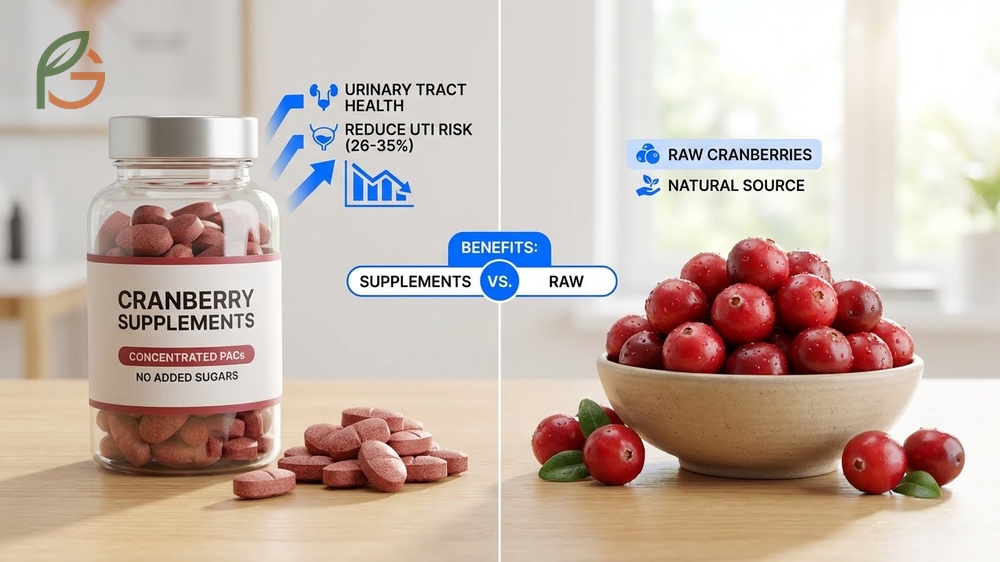
Are cranberry tablets good for you? Yes, research shows they’re effective for urinary tract health and provide concentrated proanthocyanidins (PACs) without added sugars. Studies demonstrate cranberry supplements reduce UTI risk by 26-35% when taken consistently for 12-24 weeks[1][2]. FruitGarden synthesizes current research to help you understand how cranberry tablets compare to raw cranberries for your health goals.
Quick Answer
- Cranberry tablets reduce UTI risk by 26-35% in women with recurrent infections when taken for 12-24 weeks[1][2]
- Effective supplements contain 36-50mg PACs daily, the active compounds that prevent bacterial adhesion[3]
- Raw cranberries provide 3.6g fiber and 14mg vitamin C per 100g but contain only 46 calories[4]
- Tablets offer concentrated benefits without the tartness or added sugars found in cranberry juice drinks
Are Cranberry Tablets Good for You
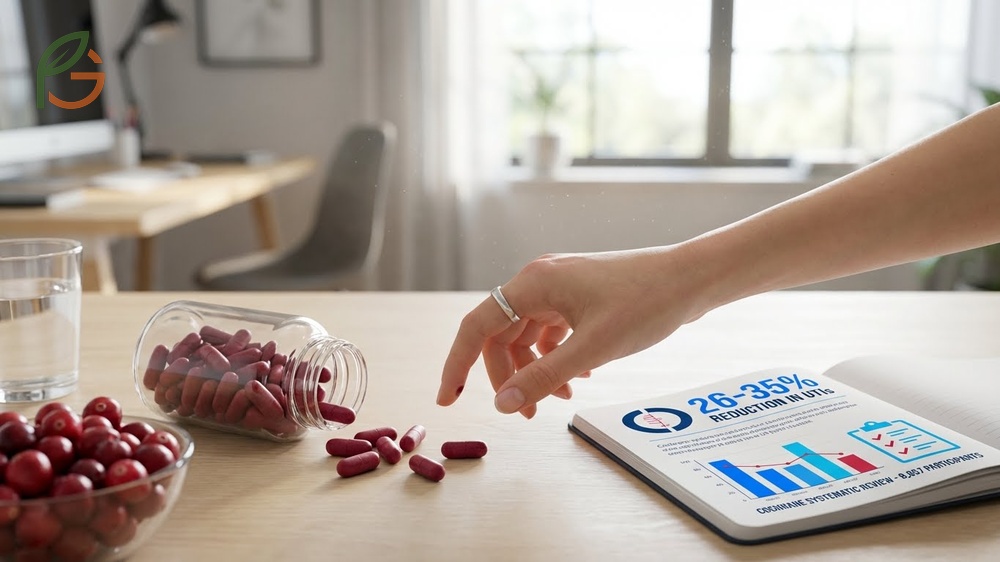
Research shows cranberry tablets are effective for urinary tract health, particularly for women with recurrent UTIs. A Cochrane systematic review of 50 randomized controlled trials involving 8,857 participants found cranberry products reduced UTI occurrence by 26-35%. The protective effect occurs when cranberries are taken as juice, tablets, or capsules consistently over 12-24 weeks[3].
Studies demonstrate that cranberry supplements work by preventing bacteria from adhering to the bladder wall. The active compounds, proanthocyanidins (PACs), inhibit E. coli bacteria from attaching to urothelial cells[5]. This anti-adhesion mechanism makes cranberry tablets a valuable non-antibiotic option for UTI prevention.
The effectiveness of cranberry tablets depends on consistent daily intake rather than sporadic use. Current evidence indicates that benefits appear after continuous consumption for at least 12 weeks, with optimal results at 12-24 weeks[3]. Taking cranberry tablets also reduces antibiotic use, which helps combat antibiotic resistance concerns[6].
UTI Prevention Effectiveness
Clinical trials show cranberry tablets significantly reduce UTI recurrence in specific populations. One multicenter trial found twice-daily cranberry capsules resulted in a 26% lower incidence of clinically defined UTIs in high-risk long-term care facility residents[1]. Another prospective study reported participants experienced 0.5 UTIs after 6 months of cranberry supplementation, compared to 2.2 UTIs in the previous 6-month period[6].
The protective effect is strongest in women with recurrent UTIs and children with UTIs. Subgroup analyses demonstrate cranberry products significantly reduced UTI risk by 16% when consumed for 12-24 weeks, but showed no significant effect when taken for shorter or longer periods[3]. This finding suggests timing matters as much as dosage for optimal results.
- Women with recurrent urinary tract infections (most significant benefit documented)
- Children experiencing repeated UTIs requiring antibiotic treatment
- People susceptible to UTIs following medical interventions like bladder radiotherapy
- Post-menopausal women with increased UTI risk due to hormonal changes
- Individuals seeking to reduce antibiotic dependency for UTI management
PAC Concentration Matters
The proanthocyanidin (PAC) content determines cranberry tablet effectiveness. Research indicates the minimum effective dose is 36mg PACs daily, with optimal products containing 36-50mg per serving[3][7]. Not all supplements contain sufficient PACs, so checking standardization is critical.
Cranberry juice extract supplements contain higher soluble PAC levels than whole cranberry powder products. One comparative study found juice-based extracts provided 35.98mg soluble PACs per serving versus only 0.94mg in whole berry powder supplements[7]. The higher soluble PAC content correlated with 94% urinary anti-adhesion activity compared to only 23% for whole berry products.
Important Note: Many cranberry supplements advertise high doses but contain low PAC levels. Look for products standardized to at least 36mg PACs using the DMAC/A2 testing method, which accurately measures the active compounds responsible for UTI prevention benefits.
Benefits of Taking Cranberry Tablets
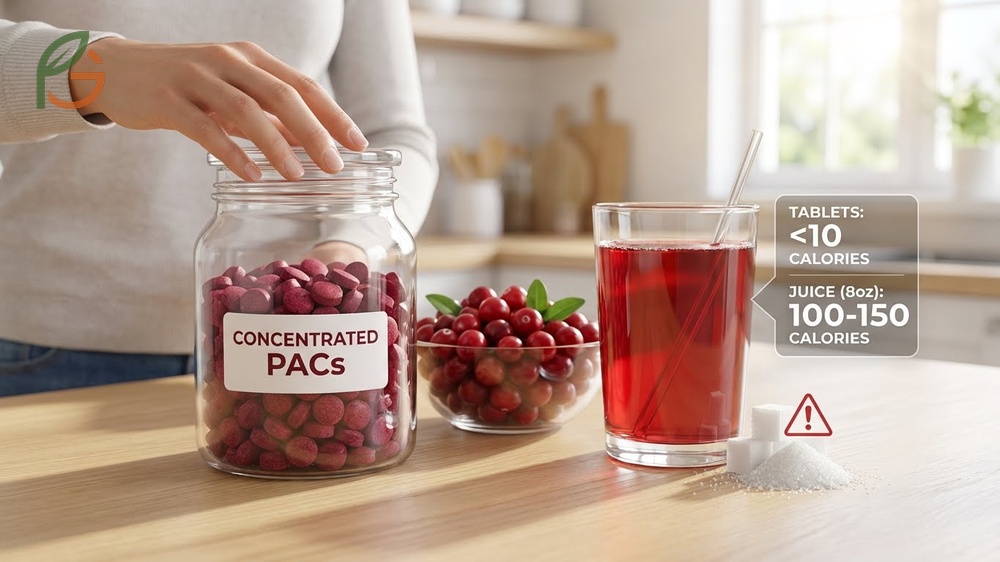
Cranberry tablets provide concentrated health benefits without the high sugar content found in cranberry juice drinks. Most commercial cranberry juices contain added sugars that can contribute 100-150 calories per 8-ounce serving, while tablets deliver the active PACs with minimal calories. This makes supplements particularly suitable for people managing blood sugar or calorie intake.
Evidence suggests cranberry tablets offer additional benefits beyond UTI prevention. Test-tube and animal studies show cranberry compounds may protect against cancer and slow tumor growth, though human trials are needed to confirm these effects[8]. The antioxidant properties of cranberry PACs also demonstrate anti-inflammatory effects that may benefit kidney health[9].
The polyphenolic compounds in cranberry tablets possess antioxidant capacity that helps neutralize free radicals. Raw cranberries provide 14mg vitamin C per 100g[4], and concentrated extracts maintain these antioxidants alongside PACs. This combination supports overall cellular health and immune function.
Standardized Dosing
Tablets provide consistent PAC dosing that’s difficult to achieve with cranberry juice or fresh berries. Clinical studies showing UTI prevention used standardized doses of 36mg PACs twice daily, which equals approximately 240-480ml of pure cranberry juice[10]. Consuming this volume of juice daily isn’t practical for most people, especially considering the tartness and sugar content.
Research demonstrates that standardization ensures reliable bioactivity. Products made from cranberry juice extract with high soluble PAC content show significantly greater urinary anti-adhesion activity than unstandardized whole berry products[7]. This consistency means you’re getting predictable benefits with each dose.
- Guaranteed minimum 36-50mg PACs per serving, meeting evidence-based requirements
- No variability from crop differences, unlike fresh berries or juice batches
- Easy to track daily intake for consistent UTI prevention protocol
- Eliminates guesswork about whether you’re consuming enough active compounds
- Allows precise dosing adjustments based on individual response and needs
Convenience and Compliance
Tablets improve compliance compared to drinking multiple glasses of cranberry juice daily. Studies show better adherence when participants take capsules once or twice daily versus consuming 240-480ml juice servings. One trial found that cranberry extract capsules reduced UTIs with just 1-2 capsules daily, while achieving equivalent benefits from juice required 3-4 servings[11].
The convenience factor becomes especially important for long-term prevention. Since cranberry benefits require 12-24 weeks of consistent use, the easier the regimen, the more likely you’ll stick with it. Tablets don’t require refrigeration, making them portable for travel or work.
Compliance Tip: Take cranberry tablets at the same time daily, such as with breakfast or dinner, to build a consistent habit. Setting a phone reminder for the first two weeks helps establish the routine until it becomes automatic.
Are Raw Cranberries Good for You
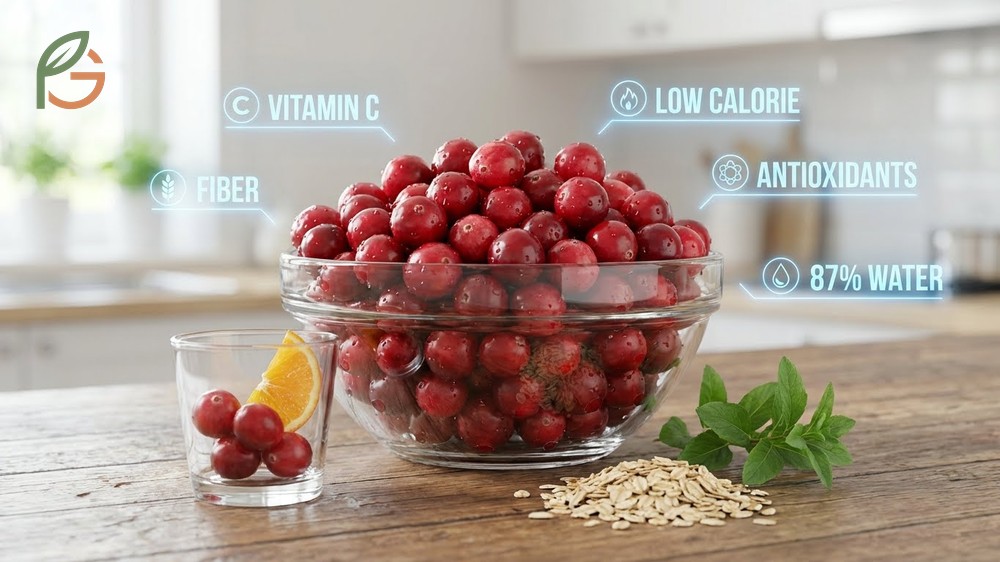
Raw cranberries are excellent for overall health, providing substantial fiber, vitamins, and antioxidants with minimal calories. Fresh cranberries contain only 46 calories per 100g while delivering 14% of the daily value for vitamin C and fiber[4]. Their low sugar content makes them suitable for low-carb diets, though their extreme tartness means most people can’t eat them plain.
Current nutrition data shows raw cranberries are 87% water, which contributes to hydration alongside their nutrient benefits. The whole fruit provides compounds that tablets may not fully replicate, including pectin, various organic acids like citric and malic acid, and dietary fiber that supports digestive health[12].
Studies indicate fresh cranberries contain tannins and glucosides that work synergistically with PACs for health benefits. While tablets concentrate the PACs, eating whole cranberries provides a broader spectrum of phytonutrients. However, the tartness factor means most people consume cranberries as dried fruit with added sugars, which changes the nutritional profile significantly.
Nutrition Profile of Fresh Cranberries
Fresh cranberries deliver impressive nutrition density relative to their calorie content. Per 100g serving, raw cranberries provide 12.2g total carbohydrates with 3.6-4.6g fiber, resulting in only 8.4g net carbs[4][13]. They’re naturally low in sugar compared to most fruits, containing only 4-4.7g sugars per 100g.
Mineral content includes manganese, with cranberries providing 12% of the daily value per 100g serving[4]. They also contain small amounts of potassium, calcium, and copper, though not in significant quantities compared to other foods. The vitamin profile focuses primarily on vitamin C and vitamin E.
This table compares key nutrients in raw cranberries per 100g serving against recommended daily values and provides context for health benefits
| Nutrient | Amount | % Daily Value | Primary Benefit |
|---|---|---|---|
| Calories | 46 kcal[4] | 2% | Weight management friendly |
| Fiber | 3.6-4.6g[4][13] | 14% | Digestive health support |
| Vitamin C | 14mg[4] | 16% | Antioxidant protection |
| Manganese | 0.27mg[4] | 12% | Bone and metabolism support |
| Sugars | 4-4.7g[4] | — | Naturally low sugar content |
| Net Carbs | 8.4g[4] | — | Low-carb diet compatible |
Fiber and Antioxidant Content
The 3.6-4.6g fiber in 100g raw cranberries provides 14% of the recommended daily intake, making them a solid fiber source[13]. This fiber content is 1.5 times higher than oranges and supports digestive regularity, blood sugar control, and satiety. However, you’d need to consume about 275g (roughly 2.75 cups) of fresh cranberries daily to meet the 10g fiber minimum most Americans need.
Antioxidant compounds in raw cranberries include vitamin C, vitamin E, and polyphenolic compounds like PACs. The combination provides protection against oxidative stress and inflammation. Fresh cranberries maintain their antioxidant capacity better than processed forms, though the trade-off is palatability—few people enjoy eating tart raw cranberries without sweeteners.
- Complete nutrient package including fiber that tablets lack entirely
- Pectin content supports gut health and beneficial bacteria growth
- Vitamin C remains intact without processing degradation concerns
- Hydration from 87% water content contributes to daily fluid needs
- Organic acids may provide additional digestive and metabolic benefits
- Chewing whole fruit promotes satiety better than taking capsules
Cranberry Tablets vs. Raw Comparison
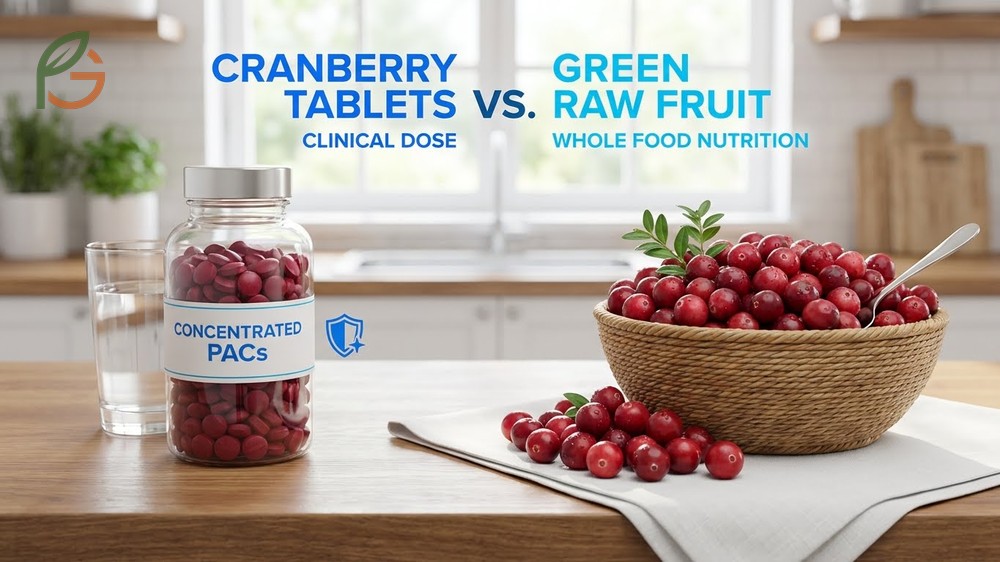
Choosing between cranberry tablets and raw cranberries depends on your primary health goal. For UTI prevention, tablets deliver concentrated PACs at the 36-50mg daily dose proven effective in clinical trials[3]. You’d need to consume approximately 10-15 cups of fresh cranberries to match this PAC concentration, which isn’t practical.
Raw cranberries excel when you’re prioritizing fiber intake, whole food nutrition, or general antioxidant benefits. The 3.6-4.6g fiber per 100g serving supports digestive health in ways tablets can’t replicate[4]. Fresh cranberries also provide vitamin C, manganese, and hydration, making them valuable for overall wellness rather than targeted UTI prevention.
Most people benefit from a hybrid approach. Taking standardized cranberry tablets ensures you get therapeutic PAC levels for urinary tract protection, while occasionally incorporating fresh or frozen cranberries into smoothies, baked goods, or breakfast bowls adds fiber and nutrient variety. This combination provides both concentrated preventive benefits and whole food nutrition.
This table compares cranberry tablets and raw cranberries across five key factors including effectiveness, nutrition, convenience, cost and best use cases
| Factor | Cranberry Tablets | Raw Cranberries |
|---|---|---|
| UTI Prevention | Highly effective: 36-50mg PACs proven to reduce UTI risk by 26-35%[3] | Low effectiveness: Would require 10-15 cups daily to match therapeutic PAC dose |
| Fiber Content | None (0g fiber per serving) | Excellent: 3.6-4.6g per 100g, providing 14% daily value[4] |
| Sugar & Calories | Minimal: 0-5 calories per serving, no added sugars | Low natural sugars: 46 calories, 4-4.7g sugars per 100g[4] |
| Convenience | High: 1-2 capsules daily, no preparation, portable | Low: Requires washing, chopping; extremely tart taste limits consumption |
| Best For | Targeted UTI prevention, consistent therapeutic dosing, travel | Whole food nutrition, fiber needs, antioxidant variety, recipes |
Practical Strategy: If you’re prone to UTIs, prioritize tablets for preventive PAC dosing while adding frozen cranberries to smoothies or oatmeal 2-3 times weekly for fiber and nutrient diversity. This approach maximizes both therapeutic and nutritional benefits.
Cranberry Pills vs. Juice for UTI
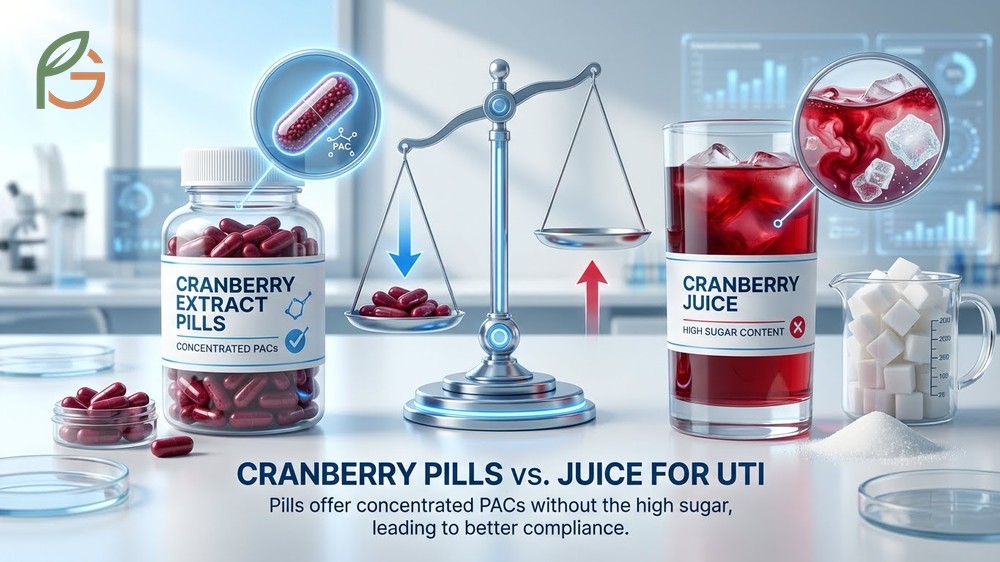
Cranberry pills outperform juice for UTI prevention when comparing equal PAC content. Research shows pills provide concentrated PACs without the 24-31g sugars found in typical 8-ounce cranberry juice cocktails. Studies comparing delivery methods found capsules and tablets produced similar UTI reduction rates as juice when PAC content was standardized, but with significantly better compliance[2].
Juice-based supplements actually refer to cranberry juice extract tablets, which differ from drinking commercial juice. Juice extract supplements contain 35.98mg soluble PACs per serving and demonstrate 94% urinary anti-adhesion activity[7]. By contrast, you’d need to drink 480-720ml of pure unsweetened cranberry juice daily to get equivalent PACs, and most commercial juices are diluted with water and sweeteners.
One systematic review noted that subgroup analyses showed slightly better efficacy with cranberry juice than tablets in some studies, but this likely reflects PAC concentration differences rather than juice superiority[14]. When comparing products with equivalent PAC content, pills match juice effectiveness while avoiding sugar intake and tooth enamel concerns from acidic beverages.
- Zero added sugars versus 24-31g per 8-ounce juice serving
- Concentrated PACs without consuming 480-720ml liquid daily
- Better long-term compliance due to convenience and palatability
- No dental erosion concerns from acidic juice consumption
- Easier to maintain consistent dosing schedule
- More economical over time compared to buying cranberry juice regularly
- Suitable for people with diabetes or blood sugar concerns
D-Mannose Consideration: Some research suggests D-mannose, another supplement, may work faster than cranberry for acute UTI relief by actively binding and flushing E. coli bacteria[15]. However, cranberry pills excel for long-term prevention rather than treating active infections.
Best Cranberry Supplements for Women
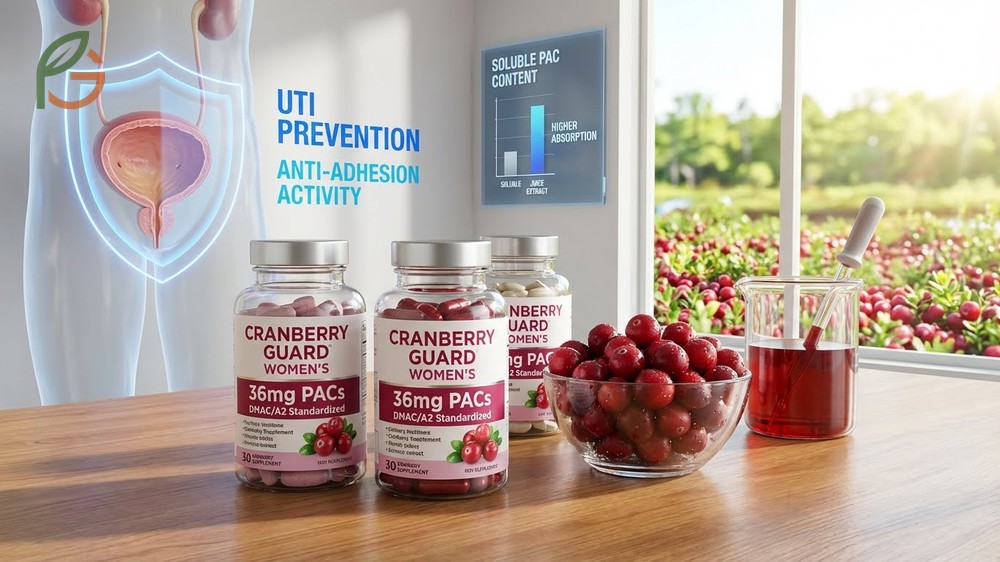
The best cranberry supplements for women contain at least 36mg PACs per daily dose, standardized using the DMAC/A2 testing method. Clinical trials demonstrating UTI prevention used products with 36-50mg PACs taken once or twice daily[3]. Products made from cranberry juice extract typically provide higher soluble PAC content than whole berry powders, translating to better urinary anti-adhesion activity.
Quality supplements specify their PAC content on the label rather than just listing total cranberry extract milligrams. A 500mg cranberry extract capsule might contain only 5-10mg PACs if not properly standardized, making it ineffective for UTI prevention. Look for products that explicitly state “36mg PACs” or “40% PACs standardized.”
Women with recurrent UTIs should take cranberry supplements consistently for 12-24 weeks to see benefits, as this duration showed the strongest protective effects in clinical studies[3]. Taking supplements sporadically or for only 4-8 weeks doesn’t provide statistically significant UTI reduction.
- Minimum 36mg PACs per daily serving (some high-quality products offer 50mg)
- PAC content measured using DMAC/A2 method for accuracy
- Made from cranberry juice extract rather than whole berry powder for better bioavailability
- No added sugars, artificial colors, or unnecessary fillers
- Twice-daily dosing (18-25mg PACs per capsule) for steady urinary protection
- Third-party testing verification for PAC content accuracy
- Additional vitamin C (80-100mg) may enhance effectiveness
Some formulations combine cranberry with vitamin C, which supports immune function and may enhance PAC absorption. Products containing 80-125mg vitamin C alongside cranberry extract provide complementary urinary tract support[16]. Avoid products that combine cranberry with unnecessary herbs or compounds unless you specifically need those ingredients.
Men can also benefit from cranberry supplements, particularly for urinary health and potential prostate support, though most clinical research focuses on female populations. The same PAC dosing guidelines apply regardless of gender for UTI prevention purposes.
Safety Considerations: Avoid cranberry supplements if you have a history of kidney stones, as cranberries contain oxalates that may increase stone formation risk[17]. Cranberry may interact with blood thinners like warfarin, increasing bleeding risk. Consult your healthcare provider before starting cranberry supplements if you take anticoagulants.
Conclusion
The evidence is clear: cranberry tablets are good for you when used appropriately for UTI prevention, providing 26-35% risk reduction with consistent use. They deliver concentrated PACs at therapeutic levels that raw cranberries can’t match practically, making them the superior choice for urinary tract health. Raw cranberries excel when your goal is whole food nutrition, fiber intake, and dietary variety rather than targeted UTI prevention.
Current guidance emphasizes choosing supplements with at least 36mg PACs daily and taking them consistently for 12-24 weeks. FruitGarden recommends a balanced approach: use standardized tablets for preventive health goals while incorporating fresh or frozen cranberries into your diet for their fiber and antioxidant benefits. This strategy maximizes both therapeutic and nutritional advantages from this versatile fruit.
Medical Disclaimer
Important Medical Disclaimer: This content is for informational and educational purposes only. It is not intended as a substitute for professional medical advice, diagnosis, or treatment. Always consult a qualified healthcare professional before making any changes to your supplement regimen, especially if you have recurrent urinary tract infections, kidney conditions, are taking blood thinners, or have other medical concerns. Cranberry supplements should not replace prescribed antibiotics for active UTIs.
Frequently Asked Questions
How many mg of cranberry tablets should I take daily for UTI prevention?
Take supplements providing 36-50mg PACs daily for effective UTI prevention, typically split into two doses of 18-25mg PACs each. Clinical trials showing UTI reduction used this dosage range consistently for 12-24 weeks. Check labels for PAC content specifically, not just total cranberry extract milligrams, as extract amounts don’t reflect active compound levels.
Can cranberry tablets prevent all urinary tract infections?
No, cranberry tablets reduce UTI risk by 26-35% in susceptible populations but don’t prevent all infections. They work best for women with recurrent UTIs and children with repeated infections. Cranberry supplements are preventive, not treatment, and shouldn’t replace antibiotics for active UTIs or medical evaluation of persistent symptoms.
Are raw cranberries better than tablets for overall health?
Raw cranberries provide superior fiber (3.6-4.6g per 100g), hydration, and whole food nutrition, making them better for general wellness and digestive health. However, tablets deliver concentrated PACs for UTI prevention at levels you can’t practically achieve with fresh berries. Most people benefit from using tablets for targeted urinary health while eating fresh cranberries occasionally for fiber and nutrient variety.
How long does it take for cranberry tablets to work?
Research shows cranberry tablets require 12-24 weeks of consistent daily use to significantly reduce UTI occurrence. Benefits don’t appear immediately—studies found the strongest protective effects when supplements were taken continuously for this duration. Sporadic use or taking tablets for less than 12 weeks doesn’t provide statistically significant UTI prevention.
Do cranberry pills have side effects?
Common side effects include mild stomach upset and diarrhea in some people. High doses may increase kidney stone risk due to oxalate content. Cranberry can interact with blood thinners like warfarin, potentially increasing bleeding risk. People with aspirin allergies should use caution as cranberries contain salicylates. Most people tolerate cranberry supplements well at recommended doses.
Is D-mannose or cranberry better for UTI prevention?
D-mannose works faster for acute relief by actively binding and flushing E. coli bacteria, while cranberry pills provide long-term prevention by preventing bacterial adhesion. Limited trials show both reduce UTI recurrence, with D-mannose potentially acting more quickly. Cranberry has more extensive research supporting preventive use over months, making it better for ongoing prevention rather than treating active infections.
Can men take cranberry tablets for prostate or urinary health?
Yes, men can take cranberry tablets for urinary health support and potential anti-inflammatory benefits. While most clinical research focuses on women with UTIs, the same PAC mechanisms may help men with urinary symptoms. Some evidence suggests cranberry’s antioxidant properties might support prostate health, though more research is needed. Men should use the same 36-50mg PAC daily dosage as recommended for women.