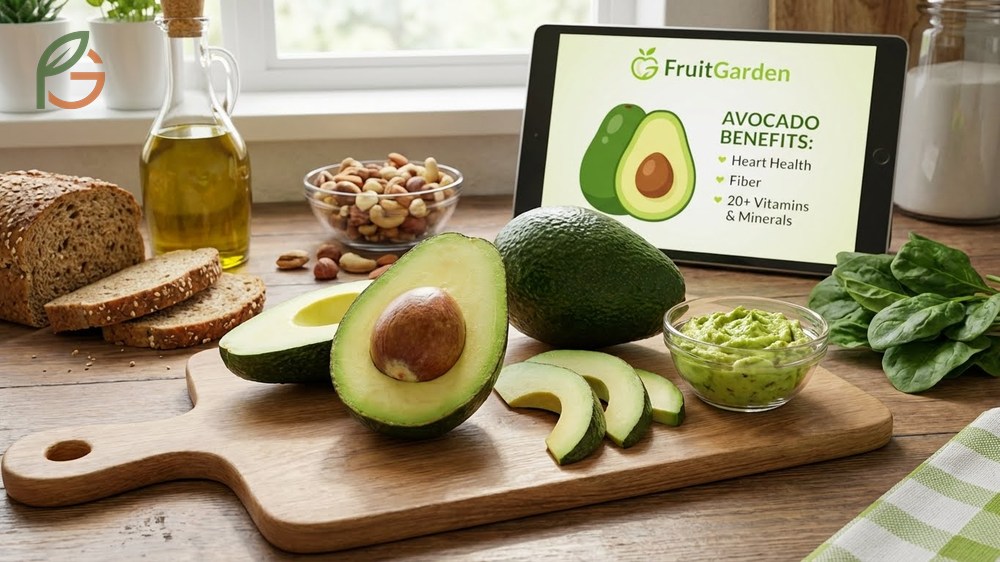
Are avocados good for you? Yes, they’re exceptionally nutritious. Research shows that avocados contain heart-healthy monounsaturated fats, 14g of fiber per whole fruit, and nearly 20 vitamins and minerals that support cardiovascular, brain, and liver health. FruitGarden synthesizes current nutritional research and USDA data to help you understand which fruits deliver the most health benefits for your garden and kitchen.
Quick Answer
- One medium avocado (201g) provides 322 calories and 29g of healthy fats[1]
- Daily avocado intake reduces LDL cholesterol and improves cardiovascular health markers[2]
- Contains 728mg of potassium per fruit—more than a banana[3]
- Recommended serving: 1/3 to 1/2 of a medium avocado daily (50-75g)[4]
Are Avocados Good for You
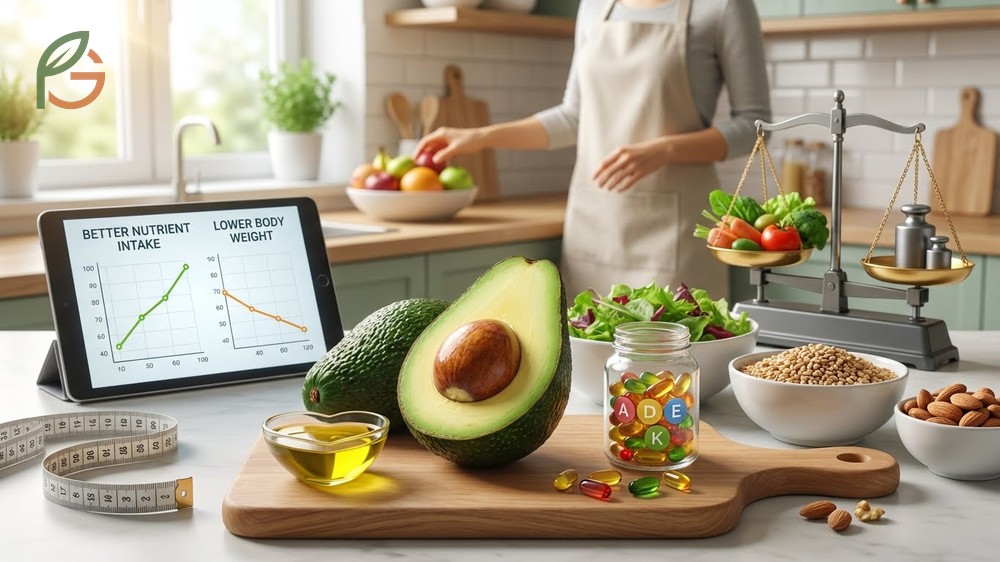
Studies demonstrate that avocados provide healthy monounsaturated fats that support heart health and help your body absorb fat-soluble vitamins like A, D, E, and K. Current data from the Multi-Ethnic Study of Atherosclerosis shows that US avocado consumers have better nutrient intake, higher diet quality, and lower body weight compared to non-consumers[5].
Research across multiple clinical trials found that avocado intake modestly improved cognitive function in older adults after 6 months and significantly reduced cardiovascular disease risk markers[5]. The average avocado consumer eats about 76g per day—roughly 60% of one medium fruit—which leads to significantly higher intake of fiber, vitamins E and C, folate, magnesium, and potassium compared to people who don’t eat avocados.
Most people don’t realize that avocados contain zero cholesterol and provide 17g of carbohydrates with 14g coming from dietary fiber[1]. This means the net carbs are only about 3g per whole avocado, making them suitable for low-carb eating patterns when consumed in moderation.
Avocado Nutrition Facts Per 100g
Understanding what’s in 100g of avocado (about half a medium fruit) helps you make informed dietary choices. The USDA FoodData Central provides detailed nutrient profiles showing that avocados deliver exceptional nutritional value per serving.
This table compares key nutrients in 100 grams of raw California avocado including calories, macronutrients, fiber, and cholesterol content with their daily value percentages
| Nutrient | Amount | % Daily Value |
|---|---|---|
| Calories | 167[6] | 8% |
| Total Fat | 15g[6] | 20% |
| Saturated Fat | 2g | 11% |
| Cholesterol | 0mg[1] | 0% |
| Carbohydrates | 9g | 3% |
| Fiber | 7g[6] | 24% |
| Protein | 2g | 4% |
| Potassium | 507mg[6] | 11% |
What Makes Avocados Unique
avocados provide approximately 77% of their calories from fat—primarily heart-healthy monounsaturated fatty acids (MUFAs).
What often gets overlooked is that avocados have the highest protein content of any fruit, delivering about 2g per 100g serving[1]. This combination of healthy fats, fiber, and protein creates a fruit that keeps you satisfied longer than typical high-sugar fruits.
Health Benefits of Avocado
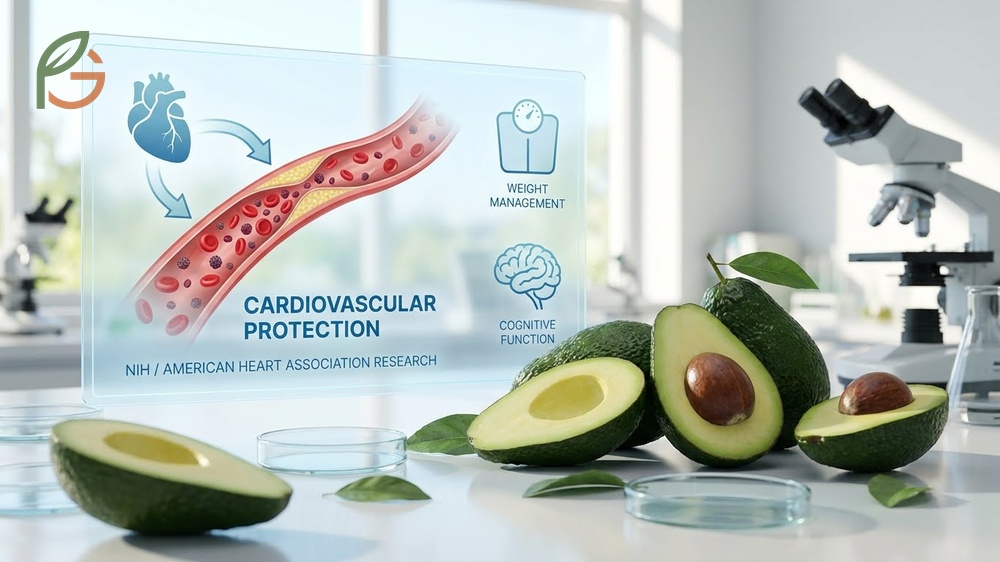
Comprehensive clinical reviews identify four major health benefits that make avocados worth adding to your diet. These benefits affect cardiovascular health, weight management, cognitive function, and gut microbiota—all supported by peer-reviewed research from institutions like the NIH and American Heart Association.
- Cardiovascular protection: Reduces non-HDL cholesterol, triglycerides, and small atherogenic LDL particles while promoting better peripheral blood flow[5]
- Weight management support: Higher satiety compared to low-fat meals, helping you feel full longer and potentially eat less throughout the day
- Cognitive function improvement: Enhanced attentional inhibition and working memory, particularly in older adults with overweight or obesity
- Gut microbiota enhancement: Increases beneficial bacteria that ferment fiber and produce short-chain fatty acids for colon health
- Nutrient absorption: The healthy fats in avocados help your body absorb fat-soluble vitamins from other foods you’re eating
Avocado Heart Health Benefits
Evidence suggests that eating avocados regularly protects your heart through multiple mechanisms. A large prospective study following US adults found that higher avocado intake was associated with lower risk of cardiovascular disease and coronary heart disease[2]. People who ate at least two servings of avocado per week had a 16-22% lower risk compared to those who rarely or never consumed avocados.
A 2025 clinical trial published in the Journal of the American Heart Association found that eating one avocado daily for 26 weeks significantly improved diet quality scores, sleep health, and blood lipid profiles in adults with abdominal obesity[7]. The avocado group showed improvements of 3.46 points in blood lipid scores and 3.53 points in diet quality scores compared to their usual eating patterns.
Important Note: While avocados support heart health, they’re calorie-dense at 167 calories per 100g. If you’re watching your calorie intake, portion control matters—stick to 1/3 to 1/2 of a medium avocado per serving.
How Avocados Affect Cholesterol
Clinical trials consistently show that avocado-containing diets improve cholesterol profiles better than low-fat alternatives. When researchers compared moderate-fat diets with and without avocados to low-fat diets, they found that avocado consumption significantly decreased apolipoprotein B (a marker of heart disease risk) while preventing the HDL cholesterol decreases seen with low-fat diets[5].
The reason this works is that avocados provide monounsaturated fatty acids that replace less healthy saturated fats in your diet. Low-fat diets can actually increase triglycerides by 18%, while moderate-fat diets containing avocados show small reductions in triglycerides instead. This matters because high triglycerides combined with low HDL cholesterol create a particularly risky pattern for cardiovascular disease.
Essential Avocado Vitamins and Minerals
Avocados contain nearly 20 different vitamins and minerals that support various body functions. Per 100g serving, you’re getting significant amounts of vitamin K (21μg or 18% DV), folate (89μg or 22% DV), vitamin B6 (0.3mg or 22% DV), and pantothenic acid (1mg or 29% DV)[6].
- Potassium (507mg per 100g): More potassium per gram than bananas, supporting healthy blood pressure and heart function
- Folate (89μg per 100g): Essential for DNA synthesis and cell division, particularly important during pregnancy
- Vitamin E (2mg per 100g): A powerful antioxidant that protects cells from oxidative damage
- Vitamin K (21μg per 100g): Critical for blood clotting and bone health
- Magnesium (29mg per 100g): Supports muscle function, nerve function, and energy production
- Vitamin C (9mg per 100g): Immune support and collagen production for healthy skin
What makes these vitamins particularly beneficial is that the healthy fats in avocados enhance your body’s ability to absorb fat-soluble vitamins (A, D, E, and K) from the avocado itself and from other foods you’re eating. Research shows that adding avocado to salads can increase carotenoid absorption by 2.6 to 15 times compared to salads without avocado.
Is Avocado Good for Liver Health
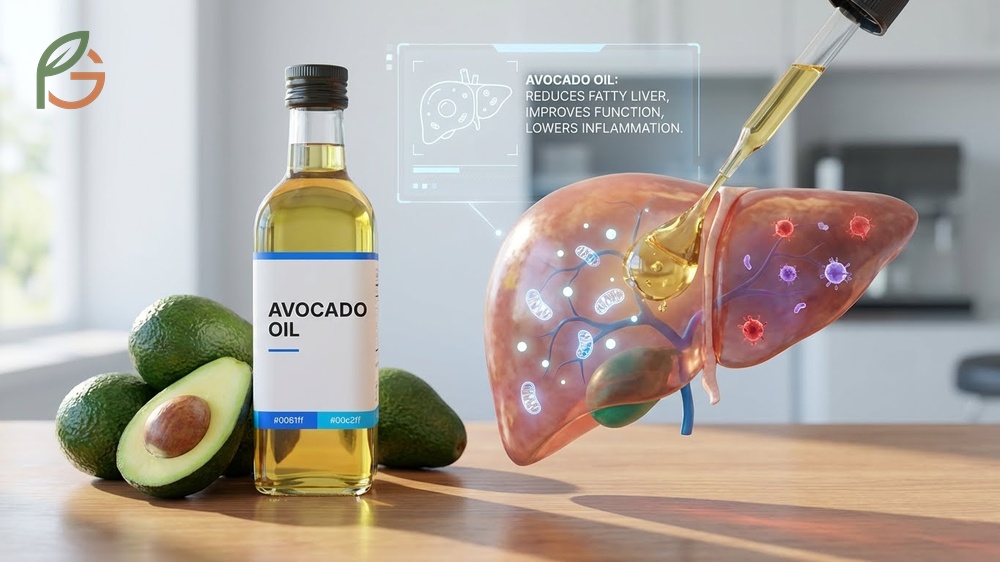
Research shows that avocado oil decreases non-alcoholic fatty liver disease (NAFLD) by improving mitochondrial function, reducing oxidative stress, and lowering inflammation[8]. In animal studies using a high-fat, high-fructose diet to induce NAFLD, avocado oil supplementation reduced both microvesicular and macrovesicular steatosis (fat accumulation in liver cells) from grade 2-3 down to grade 1 or near-normal levels.
The mechanism works through multiple pathways. Avocado oil improved the function of mitochondrial electron transport chain complexes, leading to lower levels of reactive oxygen species (ROS) and lipid peroxidation in liver tissue. This improvement in cellular energy production reduced proinflammatory cytokines and hepatic inflammation markers. Research at Shizuoka University in Japan found that adding avocado to the diet significantly reduced liver enzyme levels (ALT and AST) and decreased fat accumulation in the liver after just 4 weeks[9].
Avocados also contain glutathione—an endogenous antioxidant that neutralizes free radicals and protects liver cells from oxidative damage. Dr. Matthew Cave, a liver disease researcher at the University of Louisville, notes that a diet rich in monounsaturated fatty acids like those in avocados can help improve insulin sensitivity, reduce fat accumulation in the liver, and support recovery of damaged liver cells[9].
Important Consideration: While moderate avocado consumption supports liver health, excessive intake of any fat—even healthy fats—can contribute to fatty liver in susceptible individuals. Current guidance emphasizes portion control: 1/3 to 1/2 of an avocado daily as part of a balanced diet.
Avocado for Brain Health and Cognitive Function
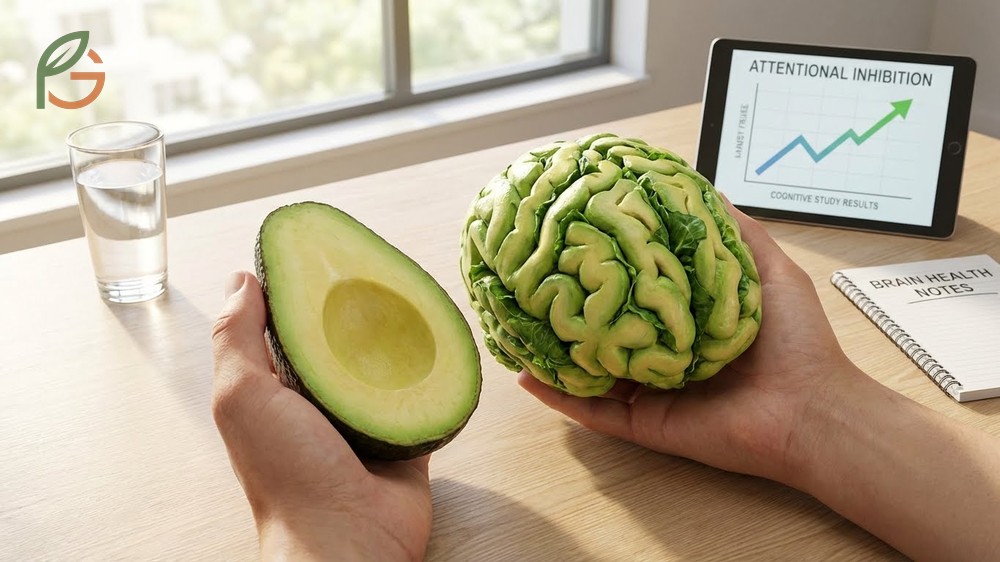
Studies demonstrate that daily avocado consumption improves cognitive performance in adults with overweight and obesity. A 12-week trial found that participants eating one avocado daily showed significant improvements in attentional inhibition (the ability to focus while filtering out distractions) and increased serum lutein concentrations[10]. The cognitive benefits appeared independent of lutein changes, suggesting that avocados contain multiple compounds that support brain function.
Research with older adults shows even more promising results. A study analyzing data from US adults aged 60 and older found that avocado consumers scored significantly higher on multiple cognitive tests, including the CERAD Immediate Word Recall, Delayed Word Recall, and global cognition scores[11]. Compared to non-consumers, avocado eaters had z-scores that were 0.15 points higher for immediate recall, 0.15 points higher for delayed recall, and 0.11 points higher for overall cognitive function.
The cognitive benefits likely come from multiple nutrients working together. Avocados provide lutein that accumulates in brain tissue and retina, supporting neural efficiency. They also contain folate, vitamin E, and monounsaturated fats—all associated with better cognitive aging. What’s particularly interesting is that avocado consumption improved working memory in multiple studies, suggesting potential benefits across different life stages rather than just in elderly populations.
Avocado Digestive Benefits and Gut Health
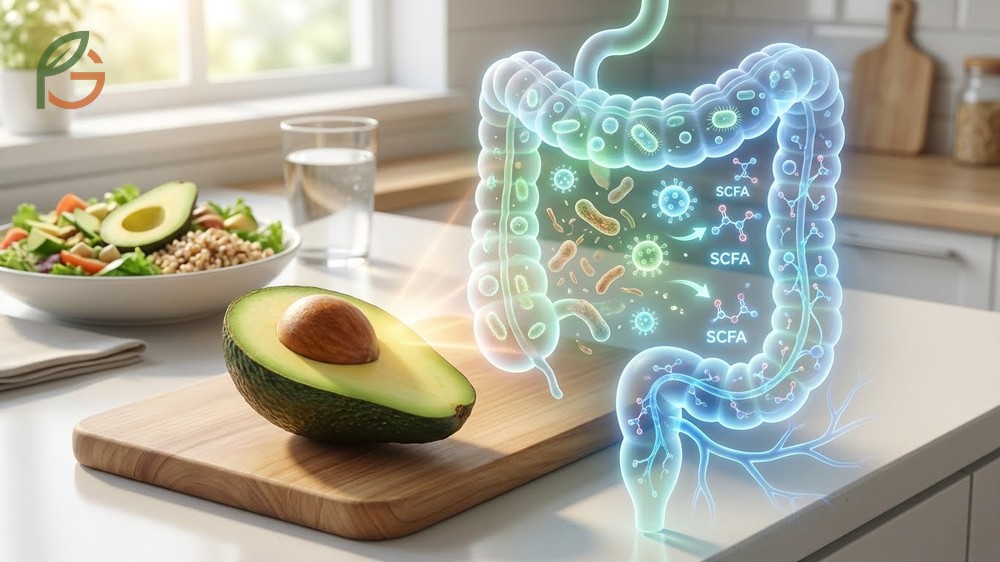
Clinical evidence shows that eating one avocado daily changes your gut microbiome in beneficial ways. A controlled feeding study found that daily avocado consumption increased the abundance of bacteria capable of fiber fermentation and raised production of short-chain fatty acids (SCFAs)—metabolites that support colon health and overall well-being[12].
Research shows several specific changes in gut health markers. Participants eating avocado-containing meals had lower fecal bile acid concentrations, greater fecal fatty acids, and increased diversity in their gut microbiome compared to control groups. Bile acid reduction is particularly important because excessive bile acids can damage the gut lining and increase colon cancer risk.
The fiber content drives many of these benefits. One whole avocado delivers 12g of dietary fiber—about 43% of the recommended 28-34g daily intake for adults[13]. This combination of soluble and insoluble fiber feeds beneficial gut bacteria while promoting regular bowel movements and supporting digestive health.
- Increases beneficial bacteria: Boosts populations of fiber-fermenting microbes that produce health-supporting metabolites
- Raises short-chain fatty acids: SCFAs like butyrate fuel colon cells and reduce inflammation in the gut lining
- Lowers bile acids: Reduces potentially harmful bile acid concentrations in the colon
- Enhances microbiome diversity: Greater bacterial diversity correlates with better overall health outcomes
- Supports regularity: High fiber content (7g per 100g) promotes healthy bowel function without causing gas or bloating for most people
Avocado Anti-Inflammatory Properties
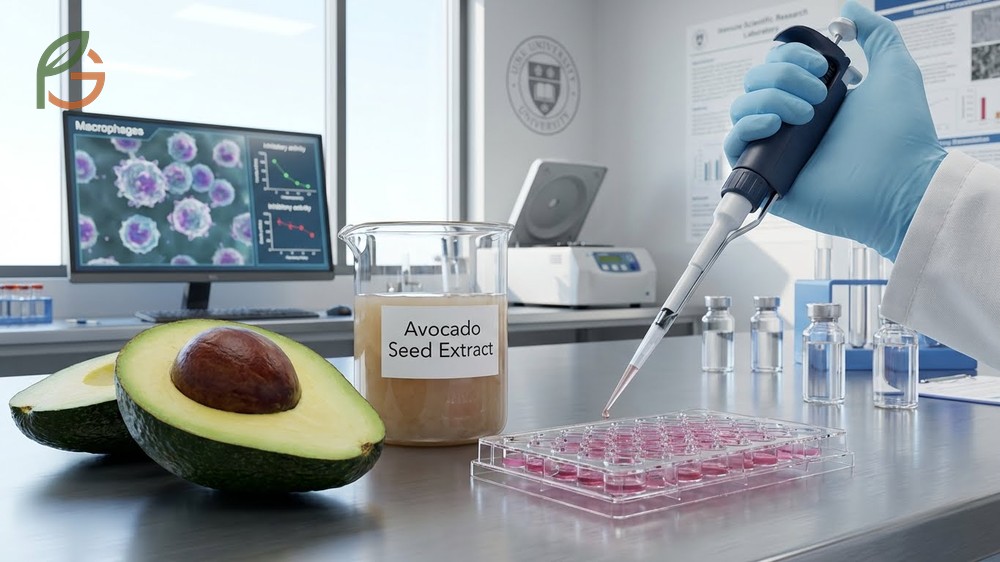
Research at Penn State University found that extract from avocado seeds exhibits significant anti-inflammatory activity in laboratory studies[14]. When researchers tested the extract on macrophages (immune cells involved in inflammatory response), they observed inhibitory activity at low concentrations—in the microgram-per-milliliter range—which is considered excellent for justifying further clinical studies.
While whole avocado fruit contains lower concentrations of these compounds compared to seeds, the anti-inflammatory benefits still appear in human studies. A clinical trial with 51 adults found a trend toward decreased IL-1β and C-reactive protein (CRP) in participants eating one avocado daily as part of a weight-loss diet[15]. Another study found that eating avocado with a burger decreased activation of the NF-kappa B inflammatory pathway at 3 hours post-meal.
The anti-inflammatory effects matter because chronic inflammation links to cancer, cardiovascular disease, arthritis, colitis, and many other serious conditions. Avocados contain several compounds with anti-inflammatory potential: monounsaturated fats that replace inflammatory saturated fats, vitamin E (a potent antioxidant), carotenoids, and polyphenols. Together, these bioactive compounds help modulate immune response and reduce oxidative stress.
Daily Avocado Intake: How Much Should You Eat

Current USDA guidelines set the official serving size at 1/3 of a medium avocado, or 50 grams, which provides 80 calories[16]. However, most clinical studies showing health benefits used portions ranging from 1/2 to a whole avocado daily (75-150g), suggesting that larger servings can be beneficial when they fit your calorie needs.
For general health maintenance, adults are encouraged to include at least half an avocado in their daily diet, whether eaten fresh or prepared in smoothies, salads, or other dishes. Research shows that the average avocado consumer in the United States eats approximately 76g per day—just over half of a medium fruit—and this amount correlates with better nutrient intake and diet quality scores.
Your ideal portion depends on several factors. Athletes, growing teens, or people recovering from illness can benefit from larger portions (1/2 to 1 whole avocado) to meet increased energy demands. If you’re following a calorie-restricted eating plan, stick to smaller portions like 1/4 to 1/3 of an avocado (37-50g) to control calorie intake while still getting beneficial nutrients and healthy fats.
Timing doesn’t significantly affect benefits—you can eat avocados at any meal. Some people find that including avocado at breakfast increases satiety and reduces mid-morning hunger. Others prefer adding it to lunch or dinner salads to enhance nutrient absorption from vegetables. What matters most is consistent daily intake rather than the specific time you’re eating it.
Practical Tip: If a whole avocado is too much to eat at once, store the unused half with the pit still in place, squeeze lemon juice over the cut surface, wrap tightly in plastic wrap, and refrigerate. This prevents browning for 1-2 days.
Conclusion
The evidence is clear: avocados are good for you when eaten in appropriate portions as part of a balanced diet. They deliver unique health benefits through their combination of heart-healthy monounsaturated fats, high fiber content, nearly 20 essential vitamins and minerals, and beneficial effects on cardiovascular health, brain function, liver health, and gut microbiota. Clinical research consistently shows that eating 1/2 to 1 whole avocado daily improves multiple health markers without causing weight gain in controlled studies.
Current nutritional guidance emphasizes whole-food sources of healthy fats like avocados over processed alternatives. Whether you’re growing avocados in your own garden or selecting them at the market, FruitGarden provides research-backed information to help you make the most of nutrient-dense fruits that support long-term health.
Medical Disclaimer
Important Medical Disclaimer: This content is for informational and educational purposes only. It isn’t intended as a substitute for professional medical advice, diagnosis, or treatment. Always consult a qualified healthcare professional or registered dietitian before making any changes to your diet or eating patterns, especially if you have cardiovascular disease, diabetes, liver conditions, or other medical concerns. Individual nutritional needs vary based on age, health status, medications, and activity level.
Frequently Asked Questions
How many avocados should I eat per day?
Research supports eating 1/2 to 1 whole avocado daily for most adults. The official USDA serving size is 1/3 of a medium avocado (50g), but clinical trials showing cardiovascular and cognitive benefits typically used larger portions of 75-150g per day. Your ideal amount depends on your calorie needs, activity level, and overall diet composition.
Are avocados bad for you if eaten every day?
No, daily avocado consumption isn’t bad for you when eaten in appropriate portions. Large prospective studies found that people eating at least two servings per week had 16-22% lower cardiovascular disease risk compared to rare consumers. However, avocados are calorie-dense at 167 calories per 100g, so portion control matters if you’re watching your weight.
What is avocado good for in terms of specific health conditions?
Clinical research shows avocados benefit cardiovascular health by reducing LDL cholesterol and triglycerides, support cognitive function in older adults, improve non-alcoholic fatty liver disease markers, enhance gut microbiome diversity, and provide anti-inflammatory effects. They’re particularly beneficial for people with high cholesterol, abdominal obesity, or those at risk for cognitive decline.
Do avocados help with cholesterol levels?
Yes, avocados improve cholesterol profiles when they replace less healthy fats in your diet. Studies show that avocado-containing diets significantly decrease apolipoprotein B and LDL cholesterol while maintaining HDL cholesterol levels better than low-fat diets. The monounsaturated fatty acids in avocados help reduce small atherogenic LDL particles that contribute to heart disease.
Can avocados improve brain health and memory?
Research demonstrates that daily avocado intake improves cognitive function, particularly working memory and attentional inhibition. Older adults who regularly consume avocados score 0.15 points higher on memory tests compared to non-consumers. The lutein, folate, vitamin E, and healthy fats in avocados all contribute to better cognitive aging.
Are avocados good for your liver?
Yes, research shows that avocado consumption supports liver health by improving mitochondrial function and reducing oxidative stress. Studies found that avocado intake decreased liver enzyme levels (ALT and AST) and reduced fat accumulation in people with non-alcoholic fatty liver disease. The monounsaturated fats and antioxidants like glutathione protect liver cells from damage.
What vitamins are in avocados?
Avocados contain nearly 20 vitamins and minerals, with particularly high levels of vitamin K (18% DV per 100g), folate (22% DV), vitamin B6 (22% DV), pantothenic acid (29% DV), vitamin E (13% DV), and vitamin C (10% DV). They also provide significant potassium (507mg per 100g), magnesium, copper, and various B vitamins that support energy metabolism and nervous system function.