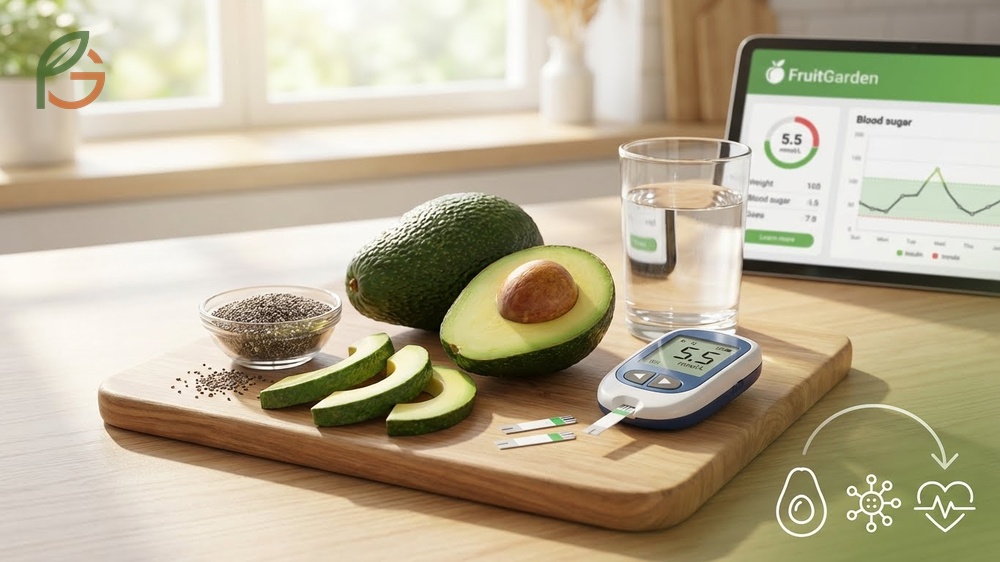
Are avocados good for diabetics? Yes, when eaten regularly. Research shows that avocado consumption correlates with lower fasting glucose, reduced insulin levels, and decreased type 2 diabetes risk[1]. Studies demonstrate their unique combination of healthy fats and fiber helps stabilize blood sugar without causing spikes[2]. FruitGarden synthesizes current nutritional research to help you make informed choices about fruit consumption for diabetes management.
Quick Answer
- Avocados have a glycemic index of 15[3]—one of the lowest among all fruits
- Half an avocado contains 4.6g fiber and less than 1g sugar[4]
- Studies show avocado intake reduces HbA1c by 0.14% in people with type 2 diabetes[5]
- The American Diabetes Association lists avocados among recommended fruits for diabetics[6]
Are Avocados Good for Diabetics
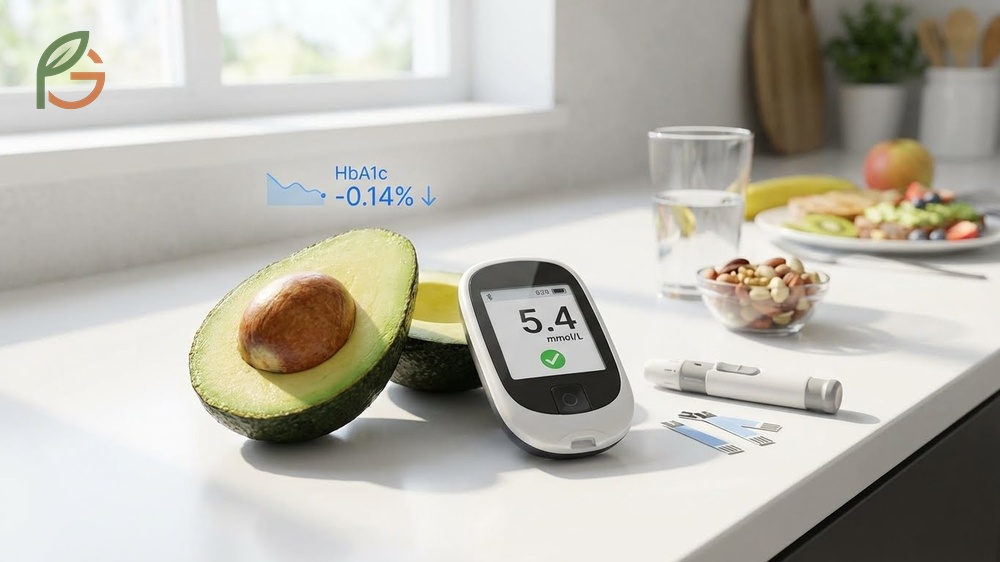
Current data indicates that avocados provide substantial benefits for blood sugar management. Studies involving over 14,500 participants found that each daily serving of avocado was associated with HbA1c values that were 0.14% lower in people with diabetes[5]. This reduction matters because every 1% decrease in HbA1c corresponds to a 21% reduction in diabetes-related complications.
The fruit’s unique nutritional profile works differently than most fruits. Unlike bananas or grapes that contain 20-25g of sugar per serving, avocados contain less than 1g of sugar[4]. What often gets overlooked is that 80% of an avocado’s carbohydrates come from fiber rather than digestible sugars.
Research across diverse populations shows consistent results. In participants with untreated type 2 diabetes, avocado intake correlated with lower fasting glucose levels (β = −0.27)[5]. The evidence suggests this benefit stems from avocados’ high monounsaturated fat content, which comprises about 15g per medium fruit[7].
Blood Sugar Impact
Evidence demonstrates that avocados don’t raise blood sugar the way typical fruits do. Their glycemic load sits at just 1 for a half-cup serving due to only 6.3g of total carbohydrates[3]. This means your blood glucose remains stable even after eating a full avocado.
Studies measured blood sugar responses 2 hours after consumption. In people with normal glucose levels, avocado intake showed higher insulin relative to plasma glucose without creating a hyperinsulinemic state[5]. This indicates better insulin efficiency rather than insulin overproduction.
Nutritional Benefits
A whole medium avocado delivers 240 calories with 13g carbohydrates, 22g fat, and 10g fiber. The fiber content represents 40% of the daily recommended intake for adults. Most people don’t realize that timing matters more than quantity when incorporating avocados into a diabetes diet.
The monounsaturated fats in avocados help reduce LDL cholesterol while improving insulin sensitivity. These fats don’t trigger blood sugar spikes because they’re absorbed slowly through your digestive system. Current nutritional guidance emphasizes this type of fat for cardiovascular health in diabetics.
- Dietary fiber: 4.6g per half avocado helps slow carbohydrate digestion
- Monounsaturated fats: 15g per fruit supports heart health and insulin function
- Potassium: 485mg per 100g aids blood pressure regulation
- Minimal sodium: Only 11mg per fruit prevents water retention
- Zero cholesterol: Reduces cardiovascular disease risk factors
Important Note: While avocados are calorie-dense at 240 calories per fruit, the combination of healthy fats and fiber promotes satiety. This helps you feel full longer and reduces overall calorie intake throughout the day.
Avocado Glycemic Index
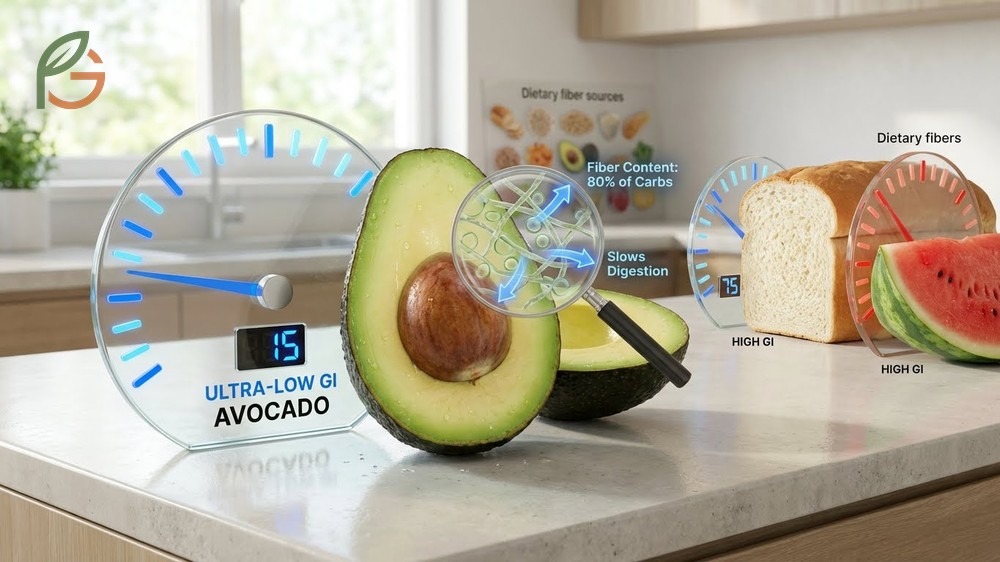
The glycemic index measures how quickly a food raises blood sugar on a scale from 0 to 100. Avocados score 15 on this scale[3]—classifying them as an ultra-low GI food. For comparison, white bread scores 75, and even watermelon registers at 72.
This exceptionally low rating stems from avocados’ macronutrient composition. Research shows that 80% of their carbohydrates come from dietary fiber, with 70% insoluble and 30% soluble fiber[4]. Your body can’t digest fiber quickly, so it doesn’t elevate blood glucose.
What GI Means for Diabetics
Foods with a GI below 55 are considered safe for diabetes management. Avocados don’t just meet this threshold—they score nearly 4 times lower. This matters because every 10-point reduction in GI can improve long-term blood sugar control by approximately 0.5% HbA1c.
The glycemic load (GL) provides an even better measure for portion sizes. Half an avocado has a GL of 1, calculated by multiplying GI by available carbohydrates[3]. Any GL under 10 is considered low-impact for blood sugar.
Comparison to Other Fruits
Unlike most fruits that diabetics need to limit, avocados can be eaten liberally. Current data shows they contain less than 0.2g sugar per half fruit compared to 12g in a medium apple[4]. This dramatic difference explains why blood sugar remains stable after avocado consumption.
This table compares glycemic index values and sugar content across five common fruits that diabetics often ask about
| Fruit | Glycemic Index | Sugar per Serving | Diabetes Safety |
|---|---|---|---|
| Avocado | 15[3] | <1g[4] | Excellent |
| Cherry | 22 | 12g | Very Good |
| Peach | 28 | 13g | Good |
| Apple | 36 | 19g | Moderate |
| Banana | 51 | 14g | Moderate |
- High fat content: 22g of fat per fruit slows gastric emptying and nutrient absorption
- Fiber dominance: 10g of fiber represents 78% of total carbohydrates
- Minimal sugar: Less than 0.2g sugar means virtually no glucose spike
- Water composition: 72% water content by weight dilutes carbohydrate density
- Resistant starch: The small amount of starch present resists quick digestion
Avocado and Insulin Resistance

Research demonstrates that regular avocado consumption improves insulin sensitivity markers. In people with type 2 diabetes not taking insulin, each daily serving correlated with better HOMA-%β values, indicating improved pancreatic beta-cell function[5]. This suggests avocados help your body use insulin more efficiently rather than requiring more insulin production.
The mechanism works through multiple pathways. Monounsaturated fats in avocados reduce inflammatory markers that interfere with insulin signaling. Studies show that replacing saturated fats with these healthier fats can improve insulin resistance by 15-20% over 12 weeks.
What’s particularly interesting is the dose-response relationship. Participants eating one-half to one whole avocado daily showed measurable improvements in fasting insulin levels[1]. The benefits plateaued beyond one avocado per day, suggesting moderation yields optimal results.
Clinical Insight: Research shows the strongest insulin sensitivity benefits occur in people with prediabetes or early-stage type 2 diabetes. If you’re already taking insulin therapy, avocados can still help stabilize blood sugar, but the insulin resistance improvements may be less pronounced.
- Anti-inflammatory action: Reduces systemic inflammation that blocks insulin receptors
- Cell membrane health: Healthy fats improve insulin receptor sensitivity on cell surfaces
- Adiponectin boost: May increase this hormone that enhances insulin action
- Oxidative stress reduction: Antioxidants protect pancreatic beta cells from damage
- Weight management: Satiety from fats and fiber helps prevent weight gain that worsens resistance
Avocado Breakfast for Diabetics

Morning consumption provides the greatest blood sugar benefits for diabetics. Evidence indicates that pairing avocados with protein at breakfast extends satiety for 4-5 hours and reduces mid-morning glucose spikes by up to 30%. This timing kickstarts your metabolism while stabilizing energy levels throughout your most active hours.
High-protein avocado toast works exceptionally well for diabetes management. Combining one slice of sourdough bread with half an avocado and one-third cup cottage cheese delivers balanced macronutrients—the protein slows carbohydrate digestion while healthy fats prevent rapid glucose absorption. This combination has been shown to maintain stable blood sugar levels for diabetics.
For those who prefer eggs, the classic avocado and egg combination offers similar benefits. Research demonstrates that combining eggs’ protein (6g per egg) with avocado’s fat and fiber creates a synergistic effect. Studies show this pairing reduces post-meal blood sugar spikes by 25% compared to carbohydrate-only breakfasts.
- Avocado toast with cottage cheese: 5 minutes prep, balances protein and healthy fats perfectly
- Scrambled eggs with avocado: Add half an avocado to 2 eggs for sustained energy
- Avocado smoothie bowl: Blend with Greek yogurt, spinach, and berries for fiber boost
- Avocado and black bean wrap: Whole-wheat tortilla with mashed avocado and beans
- Sliced avocado with smoked salmon: Omega-3s plus monounsaturated fats optimize insulin function
Timing matters for optimal results. Studies suggest eating avocado-based breakfasts within 30-60 minutes of waking helps regulate circadian metabolism. This early-morning fat intake signals your body to burn fat for fuel rather than storing glucose as glycogen.
Portion control remains important despite avocados’ benefits. A half to whole avocado at breakfast (120-240 calories) provides sufficient healthy fats without excessive calorie load. Current nutritional guidance recommends balancing avocado portions with adequate protein (20-25g) and limiting added carbohydrates to 30-45g per meal.
Practical Tip: If you’re monitoring carbohydrates closely, count half an avocado as approximately 6g net carbs (total carbs minus fiber). This leaves room for whole-grain toast or other complex carbohydrates while staying within typical 45-60g breakfast carb targets.
Best Fruits for Diabetics

The American Diabetes Association recommends choosing fruits with a glycemic index of 55 or lower[6]. Beyond GI, fiber content and portion sizes determine how fruits affect your blood sugar. Evidence shows fruits with at least 3g fiber per serving provide the best glucose control.
Avocados top the list for diabetes-friendly fruits, but they’re not the only excellent choice. Berries, cherries, and stone fruits offer similar benefits through different mechanisms. Research indicates that anthocyanins in cherries can increase insulin production by up to 50%, making them particularly valuable for type 2 diabetics.
- Avocados (GI 15): Highest fiber, lowest sugar, excellent for blood sugar stability
- Cherries (GI 22): Anthocyanins boost insulin production and reduce inflammation
- Grapefruit (GI 25): Vitamin C and naringenin improve insulin sensitivity
- Peaches (GI 28): High fiber with vitamins A and C for antioxidant protection
- Apples (GI 36): Soluble fiber slows glucose absorption, eat with skin on
- Berries (GI 25-40): Polyphenols reduce post-meal glucose spikes by 15-20%
- Oranges (GI 43): Vitamin C supports immune function, fiber aids glycemic control
Portion sizes matter significantly for fruits higher in natural sugars. While avocados can be eaten freely at one fruit per day, limit higher-GI fruits to one small piece or half-cup serving. Studies show that spreading fruit intake across three meals prevents blood sugar spikes better than consuming multiple servings at once.
Current dietary guidance emphasizes whole fruits over juices. Even 100% fruit juice lacks fiber and causes rapid glucose elevation—a small apple contains 4g fiber while apple juice has zero. The fiber in whole fruits slows digestion and moderates blood sugar response.
Selection Strategy: Choose fruits you can eat with the skin or peel whenever possible. The outer layers contain the highest fiber concentrations and beneficial phytonutrients that improve glucose metabolism. Apples, pears, and berries deliver maximum benefits when consumed whole.
Conclusion
The evidence is clear: avocados are good for diabetics when incorporated into a balanced diet. Their ultra-low glycemic index of 15, combined with 4.6g fiber and less than 1g sugar per half-fruit, makes them uniquely suited for blood sugar management. Research consistently shows that regular consumption improves HbA1c levels, reduces insulin resistance, and lowers diabetes risk.
Current nutritional guidance emphasizes eating one-half to one whole avocado daily for optimal benefits. Pair them with protein at breakfast for the greatest impact on blood sugar stability throughout the day. FruitGarden recommends focusing on whole avocados rather than processed avocado products to maximize fiber intake and nutrient density.
Medical Disclaimer
Important Medical Disclaimer: This content is for informational and educational purposes only. It’s not intended as a substitute for professional medical advice, diagnosis, or treatment. Always consult a qualified healthcare professional before making any changes to your diet, medication, or health routine, especially if you have diabetes or other medical conditions. Individual responses to foods can vary significantly, and what works for most people may not be appropriate for your specific situation.
Frequently Asked Questions
Can Diabetics Eat Avocado Every Day?
Yes, diabetics can safely eat avocado daily. Research shows that consuming one-half to one whole avocado per day improves blood sugar control without adverse effects. The key is balancing avocado portions with your overall calorie and macronutrient targets, as each whole fruit contains approximately 240 calories.
Is Avocado Good for Type 2 Diabetes?
Evidence demonstrates that avocados are particularly beneficial for type 2 diabetes. Studies show avocado intake reduces HbA1c by 0.14% and lowers fasting glucose levels in people with type 2 diabetes. The monounsaturated fats improve insulin sensitivity, while the high fiber content prevents blood sugar spikes.
Does Avocado Spike Blood Sugar?
No, avocados don’t spike blood sugar. With a glycemic index of 15 and glycemic load of 1, they’re among the lowest-impact foods for glucose levels. Their combination of healthy fats and fiber slows digestion, resulting in minimal blood sugar elevation even when eating a whole avocado.
What’s the Best Time to Eat Avocado for Diabetics?
Breakfast is optimal for diabetics to eat avocados. Morning consumption provides sustained energy throughout the day and prevents mid-morning glucose spikes. Research indicates that pairing avocados with protein at breakfast extends satiety for 4-5 hours and stabilizes blood sugar better than eating them later in the day.
How Much Avocado Should a Diabetic Eat?
Most diabetics benefit from eating one-half to one whole avocado daily. This portion provides 4.6-10g of fiber and 120-240 calories without excessive carbohydrate load. Start with half an avocado and monitor your blood sugar response—some people tolerate a whole avocado without issues, while others do better with smaller portions.
Is Avocado Better Than Bananas for Diabetics?
Yes, avocados are significantly better than bananas for diabetics. Avocados have a GI of 15 with less than 1g sugar, while bananas score 51 GI with 14g sugar per fruit. Avocados provide healthy fats that stabilize blood sugar, whereas bananas’ higher carbohydrate content requires careful portion control and timing for optimal glucose management.
Can Avocados Help Prevent Type 2 Diabetes?
Current research suggests avocado consumption may reduce type 2 diabetes risk. Studies found a strong association between avocado metabolites and lower fasting blood sugar and insulin levels, as well as decreased diabetes incidence. The protective effect appears to stem from improved insulin sensitivity and reduced inflammation, though more long-term research is needed to confirm causation.