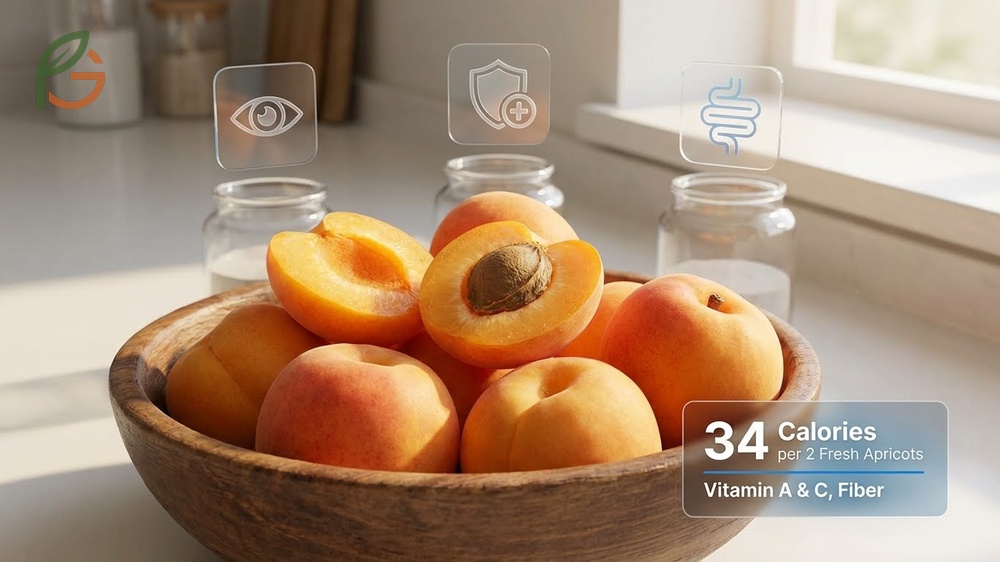
Are apricots good for you? Yes, absolutely. Research shows these golden stone fruits pack impressive nutritional value, delivering vitamin A for eye health, vitamin C for immune support, and fiber for digestive wellness[1]. Studies demonstrate that just two fresh apricots provide 8% of your daily vitamin A and C needs while containing only 34 calories. FruitGarden synthesizes current nutritional research to help you understand how apricots fit into a healthy diet.
Quick Answer
- Apricots contain 96µg vitamin A and 10mg vitamin C per 100g, supporting immune function and vision[3]
- Each serving provides 2g dietary fiber, promoting digestive health and blood sugar regulation[3]
- Fresh apricots have a low glycemic index of 34, making them suitable for diabetics when eaten in moderation[4]
- The beta-carotene and vitamin C content supports collagen production for healthier skin[5]
Are Apricots Good for You
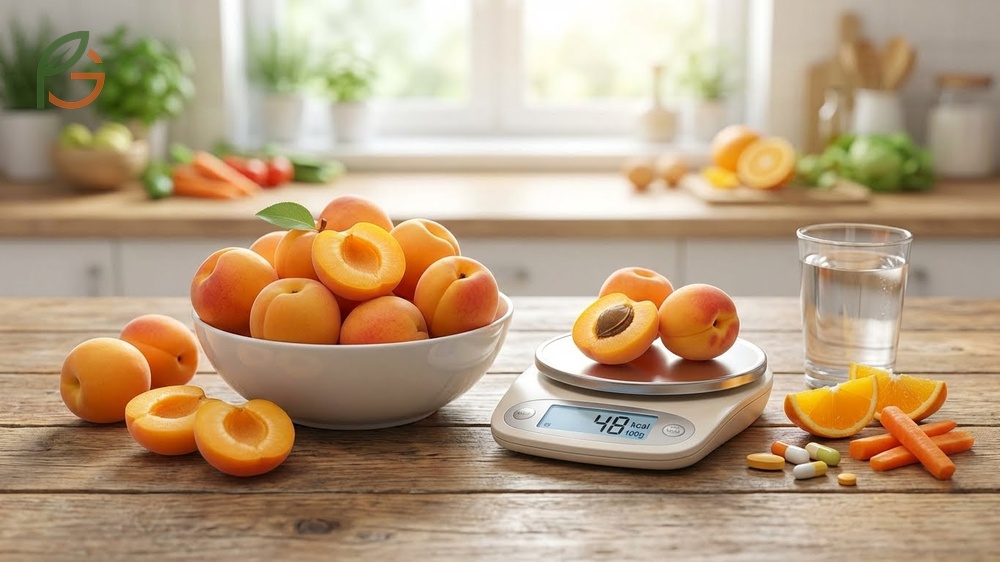
Research demonstrates that apricots rank among the most nutrient-dense fruits available. They deliver essential vitamins, minerals, and antioxidants while remaining remarkably low in calories—just 48 calories per 100g[3]. This makes them an excellent choice for weight management and overall health.
Evidence suggests that regular apricot consumption supports multiple body systems simultaneously. The fruit’s unique combination of beta-carotene, vitamin C, and phenolic compounds works synergistically to protect cells from oxidative damage. Current nutritional data indicates that apricots provide more vitamin A than most common fruits, with 96µg per 100g serving[3].
Vitamin A for Eye Health
Studies show that vitamin A plays a critical role in maintaining healthy vision, particularly in low-light conditions. Two medium apricots provide approximately 8% of your daily vitamin A requirement[2]. This nutrient prevents night blindness and supports the cornea’s protective function.
The beta-carotene in apricots converts to active vitamin A in your body. This conversion process allows your eyes to adapt to darkness more efficiently. Research indicates that consistent intake of vitamin A-rich fruits like apricots may reduce the risk of age-related macular degeneration.
Antioxidant Protection
Apricots contain multiple antioxidant compounds that neutralize harmful free radicals. These include vitamin C, vitamin E, and polyphenol flavonoids that protect against chronic diseases[2]. The phenolic compounds in apricots have been associated with lower rates of cardiovascular disease and certain cancers.
Current data shows that apricots provide 10mg of vitamin C per 100g[3]. This antioxidant supports collagen synthesis and enhances iron absorption from plant-based foods. The combination of vitamins C and E creates a protective shield against oxidative stress throughout your body.
Fiber Content
Apricots deliver 2g of dietary fiber per 100g serving[3]. This soluble and insoluble fiber combination promotes regular bowel movements and feeds beneficial gut bacteria. The fiber slows digestion, helping you feel full longer and preventing blood sugar spikes.
Important Note: The fiber in apricots works best when you stay well-hydrated throughout the day. Aim for eight glasses of water daily to maximize digestive benefits.
Health Benefits of Apricots
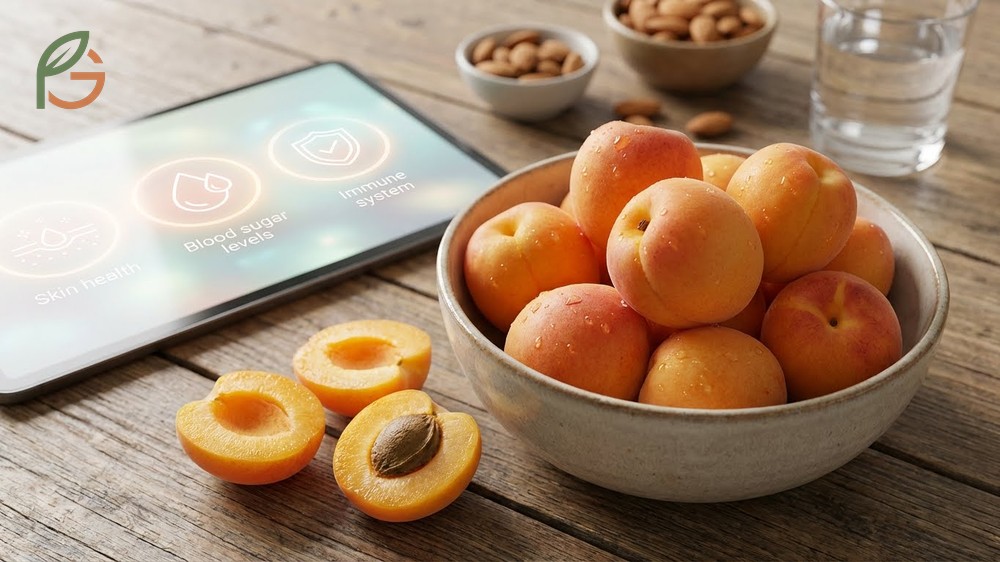
Research confirms that apricots offer targeted health advantages beyond basic nutrition. The fruit’s specific nutrient profile addresses skin health, blood sugar regulation, and immune function. Evidence indicates these benefits become more pronounced with regular consumption as part of a balanced diet.
Agricultural data shows apricots contain 259mg of potassium per 100g[3]. This electrolyte supports healthy blood pressure levels and muscle function. The fruit’s water content, combined with essential minerals, makes it an excellent post-workout snack for replenishing lost fluids.
Apricots for Skin Health
Studies demonstrate that vitamin C in apricots stimulates collagen production, reducing the appearance of fine lines and wrinkles[5]. Collagen maintains skin elasticity and firmness, giving you a more youthful appearance. The vitamin A content further enhances skin renewal by accelerating cell turnover.
Beta-carotene in apricots provides natural protection against UV radiation damage. Research shows this antioxidant helps prevent sunburn and premature aging caused by sun exposure[5]. The high water content in fresh apricots also keeps skin hydrated from within.
- Vitamin C boosts collagen synthesis for firmer, more elastic skin
- Beta-carotene shields skin cells from UV radiation damage
- Vitamin A accelerates skin cell renewal and repairs environmental damage
- High water content (approximately 86%) maintains skin hydration
- Antioxidants reduce inflammation that can lead to acne and redness
Apricots for Diabetes
Fresh apricots have a glycemic index of 34, placing them in the low-GI category[4]. This means they cause a gradual, controlled rise in blood sugar rather than sudden spikes. The low GI makes apricots a safer fruit choice for people managing diabetes when consumed in appropriate portions.
Research from 2018 showed that replacing half the carbohydrates from white bread with dried apricots lowered the overall glycemic response by more than 50%[6]. The soluble fiber in apricots slows carbohydrate absorption, preventing rapid glucose increases. This stabilizing effect helps maintain consistent energy levels throughout the day.
For Diabetics: Stick to 2-3 fresh apricots per serving and pair them with protein or healthy fats to further slow sugar absorption. Monitor your blood glucose response when first adding apricots to your diet.
Nutritional Benefits of Apricots
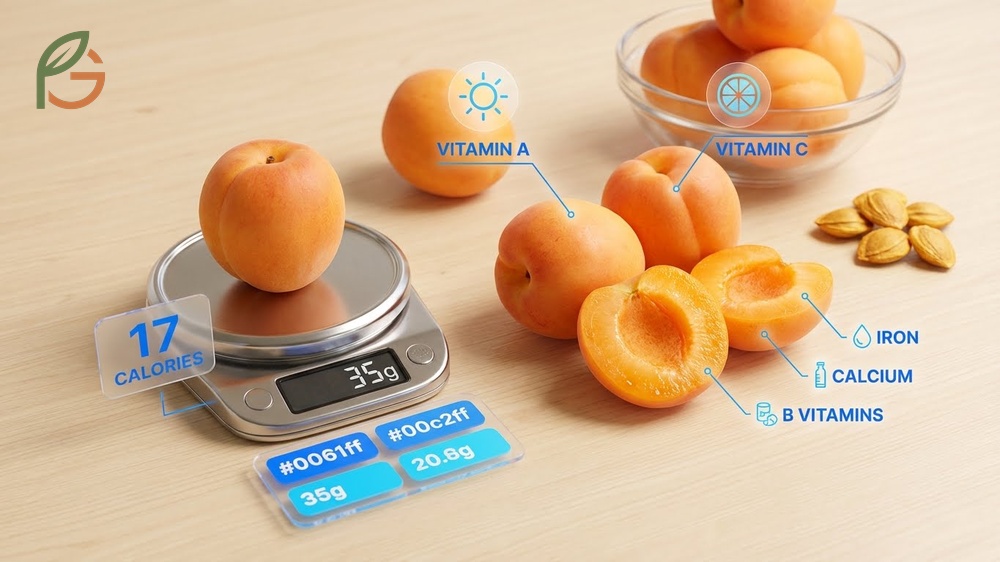
Current nutritional analysis reveals that apricots provide a concentrated source of micronutrients relative to their calorie content. One medium apricot weighing 35g contains just 17 calories while delivering meaningful amounts of vitamins A and C[2]. This exceptional nutrient density makes apricots ideal for calorie-conscious eating plans.
Apricots contain smaller but significant amounts of additional nutrients including iron, calcium, and B vitamins. The fruit provides 0.39mg of iron per 100g[3], contributing to red blood cell formation. Pairing apricots with vitamin C-rich foods enhances iron absorption from plant sources.
- Calories: 48 kcal, making them a low-calorie snack option
- Carbohydrates: 11g, with 9.2g from natural fruit sugars
- Protein: 1.4g for minor contribution to daily protein needs
- Fat: 0.39g, virtually fat-free with minimal impact on daily fat intake
- Potassium: 259mg, supporting cardiovascular and muscle health
- Vitamin E: 0.89mg, providing additional antioxidant protection
- Calcium: 13mg for bone health support
The mineral profile of apricots supports bone health and muscle function. Calcium and phosphorus work together to maintain bone density, while potassium regulates fluid balance and nerve signals. These minerals become especially important for active individuals and older adults.
Dried Apricots vs Fresh
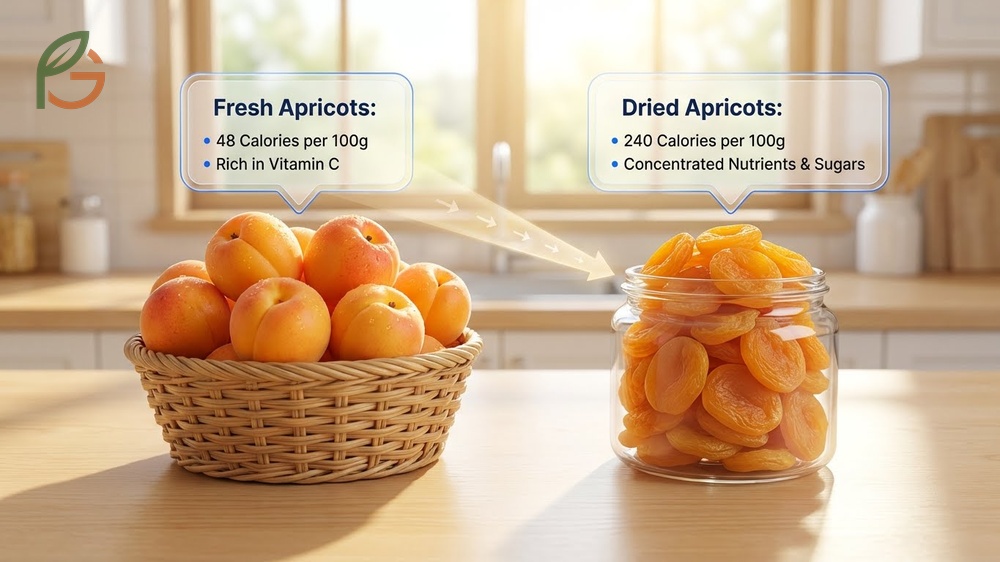
The drying process concentrates apricots’ nutrients and sugars while removing water content. This concentration makes dried apricots significantly more calorie-dense—about 240 calories per 100g compared to 48 calories in fresh apricots[3]. You get more nutrients per gram, but also more calories and sugar in a smaller portion.
Dried apricots retain most minerals and vitamin A but lose substantial amounts of vitamin C during the drying process. Fresh apricots contain 10mg of vitamin C per 100g, while dried versions provide only about 1mg. The fiber content increases proportionally in dried apricots, reaching approximately 7g per 100g versus 2g in fresh fruit.
This table compares calories, fiber, vitamin content, and glycemic index between fresh and dried apricots per 100g serving
| Nutrient | Fresh Apricots (100g) | Dried Apricots (100g) | Key Difference |
|---|---|---|---|
| Calories | 48 kcal[3] | 240 kcal | 5x more calorie-dense |
| Fiber | 2g[3] | 7g | 3.5x more fiber |
| Vitamin C | 10mg[3] | 1mg | 90% loss during drying |
| Vitamin A | 96µg[3] | 180µg | Nearly 2x concentrated |
| Potassium | 259mg[3] | 1162mg | 4.5x more potassium |
| Glycemic Index | 34[4] | 42-57[6] | Higher blood sugar impact |
The glycemic index rises in dried apricots to 42-57 compared to 34 for fresh fruit[6]. This means dried apricots cause a faster blood sugar rise, though they still remain in the low-to-moderate GI range. People with diabetes should limit dried apricot portions to about 4-5 pieces and track their blood glucose response.
- Choose fresh apricots for hydration, lower calories, and maximum vitamin C content
- Select dried apricots for convenient travel snacks and concentrated energy on long hikes
- Opt for fresh when managing blood sugar, as they have lower GI and less concentrated sugars
- Pick dried for higher fiber content and extended shelf life without refrigeration
- Fresh apricots work better for weight loss due to higher water content and fewer calories
- Dried varieties provide more potassium and vitamin A in smaller portions
Best Way to Eat Apricots
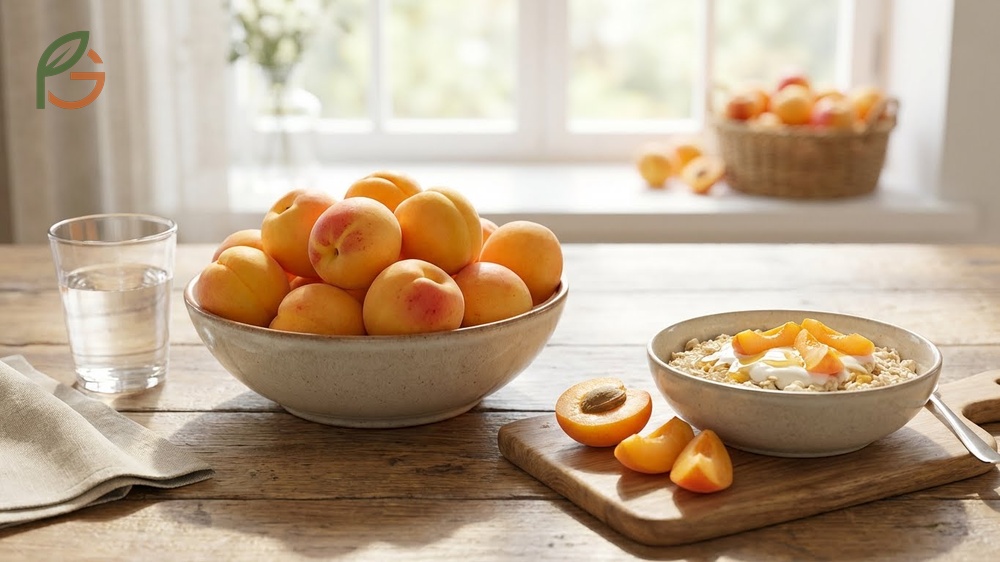
Fresh apricots taste best when eaten raw at peak ripeness, typically during summer months from May through August. The fruit should yield slightly to gentle pressure and release a sweet fragrance near the stem. Wash apricots thoroughly under running water before eating to remove any surface residue or bacteria.
You can incorporate apricots into breakfast by slicing them over oatmeal, yogurt, or whole-grain cereal. The natural sweetness reduces the need for added sugars while providing fiber and nutrients. Pairing apricots with protein-rich foods like Greek yogurt or nuts creates a balanced snack that stabilizes blood sugar and keeps you satisfied longer.
For savory applications, apricots complement grilled chicken, pork, or cheese platters beautifully. Their subtle tartness cuts through rich flavors and adds complexity to salads. Try chopping fresh apricots into quinoa salads with mint and feta, or roast halved apricots with olive oil and herbs as a side dish.
Dried apricots work well in baking, trail mix, and homemade energy bars. Rehydrate them in warm water for 10 minutes before chopping into baked goods for better texture. Store dried apricots in an airtight container at room temperature for up to six months, or refrigerate them for extended freshness up to one year.
Storage Tip: Keep fresh apricots at room temperature until ripe, then refrigerate them in a plastic bag for 3-5 days. Don’t wash apricots until you’re ready to eat them, as moisture accelerates spoilage.
Frozen apricots maintain nutritional value for 8-12 months and work perfectly in smoothies or cooked dishes. To freeze, wash and halve fresh apricots, remove pits, and arrange cut-side down on a baking sheet. Freeze until solid, then transfer to freezer bags. No blanching is required for apricots, unlike some other fruits.
Apricots Side Effects

Most people tolerate apricots well, but some individuals may experience allergic reactions. Symptoms can include itching, swelling of the lips or throat, and difficulty breathing. People allergic to other stone fruits like peaches, plums, or cherries have higher risk of apricot allergies due to similar protein structures.
Eating excessive amounts of apricots can lead to digestive discomfort including diarrhea, gas, or stomach cramps. The fiber and natural sugars in large quantities overwhelm your digestive system. Most people should limit intake to 3-4 fresh apricots or 5-6 dried apricots per day to avoid these issues.
Dried apricots often contain sulfur dioxide as a preservative to maintain their bright orange color. Some people, particularly those with asthma or sulfite sensitivity, may react to these preservatives. Look for unsulfured dried apricots if you have concerns, though they’ll appear brown rather than orange.
- Allergic reactions ranging from mild itching to severe anaphylaxis in sensitive individuals
- Digestive upset including diarrhea when consuming more than 4-5 fresh apricots daily
- Sulfite reactions in dried apricots for people with asthma or sulfur sensitivity
- Blood sugar fluctuations if diabetics eat large portions without monitoring
- Potential medication interactions with blood thinners due to vitamin K content
Unripe apricots can cause gastric problems and should be avoided. They contain higher levels of compounds that irritate the digestive tract. Wait until apricots soften and develop their characteristic sweet aroma before consuming them. Pregnant women can safely eat ripe apricots but should avoid unripe fruit and consume reasonable portions.
Warning: Never eat apricot kernels or seeds, as they contain amygdalin, which converts to cyanide in your body. Stick to the fruit flesh only and discard the pit completely.
Conclusion
The evidence is clear: are apricots good for you? Yes, they’re an excellent addition to most diets, delivering essential vitamins A and C, fiber, and protective antioxidants while remaining remarkably low in calories. Research confirms their benefits for eye health, skin protection, and blood sugar management when consumed as part of a balanced eating plan.
Current nutritional guidance emphasizes whole fruits like apricots over processed snacks for sustained energy and disease prevention. FruitGarden helps you make informed choices about incorporating nutrient-dense fruits into your daily routine for optimal health outcomes.
Medical Disclaimer
Important Medical Disclaimer: This content is for informational and educational purposes only. It is not intended as a substitute for professional medical advice, diagnosis, or treatment. Always consult a qualified healthcare professional before making any changes to your diet, medication, or health routine, especially if you have diabetes, allergies, or other medical conditions. Individual nutritional needs vary based on age, health status, and activity level.
Frequently Asked Questions
How Many Apricots Should You Eat Per Day?
Most adults can safely eat 3-4 fresh apricots or 5-6 dried apricots daily as part of a balanced diet. This portion provides significant vitamin A, fiber, and antioxidants without excessive calories or sugar. If you have diabetes, start with 2-3 fresh apricots and monitor your blood glucose response before adjusting portions.
Are Apricots Good for Pregnancy?
Yes, ripe apricots are safe and beneficial during pregnancy, providing folate, iron, and vitamin A that support fetal development. The fiber helps prevent pregnancy-related constipation. However, avoid unripe apricots as they can cause digestive discomfort, and limit dried apricots to 5-6 pieces daily due to concentrated sugars.
Do Apricots Have Vitamin C?
Yes, fresh apricots contain 10mg of vitamin C per 100g serving, providing about 11% of your daily needs. While not as vitamin C-rich as citrus fruits, apricots still contribute meaningfully to immune function and collagen production. Dried apricots lose most vitamin C during processing, retaining only about 1mg per 100g.
What Time of Year Are Apricots in Season?
Fresh apricots are in season from May through August in most of the United States, with peak availability in June and July. California produces the majority of U.S. apricots during this window. Outside this season, you can find imported fresh apricots or rely on dried, canned, or frozen options that maintain much of their nutritional value.
How Many Calories in Apricots?
One medium fresh apricot contains approximately 17 calories, while 100g of fresh apricots provides 48 calories. Dried apricots are significantly more calorie-dense at about 240 calories per 100g due to water removal during processing. This makes fresh apricots an excellent low-calorie snack for weight management, while dried versions work better for energy-dense trail snacks.
Can Apricots Help Lower Blood Sugar?
Apricots don’t actively lower blood sugar, but their low glycemic index of 34 and high fiber content help prevent blood sugar spikes when eaten in moderation. Research shows that replacing higher-GI carbohydrates with apricots can reduce overall glycemic response. Pair apricots with protein or healthy fats to further stabilize blood glucose levels.
How Should You Store Fresh Apricots?
Store unripe apricots at room temperature away from direct sunlight until they yield slightly to pressure and smell sweet. Once ripe, refrigerate them in a plastic bag or container for 3-5 days maximum. Don’t wash apricots until ready to eat, as moisture accelerates spoilage. For longer storage, freeze halved, pitted apricots for 8-12 months.