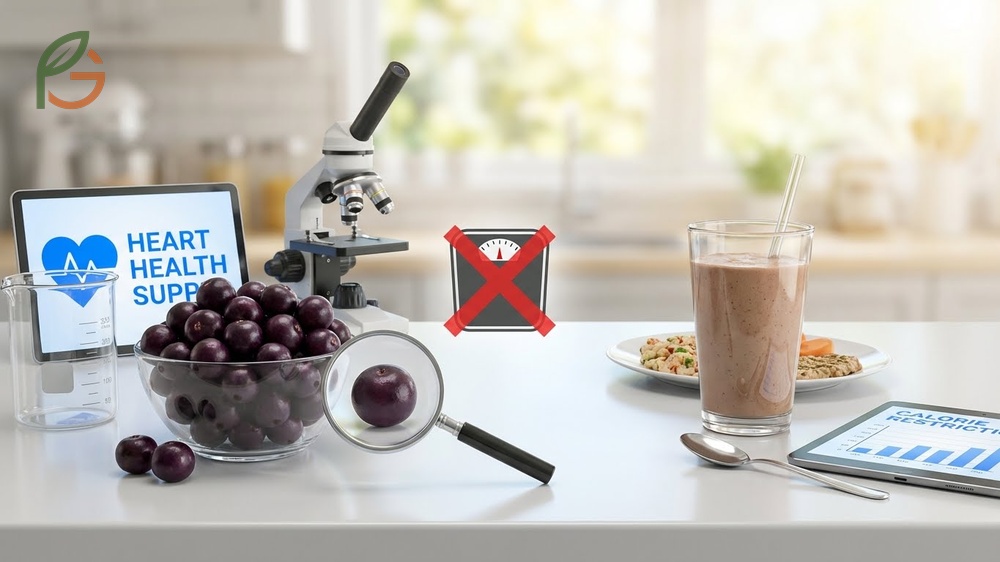
acai berries contain powerful antioxidants and can improve heart health markers, they don’t directly cause fat burning or rapid weight loss[1]. What most people don’t realize is that the weight loss benefits attributed to acai typically come from calorie restriction in meal replacements, not the berry itself. FruitGarden synthesizes current nutrition research to help you understand what acai can and can’t do for your weight loss journey.
Quick Answer
- No scientific studies prove acai berries directly cause weight loss or burn fat[2]
- Acai contains 70 calories per 100g with 3g fiber, supporting fullness but not fat burning[3]
- Studies show acai improves cholesterol and reduces oxidative stress but doesn’t affect weight[4]
- The berry’s 1614 units/g superoxide dismutase activity makes it antioxidant-rich, not a weight loss miracle[5]
Acai Berry Weight Loss
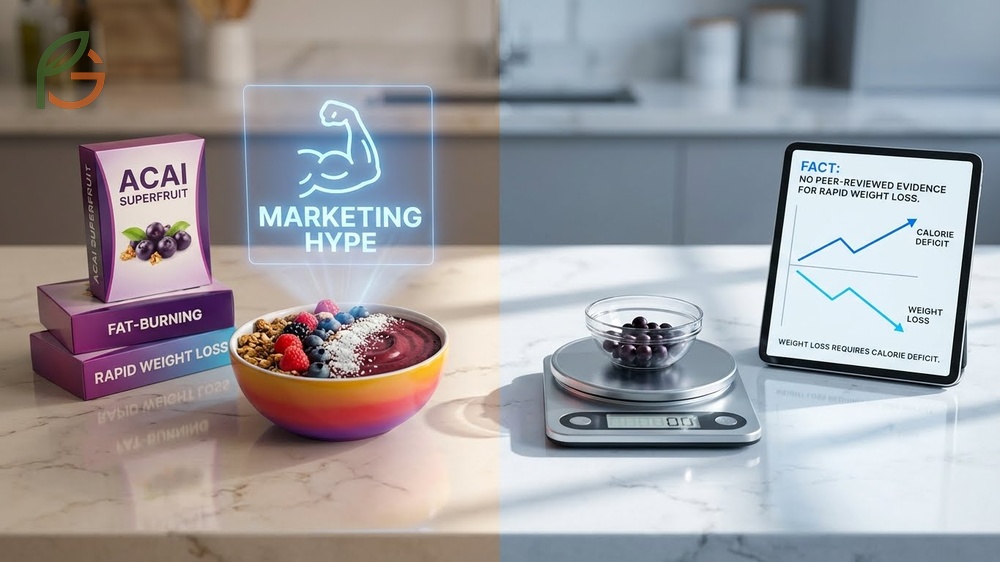
The National Center for Complementary and Integrative Health confirms there aren’t any reliable peer-reviewed studies supporting claims that acai berries promote rapid weight loss[1]. While marketers often tout acai as a fat-burning superfruit, early research actually shows it has no effect on weight at all[2]. The reason is simple: weight loss requires a calorie deficit, and acai doesn’t magically create one.
Many weight loss products use acai as a marketing hook, but they work because they replace high-calorie meals with low-calorie shakes or pills. If you’re replacing a 600-calorie breakfast with a 200-calorie acai smoothie, you’ll lose weight—but you’d get the same results with any 200-calorie meal. The acai itself isn’t doing the heavy lifting.
Current data indicates that acai’s real benefits lie in cardiovascular and antioxidant support, not fat burning. Understanding this distinction helps you make smarter choices about supplements and avoid wasting money on false promises.
What Is Acai Berry
Acai (pronounced ah-sigh-EE) is a small, dark purple berry that grows on acai palm trees in South American rainforests, particularly in Brazil. The berry is about 1 inch in diameter and contains a large seed surrounded by a thin layer of edible pulp. Indigenous Amazonian communities have consumed acai for centuries as a dietary staple.
You’ll find acai in several forms: frozen puree, freeze-dried powder, juice, and dietary supplements. Fresh acai berries spoil within 24 hours of harvest, so they’re processed immediately to preserve their nutrients. Most products sold in the US use freeze-dried or frozen acai.
From My Experience: My cousin in Guadalajara, Mexico tried growing acai palms from imported seeds in 2023. None germinated despite controlled humidity—acai needs specific Amazonian conditions and won’t thrive in most climates outside its native range.
Nutrition Profile
According to USDA data, 100 grams of frozen acai pulp contains approximately 70 calories, 1 gram protein, 3 grams fat, 4 grams carbohydrates, and 3 grams fiber[3]. The fat content includes heart-healthy omega-3, omega-6, and omega-9 fatty acids. Acai also provides calcium, potassium, and vitamins A and C in modest amounts.
The fiber content helps promote feelings of fullness, which can indirectly support weight management by reducing overall calorie intake. However, you can get similar fiber from oats, chia seeds, or berries that cost a fraction of acai’s price.
Important Note: Most acai bowls and smoothies at cafes contain 300-600 calories due to added sweeteners, granola, and toppings. Don’t assume acai products are low-calorie just because they contain a “superfood.”
Acai Metabolism Boost
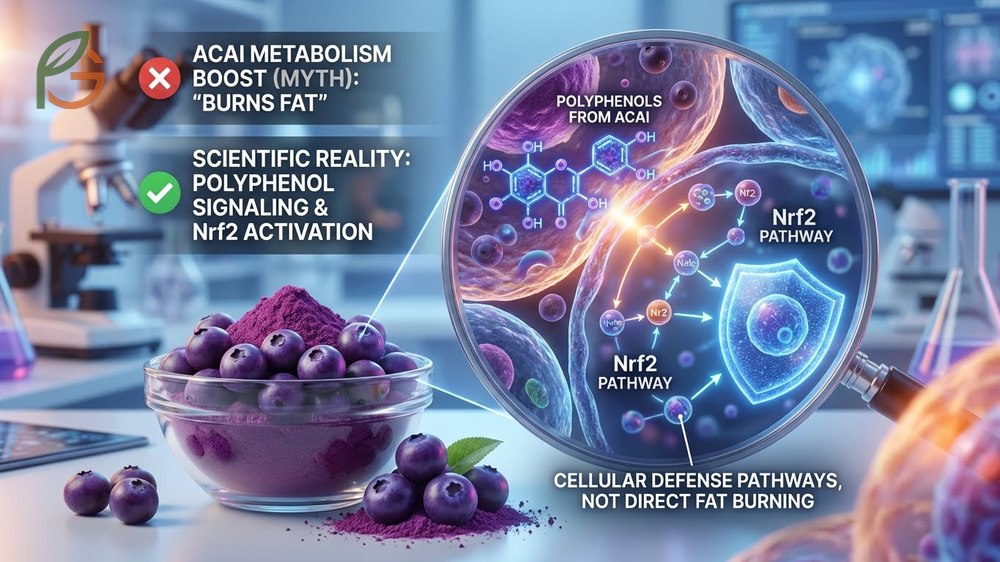
Claims that acai “boosts metabolism” and “burns fat more efficiently” appear frequently in marketing materials, but they lack scientific backing. Research shows acai’s metabolic effects come from its polyphenol content activating cellular defense pathways, not from direct fat burning[6]. These compounds work as signaling molecules rather than stoichiometric antioxidants.
Studies demonstrate that acai can increase activity of the Nrf2 pathway, which regulates protective antioxidant enzymes like heme oxygenase-1 and superoxide dismutase[6]. This reduces oxidative stress in tissues, but it doesn’t increase your resting metabolic rate or cause fat cells to release energy faster.
Evidence suggests that while acai supports overall cellular health, it won’t make you burn more calories sitting on the couch. You’d need to combine any acai supplementation with calorie restriction and exercise to see weight loss results.
How Antioxidants Work
Acai contains exceptionally high levels of anthocyanins, the same compounds that give blueberries and blackberries their deep purple color. Laboratory tests show freeze-dried acai has a superoxide dismutase activity of 1614 units per gram—the highest of any fruit or vegetable tested to date[5]. This means acai is extremely effective at neutralizing superoxide radicals in test tubes.
However, what happens in a petri dish doesn’t always translate to your body. When you eat acai, digestive processes break down many of these compounds before they reach your bloodstream. The antioxidants that do get absorbed can enter cells and perform protective functions, but at much lower concentrations than lab studies suggest.
Metabolic Effects
A 60-day study with overweight, dyslipidemic individuals found that adding acai to a calorie-restricted diet reduced oxidative stress and improved inflammation markers[7]. These benefits support metabolic health, but the weight loss came from the hypocaloric diet, not the acai. Participants in both groups lost similar amounts of weight.
Clinical trials with junior athletes showed that six weeks of acai supplementation had no effect on sprint performance but did improve cholesterol levels and increase total antioxidant capacity of plasma[4]. The athletes didn’t experience increased energy expenditure or fat oxidation despite the high polyphenol intake.
- Reduces markers of oxidative stress in blood tests
- Improves lipid profile by lowering LDL cholesterol
- Increases plasma antioxidant capacity within 2 hours of consumption
- Activates cellular defense pathways like Nrf2 signaling
- Reduces exercise-induced muscle damage in athletes
- Does not increase resting metabolic rate or calorie burning
Weight Loss Evidence
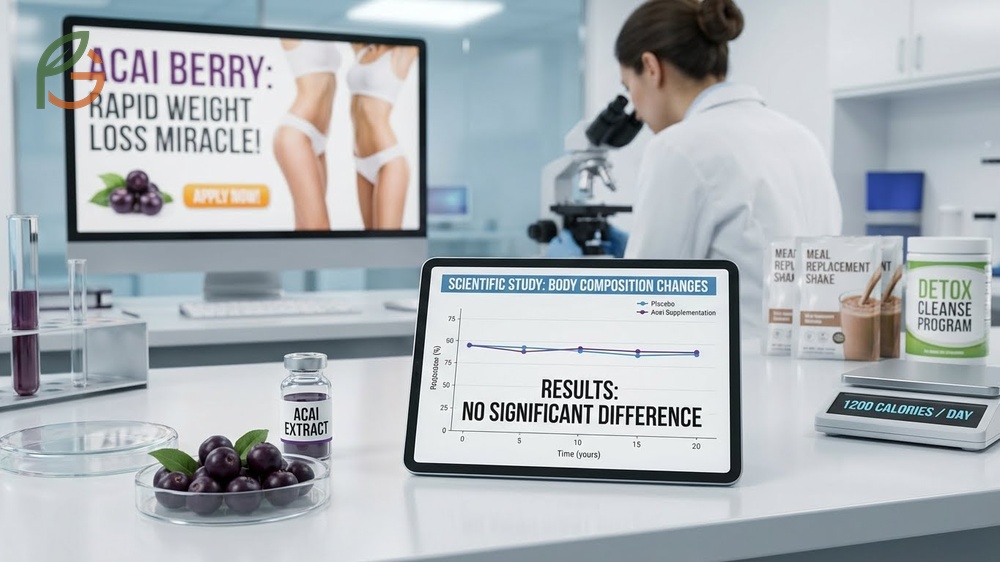
When researchers specifically test whether acai causes weight loss, the results are consistently negative. Studies designed to measure body composition changes find no significant differences between acai supplementation groups and placebo groups. This contradicts the aggressive marketing claims you’ll see online.
The confusion stems from acai’s inclusion in meal replacement products and detox cleanses. These programs restrict calories dramatically—often to 1,000-1,200 per day—which obviously causes weight loss. Manufacturers attribute the results to acai, but any severe calorie restriction would produce identical outcomes.
Most people who try acai for weight loss end up disappointed because they don’t change their eating habits. Taking acai pills while maintaining a calorie surplus won’t override basic energy balance. Your body can’t violate the laws of thermodynamics.
Clinical Trials
A comprehensive review by the National Center for Complementary and Integrative Health found zero reliable peer-reviewed studies supporting acai’s weight loss claims[1]. This matters because before-and-after photos and testimonials don’t constitute scientific evidence. Controlled trials with objective measurements consistently show no weight loss effect.
WebMD’s analysis confirms that early studies show acai has no effect on weight at all[2]. While berries in general add healthful nutrients to your diet, there’s nothing unique about acai that promotes fat loss beyond what other fruits provide.
This table compares outcomes from multiple clinical studies examining acai’s effects on weight loss, cholesterol, antioxidant status, and athletic performance across different study durations and populations
| Study Type | Duration | Weight Loss Effect | Other Outcomes |
|---|---|---|---|
| Overweight adults with dyslipidemia | 60 days | No difference vs control[7] | Reduced oxidative stress, improved inflammation |
| Junior athletes (hurdlers) | 6 weeks | No effect on performance or weight[4] | Improved cholesterol, increased antioxidant capacity |
| General population review | Multiple studies | No reliable evidence[1] | High antioxidant content confirmed |
| WebMD analysis | Literature review | No effect on weight[2] | Adds nutrients like other berries |
Why Claims Mislead
Marketing companies exploit acai’s genuine antioxidant benefits to imply fat-burning effects that don’t exist. They’ll cite studies showing reduced oxidative stress or improved cholesterol, then leap to claiming these translate to weight loss. This is scientifically dishonest.
Federal authorities have taken action against acai supplement companies for deceptive advertising. Many of these companies used fake celebrity endorsements and manipulated before-and-after photos. If a product promises “rapid weight loss” from acai alone, it’s violating truth-in-advertising standards.
Consumer Warning: Be extremely skeptical of “free trial” acai offers that only require shipping costs. Many of these are subscription scams that charge your credit card monthly for products you can’t return.
Best Acai Supplements

If you decide to try acai despite the lack of weight loss evidence, choose products carefully. Look for freeze-dried acai powder or frozen unsweetened puree rather than pills or extracts. These forms preserve more of the beneficial compounds and don’t contain the fillers and additives common in capsules.
Check labels for third-party testing certifications like USP, NSF, or ConsumerLab. Unregulated supplements can be contaminated with heavy metals, pesticides, or undeclared ingredients. Reputable brands will voluntarily test their products and display certification seals on packaging.
Price is often a poor indicator of quality with acai. Some expensive “proprietary blends” contain mostly cheap fillers with minimal acai content. Compare the actual acai content per serving rather than per-bottle costs.
- Choose freeze-dried powder over capsules for maximum antioxidant preservation
- Verify third-party testing for heavy metals and contaminants
- Avoid products making specific weight loss or disease treatment claims
- Check that acai is the primary ingredient, not buried in a proprietary blend
- Look for organic certification to minimize pesticide exposure
- Start with small amounts to test for digestive tolerance before buying bulk quantities
Frozen acai packets work well for smoothie bowls and provide more authentic flavor than powders. Most grocery stores now carry frozen acai in the specialty freezer section. Just remember that the health benefits come from the overall diet pattern, not from acai alone.
Dosage Consideration: Clinical studies typically use 100-200ml of acai juice or 100g of frozen pulp daily. Higher doses don’t appear to provide additional benefits and may increase the risk of digestive side effects.
Acai Detox Benefits
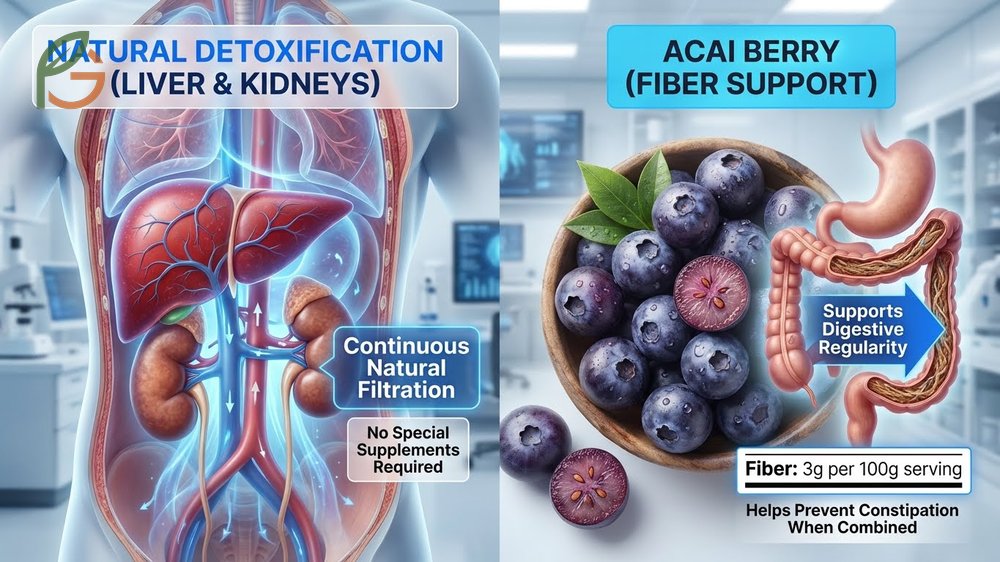
The term “detox” in marketing materials is essentially meaningless from a physiological perspective. Your liver and kidneys continuously detoxify your body without requiring special supplements. Claims that acai “cleanses your system of fat” or “removes toxic buildup” aren’t based on how human metabolism actually works.
That said, acai’s high fiber content does support digestive regularity. The 3 grams of fiber per 100-gram serving can help prevent constipation when combined with adequate water intake. This isn’t detoxification—it’s just normal bowel function.
Some “acai cleanse” products include laxative herbs like senna or cascara sagrada. These can cause diarrhea, cramping, and electrolyte imbalances. The rapid weight loss people experience on these cleanses is water and stool loss, not fat loss, and it returns immediately when the cleanse ends.
Research shows that extreme detox diets can actually harm your metabolism by causing muscle loss and reducing your resting energy expenditure. If you’re looking to support your body’s natural detoxification processes, focus on adequate sleep, hydration, whole foods, and regular exercise rather than expensive supplements.
Acai’s legitimate benefits for oxidative stress and inflammation don’t require framing them as “detox.” The berry provides real antioxidants that can reduce cellular damage from environmental toxins and metabolic processes. That’s valuable on its own without pseudoscientific cleansing claims.
- Provides dietary fiber supporting regular bowel movements, not magical cleansing
- Supplies antioxidants that reduce oxidative stress from environmental factors
- Contains no compounds that specifically remove stored fat or toxins
- May reduce inflammation markers in blood tests over several weeks
- Works best as part of an overall healthy diet, not as a standalone detox
Conclusion
The evidence is clear: acai berry weight loss claims aren’t supported by scientific research, despite the berry’s impressive antioxidant profile. While acai provides legitimate health benefits for cardiovascular markers and oxidative stress, it won’t burn fat or boost metabolism in ways that produce weight loss. If you want to lose weight, focus on sustainable calorie reduction and increased physical activity rather than expensive superfruit supplements.
Current nutrition guidance emphasizes that no single food causes weight loss—it’s your overall dietary pattern and energy balance that matter. FruitGarden encourages you to enjoy acai as part of a varied, nutrient-rich diet if you like the taste, but don’t expect it to work miracles for your waistline.
Medical Disclaimer
Important Medical Disclaimer: This content is for informational and educational purposes only. It is not intended as a substitute for professional medical advice, diagnosis, or treatment. Always consult a qualified healthcare professional before starting any weight loss program, taking dietary supplements, or making significant changes to your diet, especially if you have pre-existing medical conditions, take medications, or are pregnant or nursing. Individual results may vary, and supplements can interact with medications or cause side effects.
Frequently Asked Questions
Does acai berry really burn belly fat?
No, acai berry doesn’t specifically burn belly fat or any other fat. Research shows acai has no direct effect on fat metabolism or body composition. While acai contains fiber and antioxidants that support overall health, you can’t target fat loss in specific body areas through any food or supplement—fat loss occurs systemically based on overall calorie deficit.
How much weight can you lose with acai berry supplements?
You won’t lose weight from acai berry supplements alone unless they’re part of a calorie-restricted meal replacement plan. Clinical trials show acai supplementation produces no weight loss when people maintain their normal eating patterns. Any products claiming “rapid weight loss” from acai are using deceptive marketing that contradicts scientific evidence.
What is the best time to take acai for weight loss?
Since acai doesn’t cause weight loss, timing doesn’t matter for that purpose. If you’re consuming acai for its antioxidant benefits, studies suggest effects on oxidative stress markers appear within 2 hours of consumption and last several hours. Most people add frozen acai to breakfast smoothies simply because it’s convenient and provides sustained energy from its healthy fats and fiber.
Are acai diet pills safe?
Pure acai is generally safe for most people, but many acai diet pills contain additional herbs and stimulants that can cause side effects. Some formulations include laxatives, blood thinners like garlic and ginkgo, or undisclosed ingredients due to poor regulation. Always check for third-party testing certifications and consult your healthcare provider before taking acai pills, especially if you’re on blood-thinning medications or have liver conditions.
Can acai berry cause weight gain?
Acai itself won’t cause weight gain at typical consumption levels, but many acai products are calorie-dense. Acai bowls at restaurants often contain 400-600 calories from added granola, honey, nut butter, and other toppings. If these exceed your calorie needs, you’ll gain weight just like with any calorie surplus—the acai isn’t the problem, but the overall calorie content is.
What are the side effects of taking acai berry?
Common side effects include digestive issues like bloating, gas, and diarrhea, especially when first starting acai or taking high doses. The fiber content causes these effects in some people. Allergic reactions can occur if you’re sensitive to berries or pollen. More serious concerns include potential interactions with blood-thinning medications and liver injury from contaminated supplements, though pure acai rarely causes problems.
Is acai better than blueberries for weight loss?
Neither acai nor blueberries cause weight loss directly, so one isn’t “better” for that purpose. Both provide antioxidants and fiber that support overall health. Blueberries are much cheaper, more widely available, and have similar antioxidant benefits. Unless you specifically enjoy acai’s unique flavor, there’s no nutritional reason to choose it over blueberries for weight management.