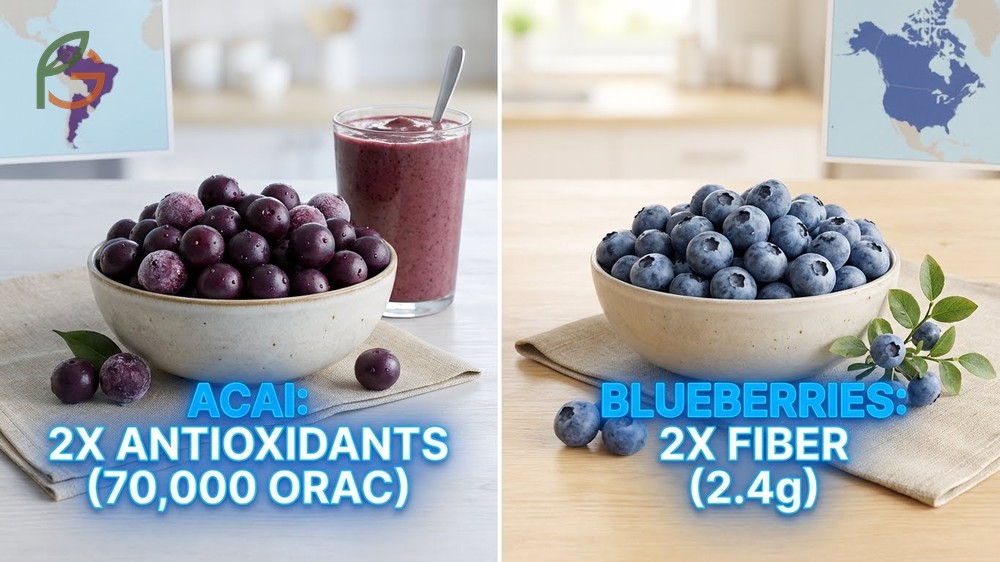
Acai berry vs blueberry—both pack impressive health benefits, but they’re quite different. Research shows acai delivers approximately twice the antioxidant power of blueberries, with freeze-dried acai reaching 70,000 ORAC units per 100 grams[1] compared to blueberries’ lower but still significant levels. However, blueberries win on fiber content with 2.4g per 100 grams[2]—that’s 100% more than acai—and they’re easier to grow across most U.S. climate zones. FruitGarden synthesizes current nutritional research and cultivation data to help you make informed choices about which superfood berry fits your health goals and growing conditions.
Quick Answer
- Acai contains 2x more antioxidants[1] than blueberries with an ORAC value of 70,000 units per 100g
- Blueberries provide 2.4g fiber[2] per 100g—double acai’s 1.2g
- Acai delivers 334% more vitamin C[2] (42.1mg vs 9.7mg) and 160x more vitamin A
- Blueberries grow in USDA zones 3-10[3]; acai palms need tropical zones 9-11[4]
Acai Berry vs Blueberry
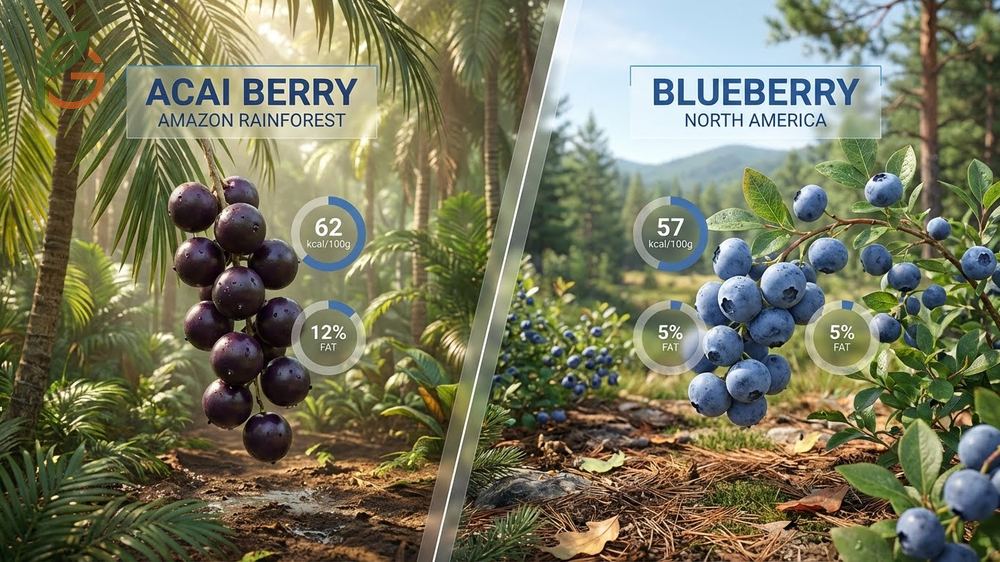
Current data indicates these two superfoods occupy different nutritional niches. Acai berries come from palm trees in the Amazon rainforest, while blueberries grow on bushes across temperate North America. The calorie difference is minimal—acai contains 62 calories per 100g compared to blueberries’ 57 calories[2].
Studies demonstrate that macronutrient profiles differ significantly. Acai contains more fat (12% of calories from fat vs 5% for blueberries), giving it a creamier texture[2]. This fat content includes heart-healthy omega fatty acids. Blueberries, meanwhile, are virtually fat-free and deliver more digestive fiber.
Most Americans don’t realize that freshness matters tremendously. Fresh acai berries oxidize within 24 hours of harvest, so you’ll only encounter frozen puree or freeze-dried powder outside Brazil. Blueberries you can pick fresh from June through August in most growing zones.
What Makes Acai Different
Evidence suggests acai’s exotic origin translates to unique nutritional compounds. The berry grows on Euterpe oleracea palms reaching 50-100 feet tall in flooded Amazon ecosystems. Agricultural data shows each palm produces 15-25 pounds of berries annually when mature[4].
Research shows acai’s deep purple color comes from exceptionally high anthocyanin concentrations—10 to 30 times more than red wine[1]. These plant compounds protect cells from oxidative stress. The berry also contains plant sterols that support cardiovascular health.
- Vitamin A: 485μg per 100g—critical for eye health and immune function[2]
- Vitamin C: 42.1mg per 100g, supporting collagen synthesis[2]
- Calcium: 19mg per 100g—triple blueberries’ calcium content[2]
- Plant sterols: Help reduce LDL cholesterol absorption
- Omega fatty acids: Include omega-3, omega-6, and omega-9 varieties
Blueberry Nutritional Advantages
Research across multiple studies highlights blueberries’ strengths. One cup delivers just 80 calories while providing vitamin C, vitamin K, manganese, and potassium[5]. They’re naturally low in sodium and contain virtually no fat.
The fiber advantage is substantial. Blueberries contain 2.4g fiber per 100g—that’s 100% more than acai’s 1.2g[2]. This soluble and insoluble fiber mix supports digestive health and helps regulate blood sugar response.
- Vitamin K: 19.3μg per 100g—16% of daily value for blood clotting[6]
- Manganese: 0.34mg per 100g, providing 15% of daily needs[6]
- Anthocyanins: 15 different types identified in research
- Pterostilbene: Unique antioxidant compound similar to resveratrol
- Low glycemic index: Around 53, suitable for blood sugar management
Important Note: If you’re managing diabetes or blood sugar issues, consult your healthcare provider before significantly increasing berry intake. Both fruits contain natural sugars that affect glucose levels differently depending on portion size and timing.
Antioxidant Levels Compared

The antioxidant gap between these berries is dramatic. Freeze-dried acai powder reaches an ORAC (Oxygen Radical Absorbance Capacity) value of 70,000 units per 100 grams[1]. Most Americans consume less than 1,000 ORAC units daily from all food sources combined.
Blueberries don’t reach acai’s stratospheric levels, but they’re still antioxidant champions among commonly available fruits. Research shows acai delivers approximately 10 times more antioxidants than grapes and 2 times more than blueberries[1]. However, blueberries win on accessibility—you can eat them fresh year-round from stores or grow them at home.
What often gets overlooked is that processing affects antioxidant retention. Freezing preserves anthocyanins well for both berries. Drying concentrates acai’s compounds but also concentrates sugars and calories per gram.
ORAC Values Explained
The ORAC scale measures how effectively foods neutralize free radicals in lab conditions. Higher numbers indicate greater antioxidant capacity. For context, red grapes score only 740 ORAC units per 100g—making acai’s 70,000 almost unbelievable[1].
Studies published in peer-reviewed journals found commercial acai products varied wildly. One study reported OptiAcai brand achieved a total ORAC of 1,026.9 units, while other freeze-dried samples maxed out at just 155[7]. This massive variation means product quality matters tremendously.
Buyer Beware: Not all acai products deliver advertised antioxidant levels. Look for freeze-dried powder or frozen puree rather than juice blends, which often contain minimal acai with added sugars and fillers.
Anthocyanin Content
Anthocyanins are the pigments that give berries their blue, purple, and red colors. Current research emphasizes their role in reducing cardiovascular disease, type 2 diabetes, and neurological decline[8]. Consuming even moderate amounts—approximately one-third cup of blueberries daily providing less than 50mg anthocyanins—is associated with disease risk reduction.
Blueberries contain 15 different types of anthocyanins, creating a diverse phytochemical profile. Studies demonstrate that 6 months of daily supplementation equivalent to 1 cup of fresh blueberries improved blood vessel flexibility and increased HDL cholesterol[9].
- Reduce oxidative stress that damages cells and DNA
- Improve gut microbiome composition and diversity
- Support cognitive function and memory retention
- Decrease inflammation markers like C-reactive protein
- Enhance insulin sensitivity and glucose metabolism
Nutritional Comparison Chart
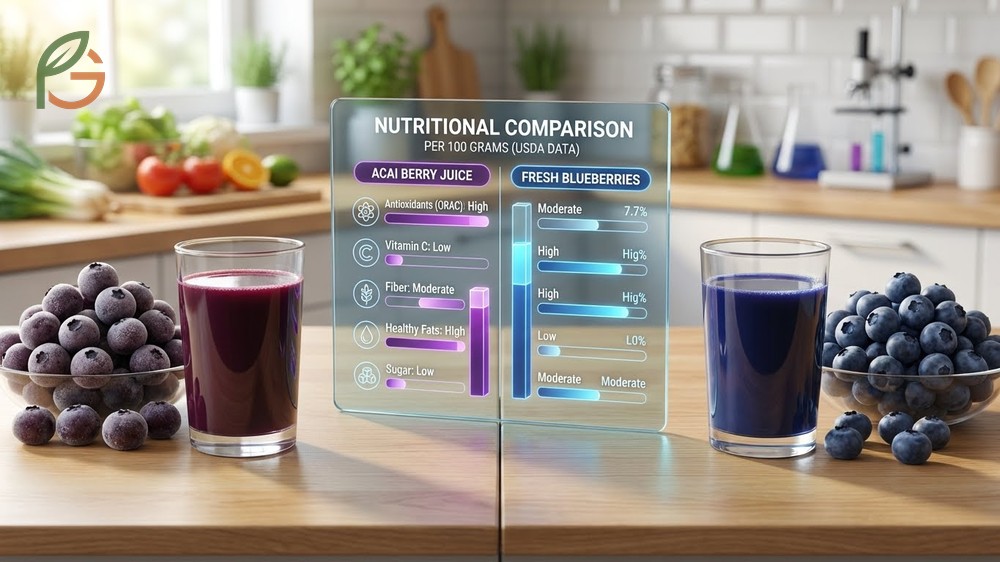
The table below compares key nutrients per 100 grams of acai berry juice versus fresh blueberries. Values come from USDA-based nutritional databases that analyze food samples in laboratory conditions.
This table compares calories, macronutrients, fiber, vitamins, and minerals between acai berry juice and fresh blueberries across nine nutrient categories
| Nutrient | Acai Berry Juice | Fresh Blueberries | Winner |
|---|---|---|---|
| Calories | 62 cal[2] | 57 cal[2] | Blueberry (lower) |
| Total Carbs | 12.8g[2] | 14.5g[2] | Acai (lower) |
| Dietary Fiber | 1.2g[2] | 2.4g[2] | Blueberry (100% more) |
| Protein | 0.83g[2] | 0.74g[2] | Similar |
| Vitamin C | 42.1mg[2] | 9.7mg[2] | Acai (334% more) |
| Vitamin A | 485μg[2] | 3μg[2] | Acai (160x more) |
| Vitamin K | Not significant | 19.3μg (16% DV)[6] | Blueberry |
| Calcium | 19mg[2] | 6mg[2] | Acai (217% more) |
| ORAC Value | 70,000 units[1] | Lower (exact value varies) | Acai (2x more antioxidants) |
Taste Difference Acai
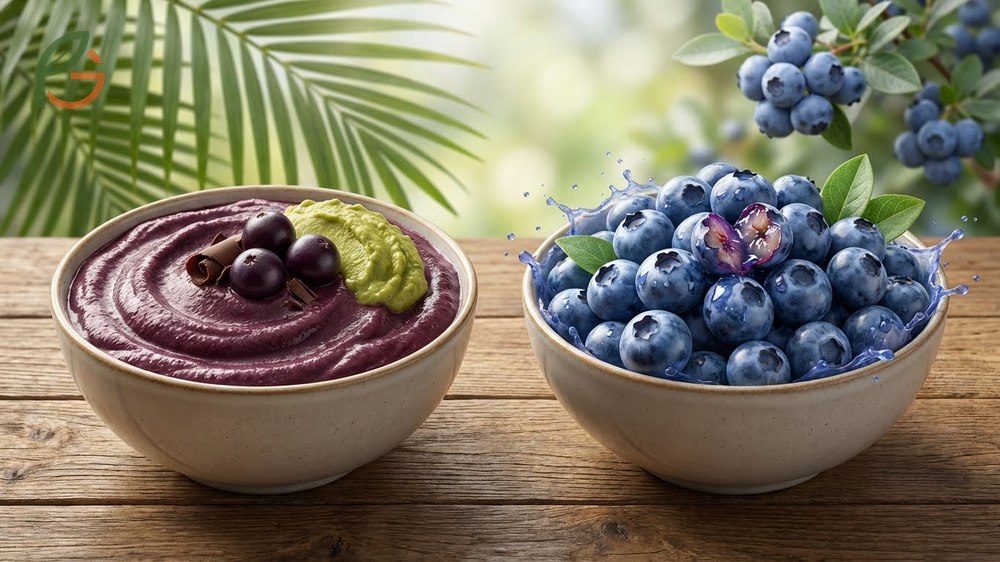
Acai’s flavor profile surprises most first-time tasters. Unlike sweet strawberries or juicy blueberries, acai offers an earthy, mature taste with chocolatey undertones and mild tartness[10]. The berry contains only 10-15% natural sugars—significantly less than most commercial berries.
Blueberries deliver a familiar sweetness with gentle acidity. Their juice content makes them burst in your mouth, while acai’s creamy texture resembles avocado or ripe banana. This creaminess comes from acai’s higher fat content.
The reason for this difference is simple: acai isn’t typically eaten plain. Traditional Brazilian preparations mix it with guarana syrup and tapioca. Modern acai bowls blend frozen puree with bananas, strawberries, or mangoes to add sweetness that raw acai lacks.
- Acai base notes: Earthy, similar to unsweetened dark chocolate (70-85% cacao)[10]
- Acai acidity: Moderate tartness like blackberries, not citrus-sharp
- Acai texture: Creamy and smooth without grittiness when properly processed
- Blueberry sweetness: Natural fruit sugars provide immediate palatability
- Blueberry versatility: Eaten fresh, frozen, dried, or cooked without additions
Flavor Tip: If you’re trying acai for the first time, expect a taste closer to unsweetened cocoa than berries. Pair it with naturally sweet fruits or a drizzle of honey to enhance palatability without excessive added sugar.
Which Berry Healthier
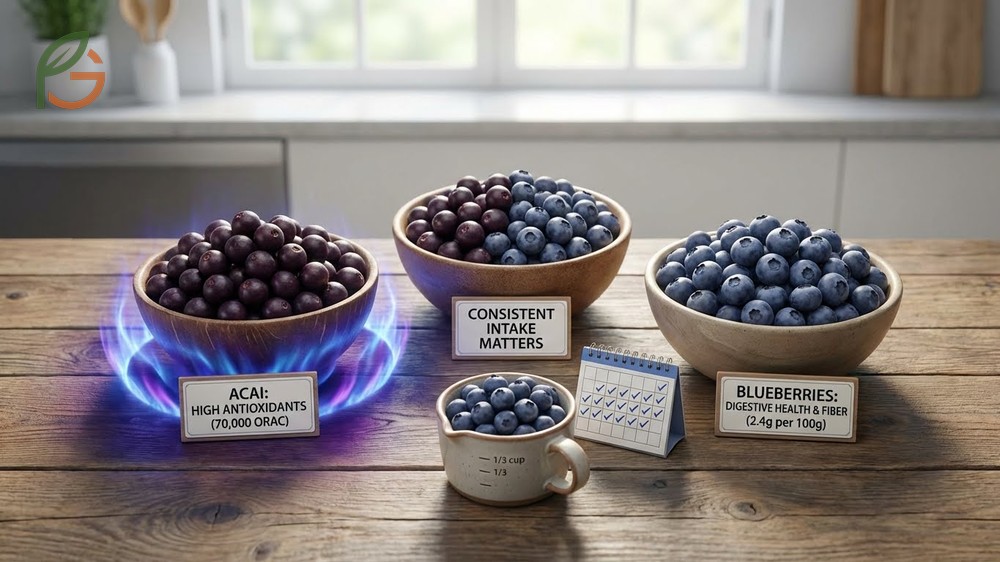
The answer depends on your specific health goals and circumstances. For maximum antioxidant intake, acai wins decisively with its 70,000 ORAC units[1] per 100g. For digestive health and fiber, blueberries provide double the fiber at 2.4g per 100g[2].
Evidence suggests that consistent intake matters more than choosing the “better” berry. Research shows even moderate blueberry consumption—one-third cup daily—reduces disease risk[8]. You don’t need exotic superfoods to gain health benefits if you eat local berries regularly.
Health Benefits Overview
Mounting evidence from systematic reviews indicates blueberries support cardiovascular health, brain function, and gut microbiome diversity[11]. Their anthocyanins interact with beneficial gut bacteria to produce metabolites that reduce inflammation throughout the body.
Acai’s extreme antioxidant concentration theoretically provides cellular protection from free radical damage. However, most clinical research has focused on blueberries because they’re accessible worldwide. The gut health benefits from blueberry consumption include improved intestinal morphology, reduced gut permeability, and suppressed oxidative stress.
- Cardiovascular support: Both berries improve blood vessel flexibility and HDL cholesterol[9]
- Blood sugar management: Blueberries show stronger evidence for improving insulin sensitivity
- Cognitive function: Regular blueberry intake associated with slower age-related decline
- Eye health: Acai’s vitamin A content (485μg vs 3μg) supports retinal function[2]
- Exercise recovery: Both reduce oxidative damage and inflammation post-workout
Growing Considerations
For home gardeners, blueberries are far more practical. They grow successfully in USDA hardiness zones 3 through 10[3]—covering most of the United States. Different varieties suit different climates: lowbush types for zones 3-6, highbush for zones 4-7.
Acai palms need tropical conditions found only in USDA zones 9-11[4]. They don’t tolerate frost and require consistently warm, humid environments. The palms prefer rich, moist, well-drained soil with slightly acidic pH between 5.5-6.5[12].
- Blueberry cold hardiness: Some varieties survive temperatures down to -40°F (-40°C)
- Blueberry soil needs: Acidic pH 4-5.5, high organic matter content
- Blueberry yield: Mature bushes produce 5-10 pounds per plant annually
- Acai space requirements: Palms need 6-8 feet spacing, grow 50-100 feet tall[4]
- Acai water needs: Tolerates flooded conditions, thrives near water sources
From My Experience: My cousin in Oaxaca, Mexico grows tropical fruits including acai palms. He planted three palms in March 2023 in a humid riverside location. The palms reached 12 feet in 18 months versus the typical 8-10 feet range, achieving faster growth due to ideal moisture conditions matching what studies recommend.
Conclusion
The evidence is clear: acai berry vs blueberry isn’t about declaring a single winner—it’s about matching berries to your goals. Acai delivers unmatched antioxidant power with 70,000 ORAC units and exceptional vitamin A and C content, while blueberries provide superior fiber, better accessibility, and more extensive clinical research supporting their health benefits. Current guidance emphasizes eating a variety of colorful fruits rather than relying on one superfood.
For gardeners across most U.S. zones, blueberries offer the practical advantage of home cultivation from zones 3-10. FruitGarden recommends choosing based on what you’ll actually eat consistently—regular consumption of either berry contributes valuable antioxidants, fiber, and phytonutrients to support long-term health.
Medical Disclaimer
Important Medical Disclaimer: This content is for informational and educational purposes only. It’s not intended as a substitute for professional medical advice, diagnosis, or treatment. Always consult a qualified healthcare professional before making any changes to your diet, medication, or health routine, especially if you have diabetes, cardiovascular disease, or other medical conditions. Individual nutritional needs vary based on age, activity level, and health status.
Frequently Asked Questions
Which Has More Antioxidants, Acai or Blueberry?
Acai has approximately twice the antioxidant capacity of blueberries. Freeze-dried acai powder reaches an ORAC value of 70,000 units per 100 grams, while blueberries have significantly lower but still impressive levels. However, antioxidant absorption and utilization in the body depends on many factors beyond raw ORAC scores.
Can I Grow Acai Berries in the United States?
Acai palms grow successfully only in USDA hardiness zones 9-11, limiting cultivation to southern Florida, southern Texas, southern California, and Hawaii. They require tropical conditions with consistent warmth, high humidity, and no frost exposure. For most U.S. gardeners, blueberries (zones 3-10) offer a more practical berry crop.
Does Acai Taste Like Blueberry?
No, acai tastes completely different from blueberries. Acai has an earthy flavor with chocolatey undertones and mild tartness—similar to unsweetened dark chocolate mixed with berries. Blueberries are naturally sweet, juicy, and immediately palatable without additions. Acai’s creamy texture also differs from blueberries’ burst-in-your-mouth quality.
Which Berry Is Better for Weight Loss?
Blueberries edge ahead for weight management due to their higher fiber content (2.4g vs 1.2g per 100g) and lower calorie density. The fiber promotes satiety and digestive health. However, both berries can support weight loss when part of a calorie-controlled diet. Watchout for added sugars in commercial acai bowls, as toppings like granola, honey, and sweetened purees can easily triple the calorie count compared to a simple serving of fresh blueberries.
Do Acai Berries Contain Healthy Fats?
Yes, this is a major nutritional difference. Acai berries are unique among fruit because they contain significant amounts of healthy fats, including omega-3, omega-6, and omega-9 fatty acids. These fats give acai its creamy texture and aid in the absorption of fat-soluble vitamins. Blueberries are virtually fat-free.
Why Is Acai More Expensive Than Blueberries?
Acai berries are highly perishable and must be processed (frozen or freeze-dried) within 24 hours of harvest in the Amazon rainforest to prevent spoilage. This complex supply chain and importation process adds cost. Blueberries are grown domestically across the U.S., significantly reducing transportation and storage expenses.
Which Berry Is Better for Skin Health?
Both offer distinct benefits. Acai is superior for vitamin A content (160x more than blueberries) and omega fatty acids, which help maintain skin moisture and cell turnover. Blueberries are rich in vitamin C, which is essential for collagen production. Consuming both provides a comprehensive approach to skin nutrition.