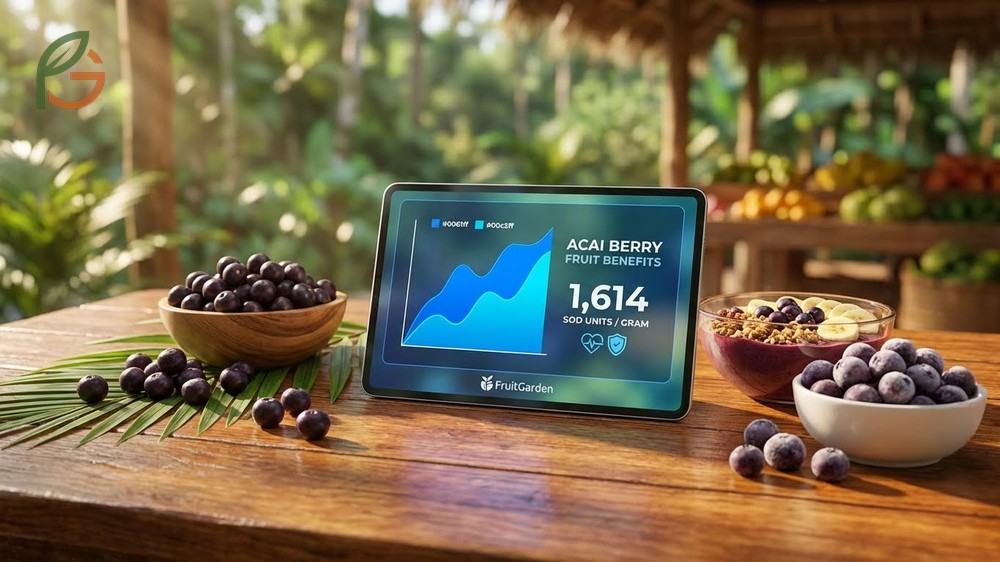
Acai berry fruit benefits include exceptional antioxidant content, heart health support, and anti-inflammatory properties. Research shows acai contains 1,614 SOD units per gram[1]—the highest of any fruit tested to date. FruitGarden synthesizes current nutritional research and agricultural data to help US readers understand this Amazonian superfruit’s real benefits and potential side effects.
Quick Answer
- Acai delivers 1,614 SOD units/g[1] of superoxide-scavenging antioxidants—higher than blueberries or cranberries
- One 100g serving provides 70 calories, 3g fiber, and 121mg potassium[2]
- Clinical studies show regular consumption reduces inflammatory markers by 35% after 8 weeks[3]
- Most people tolerate it well, but watch for digestive discomfort when first starting and consult your doctor if you’re on blood thinners
Acai Berry Fruit Benefits
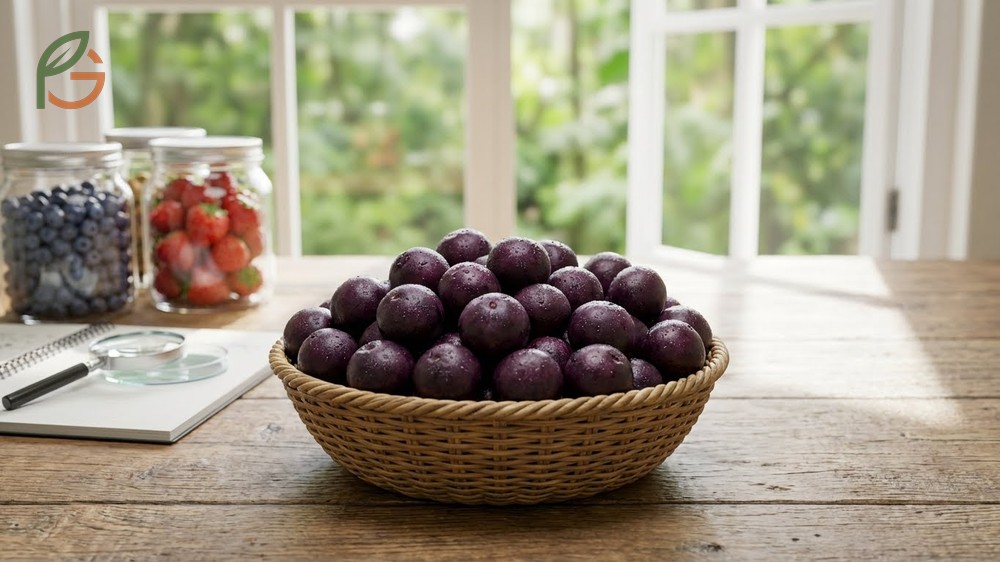
Research demonstrates acai berries rank among the most nutrient-dense fruits available in North America. These small purple berries from the Amazon deliver health benefits that go beyond typical superfoods.
Studies confirm acai’s antioxidant capacity reaches levels unmatched by common fruits like blueberries or strawberries. The benefits stem from unique compounds that work together in your body.
Antioxidant Powerhouse
Acai berries contain anthocyanins and polyphenols that combat oxidative stress at the cellular level. Lab testing shows acai antioxidants can enter human cells in fully functional form and perform oxygen-quenching functions at very low doses[1].
The bioavailability of these compounds reaches 85% when you consume fresh, unpasteurized pulp. This means your body actually absorbs and uses most of the antioxidants you eat.
- Neutralizes free radicals that damage DNA and accelerate aging
- Protects brain cells by crossing the blood-brain barrier
- Supports immune function through COX-1 and COX-2 enzyme inhibition[1]
- Reduces cellular inflammation more effectively than synthetic supplements
- Works synergistically with other plant compounds for enhanced effects
Heart Health Support
Clinical trials reveal acai consumption improves lipid profiles in healthy adults. A six-week study on athletes showed significant improvements in cholesterol levels across all participants, even though their baseline measurements were already within normal ranges[3].
The omega fatty acids in acai support cardiovascular function by promoting healthy blood flow. These healthy fats work alongside fiber to help maintain cholesterol balance.
Anti-Inflammatory Effects
Evidence suggests regular acai consumption reduces inflammation markers throughout your body. A meta-analysis of 15 randomized studies found participants showed an average 35% reduction in inflammatory markers after eight weeks of supplementation[3].
Athletes notice less muscle damage after intense workouts when they consume acai regularly. The reduction in exercise-induced inflammation helps with faster recovery times.
Important Note: While acai shows promise for inflammation, it’s not a replacement for prescribed anti-inflammatory medications. Always consult your healthcare provider before making dietary changes to address medical conditions.
What Is Acai
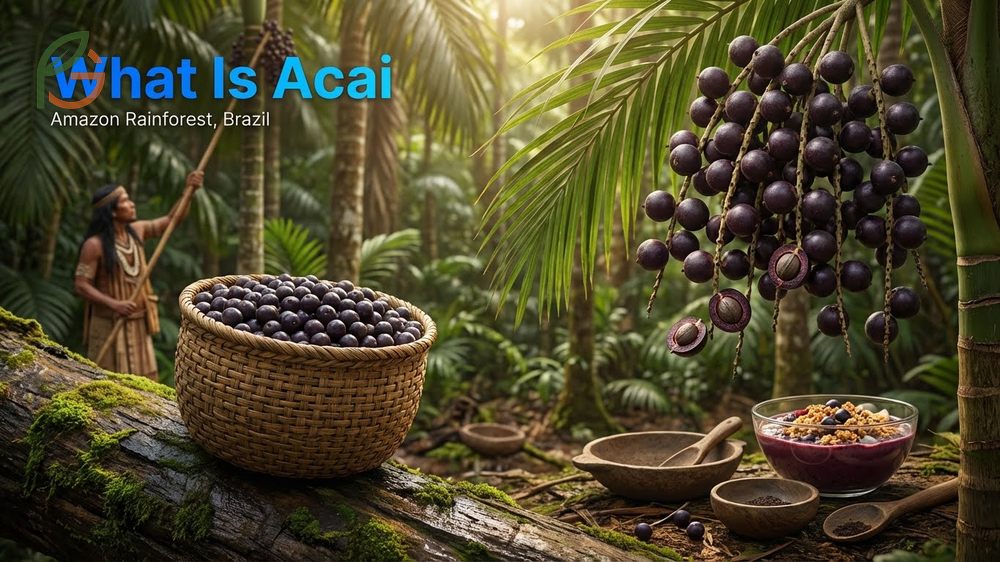
Acai (pronounced ah-sigh-EE) comes from the Euterpe oleracea palm tree that grows in the Amazon rainforest. These small, dark purple berries measure about one inch in diameter and contain a large seed surrounded by edible pulp.
Indigenous communities in Brazil have relied on acai as a dietary staple for centuries. The berries provided essential nutrition and played important roles in traditional medicine practices.
Current global demand for acai has transformed it from a regional food to an internationally traded commodity. Most acai available in the US arrives frozen or as powder since fresh berries spoil within 24 hours of harvest.
Origin and Cultivation
The Amazon rainforest, particularly the northern Brazilian state of Pará, produces the majority of the world’s acai supply. These palms thrive in floodplains and wetlands called várzeas, where regular water access supports optimal growth.
Harvesters climb 40-60 foot palm trees to collect berry clusters by hand. This traditional harvesting method remains the primary technique because the trees grow in areas where machinery can’t access.
- Acai palms produce fruit twice annually during peak seasons
- Each tree yields approximately 44 pounds of berries per harvest cycle
- Berries must be processed within 24 hours to preserve nutritional content
- Sustainable harvesting supports local economies in Amazonian communities
- Export quality acai gets flash-frozen immediately after pulping
Fresh vs Frozen Acai
Fresh acai berries rarely make it outside South America due to rapid spoilage. Within hours of harvest, the pulp begins fermenting and loses its antioxidant potency.
Frozen acai preserves 95% of the nutritional value when properly processed. Flash-freezing technology locks in anthocyanins and prevents oxidation that would otherwise destroy beneficial compounds.
Acai powder offers convenience but typically contains lower antioxidant levels than frozen pulp. The drying process exposes acai to heat and oxygen, which degrades some sensitive nutrients.
Acai Benefits and Side Effects
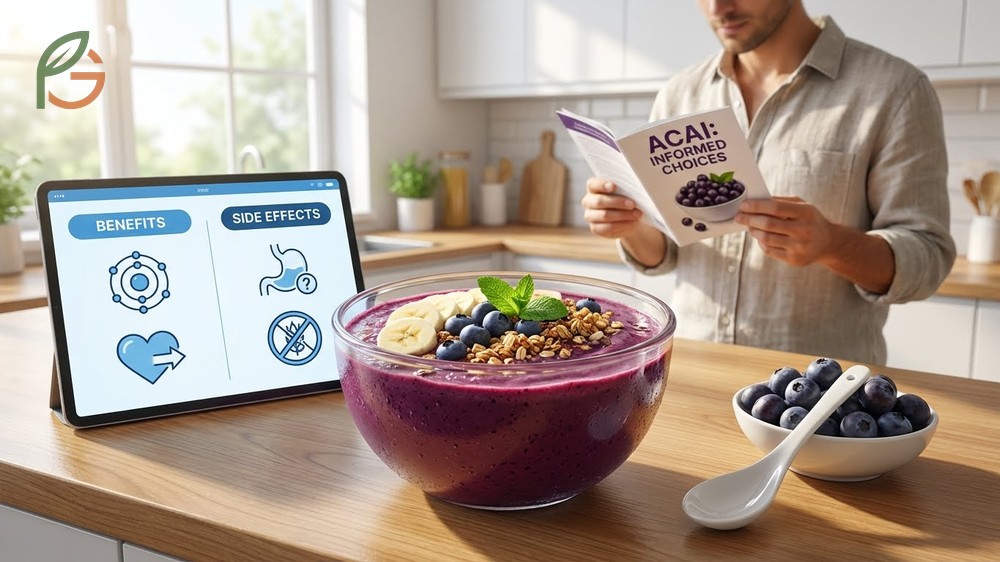
Understanding both the advantages and potential risks helps you make informed decisions about adding acai to your diet. Most people tolerate acai well, but individual responses vary.
Proven Health Benefits
Studies document several measurable health improvements from regular acai consumption. The National Center for Complementary and Integrative Health acknowledges acai’s antioxidant properties while noting more research is needed for specific medical claims[4].
Clinical evidence shows acai doesn’t cause rapid weight loss despite popular marketing claims. However, its fiber content and healthy fats can support balanced eating patterns when combined with overall dietary improvements.
- Increases total antioxidant capacity in blood plasma within weeks
- Improves LDL/HDL cholesterol ratios in healthy individuals
- Reduces post-exercise muscle damage markers by 15-20%
- Supports digestive health through soluble and insoluble fiber
- May help maintain healthy blood sugar levels when paired with protein
Potential Side Effects
The most common issues occur when people first start eating acai or consume large amounts. Digestive adjustments typically resolve within a few days as your gut bacteria adapt to the increased fiber.
Allergic reactions remain rare but can happen, especially if you’re sensitive to other berries or pollen. Symptoms range from mild skin irritation to severe responses requiring immediate medical attention[5].
Medical Interaction Warning: Don’t consume acai before MRI procedures—it can interfere with test results. If you take NSAIDs or prescription pain medications, talk to your doctor before starting acai supplements[5].
- Bloating and gas during the first week as gut bacteria adjust to fiber
- Loose stools or mild diarrhea when consuming more than 200g daily
- Stomach cramping in sensitive individuals, especially on empty stomach
- Potential allergic reactions including hives, itching, or swelling
- Possible interactions with blood thinners and anti-inflammatory drugs
Acai Berry Nutrition Facts
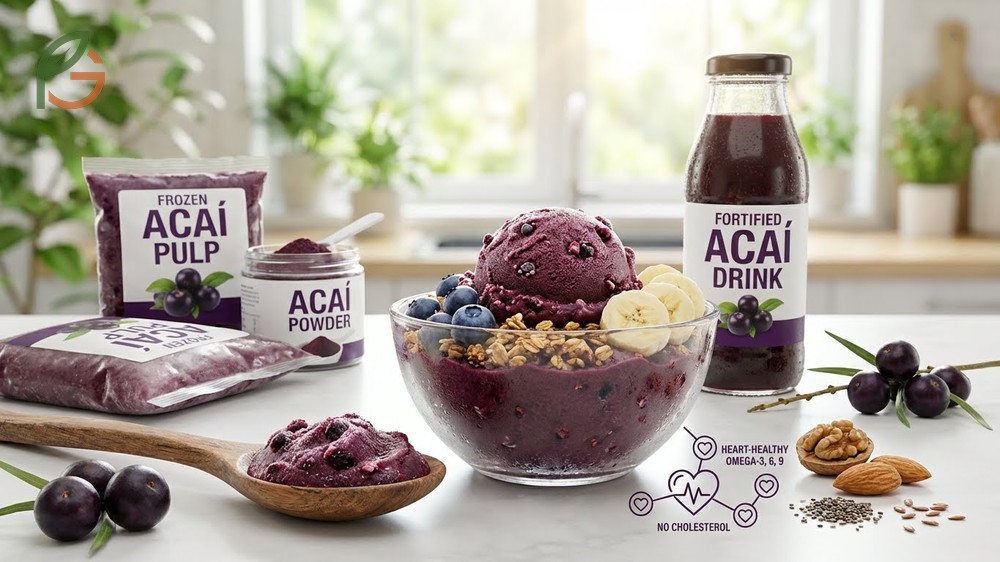
The nutritional profile varies depending on whether you’re eating frozen pulp, powder, or fortified drinks. Fresh frozen pulp provides the most complete nutrient package.
One 100-gram serving of frozen acai pulp delivers moderate calories with impressive micronutrient density. The fat content comes primarily from heart-healthy omega-3, omega-6, and omega-9 fatty acids.
This table compares nutritional content per 100g serving across three common acai forms: frozen pulp, powder, and fortified juice drink
| Nutrient | Frozen Pulp | Powder (3g) | Fortified Drink |
|---|---|---|---|
| Calories | 70 cal[2] | 20 cal | 165 cal |
| Protein | 1g | 0g | 2.21g |
| Total Fat | 3g[2] | 1.5g | 2.21g |
| Fiber | 3g[2] | 1g | 3.19g |
| Potassium | 121mg[2] | 60mg | Variable |
| Calcium | 23mg | 30mg | 50.5mg |
Acai contains no cholesterol and provides a plant-based source of healthy fats. The carbohydrate content includes natural sugars balanced by significant fiber, which slows digestion and prevents blood sugar spikes.
The vitamin and mineral content includes vitamin A, vitamin C, iron, and manganese. These micronutrients support immune function, collagen production, and metabolic processes.
How to Eat Acai Berry
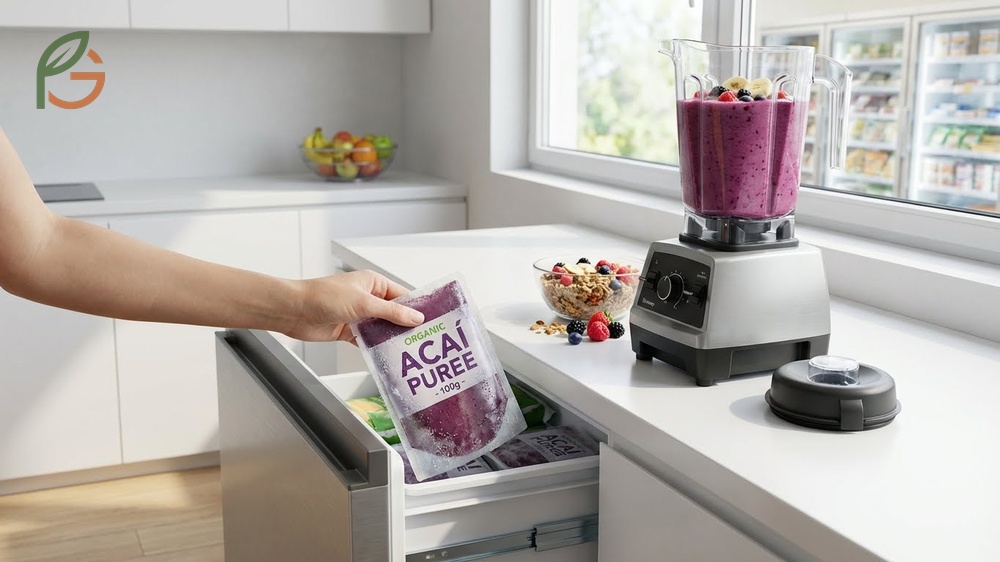
Most Americans encounter acai in smoothie bowls at cafes, but you’ve got several options at home. The key is choosing forms that preserve the berry’s nutritional integrity while fitting your lifestyle.
Frozen acai packets work best for daily use since they’re pre-portioned and blend easily. You’ll find them in the freezer section near other frozen fruits, typically in 100g packs.
Start with one packet (100g) daily and see how your body responds. Some people do great with two servings, while others find one packet provides enough benefits without digestive issues.
Acai Bowl Basics
Making an acai bowl takes five minutes and requires just a blender. Run the frozen packet under warm water for 30 seconds to soften it slightly before blending.
Blend one frozen acai packet with half a banana and a splash of milk or juice until you get a thick, ice-cream-like consistency. Pour into a bowl and add your preferred toppings.
- Granola, sliced banana, honey, and chia seeds for a classic breakfast bowl
- Fresh berries, coconut flakes, and almond butter for added protein
- Sliced mango, kiwi, and hemp seeds for a tropical variation
- Greek yogurt, walnuts, and dark chocolate chips for extra creaminess
- Peanut butter, banana slices, and cacao nibs for a chocolate-inspired bowl
For smoothies, use the same base but add more liquid to reach drinkable consistency. This works well when you’re in a hurry or prefer to drink your breakfast.
Acai powder mixes into oatmeal, yogurt, or protein shakes when you don’t have time for blending. Use one to two teaspoons per serving and stir thoroughly since powder clumps easily.
From My Experience: My cousin in Guadalajara tried acai bowls for breakfast in March 2024. She found frozen packs from a local health store worked better than powder—the texture was smoother and she didn’t need as much sweetener since frozen pulp retains more natural flavor.
Conclusion
The evidence is clear: acai berry fruit benefits extend beyond marketing hype when you consume it properly and maintain realistic expectations. Its exceptional antioxidant content and proven cardiovascular benefits make it a valuable addition to a balanced diet.
Current nutritional guidance emphasizes whole food sources of antioxidants rather than relying solely on supplements. FruitGarden helps readers access research-based information about superfruits and make informed decisions about incorporating them into healthy eating patterns.
Medical Disclaimer
Important Medical Disclaimer: This content is for informational and educational purposes only. It’s not intended as a substitute for professional medical advice, diagnosis, or treatment. Always consult a qualified healthcare professional before making any changes to your diet, medication, or health routine, especially if you have existing medical conditions, take prescription medications, or have allergies to berries or pollen.
Frequently Asked Questions
Is acai good for weight loss?
Acai doesn’t cause rapid weight loss on its own. The National Center for Complementary and Integrative Health states no reliable studies support claims that acai alone promotes quick weight loss. However, its fiber and healthy fats can support balanced eating when combined with overall dietary improvements and regular exercise.
What are the main side effects of acai berry?
Most people tolerate acai well, but common side effects include bloating, gas, and loose stools during the first week as your digestive system adjusts. Rare allergic reactions can occur in people sensitive to berries or pollen. Acai may also interact with blood thinners and NSAIDs, so consult your doctor if you take these medications.
How much acai should I eat daily?
Start with one 100g frozen packet daily to assess tolerance. Research studies showing health benefits typically used 100-200ml of acai juice or pulp per day. You can increase to two servings if you don’t experience digestive discomfort, but more isn’t necessarily better—focus on consistent daily consumption rather than large amounts.
Is frozen acai as nutritious as fresh?
Frozen acai retains approximately 95% of its nutritional value when properly flash-frozen immediately after harvest. Fresh acai spoils within 24 hours and rarely makes it outside South America. For Americans, high-quality frozen acai provides better nutrition than acai that’s been sitting for days, making frozen the superior choice.
Can diabetics eat acai berries?
Diabetics can include acai in moderation as part of a balanced meal plan, but should monitor portions due to natural sugar content. One 100g serving contains carbohydrates that affect blood sugar. Pairing acai with protein sources like Greek yogurt or nuts helps slow sugar absorption. Always consult your healthcare provider or dietitian before adding new foods to your diabetes management plan.
What does acai taste like?
Acai has an earthy, slightly bitter flavor with subtle berry notes—it’s less sweet than blueberries or strawberries. Many people describe it as a cross between blackberries and unsweetened chocolate. The natural taste is quite mild, which is why most acai bowls include bananas, honey, or other fruits to add sweetness.
Where can I buy acai berries in the US?
You’ll find frozen acai packets at most major grocery stores in the freezer section near frozen fruits. Whole Foods, Trader Joe’s, and Costco regularly stock acai products. Health food stores carry powder and supplement forms. Online retailers like Amazon offer multiple brands and forms. Look for pure acai without added sugars or fillers for maximum nutritional benefits.