
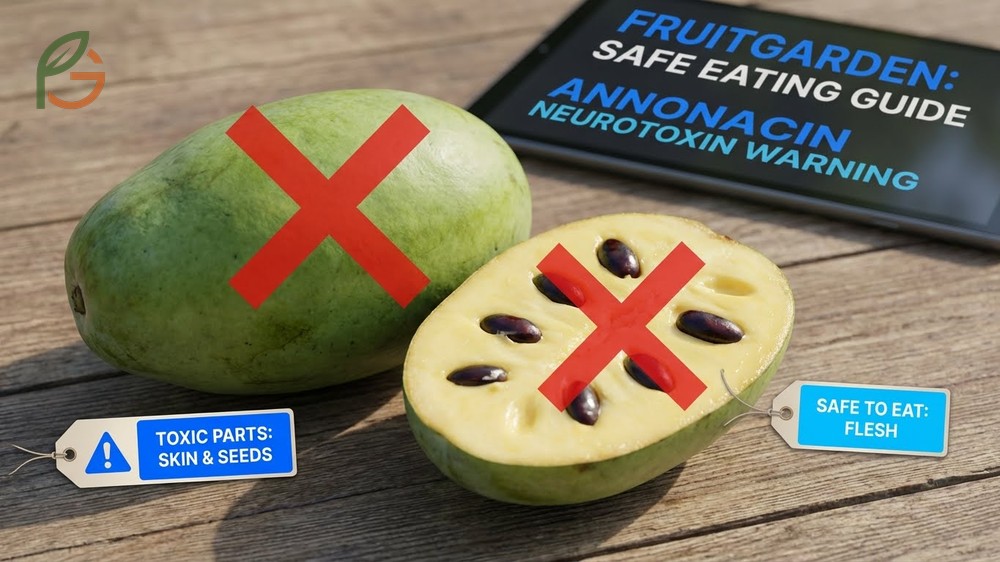
Are pawpaw skins edible? No, pawpaw skins are not safe to eat. Research shows that both the skin and seeds contain annonacin, a potent neurotoxin that causes digestive discomfort and can lead to nerve damage with chronic consumption[1]. FruitGarden synthesizes current agricultural research to help you safely enjoy North America’s largest native fruit.
Quick Answer
- Pawpaw skin contains annonacin, a neurotoxin that’s toxic to cortical neurons[1]
- Eating the skin causes digestive issues including vomiting, nausea, and stomach discomfort[2]
- Long-term consumption can lead to nerve damage and balance impairment[1]
- Only consume the ripe flesh—wash fruit thoroughly, peel away skin, and discard all seeds
Are Pawpaw Skins Edible
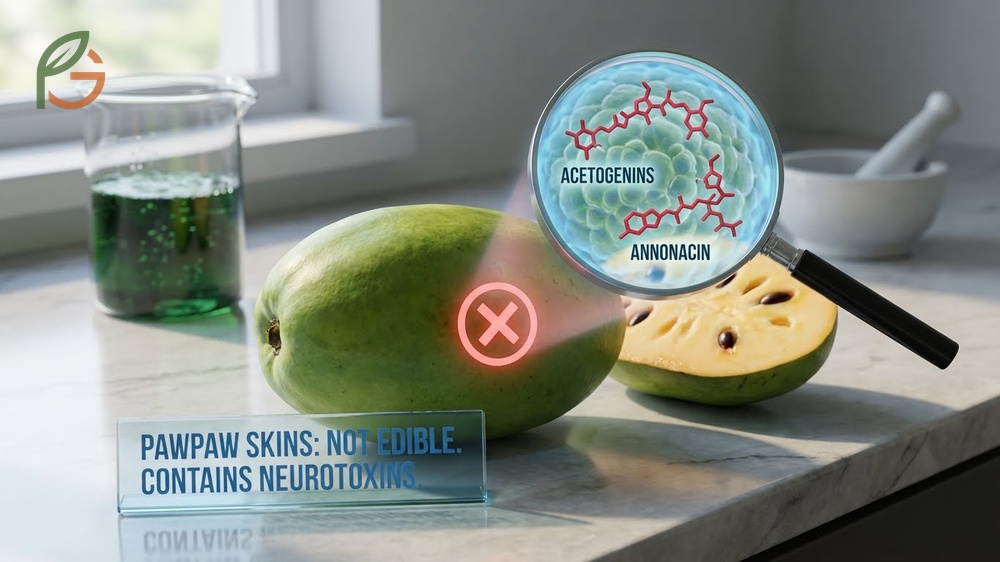
Pawpaw skins are not edible and should never be consumed. Studies demonstrate that the skin contains concentrated levels of acetogenins, particularly annonacin, which acts as a neurotoxin targeting cortical neurons[1]. Unlike the creamy ripe flesh that’s prized for its tropical flavor, the thin green skin carries compounds that your body can’t safely process.
The skin also tastes bitter and unpleasant, which serves as a natural warning signal. Research across multiple agricultural institutions confirms that only the soft yellow pulp of fully ripe pawpaws is safe for consumption[3]. What’s concerning is that even handling the skin can cause allergic reactions in sensitive individuals.
Most people don’t realize that concentration matters more than casual exposure. While touching pawpaw skin briefly won’t harm you, eating it introduces these toxins directly into your digestive system. Current guidance emphasizes complete removal of both skin and seeds before consumption.
What Is Annonacin
Annonacin is a powerful acetogenin compound that prevents cells from producing ATP, the body’s primary energy source[1]. This mechanism makes it toxic to nerve cells, which require constant energy to function properly. The compound exists in highest concentrations in pawpaw skin, seeds, and unripe fruit.
Agricultural data shows that annonacin levels in roots can be 56 times higher than in leaves, demonstrating how unevenly this toxin distributes throughout the plant[4]. The skin acts as a protective barrier for the fruit, concentrating these defensive compounds where they’re most effective against predators.
Documented Health Risks
Evidence from medical case reports reveals serious consequences of chronic pawpaw consumption. An 80-year-old man who habitually ate pawpaws over many years developed progressive supranuclear palsy, experiencing difficulty with speech and balance impairment[1]. While this represents long-term exposure, it demonstrates the neurotoxin’s potential impact.
Short-term symptoms include vomiting, nausea, headaches, and faintness. These reactions can occur even in people who’ve previously eaten pawpaw pulp without issues, particularly if they consume cooked or dehydrated fruit where toxin concentrations become more potent.
Critical Warning: Never eat dehydrated or dried pawpaw fruit, even if you’ve tolerated fresh pawpaw before. Dehydration concentrates toxins to dangerous levels that can cause severe gastrointestinal distress.
Pawpaw Skin Safety
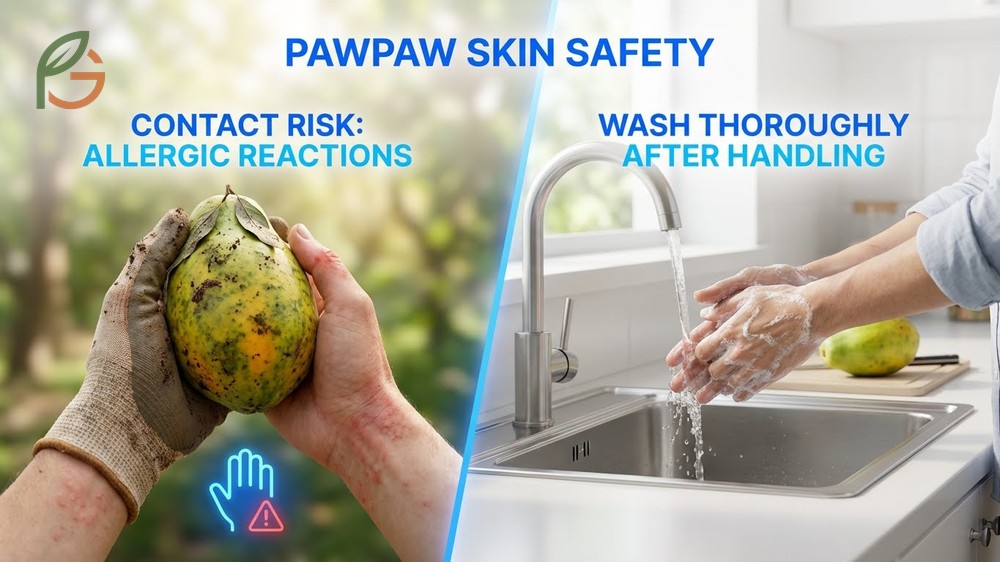
Pawpaw skin poses risks beyond internal consumption. The outer surface can trigger allergic reactions through direct contact, affecting your hands and any skin that touches the fruit. Research shows these reactions range from mild irritation to severe contact dermatitis[5].
Current agricultural guidance emphasizes thorough handwashing after handling whole pawpaws. If you’re foraging or harvesting from trees, the fruit has likely been on the ground where it can pick up pathogenic microbes. This makes proper handling crucial for food safety beyond toxin concerns.
People with latex or kiwi allergies face higher risk of pawpaw reactions. The proteins in pawpaw share structural similarities with these allergens, meaning your immune system might recognize and react to pawpaw even on first exposure.
Immediate Reactions
Studies indicate that eating pawpaw skin causes immediate digestive discomfort in most people. The skin’s bitter compounds irritate your stomach lining, triggering nausea within 30 minutes to 2 hours after consumption[2]. This isn’t a minor stomach ache—many people report intense cramping and vomiting.
What often gets overlooked is that reaction severity varies based on how much skin you consume and individual sensitivity. Some people experience symptoms from trace amounts left on improperly peeled fruit, while others might tolerate small exposures without obvious effects.
- Nausea and stomach cramping within 30-120 minutes
- Vomiting and gastrointestinal distress lasting 4-8 hours
- Headaches and dizziness in sensitive individuals
- Bitter aftertaste that persists for several hours
- Loss of appetite and general malaise
Allergic Contact Dermatitis
Pawpaw skin causes allergic contact rashes in susceptible individuals through direct skin exposure. Medical reports document cases of red, itchy rashes developing on hands and forearms after handling whole fruits[5]. These reactions occur because the skin’s surface oils contain allergenic proteins.
The reaction typically appears 24-48 hours after contact, making it difficult to identify the cause initially. You might handle pawpaws one day and not develop symptoms until the next morning. This delayed response is characteristic of Type IV hypersensitivity reactions.
Safety Tip: Wear gloves when processing multiple pawpaws or handling unripe fruit. Wash your hands thoroughly with soap and warm water immediately after contact, even if you’re not allergic.
Safe Pawpaw Consumption
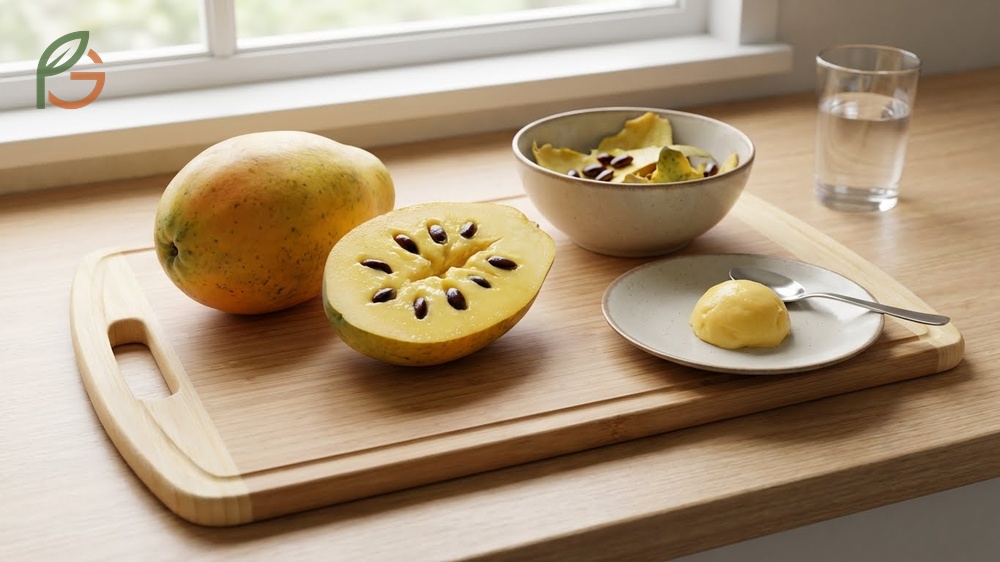
Safe pawpaw consumption requires proper preparation that completely removes skin and seeds. Current guidance from agricultural extension programs emphasizes eating only fresh, fully ripe pulp in moderation[3]. The fruit’s custard-like flesh offers tropical flavors reminiscent of banana, mango, and pineapple when prepared correctly.
First-time consumers should start with small amounts—about one-quarter of a fruit—and wait 12 hours to assess tolerance. Research shows that individual sensitivity varies widely, with some people experiencing no issues while others react to even properly prepared fruit. This trial approach minimizes risk if you happen to be sensitive.
The ripeness factor matters significantly. Unripe pawpaws contain higher toxin concentrations throughout the flesh, not just in the skin. Only eat fruit that yields gently to pressure like a ripe avocado and emits a sweet, tropical aroma.
How to Prepare Pawpaw Fruit
Proper preparation starts with thorough washing under warm running water with mild soap. This removes surface contaminants and reduces handling risks. Pat the fruit dry, then cut it lengthwise along the natural seam using a sharp knife.
Use a spoon to scoop out the creamy pulp, avoiding the thin layer of flesh immediately adjacent to the skin where toxin concentrations remain elevated. The large brown seeds should be removed completely—don’t chew or crush them, as they contain concentrated acetogenins[6].
- Wash whole fruit thoroughly with warm soapy water to remove dirt and microbes
- Cut fruit in half lengthwise with a clean, sharp knife
- Scoop out flesh with a spoon, leaving a thin layer near the skin
- Remove all large brown seeds using a spoon or melon baller
- Discard skin and seeds in compost—never feed to pets or livestock
- Consume fresh pulp immediately or refrigerate for up to 2 days
- Avoid cooking or dehydrating pawpaw if you’re sensitive to the fresh fruit
Nutritional Benefits
When prepared safely, pawpaw pulp delivers exceptional nutritional value. A 100-gram serving provides 80 calories, 1.2 grams of protein, and 2.6 grams of fiber[7]. This makes pawpaw comparable to bananas in energy content while offering superior mineral profiles.
The fruit excels in micronutrient density. One serving delivers 31% of daily vitamin C needs, 130% of manganese, 39% of iron, and 25% of copper[8]. These minerals support immune function, bone health, and red blood cell production.
This table compares key nutrients in a 100-gram serving of pawpaw fruit against daily value percentages for adults
| Nutrient | Amount | % Daily Value | Primary Benefits |
|---|---|---|---|
| Calories | 80[7] | 4% | Energy for daily activities |
| Protein | 1.2g[7] | 2% | Contains all essential amino acids |
| Fiber | 2.6g[7] | 10% | Digestive health, blood sugar control |
| Vitamin C | 18.3mg[8] | 31% | Immune support, collagen formation |
| Manganese | 2.6mg[8] | 130% | Bone health, metabolism |
| Iron | 7.0mg[8] | 39% | Red blood cell production |
| Copper | 0.5mg[8] | 25% | Nervous system function |
Pawpaw’s amino acid profile stands out among temperate fruits. Agricultural research from the USDA confirms it contains higher protein quality than apples, peaches, or grapes, making it valuable for plant-based diets[9]. The fruit also provides essential fatty acids including linoleic and linolenic acid.
Eating Pawpaw Peel
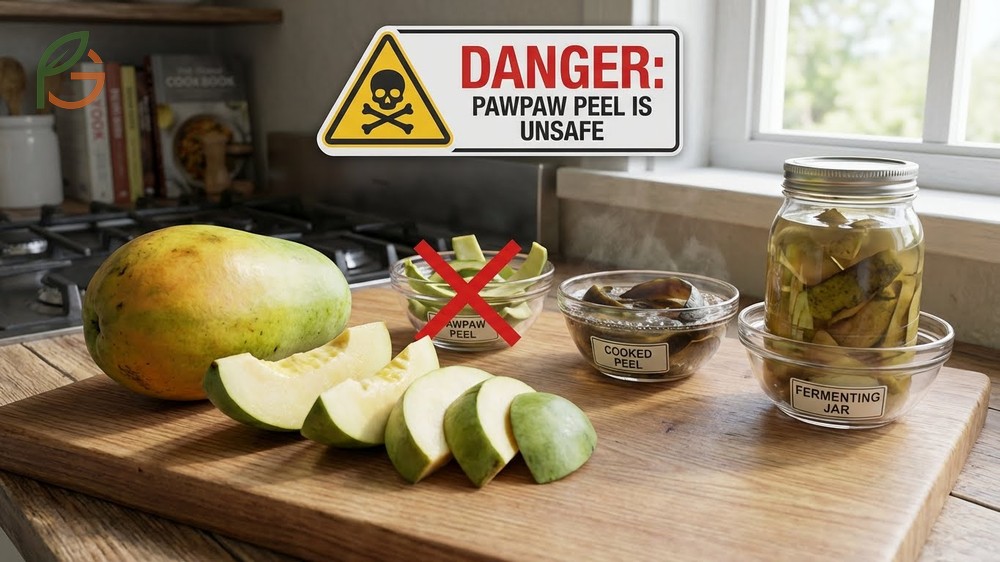
Eating pawpaw peel is unsafe regardless of preparation method. The peel’s thin, leathery texture concentrates acetogenins that remain toxic whether raw, cooked, or processed. Research confirms that cooking actually increases risk—the heat doesn’t neutralize toxins but can create off-flavors and intensify gastrointestinal reactions[6].
Some foragers wonder if fermenting or pickling the peel makes it safe. Current data indicates no safe method exists for rendering pawpaw skin edible. The acetogenin compounds remain stable across pH ranges and temperatures typical in food preparation.
Agricultural waste studies focus on composting pawpaw skins rather than finding culinary uses. The toxins break down safely in soil over several months, but this decomposition process doesn’t occur in your digestive system. What’s edible for soil microbes isn’t safe for human consumption.
- Acetogenins remain chemically stable through cooking, baking, and boiling
- Fermentation and pickling don’t neutralize neurotoxic compounds
- Dehydration concentrates toxins to even more dangerous levels
- Freezing preserves rather than eliminates harmful substances
- No documented safe preparation method exists in agricultural literature
- Bitter taste signals natural defense compounds your body can’t process
Important Note: Don’t confuse North American pawpaw (Asimina triloba) with papaya (Carica papaya). They’re completely different fruits. Papaya skin has different properties and isn’t covered by these safety guidelines.
Conclusion
The evidence is clear: pawpaw skins are not edible and pose legitimate health risks from annonacin toxicity. While the creamy ripe flesh offers exceptional nutritional benefits when properly prepared, the skin contains concentrated neurotoxins that cause both immediate digestive distress and potential long-term nerve damage. Always peel pawpaws completely, discard all seeds, and consume only the soft yellow pulp in moderation.
Current agricultural guidance emphasizes starting with small portions if you’re new to pawpaws, as individual sensitivity varies. FruitGarden synthesizes peer-reviewed research and USDA data to help you safely enjoy native fruits while understanding their limitations and proper handling requirements.
Medical Disclaimer
Important Medical Disclaimer: This content is for informational and educational purposes only. It is not intended as a substitute for professional medical advice, diagnosis, or treatment. Always consult a qualified healthcare professional before consuming unfamiliar foods or if you experience adverse reactions, especially if you have pre-existing medical conditions, allergies, or take medications. The information about pawpaw toxicity is based on available research, but individual responses vary. If you experience symptoms after consuming pawpaw, seek immediate medical attention.
Frequently Asked Questions
Can you eat the skin of a pawpaw fruit?
No, you cannot safely eat pawpaw skin. The skin contains annonacin, a neurotoxin that causes vomiting, nausea, and digestive distress. Research from Memorial Sloan Kettering Cancer Center confirms that chronic consumption can lead to nerve damage and neurological symptoms. Always peel pawpaws completely and consume only the ripe yellow flesh.
What part of the pawpaw is toxic?
The toxic parts of pawpaw include the skin, seeds, unripe fruit, and twigs. These contain concentrated acetogenins, particularly annonacin, which acts as a neurotoxin. Only the soft, custard-like pulp of fully ripe fruit is safe to eat. The thin layer of flesh immediately adjacent to the skin may also contain elevated toxin levels and should be avoided.
What happens if you accidentally eat pawpaw seeds?
If you swallow whole pawpaw seeds accidentally, they’ll typically pass through your digestive system without causing harm because they’re not easily digested. However, chewing or crushing the seeds releases toxic alkaloids that cause nausea, vomiting, and digestive issues. If you experience symptoms after consuming pawpaw seeds, contact a healthcare professional immediately.
How do you prepare pawpaw fruit safely?
Wash the whole fruit thoroughly with warm soapy water, then cut it in half lengthwise. Use a spoon to scoop out only the soft yellow pulp, avoiding the skin and the thin flesh layer near it. Remove all large brown seeds completely. Consume the fresh pulp immediately or refrigerate for up to two days. First-time eaters should start with a small amount and wait 12 hours to assess tolerance.
Can cooking pawpaw skin make it safe to eat?
No, cooking does not make pawpaw skin safe to eat. Research shows that acetogenin compounds remain chemically stable through cooking, baking, and boiling. Cooking may actually increase gastrointestinal distress risk and create unpleasant off-flavors. There is no documented safe preparation method for pawpaw skin in agricultural or medical literature.
What are the symptoms of pawpaw toxicity?
Immediate symptoms include nausea, vomiting, stomach cramping, headaches, and dizziness within 30 minutes to 2 hours after consumption. Long-term consumption can cause nerve damage, balance impairment, and speech difficulties. Some people also experience allergic contact dermatitis with red, itchy rashes on skin that touches the fruit. Severity varies based on individual sensitivity and amount consumed.
Is pawpaw the same as papaya?
No, pawpaw (Asimina triloba) and papaya (Carica papaya) are completely different fruits from different plant families. North American pawpaw is native to the United States with green skin and custard-like flesh. Papaya is a tropical fruit from Central America with orange flesh. The safety information about pawpaw skin toxicity does not apply to papaya.





