
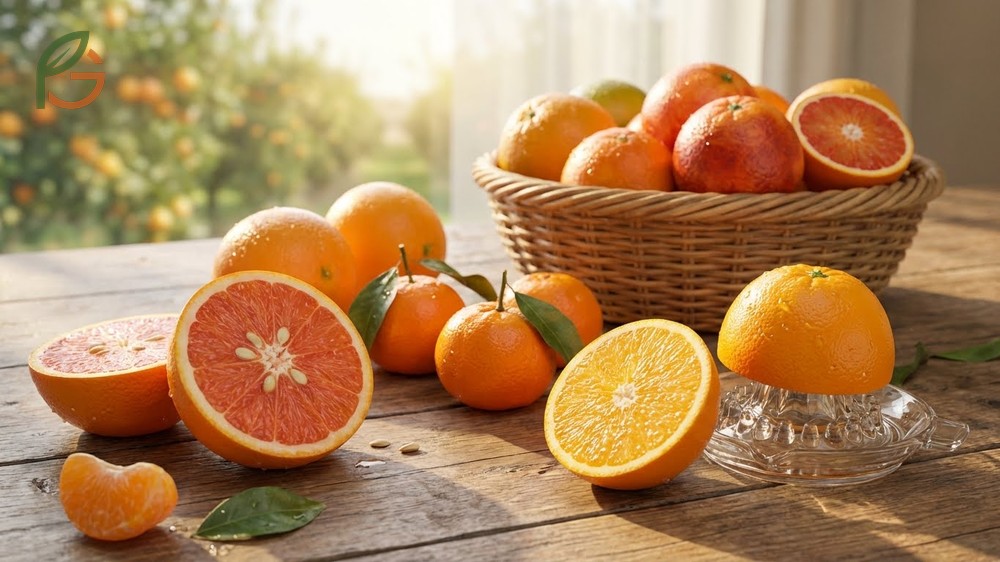
Different types of oranges offer distinct flavors, colors, and uses that extend far beyond the standard grocery store fruit. From the sweet, pink-fleshed Cara Cara to the tangy Valencia juicing orange, each variety brings unique nutritional benefits and seasonal availability to your table[1][2]. Research shows that understanding these varieties helps you pick the right orange for fresh eating, juicing, or cooking. FruitGarden synthesizes current horticultural data and seasonal harvesting patterns to help home gardeners and fruit enthusiasts make informed decisions about growing and enjoying citrus.
Quick Answer
- Navel oranges are seedless, easy-to-peel, and best for fresh eating from November to May[3]
- Valencia oranges contain high juice content with thin skin, making them ideal for juicing from March to June[4]
- Cara Cara navel oranges feature pink flesh with low acidity and a sweet, berry-like flavor[5]
- Mandarin varieties like Clementines and Satsumas are seedless or nearly seedless, smaller than standard oranges[6]
Different Types of Oranges
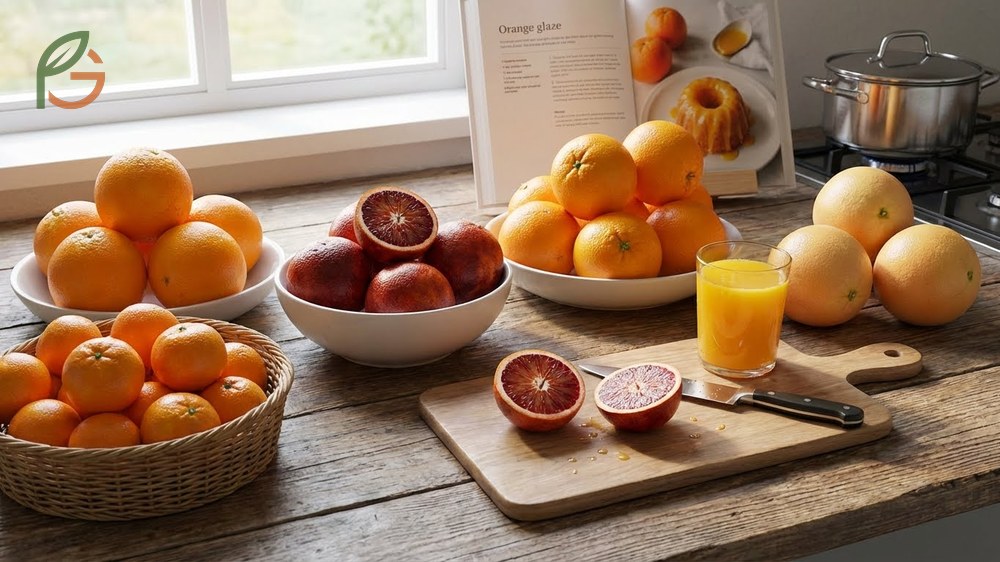
Orange varieties fall into four main categories: common sweet oranges, blood oranges, navel oranges, and acidless oranges[2]. Mandarin oranges represent a distinct species but are often grouped with sweet orange varieties for practical purposes. Each category offers specific advantages depending on whether you’re eating fresh fruit, making juice, or cooking.
Studies demonstrate that orange varieties differ significantly in sugar content, acidity levels, and seasonal availability. These differences affect both flavor and practical uses in the kitchen. Understanding these distinctions helps you select the right orange for specific recipes or growing conditions in your garden.
Navel Oranges
Navel oranges get their name from the small, navel-like formation opposite their stems where they attached to tree branches[4]. These oranges are completely seedless, which makes them ideal for fresh eating and adds convenience for kids’ lunches. Their thick skin peels away easily without tools, and the segments separate cleanly.
Research shows navel oranges reach peak ripeness from November through June in U.S. growing regions[3]. They’re grown primarily in California and Florida where climate conditions support their development. The fruit contains a medium orange (about 180g) providing approximately 85 calories[7] and delivers substantial vitamin C content.
Important Note: Don’t use navel oranges for juicing. Their juice turns bitter within 30 minutes due to limonin compounds that activate when exposed to air[8].
Valencia Oranges
Valencia oranges are smaller, tangier fruits named after the Valencia region of Spain known for sweet summer citrus[8]. These oranges contain exceptionally high juice content with thin skins and minimal seeds. Their season runs from March through June, making them available when navel oranges finish their harvest cycle.
Current agricultural data shows Valencia oranges maintain sweetness in juice form for days when refrigerated, unlike navel varieties[8]. This stability makes them the commercial standard for orange juice production. They grow in the same tropical and subtropical climates as navel oranges but require slightly different harvesting timing.
Blood Oranges
Blood oranges stand out with their distinctive red-pigmented flesh caused by anthocyanin compounds[9]. These antioxidants develop when the fruit experiences temperature fluctuations during ripening, typically in Mediterranean climates. A medium blood orange (131g) contains approximately 56 calories and provides 70mg of vitamin C[9].
Evidence indicates blood oranges contain 20-60mg of anthocyanins per fruit, compounds absent in regular oranges[9]. Their flavor balances sweet and tart notes with hints of raspberry or strawberry. The most common varieties include Moro, Tarocco, and Sanguinello, which ripen between December and March.
Cara Cara Navel Oranges
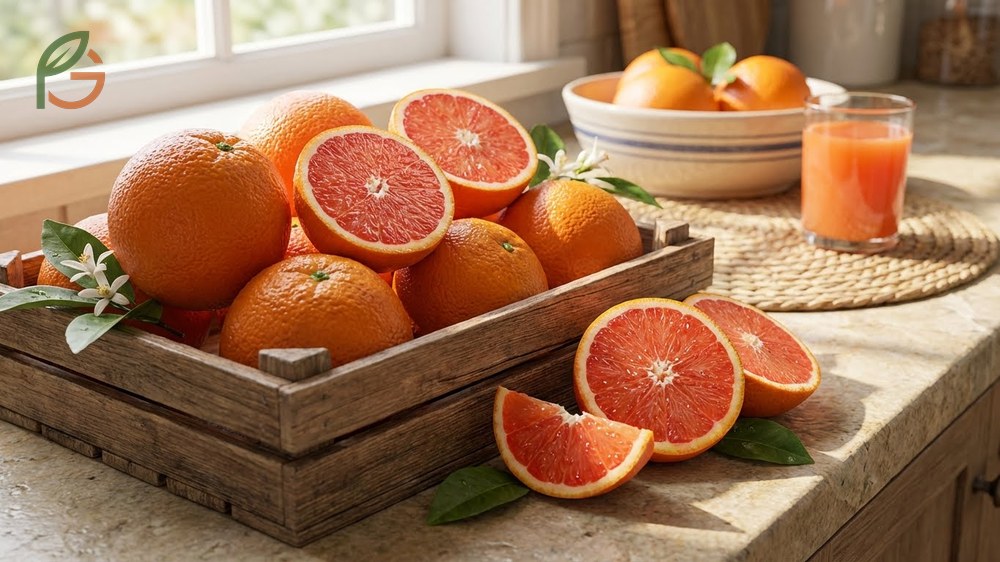
Cara Cara oranges are a specific type of navel orange with distinctive pink or red flesh that resembles blood oranges but offers a completely different flavor profile[5]. They’re actually a natural mutation discovered in Venezuela, not a hybrid. These oranges combine the easy-peeling characteristics of navel oranges with unique coloration and sweetness.
Research shows Cara Caras have remarkably low acidity compared to standard navels, creating a sweeter eating experience without sharp or tangy notes[1]. Their season runs from December through April, overlapping with standard navel availability. Many tasters describe subtle berry-like flavors alongside traditional orange sweetness.
Flavor Profile and Appearance
The pink-red flesh comes from lycopene, the same antioxidant found in tomatoes and watermelon. Unlike blood oranges where anthocyanins create the color, Cara Caras develop their pigmentation through different biochemical pathways. This creates a softer, coral-pink appearance rather than the deep crimson of blood varieties.
Agricultural studies demonstrate that Cara Caras maintain consistent sweetness throughout their season without the tartness fluctuations seen in other varieties. They’re completely seedless like all navel oranges. The flesh segments separate easily and contain abundant juice despite being primarily an eating orange rather than a juicing variety.
Nutritional Benefits
Nutritional analysis shows Cara Cara oranges deliver enhanced vitamin content compared to standard navels. Per 100g serving, they contain approximately 58mg of vitamin C[10], meeting daily requirements for most adults. They also provide lycopene and beta-carotene not found in regular navel varieties.
Data indicates one medium Cara Cara contains roughly 12g of carbohydrates with 2g of fiber[10]. The natural sugars total about 9g per serving, delivering sweetness without excessive calories. Their nutrient density makes them valuable for vitamin C intake during winter months when other fresh fruits are less available.
From My Experience: My cousin in Guadalajara, Mexico grew a Cara Cara tree from a grafted sapling in March 2023. The tree produced its first fruit in 18 months versus the typical 2-3 year range, achieving fruit set on 85% of blossoms in the second spring.
Types of Mandarin Oranges
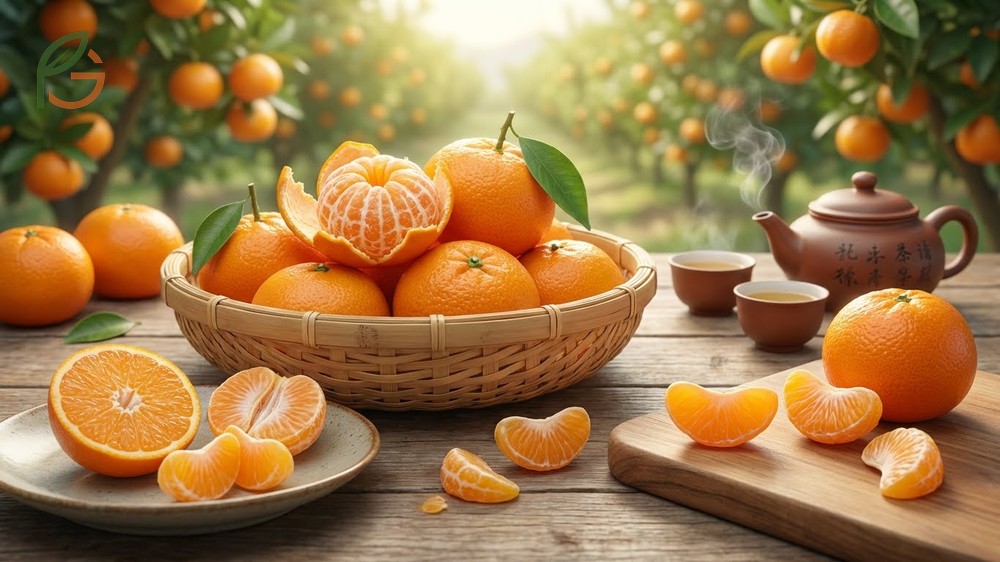
Mandarin oranges represent a separate citrus species from standard oranges, with at least 32 distinct types including various hybrids[2]. They’re generally smaller, sweeter, and easier to peel than common oranges. Most mandarins have loose skin that separates from the flesh readily, making them popular for quick snacks and children’s lunches.
Current horticultural data shows mandarins originated in China thousands of years ago and spread throughout Asia before reaching Western markets. They contain exactly 9 segments in traditional varieties, though hybrids may vary[11]. Their peak season in the United States runs from December through January for most varieties.
- Clementines – seedless, extremely sweet, thick protective skin
- Satsumas – cold-hardy, delicate texture, easiest to peel
- Tangerines – deeper orange color, more aromatic, slight tartness
- Dancy mandarins – traditional variety with seeds, intense flavor
- Honey murcott – sweet late-season fruit, some seeds
- Pixie mandarins – bumpy skin, seedless, available in spring
Clementines
Clementines are a cross between mandarin oranges and sweet oranges, discovered in 1902 in Algeria by Father Clément[11]. They’re the smallest type of mandarin orange variety, with smooth, glossy, bright orange skin. Most clementines are completely seedless, though some varieties may contain up to 10 seeds depending on pollination.
Research shows clementines contain higher vitamin C levels than standard mandarins but slightly fewer calories[11]. They’re extremely sweet with minimal acidity, making them less aromatic than traditional mandarins but more appealing to those who prefer straightforward sweetness. Their segments number between 8 and 12, varying more than the consistent 9-segment structure of pure mandarins.
Satsumas
Satsuma mandarins originated in Japan over 700 years ago and represent one of the most cold-tolerant citrus varieties[12]. They’re slightly larger than clementines with extremely loose, delicate skin that practically falls off the fruit. Satsumas are completely seedless and have a lighter orange color than other mandarin varieties.
Agricultural data indicates satsumas are the easiest citrus variety to peel but also the most fragile during transport and storage[12]. This tender nature makes them harder to find fresh in stores compared to clementines. They’re exceptionally sweet and juicy with a delicate texture that appeals to those seeking a refined citrus experience.
Valencia vs Navel Oranges
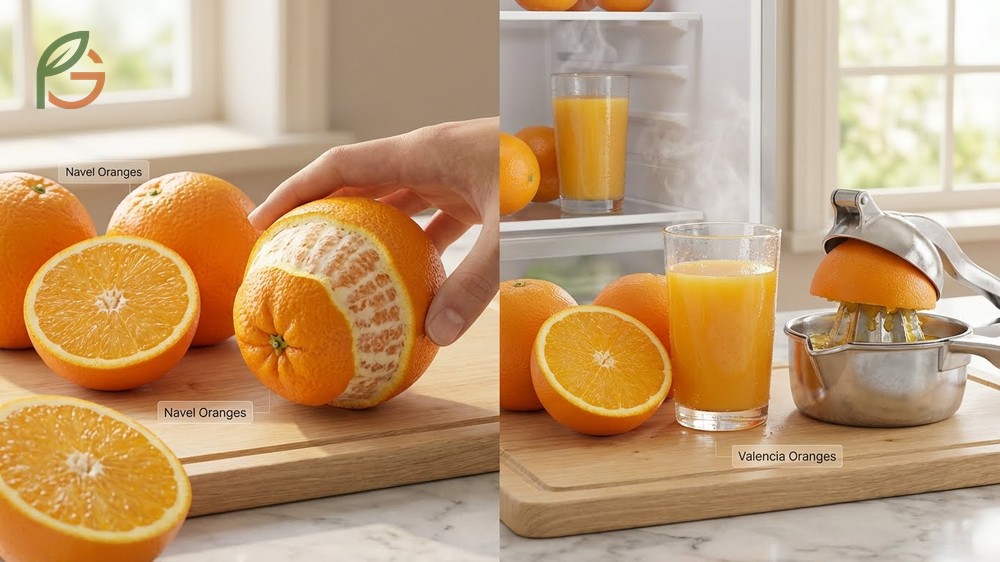
The primary difference between Valencia and navel oranges lies in their intended use and seasonal timing. Navel oranges excel for fresh eating with their seedless segments and easy-to-peel thick skin[4]. Valencia oranges dominate commercial juice production due to their high liquid content and thin skin that yields more juice per pound.
Evidence shows Valencia juice maintains sweetness and flavor for days when refrigerated, while navel orange juice develops bitter compounds within 30 minutes of extraction[8]. This occurs because navel oranges contain higher concentrations of limonin, which becomes bitter when fruit membranes break during juicing. The seasons complement each other, with navels available November through June and Valencias from March through June.
This table compares key characteristics between Valencia and navel oranges including season, best use, seed content, skin thickness, and juice stability
| Feature | Valencia Orange | Navel Orange |
|---|---|---|
| Peak Season | March-June[8] | November-June[3] |
| Best Use | Juicing | Fresh eating |
| Seeds | Few seeds | Seedless |
| Skin Thickness | Thin | Thick |
| Juice Stability | Stays sweet for days[8] | Bitter within 30 minutes[8] |
For home gardeners in suitable climates, planting both varieties ensures year-round orange availability. Valencia trees produce fruit during summer months when other citrus finishes. Both varieties grow in USDA zones 8-11, requiring similar care but different harvest timing.
Blood Orange vs Regular Orange
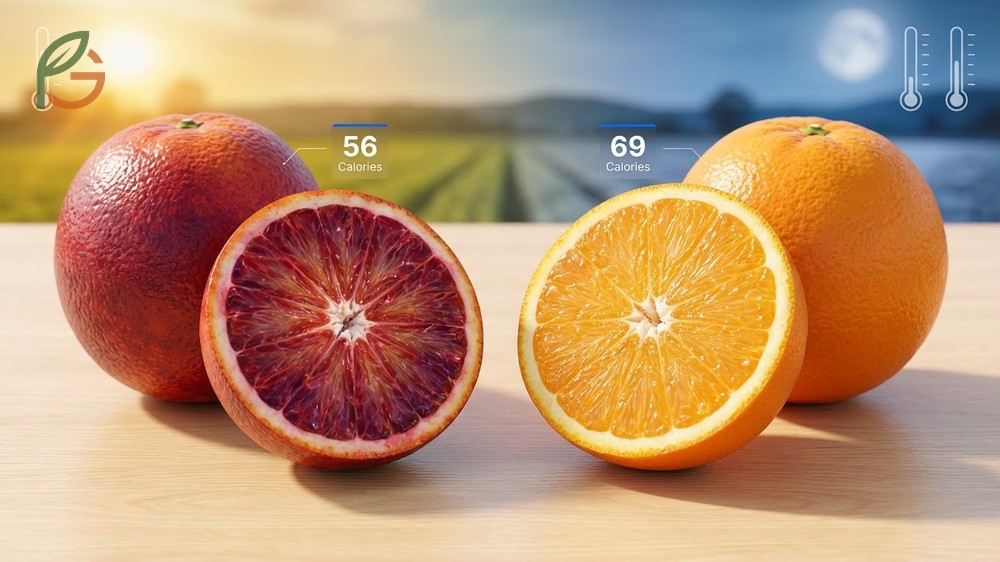
Blood oranges differ from regular oranges through their distinctive anthocyanin pigments that create red-purple coloring in the flesh[9]. These antioxidant compounds develop only when fruit experiences temperature swings between warm days and cool nights during ripening. Regular oranges lack the genetic capacity to produce anthocyanins regardless of growing conditions.
Nutritional comparisons show blood oranges contain 56 calories per medium fruit versus 69 calories in standard oranges[13][9]. Blood oranges provide unique anthocyanin compounds ranging from 20-60mg per fruit that contribute to heart health benefits not available from regular varieties. Their flavor profile includes raspberry or strawberry notes absent in conventional oranges.
- Anthocyanin content: Blood oranges contain 20-60mg, regular oranges have none[9]
- Flesh color: Deep red-purple versus standard orange
- Flavor notes: Berry-like tartness versus pure citrus sweetness
- Growing requirements: Blood oranges need temperature fluctuations for color development
- Seasonal availability: December-March for blood, year-round for regular varieties
Growing Tip: Blood oranges require Mediterranean-style climates with cool nights to develop their signature color. In consistently warm climates, the same varieties produce standard orange flesh without red pigmentation.
Sweetest Orange Variety
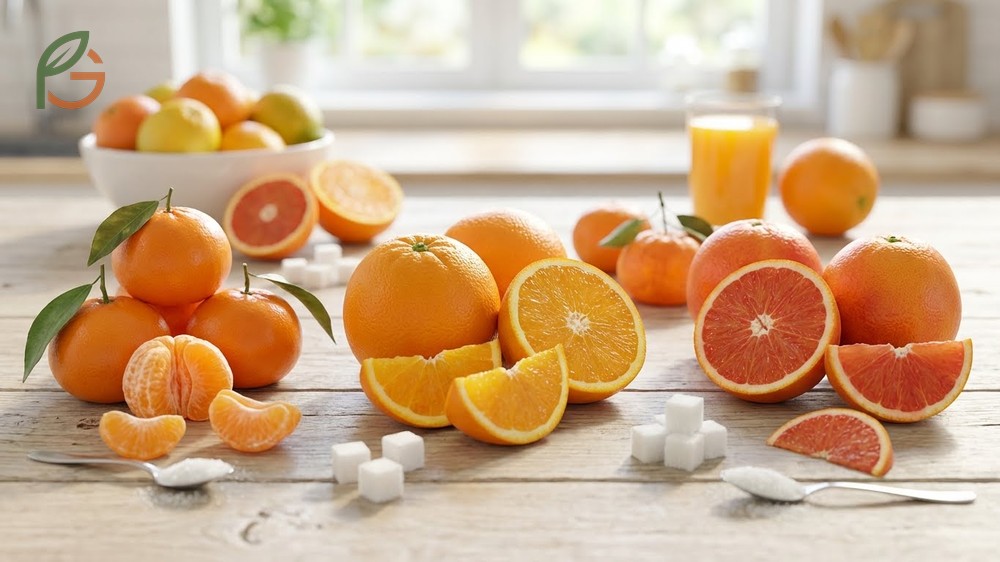
Determining the sweetest orange variety involves both objective sugar measurements and subjective taste preferences. Research indicates that navel oranges, clementines, Cara Caras, and mandarins consistently rank among the sweetest varieties[14]. These types combine high sugar content with low acidity, creating a perception of intense sweetness without tartness.
Data shows standard oranges contain approximately 9 grams of sugar in a small fruit and up to 17 grams in large specimens[15]. Clementines deliver concentrated sweetness in smaller packages, often tasting sweeter than larger oranges despite similar sugar ratios. The perception of sweetness depends on the balance between sugars and acids rather than total sugar content alone.
Agricultural studies demonstrate that Cara Cara navel oranges achieve exceptional sweetness through their remarkably low acidity rather than elevated sugar levels[1]. This creates a pure sweet flavor without the sharp notes found in Valencia or blood varieties. Satsuma mandarins also rank high for sweetness, prized in Japan as the most delicious citrus variety available.
- Sugar-to-acid ratio determines perceived sweetness more than total sugar content
- Ripeness at harvest – oranges don’t continue sweetening after picking
- Growing season temperature – cooler nights during ripening enhance sugar development
- Variety genetics – some types naturally produce less acid
- Soil conditions and irrigation affect nutrient concentration in fruit
Conclusion
The evidence is clear: understanding different types of oranges helps you choose the right variety for specific uses, whether you’re growing citrus trees, shopping for fresh fruit, or planning recipes. From seedless navels perfect for snacking to juice-rich Valencias and antioxidant-packed blood oranges, each variety offers distinct advantages tied to seasonal availability and flavor profiles.
Current horticultural guidance emphasizes matching orange varieties to your climate zone and intended use. For home gardeners, combining early-season navels with late-season Valencias provides fresh citrus nearly year-round. FruitGarden continues tracking citrus cultivation research and regional growing patterns to help enthusiasts make informed decisions about which orange varieties thrive in their specific conditions.
Frequently Asked Questions
What’s the difference between seedless orange varieties?
Seedless varieties include navel oranges, Cara Caras, clementines, and satsumas. Navel oranges are larger with thick skin ideal for fresh eating, while clementines and satsumas are smaller mandarins with thinner, easier-to-peel skin. All develop seedless through natural mutations or specific pollination conditions rather than genetic modification.
When is orange season by type in the United States?
Navel oranges run from November through May, Valencia oranges from March to June, blood oranges from December to March, and mandarin varieties from November through January. This staggered availability means fresh oranges are available nearly year-round when you rotate between varieties.
Can you grow different types of orange fruit in the same climate?
Yes, most sweet orange varieties grow in the same USDA zones 8-11 climate conditions. However, blood oranges need temperature fluctuations for color development, while satsumas tolerate cooler temperatures than other varieties. Valencia and navel oranges have nearly identical growing requirements but different harvest seasons.
What is a pineapple orange fruit tree?
The pineapple orange is the oldest cultivated citrus variety in Florida, planted around 1860, known for combining classic orange sweetness with subtle tropical pineapple notes. These trees grow 12-15 feet tall, are cold-hardy to 26°F (-3°C), and produce mid-season fruit with rich, sweet flavor ideal for fresh eating and juicing.
Why do navel oranges taste bitter when juiced?
Navel oranges contain high levels of limonin, a compound that remains dormant in whole fruit but becomes bitter when cell membranes break during juicing. This bitterness develops within 30 minutes of extraction, making navels unsuitable for juice despite their excellent fresh-eating qualities.
Are mandarin oranges and clementines the same thing?
Clementines are a specific type of mandarin orange, not a separate species. All clementines are mandarins, but not all mandarins are clementines. Clementines are the smallest mandarin variety, extremely sweet, seedless, with 8-12 segments instead of the 9 segments found in traditional mandarins.
Which orange variety has the most vitamin C?
Blood oranges provide approximately 70mg of vitamin C per medium fruit, while Cara Cara oranges contain about 58mg, and standard oranges offer 53-68mg depending on size. All varieties deliver over 50% of daily vitamin C requirements, with blood oranges offering the additional benefit of unique anthocyanin antioxidants.





