
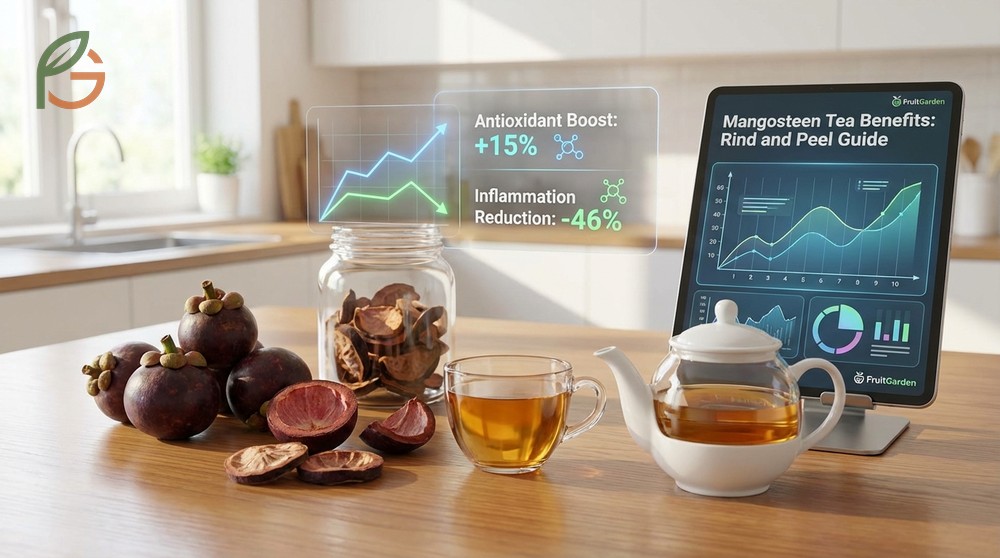
Mangosteen tea benefits include powerful antioxidant and anti-inflammatory properties derived from the fruit’s purple peel. Research shows that daily consumption increases blood antioxidant capacity by 15%[1] and reduces inflammatory markers by 46%[1] within 30 days. FruitGarden synthesizes current research on tropical fruit cultivation and processing methods to help you understand the full potential of mangosteen peel extracts.
Quick Answer
- The peel contains 107.76 mg[2] of xanthones per 100g—10-fold higher than the fruit pulp
- Daily consumption improves cardiovascular health[3] by reducing blood pressure and arterial inflammation
- Steeping the rind for 3-5 minutes in boiling water extracts maximum beneficial compounds
- The tea provides 20-fold higher[4] antioxidant activity compared to consuming the fruit flesh alone
Mangosteen Tea Benefits
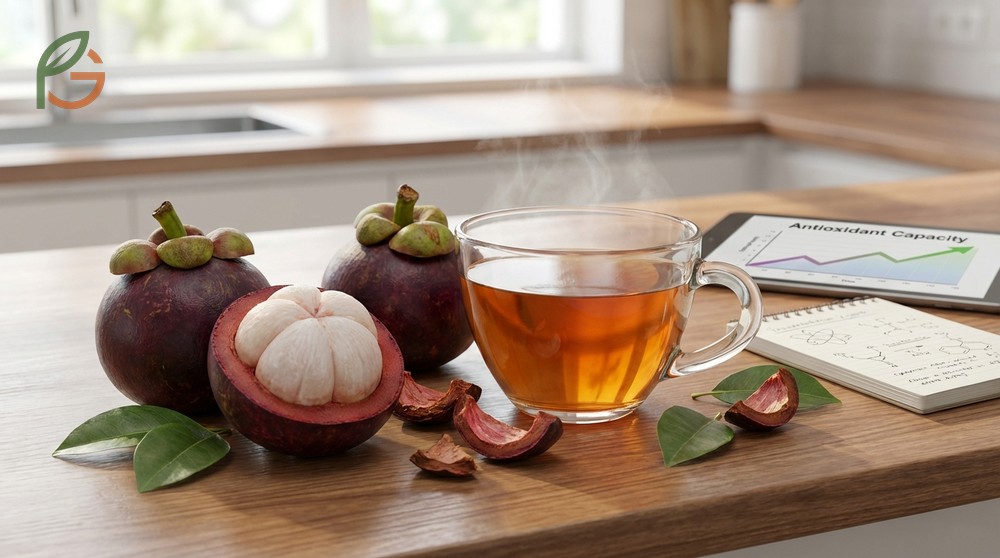
Research demonstrates that mangosteen peel tea delivers measurable health improvements through its concentrated bioactive compounds. A 30-day clinical trial with 60 participants found significant increases in blood antioxidant capacity and reductions in C-reactive protein levels without adverse effects on liver or kidney function[1].
The purple-red pericarp contains the highest concentration of beneficial compounds compared to other parts of the fruit. Studies show the peel portion holds 10-fold higher levels of polyphenols including xanthones, anthocyanins, and tannins[4].
What often gets overlooked is that brewing the rind activates compounds that remain dormant when you eat only the white flesh. Most people don’t realize the peel’s therapeutic potential exceeds that of the edible pulp by a substantial margin.
Xanthone Compounds in the Peel
Mangosteen peel contains approximately 107.76 mg of xanthones per 100g[2] of dried material. These tricyclic aromatic compounds demonstrate high stability and represent the most abundant bioactive substances in the rind.
The distribution within the fruit shows that 70-75% of xanthones concentrate in the skin, while the flesh contains only 10-15% and seeds hold 15-20%[2]. This concentration pattern explains why traditional medicine systems across Southeast Asia have used the rind rather than the fruit pulp for therapeutic preparations.
Important Note: Xanthone compounds possess phenol groups that contribute to antioxidant activity. However, excessive consumption may interact with certain medications, particularly blood thinners.
Alpha-Mangostin: The Primary Antioxidant
Among the various xanthones present, alpha-mangostin exists in the highest amount and has been investigated most extensively for physiological activities. Research confirms this compound scavenges singlet oxygen, superoxide anions, and peroxynitrite anions[4].
Current extraction studies show that 500g of dried mangosteen peel yields approximately 2.8g of purified alpha-mangostin, representing a 0.56% concentration rate. This compound remains stable during heat processing and water extraction, making it suitable for tea preparation.
Health Benefits Tea
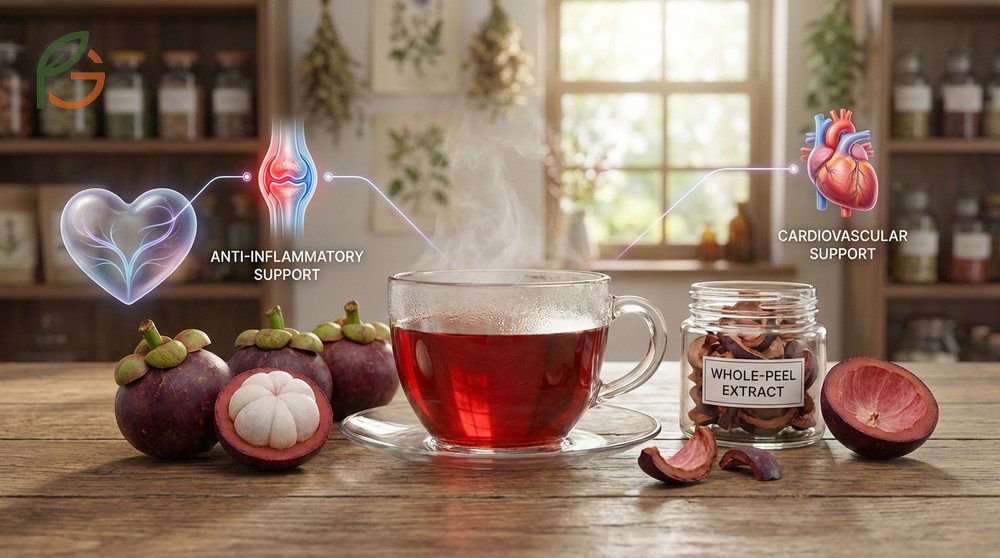
Evidence from human trials demonstrates specific physiological improvements from regular mangosteen tea consumption. The anti-inflammatory effects appear within weeks of daily intake, targeting systemic markers rather than localized symptoms.
Unlike synthetic supplements, the whole-peel extract provides synergistic compounds that work together. This matters because isolated compounds don’t always produce the same results as the complete plant matrix.
Cardiovascular Support
Studies indicate that alpha-mangostin exhibits cardioprotective activities through multiple pathways. Research shows it reduces blood pressure, decreases arterial wall thickness, and improves cardiovascular structures by reducing fibrosis and collagen deposition[3].
Animal trials with obese rats demonstrated that daily mangosteen rind powder equivalent to 168 mg/kg of alpha-mangostin resulted in improved cardiovascular structures and reduced cardiac stiffness[3]. The treatment also decreased levels of cardiac inflammatory cytokines including TNF-α, MCP-1, IL-6, and IL-1β.
- Reduces LDL cholesterol while increasing HDL levels
- Decreases triglyceride concentrations in blood plasma
- Lowers systolic and diastolic blood pressure readings
- Prevents excessive collagen buildup in arterial walls
- Protects endothelial cells from oxidative damage
- Inhibits immune cell infiltration into cardiac tissue
Diabetes Protection
Research shows that alpha-mangostin reverses toxic effects of high glucose in human umbilical vein endothelial cells. At concentrations of 1.25 µM, the compound reduced apoptosis, reactive oxygen species, and IL-6 secretion while increasing SIRT1 expression[3].
These findings suggest protective effects on the vasculature and anti-senescence properties, likely through antioxidant activity via the SIRT1 pathway. The compound may act as a natural agent protecting against high glucose-induced vascular damage in diabetic patients.
Clinical Consideration: While research shows promise, mangosteen tea should complement—not replace—prescribed diabetes medications. Blood sugar monitoring remains essential when introducing new dietary supplements.
Mangosteen Peel Tea
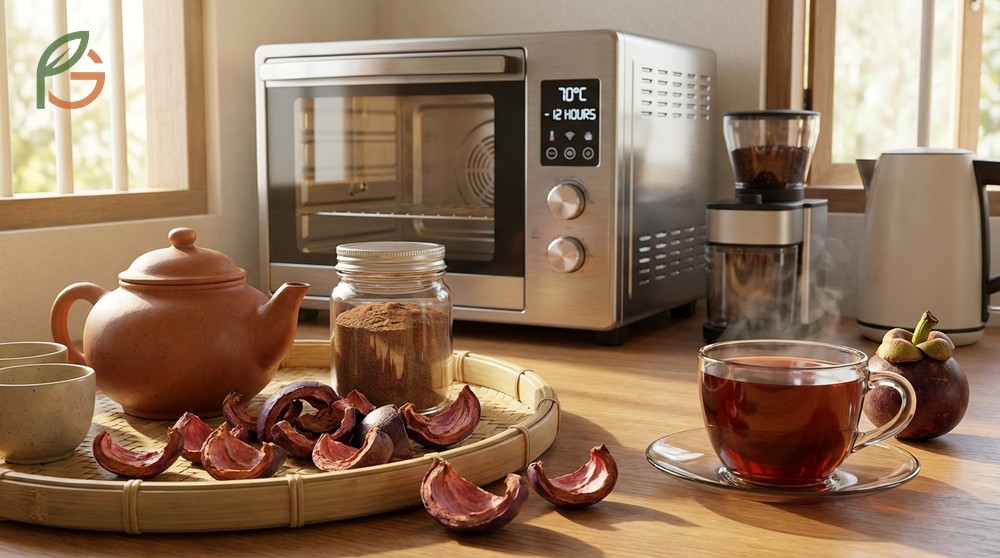
Proper preparation of mangosteen peel tea maximizes the extraction of beneficial compounds while maintaining palatability. Traditional methods across Southeast Asian regions have refined techniques over centuries of use.
The drying process significantly affects xanthone availability. Commercial preparations typically dry the pericarp at 70°C (158°F) for 12 hours before grinding to ensure optimal compound stability and extraction efficiency.
Peel Preparation Methods
Fresh mangosteen rinds require thorough washing to remove surface residues before processing. The thick purple-red pericarp should be separated from the white inner layer, as the outer layer contains the highest xanthone concentration.
For home preparation, slice the peel into thin strips measuring approximately 3-5mm in thickness. This size allows for faster drying and more efficient water extraction during brewing. Air-drying in a well-ventilated area for 2-3 days works effectively, though oven-drying at low temperatures accelerates the process.
- Select fresh mangosteens with deep purple, unblemished rinds
- Wash thoroughly under running water to remove dirt and potential pesticides
- Cut the fruit and carefully separate the thick outer peel
- Slice the peel into uniform thin strips for consistent drying
- Dry at 60-70°C (140-158°F) for 10-12 hours or air-dry for 2-3 days
- Store dried peel in airtight containers away from direct sunlight
- Grind or break into smaller pieces before brewing
Brewing Guidelines
Standard brewing instructions recommend placing one tea bag (approximately 3g of dried peel) in a cup of boiling water. Steep for 3-5 minutes to allow adequate extraction of xanthone compounds. One tea bag can typically be reused up to three times with slightly extended steeping periods for subsequent infusions.
Water temperature affects compound extraction efficiency. Boiling water at 100°C (212°F) provides optimal extraction for the heat-stable xanthones, unlike delicate green teas that require lower temperatures. The resulting brew displays a characteristic amber-brown color with a mildly astringent, slightly sweet taste profile.
For stronger therapeutic effects, increase the amount of dried peel to 5-7g per cup rather than extending steeping time beyond 5 minutes. Longer steeping periods can increase bitterness without proportionally enhancing beneficial compound extraction.
Antioxidant Tea Benefits
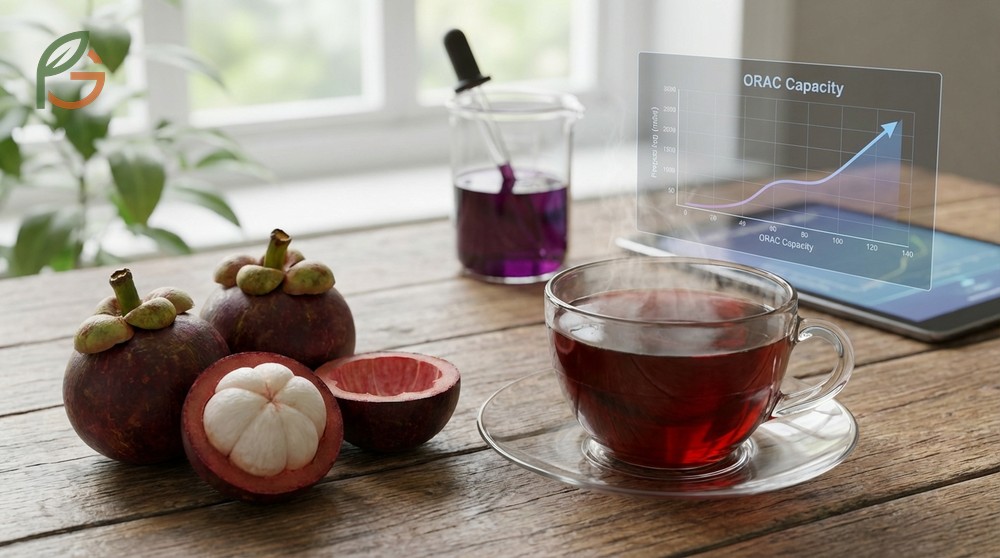
The measurable increase in oxygen radical absorbance capacity (ORAC) from mangosteen tea consumption demonstrates real physiological impact. A randomized, double-blind, placebo-controlled trial found that 30 days of daily intake resulted in 15% higher antioxidant capacity in the bloodstream[1].
This antioxidant boost occurs without compromising immune function markers. The same study verified that immunoglobulin levels (IgA, IgG, IgM) and complement proteins (C3, C4) remained stable throughout the trial period, indicating the extract doesn’t suppress normal immune responses.
Most people find that incorporating the tea into daily routines provides cumulative benefits over weeks rather than immediate effects. The compounds work by reducing oxidative stress markers and inflammatory cytokines that contribute to chronic disease development.
This table compares inflammatory and antioxidant biomarker changes between mangosteen tea and placebo groups after 30 days of daily consumption
| Biomarker | Mangosteen Group Change | Placebo Group Change | Clinical Significance |
|---|---|---|---|
| ORAC (Antioxidant Capacity) | +15%[1] | No significant change | Enhanced free radical neutralization |
| C-Reactive Protein | -46%[1] | No significant change | Reduced systemic inflammation |
| Liver Enzymes (ALT/AST) | No change | No change | No hepatotoxicity detected |
| Kidney Function (Creatinine) | No change | No change | Safe for renal function |
| Immune Markers (IgA, IgG, IgM) | No change | No change | Immune system unaffected |
The antioxidant compounds in mangosteen tea work by donating electrons to neutralize free radicals before they damage cellular structures. This mechanism differs from enzyme-based antioxidant systems like superoxide dismutase, providing complementary protection against oxidative stress.
- Scavenges reactive oxygen species formed during normal metabolism
- Reduces lipid peroxidation in cell membranes and blood vessels
- Protects DNA from oxidative damage that accelerates aging
- Inhibits formation of advanced glycation end products
- Maintains glutathione levels in liver and other tissues
Conclusion
The evidence is clear: mangosteen tea benefits extend beyond general wellness claims to measurable physiological improvements backed by controlled research. When prepared correctly from the dried pericarp, this tropical fruit tea delivers concentrated xanthones that boost antioxidant capacity and reduce inflammatory markers without adverse effects on vital organs.
Current research emphasizes the importance of using the peel rather than the fruit pulp to access therapeutic compounds at meaningful concentrations. FruitGarden continues to track emerging studies on extraction methods and optimal preparation techniques for home gardeners and tea enthusiasts seeking to maximize the health potential of tropical fruits.
Medical Disclaimer
Important Medical Disclaimer: This content is for informational and educational purposes only. It is not intended as a substitute for professional medical advice, diagnosis, or treatment. Always consult a qualified healthcare professional before making any changes to your diet, medication, or health routine, especially if you have diabetes, cardiovascular conditions, or other medical concerns. Mangosteen tea may interact with certain medications including blood thinners and chemotherapy drugs.
Frequently Asked Questions
How often should I drink mangosteen peel tea for health benefits?
Research shows that daily consumption produces measurable results within 30 days. Start with one cup daily using 3-5g of dried peel, then adjust based on tolerance and preferences. Clinical trials used daily servings without adverse effects on liver or kidney function.
Can I use fresh mangosteen rind instead of dried peel for tea?
Fresh rind works but contains more water content, requiring larger quantities to achieve equivalent xanthone concentrations. Use approximately 10-15g of fresh peel to match 3g of dried material. Drying concentrates the beneficial compounds and improves storage stability.
Does mangosteen tea taste bitter or unpleasant?
The tea has a mildly astringent, slightly sweet flavor profile that most people find palatable. Steeping for 3-5 minutes produces a balanced taste, while longer steeping increases bitterness. You can add honey or blend with green tea to modify the flavor without reducing xanthone content.
Are there any side effects from drinking mangosteen tea regularly?
Clinical trials found no significant side effects on immune function, liver enzymes, or kidney markers after 30 days of daily consumption. However, mangosteen may interact with blood thinners and certain chemotherapy medications. Consult your healthcare provider before regular use if you take prescription medications.
What’s the difference between mangosteen juice and mangosteen peel tea?
Mangosteen juice typically uses the white fruit pulp, which contains 10-fold lower polyphenol levels than the peel. Tea brewed from the dried pericarp provides significantly higher xanthone concentrations and 20-fold greater antioxidant activity compared to juice from the fruit flesh alone.
Can I reuse mangosteen tea bags for multiple infusions?
Yes, you can reuse one tea bag up to three times. The first infusion extracts the most xanthones, but subsequent brews still provide beneficial compounds. Extend steeping time by 1-2 minutes for the second and third infusions to maintain flavor and potency.
How should I store dried mangosteen peel to preserve its benefits?
Store dried mangosteen peel in airtight containers away from direct sunlight, heat, and moisture. Properly stored dried peel maintains xanthone potency for 6-12 months. Avoid refrigeration, which can introduce moisture and cause mold growth. Check for any off-odors or discoloration before brewing.





