

Mangosteen side effects are generally mild when you eat the fresh fruit, but concentrated supplements carry higher risks. Clinical studies show that short-term consumption for up to 12 weeks causes no liver or kidney damage, though some people experience digestive discomfort[1]. FruitGarden synthesizes current clinical research to help you understand mangosteen’s safety profile and make informed decisions about consumption. Research shows the greatest concerns involve blood-clotting interactions and supplement concentration levels.
Quick Answer
- Most people tolerate fresh mangosteen well, with digestive issues like constipation and bloating being the most common complaints[2]
- Mangosteen can slow blood clotting and shouldn’t be taken within 2 weeks before surgery[3]
- Xanthone concentrations above 3.98% show moderate cytotoxicity in cell studies[4]
- Drug interactions occur primarily with blood thinners, chemotherapy, and CYP450-metabolized medications[5]
Mangosteen Side Effects
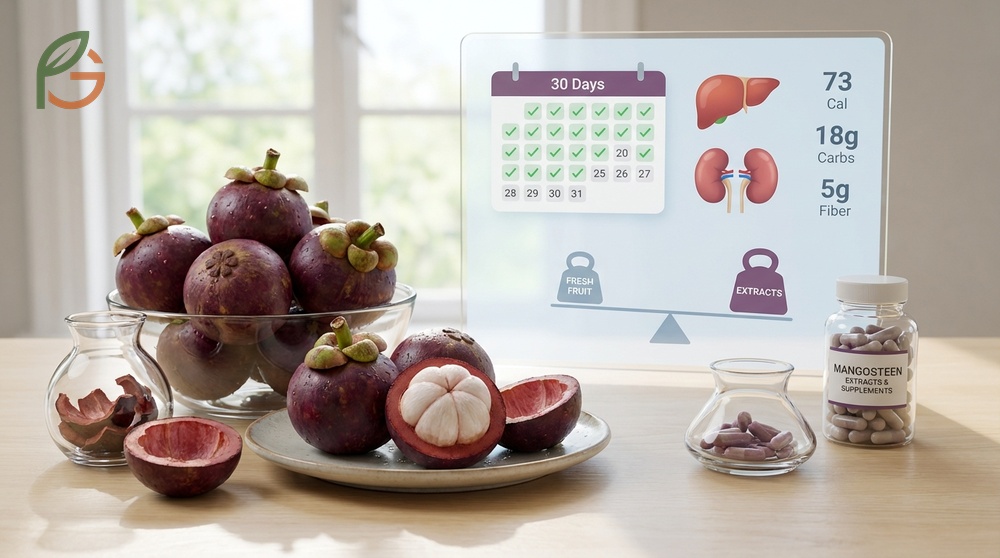
Studies demonstrate that fresh mangosteen fruit carries minimal risk for most healthy adults. A 30-day clinical trial with healthy subjects showed no adverse effects on hepatic or kidney function markers[1]. The fruit contains approximately 73 calories per 100 grams, with 18 grams of carbohydrates and 5 grams of dietary fiber.
Research shows side effects occur more frequently with concentrated extracts and supplements rather than whole fruit consumption. The difference lies in xanthone concentration levels, which become problematic at higher doses.
Digestive Complications
Evidence indicates that digestive issues represent the most common mangosteen side effects. When taken orally for up to 12 weeks, mangosteen can cause constipation, bloating, nausea, vomiting, and fatigue[2].
Current data suggests these symptoms typically appear with daily supplement use rather than occasional fresh fruit consumption. The high tannin content in mangosteen pericarp extracts may contribute to gastrointestinal discomfort.
Important Note: If you’re experiencing persistent digestive issues after consuming mangosteen, discontinue use and consult a healthcare provider. Don’t exceed recommended supplement dosages of 1-2 capsules daily.
Allergic Responses
While rare, allergic reactions to mangosteen can occur in sensitive individuals. Symptoms may include skin rashes, itching, swelling, or difficulty breathing.
Research hasn’t identified specific allergenic proteins in mangosteen, but cross-reactivity with related tropical fruits remains possible. Most people tolerate mangosteen well, with no reported severe allergic reactions in clinical trials.
Mangosteen Health Risks
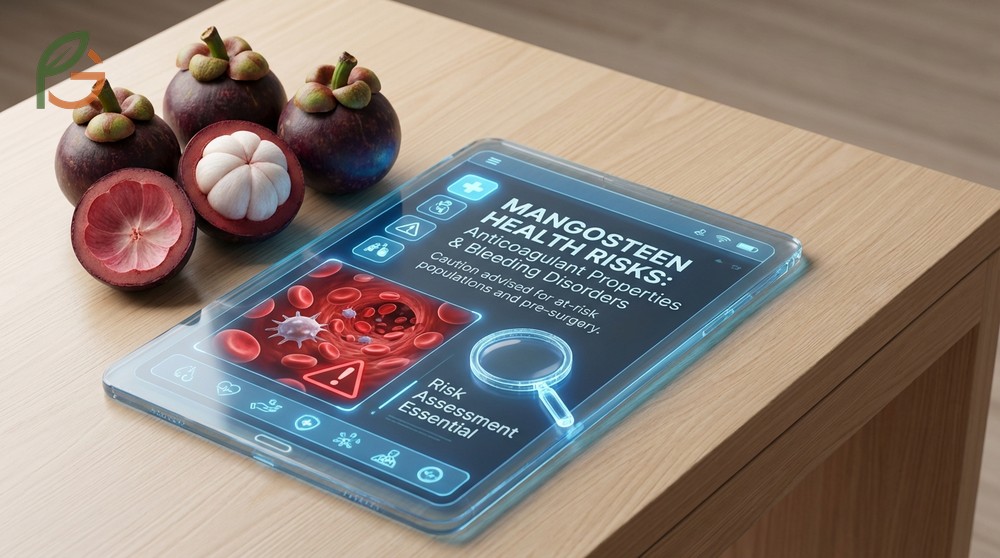
Certain populations face elevated risks when consuming mangosteen. Studies show the fruit’s anticoagulant properties create complications for people with bleeding disorders or those scheduled for surgery.
What often gets overlooked is that mangosteen’s xanthone compounds interact with multiple physiological systems. This makes risk assessment essential for anyone with pre-existing medical conditions.
Bleeding Disorders
Research demonstrates that mangosteen slows blood clotting, which increases bleeding risk in susceptible individuals[3]. This effect occurs through mangosteen’s impact on platelet aggregation and coagulation pathways.
If you’re taking anticoagulant or antiplatelet drugs like warfarin, aspirin, or clopidogrel, combining them with mangosteen amplifies bleeding risk. Healthcare providers recommend stopping mangosteen at least 2 weeks before any surgical procedure[3].
Warning for Surgery Patients: Discontinue all mangosteen products 14 days before scheduled surgery. Inform your surgeon and anesthesiologist about any recent mangosteen supplement use.
Pregnancy Risks
Current evidence on mangosteen safety during pregnancy remains insufficient. Medical guidelines recommend that pregnant and breastfeeding women avoid mangosteen supplements due to unknown effects on fetal development[2].
The lack of clinical trials involving pregnant women means potential risks haven’t been adequately studied. If you’re pregnant or nursing, stick to well-researched fruits with established safety profiles.
Supplement Side Effects
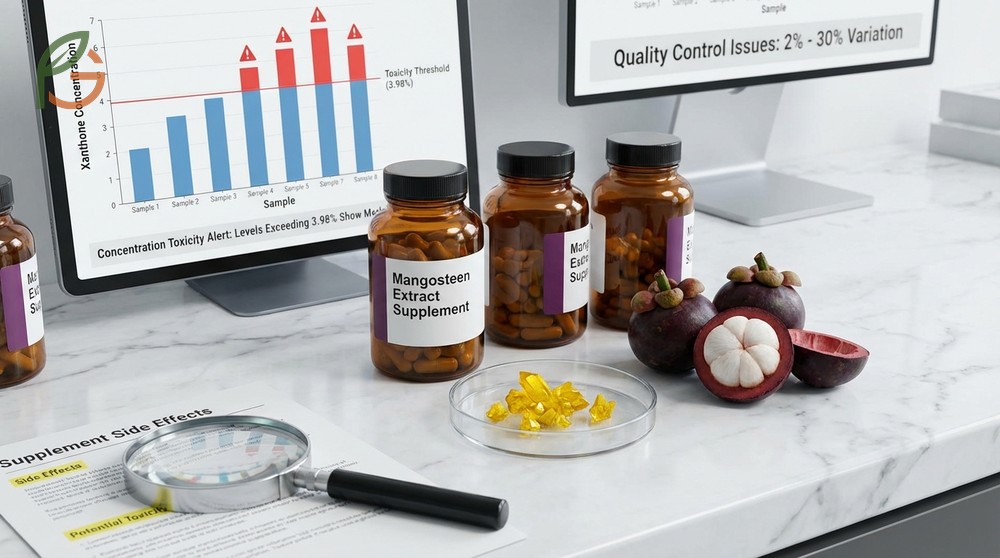
Mangosteen supplements concentrate active compounds to levels far exceeding those found in fresh fruit. This concentration amplifies both therapeutic effects and potential toxicity.
Studies show that supplement formulations vary widely in xanthone content, ranging from 2% to over 30%. Quality control issues in the supplement industry make standardization difficult.
Concentration Toxicity
Laboratory research reveals that xanthone concentrations above 3.98% demonstrate moderate cytotoxic activity, reducing fibroblast cell viability to 40.24%[4]. Tannins extracted from mangosteen pericarp show toxicity at 2.2% concentration, with 68.06% cell viability.
These findings suggest that excessive supplement doses could harm cells. While these are in vitro studies and clinical relevance requires further research, they indicate caution with high-dose supplements.
Long-Term Consumption
A case report documented severe lactic acidosis in a patient who consumed mangosteen juice daily for 12 months[5]. This rare but serious complication highlights potential risks with chronic, high-volume consumption.
Most safety studies evaluate mangosteen use for 12 weeks or less. Long-term safety data remains limited, particularly for concentrated extracts and supplements.
Supplement Safety Tip: Don’t exceed manufacturer-recommended doses. If you’re taking supplements for more than 3 months, schedule regular check-ups to monitor liver and kidney function.
Drug Interactions With Mangosteen
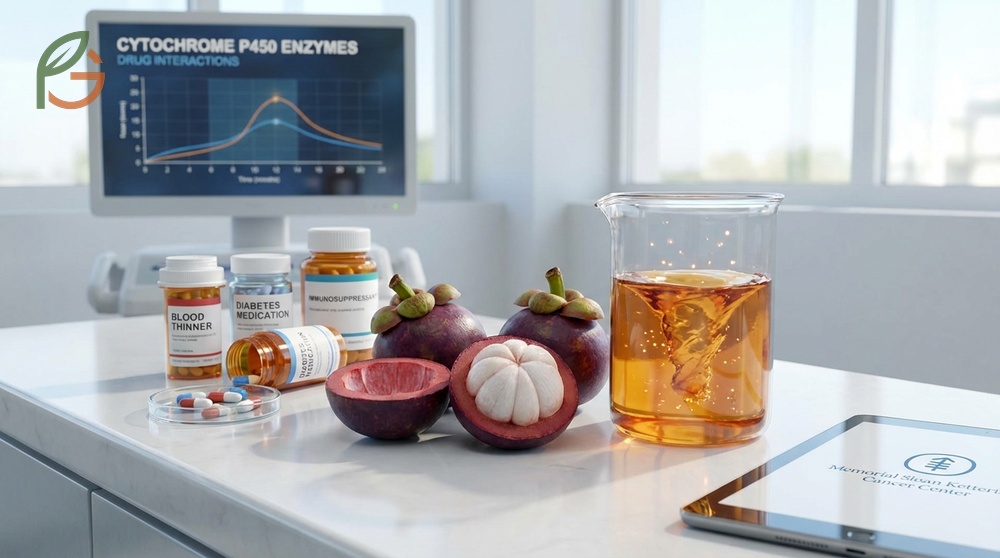
Mangosteen interacts with multiple medication classes through various mechanisms. The most significant interactions involve drugs metabolized by cytochrome P450 enzymes, blood thinners, and immunosuppressants.
Research shows that alpha-mangostin inhibits hepatic CYP450 2C9 enzymes, potentially altering the metabolism of drugs like gliclazide and other diabetes medications. Memorial Sloan Kettering Cancer Center warns that mangosteen may increase side effects of CYP450 substrate drugs, though clinical significance isn’t fully established[5].
This table compares different medication classes that interact with mangosteen, their interaction mechanisms, and risk levels based on clinical evidence
| Medication Class | Interaction Mechanism | Risk Level | Recommendation |
|---|---|---|---|
| Blood Thinners (warfarin, aspirin) | Increased anticoagulant effects[2] | High | Avoid combination |
| Donepezil (Aricept) | Enhanced drug effects[2] | Moderate | Use with caution |
| Immunosuppressants (cyclosporine, tacrolimus) | Additive immunosuppression[5] | Moderate | Monitor closely |
| CYP450 Substrate Drugs | Enzyme inhibition affects metabolism[5] | Moderate | Consult healthcare provider |
| Chemotherapy Agents | Antioxidant interference with treatment[5] | High | Avoid during treatment |
If you’re undergoing chemotherapy or radiation therapy, avoid mangosteen products entirely. The antioxidant properties that make mangosteen beneficial in other contexts may interfere with cancer treatments that rely on oxidative stress to kill tumor cells[5].
- Anticoagulants and antiplatelet drugs (warfarin, heparin, aspirin, clopidogrel)
- Diabetes medications metabolized by CYP2C9 (gliclazide, glimepiride)
- Alzheimer’s medications (donepezil, rivastigmine)
- Immunosuppressive drugs (cyclosporine, tacrolimus, sirolimus)
- Chemotherapy agents (anthracyclines, platinum compounds, alkylating agents)
- NSAIDs and pain relievers
- Antidepressants and psychiatric medications
Safe Consumption Limits
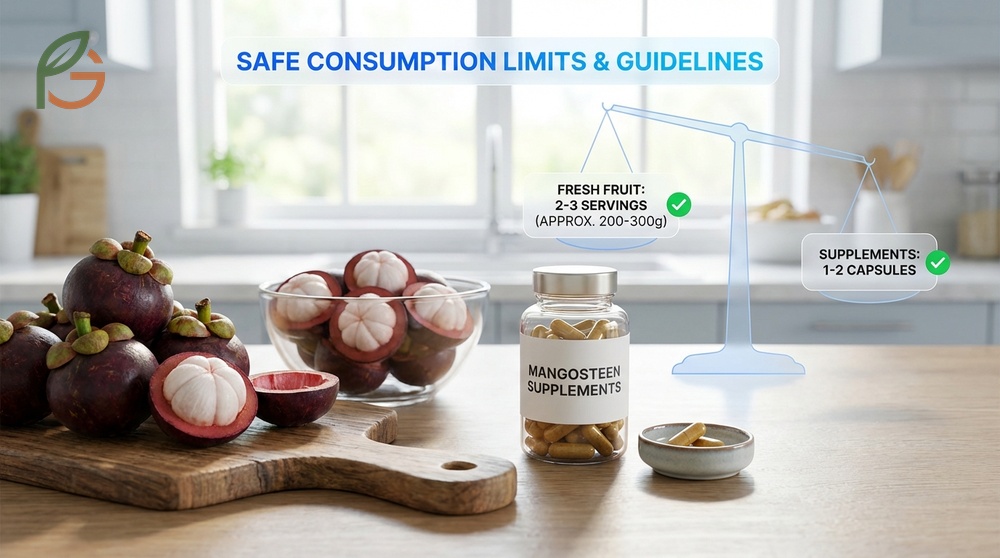
No official daily intake limit exists for fresh mangosteen fruit. General fruit consumption guidelines recommend 2-3 servings daily, with one serving equaling approximately 100 grams or one medium fruit.
For supplements, manufacturers typically recommend 1-2 capsules per day. Research validates safety for continuous use up to 12 weeks, but long-term data remains limited[2].
Clinical trials showing no adverse effects used mangosteen-based beverages consumed daily for 30 days, with participants experiencing reduced inflammation markers and no changes in liver or kidney function[1]. This suggests moderate consumption poses minimal risk for healthy adults.
- Fresh fruit: 1-2 medium fruits (100-200g) daily as part of balanced diet
- Juice: Limit to 4-8 ounces daily, diluted with water to reduce sugar concentration
- Supplements: Follow manufacturer guidelines, typically 500-1000mg extract per day
- Topical gel: Apply as directed for dental health, usually 2-3 times daily
- Before surgery: Stop all forms 14 days prior to procedure
Consumption Guideline: Start with small amounts to assess tolerance. If you’re new to mangosteen, begin with half a fruit or a quarter of the recommended supplement dose, then gradually increase if no side effects occur.
Conclusion
The evidence shows that mangosteen side effects remain minimal for most people consuming fresh fruit in moderate amounts. Research demonstrates that concentrated supplements and extracts carry higher risks, particularly for bleeding complications and drug interactions. Clinical studies validate short-term safety for up to 12 weeks, with no liver or kidney damage in healthy adults.
Current guidance emphasizes consulting healthcare providers before starting mangosteen supplements, especially if you’re taking medications, scheduled for surgery, or managing chronic health conditions. FruitGarden recommends prioritizing fresh fruit over supplements to minimize concentration-related risks while enjoying mangosteen’s nutritional benefits.
Medical Disclaimer
Important Medical Disclaimer: This content is for informational and educational purposes only. It is not intended as a substitute for professional medical advice, diagnosis, or treatment. Always consult a qualified healthcare professional before making any changes to your diet, medication, or health routine, especially if you have bleeding disorders, diabetes, scheduled surgery, or are taking prescription medications. Never disregard professional medical advice or delay seeking it because of information you’ve read on this website.
Frequently Asked Questions
Can mangosteen cause allergic reactions?
While rare, allergic reactions to mangosteen can occur in sensitive individuals. Symptoms may include skin rashes, itching, swelling, or difficulty breathing. If you experience any allergic symptoms after consuming mangosteen, discontinue use immediately and seek medical attention.
Is mangosteen safe during pregnancy?
Research on mangosteen safety during pregnancy is insufficient. Medical guidelines recommend that pregnant and breastfeeding women avoid mangosteen supplements due to unknown effects on fetal development. If you’re pregnant, consult your obstetrician before consuming mangosteen in any form.
How long before surgery should I stop taking mangosteen?
Studies show mangosteen slows blood clotting, so you should stop all mangosteen products at least 2 weeks before any surgical procedure. This includes fresh fruit, juice, and supplements. Always inform your surgeon about any herbal products you’ve been taking.
Can I take mangosteen with blood pressure medication?
Mangosteen may interact with certain blood pressure medications, particularly those metabolized by CYP450 enzymes. Research on specific interactions remains limited. Consult your healthcare provider before combining mangosteen with any prescription medication to avoid potential adverse effects.
What’s the difference between fresh mangosteen and supplements in terms of side effects?
Fresh mangosteen contains lower concentrations of active compounds compared to supplements, resulting in fewer side effects. Clinical trials show fresh fruit causes minimal digestive discomfort, while concentrated supplements increase risk of constipation, bloating, and drug interactions due to higher xanthone levels.
Does mangosteen interact with diabetes medications?
Research indicates mangosteen may interact with diabetes medications metabolized by CYP450 2C9 enzymes, including gliclazide. Alpha-mangostin inhibits this enzyme, potentially altering drug metabolism and blood sugar control. If you’re taking diabetes medications, monitor blood glucose closely and consult your endocrinologist.
How much mangosteen is too much?
No official upper limit exists for fresh mangosteen, but general guidelines suggest 1-2 medium fruits (100-200g) daily as part of a balanced diet. For supplements, don’t exceed manufacturer recommendations of 1-2 capsules daily. One case report documented severe complications from daily juice consumption over 12 months, suggesting moderation is key.





