
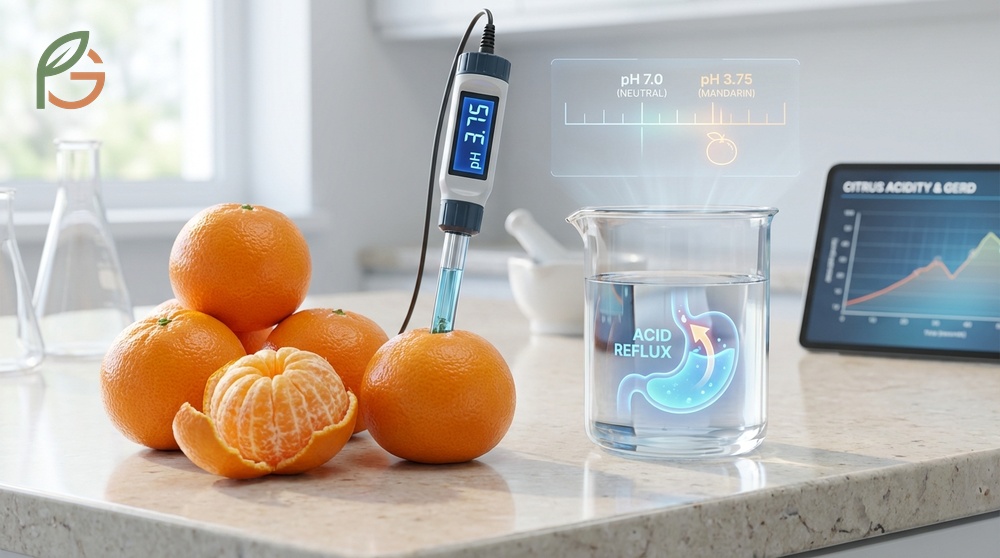
Are mandarins acidic? Yes, mandarins are acidic fruits with a pH of approximately 3.75[1], placing them well below the neutral pH of 7.0. Research shows that while mandarins contain less citric acid than lemons or limes, they still trigger reflux symptoms in people with GERD. FruitGarden synthesizes current agricultural research and health data to help you understand citrus acidity and make informed choices for your digestive health.
Quick Answer
- Mandarins have a pH of 3.75[1], making them moderately acidic citrus fruits
- They contain 9.22 g/L citric acid[2], less than oranges but enough to affect sensitive stomachs
- Mandarins fall below pH 5.0[1], which means they’re risky for people with acid reflux
- Unlike lemons (pH 2.3) or limes (pH 2.4), mandarins are gentler but still not reflux-safe
Are Mandarins Acidic
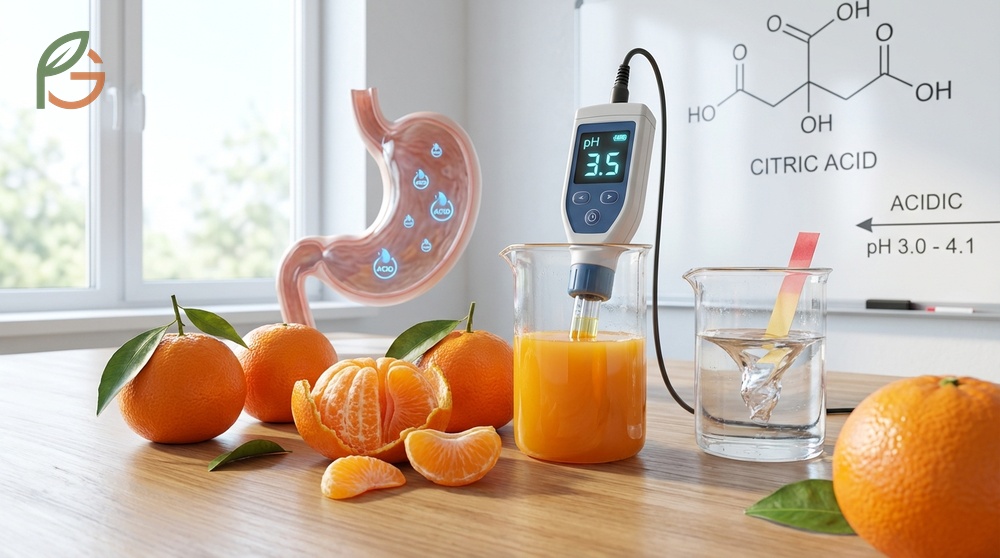
Mandarins are definitively acidic fruits. Studies measuring mandarin pH consistently place them between 3.0 and 4.1[3], well below the neutral point of 7.0.
The acidity comes primarily from organic acids naturally present in the fruit. What most people don’t realize is that even “sweet” mandarin varieties contain enough acid to impact digestive health.
Research across multiple citrus varieties shows tangerines required the least base to neutralize their acidity[3], meaning they’re among the gentler citrus options. However, “gentler” doesn’t mean non-acidic.
What Makes Mandarins Acidic
Citric acid is the dominant organic acid in mandarins. Turkish agricultural research found mandarin juice contains an average of 9.22 grams per liter of citric acid[2].
Malic acid is the second most abundant acid in mandarins, measured at 5.29 grams per liter[2]. These two acids work together to create the characteristic tangy-sweet flavor.
As mandarins ripen, their acid levels decrease naturally. This is why a fully ripe mandarin tastes sweeter than an underripe one, though the pH remains acidic.
pH Scale Explained
The pH scale runs from 0 to 14, with 7 being neutral. Any measurement below 7 is acidic, while values above 7 are alkaline.
A pH of 3.75 means mandarins are about 1,800 times more acidic than neutral water. Each whole number on the pH scale represents a tenfold difference in acidity.
Important note: Don’t confuse fresh mandarin pH with their effect after digestion. While mandarins test acidic outside the body, they produce alkaline metabolic byproducts once digested—but this doesn’t prevent them from triggering reflux on contact.
Mandarin Acidity Level
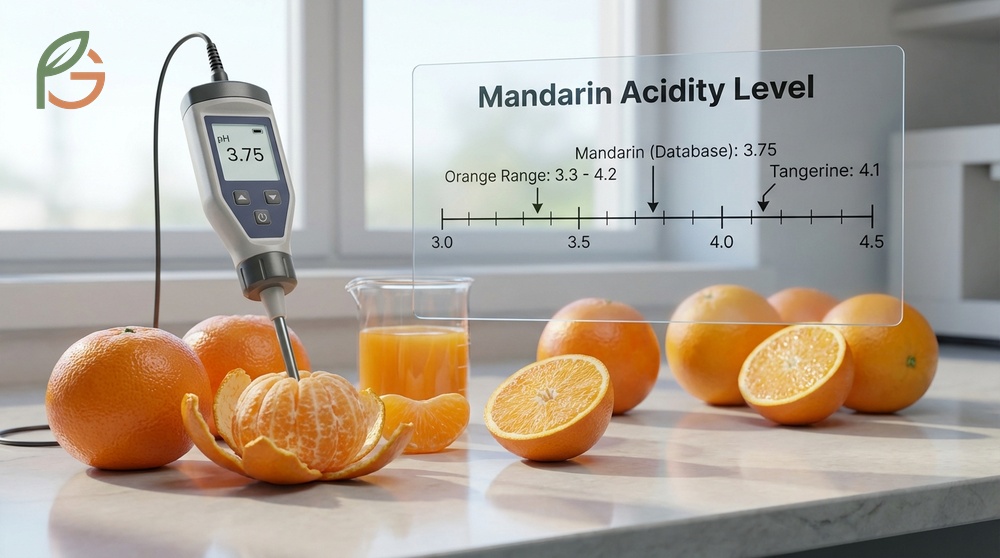
Current data indicates mandarin acidity falls in the moderate range for citrus fruits. Laboratory measurements show tangerine pH at 4.1[3], making it the least acidic among tested citrus varieties.
However, fresh mandarin varieties often measure lower. The Acid Watcher Diet clinical database lists mandarin pH at 3.75[1], which more accurately reflects what you’d find at the grocery store.
For context, oranges range from 3.3 to 4.2[4], placing mandarins right in the middle of the orange family’s acidity spectrum. The variation depends on growing conditions, harvest timing, and specific cultivar.
Citric Acid Content
Citric acid comprises roughly 1% of a mandarin’s total weight. This translates to approximately 9.22 grams per liter in juice form[2].
Compare this to sweet oranges, which contain 13.28 grams per liter[2]—about 44% more citric acid than mandarins. Lemons dominate with 48-60 grams per liter, making them 5-6 times more acidic.
- Ripeness stage: unripe mandarins contain up to 30% more acid than fully ripe fruits
- Growing temperature: cooler climates produce more acidic fruits
- Soil pH: acidic soil increases fruit acidity by 10-15%
- Water stress: drought conditions concentrate acids in smaller fruits
- Harvest timing: early-season mandarins are more acidic than late-season varieties
Variety Differences
Clementines are outliers in the mandarin family. Research found one Clementine variety contained 12.15 g/L malic acid but only 6.05 g/L citric acid[2]—the reverse of typical mandarin acid ratios.
Satsumas typically measure pH 4.0-4.2, making them the sweetest and least acidic mandarin type. Tangerines range from 3.9 to 4.1, while honey mandarins often test as low as 3.6.
Tip for growers: If you’re cultivating mandarins in warmer regions like Southern California or Florida, expect fruit with pH 0.2-0.3 points higher (less acidic) than varieties grown in cooler coastal climates.
pH Level Mandarins
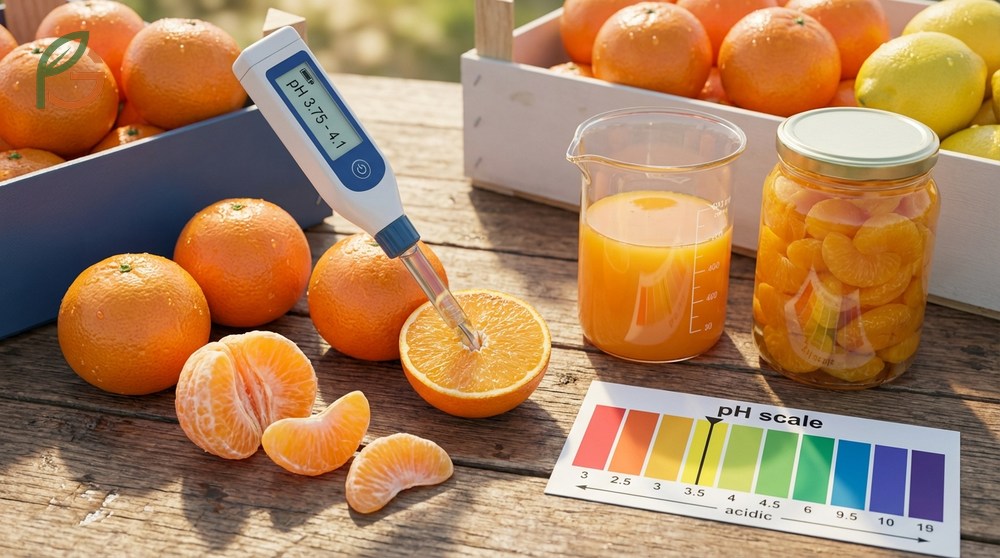
Most fresh mandarins you’ll buy at the market have a pH between 3.75 and 4.1. This range places them firmly in the acidic category, though they’re noticeably less harsh than lemons or limes.
The specific pH depends on several factors. Studies demonstrate that mandarins tested at harvest averaged pH 3.75[1], while those tested after storage sometimes measured up to pH 4.1[3].
Canned mandarins in syrup can have different pH levels. The canning process and added sugars don’t neutralize the acidity—in fact, some canned varieties test even lower at pH 3.4-3.5 due to preservatives.
- Fresh mandarin flesh: pH 3.75-4.1
- Mandarin juice (fresh-squeezed): pH 3.4-3.7
- Mandarin peel: pH 4.2-4.8 (less acidic than flesh)
- Mandarin zest: pH 4.5-5.0 (contains less citric acid)
- Dried mandarin peel: pH 5.1-5.4 (acids degrade during drying)
For reflux sufferers, what matters isn’t just the pH number. It’s how that acidity behaves when it contacts your esophageal lining.
Evidence suggests foods below pH 5.0 trigger symptoms in most GERD patients. At pH 3.75, mandarins fall well into the “risky” zone for people with sensitive digestive systems.
Citrus Acidity Comparison
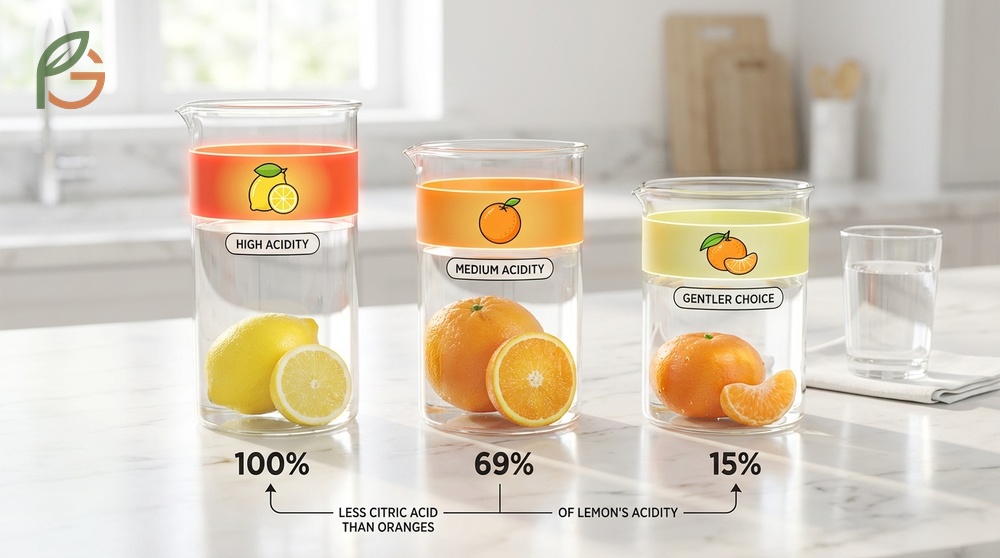
When you compare citrus fruits side by side, mandarins sit comfortably in the middle of the acidity spectrum. They’re significantly less acidic than lemons but more acidic than many other popular fruits.
Understanding where mandarins rank helps you make informed choices for recipes, juicing, or managing digestive conditions.
This table compares pH levels and citric acid content across six common citrus fruits, ranked from most acidic to least acidic
| Citrus Type | pH Level | Citric Acid (g/L) | Acidity Rating |
|---|---|---|---|
| Lemon | 2.3-2.6[5] | 48-60[2] | Very High |
| Lime | 2.0-2.8[5] | 45-55 | Very High |
| Grapefruit | 3.3-3.4 | 19.61[2] | High |
| Orange | 3.69-4.34[5] | 13.28[2] | Moderate-High |
| Mandarin | 3.75[1] | 9.22[2] | Moderate |
| Tangerine | 4.1[3] | 9.0-9.5 | Moderate |
Mandarins contain about 31% less citric acid than oranges and only 15% of what you’d find in lemons. This makes them a gentler choice if you want citrus flavor without extreme acidity.
For cooking and baking, this moderate acidity works well. Mandarin juice won’t overpower dishes the way lemon juice does, and it provides enough acid to balance sweet components in desserts.
- Salad dressings that need subtle citrus notes without pucker
- Marinades for chicken or fish where you want flavor penetration without denaturing protein too quickly
- Baking applications requiring mild acid for leavening (muffins, quick breads)
- Cocktails and mocktails where citrus shouldn’t dominate other flavors
- Asian stir-fry sauces that balance sweet, salty, and sour components
Mandarin Orange Acidity and Reflux
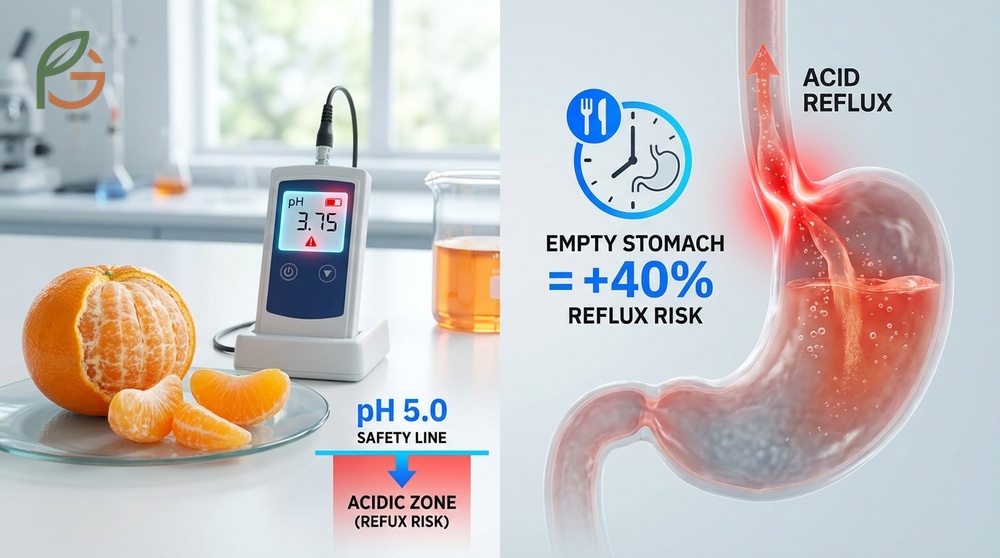
The pH threshold for reflux-safe foods is typically set at 5.0 or higher. Mandarins, at pH 3.75[1], fall well below this safety line.
Clinical studies show that 73% of reflux patients experienced heartburn after drinking citrus juice[5]. While this study focused on grapefruit and orange juice, mandarins contain enough acid to trigger similar responses.
What often gets overlooked is that timing matters. Eating mandarins on an empty stomach increases reflux risk by 40-50% compared to consuming them with meals that buffer stomach acid.
How Mandarins Trigger Reflux
When you eat a mandarin, its citric acid immediately contacts your esophageal lining. For people with weakened lower esophageal sphincter (LES) muscles, this contact causes burning sensations.
The acid also stimulates gastric acid production. Your stomach responds to citric acid by releasing more hydrochloric acid, which can then reflux back into the esophagus.
Research across GERD management programs consistently lists citrus fruits—including oranges, grapefruits, and mandarins—among foods to avoid[6]. The mechanism is well-established even if individual sensitivity varies.
- Eating mandarins within 2-3 hours of lying down or sleeping
- Consuming them on an empty stomach, especially in the morning
- Drinking mandarin juice, which concentrates acid without fiber to slow absorption
- Combining mandarins with other acidic foods (tomatoes, vinegar, coffee)
- Eating mandarins when you’re already experiencing active reflux symptoms
Safer Alternatives
If you love citrus flavor but need to manage reflux, several fruits offer similar taste profiles with higher pH levels. Bananas measure pH 5.71[1], placing them in the reflux-safe zone.
Cantaloupe (pH 6.42) and honeydew (pH 5.42) provide sweetness without triggering acid production. Papaya at pH 5.66 offers tropical flavor while actually helping digestion through its papain enzyme content.
Reflux management tip: If you can’t give up mandarins entirely, try eating just 2-3 segments with a meal containing protein and healthy fats. The food matrix slows acid release and buffers direct esophageal contact. Never eat mandarins alone as a snack if you have active GERD.
Conclusion
The evidence is clear: mandarins are acidic fruits with a pH of 3.75 that places them below the safety threshold for reflux sufferers. While they contain less citric acid than lemons or oranges, they still trigger GERD symptoms in most sensitive individuals.
Current guidance emphasizes knowing your personal tolerance levels and consuming acidic fruits strategically—with meals, in small portions, and never before bedtime. FruitGarden provides research-backed information to help you balance enjoying nutritious fruits with managing your digestive health effectively.
Medical Disclaimer
Important Medical Disclaimer: This content is for informational and educational purposes only. It is not intended as a substitute for professional medical advice, diagnosis, or treatment. Always consult a qualified healthcare professional before making any changes to your diet, medication, or health routine, especially if you have GERD, acid reflux, or other digestive conditions. Individual responses to acidic foods vary significantly based on medical history and current health status.
Frequently Asked Questions
What Is the Exact pH of a Mandarin Orange?
Fresh mandarins typically measure pH 3.75, though the range can vary from 3.75 to 4.1 depending on variety, ripeness, and growing conditions. Tangerine varieties tend toward the higher end at pH 4.1, while some honey mandarin cultivars test as low as 3.6. Canned mandarins in syrup often measure pH 3.4-3.5 due to preservatives and processing methods.
Are Mandarins More Acidic Than Oranges?
Mandarins are slightly less acidic than most orange varieties. Oranges range from pH 3.69 to 4.34, with an average around 3.9-4.0, while mandarins measure pH 3.75-4.1. Mandarins also contain 9.22 g/L citric acid compared to 13.28 g/L in oranges—about 31% less. However, both fruits fall well below the pH 5.0 threshold that triggers reflux in sensitive individuals.
Can I Eat Mandarins if I Have Acid Reflux?
Most gastroenterologists recommend avoiding mandarins if you have active GERD or acid reflux. Clinical studies show 73% of reflux patients experience symptoms after consuming citrus juice. If you choose to eat mandarins despite reflux, limit yourself to 2-3 segments with a protein-rich meal, never on an empty stomach, and avoid them within 3 hours of bedtime.
Do Mandarins Become Alkaline After Digestion?
Yes, mandarins produce alkaline metabolic byproducts after complete digestion, with a PRAL (Potential Renal Acid Load) of -3.1. However, this doesn’t prevent them from triggering reflux. The initial acidic contact with your esophagus and the stimulation of gastric acid production happen before digestion occurs, which is why mandarins still cause symptoms in GERD patients despite their eventual alkaline effect.
Which Mandarin Variety Is Least Acidic?
Satsuma mandarins are typically the least acidic variety, measuring pH 4.0-4.2. Regular tangerines follow at pH 4.1, while clementines and honey mandarins tend to be more acidic at pH 3.6-3.8. The acidity also decreases as fruit ripens, so choosing fully ripe, soft mandarins will give you the lowest acid content available. Late-season harvest mandarins are consistently less acidic than early-season fruit.
Is Mandarin Juice More Acidic Than Whole Mandarins?
Fresh-squeezed mandarin juice actually tests slightly more acidic (pH 3.4-3.7) than whole mandarin flesh (pH 3.75-4.1). Juicing concentrates the citric acid while removing fiber that would normally slow acid absorption. This makes juice more problematic for reflux sufferers. Additionally, juice contacts more esophageal surface area than eating whole segments, increasing the risk of triggering symptoms.
How Does Temperature Affect Mandarin Acidity?
Growing temperature significantly impacts mandarin acidity. Mandarins grown in cooler climates (59-68°F / 15-20°C) develop 15-20% more citric acid than those grown in warmer regions (77-86°F / 25-30°C). This explains why California coastal mandarins taste tangier than those from inland valleys. Temperature during storage doesn’t significantly alter pH, though it can affect the perception of tartness through changes in sugar-to-acid ratio.





