

Can dogs eat dates fruit? Yes, dogs can eat dates in moderation. Research shows dates contain beneficial fiber, vitamins, and minerals, but their high sugar content and potential choking hazards from pits require careful preparation and portion control[1]. While dates aren’t necessary for your dog’s diet, they can serve as an occasional treat when fed properly. FruitGarden synthesizes current veterinary guidance and nutritional research to help you make informed decisions about your pet’s diet.
Quick Answer
- Dogs can safely eat dates in strict moderation as an occasional treat[1]
- One medjool date contains 16 grams of sugar and high calories that can lead to weight gain[2]
- Always remove the pit before feeding to prevent choking hazards and intestinal blockages[3]
- Treats should never exceed 10% of daily calorie intake to maintain balanced nutrition[1]
Can Dogs Eat Dates Fruit

Dogs can safely consume dates as an occasional treat when properly prepared. Veterinary experts confirm that dates aren’t toxic to dogs and contain several nutrients that can benefit canine health[1]. However, they’re not a necessary part of your dog’s diet since high-quality commercial dog food provides complete nutrition.
The key factor is moderation. Dr. Linda Simon, a veterinary surgeon, explains that while dates contain vitamins and minerals, eating enough to gain significant nutritional benefit could upset your dog’s stomach[4]. Most dogs with balanced diets don’t need the additional nutrients dates provide.
Before offering dates to your dog, you’ll need to remove the pit completely and cut the fruit into small, manageable pieces. The sweet flesh is safe, but preparation determines whether this treat becomes beneficial or hazardous.
Nutritional Profile of Dates
Dates pack a concentrated source of natural sugars, fiber, and micronutrients. A 100-gram serving of medjool dates contains significant amounts of dietary fiber, potassium, magnesium, and B vitamins[5]. These nutrients support various bodily functions in dogs, from muscle contraction to immune system health.
The fiber content in dates is primarily insoluble, which helps maintain digestive tract health by reducing inflammation and supporting regular bowel movements. However, this same fiber can cause problems if your dog isn’t accustomed to high-fiber foods or consumes too many dates at once.
Are Dates Toxic to Dogs
Dates aren’t toxic to dogs, unlike grapes and raisins. The fruit itself contains no compounds that poison canine systems, making it fundamentally safe for consumption. This distinguishes dates from many other dried fruits that appear similar but pose serious health risks.
The confusion often arises because dates resemble raisins in appearance and texture. Despite their visual similarity, these fruits come from entirely different sources—dates grow on date palm trees, while raisins are dried grapes that contain unknown toxins deadly to dogs.
Important Safety Note: While dates aren’t toxic, the pits inside can cause serious medical emergencies including choking, dental fractures, and intestinal blockages. Always inspect dates thoroughly before offering them to your pet.
Benefits of Dates for Dogs

When fed appropriately, dates offer several potential health benefits for dogs. The natural sugars provide quick energy, making them suitable as training rewards for active dogs. Antioxidants in dates combat oxidative stress and support immune function, helping maintain overall health as dogs age.
Research shows that the combination of vitamins A, B-complex, and C in dates can boost immune response and provide sustained energy for physically active dogs. These vitamins work together to support vision, skin health, nervous system function, and metabolic processes.
Digestive Health Support
The dietary fiber in dates can promote healthy digestion and help prevent constipation in dogs. Fiber adds bulk to stool and encourages regular bowel movements, which benefits dogs prone to digestive sluggishness. Some owners use dates specifically to help dogs with mild constipation issues.
However, there’s a narrow window between helpful and harmful fiber intake. Dogs not used to high-fiber foods can experience diarrhea or stomach upset when dates are introduced too quickly or in excessive amounts[3]. The sudden fiber shock can lead to dehydration if diarrhea becomes severe.
Vitamin and Mineral Content
Dates contain potassium and magnesium, two minerals essential for proper heart rhythm, muscle function, and cellular health. Potassium helps regulate fluid balance and supports cardiovascular health, while magnesium participates in over 300 enzymatic reactions in your dog’s body.
The antioxidants in dates, particularly polyphenols, help fight free radicals that damage cells and contribute to aging and disease. These compounds support immune defense and may reduce inflammation throughout your dog’s body.
- Quick energy source from natural sugars for training or exercise rewards
- Dietary fiber supports digestive regularity and gut health
- Vitamin A promotes eye health, skin condition, and immune function
- B-complex vitamins support nervous system and metabolic processes
- Potassium maintains proper heart rhythm and muscle contraction
- Magnesium enables cellular responses and bone health
- Antioxidants combat oxidative stress and strengthen immune defenses
Risks and Safety Concerns

Despite their nutritional benefits, dates pose several significant risks that make them unsuitable as a regular treat. The primary concern is their extremely high sugar and calorie content, which can quickly lead to weight gain and related health problems in dogs.
Dogs process sugar differently than humans, and their bodies aren’t designed to handle large amounts of concentrated sweets. Regular consumption of high-sugar treats like dates can contribute to obesity, dental disease, and potentially diabetes over time[1].
High Sugar Content Dangers
A single medjool date contains approximately 16 grams of natural sugar, which adds up quickly if you’re not carefully monitoring portions[2]. For small dogs, even one date can represent a significant sugar load relative to their body weight and daily caloric needs.
Excess sugar intake can spike blood glucose levels, which is especially dangerous for dogs with diabetes or those prone to blood sugar regulation issues. Over time, regular high-sugar treats contribute to obesity, putting stress on joints, organs, and overall health. Dental problems also develop faster when dogs consume sticky, sugar-rich foods that cling to teeth.
Choking Hazards and Pit Removal
The pit inside each date presents serious dangers that require absolute attention. While date pits aren’t toxic, they can cause choking, especially in smaller dogs who might try to swallow them whole. The hard pit can also crack teeth or damage dental work if your dog attempts to chew through it.
If swallowed, date pits can create intestinal blockages that require emergency veterinary intervention or surgery[3]. These blockages prevent normal digestion and can become life-threatening within hours if left untreated. Always double-check that you’ve completely removed the pit before offering any date piece to your dog.
- Obesity from excessive calorie and sugar consumption beyond daily requirements
- Blood sugar spikes particularly dangerous for diabetic or pre-diabetic dogs
- Dental disease from sticky sugar residue that promotes bacterial growth
- Digestive upset including diarrhea, vomiting, or constipation from too much fiber
- Choking hazards from pits or pieces too large for safe swallowing
- Intestinal blockages requiring emergency surgery if pits are swallowed
- Dental fractures from dogs attempting to chew through hard date pits
Warning for Diabetic Dogs: If your dog has diabetes or any condition affecting blood sugar regulation, avoid dates entirely. The concentrated sugar content can cause dangerous glucose fluctuations that complicate disease management.
Can Dogs Eat Medjool Dates
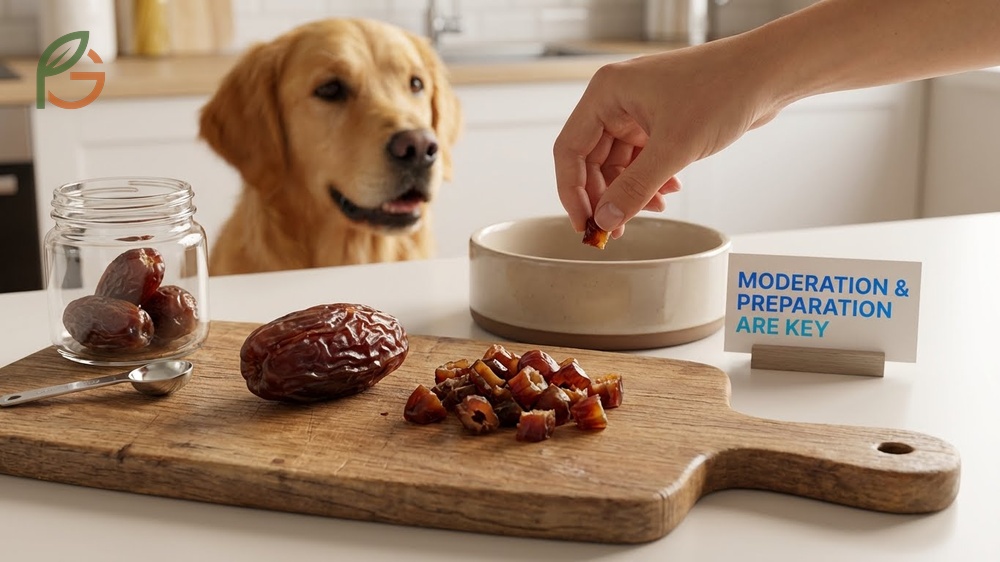
Dogs can eat medjool dates in strict moderation following the same precautions as other date varieties. Medjool dates are among the largest and sweetest date types, which means they contain even more sugar and calories per piece than smaller varieties. This makes portion control especially critical when offering medjools to your pet.
Veterinary guidance confirms that medjool dates are safe for dogs when properly prepared—pitted, cut into small pieces, and fed sparingly[6]. However, their large size increases choking risk, so you’ll need to cut them into smaller portions than you might with other date varieties.
Because medjool dates are so calorie-dense, even half a date can provide significant calories for a small dog. Consider your dog’s size, activity level, and overall daily caloric intake before deciding how much to offer. Most experts recommend treating medjools as an extra-special occasional reward rather than a regular treat.
Can Dogs Eat Dried Dates

Dogs can eat dried dates, but the drying process concentrates natural sugars even further, making them higher in sugar than fresh dates. This concentration means dried dates pose greater risks for weight gain and blood sugar spikes when fed in the same quantities as fresh dates. You’ll need to reduce portion sizes accordingly if offering dried varieties.
The sticky, dense texture of dried dates also increases the likelihood of dental problems. The concentrated sugars and sticky consistency cling to teeth longer, promoting bacterial growth and tooth decay. For dogs already prone to dental issues, dried dates aren’t recommended.
If you do choose dried dates, ensure they contain no added sugars, preservatives, or flavorings that could harm your dog. Plain, unsweetened dried dates are the only safe option, and even these should be given less frequently and in smaller amounts than fresh dates.
Why Can Dogs Eat Dates but Not Raisins
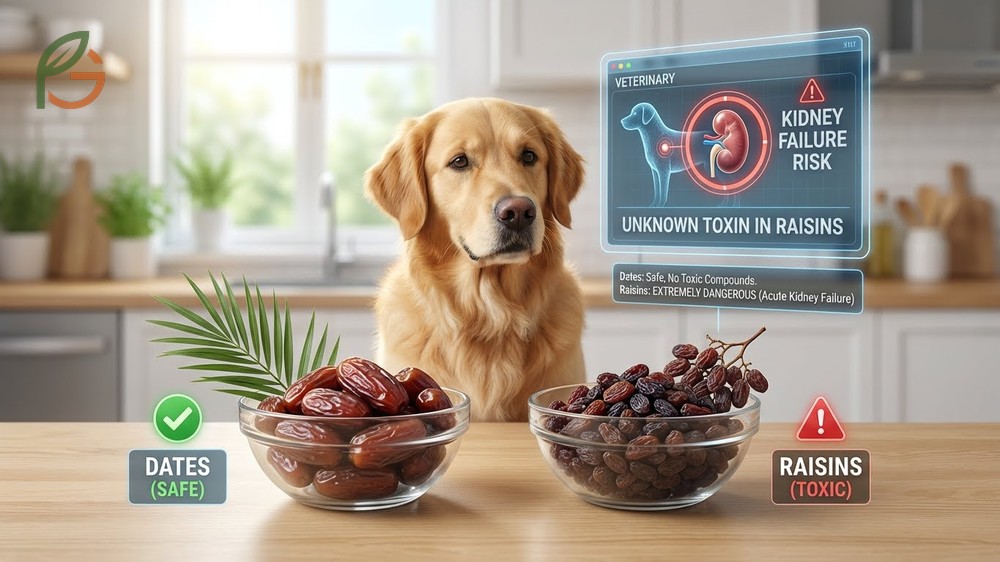
The critical difference between dates and raisins lies in their source and chemical composition. Dates come from date palm trees and contain no toxic compounds for dogs, while raisins are dried grapes that contain an unknown toxin causing acute kidney failure in dogs[7]. This makes raisins extremely dangerous even in tiny amounts.
Veterinary researchers still haven’t identified the exact toxic compound in grapes and raisins, but clinical evidence overwhelmingly demonstrates their danger. Some dogs experience kidney failure after consuming just one raisin, while others tolerate slightly larger amounts—there’s no safe quantity that applies to all dogs[7].
Symptoms of raisin toxicity include vomiting and diarrhea within hours of ingestion, followed by lethargy, loss of appetite, and eventually acute kidney failure if left untreated. Because the toxic mechanism remains unknown, there’s no antidote—treatment focuses on preventing absorption and supporting kidney function through emergency veterinary care.
Don’t let the visual similarity between dates and raisins confuse you. While dates require careful moderation due to sugar content, raisins demand complete avoidance because they’re universally toxic to dogs. If your dog accidentally consumes raisins, contact your veterinarian or emergency animal poison control immediately, even if symptoms haven’t appeared yet.
How Many Dates Can a Dog Eat

The appropriate amount of dates depends entirely on your dog’s size, weight, and overall diet. Current veterinary guidance recommends that all treats, including dates, should never exceed 10% of your dog’s total daily caloric intake[1]. This ensures your dog receives balanced nutrition primarily from their regular food.
For small dogs weighing under 20 pounds, a quarter to half a date is sufficient as an occasional treat. Medium dogs between 20-50 pounds can handle half to one date, while large dogs over 50 pounds might safely consume one to two dates. These amounts should be offered no more than once or twice per week at most.
Dogs with existing health conditions require even stricter limits. Overweight dogs, those with diabetes, or dogs prone to digestive issues should either avoid dates completely or receive only tiny amounts with explicit veterinary approval. Active, healthy dogs can tolerate dates better than sedentary or health-compromised pets.
This table shows recommended date portion sizes by dog weight, frequency guidelines, and preparation requirements for safe feeding
| Dog Size | Weight Range | Maximum Portion | Frequency |
|---|---|---|---|
| Small | Under 20 lbs | ¼ to ½ date | Once or twice weekly maximum |
| Medium | 20-50 lbs | ½ to 1 date | Once or twice weekly maximum |
| Large | Over 50 lbs | 1 to 2 dates | Once or twice weekly maximum |
| Diabetic/Overweight | Any weight | Avoid or consult vet | Not recommended |
When introducing dates for the first time, start with an even smaller amount than recommended to observe your dog’s reaction. Watch for signs of digestive upset like diarrhea, vomiting, or excessive gas over the next 24 hours. Some dogs have more sensitive stomachs than others and may not tolerate dates well despite following portion guidelines.
- Remove the pit completely and inspect the date to ensure no pit fragments remain
- Cut the date into small, bite-sized pieces appropriate for your dog’s mouth size
- Offer the date piece during or after your dog’s regular meal to minimize blood sugar spikes
- Monitor your dog for the next 24 hours for any signs of digestive discomfort
- Adjust future portions based on your dog’s individual tolerance and reaction
Conclusion
The evidence is clear: can dogs eat dates fruit depends on strict moderation, proper preparation, and individual health factors. Dates aren’t necessary for canine nutrition, but they can serve as an occasional high-value treat when you remove pits, control portions, and monitor your dog’s response. Current veterinary guidance emphasizes that treats should enhance rather than replace balanced diets, making dates suitable only for healthy dogs without sugar-sensitive conditions.
Remember that every dog responds differently to new foods, so start small and consult your veterinarian if you have any concerns about your pet’s specific dietary needs. FruitGarden provides research-based pet nutrition information to help you make informed decisions that support your dog’s long-term health and wellbeing.
Medical Disclaimer
Important Veterinary Disclaimer: This content is for informational and educational purposes only. It’s not intended as a substitute for professional veterinary advice, diagnosis, or treatment. Always consult a qualified veterinarian before making any changes to your dog’s diet, especially if your pet has diabetes, obesity, digestive issues, or other medical conditions. Each dog’s nutritional needs vary based on age, size, activity level, and health status.
Frequently Asked Questions
Can Dogs Eat Dates for Constipation?
Yes, the fiber in dates can help relieve mild constipation in dogs when given in very small amounts. However, too much fiber can cause the opposite problem—diarrhea and digestive upset. If your dog has chronic constipation, consult your veterinarian for appropriate treatments rather than relying on dates as a solution.
Can Dogs Eat Dates and Coconut Together?
Dogs can eat small amounts of dates and coconut together, but this combination significantly increases sugar and calorie content. Fresh coconut flesh is safer than dried or sweetened varieties, and you should reduce the date portion if adding coconut. Monitor for digestive upset since both foods are rich and can overwhelm sensitive stomachs.
What Should I Do if My Dog Ate a Date Pit?
Contact your veterinarian immediately if your dog swallowed a date pit. Watch for signs of distress including vomiting, loss of appetite, lethargy, or difficulty defecating. Small dogs face higher risks of intestinal blockage than large dogs. Your vet may recommend monitoring at home or bringing your dog in for X-rays depending on the pit size and your dog’s symptoms.
Are There Better Fruit Alternatives to Dates for Dogs?
Yes, several fruits offer better nutritional profiles with lower sugar content than dates. Blueberries, strawberries, and apple slices (without seeds) provide vitamins and fiber with less caloric density. Watermelon and cantaloupe offer hydration along with nutrients. These alternatives allow you to treat your dog more frequently without the same weight gain risks.
Can Puppies Eat Dates?
Puppies should avoid dates due to their developing digestive systems and specific nutritional requirements. Their sensitive stomachs can’t handle the high sugar and fiber content well, potentially causing diarrhea or vomiting. Focus on puppy-appropriate treats designed for their growth stage, and consult your veterinarian before introducing any human foods to puppies under six months old.
How Do I Know if My Dog Is Having an Allergic Reaction to Dates?
Allergic reactions to dates are rare but can include itchy skin, hives, facial swelling, vomiting, or diarrhea. More severe reactions might cause difficulty breathing or excessive drooling. If you notice any of these symptoms after feeding dates, stop giving them immediately and contact your veterinarian. Most adverse reactions stem from overconsumption rather than true allergies.
Can Dogs With Diabetes Ever Eat Dates?
Dogs with diabetes should avoid dates due to their high sugar content that can cause dangerous blood glucose fluctuations. Managing diabetes requires strict dietary control, and dates don’t fit into diabetic-friendly meal plans. If you want to treat your diabetic dog, ask your veterinarian for approved low-sugar alternatives that won’t compromise their blood sugar management.





