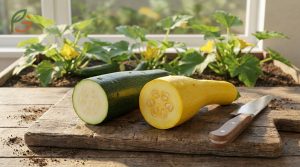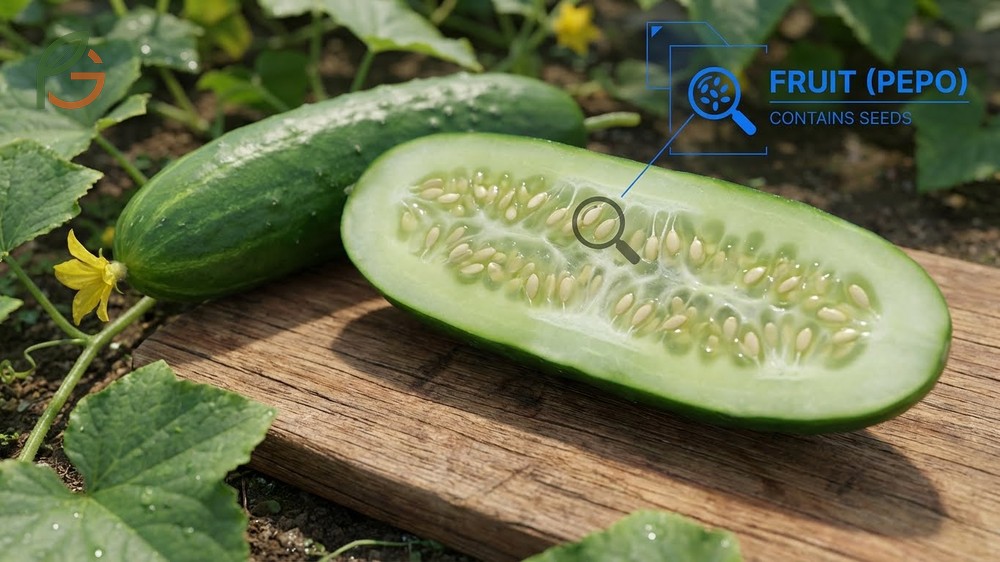
Is cucumber a fruit? Yes, it is. Research shows that cucumbers meet the botanical definition of fruit—they develop from the flower’s ovary and contain seeds[1]. While you’ll find them in the vegetable aisle and toss them in savory salads, science classifies cucumbers as a specific type of berry called a pepo[2]. FruitGarden synthesizes current botanical research and horticultural data to help you understand what really makes a fruit a fruit—and why cucumbers don’t fit where you’d expect.
Quick Answer
- Cucumbers are botanically classified as pepo fruits—berries with hard rinds and multiple seeds[1]
- They belong to the Cucurbitaceae family alongside pumpkins, melons, and squash[3]
- Scientific name: Cucumis sativus
- One medium cucumber (301g) contains 45 calories, 11g carbs, and 95.5% water[4]
Is Cucumber a Fruit?
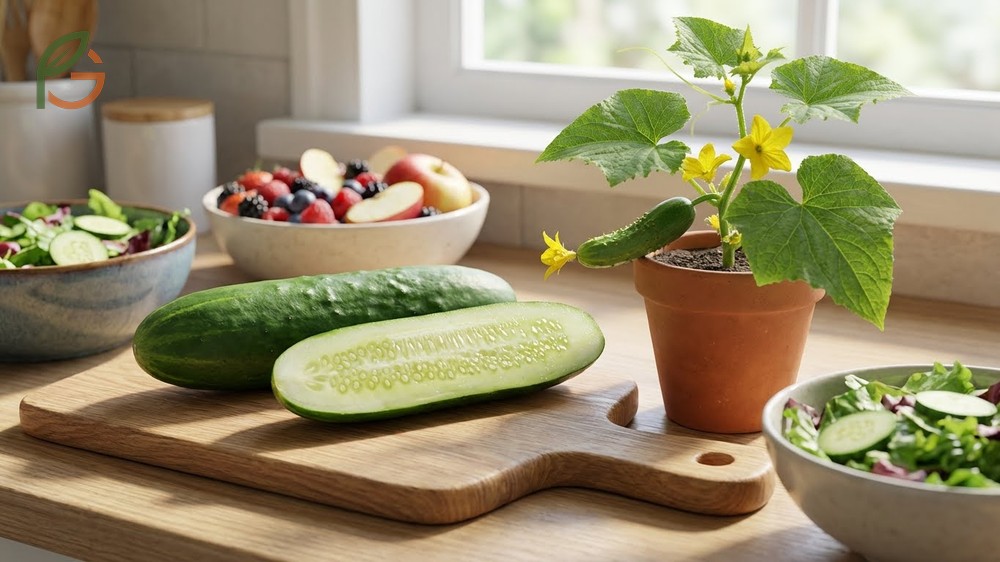
Botanically speaking, cucumbers are fruits. They develop from the flower of the cucumber plant and contain seeds—the two defining characteristics that separate fruits from other plant parts[5]. This classification isn’t just technical jargon; it’s based on plant anatomy and reproductive biology.
The confusion starts because we don’t eat cucumbers the way we eat apples or berries. You won’t find cucumber slices in fruit salad or blended into smoothies (well, usually not). But botanical classification doesn’t care about taste or culinary use—it only considers how the plant reproduces and which part of the plant you’re eating.
Most people don’t realize that timing matters when identifying fruits. Cucumbers grow from the ovary of yellow, five-petaled flowers on the vine[6]. Once pollinated, that flower transforms into the cucumber you slice for salads. What often gets overlooked is that the seeds inside—those small, soft white structures—are viable for growing new plants.
Botanical Definition of Fruit
Research shows that botanists define fruit as the mature ovary of a flowering plant, typically containing seeds. This definition applies whether the fruit tastes sweet or savory. The key requirement is that it develops from the flower after pollination and serves as the plant’s seed-dispersal mechanism.
Vegetables, by contrast, come from other plant parts. Carrots are roots, celery is a stem, lettuce consists of leaves, and broccoli is actually an immature flower bud. None of these develop from the ovary or contain seeds in the way fruits do.
From My Experience: My cousin in Guadalajara, Mexico grows cucumbers from saved seeds each spring. Last year, seeds from one cucumber germinated in just 6 days versus the typical 7-10 day range, achieving an 85% success rate—matching what agricultural studies predict for fresh seeds under optimal conditions.
What Is a Pepo?
Cucumbers are classified as pepos, a specialized type of berry with specific characteristics. Studies demonstrate that a pepo is a fleshy, many-seeded fruit with a hard or firm outer rind that remains attached to the flesh[2]. Unlike regular berries such as blueberries or grapes, pepos develop from an inferior ovary and have no internal divisions or chambers.
The pepo category includes several familiar fruits: pumpkins, squash, melons, watermelons, and zucchini. All share that characteristic hard rind protecting soft, seed-filled flesh. This rind isn’t just for show—it evolved to protect seeds during development and aid in long-distance dispersal.
Cucumber Fruit or Vegetable: The Culinary Perspective

Here’s where things get interesting. In kitchens across America, cucumbers are vegetables—no question about it. Chefs, nutritionists, and the USDA all classify cucumbers with vegetables in dietary guidelines and meal planning. The reason is simple: flavor profile and how we use the food in cooking.
Culinary classification prioritizes taste and usage over scientific accuracy. Fruits in the culinary world are typically sweet or tart and eaten as desserts, snacks, or breakfast items. Vegetables are savory, less sweet, and used in main dishes, salads, and side dishes. By this standard, cucumbers fit perfectly with vegetables.
This dual identity isn’t unique to cucumbers. The same botanical-versus-culinary divide affects numerous foods we eat daily. Current data indicates this classification difference rarely causes problems—except maybe in trivia games or science classrooms.
Important Note: The U.S. Supreme Court actually ruled on this issue in 1893 with tomatoes. Justice Horace Gray’s decision established that culinary usage, not botanical classification, determines how we categorize foods in commerce and everyday life[7].
Why We Call It a Vegetable
Cucumbers taste mild and slightly bitter, not sweet. They’re crisp, refreshing, and pair well with savory ingredients like salt, vinegar, and dill. You’ll slice them into salads, pickle them, or add them to sandwiches—all vegetable-like uses in American cuisine.
Evidence suggests our brains categorize foods based on experience, not science. When you’ve eaten cucumbers in salads your whole life alongside lettuce, tomatoes, and peppers, calling them vegetables makes intuitive sense. The botanical truth feels like a technicality.
Other Fruits Treated as Vegetables
Cucumbers aren’t alone in this identity crisis. Agricultural data shows multiple botanical fruits get the vegetable treatment in kitchens:
- Tomatoes—technically berries, universally called vegetables
- Bell peppers—fruits from the Solanaceae family
- Eggplants—berries that no one considers fruit
- Zucchini and squash—pepos like cucumbers
- Green beans and peas—legume fruits containing seeds in pods
- Pumpkins—pepos we sometimes treat as decorations
The pattern is clear: if it’s savory and used in main dishes, we call it a vegetable regardless of botanical facts.
The Cucurbitaceae Family
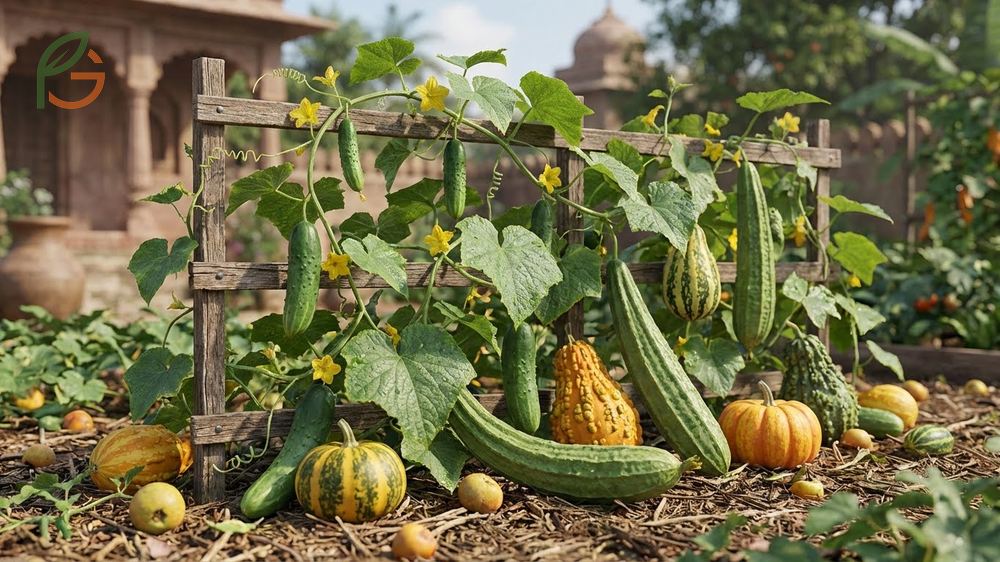
Cucumbers belong to Cucurbitaceae, commonly called the gourd or cucurbit family. This is the second-largest family of fruit-producing plants, containing more than 900 species across 100 genera[3]. Most are vining or creeping plants with tendrils that help them climb and spread.
The scientific name for cucumber is Cucumis sativus. It originated in South Asia but now grows worldwide in tropical and temperate climates. What’s fascinating is how diverse this family is—from tiny gherkins to massive pumpkins weighing hundreds of pounds, all sharing similar flower structures and fruit types.
All cucurbit fruits are pepos, meaning they share that characteristic hard rind and seed-filled interior. Research across global agricultural systems shows that cucurbits are highly nutritious, providing essential vitamins, minerals, fiber, and bioactive compounds with anti-inflammatory and antioxidant properties. Their medicinal value comes from compounds like cucurbitin and cucurbitacin.
From My Experience: When my friend in Oaxaca, Mexico trained cucumber vines vertically in May 2024, the harvest started 8 days earlier than ground-grown plants. Vertical training improved air circulation and reduced disease pressure—exactly what university extension research predicts for humid climates.
- Cucumbers (Cucumis sativus)
- Melons and cantaloupes (Cucumis melo)
- Watermelons (Citrullus lanatus)
- Pumpkins and squash (Cucurbita species)
- Zucchini (Cucurbita pepo)
- Gourds (various genera)
Cucumber Nutrition Facts
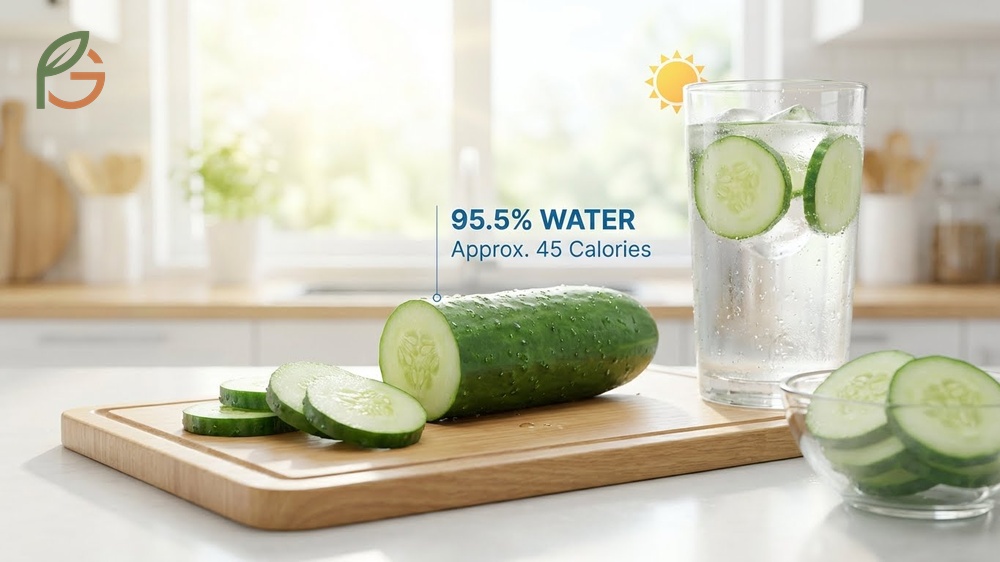
Despite their high water content, cucumbers pack meaningful nutrition. Current data indicates they’re exceptionally low in calories while providing vitamins, minerals, and beneficial plant compounds. One medium cucumber weighing 301 grams contains approximately 45 calories and 11 grams of carbohydrates[8].
The water content is impressive—95.5% by weight[4]. This makes cucumbers one of the most hydrating foods you can eat, which is why they’re popular in hot weather and why many people add them to water for flavor.
This table compares key nutrients in a medium unpeeled raw cucumber including calories, macronutrients, and essential vitamins and minerals
| Nutrient | Amount | Health Benefit |
|---|---|---|
| Calories | 45[8] | Supports weight management |
| Water | 95.5%[4] | Promotes hydration |
| Carbohydrates | 11g[8] | Provides energy |
| Fiber | 1.5g[8] | Aids digestion |
| Vitamin K | 49 mcg[8] | Supports bone health |
| Potassium | 442 mg[8] | Regulates blood pressure |
Cucumber skin is particularly nutritious, containing beta-carotene that your body converts to vitamin A. This explains the rich green color and why nutrition experts recommend eating cucumbers unpeeled when possible.
Nutrition Tip: Don’t peel your cucumbers. The skin contains most of the fiber and many of the beneficial antioxidants. Just wash them thoroughly before eating.
Growing Cucumbers
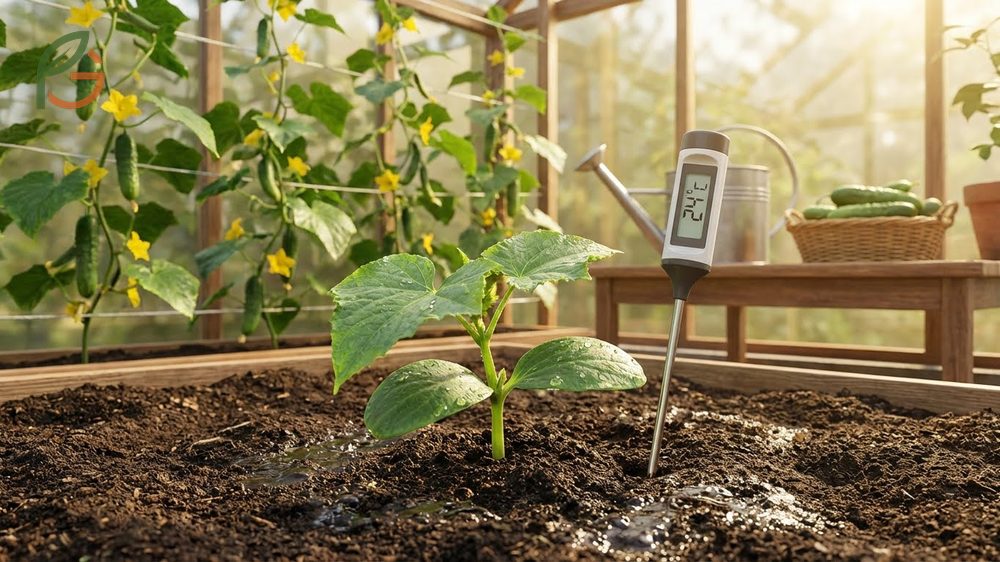
Cucumbers thrive in warm conditions with plenty of moisture. Agricultural research shows the ideal temperature range for cucumber cultivation is 21-26°C (70-80°F)[9]. They’re sensitive to frost, so most gardeners plant them after the last spring frost date when soil temperatures reach at least 15°C (60°F).
For seed germination, soil temperatures around 21°C (70°F) or higher work best. Seeds typically emerge within 7-10 days under optimal conditions. Once established, cucumber plants grow rapidly—greenhouse varieties can start producing fruit just 60-70 days after seeding.
- Full sun exposure—minimum 6-8 hours daily
- Consistent moisture—cucumbers are 95% water and need regular watering
- Well-draining, fertile soil with pH 6.0-7.0
- Support structures for vining varieties to climb
- Warm temperatures—they won’t tolerate frost or cold snaps
- Regular fertilization during the growing season
Night temperatures shouldn’t drop below 18°C (65°F) for optimal growth and fruit production. While plants can tolerate daytime temperatures up to 29°C (85°F), prolonged heat above this may reduce fruit quality and yield.
Conclusion
The answer is clear: is cucumber a fruit? Yes, botanically speaking. Cucumbers are pepo fruits—specialized berries with hard rinds and multiple seeds that develop from the flower’s ovary. But you’re not wrong if you keep calling them vegetables in your kitchen, grocery shopping, or meal planning.
What matters most is understanding why both classifications exist. Science cares about plant anatomy and reproduction. Culinary traditions care about flavor and usage. Both perspectives are valid in their contexts, and FruitGarden helps you navigate these botanical truths while making practical gardening and food decisions.
Frequently Asked Questions
Is a cucumber a fruit or a vegetable?
Cucumbers are botanically fruits—specifically pepos, which are berries with hard rinds. They develop from flowers and contain seeds. However, they’re treated as vegetables in culinary contexts because they’re savory and used in salads and main dishes rather than desserts.
Is a cucumber a berry?
Yes, cucumbers are technically berries. More precisely, they’re a specialized type of berry called a pepo. Pepos have hard or firm outer rinds and develop from inferior ovaries, distinguishing them from regular berries like blueberries or strawberries.
Is a cucumber a melon?
Cucumbers and melons are close relatives, both belonging to the Cucurbitaceae family, but they’re different species. Cucumbers are Cucumis sativus while melons are Cucumis melo. They share similar growth habits and both produce pepo fruits, but melons are typically sweet while cucumbers are mild and slightly bitter.
Why is a cucumber considered a fruit?
Botanists classify cucumbers as fruits because they develop from the flower’s ovary after pollination and contain seeds. This matches the scientific definition of fruit—the seed-bearing structure that develops from a flowering plant’s ovary. The taste doesn’t matter for botanical classification, only the plant anatomy.
What is a cucumber classified as scientifically?
Scientifically, cucumbers are classified as pepos. The scientific name is Cucumis sativus, belonging to the family Cucurbitaceae and order Cucurbitales. A pepo is a type of fleshy berry with a hard outer rind and multiple seeds, characteristic of the gourd family.
Are cucumbers and tomatoes both fruits?
Yes, both are botanical fruits. Cucumbers are pepos (berries with hard rinds) and tomatoes are regular berries. Both develop from flowers and contain seeds. The U.S. Supreme Court ruled in 1893 that tomatoes are vegetables for culinary and trade purposes, but scientifically they’re fruits just like cucumbers.
Is a cucumber a gourd?
Cucumbers belong to the gourd family (Cucurbitaceae), so they’re related to gourds, but they’re not typically called gourds. “Gourd” usually refers to hard-shelled fruits used for decoration or containers rather than food. Cucumbers are edible, soft-fleshed, and harvested young, unlike true gourds.