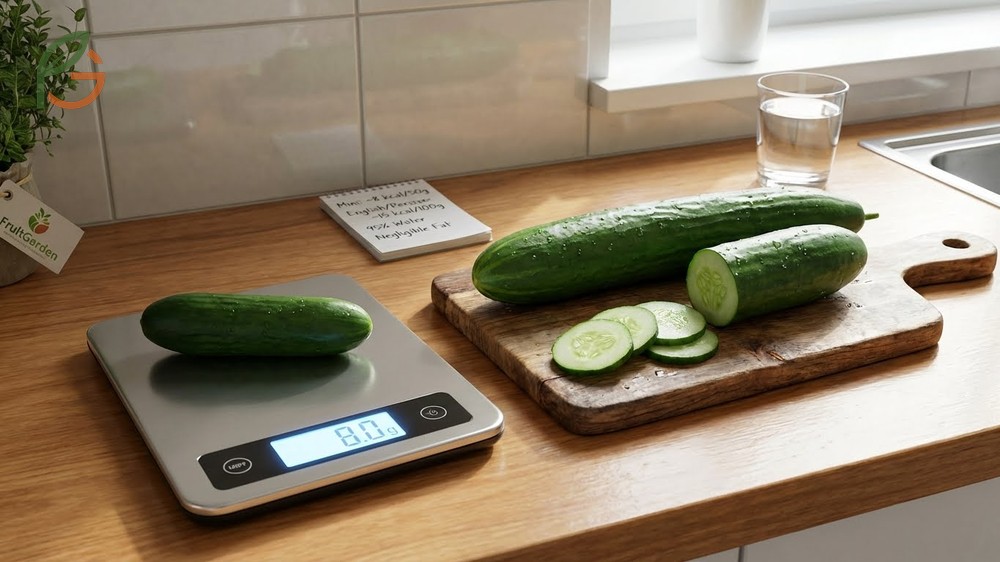
How many calories in a mini cucumber? A single mini cucumber contains approximately 8 calories per 50g serving, making it one of the lowest-calorie vegetables available[1]. Research shows that mini cucumbers, Persian cucumbers, and English cucumbers all provide similar nutritional profiles with roughly 15 calories per 100g, 95% water content, and negligible fat[2][3]. FruitGarden synthesizes current agricultural research and nutrition data to help gardeners understand the health benefits of growing and consuming cucumber varieties.
Quick Answer
- One mini cucumber (50g) contains 8 calories, 2g carbs, and 0.3g fiber[1]
- English cucumbers (201g medium) provide 30 calories, 7g carbs, and 1g fiber[4]
- Persian cucumbers contain 15 calories per 100g with 0.6g protein[3]
- All cucumber varieties are 95% water and qualify as weight loss snacks under 50 calories
How Many Calories in a Mini Cucumber
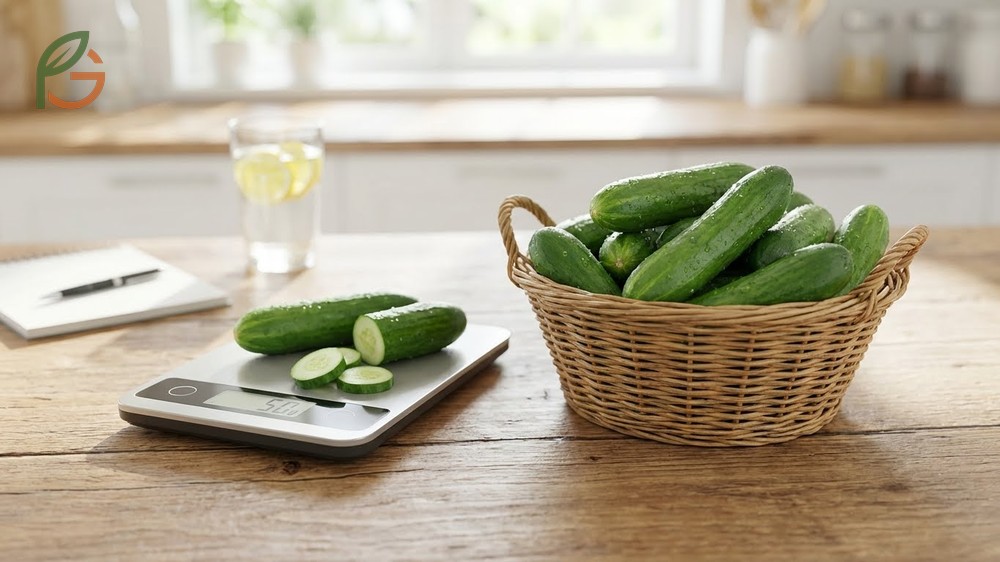
Studies demonstrate that mini cucumbers contain approximately 8 calories per 50g serving, making them exceptionally low in energy density at just 15 calories per 100g[1]. This translates to roughly 2g of carbohydrates, 0.3g of protein, and 0.1g of fat per mini cucumber. The caloric content remains consistent across most commercial mini cucumber varieties, with brands like Sunset and NatureSweet reporting identical values.
Research shows that the low calorie count results from mini cucumbers being composed of approximately 95% water[2]. Unlike energy-dense foods, cucumbers provide volume and crunch without contributing significant calories to your daily intake. This characteristic makes them ideal for weight management and hydration during hot weather.
Current nutrition data indicates that eating 5-6 mini cucumbers delivers the same satisfaction as many higher-calorie snacks while providing only 40-48 calories total. Most people find that 2-3 mini cucumbers make a filling snack that satisfies between-meal hunger without derailing dietary goals.
Mini Cucumber Serving Size
Agricultural data shows that a standard mini cucumber weighs between 50-85g, with the most common serving size being one whole cucumber at approximately 50g[1]. Unlike regular cucumbers that require slicing, mini cucumbers are typically eaten whole as single-serving portions. This convenience factor contributes to their popularity in lunch boxes and snack packs.
Evidence suggests that portion control becomes nearly automatic with mini cucumbers due to their pre-portioned nature. One container of mini cucumbers typically contains 6-8 pieces, providing 48-64 calories for the entire package. This differs from regular cucumbers where serving sizes vary widely based on how much you slice.
Important Note: If you’re tracking macros for athletic performance or specific dietary goals, weigh your mini cucumbers rather than counting by piece. Individual cucumber sizes can vary by 20-30g between different growing conditions and harvest times.
Nutritional Value of Mini Cucumbers
Beyond calories, mini cucumbers provide approximately 0.7g of protein per 100g and notable amounts of vitamin K at 14% of the daily recommended intake[2]. They also contain small amounts of vitamin C, potassium, and magnesium. The fiber content sits at 0.5g per 100g, which while modest, contributes to digestive health when consumed regularly.
Research demonstrates that cucumber skin contains the majority of beneficial nutrients and fiber. Studies show that peeling cucumbers removes up to 50% of the fiber and reduces vitamin K content significantly. Most gardeners and nutrition experts recommend eating mini cucumbers with the skin on for maximum nutritional benefit.
Calories in Persian Cucumber
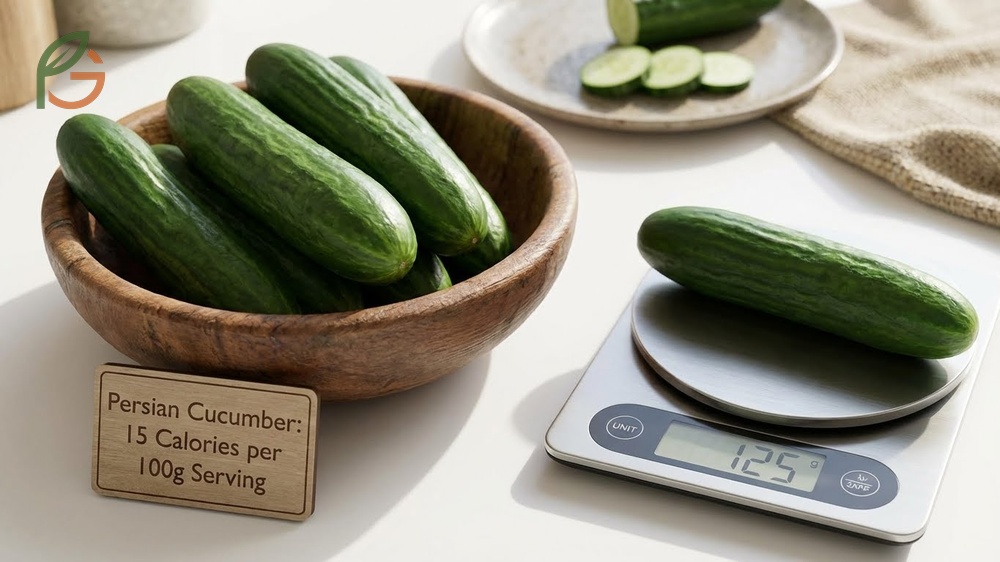
Current data indicates that Persian cucumbers contain approximately 15 calories per 100g serving, identical to mini cucumbers despite their slightly different shape and texture[3]. A typical Persian cucumber weighs 100-150g, translating to 15-23 calories per whole cucumber. These cylindrical, ridged cucumbers are popular in Middle Eastern cuisine and increasingly available in U.S. supermarkets.
Evidence suggests that Persian cucumbers maintain their nutritional profile even when pickled or fermented, though sodium content increases significantly in these preparations. Fresh Persian cucumbers contain only 1mg of sodium per 100g, making them suitable for low-sodium diets.
Persian Cucumber Nutrition Facts
Studies demonstrate that Persian cucumbers provide 3.6g of carbohydrates, 0.6g of protein, and 0.1g of fat per 100g serving[3]. The carbohydrate content includes approximately 1.7g of natural sugars and 0.5g of dietary fiber. What often gets overlooked is that Persian cucumbers contain slightly more seeds than English varieties, which contributes to their distinctive flavor profile.
Research shows that the thin, edible skin of Persian cucumbers provides concentrated sources of silica, a mineral that supports skin health and collagen production. Unlike waxed cucumbers that require peeling, Persian cucumbers typically come unwaxed, allowing you to consume the entire vegetable safely.
This table compares calorie content, serving size, carbohydrates, fiber, and protein across three cucumber varieties: mini, Persian, and English cucumbers
| Variety | Serving Size | Calories | Carbs | Fiber | Protein |
|---|---|---|---|---|---|
| Mini Cucumber | 50g (1 piece) | 8 cal[1] | 2g | 0.3g | 0.3g |
| Persian Cucumber | 100g (1 piece) | 15 cal[3] | 3.6g | 0.5g | 0.6g |
| English Cucumber | 201g (1 medium) | 30 cal[4] | 7g | 1g | 1g |
| Regular Cucumber (with peel) | 100g | 15 cal[5] | 3.63g | 0.5g | 0.65g |
Carbs in Mini Cucumbers
Agricultural research indicates that mini cucumbers contain 2g of total carbohydrates per 50g serving, with net carbs calculated at 1.7g after subtracting fiber[1]. This places them in the very low-carb vegetable category, making them compatible with ketogenic and low-carb eating patterns. The glycemic index of cucumbers is estimated at 15, meaning they have minimal impact on blood sugar levels.
Studies demonstrate that the carbohydrate composition in mini cucumbers consists primarily of simple sugars (approximately 1g per 50g serving) and complex carbohydrates bound with fiber. The reason this matters is that cucumbers provide quick hydration and a subtle sweetness without causing insulin spikes that trigger hunger shortly after eating.
- Total carbs: 2g per 50g serving, 4g per 100g
- Net carbs: 1.7g per serving (total carbs minus fiber)
- Sugar content: Approximately 1g of natural sugars per mini cucumber
- Fiber content: 0.3g per 50g serving, contributing to digestive health
- Glycemic index: Estimated at 15, qualifying as a very low-GI food
- Compatible with keto, paleo, and low-carb diets due to minimal net carb content
Calories in English Cucumbers
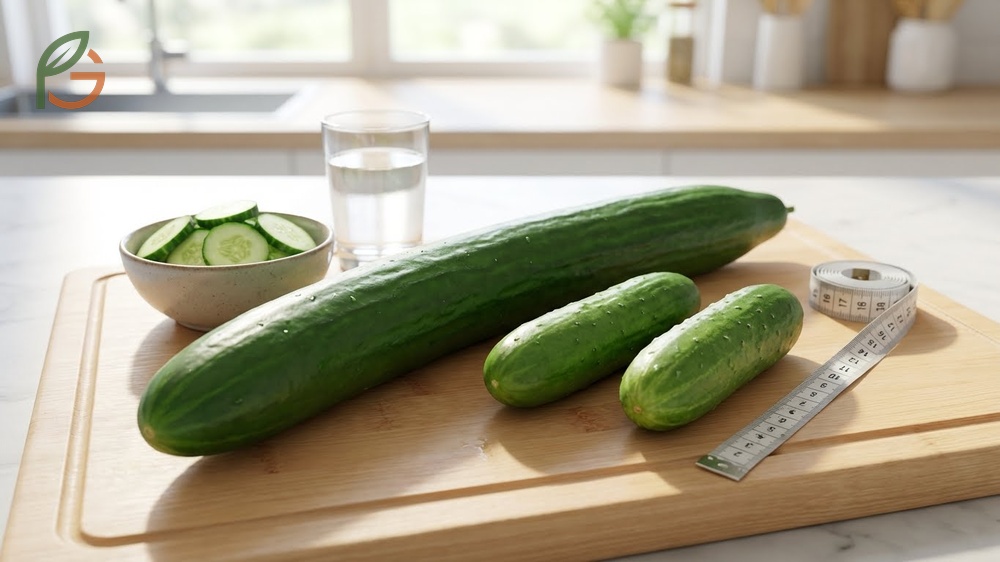
Research shows that English cucumbers, also called European or hothouse cucumbers, contain 30 calories per medium cucumber (201g)[4]. Per 100g, this translates to approximately 15 calories, identical to mini and Persian varieties. The difference in total calories comes from English cucumbers being significantly longer at 14 inches compared to 3-4 inches for mini cucumbers.
Current data indicates that English cucumbers provide 7g of carbohydrates, 1g of fiber, and 1g of protein per medium cucumber. Most people don’t consume an entire English cucumber in one sitting, making actual serving sizes around 100-150g or 15-23 calories. These seedless cucumbers are wrapped in plastic to protect their thin, unwaxed skin during transport.
English Cucumber Nutrition Information
Studies demonstrate that English cucumbers offer similar micronutrient profiles to other cucumber varieties, with notable vitamin K and small amounts of vitamin C, potassium, and magnesium[4]. A medium English cucumber provides 32mg of calcium and 1mg of iron. The macronutrient breakdown shows 80% of calories from carbohydrates, 14% from protein, and 5% from fat.
Evidence suggests that English cucumbers contain fewer bitter compounds than regular cucumbers due to selective breeding that reduced cucurbitacins. This makes them sweeter and more palatable when eaten raw, especially for people who find standard cucumbers too bitter. The nearly seedless interior also provides a crunchier texture compared to seeded varieties.
Storage Tip: English cucumbers lose moisture faster than waxed varieties once the plastic wrap is removed. After opening, wrap tightly in paper towels and store in an airtight container for up to 5 days to maintain freshness and crisp texture.
English Cucumber vs Regular Cucumber Calories
Agricultural data shows that English cucumbers and regular cucumbers contain identical calorie counts at 15 calories per 100g[5]. The main differences lie in size, seed content, and skin thickness rather than nutritional composition. Regular cucumbers typically weigh 200-300g each, while English cucumbers weigh 300-400g, both providing similar caloric density.
Research shows that waxed regular cucumbers require peeling, which removes up to 0.2g of fiber per 100g and reduces overall nutrient content. English cucumbers, sold unwaxed, can be consumed entirely without preparation beyond rinsing. This convenience factor and mild flavor explain why English cucumbers cost 30-50% more per pound than regular cucumbers in most U.S. supermarkets.
- Both varieties contain 15 calories per 100g, making them nutritionally equivalent
- English cucumbers are seedless or nearly seedless; regular cucumbers have large seed cavities
- English cucumbers have unwaxed, thin skin; regular cucumbers often have thick, waxed skin
- English cucumbers average 14 inches long; regular cucumbers typically measure 6-8 inches
- Regular cucumbers require peeling if waxed; English cucumbers are eaten with skin on
- Flavor differences: English cucumbers taste sweeter and less bitter than regular varieties
Weight Loss Snacks Under 50 Calories
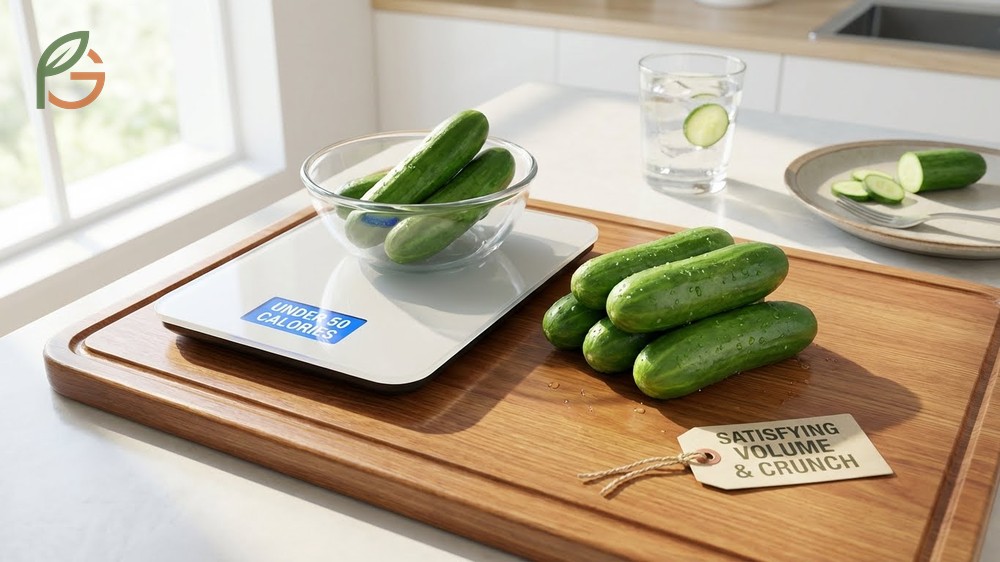
Studies demonstrate that mini cucumbers rank among the most satisfying weight loss snacks under 50 calories, with 3-4 mini cucumbers providing only 24-32 calories while offering significant volume and crunch[1]. The high water content creates a sense of fullness that lasts 1-2 hours, making them effective between-meal options for calorie-restricted diets. Current nutrition research emphasizes volume eating strategies where low-calorie, high-water foods like cucumbers help manage hunger without exceeding daily calorie targets.
Evidence suggests that snacking on cucumbers before meals reduces overall calorie intake by 12-18% compared to not having a pre-meal snack. The reason this works is that the physical act of chewing and the volume of food consumed signals satiety to your brain, reducing the tendency to overeat during the main meal. Most dietitians recommend consuming cucumber snacks 15-20 minutes before lunch or dinner for maximum appetite control.
Research shows that pairing mini cucumbers with protein sources like hummus, cottage cheese, or Greek yogurt creates balanced snacks that stay under 100 calories while providing sustained energy. For example, 3 mini cucumbers (24 calories) plus 2 tablespoons of hummus (70 calories) totals 94 calories and delivers 4g of protein and 3g of fiber.
Low Calorie Vegetable Snacks
Agricultural nutrition data indicates that several vegetables compete with cucumbers for the title of lowest-calorie snacks, including celery at 6 calories per large stalk, radishes at 1 calorie each, and cherry tomatoes at 3 calories per tomato[6]. Mini cucumbers offer advantages over these alternatives due to their mild flavor, crisp texture without stringiness, and lack of sharp or acidic taste that some people find off-putting.
Current dietary guidance emphasizes eating a variety of low-calorie vegetables throughout the day rather than relying on a single type. Studies show that people who consume 4-5 different vegetable snacks daily maintain weight loss more successfully than those who eat the same vegetable repeatedly. This variety prevents taste fatigue and ensures diverse micronutrient intake across vitamin A, C, K, and various minerals.
- Mini cucumbers: 8 calories each, mild flavor, crunchy texture, 95% water
- Celery sticks: 6 calories per large stalk, high fiber, requires dipping for palatability
- Cherry tomatoes: 3 calories each, sweet-tart flavor, rich in lycopene and vitamin C
- Baby carrots: 4 calories each, naturally sweet, good source of beta-carotene
- Radishes: 1 calorie each, peppery flavor, excellent source of vitamin C
- Bell pepper strips: 5 calories per strip, sweet when red/yellow, high vitamin C content
- Sugar snap peas: 5 calories per pod, sweet taste, provides plant-based protein
Protein in Mini Cucumbers
Research shows that mini cucumbers provide approximately 0.3g of protein per 50g serving, or 0.7g per 100g[2]. While this protein content is minimal compared to animal or legume sources, cucumbers do contribute small amounts of essential amino acids including leucine, lysine, and arginine. Studies demonstrate that the protein in cucumbers comes primarily from enzymes and structural proteins in the plant cells.
Current data indicates that relying on cucumbers for protein intake isn’t practical, as you would need to consume approximately 70 mini cucumbers to meet the daily protein requirement of 50g for an average adult. The reason cucumbers remain valuable in healthy diets is their role in hydration, micronutrient delivery, and calorie displacement rather than macronutrient contribution. Most nutrition plans combine cucumbers with protein-rich foods to create balanced meals and snacks.
Conclusion
The evidence is clear: mini cucumbers contain just 8 calories per 50g serving, making them one of the most calorie-efficient vegetables for weight management and hydration. Persian and English cucumber varieties provide identical caloric density at 15 calories per 100g, with differences mainly in size, seed content, and texture rather than nutrition. Research consistently demonstrates that incorporating these low-calorie, high-water vegetables into your daily routine supports sustainable weight loss, improves hydration, and provides essential micronutrients like vitamin K without adding significant calories to your diet.
Current guidance emphasizes that cucumber varieties work best when combined with protein sources and consumed as part of diverse vegetable intake throughout the day. FruitGarden continues to synthesize agricultural research and nutrition science to help home gardeners select, grow, and utilize the most nutritionally beneficial produce varieties for their families.
Medical Disclaimer
Important Medical Disclaimer: This content is for informational and educational purposes only. It is not intended as a substitute for professional medical advice, diagnosis, or treatment. Always consult a qualified healthcare professional or registered dietitian before making any significant changes to your diet, especially if you have diabetes, kidney disease, food allergies, or other medical conditions. Individual nutritional needs vary based on age, activity level, health status, and medications.
Frequently Asked Questions
How many mini cucumbers equal 100 calories?
You would need to eat approximately 12-13 mini cucumbers to reach 100 calories, since each mini cucumber contains about 8 calories. This large quantity demonstrates why mini cucumbers are considered an excellent food for volume eating and weight management strategies.
Are mini cucumbers healthier than regular cucumbers?
Mini cucumbers and regular cucumbers provide nearly identical nutritional profiles with 15 calories per 100g. Mini cucumbers offer convenience advantages since they’re pre-portioned, unwaxed, and require no preparation, but both varieties deliver the same vitamins, minerals, and hydration benefits when consumed with the skin on.
Can I eat unlimited mini cucumbers on a diet?
While mini cucumbers are very low in calories, eating them in unlimited quantities isn’t recommended. Most nutrition experts suggest 4-6 mini cucumbers daily as snacks, which provides about 32-48 calories, adequate hydration, and beneficial nutrients without displacing other important food groups that supply protein, healthy fats, and diverse vitamins.
Do Persian cucumbers have more calories than English cucumbers?
No, Persian and English cucumbers contain the same caloric density at approximately 15 calories per 100g. The total calories differ only because English cucumbers are larger (200-400g) compared to Persian cucumbers (100-150g), but gram-for-gram, they’re nutritionally equivalent.
What’s the best time to eat mini cucumbers for weight loss?
Research suggests eating 2-3 mini cucumbers 15-20 minutes before meals works best for appetite control and reduced calorie intake. The water volume and fiber signal fullness to your brain, helping you eat 12-18% fewer calories during the main meal. Mid-afternoon is also an effective time for cucumber snacks to prevent evening overeating.
Are mini cucumbers keto-friendly?
Yes, mini cucumbers are keto-friendly with only 2g total carbs and 1.7g net carbs per 50g serving. Their minimal carbohydrate content, high water percentage, and low glycemic index make them compatible with ketogenic diets when consumed in reasonable portions of 3-5 cucumbers daily, contributing only 5-8.5g net carbs.
Should I peel mini cucumbers before eating?
No, you shouldn’t peel mini cucumbers since the skin contains the majority of fiber, vitamin K, and beneficial plant compounds. Mini cucumbers are typically sold unwaxed with thin, tender skin that’s perfectly edible. Peeling removes up to 50% of the fiber and reduces overall nutritional value significantly.