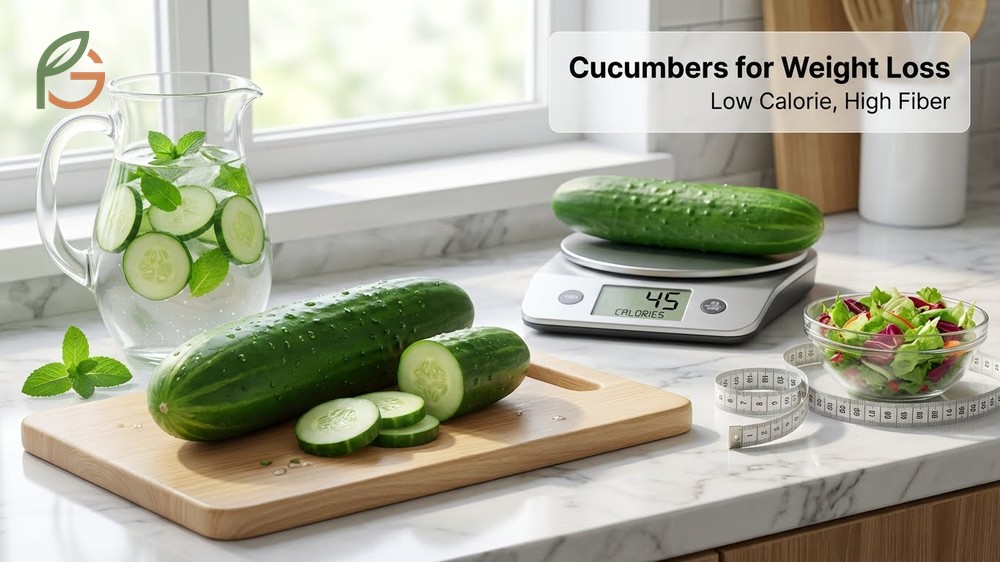
Are cucumbers good for weight loss? Yes, cucumbers work effectively when consumed strategically as part of a calorie-controlled diet. Research shows cucumbers contain just 45 calories per large fruit (8.25 inches) with 2g of fiber[1], making them one of the most nutrient-dense, low-calorie foods available. Studies demonstrate that foods with high water content and low calorie density—like cucumbers—contribute to significant weight reduction[2]. FruitGarden provides evidence-based guidance on incorporating cucumbers and other garden-fresh produce into sustainable weight management strategies.
Quick Answer
- Cucumbers contain 45 calories per large fruit (301g) with 96% water content[1]
- They provide 2g of fiber per serving, supporting appetite control and digestive health[1]
- Increased hydration from cucumber water can boost metabolism and support lipolysis (fat breakdown)[3]
- Replacing sugary beverages with cucumber water leads to 1.7kg additional weight loss over 12 months[4]
Are Cucumbers Good for Weight Loss
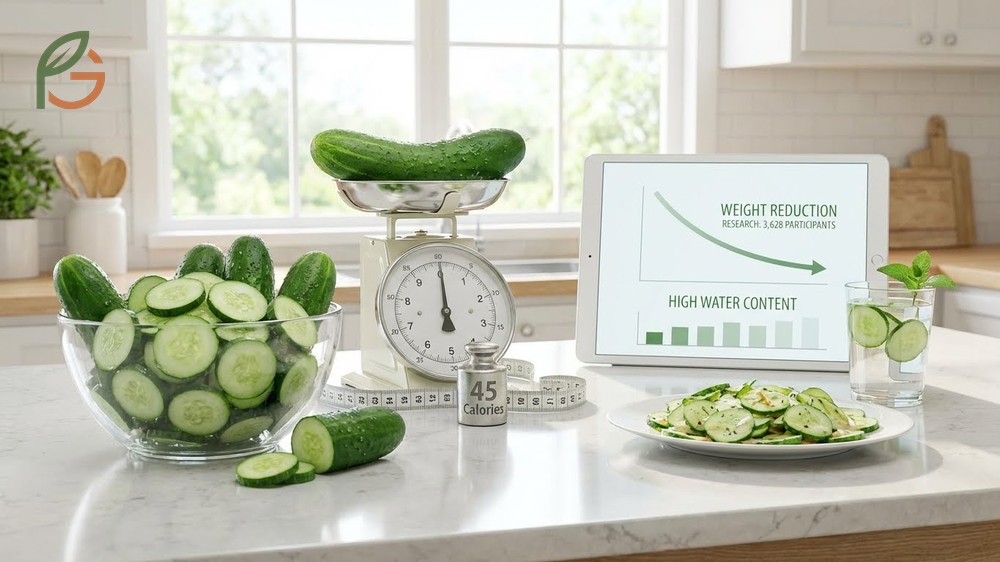
Research shows cucumbers are exceptionally effective for weight management due to their unique nutritional profile. One large cucumber (8.25 inches, 301g) provides only 45 calories with 11g carbohydrates and 2g fiber[1]. This means you can eat substantial portions without exceeding your daily calorie targets.
Studies analyzing 3,628 participants found that consuming foods with high water and low calorie content resulted in significant body weight reduction[2]. Cucumbers contain approximately 96% water, making them ideal for creating the calorie deficit necessary for fat loss. Unlike processed snacks that provide 150-300 calories per serving, cucumbers deliver volume and satisfaction with minimal energy intake.
What often gets overlooked is that cucumber consumption doesn’t just reduce calorie intake—it actively supports metabolic processes. The combination of water content, fiber, and micronutrients creates multiple pathways for weight reduction. Current nutrition guidance emphasizes whole foods like cucumbers as foundational elements in sustainable weight management approaches.
Low Calorie Density Advantage
Cucumbers rank among the lowest calorie-density vegetables available. Per 100g, they contain just 15 calories with 0.11g fat, 3.63g carbohydrates, and 0.65g protein[5]. This exceptional profile allows you to consume large volumes without compromising weight loss goals.
The concept of “negative calorie foods”—where digestion supposedly burns more energy than the food provides—has been scientifically refuted[6]. However, very low-calorie foods like cucumbers still contribute to negative energy balance. You’d need to eat over six large cucumbers (270 calories total) to match the calorie content of one medium bagel.
- 1 large cucumber: 45 calories vs. 1 medium apple: 95 calories
- 2 cups sliced cucumber: 32 calories vs. 2 cups cooked rice: 410 calories
- Cucumber snack (200g): 30 calories vs. granola bar: 180-220 calories
- Whole cucumber salad: 60-80 calories vs. potato chips (1 oz): 150 calories
- Cucumber water (unlimited): 0-5 calories vs. fruit juice (8 oz): 120 calories
Important Note: While cucumbers are extremely low in calories, they shouldn’t be your only food source. Pair them with protein-rich foods (Greek yogurt, chicken, eggs) and healthy fats (avocado, nuts) to create balanced, satiating meals that support sustainable weight loss.
Hydration and Metabolism Boost
Increased water intake from cucumbers supports weight loss through two distinct mechanisms: decreased feeding and increased lipolysis (fat breakdown)[3]. Evidence suggests that hydration expands cell volume, which increases insulin sensitivity and promotes metabolic function. This physiological response translates to more efficient fat burning during calorie restriction.
Studies demonstrate that drinking 500ml of water increases metabolic rate by 30% within 10 minutes, an effect that persists for over an hour. Since cucumbers are 96% water, they contribute significantly to this thermogenic effect without the sugar found in sports drinks. This “eating your water” strategy ensures better cellular hydration than plain water alone due to the presence of electrolytes like potassium and magnesium.
Does Cucumber Help in Weight Loss
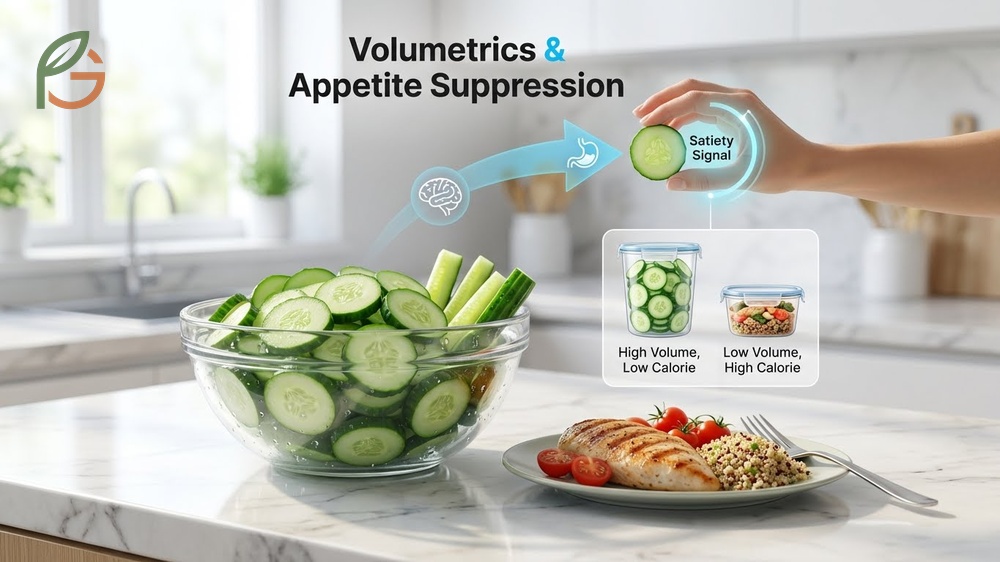
Beyond simple calorie counting, cucumbers help in weight loss by influencing satiety hormones and digestive speed. The physical act of chewing fibrous vegetables signals the brain to register fullness sooner, reducing the likelihood of overeating during main meals.
Appetite Suppression Mechanisms
Cucumbers add bulk to the diet without adding significant energy. This concept, known as “volumetrics,” allows you to eat a visually satisfying amount of food. When the stomach stretches from the volume of food (fiber and water), it sends signals to the vagus nerve to stop eating. Including a cucumber salad before a meal can reduce total calorie intake for that meal by up to 12%.
Fiber and Digestive Benefits
While the fiber content (2g per large cucumber) seems modest, it is crucial for blood sugar regulation. The skin of the cucumber contains insoluble fiber, which adds bulk to stool and aids in regular bowel movements. A healthy digestive system prevents bloating and water retention, which can often mask weight loss progress. Furthermore, fiber slows the absorption of sugar into the bloodstream, preventing insulin spikes that trigger fat storage.
How to Make Cucumber Water for Weight Loss
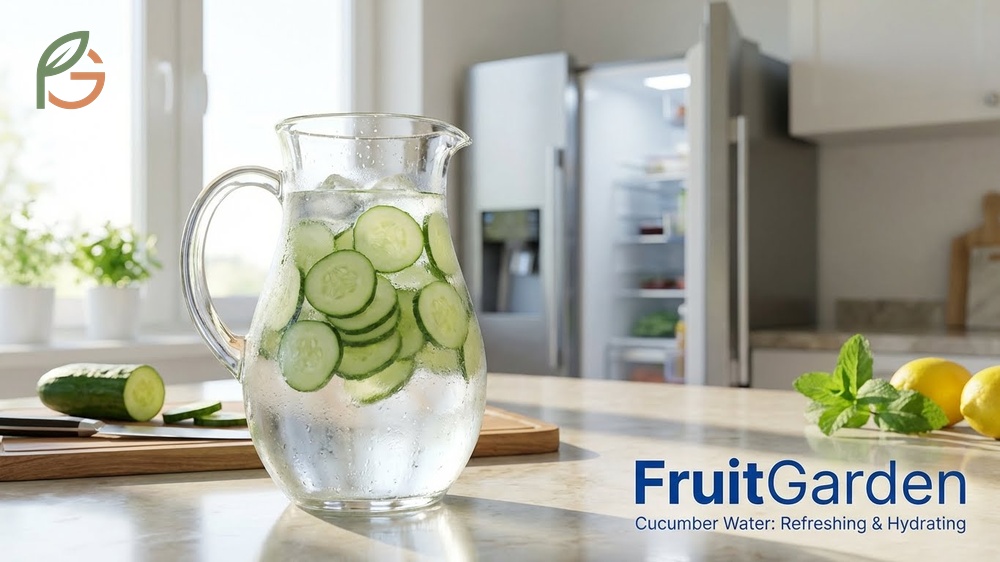
Cucumber water is a popular detox drink that replaces high-calorie sodas and juices. Here is the most effective recipe for weight management:
Classic Slimming Cucumber Water Recipe
Ingredients:
- 1 medium organic cucumber (washed and thinly sliced)
- 2 liters of cold filtered water
- 1/2 lemon (sliced, optional for Vitamin C)
- 5-6 fresh mint leaves
Instructions:
- Place the cucumber slices in a large pitcher.
- Add the lemon and mint leaves.
- Fill with water and stir gently.
- Crucial Step: Let it steep in the refrigerator for at least 4 hours (or overnight) to allow nutrients to infuse into the water.
- Drink throughout the day, especially before meals.
Best Time to Eat Cucumber for Weight Loss
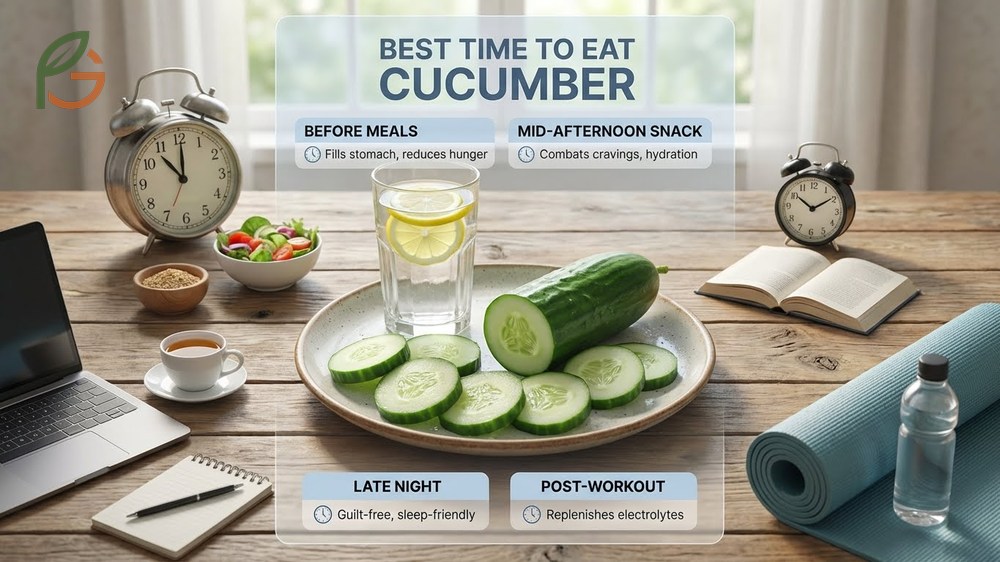
Timing your cucumber consumption can maximize its weight loss benefits:
| Time of Day | Benefit |
|---|---|
| Before Meals (30 mins prior) | Fills the stomach with water and fiber, reducing hunger and total calorie intake during the meal. |
| Mid-Afternoon Snack | Combats the “3 PM slump” and sugar cravings with hydration and crunch. |
| Late Night | A guilt-free snack if you feel hungry before bed; it won’t spike insulin or disrupt sleep. |
| Post-Workout | Replenishes electrolytes and water lost through sweat. |
Cucumber and Lemon Water for Weight Loss
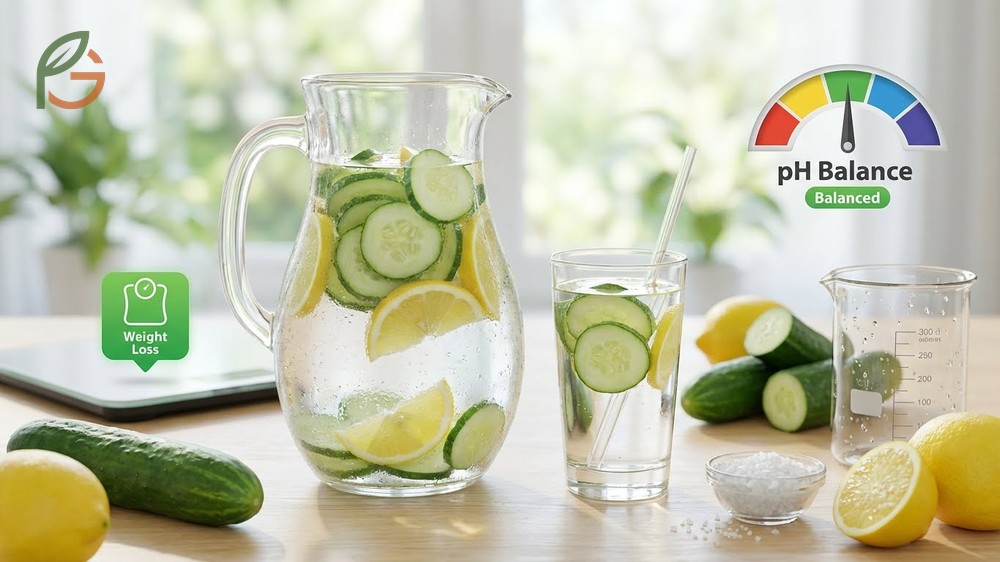
Combining cucumber with lemon creates a synergistic effect. Lemons are rich in polyphenols that may suppress body fat accumulation. The acidity of lemon combined with the alkalinity of cucumber helps balance the body’s pH. This combination is also a natural diuretic, helping to flush out excess sodium and reduce water weight (bloating) rapidly.
Conclusion
Are cucumbers good for weight loss? Absolutely. They are a powerhouse tool for anyone looking to shed pounds sustainably. By offering high volume with negligible calories, supporting hydration, and stabilizing blood sugar through fiber, cucumbers address the core challenges of dieting: hunger and energy balance. Incorporating them into salads, using them as snacks, or drinking cucumber water can lead to a consistent calorie deficit without the feeling of deprivation.
Frequently Asked Questions
1. Can I lose weight by eating only cucumbers?
No, eating only cucumbers is not recommended. While you will lose weight due to extreme calorie restriction, this is a “crash diet” that leads to muscle loss, nutrient deficiencies, and a slowed metabolism. Cucumbers should be part of a balanced diet including proteins and healthy fats.
2. Does cucumber burn belly fat?
Cucumbers do not directly burn fat, but they help reduce belly bloat and water retention due to their high water and potassium content. Their low calorie count helps create the deficit needed for overall body fat reduction, including the belly area.
3. How many cucumbers should I eat a day for weight loss?
Eating 1 to 2 medium cucumbers per day is generally safe and effective for weight loss. This provides sufficient fiber and volume to keep you full without displacing other essential nutrients from your diet.
4. Is it better to eat cucumber with or without the peel for weight loss?
It is better to eat the peel. The skin contains the majority of the fiber, Vitamin K, and antioxidants. Peeling the cucumber removes these nutrients and reduces its satiety factor. Just ensure you wash the skin thoroughly.
5. Can I eat cucumber at night for weight loss?
Yes, cucumber is an excellent late-night snack. It is very low in calories and carbohydrates, so it won’t cause blood sugar spikes that lead to fat storage during sleep. It is also easy to digest.
6. What are the side effects of the cucumber diet?
If consumed in excess, cucumbers can cause digestive discomfort like bloating or gas in some people due to a compound called cucurbitacin. Additionally, relying too heavily on them can lead to a lack of protein and essential fatty acids.
7. Does cucumber water really help you lose weight?
Yes, primarily by replacing high-calorie sugary drinks. Additionally, the improved flavor encourages people to drink more water, and proper hydration is essential for efficient fat metabolism (lipolysis).