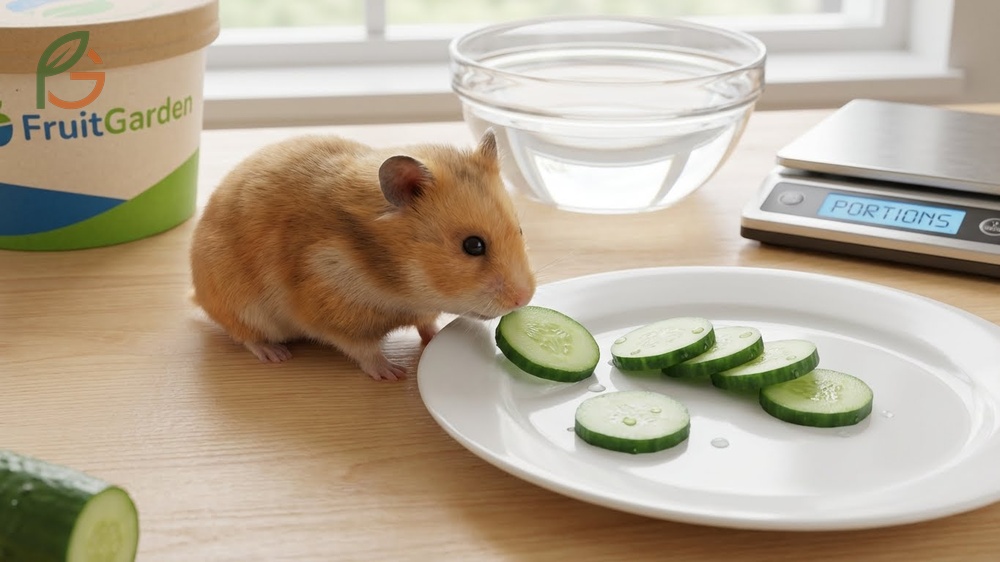
Can hamsters eat cucumbers? Yes, they can safely enjoy this hydrating vegetable when you follow proper portion guidelines. Research shows that cucumbers are 95% water and extremely low in calories, making them an excellent treat for all hamster species[1]. At FruitGarden, we synthesize veterinary research and hamster nutrition data to help pet owners make informed feeding decisions.
Quick Answer
Can Hamsters Eat Cucumbers
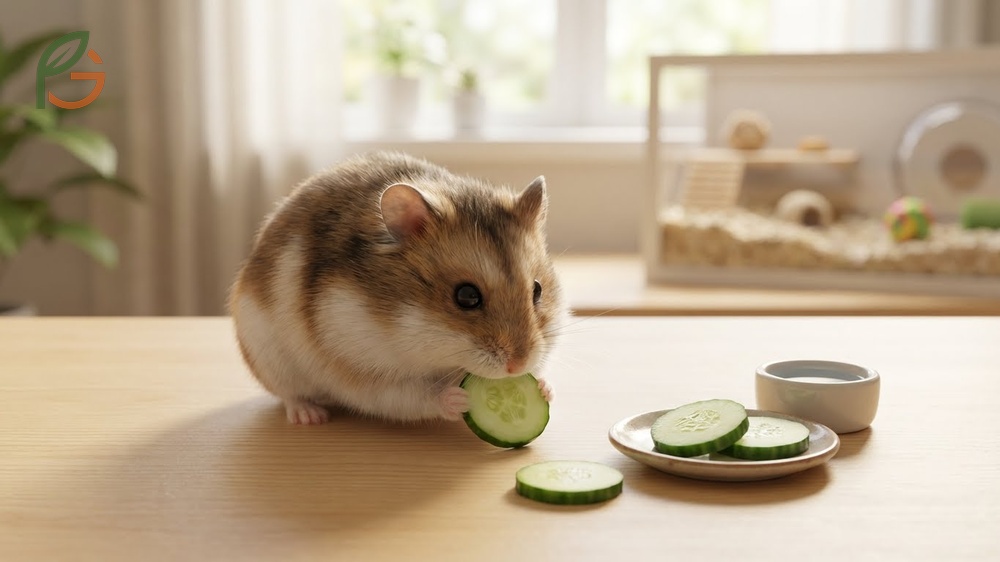
Cucumbers are completely safe for all hamster species when you serve them in appropriate amounts. The vegetable contains only 1.67g of sugar per 100g, making it one of the lowest-sugar options available[1]. This low sugar content means even dwarf hamsters prone to diabetes can enjoy cucumber treats without significant blood sugar spikes.
Studies show that cucumber’s extremely high water content makes it particularly useful during hot weather or when hamsters need extra hydration[2]. However, this same characteristic requires careful portion control. What many pet owners don’t realize is that cucumber’s water content can work against you if portions are too large.
The key to successful cucumber feeding lies in understanding your hamster’s digestive system. Unlike humans, hamsters have sensitive stomachs that can’t handle excessive water intake from food sources. Research demonstrates that overfeeding watery vegetables leads to diarrhea and can flush essential vitamins from their system[3].
Nutritional Benefits for Hamsters
Cucumbers provide several valuable nutrients that support hamster health. They’re rich in vitamin K, which helps with blood clotting and bone metabolism. The vegetable also contains vitamin A for eye health and immune function.
Research shows cucumbers deliver potassium and silica, minerals that support heart function and fur quality[3]. The fiber content, while modest, helps maintain healthy digestive function when balanced with other vegetables.
- Vitamin K supports blood clotting and bone strength
- Vitamin A promotes healthy vision and immune response
- Potassium maintains proper heart function and muscle control
- Silica improves fur texture and skin health
- Dietary fiber aids digestive system regularity
- Low calorie content prevents obesity in small pets
Potential Risks and Precautions
The primary risk with cucumber feeding is digestive upset from excessive water intake. Hamsters can develop loose stools or diarrhea when they consume too much cucumber in a single serving[2]. This becomes particularly dangerous because dehydration from diarrhea can progress rapidly in such small animals.
Choking presents another concern if you don’t cut cucumber pieces small enough. Large chunks or thick slices can block a hamster’s airway, especially in younger or smaller individuals. Current veterinary guidance emphasizes cutting all vegetables into bite-sized pieces appropriate for your hamster’s species and age[3].
Important Note: If you’re introducing cucumber for the first time, start with half the recommended portion and monitor your hamster for 24 hours. Watch for changes in stool consistency, reduced appetite, or unusual lethargy.
Safe Portions and Preparation Methods
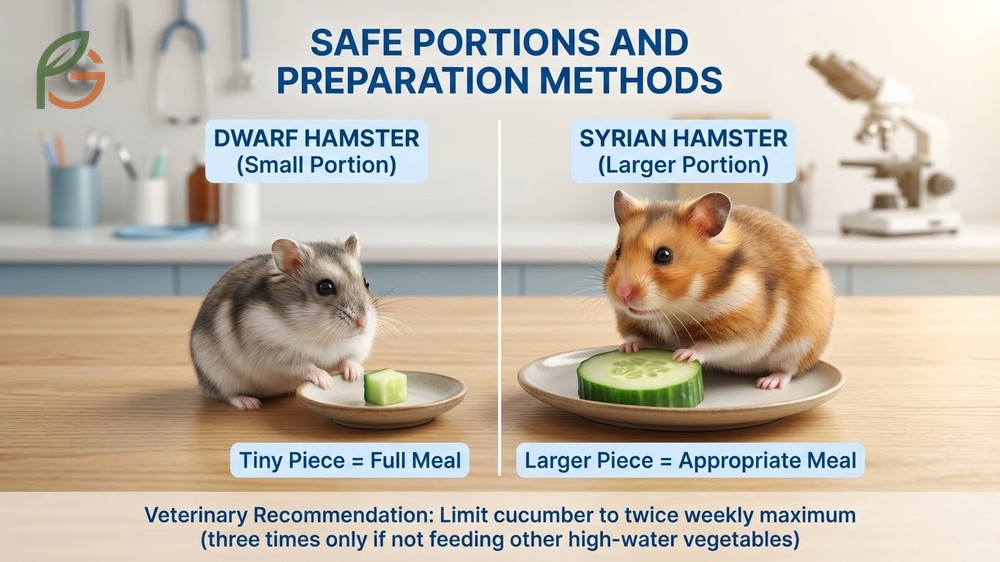
Proper portioning prevents digestive problems while maximizing nutritional benefits. The size difference between hamster species matters significantly because dwarf hamsters weigh 30-50% less than Syrian hamsters. What seems like a small piece to you can be a full meal for a dwarf hamster.
Veterinary research recommends limiting cucumber to twice weekly maximum, with three times weekly only if you’re not feeding other high-water vegetables[4]. Most hamster owners find success with a Monday-Thursday schedule, giving the digestive system time to process between servings.
Species-Specific Portion Guidelines
Different hamster breeds require different portion sizes due to variations in body weight, metabolism, and disease susceptibility. Syrian hamsters can handle larger portions because they’re naturally larger and have lower diabetes risk compared to dwarf species.
This table compares recommended cucumber portion sizes, feeding frequency, and special considerations across five hamster species from Syrian to Chinese hamsters
| Species | Portion Size | Weekly Frequency | Special Notes |
|---|---|---|---|
| Syrian Hamster | 1/4 inch slice[1] | 2-3 times | Can tolerate slightly larger portions |
| Roborovski Dwarf | 1/8 inch slice[1] | 2 times maximum | Smallest species, needs tiniest portions |
| Campbell’s Dwarf | 1/8 inch slice[1] | 2 times | High diabetes risk, limit all sugary foods |
| Winter White Dwarf | 1/8 inch slice[1] | 2 times | Prone to diabetes, monitor closely |
| Chinese Hamster | 1/8 inch slice[1] | 2 times | Similar needs to other dwarf species |
Proper Preparation Steps
Proper cucumber preparation reduces contamination risks and makes pieces easier for hamsters to handle. Always start with fresh, firm cucumbers without soft spots or discoloration. Organic cucumbers are ideal because you can leave the nutrient-rich peel intact.
The preparation process shouldn’t take more than two minutes but can prevent serious health issues. Research shows that pesticide residues on conventional produce can accumulate in small animals and cause organ damage over time[5].
- Rinse cucumber under cool running water for 30 seconds, rubbing the surface
- Peel the skin if using non-organic cucumbers to remove pesticide residue
- Cut a thin slice appropriate for your hamster’s species size
- Remove any large seeds by scraping with a spoon edge
- Pat the piece dry with a paper towel to reduce excess moisture
- Serve immediately while fresh rather than storing cut pieces
Pro Tip: If your cucumber has a bitter taste, don’t feed it to your hamster. Bitter cucumbers contain elevated cucurbitacin levels, which can cause stomach upset in small animals.
Dwarf Hamster vs Syrian Diet
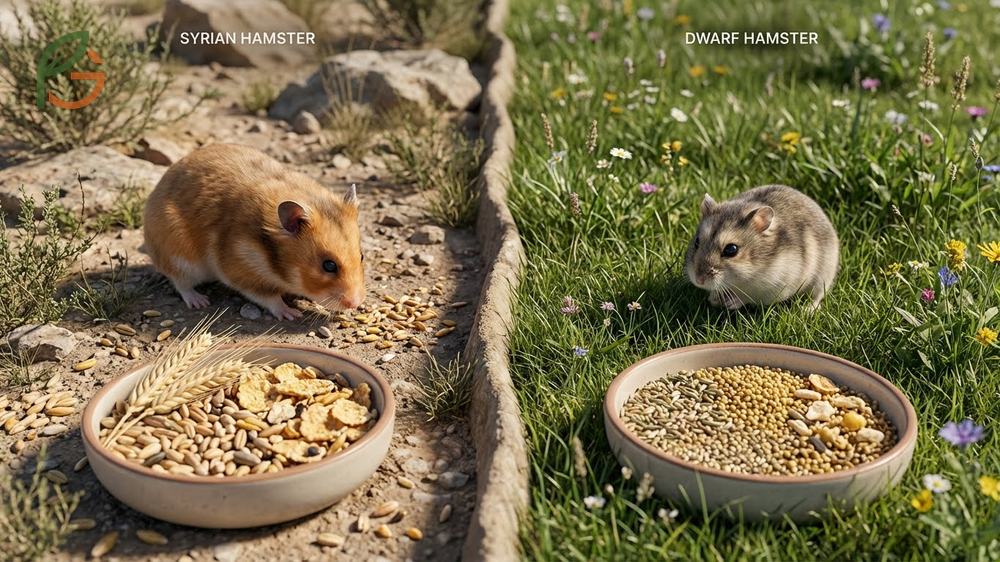
Syrian and dwarf hamsters evolved in different habitats and developed distinct dietary preferences. Syrian hamsters originated in semi-arid regions of Syria where they consumed more grains and cereals. Dwarf species evolved in grasslands where tiny grass seeds made up the bulk of their diet.
Research demonstrates that dwarf hamsters prefer diets with 60-70% small seeds and minimal cereals, while Syrian hamsters thrive on 40-50% grains with fewer tiny seeds[6]. This preference isn’t just about taste—it’s about digestive enzyme production and metabolic needs.
The most critical difference involves diabetes susceptibility. Campbell’s Dwarf, Winter White, and Chinese hamsters carry genetic predispositions for diabetes that Syrian hamsters don’t share. Current veterinary guidance recommends limiting fruit to once weekly maximum for dwarf species while Syrian hamsters can safely enjoy fruit 2-3 times weekly.
Portion sizes must reflect body weight differences. Syrian hamsters eat approximately 1 tablespoon of dry food daily compared to 1 teaspoon for dwarf hamsters[7]. This 3:1 ratio should guide all your treat portions, including vegetables like cucumber.
- Syrian hamsters tolerate higher grain content in their diet mix
- Dwarf hamsters need more small seeds like millet and flax
- Diabetes-prone dwarf species require minimal dried fruit and low sugar treats
- Syrian hamsters can consume 3x the vegetable portions of dwarf species
- Dwarf hamsters benefit from higher fat intake from seeds versus cereals
Foods Poisonous to Hamsters
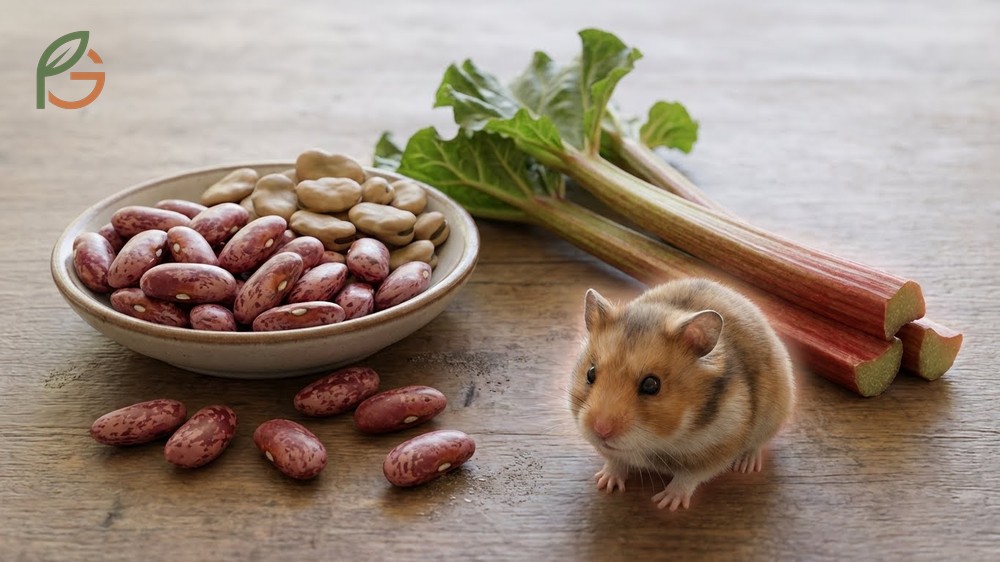
Several common foods that seem harmless can cause serious illness or death in hamsters. Raw potatoes and green potatoes contain solanine, a toxic compound that damages organs and causes neurological problems. Even small amounts can prove fatal[5].
Rhubarb leaves rank among the most dangerous foods because they’re loaded with oxalic acid that hamsters can’t metabolize. This compound causes kidney failure and can kill within 24-48 hours[5]. Even rhubarb stems contain enough oxalates to cause digestive distress.
Apple seeds and other fruit pits contain cyanogenic compounds that release cyanide when digested. While one seed won’t kill a hamster, repeated exposure builds up toxicity over time. Always remove all seeds and pits before offering any fruit.
- Raw or green potatoes (high solanine levels cause organ damage)
- Rhubarb leaves and stems (oxalic acid causes kidney failure)
- Raw garlic and onions (damages red blood cells, causes anemia)
- Apple seeds and fruit pits (contain cyanide-producing compounds)
- Bitter almonds (naturally contain cyanide)
- Uncooked beans (lectin content is highly toxic)
- Raw eggplant (solanine causes breathing difficulties)
- Tomato stems and leaves (solanine toxicity)
Hamster Treat Recipes
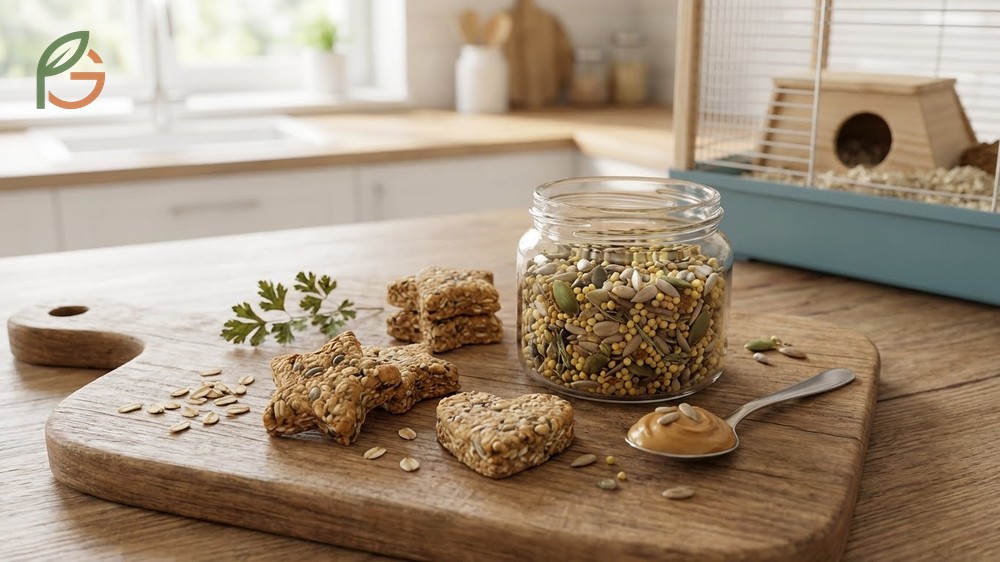
Homemade treats let you control ingredients and avoid the preservatives found in commercial options. Simple seed mixes provide the most natural treats because they mimic what hamsters forage in the wild. You can create nutritious treats in minutes using pantry staples.
The best recipes combine protein, healthy fats, and minimal sugars. Research shows hamsters respond better to treats that match their natural diet composition rather than sweet, fruit-heavy options[8]. Seed-based treats satisfy their foraging instincts while delivering essential fatty acids.
Crunchy Seed Mix: Combine 1/2 teaspoon each of unsalted sunflower seeds, pumpkin seeds, flax seeds, and sesame seeds. Mix thoroughly and serve 1 teaspoon twice weekly. This provides omega-3 fatty acids and protein without excessive calories.
Oat and Honey Bites: Mix 2 tablespoons rolled oats, 1 tablespoon crushed sugar-free Cheerios, 1 teaspoon sesame seeds, and 1/4 teaspoon honey. Roll into pea-sized balls. Offer one ball weekly as a special treat.
Veggie Medley: Finely chop equal parts cucumber, carrot, and bell pepper. Mix with a pinch of wheat germ. Serve 1/4 teaspoon for Syrian hamsters or 1/8 teaspoon for dwarf species twice weekly.
- No artificial preservatives or colorings
- Control sugar and fat content precisely
- Fresher ingredients than store-bought options
- Cost-effective for regular treat rotation
- Can customize for dietary restrictions and species needs
Wet Tail in Hamsters Causes
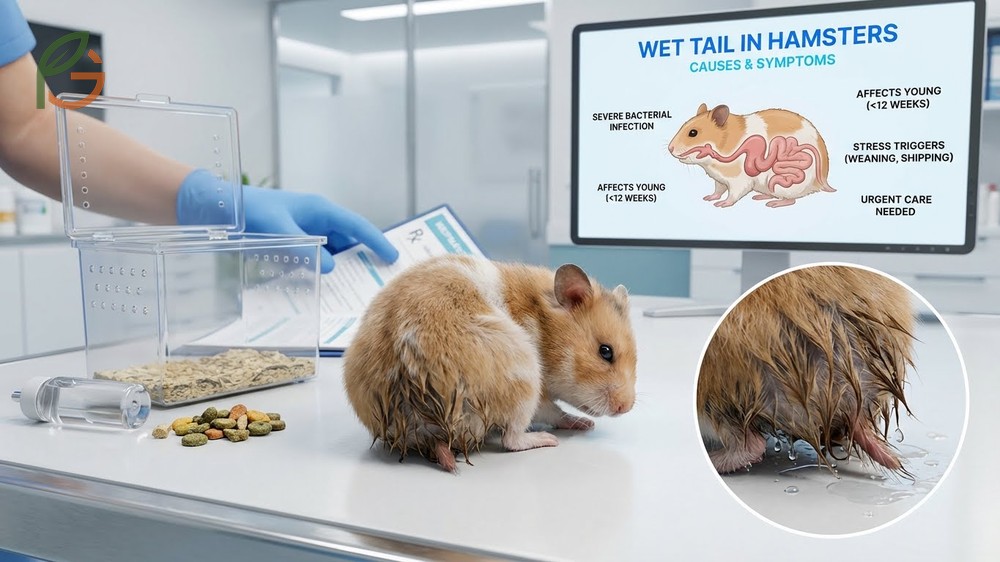
Wet tail is a severe bacterial infection that primarily affects young hamsters under 12 weeks old. The condition causes severe diarrhea, dehydration, and death within 24-72 hours if untreated[9]. The name comes from the constantly wet appearance of the hamster’s rear end from watery feces.
Stress triggers most wet tail cases, particularly stress from weaning, shipping, or rehoming. Research demonstrates that hamsters moved to new environments within the first 8 weeks of life face 5-10 times higher wet tail risk compared to older animals. Sudden diet changes compound this stress and disrupt gut bacteria balance.
Overfeeding watery vegetables like cucumber can contribute to conditions that mimic wet tail symptoms. While this isn’t true bacterial wet tail, the resulting diarrhea still causes dangerous dehydration. This is why veterinary guidance emphasizes gradual diet introductions and strict portion control for young hamsters.
- Weaning stress (most common in hamsters under 8 weeks old)
- Environmental changes from shipping or rehoming
- Sudden dietary changes that disrupt gut bacteria
- Overcrowding and poor cage hygiene
- Overfeeding watery foods that cause loose stools
- Secondary infections from weakened immune systems
Emergency Warning: If your hamster shows constant watery diarrhea, lethargy, hunched posture, and stops eating, seek veterinary care immediately. Wet tail progresses rapidly and requires antibiotic treatment within hours for survival.
Conclusion
The evidence is clear: can hamsters eat cucumbers safely when you follow species-appropriate portions and frequency guidelines. Syrian hamsters thrive with 1/4 inch slices while dwarf species need half that amount, served 2-3 times weekly maximum. Current veterinary guidance emphasizes the importance of treating cucumber as a supplemental treat rather than a dietary staple, balanced with species-appropriate seed mixes and varied vegetables.
FruitGarden combines agricultural research with pet nutrition science to help you make informed decisions about your hamster’s diet. Remember that individual hamsters may respond differently to new foods, so always monitor closely and adjust portions based on your pet’s digestive response.
Medical Disclaimer
Important Medical Disclaimer: This content is for informational and educational purposes only. It’s not intended as a substitute for professional veterinary advice, diagnosis, or treatment. Always consult a qualified exotic animal veterinarian before making any changes to your hamster’s diet or care routine, especially if your pet has existing health conditions or shows signs of illness. Different hamsters may have individual sensitivities or allergies that require specialized dietary management.
Frequently Asked Questions
Can Baby Hamsters Eat Cucumbers?
Baby hamsters under 4 weeks old shouldn’t eat cucumber or any solid vegetables. They need mother’s milk exclusively until weaning. After 4 weeks, you can introduce tiny cucumber pieces—half the normal portion size—once weekly. Monitor closely for digestive upset since young hamsters have more sensitive stomachs than adults.
Can Hamsters Eat Cucumber Skin?
Yes, hamsters can eat cucumber skin if the cucumber is organic and thoroughly washed. The skin contains additional nutrients and fiber. However, you should peel non-organic cucumbers to remove pesticide residues. If you notice your hamster leaving skin pieces uneaten, try peeling cucumbers regardless of organic status.
What Happens if My Hamster Eats Too Much Cucumber?
Excessive cucumber causes watery diarrhea, frequent urination, and potential dehydration. Your hamster may also show reduced appetite for regular food and appear lethargic. If this occurs, remove all fresh vegetables for 24 hours and provide only dry pellets and fresh water. Contact your veterinarian if diarrhea persists beyond 24 hours or if your hamster stops drinking.
Can Hamsters Eat Cucumber Seeds?
Small cucumber seeds are safe for hamsters to eat, but large seeds in oversized cucumbers can pose choking hazards. Remove any seeds larger than a sesame seed before serving. The tiny seeds in regular cucumbers don’t need removal since they’re soft and easily digestible.
Is Cucumber or Lettuce Better for Hamsters?
Cucumber is better than lettuce for hamsters because it offers more vitamins and minerals while having similar water content. Lettuce, especially iceberg lettuce, provides minimal nutrition and can cause diarrhea more easily. If choosing between the two, cucumber delivers more nutritional value per serving.
Can Hamsters Eat Pickles?
No, hamsters should never eat pickles. The high sodium content in pickled cucumbers can cause severe dehydration, kidney damage, and heart problems in small animals. Vinegar and pickling spices also irritate hamster digestive systems. Always serve fresh, raw cucumber instead.
How Do I Know if My Hamster Likes Cucumber?
Watch your hamster’s behavior when you offer cucumber. Hamsters that enjoy it will immediately grab the piece, nibble enthusiastically, and may pouch extra for later. If your hamster sniffs but walks away, or takes a bite then abandons it, they’re not interested. Never force-feed vegetables—hamsters have clear food preferences and forcing them creates stress.