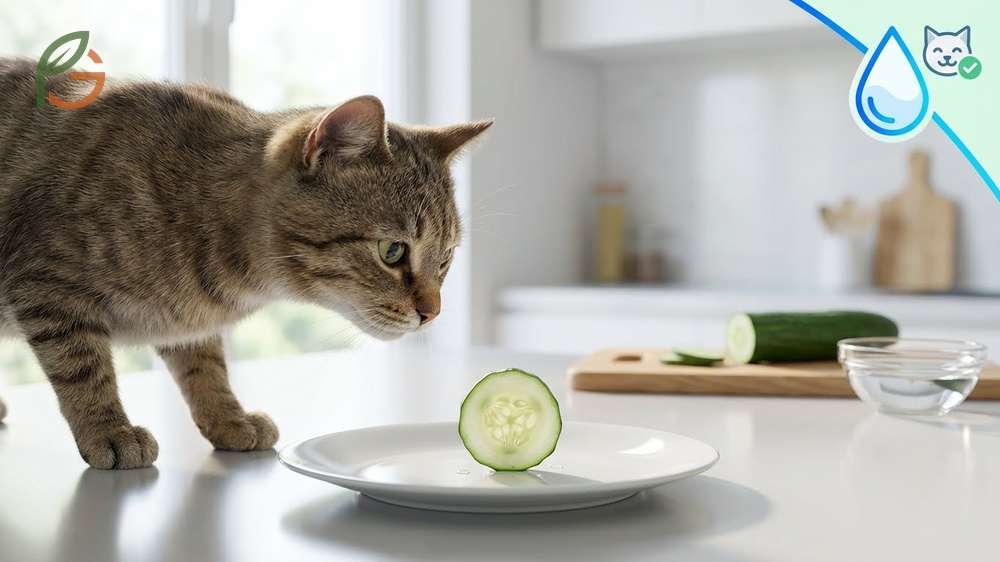
Can cats eat cucumbers? Yes, cats can safely eat cucumbers in small amounts as an occasional treat. Research shows that cucumbers are non-toxic and composed of 96% water[1], making them a hydrating snack option for felines. Since cats are obligate carnivores requiring 26% protein in their diet[2], cucumbers offer minimal nutritional value but won’t harm your pet when served properly. FruitGarden synthesizes current veterinary research and nutritional data to help you make informed decisions about your cat’s diet.
Quick Answer
- Cucumbers are safe for cats but provide only 8-15 calories per 100g[3] with minimal protein
- Composed of 95-96% water[1], they’re excellent for hydration support
- Serve 1-2 small bite-sized pieces as treats, not meal replacements
- Remove seeds and peel skin to reduce fiber content and pesticide exposure
- Never feed pickled cucumbers due to high sodium and spice content
Can Cats Eat Cucumbers
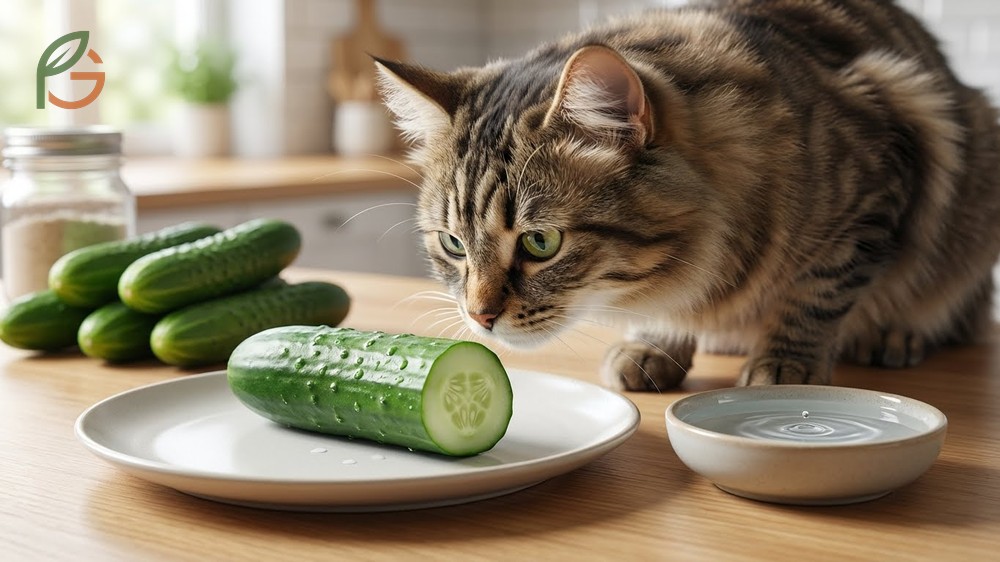
Cucumbers are completely non-toxic to cats and can be offered as occasional treats[4]. Unlike toxic foods such as onions, garlic, or grapes that damage red blood cells[5], cucumbers pose no chemical threat to feline health. Current veterinary guidance emphasizes that cats derive all essential nutrients from animal-based proteins rather than vegetables.
What often gets overlooked is that cats show interest in cucumbers primarily for texture and moisture rather than taste. Their carnivorous biology means they’re naturally drawn to meaty aromas, not vegetable flavors. A few small cucumber pieces satisfy curiosity without disrupting their obligate carnivore diet that requires animal protein for essential amino acids like taurine and arginine[2].
Studies demonstrate that most cats won’t actively seek cucumbers as food. If your cat does enjoy them, limit portions to 1-2 small pieces no more than 2-3 times per week. This frequency prevents digestive upset from excess fiber while allowing cucumber to serve as a low-calorie alternative to commercial treats.
Nutritional Profile of Cucumbers
A 100-gram serving of cucumber contains just 8-15 calories with virtually no protein or fat. The dominant nutritional component is water, comprising 95-96% of the vegetable’s weight. For comparison, wet cat food typically contains 80% moisture and delivers substantial protein from animal sources.
The minimal micronutrients in cucumbers include vitamin K for blood clotting, small amounts of vitamin C, and trace minerals like potassium and magnesium[6]. However, these don’t significantly contribute to meeting a cat’s dietary requirements since felines need concentrated animal-based nutrition rather than plant-derived vitamins.
This table compares nutritional values of cucumber versus typical wet cat food per 100 grams to show why cucumbers offer minimal dietary value for cats
| Nutrient | Cucumber | Wet Cat Food | Cat’s Daily Need |
|---|---|---|---|
| Calories | 8-15[3] | 70-90 | 200-250 (4kg cat) |
| Protein | 0.6g | 8-12g | 26% of diet[2] |
| Water Content | 95-96%[1] | 78-82% | 50-70ml/kg body weight |
| Fiber | 0.5g | 1-2g | Minimal (carnivore) |
| Vitamin K | 16.4 mcg[6] | Varies | Complete from meat |
Why Cats Show Interest
Research shows that cats exploring cucumbers are typically motivated by curiosity about new textures rather than hunger. The cool, crunchy sensation might appeal to some cats, especially during warm weather when they seek ways to cool down. This behavior doesn’t indicate nutritional deficiency—it’s simply exploratory.
Some owners notice their cats pawing at cucumber slices or batting them around like toys. This playful interaction is normal feline behavior with unfamiliar objects. If your cat ignores cucumbers entirely, that’s equally normal since their taste receptors aren’t designed to detect plant-based sweetness or savory flavors the way omnivores do.
Is Cucumber Safe for Cats
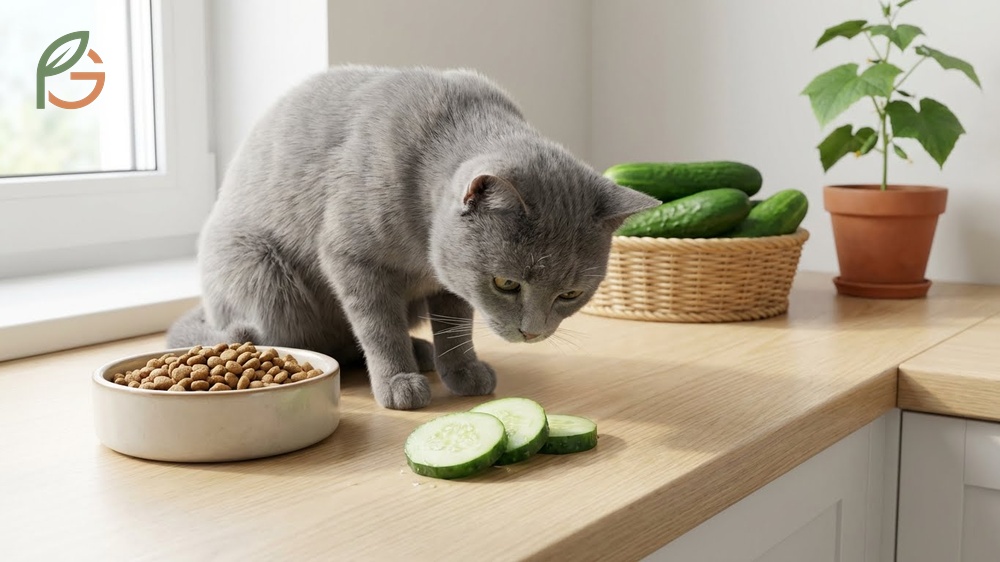
Cucumbers are among the safest human foods you can offer cats, with no toxic compounds present[4]. The entire cucumber plant, including leaves and stems, is classified as non-toxic to felines. However, safety doesn’t equal necessity—cucumbers should complement, not replace, protein-rich cat food formulated to meet obligate carnivore requirements.
The primary safety concern involves overconsumption leading to digestive upset. Because cucumbers are high in water and fiber, eating too much can cause diarrhea or loose stools. Most experts recommend limiting cucumber treats to prevent gastrointestinal issues while still allowing cats to enjoy the occasional crunchy snack.
Always introduce new foods gradually, starting with a single small piece the size of your cat’s paw pad. Monitor for any adverse reactions over 24 hours, including vomiting, diarrhea, or loss of appetite. If symptoms appear, discontinue cucumber and consult your veterinarian.
Important Safety Note: Never feed your cat pickled cucumbers or cucumber-based relishes. These products contain high sodium levels and spices like garlic or onion powder that are toxic to cats[5]. Stick to fresh, plain cucumber only.
Proper Serving Sizes
For an average 4kg (8.8lb) cat, appropriate cucumber portions range from 1-2 thin slices roughly the size of a quarter. This amount provides hydration benefits without overwhelming their digestive system with excess fiber. Treats should never exceed 10% of your cat’s daily caloric intake to maintain nutritional balance.
Consider your cat’s individual health status when determining portions. Overweight cats benefit from cucumber’s low calorie density—you’re essentially giving them water with a crunch. Conversely, underweight cats or those recovering from illness need calorie-dense animal proteins, not low-nutrition vegetables.
- Slice cucumber into thin pieces no larger than 1cm x 1cm to prevent choking
- Remove all seeds, as they can be harder to digest than flesh
- Limit frequency to 2-3 times per week maximum
- Don’t force cucumber if your cat shows disinterest—respect their natural preferences
- Adjust portions down for kittens or senior cats with sensitive digestion
- Never use cucumber as a meal substitute or primary food source
Preparation Methods
Wash cucumbers thoroughly under running water to remove surface pesticides and dirt. Organic cucumbers are ideal but not essential if you peel conventionally-grown varieties. Use a vegetable peeler to remove the skin entirely, as this eliminates both pesticide residue and reduces fiber content that might upset your cat’s stomach.
Cut cucumber into small, manageable pieces using a sharp knife. Avoid giving whole cucumber chunks that pose choking hazards. Some cats prefer thin slices they can lick and nibble, while others like small cubes they can bat around before eating.
Serve cucumber at room temperature or slightly chilled—never frozen, as this creates an uncomfortable eating experience. You can mix finely diced cucumber into wet food, though most cats prefer it served separately so they can investigate the new texture independently.
Are Cucumbers Good for Cats
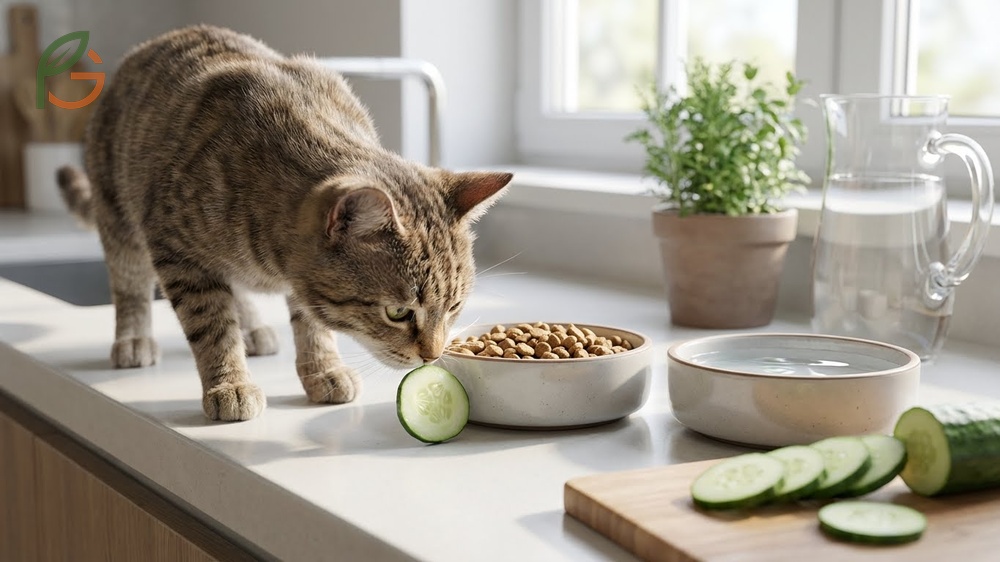
Cucumbers offer modest benefits for cats but aren’t nutritionally necessary. Their value lies primarily in hydration support and providing a zero-guilt treat option for weight management. Evidence suggests that cats eating mostly dry kibble can benefit from additional moisture sources, though fresh water remains the optimal hydration method.
The minimal vitamins and minerals in cucumbers don’t significantly impact feline health since cats derive these nutrients more efficiently from animal tissues. Vitamin K from meat sources is more bioavailable to cats than plant-derived versions. This reinforces that cucumbers are treats, not health supplements.
For most cats, the “good” in cucumbers is psychological rather than nutritional. Offering variety in treats enriches their environment and satisfies natural curiosity. Just remember that good doesn’t mean essential—cats evolved to thrive on prey-based diets without any vegetables.
Hydration Benefits
Adult cats require 50-70ml of water per kilogram of body weight daily[7]. A 4kg cat needs approximately 200-280ml of fluid each day. Cucumbers, being 96% water[1], can contribute small amounts to this total, especially for cats who don’t drink enough from their water bowls.
This hydration boost matters most during hot summer months or for cats prone to urinary tract issues. Increased water intake helps dilute urine and supports kidney function. However, don’t rely on cucumbers as your cat’s primary hydration source—they’d need to eat impractical quantities to meet daily water needs.
- Provide supplemental moisture for cats eating primarily dry kibble
- Offer cooling relief during warm weather without adding calories
- Help maintain urinary tract health through increased fluid intake
- Support kidney function by promoting adequate hydration levels
- Give cats who dislike drinking water an alternative moisture source
Vitamin and Mineral Content
Cucumbers contain vitamin K, which supports blood clotting and liver health in cats[6]. They also provide trace amounts of vitamin C, potassium, and magnesium. While these sound beneficial, cats synthesize their own vitamin C and obtain superior mineral concentrations from meat-based diets.
The fiber in cucumbers, though minimal, can help cats experiencing occasional constipation. However, too much plant fiber disrupts their carnivorous digestive system designed to process meat efficiently. Balance is key—a little fiber aids digestion, but excess causes problems.
Nutritional Reality Check: One 100g cucumber slice provides less than 2% of a cat’s daily nutritional needs. You’d need to feed over 50 cucumber slices to equal the protein in a single serving of quality wet cat food. This illustrates why cucumbers work as treats but fail as nutrition sources.
Cucumber Skin Safety for Cats
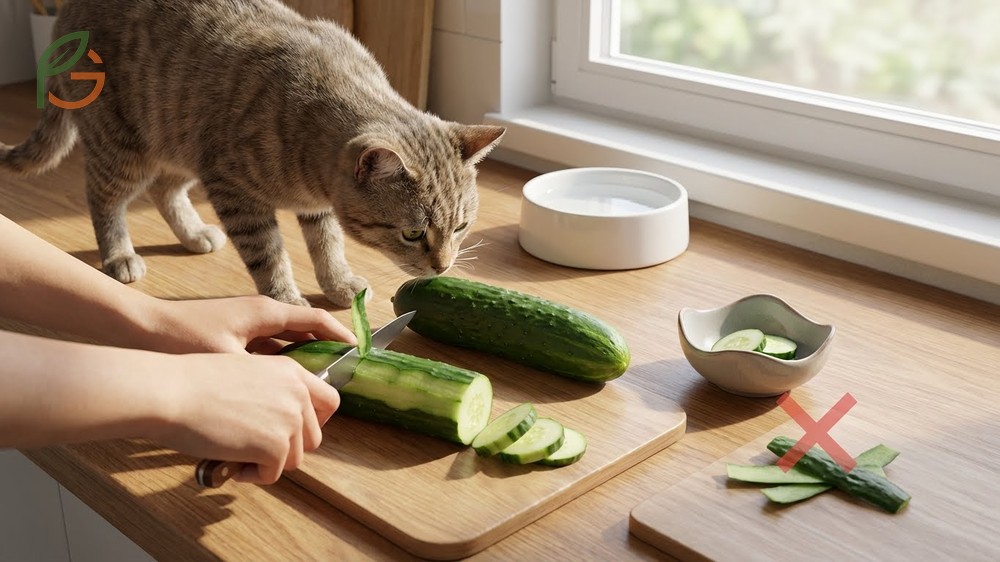
Cats can technically eat cucumber skin since it’s not toxic, but veterinary guidance recommends removing it[6]. The skin contains higher fiber concentrations than the inner flesh, and a cat’s digestive system isn’t well-equipped to handle excessive plant fiber. Eating too much skin can lead to diarrhea or stomach upset.
Conventionally-grown cucumbers often carry pesticide residues that concentrate on the skin’s surface. While washing reduces exposure, it doesn’t eliminate all chemical traces. Peeling provides an extra safety margin, especially for cats with sensitive stomachs or those prone to digestive issues.
If you choose to feed cucumber with skin intact, buy organic varieties and wash thoroughly under running water for at least 30 seconds. Start with tiny portions to test your cat’s tolerance. Watch for any digestive changes over the next 12-24 hours before offering more.
- Peel skin completely for cats trying cucumber for the first time
- Choose organic cucumbers if leaving skin on to minimize pesticide exposure
- Scrub conventional cucumbers with a vegetable brush before peeling
- Remove any waxy coating often applied to grocery store cucumbers
- Monitor stools for 24 hours after introducing cucumber with skin
Vegetables Cats Can Eat
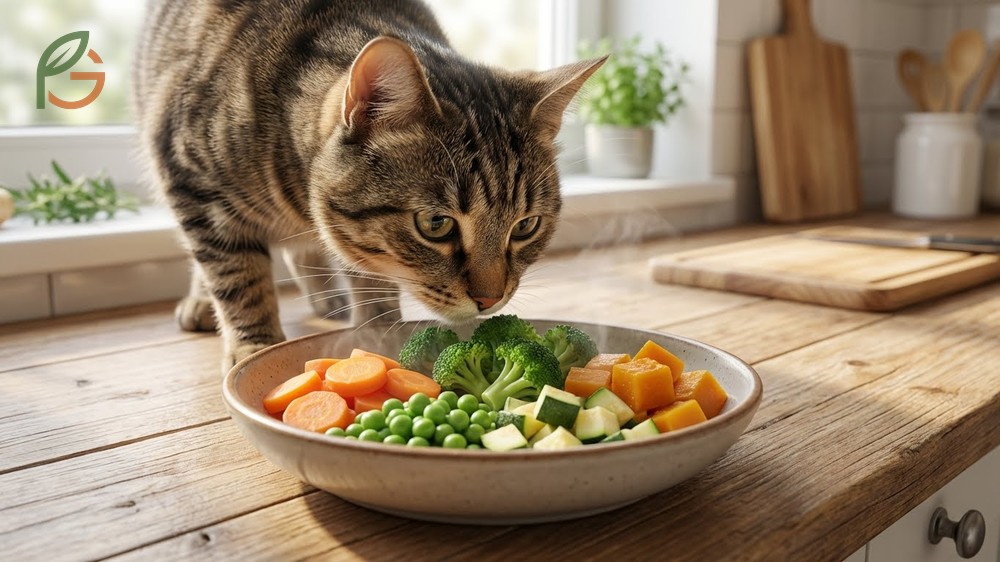
Current veterinary data identifies several vegetables as safe occasional treats for cats beyond cucumbers. These include steamed carrots, cooked broccoli, peas, zucchini, and pumpkin[8]. All share similar characteristics: non-toxic composition, low calorie density, and minimal protein content that keeps them in the “treat” category rather than staple foods.
What makes vegetables acceptable isn’t nutritional value but safety and enrichment. They provide texture variety and mental stimulation without harmful compounds. However, the same rule applies to all vegetables—they can’t replace the animal protein cats need for survival.
Cooked vegetables are generally safer than raw because cooking breaks down tough plant fibers cats struggle to digest. Steam or boil vegetables without adding salt, butter, oils, or seasonings. Plain preparation ensures you’re not accidentally introducing ingredients that might harm your cat.
| Vegetable | Preparation Required | Primary Benefit |
|---|---|---|
| Cucumber | Peel, slice small, remove seeds | Hydration (96% water)[1] |
| Carrot | Cook until soft, mash or grate | Beta carotene, fiber |
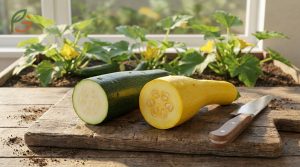
| Zucchini | Steam, chop finely | Low calorie, vitamin C |
| Pumpkin | Cook and puree (plain, no spices) | Digestive health, soluble fiber |
| Green Peas | Steam or boil, mash slightly | Protein (for vegetable), vitamins |
| Broccoli | Steam florets, chop small | Antioxidants, fiber (use sparingly) |
Toxic Foods for Cats
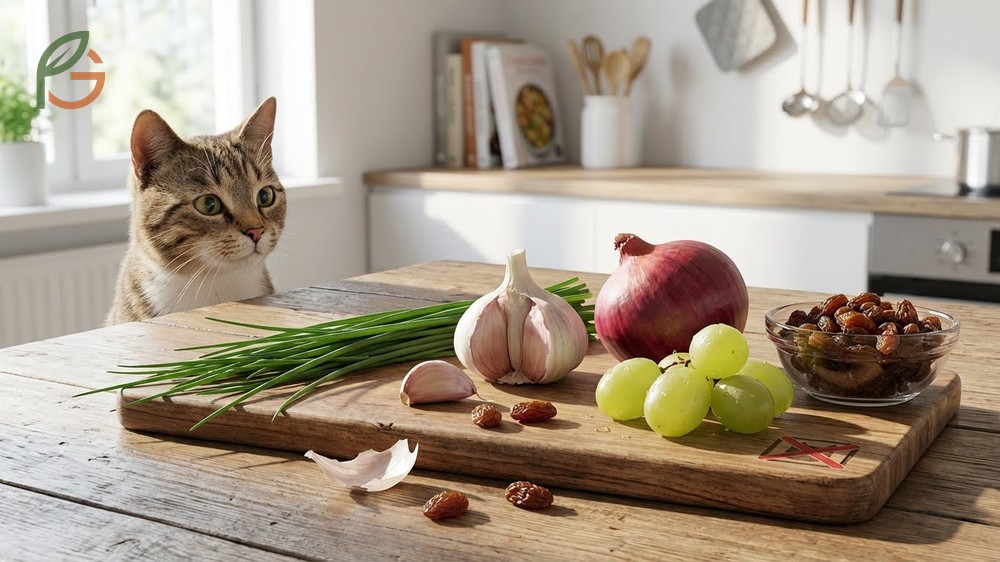
Understanding what cats can’t eat is more critical than knowing safe vegetables. Allium family vegetables—onions, garlic, leeks, chives, and shallots—are highly toxic because they destroy red blood cells and cause anemia[5]. Even small amounts can trigger severe poisoning that requires immediate veterinary intervention.
Grapes and raisins cause acute kidney failure in cats, though the toxic mechanism isn’t fully understood. Never feed these fruits or any products containing them. Other dangerous foods include chocolate, caffeine, alcohol, avocado, and xylitol (artificial sweetener found in many products).
Raw tomatoes and tomato plants contain solanine, a natural pesticide toxic to cats. While ripe tomatoes in tiny amounts are less dangerous, it’s safest to avoid them entirely. Green tomatoes, leaves, and stems pose the highest risk and should never be accessible to curious cats.
- Onions, garlic, leeks, chives—cause red blood cell damage and anemia[5]
- Grapes and raisins—trigger acute kidney failure even in small amounts
- Chocolate and caffeine—contain theobromine that’s toxic to cats’ nervous systems
- Xylitol (artificial sweetener)—causes dangerous blood sugar drops
- Alcohol—even small amounts can cause liver damage or death
- Avocado—contains persin toxin harmful to cats
- Raw dough with yeast—expands in stomach and produces alcohol
- Macadamia nuts—cause weakness and hyperthermia in cats
If your cat consumes any toxic food, contact your veterinarian or ASPCA Animal Poison Control Center immediately at (888) 426-4435. Don’t wait for symptoms to appear—early intervention significantly improves outcomes. Bring the product packaging with you to the vet so they can identify exact ingredients and dosages.
Conclusion
The evidence is clear: cats can eat cucumbers safely as occasional treats that provide hydration and low-calorie enrichment without delivering meaningful nutrition. Research confirms cucumbers are non-toxic and composed primarily of water, making them one of the safer human foods for curious felines. However, they’ll never replace the animal-based protein cats require as obligate carnivores.
Current veterinary guidance emphasizes offering cucumbers in moderation—1-2 small pieces a few times weekly—while maintaining a diet centered on high-quality cat food formulated for feline nutritional needs. FruitGarden synthesizes research across pet nutrition and food safety to help you make informed choices that keep your cat healthy and satisfied.
Medical Disclaimer
Important Veterinary Disclaimer: This content is for informational and educational purposes only. It’s not intended as a substitute for professional veterinary advice, diagnosis, or treatment. Always consult a qualified veterinarian before making any changes to your cat’s diet, especially if your pet has existing health conditions, allergies, or is taking medication. Individual cats may react differently to new foods, and what’s safe for most cats might not suit yours.
Frequently Asked Questions
Can Cats Have Cucumbers Daily?
No, cats shouldn’t eat cucumbers daily. Veterinary experts recommend limiting cucumber treats to 2-3 times per week maximum. Daily feeding can lead to digestive upset from excess fiber and water content, potentially causing diarrhea or loose stools. Treats should never exceed 10% of your cat’s total daily caloric intake.
Is Cucumber Bad for Cats With Kidney Disease?
Cucumbers aren’t inherently bad for cats with kidney disease, but you must consult your veterinarian first. The high water content might benefit hydration, which is crucial for kidney health. However, cats with kidney issues often need carefully controlled diets, and even safe foods should be approved by your vet to avoid disrupting their specialized nutrition plan.
Can Cats Eat Pickles or Pickled Cucumbers?
No, cats should never eat pickles or pickled cucumbers. The pickling process adds high sodium levels that can harm cats’ kidneys and cardiovascular systems. Many pickle recipes also contain garlic, onion powder, or other spices from the allium family that are highly toxic to cats and can cause severe red blood cell damage.
How Much Cucumber Can a Cat Safely Eat?
A safe portion for an average 4kg cat is 1-2 thin slices about the size of a quarter, or roughly 10-20 grams total. This amount provides hydration benefits without overwhelming their digestive system. Always start with smaller portions when introducing cucumber, and monitor your cat for 24 hours before offering more. Adjust quantities down for smaller cats or kittens.
Do Cats Get Nutritional Benefits From Cucumbers?
Cats receive minimal nutritional benefits from cucumbers. While cucumbers contain vitamin K, vitamin C, and trace minerals, cats obtain these nutrients more efficiently from animal-based foods. The primary value of cucumber is hydration support and providing a zero-calorie treat option. Since cats are obligate carnivores requiring 26% dietary protein, cucumbers don’t contribute meaningfully to their nutritional needs.
Why Do Cats React Scared to Cucumbers?
Cats’ fear reactions to cucumbers aren’t about the vegetable itself but the surprise element. Viral videos show cats jumping when they discover cucumbers placed behind them while eating. This startle response occurs because the cucumber appears suddenly in their safe space, resembling a potential threat like a snake. Never intentionally scare your cat this way, as it causes unnecessary stress and can damage their trust.
Can Kittens Eat Cucumbers?
Kittens can eat tiny amounts of cucumber after they’re fully weaned and eating solid food (around 8-10 weeks old). However, their primary nutrition must come from kitten-formulated food that supports rapid growth and development. Offer only one very small piece to test tolerance, as kittens have more sensitive digestive systems than adult cats. Most veterinarians recommend waiting until kittens are at least 6 months old before introducing any treat foods.