Benefits of cucumber juice extend far beyond simple refreshment. Research shows this beverage delivers 95% water content for optimal hydration while supporting your body’s natural detoxification pathways through kidney and liver function. Studies demonstrate that cucumber juice provides essential nutrients including vitamin K, vitamin C, and potassium with only 16 calories per 100g. FruitGarden synthesizes current nutritional research to help you make informed decisions about incorporating nutrient-dense beverages into your daily routine.
Quick Answer
Benefits of Cucumber Juice
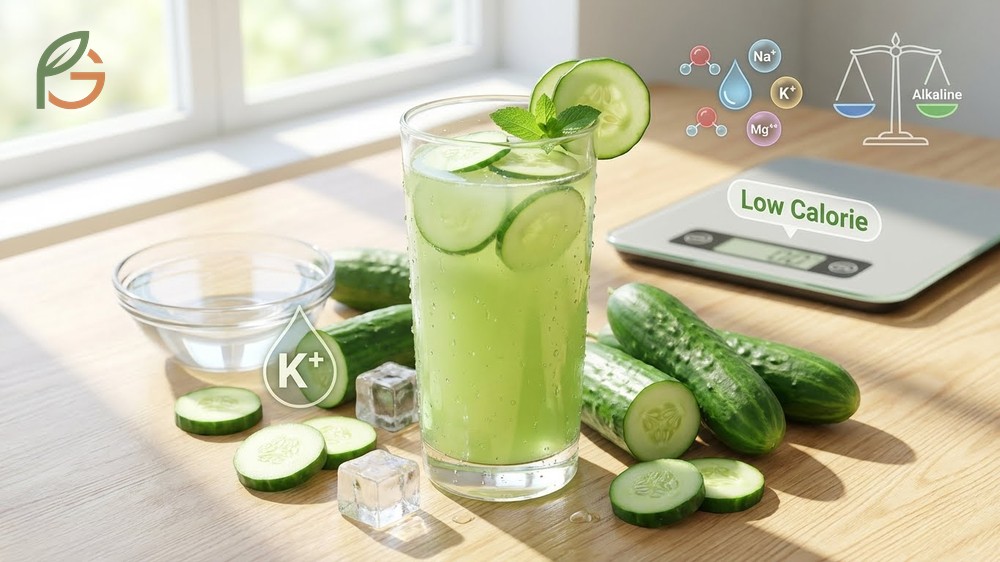
Current nutritional research confirms that cucumber juice offers measurable health advantages backed by its unique composition. The high water content works synergistically with electrolytes like potassium (189mg per serving)[3] to enhance cellular hydration.
Studies demonstrate that replacing sugar-sweetened beverages with cucumber juice can reduce daily caloric intake significantly while maintaining satiety levels. The beverage’s alkaline-forming minerals help balance pH levels after metabolism, though blood pH remains tightly regulated by your body’s natural systems.
Agricultural data shows cucumbers contain cucurbitacins, plant compounds that stimulate detoxification enzymes in the liver[4]. These compounds work alongside antioxidants to protect cells from oxidative damage linked to chronic disease development.
Superior Hydration Benefits
The 95.5% water content[1] makes cucumber juice more effective than plain water for rehydration. Research shows the natural electrolytes enhance fluid absorption at the cellular level, making this beverage particularly valuable for post-exercise recovery.
Evidence suggests that adequate hydration from cucumber juice supports multiple bodily functions. These include temperature regulation, nutrient transport, and waste elimination through increased urination.
- Electrolyte balance maintained through natural sodium and potassium content
- Cellular hydration enhanced by mineral cofactors that facilitate water absorption
- Kidney function optimized through increased fluid volume and diuretic properties
- Skin moisture improved from inside out, reducing dryness and supporting complexion
- Exercise recovery accelerated when consumed within 30 minutes post-workout
Important Note: While cucumber juice hydrates effectively, it doesn’t replace electrolyte solutions for severe dehydration or prolonged intense exercise lasting over 90 minutes. Athletes engaging in endurance activities may need additional sodium supplementation.
Natural Detoxification Support
Your liver and kidneys already detoxify your body efficiently, but cucumber juice provides nutrients that support these natural processes. The high water content encourages frequent urination, which flushes metabolic waste products from your system more effectively.
Current guidance emphasizes that cucumbers can’t “detox” your body in a magical sense, but they contribute meaningfully to organ health. The antioxidants combat oxidative stress that can impair liver function over time[2].
Research indicates that natural diuretic properties optimize kidney filtration rates. This removes excess fluids while maintaining essential hydration levels, creating a gentle cleansing effect without harsh supplements.
Health Benefits of Cucumber Juice

Evidence from multiple studies confirms cucumber juice delivers measurable health improvements across several body systems. The vitamin K content (16-20% daily value)[3] supports bone density by activating proteins that bind calcium to bone tissue.
Data indicates that regular consumption may help lower blood pressure through potassium’s vasodilatory effects. The mineral counteracts sodium’s pressure-raising effects, though results vary based on individual sodium intake and overall diet patterns.
Medical research shows the pantothenic acid (vitamin B5) content supports skin health by treating acne formation. About 5% of your daily B5 needs[5] comes from a half-cup serving, contributing to sebum regulation and inflammation reduction.
Antioxidant Protection
Cucumber juice contains multiple antioxidant compounds that neutralize free radicals before they damage cellular structures. The primary antioxidants include vitamin C, beta-carotene, manganese, and several flavonoid compounds that work synergistically.
Studies demonstrate that oxidative stress contributes to chronic conditions including heart disease, diabetes, and accelerated aging. Regular antioxidant intake from whole food sources like cucumber juice may delay cell damage and reduce disease risk over time.
- Vitamin C neutralizes free radicals in aqueous environments throughout your body
- Beta-carotene protects lipid-rich tissues including cell membranes and brain tissue
- Manganese activates superoxide dismutase, an enzyme that breaks down harmful oxygen radicals
- Flavonoids including quercetin and luteolin reduce inflammatory signaling pathways
- Cucurbitacin B shows promise in preliminary research for protecting against abnormal cell growth
Weight Loss Support
When you’re trying to lose weight, replacing high-calorie beverages with cucumber juice creates an immediate caloric deficit. At only 47 calories per serving[3] compared to 150+ calories in sodas, the swap alone can create a 100-calorie daily reduction.
Research shows adequate hydration helps you distinguish between hunger and thirst signals. Most people confuse thirst for hunger, leading to unnecessary calorie consumption throughout the day.
The fiber content in whole cucumber juice (when made with pulp) provides 0.9g per serving[3], which slows digestion and extends satiety duration. This helps reduce snacking frequency between meals.
Weight Loss Tip: Drink 8 ounces of cucumber juice 20 minutes before meals. Studies show this pre-meal hydration strategy reduces meal portions by 10-15% on average, though individual results vary based on baseline eating patterns.
Nutritional Benefits of Cucumber Juice
USDA data confirms cucumber juice provides essential nutrients with minimal caloric load. The complete nutritional profile supports multiple physiological functions from bone health to immune system activation.
Agricultural databases show that cucumbers concentrate most minerals in their skin and seeds. Using whole cucumbers (including skin) for juice maximizes nutrient extraction compared to peeled varieties.
This table displays complete nutritional values per cup serving of cucumber juice including macronutrients, vitamins, and minerals with daily value percentages
| Nutrient | Amount | Daily Value % | Primary Function |
|---|---|---|---|
| Calories | 47[3] | 2% | Energy provision |
| Water | 95.5g[1] | N/A | Hydration support |
| Vitamin K | 24mcg[1] | 16-20% | Bone mineralization, blood clotting |
| Potassium | 189mg[3] | 4% | Blood pressure regulation, fluid balance |
| Vitamin C | Small amounts[3] | 2-3% | Antioxidant protection, collagen synthesis |
| Fiber (with pulp) | 0.9g[3] | 3% | Digestive health, satiety |
The nutrient density remains impressive despite the low calorie count. You get meaningful vitamins and minerals without the sugar load found in fruit juices that contain 20-30g of natural sugars per cup.
- Minimal sugar content (4.7g per serving) won’t spike blood glucose levels
- Negligible fat content (0.5g) makes it suitable for low-fat dietary patterns
- Low sodium (9.5mg) benefits individuals managing blood pressure or cardiovascular risk
- Magnesium content supports over 300 enzymatic reactions in cellular metabolism
- Suitable for keto and low-carb diets with only 1.5-2g net carbs per 100ml
Cucumber and Lemon Juice Benefits
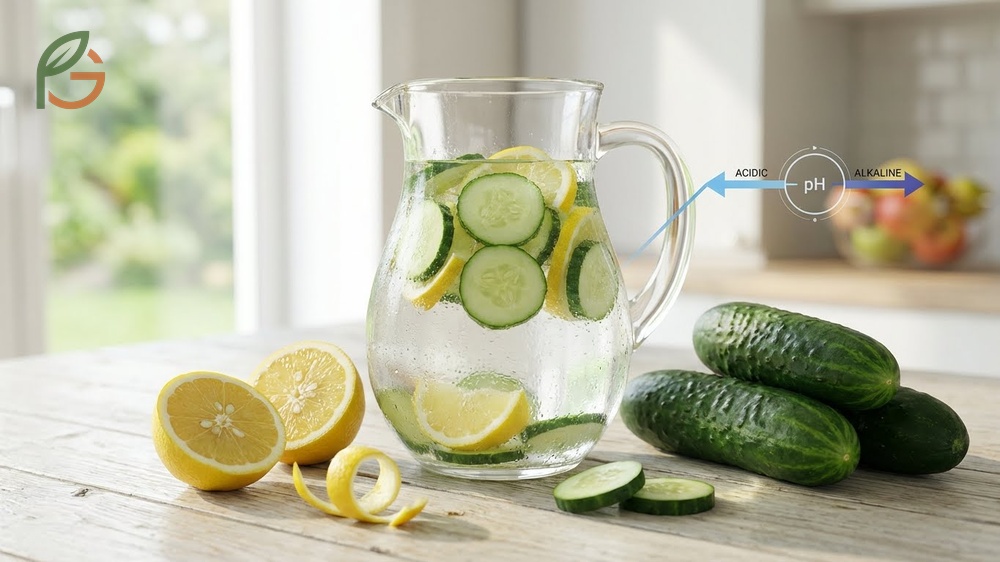
Combining cucumber with lemon creates a synergistic beverage that enhances the benefits of each ingredient. The lemon adds vitamin C content while contributing citric acid that, despite being acidic initially, produces alkaline byproducts after metabolism.
Research shows that lemon juice has a pH between 2 and 3 before digestion, but it generates alkaline compounds once metabolized[6]. These byproducts reduce the acid load your kidneys must filter, though they don’t significantly change blood pH which remains tightly controlled at 7.35-7.45.
The combination offers enhanced detoxification support through multiple pathways. Cucumber’s diuretic effect pairs with lemon’s citric acid to increase urine output and promote kidney stone prevention by diluting mineral concentrations in urine.
Current data indicates that morning consumption on an empty stomach maximizes nutrient absorption. The vitamin C from lemon enhances iron absorption from plant-based foods consumed later in the day.
- Vitamin C content increases significantly, providing stronger antioxidant protection
- Alkalizing effect after metabolism may help balance pH in individuals with acidic diets
- Citric acid stimulates digestive enzyme production in the stomach
- Enhanced flavor profile increases compliance and daily consumption consistency
- Combined diuretic effects amplify natural detoxification pathways
Cucumber Juice Recipe for Weight Loss

Creating effective weight loss juice requires balancing hydration, nutrients, and flavor without adding excessive calories. This recipe delivers 35 calories per 4-ounce serving[7] while providing vitamin C and natural enzymes that support metabolism.
The ingredients work together to enhance satiety and reduce overall caloric intake when consumed before meals. Research shows that pre-meal hydration strategies can reduce meal portions by 10-15% on average.
You’ll need one large English cucumber (chopped), two green apples (cored and chopped), half a lemon (peeled), and a one-inch piece of fresh ginger (peeled). If using a blender instead of a juicer, add one cup of water to facilitate blending.
For juicer method, feed the ingredients alternating between hard and soft pieces to maximize juice extraction. The alternating technique prevents clogging and produces higher yields compared to processing all hard items first.
For blender method, combine all ingredients with water and blend on high for 20-30 seconds until smooth. Strain through a nut milk bag or fine-mesh strainer, squeezing from top to bottom to extract maximum liquid while removing pulp.
Consume immediately after preparation to preserve vitamin C content, which degrades rapidly when exposed to air and light. If you must store it, use an airtight glass container in the refrigerator for no more than 24 hours.
Recipe Tip: Adding ginger provides gingerol compounds that may boost metabolism slightly and reduce inflammation. Start with a small amount (half-inch piece) if you’re sensitive to ginger’s spicy flavor, then increase gradually as your palate adjusts.
Best Time to Drink Cucumber Juice
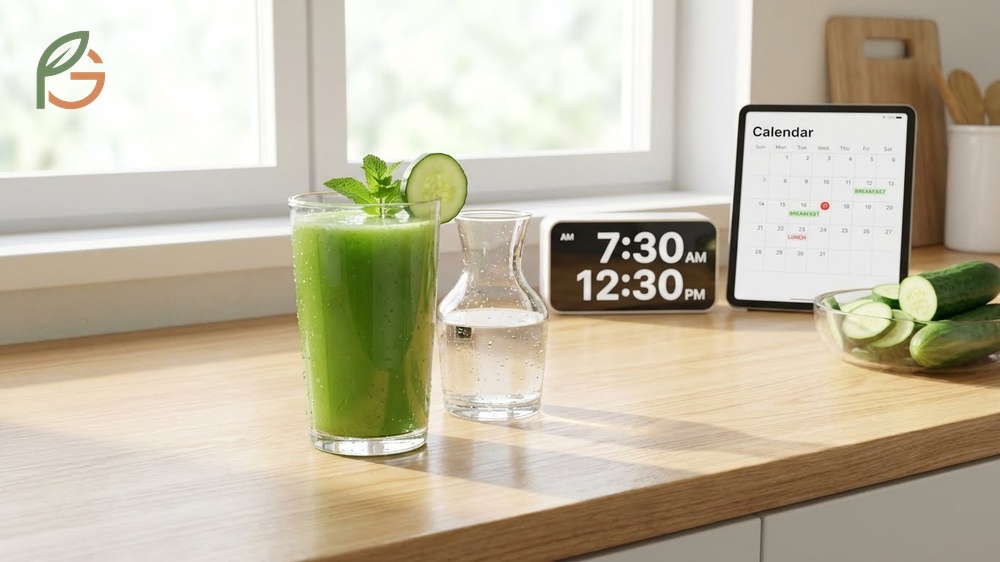
Timing your cucumber juice consumption strategically maximizes its benefits based on your specific health goals. Research suggests different optimal windows depending on whether you prioritize hydration, weight loss, or nutrient absorption.
For weight management, consuming 8 ounces 20-30 minutes before breakfast and lunch produces the most significant results. This timing allows water absorption to occur before meal consumption, which triggers stretch receptors in your stomach that signal satiety to your brain.
Morning consumption on an empty stomach (upon waking) optimizes detoxification support. Your body undergoes natural cleansing processes overnight, and cucumber juice’s diuretic properties amplify toxin elimination through increased morning urination.
Post-exercise consumption within 30 minutes of completing workouts accelerates rehydration and replaces lost electrolytes. The natural potassium content helps restore electrolyte balance without the added sugars found in commercial sports drinks.
Evening consumption (2-3 hours before bed) should be limited due to diuretic effects that may disrupt sleep with frequent bathroom trips. If you do consume it in the evening, finish at least 3 hours before your target bedtime.
For individuals managing blood pressure, splitting daily intake into two 4-ounce servings (morning and afternoon) maintains more consistent potassium levels throughout the day. This steady-state approach provides better blood pressure regulation than consuming all at once.
Side Effects of Cucumber Water

While cucumber juice offers numerous benefits, excessive consumption can produce unwanted side effects in certain individuals. Understanding these potential reactions helps you adjust intake to optimal levels for your specific physiology.
The most common side effect involves increased urination frequency due to natural diuretic properties. Consuming more than 16 ounces daily may lead to bathroom trips every 30-60 minutes, which can disrupt work and sleep patterns.
Some individuals experience allergic reactions to cucumbers, though this remains relatively rare. Symptoms include sneezing, runny nose, itchy eyes, or skin reactions[8]. If you notice these symptoms after consumption, discontinue use and consult a healthcare provider.
Excessive intake may dilute stomach acid when consumed in large quantities with meals. This can temporarily impair digestion of proteins and other nutrients that require acidic environments for breakdown. Limit intake to 4 ounces with meals to avoid this effect.
- Frequent urination disrupting daily activities when consuming over 16 ounces daily
- Potential allergic reactions in sensitive individuals (rare but documented)
- Digestive discomfort when consumed in excess of 24 ounces per day
- Possible interaction with blood-thinning medications due to vitamin K content
- Bloating or gas in individuals with sensitive digestive systems
Important Warning: If you take blood-thinning medications like warfarin, consult your healthcare provider before regularly consuming cucumber juice. The vitamin K content can interfere with medication effectiveness by promoting blood clotting, which counteracts the drug’s intended effects.
Conclusion
The evidence clearly demonstrates that benefits of cucumber juice extend across hydration, detoxification support, weight management, and antioxidant protection. With 95% water content and only 47 calories per serving, this beverage delivers measurable health improvements when incorporated into a balanced diet. Research confirms its role in supporting kidney function, bone health through vitamin K, and cardiovascular wellness via potassium content.
Current nutritional guidance emphasizes whole food sources like cucumber juice over supplements for obtaining essential vitamins and minerals. FruitGarden provides evidence-based information to help you cultivate healthier dietary habits, whether you’re growing cucumbers in your garden or selecting produce at local markets for optimal nutritional value.
Medical Disclaimer
Important Medical Disclaimer: This content is for informational and educational purposes only. It is not intended as a substitute for professional medical advice, diagnosis, or treatment. Always consult a qualified healthcare professional before making any changes to your diet, medication, or health routine, especially if you have kidney disease, diabetes, blood clotting disorders, or take prescription medications. Individual results may vary, and cucumber juice should complement—not replace—a balanced diet and healthy lifestyle.
Frequently Asked Questions
Is Cucumber Juice Good for You?
Yes, cucumber juice is good for you when consumed in moderation as part of a balanced diet. Research confirms it provides 95% water content for hydration, vitamin K for bone health (16-20% daily value per cup), and antioxidants like vitamin C and beta-carotene that protect against cellular damage. At only 47 calories per serving, it supports weight management while delivering essential nutrients including potassium for blood pressure regulation and pantothenic acid for skin health.
What Is Cucumber Juice Good For?
Cucumber juice is particularly effective for hydration (with 95% water content), natural detoxification support through kidney and liver function, weight loss assistance by replacing high-calorie beverages, and antioxidant protection against chronic diseases. It also supports bone health through vitamin K, helps lower blood pressure via potassium, improves skin health with vitamin B5, and provides gentle digestive support without harsh side effects when consumed at recommended levels of 8-16 ounces daily.
How Much Cucumber Juice Should I Drink Daily?
Optimal daily intake ranges from 8 to 16 ounces (1-2 cups) for most adults, split into two servings. This amount provides hydration and nutritional benefits without causing excessive urination or digestive discomfort. Start with 8 ounces daily to assess tolerance, then increase gradually if desired. Consuming more than 24 ounces daily may lead to frequent bathroom trips, diluted stomach acid, or bloating in sensitive individuals.
Can Cucumber Juice Help With High Blood Pressure?
Cucumber juice may help support healthy blood pressure levels due to its potassium content (189mg per serving), which counteracts sodium’s pressure-raising effects through vasodilation. However, it works best as part of a comprehensive approach including reduced sodium intake, regular exercise, and medication if prescribed. Don’t rely on cucumber juice alone to manage hypertension—always follow your healthcare provider’s treatment plan and monitor blood pressure regularly to track changes.
Does Cucumber Juice Detox Your Liver and Kidneys?
Cucumber juice doesn’t magically “detox” your organs—your liver and kidneys already perform this function efficiently. However, it supports their natural processes through high water content that promotes kidney filtration and toxin elimination via increased urination. The antioxidants help protect liver cells from oxidative damage, while cucurbitacin compounds may stimulate detoxification enzymes. Think of cucumber juice as supporting your body’s existing detoxification systems rather than performing detoxification itself.
Are There Side Effects to Drinking Cucumber Water?
Common side effects include increased urination frequency (especially when consuming over 16 ounces daily), potential digestive discomfort from excessive intake, and rare allergic reactions in sensitive individuals. The vitamin K content may interfere with blood-thinning medications like warfarin. To minimize side effects, limit intake to 8-16 ounces daily, avoid consuming large amounts with meals, and consult your healthcare provider if you take prescription medications or have existing health conditions.
Can I Drink Cucumber Juice on an Empty Stomach?
Yes, drinking cucumber juice on an empty stomach is generally safe and may offer specific benefits. Morning consumption after waking optimizes detoxification support by amplifying your body’s natural overnight cleansing processes. It also enhances nutrient absorption without competition from other foods. However, some individuals with sensitive stomachs may experience mild discomfort—if this occurs, try consuming it 30 minutes after a light meal or reducing the serving size to 4 ounces initially.