Can dogs eat cherry tomatoes? Yes, dogs can safely eat ripe cherry tomatoes in small amounts as an occasional treat. Research shows that fully ripened red tomatoes contain minimal toxic compounds, making them safe for canine consumption[1]. However, green parts of the tomato plant—including stems, leaves, and unripe fruits—contain solanine and tomatine that can cause serious health problems[2]. FruitGarden brings you evidence-based guidance on feeding cherry tomatoes to your furry friend safely.
Quick Answer
- Ripe cherry tomatoes are safe for dogs in small amounts (1-2 for small dogs, 3-5 for large dogs)[3]
- Green tomatoes and plant parts contain toxic solanine and should never be fed[2]
- Limit treats to 10% of daily calories and serve 2-3 times per week maximum[3]
- Watch for vomiting, diarrhea, or weakness within 30 minutes to 3 hours after feeding[1]
Can Dogs Eat Cherry Tomatoes
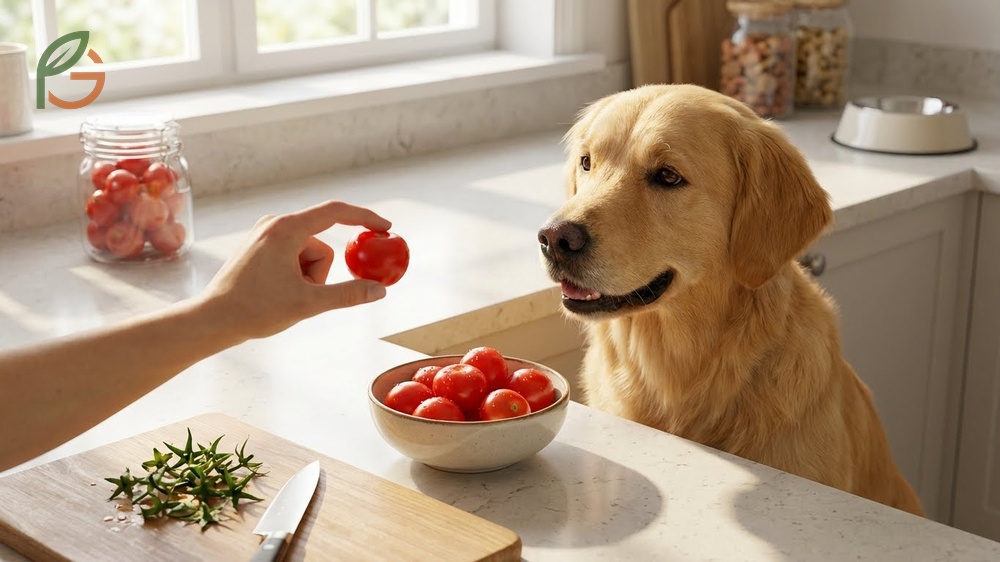
Dogs can safely eat ripe cherry tomatoes when offered as an occasional treat. Veterinary experts confirm that fully red, ripe tomatoes don’t contain dangerous levels of solanine or tomatine—the toxic compounds found in nightshade family plants[1]. The key is moderation and proper preparation.
Before feeding cherry tomatoes to your dog, you’ll need to remove all stems and leaves. These green parts contain concentrated amounts of toxins that remain even when the fruit ripens[4]. Wash the tomatoes thoroughly and cut them into bite-sized pieces to prevent choking, especially for smaller dogs.
Studies demonstrate that tomatoes contain beneficial nutrients like vitamins A, C, and lycopene—a powerful antioxidant. However, tomatoes shouldn’t replace your dog’s balanced diet. They work best as an infrequent snack rather than a daily staple.
Important Note: If you grow tomatoes at home, keep your dog away from the garden. Curious pups may nibble on toxic leaves or unripe fruits, leading to poisoning that requires immediate veterinary care.
Can Dogs Have Grape Tomatoes
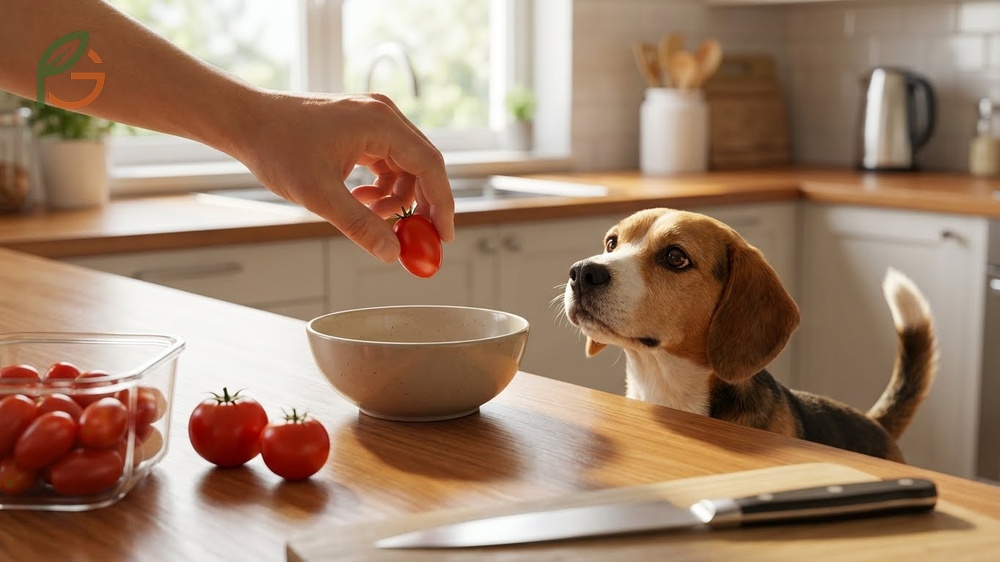
Grape tomatoes follow the same safety rules as cherry tomatoes for dogs. Research confirms all tomato varieties—whether cherry, grape, beefsteak, or Roma—are equally safe when ripe and red[1]. The variety doesn’t change the toxicity level; ripeness is what matters most.
Grape tomatoes are slightly smaller than cherry tomatoes, which makes them easier to serve in appropriate portions. For tiny breeds, one grape tomato provides a complete snack without exceeding the recommended treat allowance. Their firm texture also holds up well when cut into training-sized pieces.
The main difference you’ll notice is acidity levels. Some dogs with sensitive stomachs tolerate grape tomatoes better than larger varieties because they typically have a milder flavor. Start with just one piece to see how your dog’s digestive system responds before offering more.
Are Cherry Tomatoes Bad for Dogs
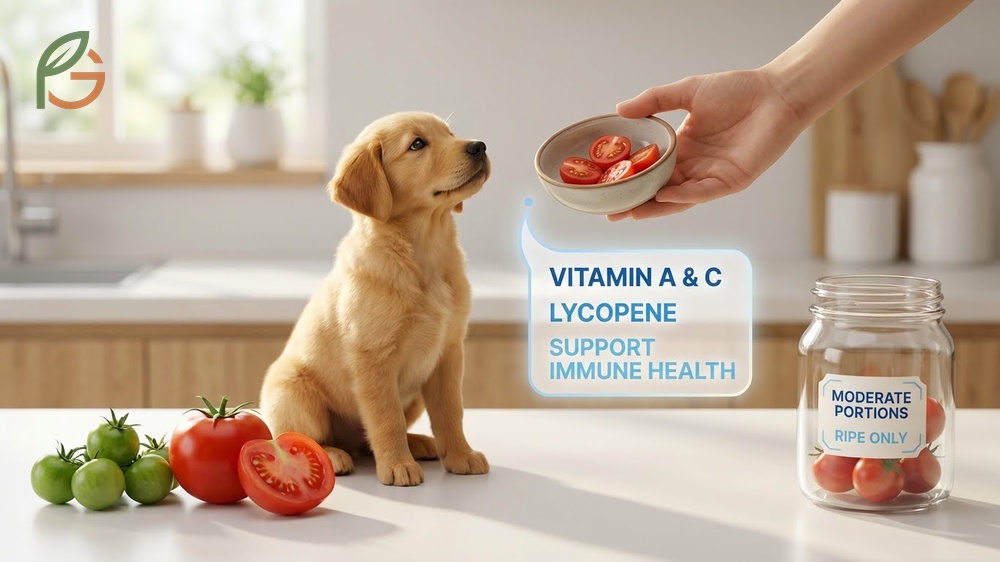
Cherry tomatoes aren’t inherently bad for dogs, but they do carry risks that pet owners must understand. The answer depends entirely on ripeness, preparation, and serving size. When handled correctly, ripe cherry tomatoes provide nutritional benefits without causing harm[3].
Nutritional Benefits
Ripe tomatoes deliver vitamins A and C, which support immune function and eye health in dogs. The fruit also contains lycopene, a carotenoid that research links to reduced cancer risk and cardiovascular health in multiple species[5]. Additionally, the high water content helps with hydration on hot days.
Fiber in cherry tomatoes promotes healthy digestion when given in appropriate amounts. You’ll also find small amounts of potassium and folate, though these shouldn’t replace your dog’s primary food sources. The low calorie count makes tomatoes suitable for dogs on weight management plans.
Potential Risks
The primary danger comes from solanine and tomatine found in green tomatoes and plant material. Even ripe tomatoes contain trace amounts that can cause problems if your dog eats too many at once[2]. Overfeeding leads to gastrointestinal upset with symptoms like vomiting and diarrhea.
Some dogs show allergic reactions to tomatoes, though this is uncommon. Watch for signs like itching, hives, or facial swelling after the first feeding. Dogs with existing digestive conditions may struggle with tomato acidity, which can trigger reflux or stomach pain.
- Tomatine poisoning from eating green parts or unripe fruits
- Stomach upset from high acidity in sensitive dogs
- Choking hazard when whole tomatoes aren’t cut properly
- Allergic reactions in rare cases with symptoms appearing within hours
- Excessive calorie intake when tomatoes exceed 10% of daily food
- Exposure to pesticides if tomatoes aren’t washed before serving
Can Dogs Eat Green Tomatoes
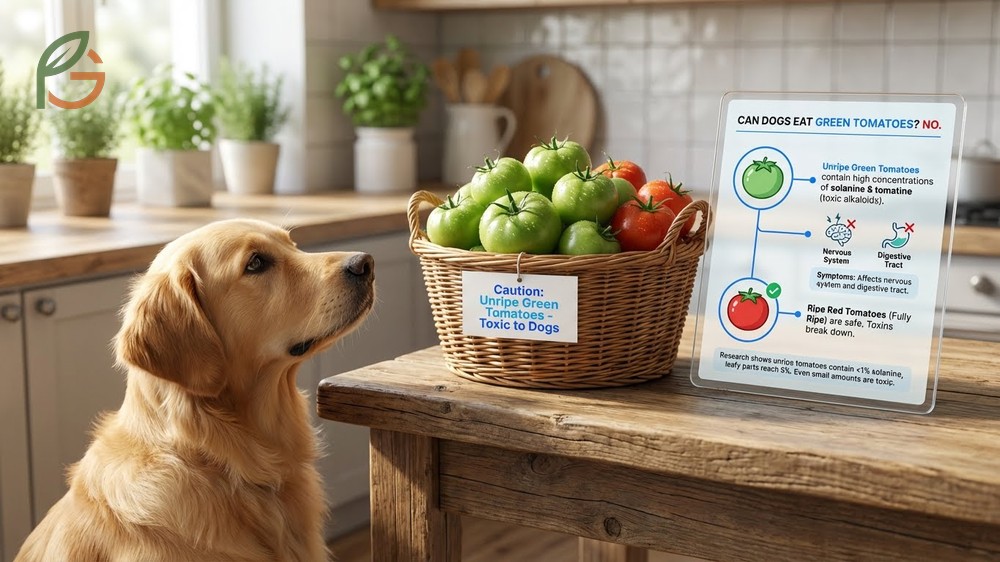
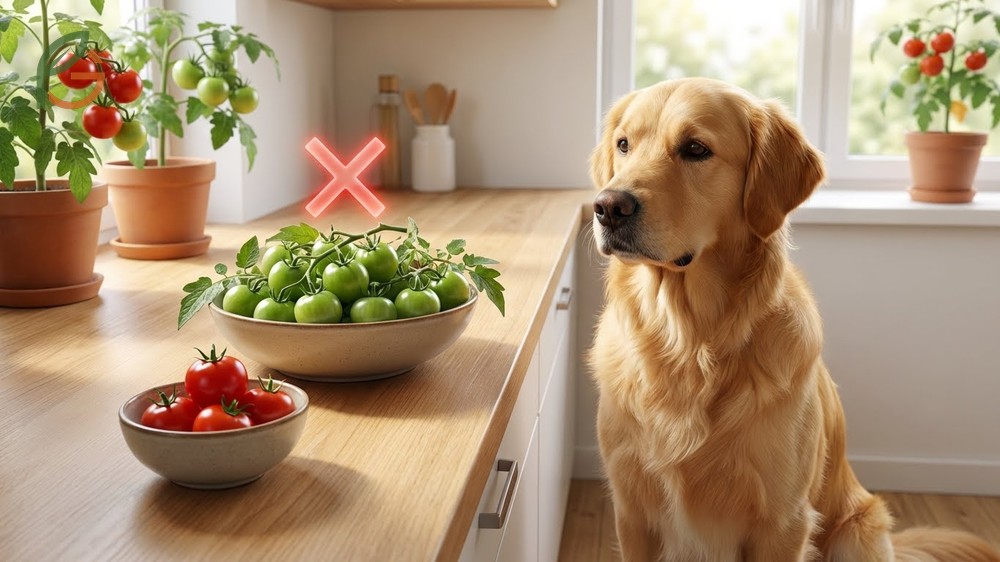
No, dogs should never eat green tomatoes. Unripe green tomatoes contain high concentrations of solanine and tomatine—toxic alkaloids that affect the nervous system and digestive tract[2]. These compounds don’t break down until the fruit fully ripens to a deep red color.
Research shows unripe tomatoes contain less than 1% solanine concentration, while leafy plant parts reach 5% concentration. Even this seemingly small amount causes toxicity when consumed in quantities relative to your dog’s body weight. Small dogs face higher risk because they need less plant material to reach dangerous dose levels.
Tomato plants themselves pose an even greater threat. Stems and leaves concentrate the highest amounts of toxic glycoalkaloids—these remain poisonous even when dried or wilted. Dogs who chew on tomato plants while you’re gardening can develop symptoms within 30 minutes to 3 hours[1].
Gardener’s Warning: If you grow tomatoes, fence off your garden or supervise your dog closely. Puppies are especially prone to chewing on plants out of curiosity. Consider planting tomatoes in raised beds or containers that keep stems and leaves out of reach.
Signs of Tomato Toxicity in Dogs
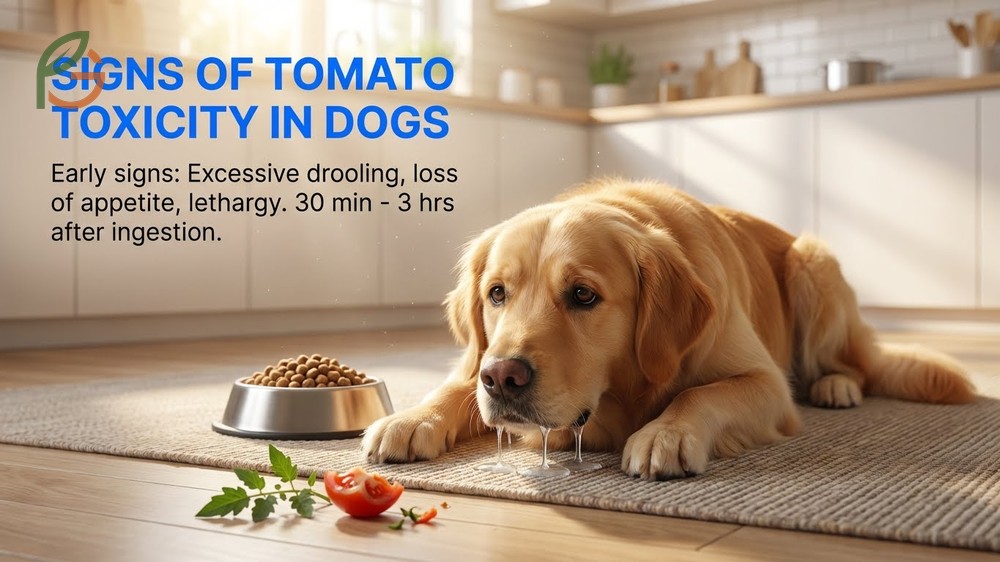
Tomatine poisoning produces distinct symptoms that typically appear within 30 minutes to 3 hours after ingestion. Gastrointestinal signs show up first, followed by neurological symptoms in more severe cases[1]. The severity depends on how much toxic material your dog consumed and their body weight.
Early warning signs include excessive drooling, loss of appetite, and lethargy. Your dog may refuse food and seem unusually tired. These initial symptoms can progress to vomiting and diarrhea as the toxins irritate the digestive system. Watch for abdominal pain indicated by hunched posture or reluctance to move.
Neurological symptoms signal more serious poisoning. Dogs may experience loss of coordination, muscle weakness, or tremors. Dilated pupils and irregular heartbeat can occur in severe cases. Some dogs develop seizures, though this is rare and usually only happens after eating large amounts of plant material.
- Hypersalivation with excessive drooling that doesn’t stop
- Vomiting and diarrhea causing dehydration
- Loss of appetite lasting more than 6 hours
- Lethargy and unusual weakness or unwillingness to play
- Loss of coordination making walking difficult
- Muscle tremors or visible shaking
- Dilated pupils that don’t respond to light changes
- Cardiac effects including irregular heartbeat or slow heart rate
- Seizures in extreme poisoning cases
Most dogs who experience tomatine poisoning make full recoveries with proper veterinary care. Veterinarians can induce vomiting if ingestion happened recently, or provide supportive treatment with IV fluids and medications to control symptoms. Contact your vet immediately if your dog shows any signs after eating tomato plants or green fruits.
Emergency Action: Don’t wait to see if symptoms improve on their own. Call your veterinarian or pet poison helpline right away if you know your dog ate green tomatoes or plant parts. Early intervention significantly improves outcomes.
How Many Cherry Tomatoes for a Dog
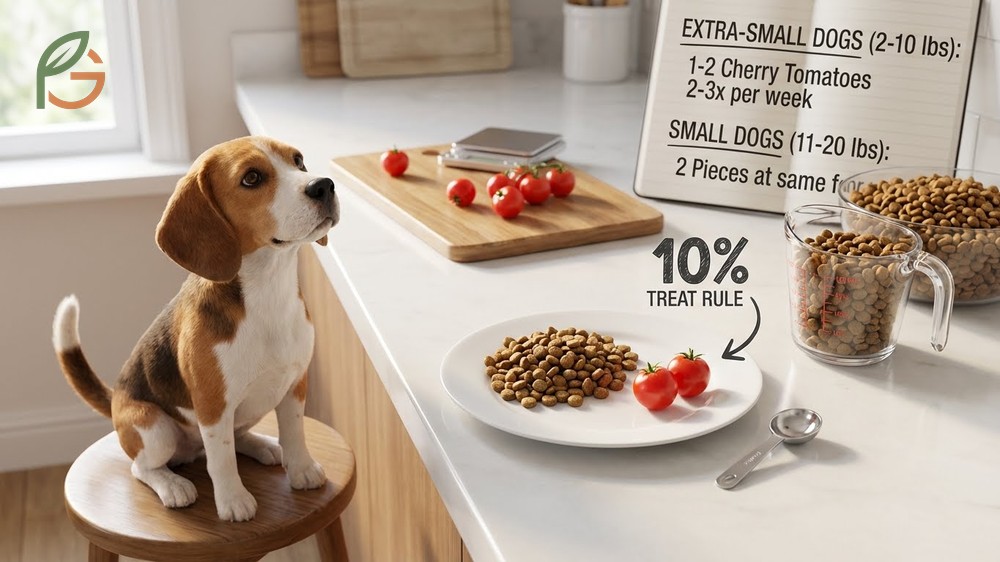
The safe serving size depends on your dog’s weight and should follow the 10% treat rule. Veterinary nutritionists recommend keeping all treats—including cherry tomatoes—to no more than 10% of your dog’s total daily calorie intake[3]. This prevents nutritional imbalances while allowing occasional variety.
For extra-small dogs weighing 2-10 pounds, limit feeding to 1 cherry tomato 2-3 times per week. Small dogs between 11-20 pounds can handle 2 pieces at the same frequency. Medium dogs weighing 21-50 pounds safely eat 3-4 cherry tomatoes per serving.
Large dogs from 51-90 pounds can enjoy 4-5 cherry tomatoes without exceeding healthy treat limits. Extra-large dogs over 91 pounds may have up to 5-6 pieces. Always start with smaller amounts when introducing tomatoes for the first time to check for digestive sensitivity or allergic reactions.
This table shows recommended cherry tomato serving sizes by dog weight category, including piece counts and feeding frequency
| Dog Size | Weight Range | Serving Size | Frequency |
|---|---|---|---|
| Extra-small | 2-10 lbs | 1 piece[3] | 2-3 times/week |
| Small | 11-20 lbs | 2 pieces[3] | 2-3 times/week |
| Medium | 21-50 lbs | 3-4 pieces[3] | 2-3 times/week |
| Large | 51-90 lbs | 4-5 pieces[3] | 2-3 times/week |
| Extra-large | 91+ lbs | 5-6 pieces[3] | 2-3 times/week |
Cut cherry tomatoes into halves or quarters for dogs prone to gulping food without chewing. This reduces choking risk and helps slower eaters enjoy the treat more safely. Remove seeds if your dog has a particularly sensitive stomach, though most dogs tolerate them without issues.
Can Dogs Eat Cooked Tomatoes
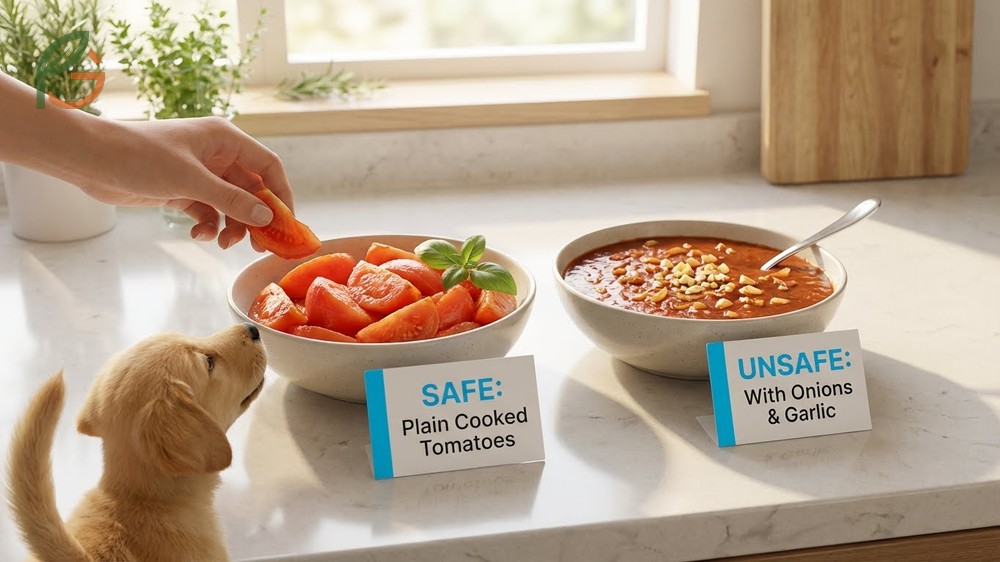
Dogs can eat plain cooked tomatoes in moderation, and cooking actually makes them easier to digest. Heat breaks down cell walls, releasing more lycopene and making nutrients more bioavailable. However, you must prepare cooked tomatoes specifically for your dog—without added ingredients.
The problem with most cooked tomato products is what gets added during preparation. Commercial tomato sauce, ketchup, and pasta sauce contain onions, garlic, salt, and sugar—all ingredients that harm dogs[2]. Even small amounts of onion or garlic powder can cause toxicity that damages red blood cells.
If you want to share cooked tomatoes, prepare them plain by steaming or roasting without seasoning. Don’t add salt, pepper, herbs, or oils. Canned tomatoes are risky unless you verify they contain zero additives—most brands include sodium or preservatives. Tomato soup is unsafe due to cream, salt, and often onion content.
- Plain steamed tomatoes – safe in small portions
- Roasted tomatoes without oil or seasoning – safe occasionally
- Tomato sauce with onion or garlic – never safe, even in tiny amounts
- Ketchup – unsafe due to sugar, salt, and onion powder content
- Pizza or pasta sauce – toxic because of garlic and seasonings
- Canned tomatoes with salt – avoid due to sodium levels
- Tomato soup – dangerous from cream, onions, and high salt
Vegetables Safe for Dogs
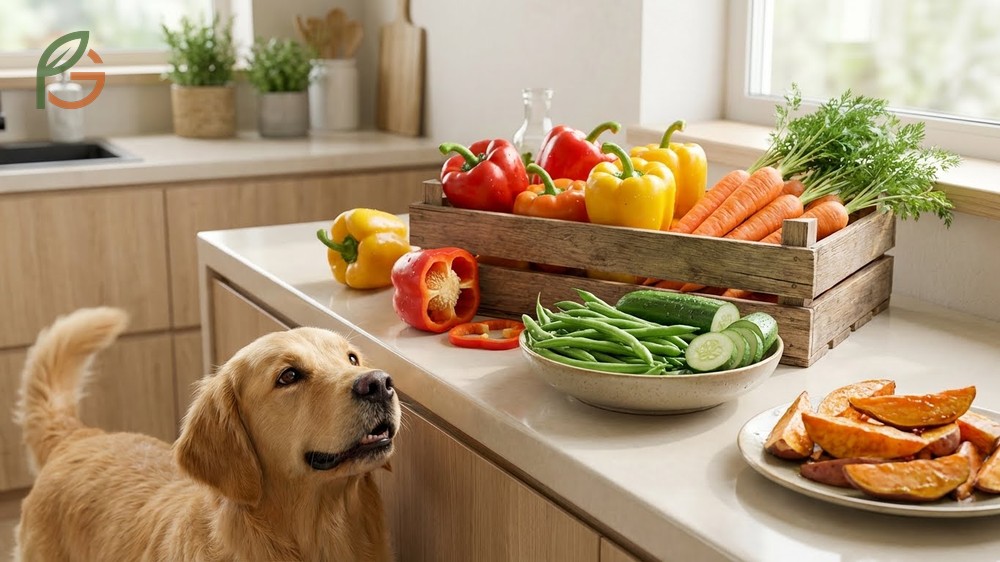
Many vegetables provide better nutritional value and lower risk than tomatoes for dogs. Bell peppers offer similar vitamins without nightshade toxicity concerns. Carrots deliver crunch and fiber while naturally cleaning teeth during chewing. Green beans work exceptionally well for weight management due to their low calorie and high fiber content.
Cucumbers provide hydration on hot days with 96% water content and virtually no calories. Sweet potatoes—when cooked—supply beta-carotene and vitamin B6 that support coat health and immune function. Broccoli florets in small amounts deliver antioxidants and vitamin C, though too much can cause gas.
Pumpkin stands out as a veterinary favorite for digestive health. The soluble fiber helps with both diarrhea and constipation. Celery offers a satisfying crunch with vitamins A and K. Zucchini works well for dogs with sensitive stomachs since it’s mild and easy to digest.
- Carrots – raw sticks or steamed chunks, excellent for dental health
- Green beans – raw or steamed, perfect low-calorie training treats
- Bell peppers – remove seeds, all colors safe, vitamin C boost
- Cucumber – peeled if waxy, hydrating summer snack
- Sweet potato – must be cooked, never raw, rich in fiber
- Pumpkin – plain canned or fresh cooked, soothes upset stomachs
- Broccoli – steamed florets only, limit to small portions
- Celery – raw sticks, good for fresh breath
- Zucchini – raw or cooked, gentle on sensitive stomachs
Toxic Vegetables to Avoid: Never feed dogs onions, garlic, chives, leeks, raw potatoes, rhubarb, or wild mushrooms. These cause serious toxicity even in small amounts and can be fatal without immediate treatment.
Conclusion
The evidence is clear: dogs can eat cherry tomatoes safely when you follow three key principles. First, only offer fully ripe, red tomatoes with all green parts removed. Second, stick to appropriate serving sizes based on your dog’s weight—1 piece for small dogs, up to 5-6 for extra-large breeds. Third, limit frequency to 2-3 times per week as an occasional treat, not a daily food.
Current veterinary guidance emphasizes moderation and proper preparation when sharing human foods with pets. While cherry tomatoes aren’t harmful in small amounts, they shouldn’t replace nutritionally complete dog food. Watch for any signs of digestive upset or allergic reactions during the first feeding. Remember that safer vegetable alternatives like carrots, green beans, and bell peppers provide similar nutrients without nightshade family risks. FruitGarden recommends consulting your veterinarian before making significant changes to your dog’s diet, especially if they have existing health conditions.
Medical Disclaimer
Important Medical Disclaimer: This content is for informational and educational purposes only. It’s not intended as a substitute for professional veterinary advice, diagnosis, or treatment. Always consult a qualified veterinarian before making any changes to your dog’s diet, especially if your pet has existing health conditions, allergies, or takes medications. Individual dogs may react differently to foods based on their health status, age, and breed. If your dog shows any signs of illness after eating tomatoes or any new food, contact your veterinarian immediately.
Frequently Asked Questions
Can puppies eat cherry tomatoes?
Yes, puppies can eat cherry tomatoes in very small amounts once they’re eating solid food. Cut tomatoes into tiny pieces appropriate for their mouth size to prevent choking. Start with just a quarter of one cherry tomato to check for digestive sensitivity. Puppies have more delicate stomachs than adult dogs, so introduce new foods gradually and watch for diarrhea or vomiting.
What should I do if my dog ate a whole tomato plant?
Contact your veterinarian or pet poison helpline immediately if your dog ate tomato plant leaves, stems, or green fruits. Don’t wait for symptoms to appear. The toxic compounds in plant material can cause serious poisoning requiring prompt treatment. Your vet may induce vomiting or provide IV fluids depending on how much your dog consumed and when ingestion occurred.
Are yellow or orange tomatoes safe for dogs?
Yes, fully ripe yellow and orange tomato varieties are safe for dogs just like red tomatoes. The color variation comes from different carotenoid profiles, not toxicity levels. The same safety rules apply—only feed ripe fruits with stems removed, and limit serving sizes based on your dog’s weight.
Can dogs with sensitive stomachs eat cherry tomatoes?
Dogs with sensitive stomachs should avoid tomatoes or eat them with extreme caution. The high acidity can trigger reflux, stomach pain, or diarrhea in dogs prone to digestive issues. If your dog has a history of gastrointestinal problems, choose gentler vegetables like cooked sweet potato or steamed green beans instead.
How long do tomatoes take to digest in dogs?
Dogs typically digest tomatoes within 4-6 hours, though this varies by dog size and metabolism. Small dogs process food faster than large breeds. If toxicity occurs from eating green parts, symptoms usually appear within 30 minutes to 3 hours. Normal digestion of ripe tomatoes shouldn’t cause any noticeable symptoms.
Can I give my dog tomato juice?
No, don’t give dogs tomato juice. Commercial tomato juice contains high sodium levels that can harm dogs, especially those with heart or kidney conditions. Even low-sodium versions often include additives, preservatives, or vegetable juice blends with onion content. Stick to fresh, ripe tomato pieces instead.
Are sun-dried tomatoes safe for dogs?
Sun-dried tomatoes are generally unsafe for dogs because they’re typically packed in oil with garlic, herbs, and salt. Even plain versions concentrate sugars and acids that can upset your dog’s stomach. The chewy texture also poses a choking risk. Choose fresh ripe tomatoes instead of dried versions.