
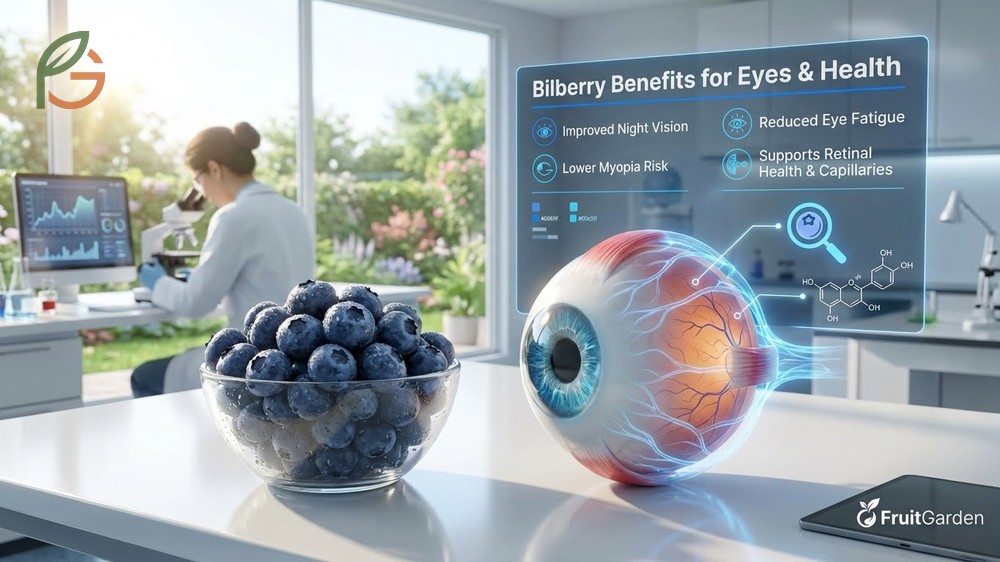
Bilberry benefits for eyes are backed by clinical research showing improved night vision, reduced eye fatigue, and lower myopia risk. Studies demonstrate that anthocyanin-rich bilberry extract supports retinal health and strengthens capillaries in eye tissues[1]. FruitGarden synthesizes current ophthalmological research and nutritional science to help you understand how this small berry delivers powerful eye protection.
Quick Answer
- Bilberry contains 478 mg anthocyanins per 100g[2], 4.3 times more than blueberries
- Research shows 31% lower odds of myopia[3] with regular anthocyanin intake
- Clinical trials show 97% success rate[4] in preventing cataract progression over 4 months
- Optimal dosage ranges from 120-400 mg daily of standardized extract for vision support
Bilberry Benefits for Eyes

Research demonstrates that bilberry’s anthocyanin compounds directly support multiple aspects of eye health. Studies conducted over 12 weeks show measurable improvements in accommodation function and reduced visual fatigue from screen exposure[1]. The mechanisms work through enhanced blood flow to retinal tissues and protection against oxidative stress.
Clinical data reveals that anthocyanin intake correlates with significantly lower myopia prevalence in adolescents. Participants consuming bilberry anthocyanins showed odds ratios of 0.69 for myopia development[3], representing a 31% reduction in risk.
What’s often overlooked is that bilberry’s effectiveness depends on consistent, long-term intake rather than sporadic supplementation. Most clinical benefits appear after 4-12 weeks of daily consumption.
Improved Night Vision and Dark Adaptation
Evidence suggests bilberry enhances rhodopsin regeneration, the light-sensitive pigment crucial for night vision. Anthocyanins accelerate the recovery of rhodopsin after light exposure, helping your eyes adapt faster to darkness[4]. This explains why World War II pilots reportedly used bilberry jam to improve night flying performance.
Current data indicates that standardized extracts deliver more consistent results than whole berries for night vision support. The concentrated anthocyanin content provides therapeutic doses difficult to achieve through diet alone.
Retinal Health Support
Bilberry protects retinal cells through multiple pathways. Studies show it reduces expression of VEGF (vascular endothelial growth factor) and MMP-9 (matrix metalloproteinase-9) in diabetic retinal damage[5]. These proteins contribute to abnormal blood vessel growth and tissue breakdown in retinal diseases.
The berry’s anthocyanins also strengthen capillary walls in the retina, improving microcirculation. This matters because healthy blood flow delivers oxygen and nutrients essential for photoreceptor function.
Reduced Eye Fatigue from Screens
Research on visual display terminal workers shows bilberry extract significantly reduces accommodation strain. After 12 weeks, participants experienced improved focus flexibility and less discomfort during prolonged screen time[1]. The ciliary muscles that control lens shape respond better with consistent anthocyanin support.
Most people notice reduced eye strain within 4-6 weeks of starting supplementation. Effects include less blurry vision at day’s end and faster recovery between screen tasks.
Important Note: Bilberry supplements work best alongside proper eye care habits like the 20-20-20 rule (every 20 minutes, look 20 feet away for 20 seconds). They enhance but don’t replace healthy screen practices.
What Is Bilberry Good For
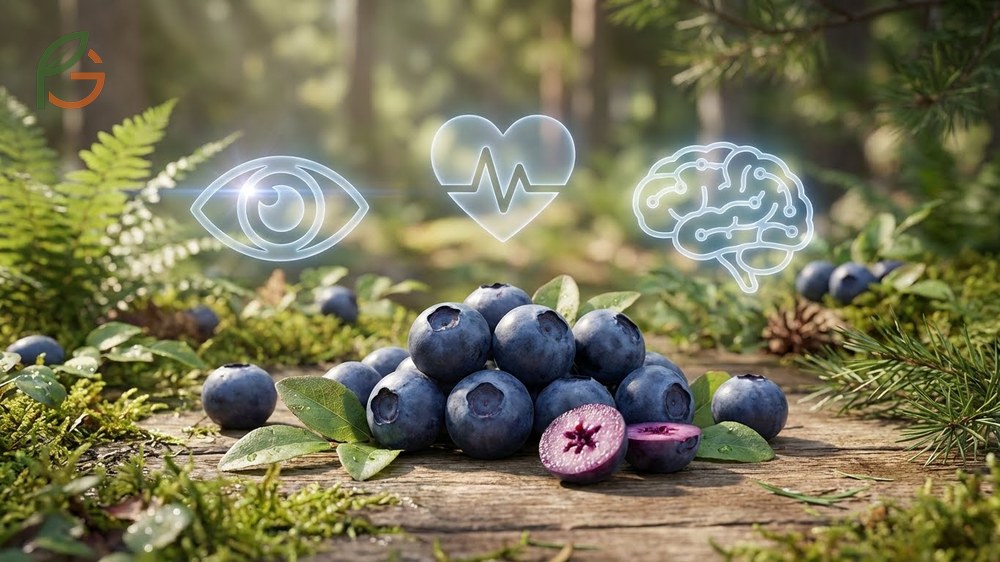
Beyond eye health, bilberry delivers benefits across multiple body systems. The berry’s bioactive compounds show promise for cardiovascular function, cognitive health, and metabolic support. Research indicates anthocyanins possess anti-inflammatory and antioxidant properties that extend well beyond vision care.
Agricultural data shows bilberry (Vaccinium myrtillus) grows wild in European forests, producing small dark berries with purple flesh throughout. This differs from cultivated blueberries, which have white flesh inside.
Cardiovascular Support
Studies demonstrate bilberry anthocyanins improve vascular function by strengthening capillary walls and reducing oxidative damage to blood vessels. The flavonoids help maintain healthy circulation patterns essential for heart health. Evidence suggests regular consumption may support normal blood pressure levels in healthy individuals.
The berry’s compounds also show potential for reducing inflammation markers associated with cardiovascular stress. This matters because chronic inflammation contributes to arterial stiffness and other circulatory issues.
Antioxidant Protection
Bilberry ranks among the highest ORAC (Oxygen Radical Absorbance Capacity) value berries available. Its anthocyanins neutralize free radicals that damage cellular structures throughout your body. This protection extends to DNA, proteins, and lipid membranes in various tissues.
Current research explores bilberry’s effects on cognitive function through antioxidant mechanisms. Preliminary findings suggest improvements in memory and processing speed, though more human trials are needed to confirm these benefits.
- May help regulate blood sugar levels by improving insulin sensitivity
- Supports urinary tract health through anti-adhesion properties against bacteria
- Potentially aids weight management when combined with calorie reduction
- Contains vitamin C, manganese, and dietary fiber for overall nutrition
- Shows antimicrobial activity against certain bacterial strains
Bilberry vs Blueberry

While related, bilberry and blueberry differ significantly in anthocyanin content and composition. Bilberries contain 4.3 times more anthocyanins than cultivated blueberries[2], making them more potent for therapeutic applications. The dominant anthocyanidin in bilberry is cyanidin, while blueberries have higher malvidin levels.
These chemical differences translate to practical effects. Bilberry’s darker pigmentation indicates higher anthocyanin density—the berries stain fingers and mouths purple, unlike most blueberries.
This table compares bilberry and blueberry across anthocyanin content, dominant compounds, flesh color, and typical usage
| Characteristic | Bilberry (Vaccinium myrtillus) | Blueberry (Vaccinium corymbosum) |
|---|---|---|
| Total Anthocyanins | 478 mg/100g[2] | 135 mg/100g[2] |
| Dominant Anthocyanidin | Cyanidin[2] | Malvidin[2] |
| Flesh Color | Purple throughout | White/light green inside |
| Growing Pattern | Wild in European forests | Cultivated commercially |
| Typical Usage | Supplements, extracts | Fresh consumption, baking |
For eye health specifically, bilberry’s higher anthocyanin concentration makes it the preferred choice in clinical research. Most vision studies use bilberry extract rather than blueberry because therapeutic doses are easier to achieve.
- Bilberry grows wild on low bushes; blueberries come from tall cultivated plants
- Fresh bilberries spoil quickly and rarely appear in US grocery stores
- Blueberries work well for general antioxidant intake and cardiovascular health
- Bilberry supplements cost more due to wild harvesting requirements
- Both berries belong to Vaccinium genus but different species
Anthocyanins Benefits
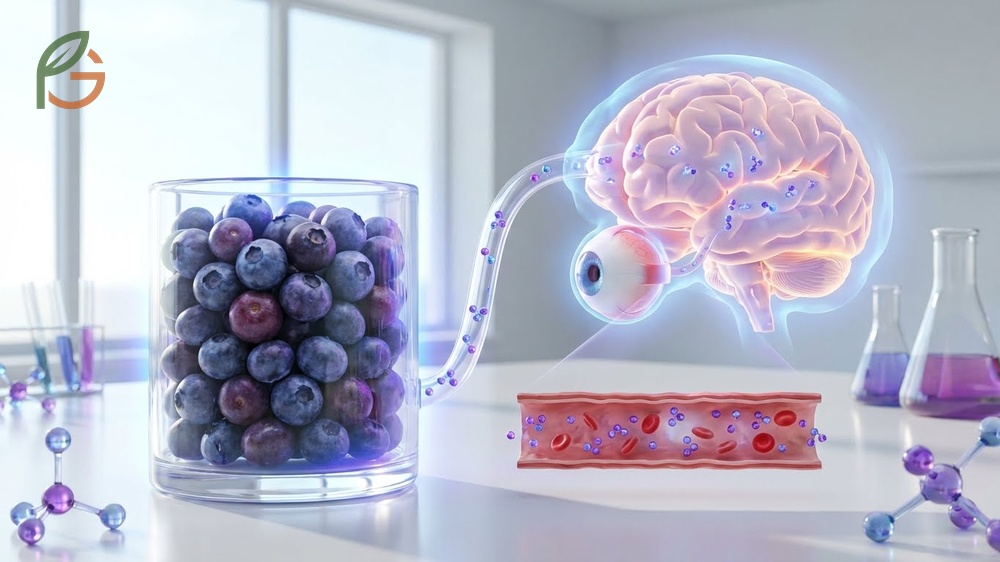
Anthocyanins represent the primary therapeutic compounds in bilberry. These water-soluble pigments belong to the flavonoid family and give berries their red, purple, and blue colors. Research shows they cross the blood-brain barrier and blood-retinal barrier, reaching tissues where they exert protective effects.
The mechanisms behind anthocyanin benefits involve multiple pathways. They scavenge reactive oxygen species, modulate inflammatory signaling proteins, and strengthen collagen structures in capillary walls. Evidence indicates these compounds remain active at very low concentrations in human cells[4].
Bilberry contains 15 different anthocyanin types, including delphinidin, cyanidin, petunidin, peonidin, and malvidin glycosides. This diverse profile may explain why bilberry outperforms isolated anthocyanin compounds in clinical trials—the synergistic effect matters.
Bioavailability Note: Anthocyanins have relatively low absorption rates (less than 1% of intake), but even small amounts reaching tissues produce measurable effects. Taking bilberry with fats may enhance absorption.
- Reduce oxidative stress markers like TBARS (thiobarbituric acid reactive substances) in retinal tissue[5]
- Normalize VEGF expression to prevent abnormal blood vessel growth in eyes
- Support rhodopsin regeneration for improved light sensitivity and night vision
- Strengthen capillary walls through collagen cross-linking effects
- Modulate inflammatory pathways including IL-6 and STAT3 signaling
- Protect DNA from oxidative damage through direct free radical scavenging
Bilberry Dosage for Eyes
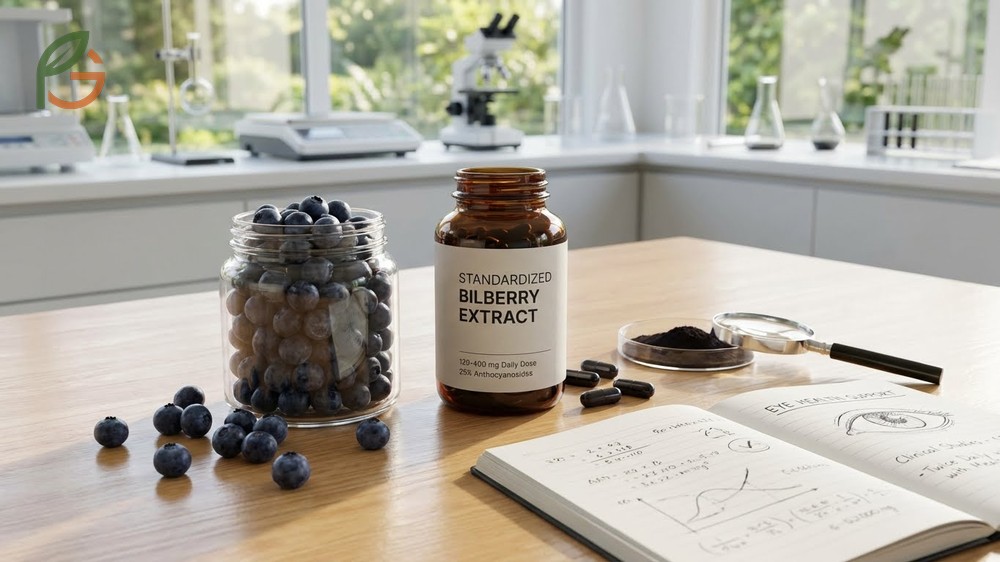
Clinical studies use standardized bilberry extract ranging from 120-400 mg daily for eye health benefits. Most research protocols administer doses twice daily with meals to maintain steady anthocyanin levels. The extract should contain 25% anthocyanosides for consistency with published studies.
Lower doses around 120-160 mg daily work well when combined with other eye nutrients like lutein and astaxanthin[4]. Higher doses up to 400 mg suit individuals with specific eye concerns or those not taking additional supplements. Results typically appear after 4-12 weeks of consistent use.
For fresh or frozen bilberries, you’d need approximately 50-100 grams daily to match supplement doses. This amount is impractical for most people, which is why standardized extracts dominate eye health research.
- General eye health maintenance: 120-160 mg standardized extract daily
- Screen-related eye fatigue: 160-240 mg split into two doses
- Night vision support: 240-320 mg taken in evening
- Age-related eye concerns: 320-400 mg under professional guidance
- Combined with other supplements: Start at lower end of range
Timing Tip: Taking bilberry extract with your largest meal improves absorption. Some research suggests evening doses work best for night vision applications since effects peak 2-4 hours after intake.
Quality matters significantly with bilberry supplements. Look for products standardized to 25% anthocyanosides and third-party tested for purity. European bilberry (Vaccinium myrtillus) contains higher anthocyanin levels than North American species sometimes substituted in lower-quality products.
Side Effects of Bilberry
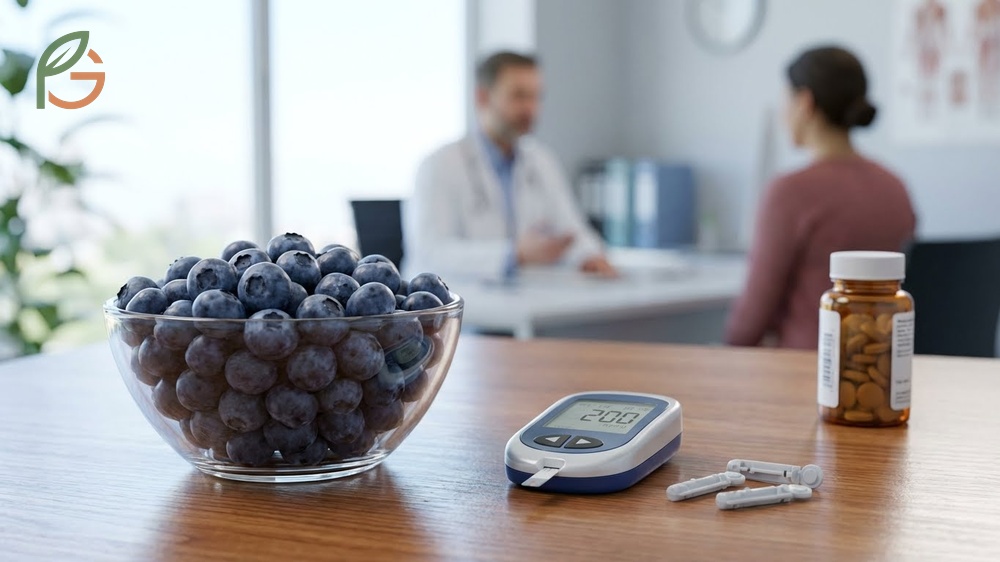
Research indicates bilberry is generally safe with no major side effects reported in clinical studies[6]. Most people tolerate standard doses without adverse reactions. However, high doses or long-term use may affect blood sugar regulation and require monitoring.
Documented side effects include potential impacts on glucose metabolism, particularly in diabetics taking medication. Bilberry may enhance insulin sensitivity, creating risk for hypoglycemia when combined with diabetes drugs[6]. Animal studies show excitation at very high doses, though human relevance remains unclear.
There’s insufficient data on bilberry safety during pregnancy and lactation. Current guidance recommends avoiding supplementation during these periods unless specifically advised by a healthcare provider.
- May lower blood sugar levels—monitor if taking diabetes medications
- Could increase bleeding risk when combined with anticoagulants
- Rare allergic reactions possible (rash, swelling, difficulty breathing)
- High doses may cause digestive upset in sensitive individuals
- No established safety data for pregnancy or breastfeeding
- Very high doses linked to wasting syndrome in animal studies
Drug Interaction Warning: Bilberry may interact with blood thinners (warfarin, aspirin), diabetes medications, and drugs metabolized by certain liver enzymes. Consult your healthcare provider before starting supplementation if you take prescription medications.
Stop taking bilberry at least two weeks before scheduled surgery due to potential effects on blood clotting. Contact a healthcare professional if you experience unusual symptoms like persistent nausea, jaundice, or unexplained fatigue while taking bilberry supplements.
Conclusion
The evidence is clear: bilberry benefits for eyes stem from concentrated anthocyanins that protect retinal tissue, improve night vision, and reduce screen-related fatigue. Clinical research consistently demonstrates measurable improvements in visual function with standardized extracts containing 120-400 mg daily over 4-12 weeks.
Current guidance emphasizes choosing high-quality European bilberry (Vaccinium myrtillus) extracts standardized to 25% anthocyanosides for optimal results. While fresh bilberries offer nutritional value, supplements deliver the therapeutic doses used in published studies. FruitGarden encourages combining bilberry supplementation with comprehensive eye care practices including regular vision screenings and protective measures against UV exposure.
Medical Disclaimer
Important Medical Disclaimer: This content is for informational and educational purposes only. It is not intended as a substitute for professional medical advice, diagnosis, or treatment. Always consult a qualified healthcare professional before making any changes to your supplement regimen, especially if you have existing eye conditions, diabetes, take medications, or are pregnant or breastfeeding. Bilberry supplements may interact with certain medications and affect blood sugar levels.
Frequently Asked Questions
How Long Does It Take for Bilberry to Work for Eyes?
Research shows most people notice improvements in eye fatigue and accommodation within 4-6 weeks of daily supplementation. Clinical studies demonstrating significant benefits typically run 12 weeks with standardized extracts. Night vision improvements may appear sooner, sometimes within 2-3 weeks, though individual responses vary based on baseline eye health and dosage.
Can You Take Bilberry Every Day?
Yes, studies show daily bilberry supplementation appears safe for extended periods. Clinical trials lasting 12-16 weeks report no major adverse effects with standard doses of 120-400 mg daily. Long-term safety data remains limited, so periodic breaks or rotation with other antioxidants makes sense. Monitor blood sugar if you’re diabetic or on medications that affect glucose levels.
Is Bilberry Better Than Lutein for Eyes?
They work differently and complement each other rather than competing. Lutein accumulates in the macula to filter blue light and protect photoreceptors, while bilberry anthocyanins improve blood flow and reduce oxidative stress throughout the eye. Research combining both nutrients shows enhanced effects compared to either alone. Most eye health protocols include both for comprehensive support.
Does Bilberry Really Improve Night Vision?
Evidence suggests bilberry enhances rhodopsin regeneration, which supports night vision and dark adaptation. While World War II pilot stories remain anecdotal, modern research confirms anthocyanins accelerate visual recovery after bright light exposure. Effects are modest—don’t expect dramatic night vision enhancement—but measurable improvements in dark adaptation occur with consistent use over 4-8 weeks.
What’s the Difference Between Bilberry Extract and Whole Berries?
Extracts provide concentrated, standardized doses of anthocyanins that match clinical research protocols. Fresh bilberries offer additional nutrients like vitamin C and fiber but contain lower anthocyanin density. You’d need 50-100 grams of fresh berries daily to equal a 160 mg extract supplement. Extracts also solve availability issues since fresh bilberries spoil quickly and rarely reach US markets.
Can Bilberry Help with Dry Eyes?
Limited research suggests bilberry combined with omega-3 fatty acids may benefit severe dry eye conditions. A small study showed improvements in tear quality and reduced inflammation markers when bilberry was paired with fish oil. However, evidence remains preliminary. Standard dry eye treatments like artificial tears, warm compresses, and addressing underlying causes should take priority over supplementation.
Should I Take Bilberry with Food or on an Empty Stomach?
Take bilberry supplements with meals containing some fat to enhance anthocyanin absorption. Studies show better bioavailability when taken alongside food rather than on an empty stomach. Splitting your dose between morning and evening meals maintains steadier blood levels throughout the day. This approach also reduces any potential digestive discomfort in sensitive individuals.





