
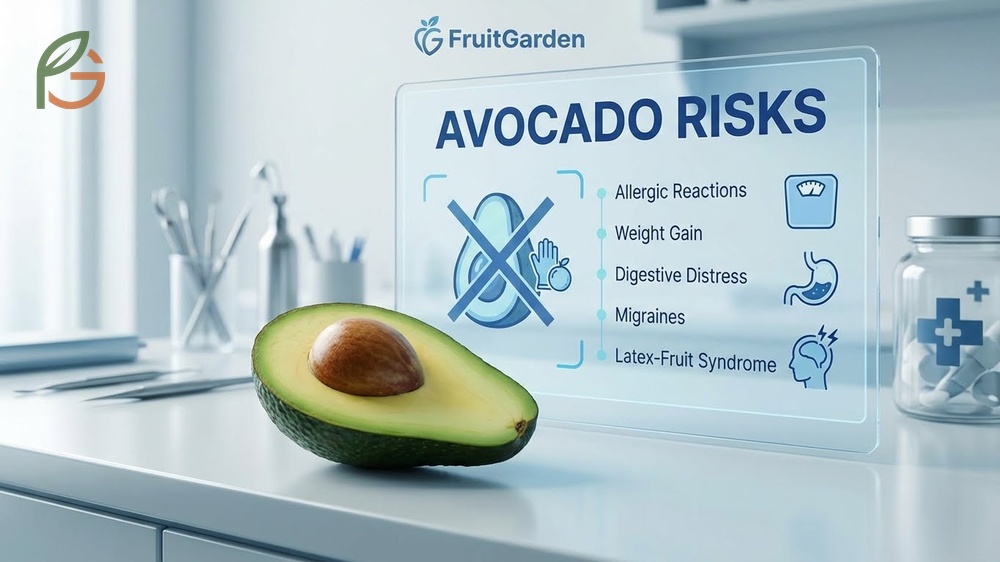
Why avocado is not good for you? While avocados offer nutritional benefits, they can trigger serious allergic reactions, contribute to weight gain, cause digestive distress, and provoke migraines in sensitive individuals. Research shows that 30-50% of people with latex allergies[1] also react to avocados due to cross-reactive proteins. FruitGarden synthesizes current medical research and agricultural data to help you understand avocado’s hidden risks.
Quick Answer
- Avocados contain latex-like proteins causing allergic reactions in 30-50% of latex-sensitive people[1]
- One medium avocado packs 240 calories, contributing to unintended weight gain when overconsumed
- Avocado water footprint averages 800 liters per kilogram[3], raising environmental concerns
- High histamine and tyramine levels trigger migraines and digestive issues in sensitive individuals
Why Avocado Is Not Good for You
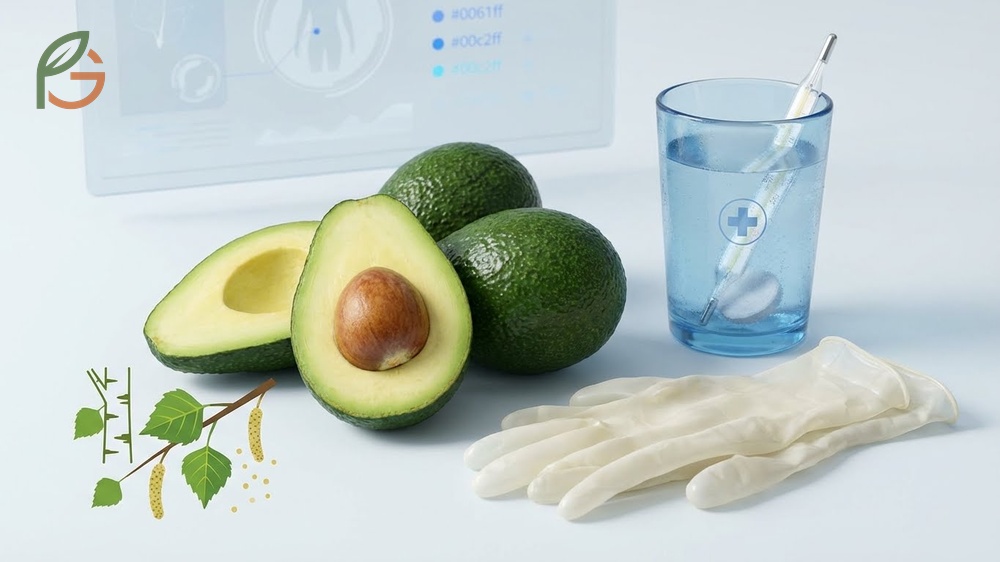
Avocados contain proteins that trigger immune responses in susceptible individuals. Research shows these reactions range from mild oral itching to life-threatening anaphylaxis. The fruit’s latex-like proteins create cross-reactivity problems for people already sensitive to rubber products.
Studies demonstrate that avocado allergies affect two distinct populations differently. People with birch pollen sensitivity experience oral allergy syndrome, while latex-allergic individuals face more severe systemic reactions. This dual allergy pathway makes avocados uniquely problematic compared to other fruits.
Avocado Allergy Symptoms
Symptoms appear within minutes to 48 hours after consumption. Immediate reactions involve the mouth and throat, while delayed responses affect multiple body systems. The severity varies based on your immune system’s sensitivity level.
Most people first notice tingling lips or an itchy palate. More serious cases progress to swelling, breathing difficulties, and gastrointestinal distress. Recognizing early warning signs helps you avoid dangerous complications.
- Swelling of lips, tongue, and throat that worsens over time
- Itchy mouth, scratchy throat, and tingling sensations around the mouth
- Hives, skin rashes, and eczema-like irritation on contact areas
- Sneezing, runny nose, itchy eyes, and breathing difficulties
- Stomach discomfort, nausea, vomiting, and diarrhea within hours
- Anaphylaxis in severe cases requiring immediate emergency treatment
Important Note: If you experience throat swelling or breathing difficulties after eating avocado, seek emergency medical care immediately. These symptoms can escalate to anaphylaxis within minutes.
Latex Fruit Syndrome
This condition, also called latex-fruit allergy, affects 30-50% of latex-allergic people[1]. Your immune system mistakes avocado proteins for latex because they share similar molecular structures. This cross-reactivity creates unexpected allergic responses when you eat certain fruits.
The syndrome extends beyond avocados to bananas, kiwis, chestnuts, and melons. Healthcare professionals now screen latex-allergic patients for fruit sensitivities before procedures. Understanding this connection helps you identify problem foods before serious reactions occur.
- Bananas, particularly overripe ones with higher protein breakdown
- Kiwifruit, causing oral tingling and throat irritation
- Chestnuts, triggering respiratory and skin reactions
- Papayas and mangos in tropical fruit-sensitive individuals
- Tomatoes, potatoes, and bell peppers in nightshade-reactive people
Eating Too Much Avocado Side Effects

Daily avocado consumption adds significant calories without you realizing it. One medium fruit contains 240 calories[2]—roughly 10-12% of a standard 2,000-calorie diet. When you add avocado to toast, salads, and smoothies throughout the day, you’re likely exceeding your calorie needs.
Current nutritional guidance emphasizes portion control for calorie-dense foods. Most people underestimate serving sizes, especially with foods perceived as healthy. This calorie creep contributes to gradual weight gain that’s hard to trace back to specific foods.
High Calorie Content and Weight Gain
Avocados pack nearly 5 times more calories per ounce than most fruits. While 3.5 ounces of strawberries contain 32 calories, the same amount of avocado delivers 160 calories. This density makes portion control critical for weight management.
Evidence suggests that eating more than half an avocado daily can tip your calorie balance toward weight gain. The healthy fats provide satiety but don’t cancel out the calorie surplus. Tracking your total daily intake prevents this nutritious food from sabotaging your weight goals.
This table compares calories, fat content, and recommended serving sizes for different avocado portions from quarter to whole fruit
| Portion Size | Calories | Total Fat (g) | Weight Management Recommendation |
|---|---|---|---|
| ¼ avocado | 60[2] | 5.5 | Safe for daily consumption |
| ½ avocado | 120[2] | 11 | Maximum daily serving recommended |
| Whole avocado | 240[2] | 22 | Exceeds single-meal fat recommendations |
| 2 avocados | 480 | 44 | 25% of daily calories—weight gain risk |
Digestive Issues
Avocados contain perseitol, a sugar alcohol that ferments in your gut. This FODMAP compound draws water into your intestines, causing bloating and loose stools in sensitive people. Eating more than a quarter avocado in one meal often triggers these symptoms.
Research demonstrates that individuals with IBS experience cramping and gas from avocado’s polyol content. The fruit’s high fiber content—4.6 grams per half avocado—can overwhelm digestive systems not accustomed to it. Starting with small portions helps you gauge your tolerance level.
- Bloating and abdominal distension appearing 2-4 hours after eating
- Gas and flatulence from fermentation of sugar alcohols
- Diarrhea or loose stools due to water retention in intestines
- Stomach cramping and pain in IBS-diagnosed individuals
- Nausea when consuming avocado on an empty stomach
Digestive Tip: If you’re following a low-FODMAP diet, limit avocado intake to ¼ fruit (about 30 grams) per meal. Wait 3-4 hours before eating another FODMAP-containing food to minimize symptoms.
Avocado Histamine and Migraine Triggers
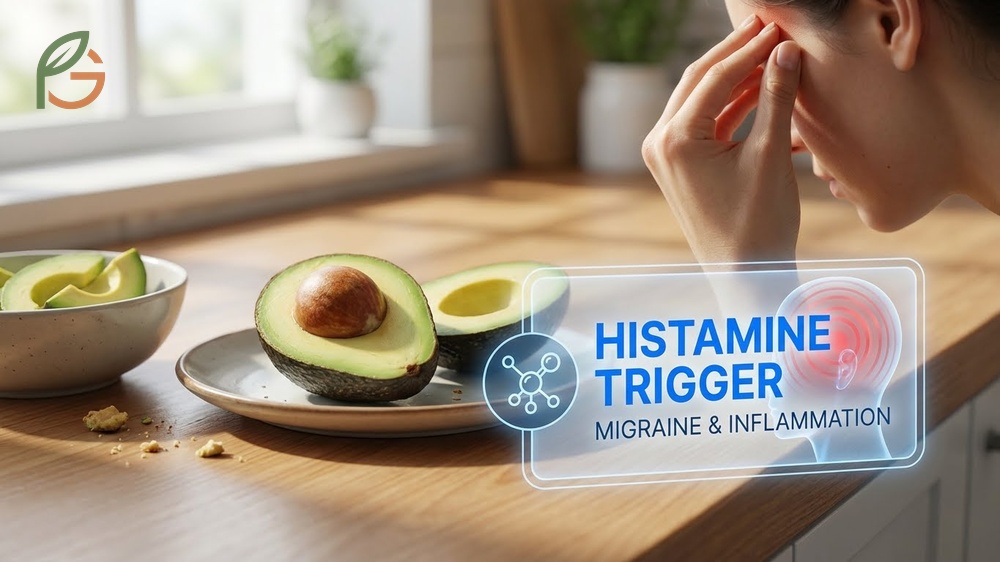
Studies identify avocados as high-histamine foods that intensify inflammatory responses. When your body can’t break down histamine efficiently, it accumulates in tissues and triggers allergic-type reactions. This explains why some people develop symptoms hours after eating avocado without having a true allergy.
Current medical research links dietary histamine to migraines, digestive upset, and skin reactions. Avocados also contain tyramine, another biogenic amine that affects blood vessel dilation. These compounds work together to create perfect conditions for migraine onset in susceptible individuals.
Histamine Intolerance
Your body produces diamine oxidase (DAO) enzymes to break down dietary histamine. When DAO levels are low, histamine builds up and causes symptoms resembling allergies. Research shows avocados rank among the highest-histamine plant foods, making them problematic for histamine-intolerant people.
Symptoms develop gradually, unlike immediate allergic reactions. You might notice headaches, flushing, or digestive discomfort 30 minutes to several hours after eating avocado. These delayed responses make identifying avocado as the culprit challenging without systematic food tracking.
- Headaches and migraines developing 1-3 hours after consumption
- Skin flushing, hives, and red patches on face and neck
- Digestive symptoms including bloating, nausea, and stomach pain
- Runny nose, nasal congestion, and sneezing without infection
- Heart palpitations and blood pressure fluctuations in severe cases
Tyramine and Migraine Connection
Tyramine affects your sympathetic nervous system by altering blood vessel behavior in your brain. Clinical observations demonstrate that tyramine-rich foods provoke migraines in sensitive individuals by disrupting normal blood flow regulation. Overripe avocados contain even higher tyramine levels due to increased protein breakdown.
Medical literature documents that people whose monoamine oxidase (MAO) enzymes function less efficiently experience worse tyramine reactions. These individuals can’t metabolize tyramine quickly enough, allowing levels to rise and trigger migraine pathways. Avoiding overripe avocados reduces this risk significantly.
- Aged cheeses like cheddar, blue cheese, and parmesan
- Fermented products including sauerkraut, kimchi, and soy sauce
- Overripe bananas with brown spots indicating protein breakdown
- Processed meats such as salami, pepperoni, and hot dogs
- Alcoholic beverages, particularly red wine and aged spirits
Avocado Environmental Impact

Avocado farming requires 800 liters of water per kilogram[3] of fruit produced. While comparable to other crops, this demand strains water resources in drought-prone regions like California and Chile. The environmental cost extends beyond your personal health concerns.
Agricultural data shows avocado cultivation drives deforestation in Mexico and South America as farmers clear land for profitable orchards. This habitat destruction threatens biodiversity and contributes to climate change. The fruit’s rising global popularity intensifies these sustainability challenges.
Current agricultural guidance emphasizes choosing organic avocados when possible. Organic farming reduces water pollution by eliminating chemical pesticides and fertilizers. However, even organic production can’t fully offset the crop’s high water demands in water-scarce regions.
Environmental Consideration: If you’re concerned about sustainability, limit avocado consumption to 1-2 times per week. Choose locally grown options when available to reduce transportation emissions and support regional water conservation efforts.
Conclusion
The evidence is clear: why avocado is not good for you depends on your individual sensitivity, consumption patterns, and environmental priorities. While avocados offer nutritional benefits, they pose legitimate risks through allergic reactions, calorie overload, digestive distress, and migraine triggers. People with latex allergies, histamine intolerance, or IBS should approach this fruit cautiously.
Current medical guidance emphasizes personalized nutrition based on your body’s responses. FruitGarden synthesizes agricultural and health research to help you make informed decisions about fruit consumption that align with both your wellness goals and environmental values.
Medical Disclaimer
Important Medical Disclaimer: This content is for informational and educational purposes only. It’s not intended as a substitute for professional medical advice, diagnosis, or treatment. Always consult a qualified healthcare professional before making changes to your diet, especially if you have allergies, latex sensitivity, IBS, histamine intolerance, or migraine conditions. Severe allergic reactions to avocado can be life-threatening—seek emergency medical care if you experience breathing difficulties, throat swelling, or anaphylaxis symptoms.
Frequently Asked Questions
Why Is Avocado Bad for Blood Type B?
The blood type diet theory suggests avocados contain lectins that react negatively with Type B blood, though scientific evidence doesn’t support this claim. Current nutritional research shows blood type doesn’t significantly influence how your body processes avocado nutrients. If you experience symptoms after eating avocado, they’re more likely related to histamine intolerance, latex allergy, or FODMAP sensitivity rather than your blood type.
Can Eating Too Much Avocado Cause Weight Gain?
Yes, consuming more than half an avocado daily can contribute to weight gain due to the fruit’s high calorie density. One whole avocado contains 240 calories[2] and 22 grams of fat. While these are healthy fats, they still add up. Tracking your total daily intake and limiting portions to ¼-½ avocado per meal helps prevent unintended calorie surplus.
What Causes Stomach Ache After Eating Avocado?
Stomach pain after avocado consumption typically results from perseitol, a FODMAP sugar alcohol that ferments in your gut. This compound draws water into your intestines, causing cramping, bloating, and loose stools in sensitive individuals. People with IBS or FODMAP intolerance should limit portions to ¼ avocado per meal to minimize symptoms. High fat content can also slow digestion, contributing to discomfort.
Do Avocados Trigger Migraines?
Yes, avocados contain tyramine and histamine compounds that trigger migraines in susceptible individuals. These naturally occurring substances affect blood vessel dilation and neurotransmitter release in your brain. Overripe avocados have even higher tyramine levels due to protein breakdown. If you’re migraine-prone, avoid eating avocado with other tyramine-rich foods like aged cheese, fermented products, or alcohol.
Is Avocado Bad for the Environment?
Avocado production requires 800 liters of water per kilogram[3], straining water resources in drought-prone regions. Commercial farming also drives deforestation in Mexico and South America, threatening biodiversity. While the water footprint is comparable to other fruits, increasing global demand intensifies these sustainability concerns. Choosing organic, locally grown avocados when possible helps reduce environmental impact.
How Do You Know If You’re Allergic to Avocado?
Avocado allergy symptoms include itchy mouth, swollen lips, scratchy throat, hives, sneezing, and stomach discomfort appearing within minutes to 48 hours after eating. People with latex allergies are at higher risk due to cross-reactive proteins. Severe reactions can progress to breathing difficulties and anaphylaxis. If you suspect an avocado allergy, consult an allergist for skin prick testing or specific IgE blood tests to confirm.
What’s the Safe Amount of Avocado to Eat Daily?
Nutritional guidance recommends limiting avocado intake to ¼-½ fruit (30-60 grams) per day for most people. This portion provides healthy fats and nutrients without excessive calories. People with histamine intolerance, IBS, or latex allergies should stay at the lower end or avoid avocados entirely. Monitor your body’s response and adjust portions based on symptoms like bloating, headaches, or digestive discomfort.





