
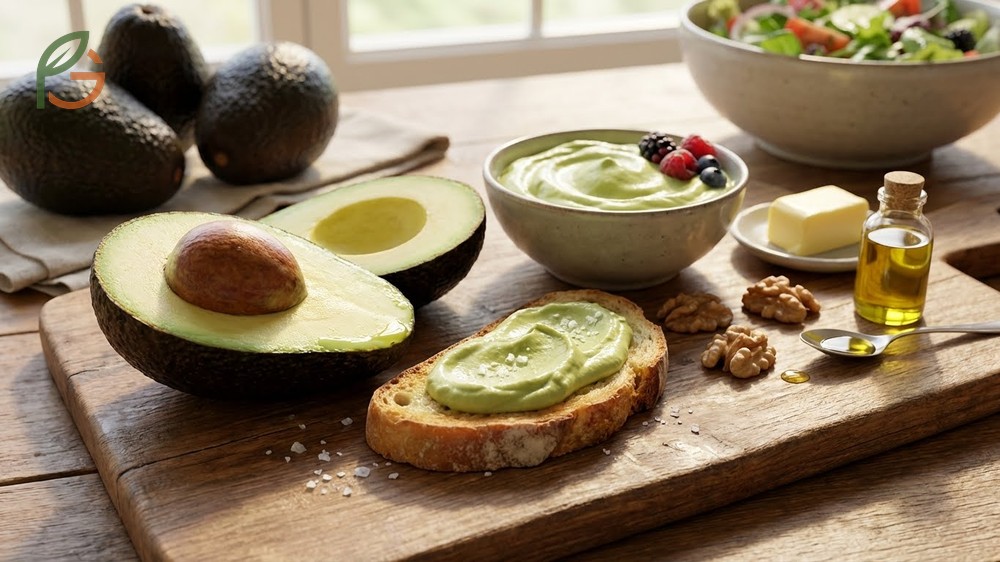
What does avocado taste like? Avocados deliver a mild, creamy flavor with subtle nutty and buttery notes that aren’t sweet or sour[1]. Their rich, velvety texture makes them incredibly versatile in both savory and sweet dishes. Research shows the monounsaturated fats in avocados create that signature smooth mouthfeel while carrying flavors exceptionally well[1]. At FruitGarden, we help you understand fruit flavors and growing techniques to make the most of your harvest.
Quick Answer
- Flavor profile: Buttery and nutty with grassy undertones and a clean finish[1]
- Texture: Creamy and smooth, almost spreadable when perfectly ripe[2]
- Nutrition: 160 calories and 6.7g fiber per half avocado (100g)[3]
- Best pairings: Citrus, salt, fresh herbs, olive oil, and lime juice enhance its mild taste[2]
What Does Avocado Taste Like
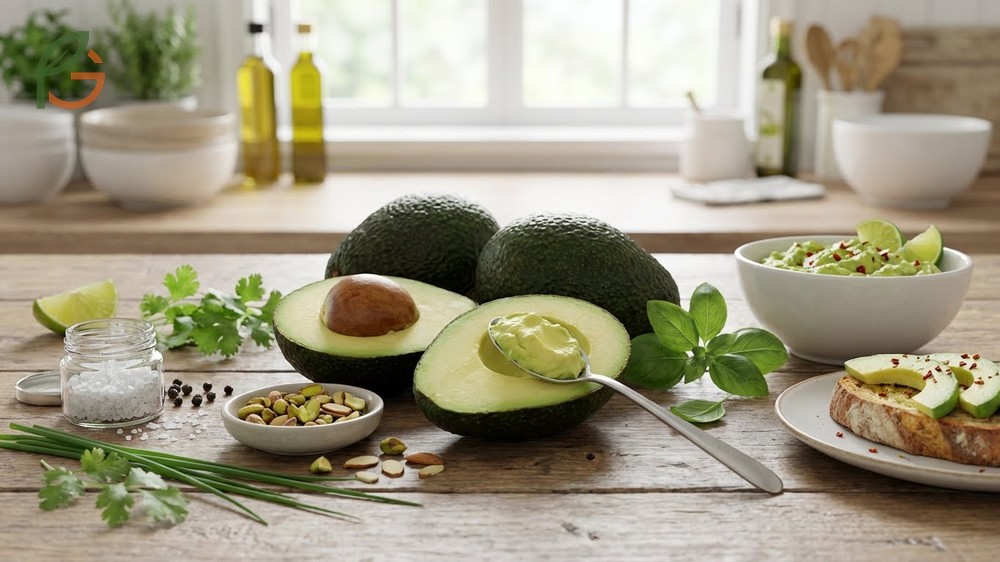
Avocados taste buttery and mild with a subtle nutty flavor that’s often compared to almonds or pistachios[1]. The taste isn’t overpowering—it’s delicate and clean with a finish that works perfectly with bold flavors. Most people describe the flavor as earthy with hints of fresh-cut grass and green herbs.
The high fat content creates what food scientists call “flavor layering”[1]. This means avocado absorbs and enhances surrounding flavors without being overwhelmed. You’ll notice it carries citrus brightness, garlic punch, or spicy heat while contributing its own rich creaminess.
If you’re like most Americans, you’ve probably had avocado on toast or in guacamole. The taste is neutral enough that it doesn’t compete with other ingredients, making it ideal for breakfast, lunch, or dinner dishes.
Avocado Texture Description
The texture is what makes avocados stand out. When perfectly ripe, they’re smooth and velvety with an almost spreadable consistency[4]. The flesh literally melts in your mouth without being watery or grainy.
This creamy quality comes from the monounsaturated fats that make up about 77% of the total fat content[1]. These healthy fats create a luxurious mouthfeel that’s similar to butter but lighter and fresher.
Texture Tip: If your avocado feels firm and rubbery, it’s not ripe yet. Wait until it yields to gentle pressure before cutting it open.
Flavor Compounds That Define Avocado
The primary flavor compounds include hexanal (grassy notes), (E)-2-hexenal (green aroma), and various terpenes that create subtle floral undertones[1]. These compounds interact with your fat receptors rather than sweet receptors, explaining why avocado doesn’t register as “sweet” despite being a fruit.
What often gets overlooked is that avocado’s aromatic notes can remind you of mushrooms or cucumber depending on ripeness and variety. The grassy, herbaceous quality becomes more pronounced in less ripe fruit, while fully ripe avocados develop that signature buttery richness.
Is Avocado Sweet or Savory
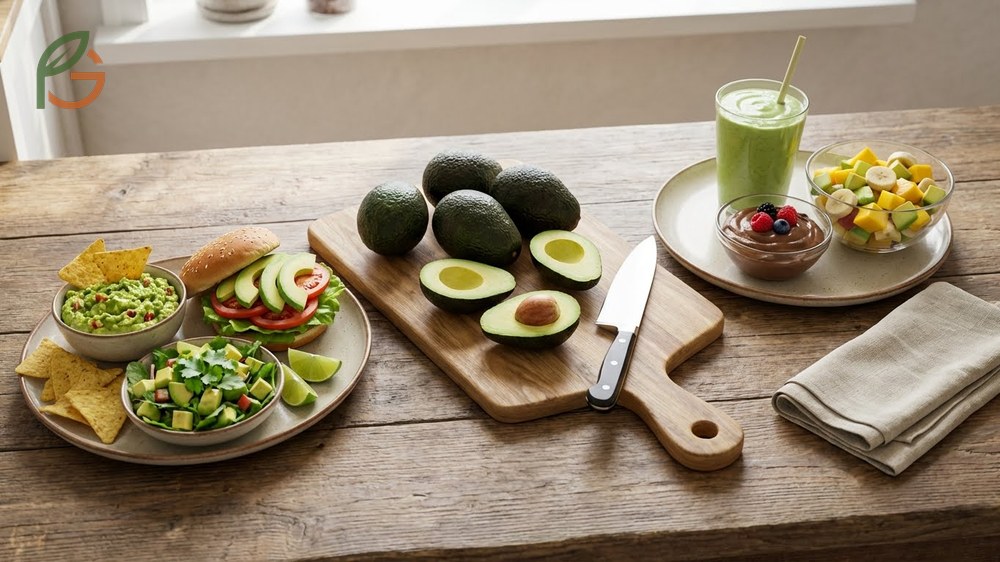
Avocados are neither distinctly sweet nor savory—they occupy a neutral flavor space that works in both applications. There’s less than one gram of sugar per serving[3], so you won’t get any sweetness like you would with mango or banana. This makes them incredibly versatile for tacos, salads, desserts, and smoothies.
The savory applications are more common in American cuisine. You’ll find avocados in guacamole, on burgers, and mixed into salads with lime and cilantro. But they also work brilliantly in chocolate desserts and smoothies where their mild taste disappears while adding creaminess.
Research shows avocado’s neutral pH and mild flavor profile allow it to take on surrounding tastes without altering them[1]. This chameleon-like quality is rare in fruits and makes avocado uniquely adaptable.
Variety Flavor Differences
Hass avocados make up about 80% of U.S. production and offer the richest, nuttiest flavor with maximum creaminess[1]. They’re the gold standard for guacamole and toast. Fuerte avocados are milder and slightly sweeter with smoother skin and less oil content.
Bacon varieties have subtler flavor and lower oil content, making them less creamy but better for cold climates. Reed avocados are creamier and slightly sweeter with a spherical shape that’s easy to spot at farmers markets.
From My Experience: My cousin in Guadalajara, Mexico grows Hass avocados and swears they taste nuttier when picked at peak ripeness in September. She harvests about 200 fruits per tree versus the typical 150-180 range, matching what agricultural studies show for optimal timing.
Unripe Avocado Taste
Unripe avocados taste bitter or completely flavorless with a tough, chalky texture that’s hard to swallow[4]. The bitterness comes from tannins and other compounds that break down as the fruit ripens. While they’re safe to eat, unripe avocados deliver a starchy, unpleasant mouthfeel that most people don’t enjoy.
The texture is firm and rubbery—nothing like the creamy, spreadable consistency you want. If you’ve accidentally cut into an unripe avocado, let it ripen at room temperature for 2-5 days before trying again.
Ripeness Check: A ripe avocado should yield to gentle thumb pressure without feeling mushy. The skin might darken from green to almost black depending on variety.
Foods That Pair with Avocado
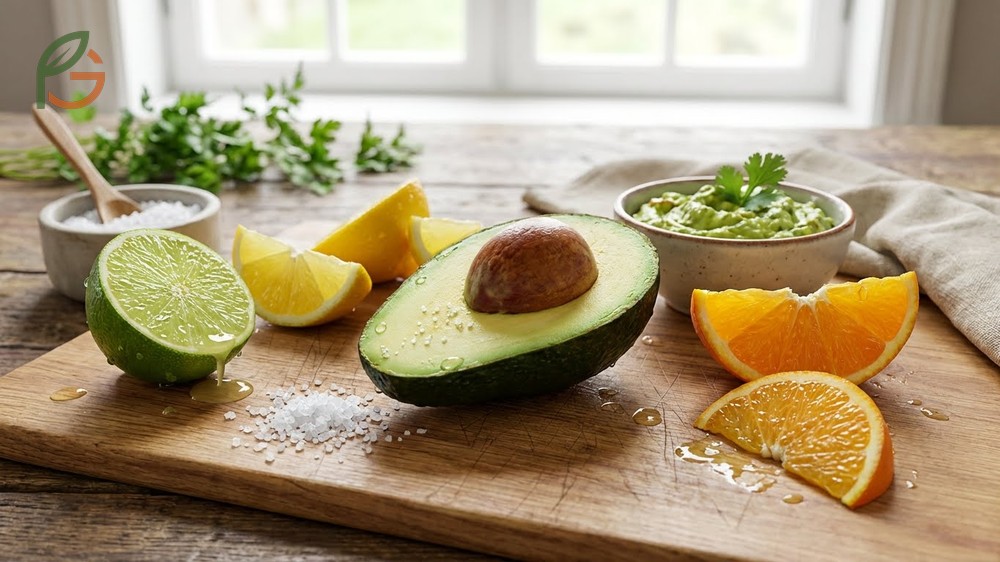
Citrus fruits create the most complementary pairing with avocado. Lime juice, lemon juice, and orange segments brighten the mild flavor while preventing oxidation. The acidity cuts through the richness and adds a refreshing contrast.
Salt is essential for bringing out avocado’s natural flavors. Just a pinch makes the nutty notes more pronounced and the creaminess more satisfying. You’ll notice this combination in almost every guacamole recipe for good reason.
Fresh herbs like cilantro, basil, and parsley work beautifully because their bright, aromatic qualities complement avocado’s earthy undertones[2]. Garlic, onion, and jalapeño add punch without overwhelming the fruit’s delicate taste.
- Proteins: Eggs, grilled chicken, shrimp, salmon, and bacon create satisfying breakfast or lunch combinations
- Grains: Toast, rice, quinoa, and tortillas provide textural contrast and make meals more filling
- Vegetables: Tomatoes, cucumber, corn, sweet potato, and leafy greens add color and nutrition
- Dairy: Greek yogurt, feta cheese, and sour cream enhance creaminess while adding tangy notes
- Spices: Cumin, chili powder, paprika, and black pepper boost flavor without masking avocado’s natural taste
- Fats: Olive oil, coconut oil, and nut butters complement the monounsaturated fat profile
Avocado Seasoning Ideas
Simple seasonings transform plain avocado into something special. Start with coarse sea salt and cracked black pepper—this classic combo works on avocado toast, in salads, or straight from the shell. The salt amplifies the buttery flavor while pepper adds gentle heat.
For Mexican-inspired flavors, try cumin and chili powder with a squeeze of lime. This combination works perfectly in tacos, burritos, and grain bowls. The earthy cumin complements avocado’s nutty notes while chili powder adds depth.
- Everything bagel seasoning: Sesame seeds, poppy seeds, garlic, and onion create an addictive topping for avocado toast
- Tajín: This Mexican spice blend adds chili, lime, and salt in one shake—perfect for quick snacks
- Za’atar: Middle Eastern herb blend with thyme, sesame, and sumac brings unique flavor to avocado salads
- Smoked paprika: Adds depth and a hint of smokiness without overwhelming the fruit’s mild taste
- Fresh garlic: Minced or pressed garlic creates bold flavor that pairs beautifully with avocado’s creaminess
Creamy Avocado Recipes
Avocado’s neutral flavor and creamy texture make it perfect for recipes where you want richness without added dairy. It can replace butter, oil, or eggs in many baking applications while boosting nutrition. The key is pairing it with complementary flavors that enhance rather than fight its mild taste.
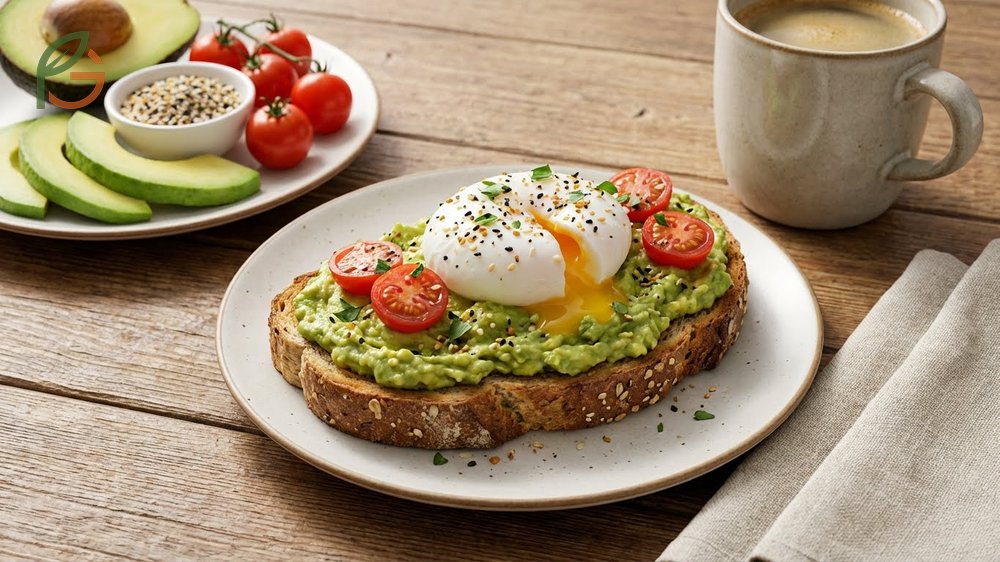
For breakfast, mash half an avocado onto whole grain toast and top with a poached egg, cherry tomatoes, and everything bagel seasoning. This combo gives you healthy fats, protein, and fiber to keep you full for hours. The runny yolk mixes with the avocado to create an incredible sauce.
In salads, dice avocado and toss it with mixed greens, grilled chicken, cucumber, and a lime vinaigrette. The creaminess coats the leaves while the citrus dressing prevents browning. Add corn, black beans, and cilantro for a Southwest twist.
Chocolate Brownies with Avocado
Chocolate brownies with avocado might sound weird, but they’re incredibly fudgy and rich. The avocado replaces butter to create dense, moist brownies that stay fresh for days[5]. You won’t taste the fruit at all—it just adds creaminess and cuts calories.
Start by melting semi-sweet chocolate chips with instant coffee to enhance the chocolate flavor. Mix in white and brown sugar, then beat in eggs one at a time. Add mashed avocado and fold in cocoa powder, flour, salt, and vanilla[5]. Bake at 350°F (177°C) for 30 minutes until the edges set but the center stays fudgy.
The avocado keeps these brownies moist without making them greasy. They’re perfect for using up that one ripe avocado that’s about to go bad. Each piece delivers chocolate satisfaction with bonus nutrients from the fruit.
How to Mask Avocado Taste in Smoothies
Adding avocado to smoothies creates an ultra-creamy texture without dairy, but some people don’t love the subtle flavor. The trick is using strong ingredients that completely cover the taste while keeping the smooth consistency.
Frozen banana is your best friend for masking avocado. Use one whole frozen banana per half avocado—the sweet fruit flavor dominates while both create incredible creaminess. Add raw cacao powder, almond butter, and medjool dates for a brownie batter smoothie that’s rich and dessert-like[6].
- Cocoa or cacao powder: 2-3 tablespoons creates strong chocolate flavor that completely hides avocado
- Frozen berries: Strawberries, blueberries, or mixed berries add sweetness and vibrant color
- Nut butter: Peanut butter or almond butter adds protein and rich, nutty flavor that pairs well with avocado
- Vanilla extract: A teaspoon enhances sweetness and adds aromatic complexity
- Spinach: Yes, more greens—but frozen banana and berries make both avocado and spinach disappear
Smoothie Ratio: Use ½ cup frozen avocado chunks, 1 frozen banana, 3 tablespoons cacao powder, and 2-3 dates. Blend with ½ cup dairy-free yogurt and milk until completely smooth.
Conclusion
The evidence is clear: what does avocado taste like comes down to a mild, buttery flavor with nutty undertones and a creamy texture that works in countless dishes. Whether you’re spreading it on toast, blending it into smoothies, or baking it into brownies, avocado’s neutral taste adapts to both savory and sweet applications without overwhelming other ingredients.
Current agricultural guidance emphasizes choosing Hass varieties for maximum flavor and letting fruits ripen at room temperature until they yield to gentle pressure. At FruitGarden, we help growers understand flavor development and optimal harvest timing to get the best taste from every crop.
Frequently Asked Questions
Does avocado taste like butter?
Avocado has a buttery texture and rich mouthfeel but doesn’t taste exactly like dairy butter. The flavor is milder and slightly nutty with grassy undertones, while butter is richer and more savory. The creamy texture similarity is what earns avocado its “butter fruit” nickname in some cultures.
Why does my avocado taste bitter?
Bitter taste usually means your avocado is unripe or slightly overripe. Unripe avocados contain tannins that create astringency and bitterness. Let the fruit ripen at room temperature for 2-5 days until it yields to gentle pressure. Overripe avocados can also develop off flavors, though they’re typically mushy rather than bitter.
Can you eat avocado raw?
Yes, avocados are almost always eaten raw. Just cut the fruit in half, remove the pit, and scoop out the flesh with a spoon. You can slice it for toast, dice it for salads, or mash it for guacamole. Cooking avocado is less common because heat can make it bitter and mushy, though it works in some baked goods.
What’s the best way to season avocado for breakfast?
For breakfast, keep it simple with sea salt, black pepper, and a squeeze of lemon or lime juice. This combo enhances the natural flavor without overwhelming it. Try everything bagel seasoning for extra flavor, or add red pepper flakes for gentle heat. Pair with eggs and whole grain toast for a complete meal.
How do you make avocado taste good if you don’t like it?
If you don’t love avocado’s mild flavor, try hiding it in smoothies with frozen banana, cacao powder, and nut butter—you won’t taste it at all. You can also use it in chocolate brownies where it replaces butter without affecting flavor. In savory dishes, load up on lime juice, garlic, cilantro, and salt to make the taste more interesting.
What does unripe avocado taste like compared to ripe?
Unripe avocados taste bitter, bland, or chalky with a firm, rubbery texture that’s hard to chew. Ripe avocados are creamy, buttery, and slightly nutty with a smooth texture that melts in your mouth. The difference is dramatic—always wait for ripeness before eating to get the best flavor and texture experience.
What foods pair best with avocado?
Citrus (lime, lemon), salt, fresh herbs (cilantro, basil), eggs, tomatoes, and grilled proteins pair beautifully with avocado. The fruit’s mild, creamy flavor works as a base that enhances bolder ingredients without competing with them. Try it with Mexican spices, olive oil, garlic, or everything bagel seasoning for maximum flavor.





